![2 years after Pakistan mob lynching, Christian family still seeks justice #Catholic LAHORE, Pakistan — As Muslims across Pakistan celebrate Eid al-Adha, Sultan Gill is quietly preparing for the death anniversary of his father, who died after a violent mob attack over allegations of blasphemy in 2024.Nearly 2,000 people attacked Gillʼs family in Sargodha, in northern Punjab province, on May 25, 2024, after allegations emerged that his father, Nazir (Lazar) Masih, had desecrated pages of the Quran. EWTN News covered the attack at the time.The mob ransacked the familyʼs home and shoe factory in Mujahid Colony and later set the business on fire after a mosque announcement reportedly amplified the accusations.Police managed to evacuate nine members of the family, but Masih was caught by the crowd and beaten with stones, bricks, and sticks. The 74-year-old succumbed to his injuries on the night of June 2–3, 2024.The killing sparked protests by Christian groups across the country, while politicians and Catholic bishops visited the family and held meetings with police officials.Yet nearly two years later, the family says it is still waiting for justice and compensation for the destruction of their property, which remains abandoned after they fled Sargodha.“Our wounds became fresh during Eid. The cruelty cannot be described in words,” Gill told EWTN News.“The confidence is gone. We cannot move around or talk freely. Two of my children had to discontinue their education and start working to support the family in a new city and help pay house rent,” he said.“The police assured us of 1.2 million rupees [about $4,300] as compensation for damage to the factory, which was actually worth millions. But despite repeated visits to the district administration and Punjabʼs minority affairs minister, we received nothing.”Arrests but no accountabilitySargodha police registered cases against about 450 unidentified suspects under anti-terrorism laws, and 25 people were arrested over the attack on Masih.However, all of the accused were released within weeks, according to Sunil Kaleem, director of the Organization for Legal Aid, which has provided legal support to the family.“We challenged the bails granted to the accused, but without success. The biased judges of lower courts often rely on consistency and benefit-of-doubt principles in such cases,” Kaleem said.“There are no independent eyewitnesses apart from police officials, and there is little interest in pursuing accountability. The chances of punishment in mob attacks linked to blasphemy allegations remain very low.”Church leaders and rights groups have long argued that Pakistanʼs blasphemy laws disproportionately affect religious minorities and often fail to uphold principles of justice, including due process and the presumption of innocence.At least 26 Christians were killed extrajudicially in Pakistan between 1994 and 2024 following blasphemy allegations, according to the Center for Social Justice, a Lahore-based advocacy group.Church responseFather David John, parish priest of St. Francis Xavier Church in Sargodha, said Masihʼs family received financial assistance and shelter from the National Commission for Justice and Peace, the Catholic bishops' rights body, for 20 months.“Psychological support was crucial for frightened Christians in the area, and it was important to stand with them,” he said.“We did what we could. There was a long struggle to restore normalcy in the city with the support of district peace committees and Muslim friends.”“Religious minorities in Pakistan deserve to live in peace and harmony. People of goodwill stand with us. There is tremendous scope for interfaith dialogue, and efforts toward acceptance must continue.”Catholic activist Ashiknaz Khokhar criticized delays in the justice process and warned of wider consequences.“It weakens public trust and leaves vulnerable communities exposed to further harm. When cases remain unresolved, fear and instability increase,” he said, adding that Masihʼs family now plans to sell its two homes after losing its business in Sargodha.He called for stronger preventive measures, including proactive law enforcement to manage crowds before violence escalates.“The state should use digital monitoring systems to address online hate speech, provide administrative and security safeguards to ensure judicial independence, discourage misuse of laws through consistent accountability, and introduce educational reforms promoting religious tolerance and civic responsibility,” he said.](https://unitedyam.com/wp-content/uploads/2026/05/2-years-after-pakistan-mob-lynching-christian-family-still-seeks-justice-catholic-lahore-pakistan-as-muslims-across-pakistan-celebrate-eid-al-adha-sultan-gill-is-quietly-preparing-for-th.jpg "2 years after Pakistan mob lynching, Christian family still seeks justice #Catholic LAHORE, Pakistan — As Muslims across Pakistan celebrate Eid al-Adha, Sultan Gill is quietly preparing for the death anniversary of his father, who died after a violent mob attack over allegations of blasphemy in 2024.Nearly 2,000 people attacked Gillʼs family in Sargodha, in northern Punjab province, on May 25, 2024, after allegations emerged that his father, Nazir (Lazar) Masih, had desecrated pages of the Quran. EWTN News covered the attack at the time.The mob ransacked the familyʼs home and shoe factory in Mujahid Colony and later set the business on fire after a mosque announcement reportedly amplified the accusations.Police managed to evacuate nine members of the family, but Masih was caught by the crowd and beaten with stones, bricks, and sticks. The 74-year-old succumbed to his injuries on the night of June 2–3, 2024.The killing sparked protests by Christian groups across the country, while politicians and Catholic bishops visited the family and held meetings with police officials.Yet nearly two years later, the family says it is still waiting for justice and compensation for the destruction of their property, which remains abandoned after they fled Sargodha.“Our wounds became fresh during Eid. The cruelty cannot be described in words,” Gill told EWTN News.“The confidence is gone. We cannot move around or talk freely. Two of my children had to discontinue their education and start working to support the family in a new city and help pay house rent,” he said.“The police assured us of 1.2 million rupees [about $4,300] as compensation for damage to the factory, which was actually worth millions. But despite repeated visits to the district administration and Punjabʼs minority affairs minister, we received nothing.”Arrests but no accountabilitySargodha police registered cases against about 450 unidentified suspects under anti-terrorism laws, and 25 people were arrested over the attack on Masih.However, all of the accused were released within weeks, according to Sunil Kaleem, director of the Organization for Legal Aid, which has provided legal support to the family.“We challenged the bails granted to the accused, but without success. The biased judges of lower courts often rely on consistency and benefit-of-doubt principles in such cases,” Kaleem said.“There are no independent eyewitnesses apart from police officials, and there is little interest in pursuing accountability. The chances of punishment in mob attacks linked to blasphemy allegations remain very low.”Church leaders and rights groups have long argued that Pakistanʼs blasphemy laws disproportionately affect religious minorities and often fail to uphold principles of justice, including due process and the presumption of innocence.At least 26 Christians were killed extrajudicially in Pakistan between 1994 and 2024 following blasphemy allegations, according to the Center for Social Justice, a Lahore-based advocacy group.Church responseFather David John, parish priest of St. Francis Xavier Church in Sargodha, said Masihʼs family received financial assistance and shelter from the National Commission for Justice and Peace, the Catholic bishops' rights body, for 20 months.“Psychological support was crucial for frightened Christians in the area, and it was important to stand with them,” he said.“We did what we could. There was a long struggle to restore normalcy in the city with the support of district peace committees and Muslim friends.”“Religious minorities in Pakistan deserve to live in peace and harmony. People of goodwill stand with us. There is tremendous scope for interfaith dialogue, and efforts toward acceptance must continue.”Catholic activist Ashiknaz Khokhar criticized delays in the justice process and warned of wider consequences.“It weakens public trust and leaves vulnerable communities exposed to further harm. When cases remain unresolved, fear and instability increase,” he said, adding that Masihʼs family now plans to sell its two homes after losing its business in Sargodha.He called for stronger preventive measures, including proactive law enforcement to manage crowds before violence escalates.“The state should use digital monitoring systems to address online hate speech, provide administrative and security safeguards to ensure judicial independence, discourage misuse of laws through consistent accountability, and introduce educational reforms promoting religious tolerance and civic responsibility,” he said.")
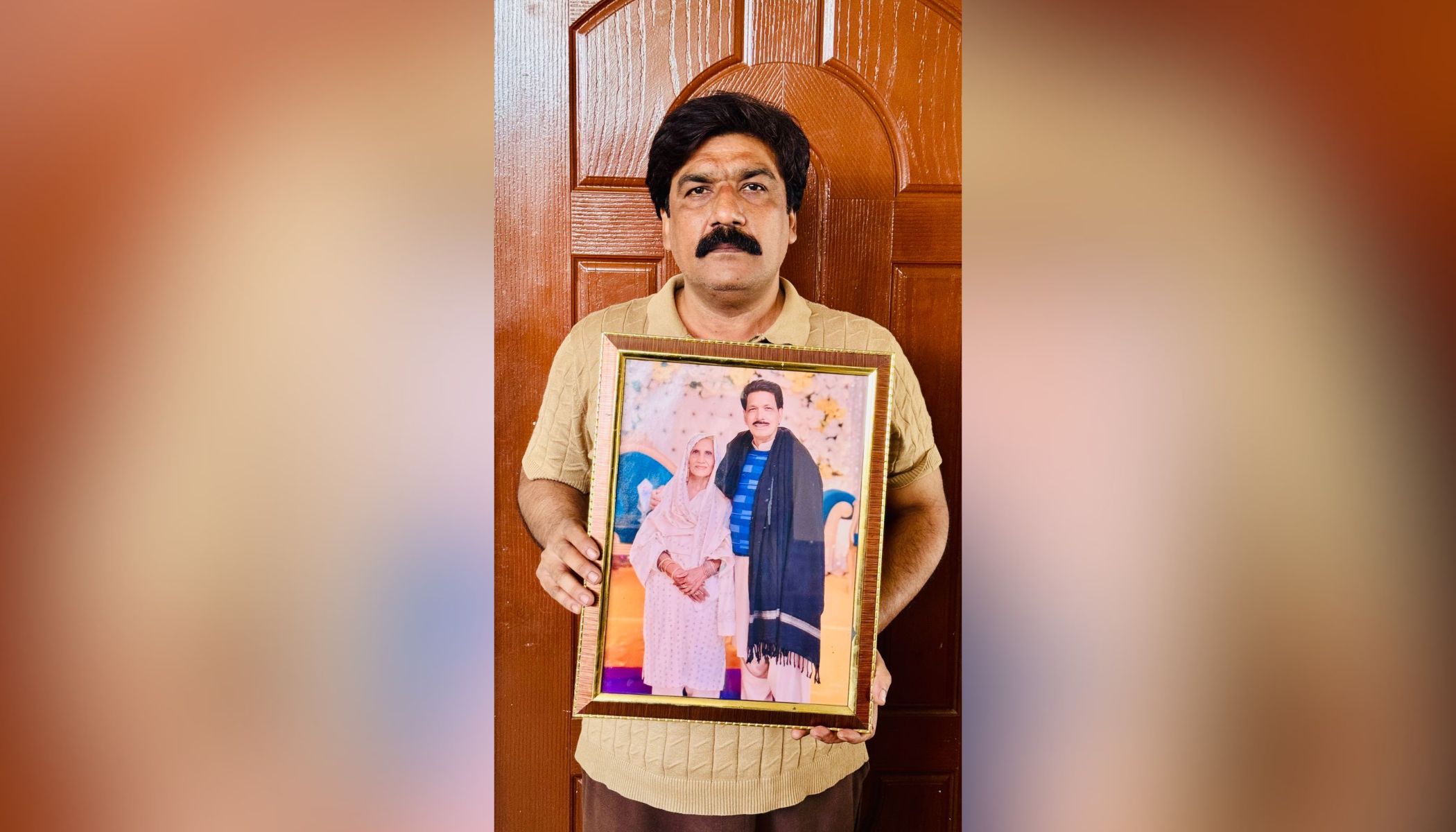
LAHORE, Pakistan — As Muslims across Pakistan celebrate Eid al-Adha, Sultan Gill is quietly preparing for the death anniversary of his father, who died after a violent mob attack over allegations of blasphemy in 2024.
Nearly 2,000 people attacked Gillʼs family in Sargodha, in northern Punjab province, on May 25, 2024, after allegations emerged that his father, Nazir (Lazar) Masih, had desecrated pages of the Quran. EWTN News covered the attack at the time.
The mob ransacked the familyʼs home and shoe factory in Mujahid Colony and later set the business on fire after a mosque announcement reportedly amplified the accusations.
Police managed to evacuate nine members of the family, but Masih was caught by the crowd and beaten with stones, bricks, and sticks. The 74-year-old succumbed to his injuries on the night of June 2–3, 2024.
The killing sparked protests by Christian groups across the country, while politicians and Catholic bishops visited the family and held meetings with police officials.
Yet nearly two years later, the family says it is still waiting for justice and compensation for the destruction of their property, which remains abandoned after they fled Sargodha.
“Our wounds became fresh during Eid. The cruelty cannot be described in words,” Gill told EWTN News.
“The confidence is gone. We cannot move around or talk freely. Two of my children had to discontinue their education and start working to support the family in a new city and help pay house rent,” he said.
“The police assured us of 1.2 million rupees [about $4,300] as compensation for damage to the factory, which was actually worth millions. But despite repeated visits to the district administration and Punjabʼs minority affairs minister, we received nothing.”
Arrests but no accountability
Sargodha police registered cases against about 450 unidentified suspects under anti-terrorism laws, and 25 people were arrested over the attack on Masih.
However, all of the accused were released within weeks, according to Sunil Kaleem, director of the Organization for Legal Aid, which has provided legal support to the family.
“We challenged the bails granted to the accused, but without success. The biased judges of lower courts often rely on consistency and benefit-of-doubt principles in such cases,” Kaleem said.
“There are no independent eyewitnesses apart from police officials, and there is little interest in pursuing accountability. The chances of punishment in mob attacks linked to blasphemy allegations remain very low.”
Church leaders and rights groups have long argued that Pakistanʼs blasphemy laws disproportionately affect religious minorities and often fail to uphold principles of justice, including due process and the presumption of innocence.
At least 26 Christians were killed extrajudicially in Pakistan between 1994 and 2024 following blasphemy allegations, according to the Center for Social Justice, a Lahore-based advocacy group.
Church response
Father David John, parish priest of St. Francis Xavier Church in Sargodha, said Masihʼs family received financial assistance and shelter from the National Commission for Justice and Peace, the Catholic bishops' rights body, for 20 months.
“Psychological support was crucial for frightened Christians in the area, and it was important to stand with them,” he said.
“We did what we could. There was a long struggle to restore normalcy in the city with the support of district peace committees and Muslim friends.”
“Religious minorities in Pakistan deserve to live in peace and harmony. People of goodwill stand with us. There is tremendous scope for interfaith dialogue, and efforts toward acceptance must continue.”
Catholic activist Ashiknaz Khokhar criticized delays in the justice process and warned of wider consequences.
“It weakens public trust and leaves vulnerable communities exposed to further harm. When cases remain unresolved, fear and instability increase,” he said, adding that Masihʼs family now plans to sell its two homes after losing its business in Sargodha.
He called for stronger preventive measures, including proactive law enforcement to manage crowds before violence escalates.
“The state should use digital monitoring systems to address online hate speech, provide administrative and security safeguards to ensure judicial independence, discourage misuse of laws through consistent accountability, and introduce educational reforms promoting religious tolerance and civic responsibility,” he said.
2 years after Pakistan mob lynching, Christian family still seeks justice #Catholic
LAHORE, Pakistan — As Muslims across Pakistan celebrate Eid al-Adha, Sultan Gill is quietly preparing for the death anniversary of his father, who died after a violent mob attack over allegations of blasphemy in 2024.
Nearly 2,000 people attacked Gillʼs family in Sargodha, in northern Punjab province, on May 25, 2024, after allegations emerged that his father, Nazir (Lazar) Masih, had desecrated pages of the Quran. EWTN News covered the attack at the time.
The mob ransacked the familyʼs home and shoe factory in Mujahid Colony and later set the business on fire after a mosque announcement reportedly amplified the accusations.
Police managed to evacuate nine members of the family, but Masih was caught by the crowd and beaten with stones, bricks, and sticks. The 74-year-old succumbed to his injuries on the night of June 2–3, 2024.
The killing sparked protests by Christian groups across the country, while politicians and Catholic bishops visited the family and held meetings with police officials.
Yet nearly two years later, the family says it is still waiting for justice and compensation for the destruction of their property, which remains abandoned after they fled Sargodha.
“Our wounds became fresh during Eid. The cruelty cannot be described in words,” Gill told EWTN News.
“The confidence is gone. We cannot move around or talk freely. Two of my children had to discontinue their education and start working to support the family in a new city and help pay house rent,” he said.
“The police assured us of 1.2 million rupees [about $4,300] as compensation for damage to the factory, which was actually worth millions. But despite repeated visits to the district administration and Punjabʼs minority affairs minister, we received nothing.”
Arrests but no accountability
Sargodha police registered cases against about 450 unidentified suspects under anti-terrorism laws, and 25 people were arrested over the attack on Masih.
However, all of the accused were released within weeks, according to Sunil Kaleem, director of the Organization for Legal Aid, which has provided legal support to the family.
“We challenged the bails granted to the accused, but without success. The biased judges of lower courts often rely on consistency and benefit-of-doubt principles in such cases,” Kaleem said.
“There are no independent eyewitnesses apart from police officials, and there is little interest in pursuing accountability. The chances of punishment in mob attacks linked to blasphemy allegations remain very low.”
Church leaders and rights groups have long argued that Pakistanʼs blasphemy laws disproportionately affect religious minorities and often fail to uphold principles of justice, including due process and the presumption of innocence.
At least 26 Christians were killed extrajudicially in Pakistan between 1994 and 2024 following blasphemy allegations, according to the Center for Social Justice, a Lahore-based advocacy group.
Church response
Father David John, parish priest of St. Francis Xavier Church in Sargodha, said Masihʼs family received financial assistance and shelter from the National Commission for Justice and Peace, the Catholic bishops' rights body, for 20 months.
“Psychological support was crucial for frightened Christians in the area, and it was important to stand with them,” he said.
“We did what we could. There was a long struggle to restore normalcy in the city with the support of district peace committees and Muslim friends.”
“Religious minorities in Pakistan deserve to live in peace and harmony. People of goodwill stand with us. There is tremendous scope for interfaith dialogue, and efforts toward acceptance must continue.”
Catholic activist Ashiknaz Khokhar criticized delays in the justice process and warned of wider consequences.
“It weakens public trust and leaves vulnerable communities exposed to further harm. When cases remain unresolved, fear and instability increase,” he said, adding that Masihʼs family now plans to sell its two homes after losing its business in Sargodha.
He called for stronger preventive measures, including proactive law enforcement to manage crowds before violence escalates.
“The state should use digital monitoring systems to address online hate speech, provide administrative and security safeguards to ensure judicial independence, discourage misuse of laws through consistent accountability, and introduce educational reforms promoting religious tolerance and civic responsibility,” he said.