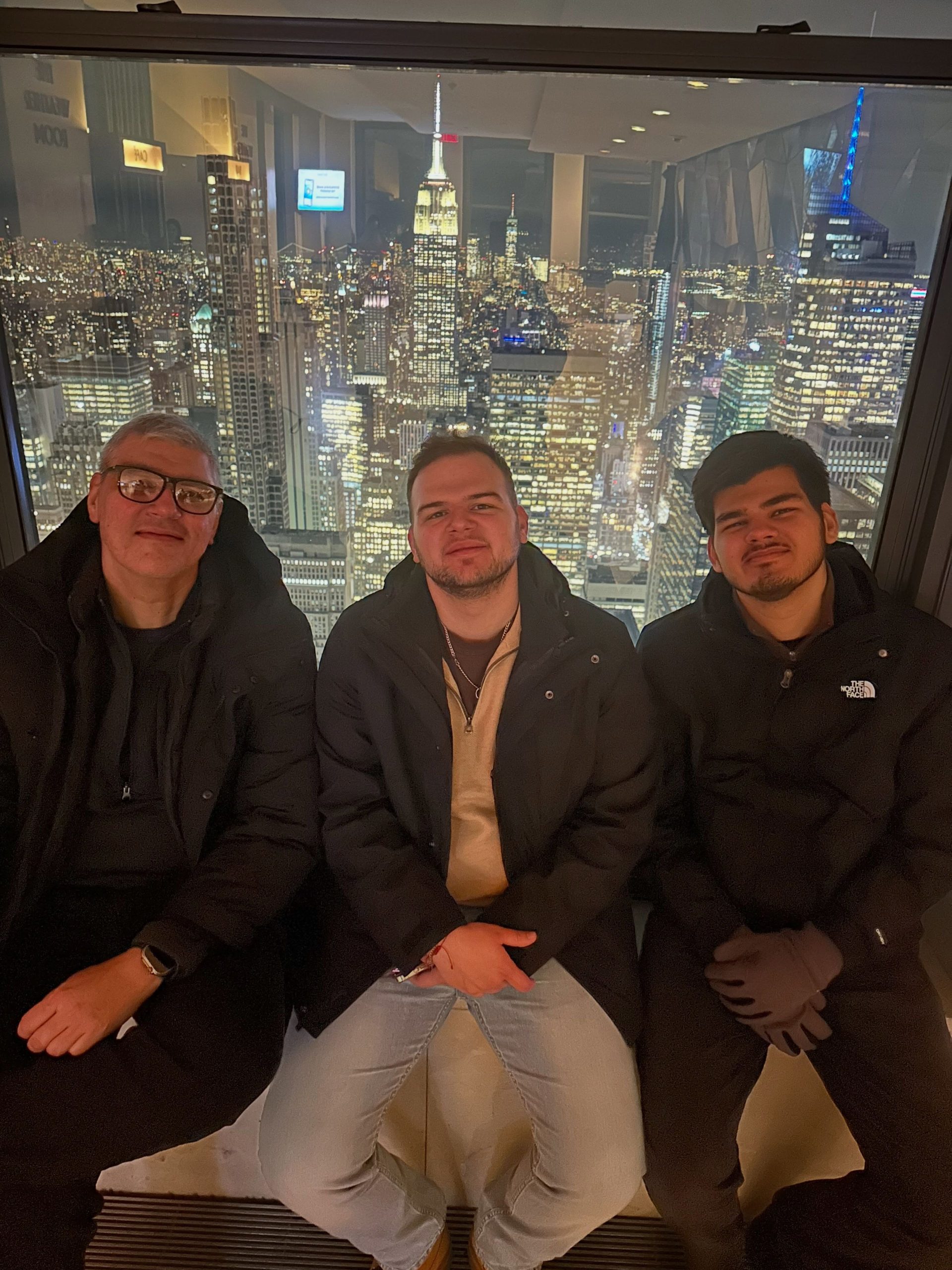

Maria Elena Rocha recounts how despite the tragedy of losing her husband and two sons in last summer’s earthquake in Venezuela, her faith and trust in God still sustains her.
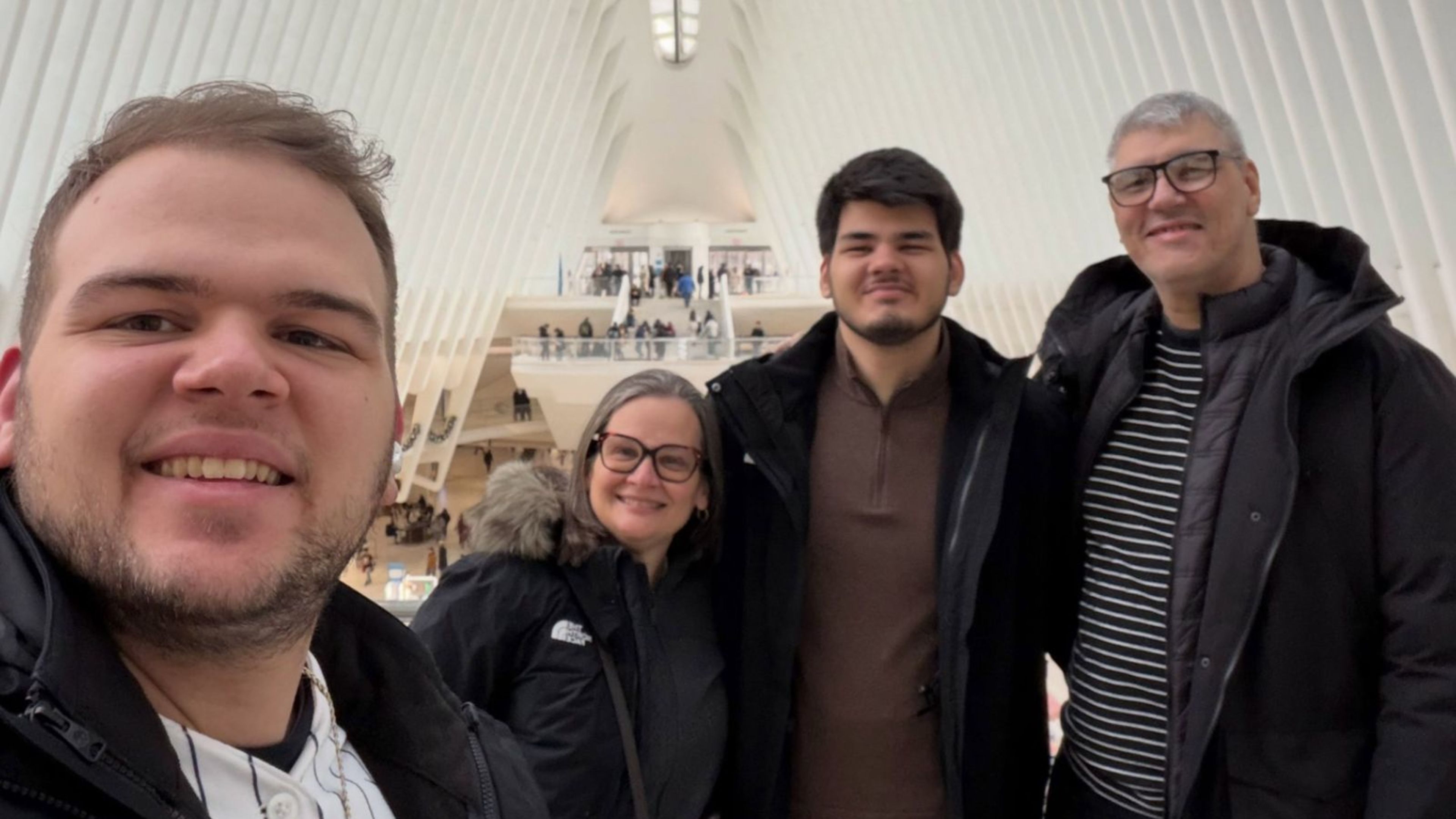
Maria Elena Rocha recounts how despite the tragedy of losing her husband and two sons in last summer’s earthquake in Venezuela, her faith and trust in God still sustains her.
![Falling cross that killed priest a punishment from God? A priest reflects #Catholic The death of Father Patricio Alfredo Sánchez Molinari on Saturday, Oct. 17, which occurred when a cross fell on him while he was celebrating Mass in Guayaquil, Ecuador, has left Catholics in shock.In response to comments on social media questioning whether the incident was a punishment from God, Father Juan Carlos Vásconez, a priest and rector of St. Josemaría Escrivá Church in Guayaquil, pointed to a passage from the Gospel to explain why it should not be interpreted in that way.In comments to EWTN News Español, the Spanish-language sister service of EWTN News, Vásconez spoke about the collapse of the tower of Siloam, which resulted in the deaths of 18 people (cf. Luke 13:4-5). He explained that Jesus made it clear that the victims were no more sinful than the other inhabitants of Jerusalem. Rather than assigning them blame, the Lord called everyone to repentance.“In the face of death, there is a message of equality. Life is fragile, and we will all go through that moment,” he said.The priest recalled that Sánchez was very well loved in Guayaquil and noted his piety. In February, he had led a retreat that was attended by other priests.A cross falls during MassFor Vásconez, the circumstances surrounding the Redemptorist priest’s death also invite reflection on the Christian faith.“The Mass is the sacrifice of Christ on Calvary, and it is the greatest thing we Christians have here on earth,” he noted.Vásconez shared in the grief caused by Sánchez’s passing, affirming that even in the midst of a tragedy, the faithful can find strength in God. He also asked for prayers for the Redemptorists and for the community of Our Lady of Perpetual Help Parish, which has lost its parish priest.“I would say that this will serve as a seed, inspiring [more men] to also want to dedicate themselves,” he added, referring to the possibility that the priest’s witness might encourage new vocations.Reviewing safety in churchesVásconez also called for an inspection of objects installed within churches to prevent accidents. He emphasized the need to ensure that crosses and religious images are securely fastened and that items attached to walls and ceilings are also checked.He mentioned that he recently learned of another incident in which a piece of marble detached from a wall. Consequently, he explained that at the church where he serves, they will inspect the ceiling lights to ensure they are securely anchored.“These are safety matters which incidents like this serve as a reminder to pay attention to such things,” he noted.The priest asked for prayers for the parishioners of Our Lady of Perpetual Help and for the Redemptorist family following the death of Sánchez.This story was first published by EWTN News Español, the Spanish-language sister service of EWTN News. It has been translated and adapted by EWTN News English.](https://unitedyam.com/wp-content/uploads/2026/10/falling-cross-that-killed-priest-a-punishment-from-god-a-priest-reflects-catholic-the-death-of-father-patricio-alfredo-sanchez-molinari-on-saturday-oct-17-which-occurred-when-a-cross-fell-on-him-scaled.jpg "Falling cross that killed priest a punishment from God? A priest reflects #Catholic The death of Father Patricio Alfredo Sánchez Molinari on Saturday, Oct. 17, which occurred when a cross fell on him while he was celebrating Mass in Guayaquil, Ecuador, has left Catholics in shock.In response to comments on social media questioning whether the incident was a punishment from God, Father Juan Carlos Vásconez, a priest and rector of St. Josemaría Escrivá Church in Guayaquil, pointed to a passage from the Gospel to explain why it should not be interpreted in that way.In comments to EWTN News Español, the Spanish-language sister service of EWTN News, Vásconez spoke about the collapse of the tower of Siloam, which resulted in the deaths of 18 people (cf. Luke 13:4-5). He explained that Jesus made it clear that the victims were no more sinful than the other inhabitants of Jerusalem. Rather than assigning them blame, the Lord called everyone to repentance.“In the face of death, there is a message of equality. Life is fragile, and we will all go through that moment,” he said.The priest recalled that Sánchez was very well loved in Guayaquil and noted his piety. In February, he had led a retreat that was attended by other priests.A cross falls during MassFor Vásconez, the circumstances surrounding the Redemptorist priest’s death also invite reflection on the Christian faith.“The Mass is the sacrifice of Christ on Calvary, and it is the greatest thing we Christians have here on earth,” he noted.Vásconez shared in the grief caused by Sánchez’s passing, affirming that even in the midst of a tragedy, the faithful can find strength in God. He also asked for prayers for the Redemptorists and for the community of Our Lady of Perpetual Help Parish, which has lost its parish priest.“I would say that this will serve as a seed, inspiring [more men] to also want to dedicate themselves,” he added, referring to the possibility that the priest’s witness might encourage new vocations.Reviewing safety in churchesVásconez also called for an inspection of objects installed within churches to prevent accidents. He emphasized the need to ensure that crosses and religious images are securely fastened and that items attached to walls and ceilings are also checked.He mentioned that he recently learned of another incident in which a piece of marble detached from a wall. Consequently, he explained that at the church where he serves, they will inspect the ceiling lights to ensure they are securely anchored.“These are safety matters which incidents like this serve as a reminder to pay attention to such things,” he noted.The priest asked for prayers for the parishioners of Our Lady of Perpetual Help and for the Redemptorist family following the death of Sánchez.This story was first published by EWTN News Español, the Spanish-language sister service of EWTN News. It has been translated and adapted by EWTN News English.")
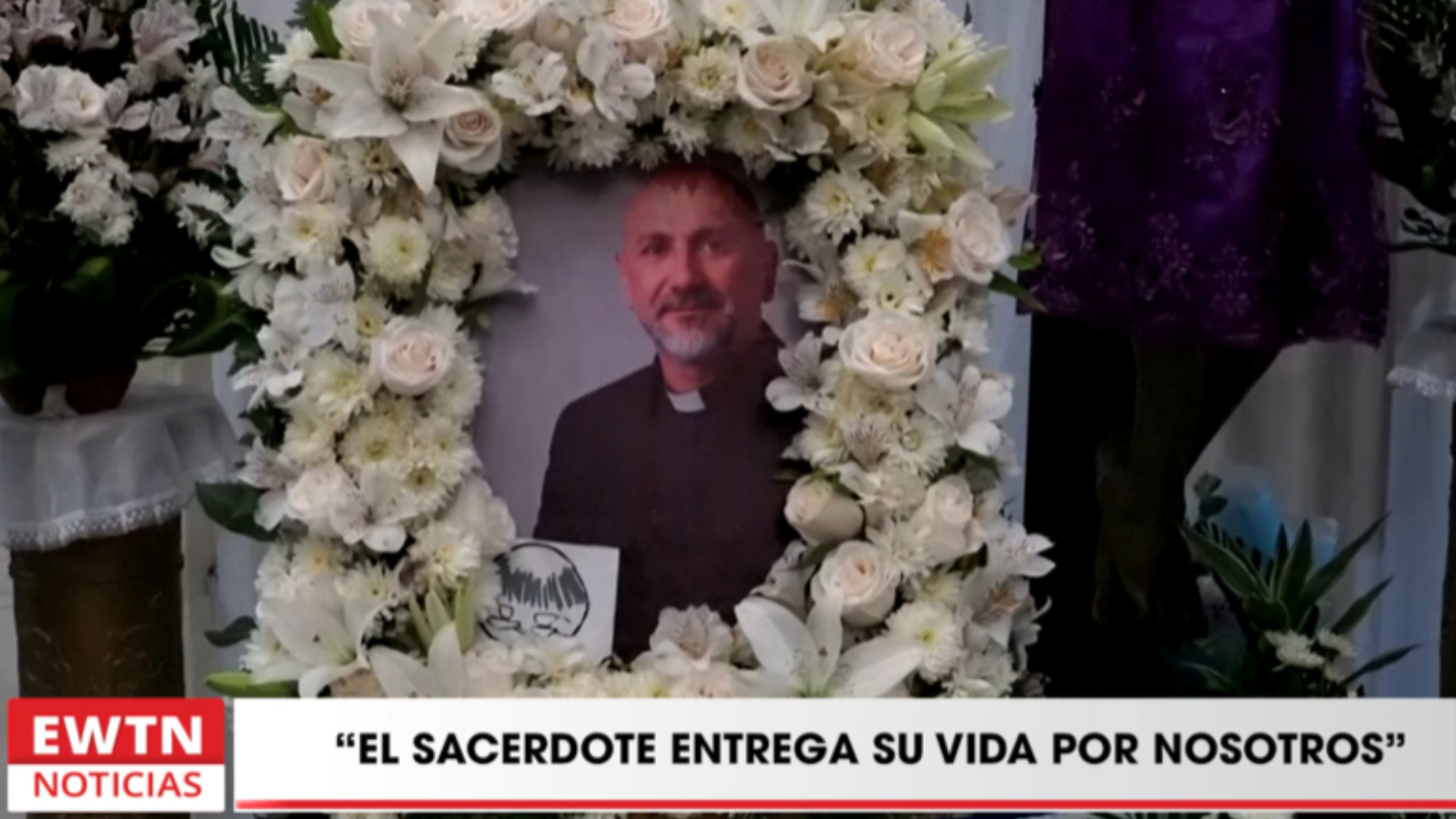
Father Juan Vásconez said the death of Father Patricio Sánchez resulting from a large cross falling in him should not be interpreted as a punishment but as a call to repent, as we will all die.
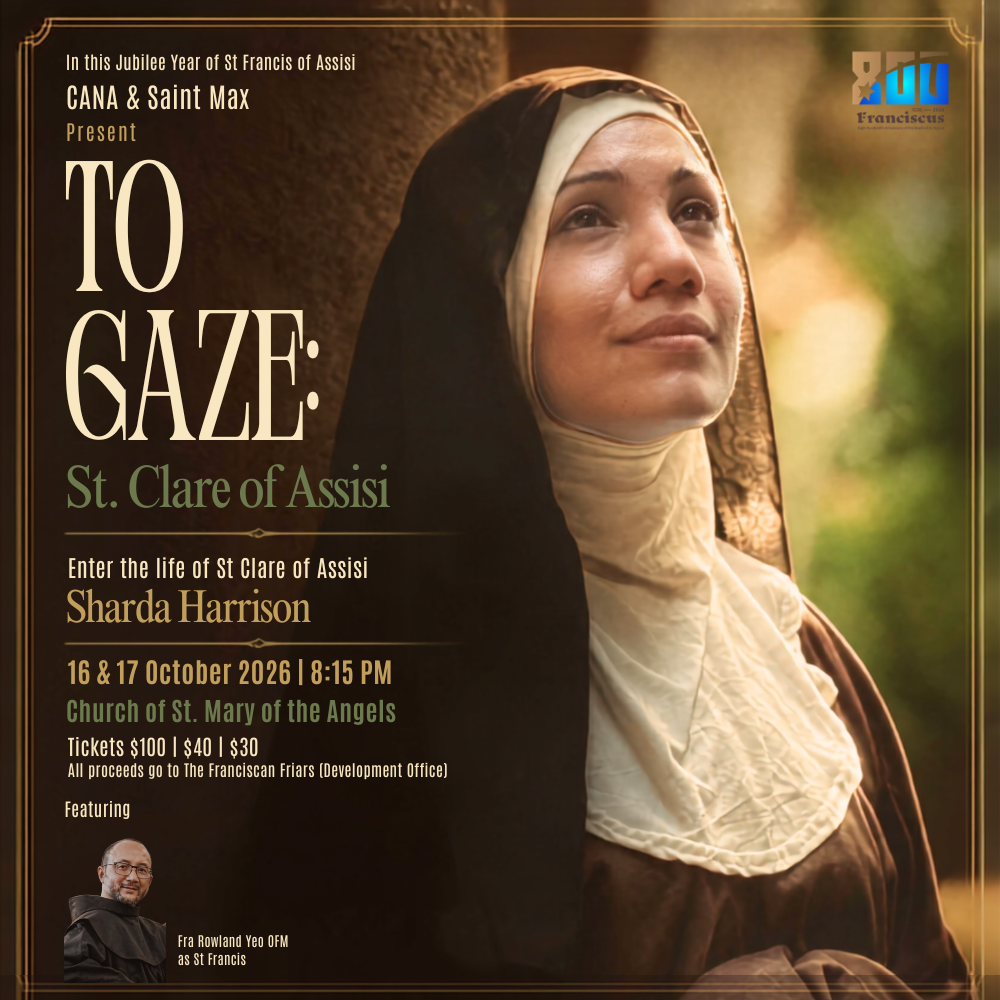
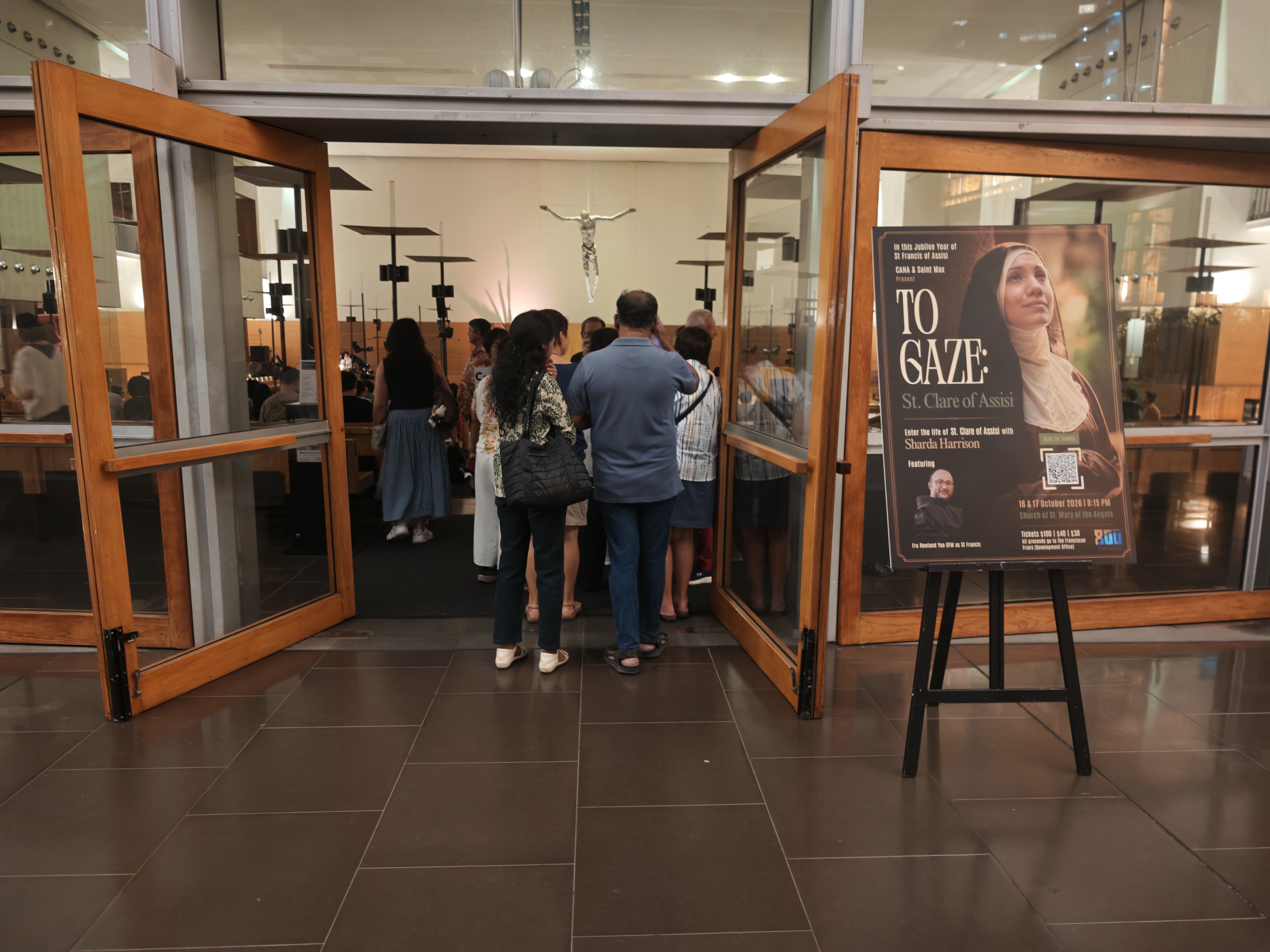
A Catholic parish in western Singapore hosted the play “TO GAZE: St. Clare of Assisi” as part of celebrations for the Jubilee Year of St. Francis of Assisi.
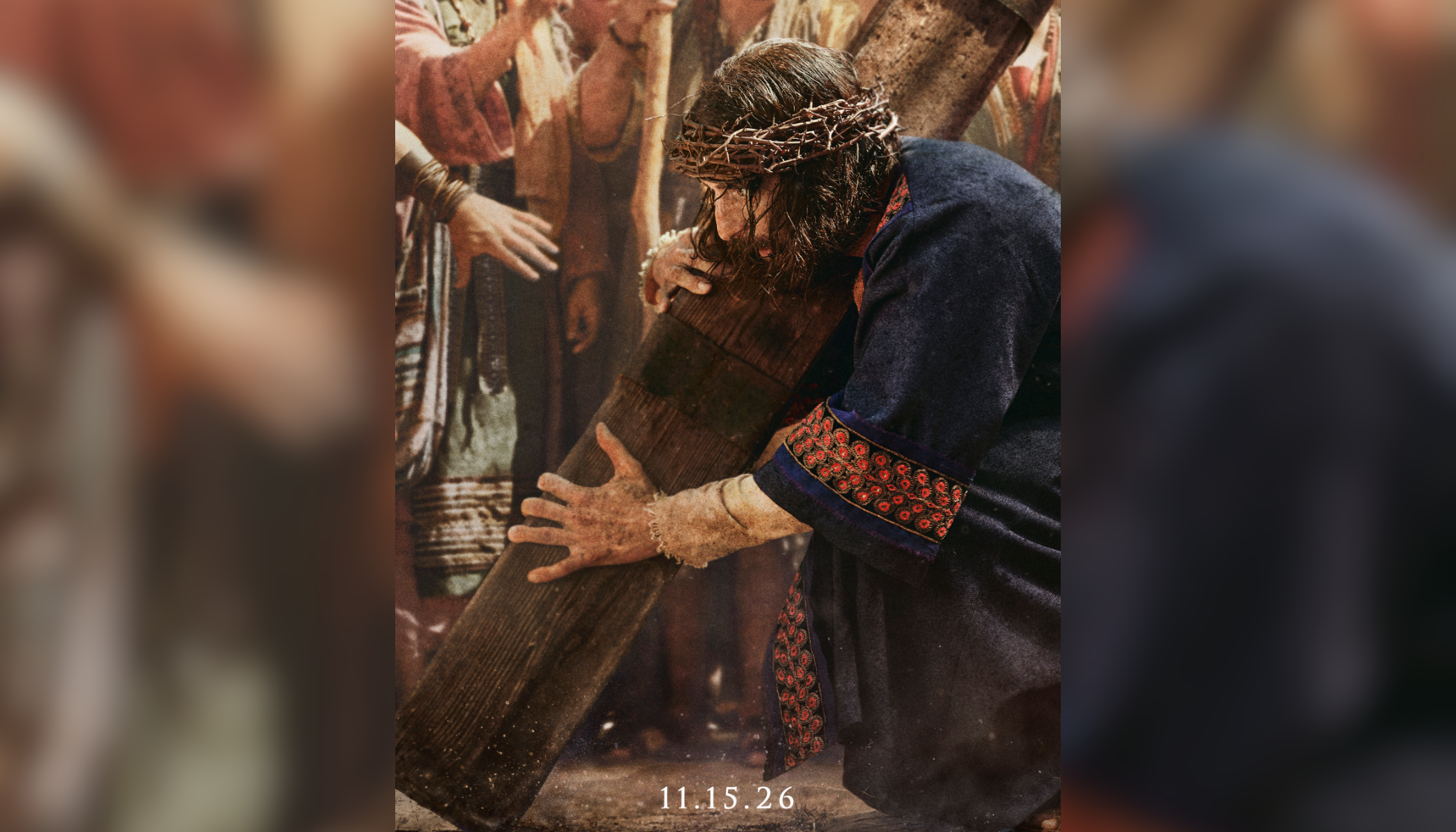
The new trailer already has over 1 million views on YouTube in the 24 hours since its release.
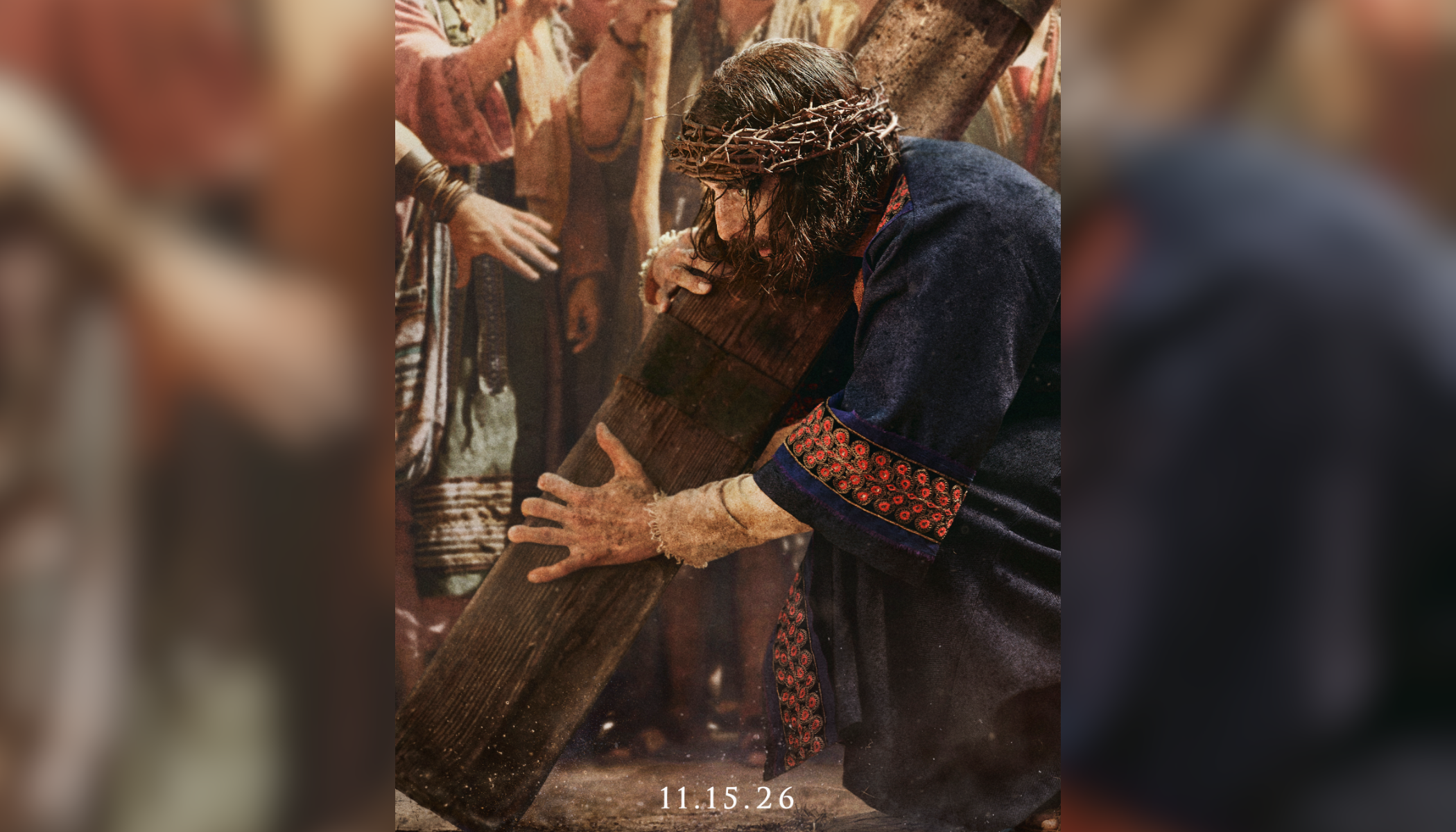
![New White House press secretary describes ‘miracle’ when her mother chose adoption over abortion #Catholic Newly appointed White House press secretary and pro-life advocate Katie Zacharia, whose appointment President Donald Trump announced Oct. 9, has shared that her biological mother chose life over abortion in the final moments before a scheduled procedure, calling it a “miracle.”Last year Zacharia, now herself a mother of four and an attorney, described in an interview with “We The People with Gates Garcia” how the precise circumstances of her birth became the foundation of her pro-life convictions.She told Garcia that she was “approximately 20, 30 minutes away from being aborted” when her mother, Ruth, changed her mind.Ruth, whom Zacharia described as having a “tough background of sexual abuse,” was about to head to her abortion appointment when the biological father called, pushing the abortion. Ruth was about to walk out the door to head to the clinic when the phone rang again. Ruth walked back to the phone to answer it, and the Christian counselor who’d called urged her to “consider an open adoption rather than an abortion, so you have an opportunity to know who this child could be and give this child an opportunity to live.”The counselor told her she did not understand “how painful” abortion would be for her, because along with “the loss of [her] baby,” there would be “ensuing psychological, physical … trauma.”Zacharia said her mother decided not to go through with the abortion “to the anger and dismay of her family,” which allowed Zacharia to be adopted as a newborn. She later met her biological mother at age 18, who told her the story. She said that “seconds of a phone call … saved my life,” calling her story “a miracle” that explains why the issue is “so near and dear” to her.Zacharia, who while in law school at Pepperdine University served as president of the university’s Christian Legal Society chapter, has also served on the board of advisers for the White Rose Resistance, a group founded by Seth Gruber that advocates for legal protection for the unborn.Zacharia has been a frequent commentator on Fox News, Newsmax, and other outlets. She also previously worked as general counsel for Fix California, a conservative nonprofit.In February, she became deputy assistant secretary for public affairs at the Department of Homeland Security under then-Secretary Kristi Noem. She resigned after roughly a month, citing the strain on her family of commuting between California, her home, and Washington, D.C. In June, she joined Trump Media & Technology Group/Truth Social as a senior communications adviser.Zacharia succeeds Karoline Leavitt, who in an interview with Sean Hannity last month explained that she left the position to spend more time with her growing family. Trump said Zacharia would begin her new role on Oct. 12 and hold an introductory news conference on Wednesday, Oct. 14, at 9:30 a.m. ET in the White House press briefing room.](https://unitedyam.com/wp-content/uploads/2026/10/new-white-house-press-secretary-describes-miracle-when-her-mother-chose-adoption-over-abortion-catholic-newly-appointed-white-house-press-secretary-and-pro-life-advocate-katie-zacha.jpg "New White House press secretary describes ‘miracle’ when her mother chose adoption over abortion #Catholic Newly appointed White House press secretary and pro-life advocate Katie Zacharia, whose appointment President Donald Trump announced Oct. 9, has shared that her biological mother chose life over abortion in the final moments before a scheduled procedure, calling it a “miracle.”Last year Zacharia, now herself a mother of four and an attorney, described in an interview with “We The People with Gates Garcia” how the precise circumstances of her birth became the foundation of her pro-life convictions.She told Garcia that she was “approximately 20, 30 minutes away from being aborted” when her mother, Ruth, changed her mind.Ruth, whom Zacharia described as having a “tough background of sexual abuse,” was about to head to her abortion appointment when the biological father called, pushing the abortion. Ruth was about to walk out the door to head to the clinic when the phone rang again. Ruth walked back to the phone to answer it, and the Christian counselor who’d called urged her to “consider an open adoption rather than an abortion, so you have an opportunity to know who this child could be and give this child an opportunity to live.”The counselor told her she did not understand “how painful” abortion would be for her, because along with “the loss of [her] baby,” there would be “ensuing psychological, physical … trauma.”Zacharia said her mother decided not to go through with the abortion “to the anger and dismay of her family,” which allowed Zacharia to be adopted as a newborn. She later met her biological mother at age 18, who told her the story. She said that “seconds of a phone call … saved my life,” calling her story “a miracle” that explains why the issue is “so near and dear” to her.Zacharia, who while in law school at Pepperdine University served as president of the university’s Christian Legal Society chapter, has also served on the board of advisers for the White Rose Resistance, a group founded by Seth Gruber that advocates for legal protection for the unborn.Zacharia has been a frequent commentator on Fox News, Newsmax, and other outlets. She also previously worked as general counsel for Fix California, a conservative nonprofit.In February, she became deputy assistant secretary for public affairs at the Department of Homeland Security under then-Secretary Kristi Noem. She resigned after roughly a month, citing the strain on her family of commuting between California, her home, and Washington, D.C. In June, she joined Trump Media & Technology Group/Truth Social as a senior communications adviser.Zacharia succeeds Karoline Leavitt, who in an interview with Sean Hannity last month explained that she left the position to spend more time with her growing family. Trump said Zacharia would begin her new role on Oct. 12 and hold an introductory news conference on Wednesday, Oct. 14, at 9:30 a.m. ET in the White House press briefing room.")
She said that she was “approximately 20, 30 minutes away from being aborted” when her mother changed her mind.


The Chicago Bears icon, who died on Friday, gave to charities, lectored at Mass, and belonged to the Knights of Columbus.

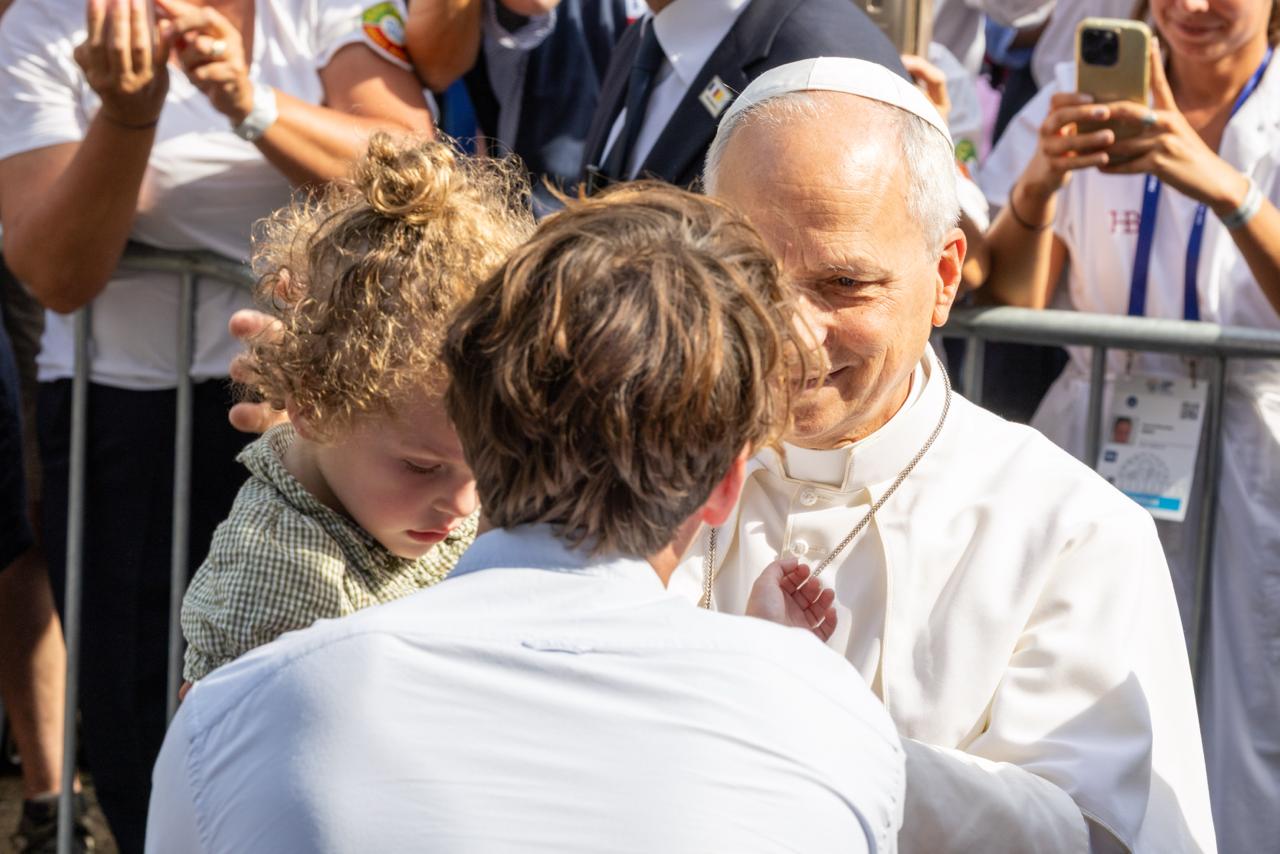
Pope Leo XIV blessed Olivia Hamelin, a 3-year-old with a rare genetic condition, during his visit to Lourdes, France.
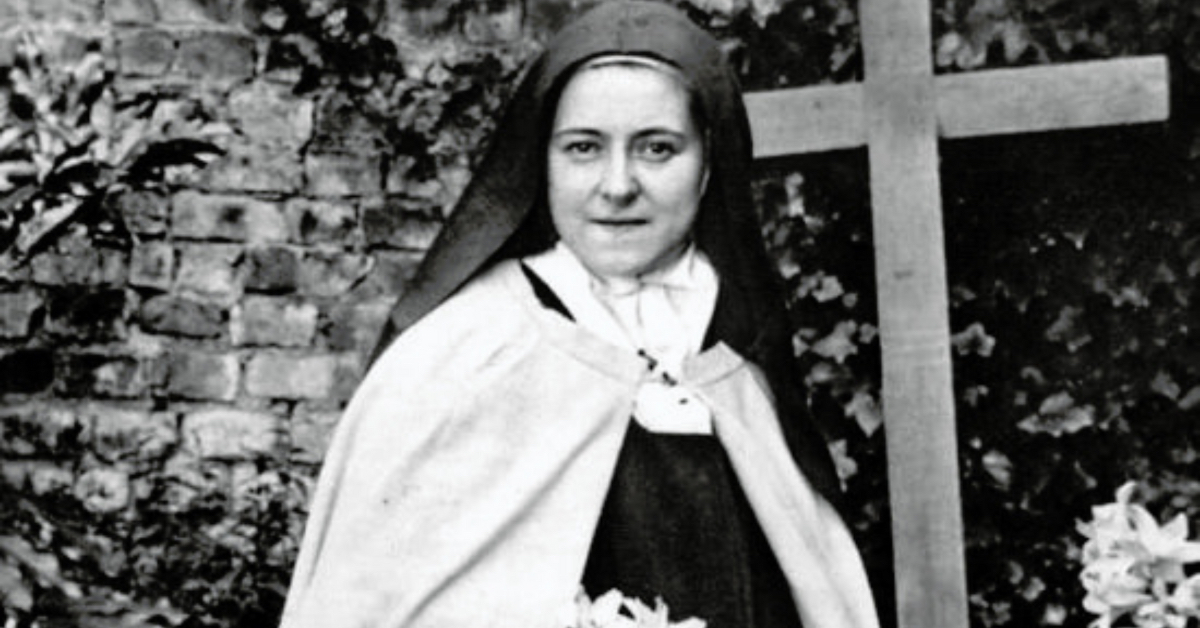
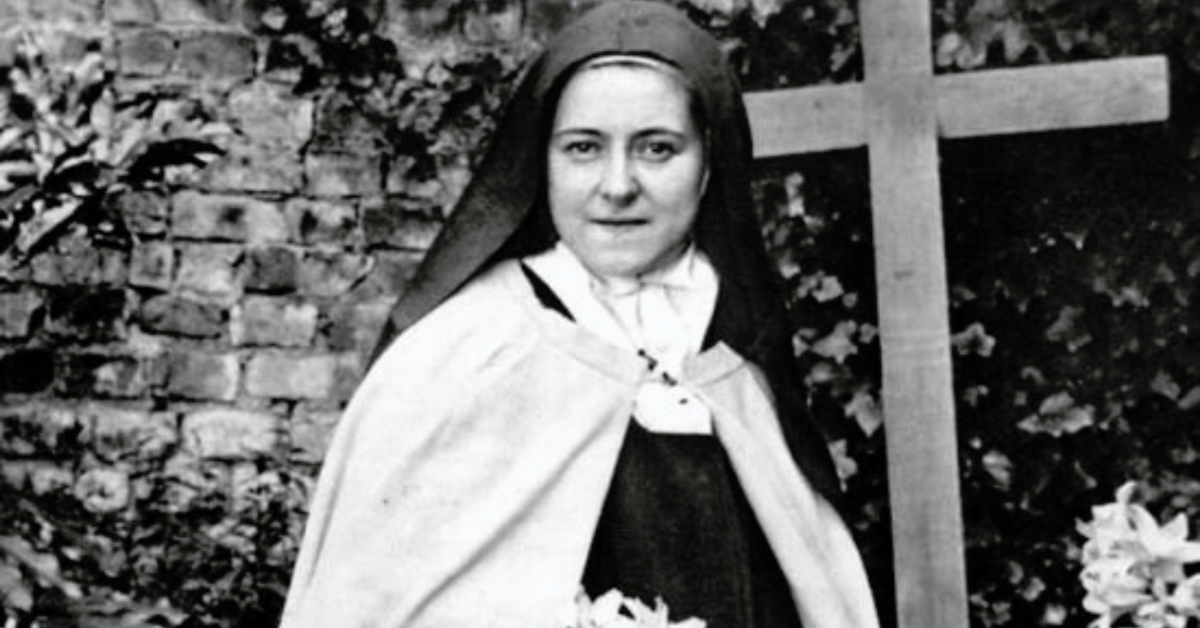
The beloved Carmelite nun, patron saint of the missions, and youngest doctor of the Church is celebrated in the universal Church on Oct. 1.
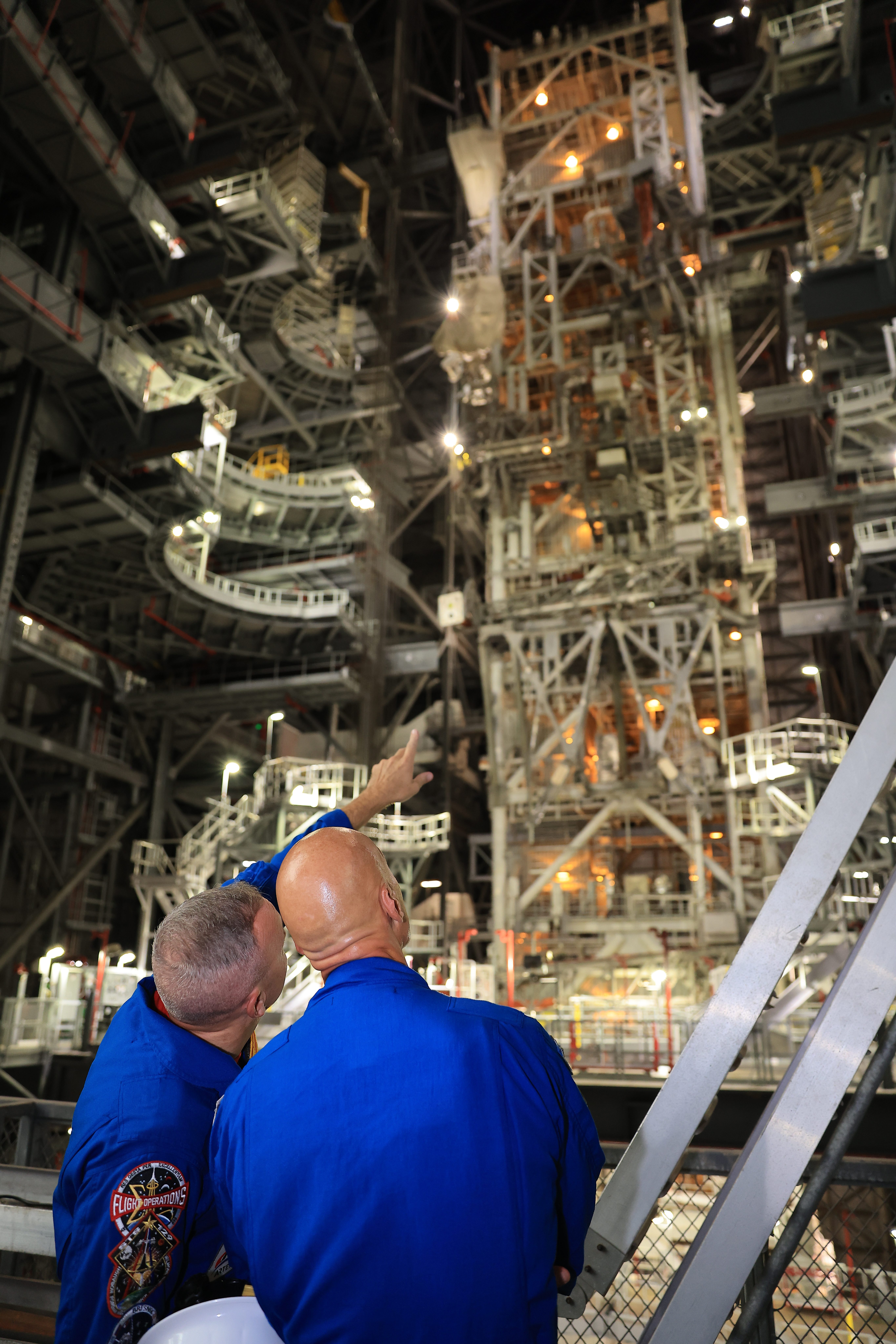
NASA astronaut Randy Bresnik (left) and ESA (European Space Agency) astronaut Luca Parmitano view progress on the solid rocket booster integration in High Bay 3 inside the Vehicle Assembly Building at NASA’s Kennedy Space Center in Florida on Wednesday, Sept. 2, 2026.
Read More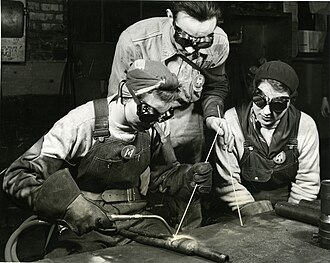
| Picture of the day |
|---|

|
|
Peggy Bridgeman at the left demonstrates to Ruth Harris the correct technique of welding. Today is Labor Day in the United States.
|
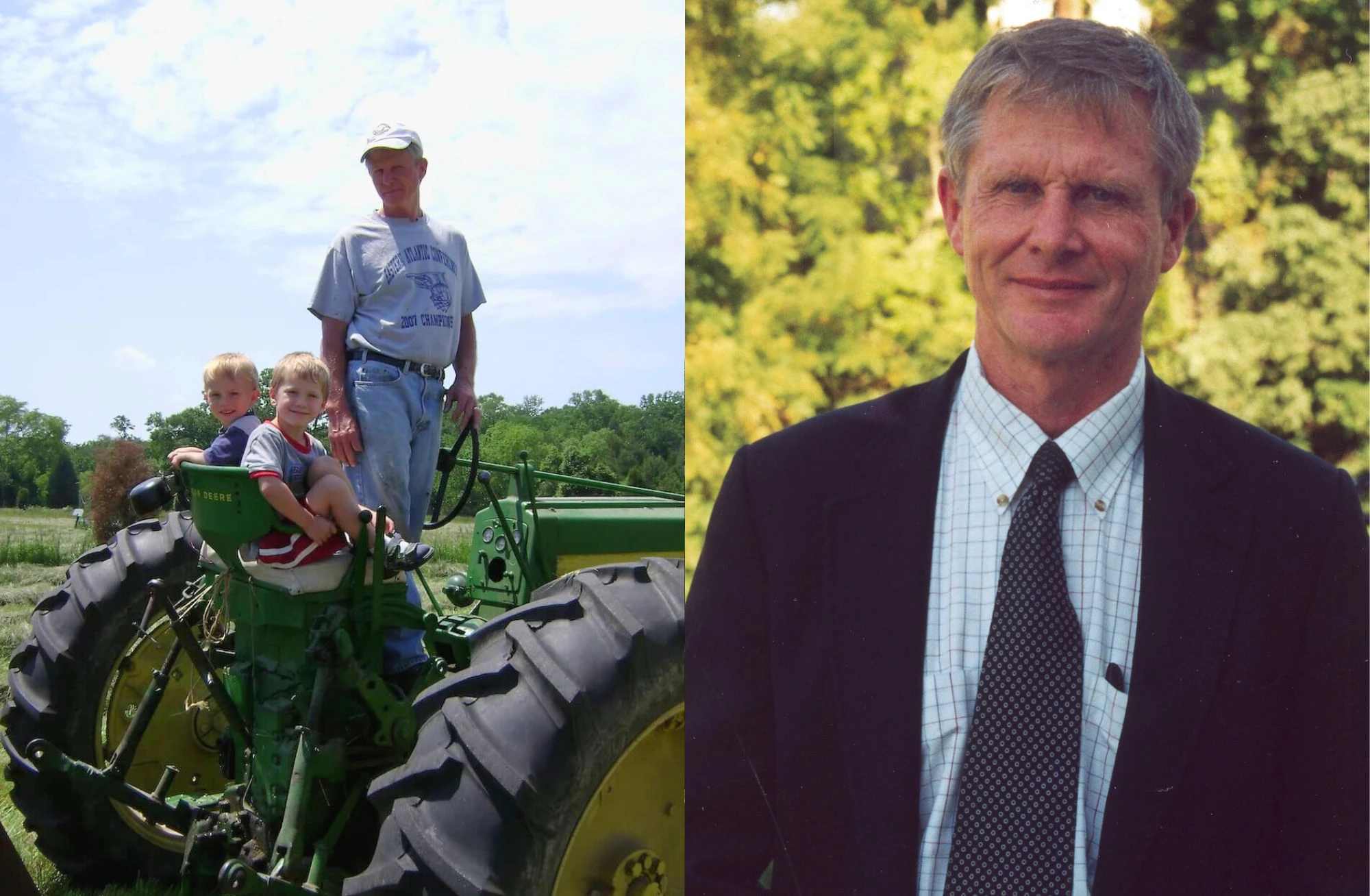
The sainthood cause for Tom Vander Woude, a Catholic father of seven who died saving his youngest son, moves to the information gathering stage.

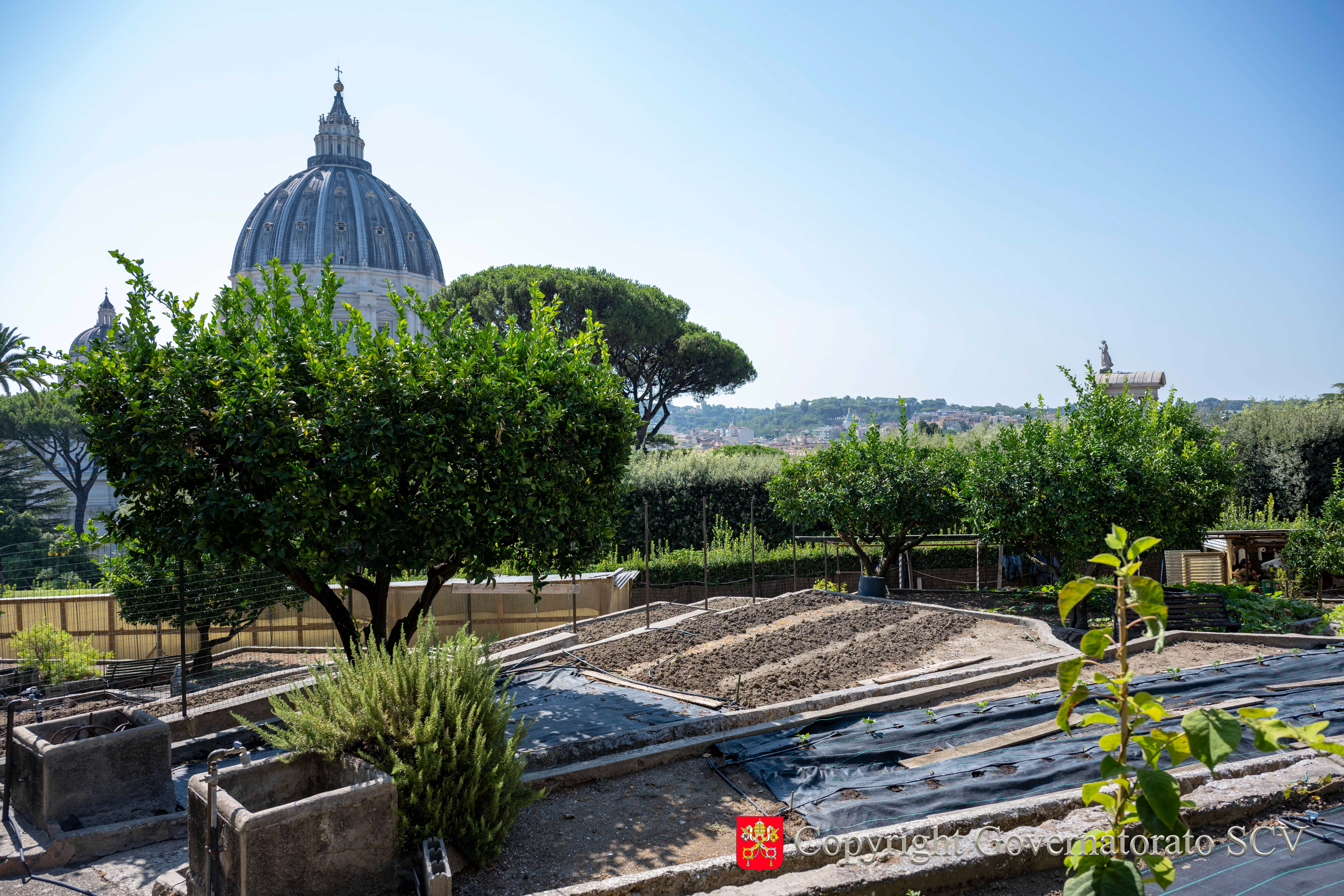
![Vatican vegetable garden goes 100% organic #Catholic A vegetable garden and orchard inside the Vatican walls, which historically provided food for the pope’s household, is now cultivated using exclusively organic farming techniques.The private garden covers almost a tenth of an acre of cultivable land inside the Mater Ecclesiae Monastery property, where Pope Benedict XVI lived during his retirement and now reside cloistered Benedictine nuns from the Abbey of St. Scholastica in Victoria, Argentina.Sometimes known as “the pope’s garden,” the vegetable plot “has always been a defining feature of the Vatican Gardens because, in fact, the Vatican Gardens were originally created primarily for that purpose — to provide sustenance for the [Apostolic] Palace,” Stefano Giampaolo, a forestry expert and head of the Gardens and Environment Service of the Vatican, told EWTN News.Giampaolo explained that now the plot is more accurately understood as the vegetable garden of the Vatican Gardens — an area that covers roughly half of Vatican City at 57 acres.
Mater Ecclesiae Monastery, built inside Vatican City in the 1990s to house nuns who support the ministry of the pope through prayer, has an adjoining vegetable garden and orchard. | Credit: Hannah Brockhaus/EWTN News
The Benedictine nuns at Mater Ecclesiae Monastery, who pray for the pope, eat the fruit and vegetables grown in the garden and use them to make jams and other food preserves. The excess produce is given to a Vatican soup kitchen run by the Missionaries of Charity.The move to biological farming techniques has been underway for several years, partly in response to Pope Francis’ 2015 encyclical Laudato Si’, Giampaolo said.The challenges of organicAccording to Gilberto Bianchi, the gardener responsible for the orchard and vegetable patch since 2008, the Vatican has a “desire to respect nature” in how it cares for the plants and trees on its land.But it’s far from easy.“Clearly, running a completely organic vegetable garden presents challenges, partly because insects are aggressive, and we use natural predators in the soil to control them,” Bianchi said. “No chemical fertilizers or insecticides are used.”He added that soil drainage and water conservation are also challenges.“This type of soil drains very well, so to conserve water, we add coconut fiber to retain moisture. And it’s watered with a drip irrigation system specifically to target the plants and avoid wasting water,” he said.Part of an organic agriculture also means respecting the seasons, he said. “Right now, the winter crops are being planted, while the summer crops are being harvested.”
The fresh produce grown in the vegetable garden and orchard in Vatican City feeds the Benedictine nuns living in the Mater Ecclesiae Monastery and supports the nearby Missionaries of Charity-run soup kitchen. | Credit: Governorate of Vatican City State
The end-of-summer harvest includes tomatoes, eggplants, green beans, zucchini, cucumbers, and peppers, while the fall and winter crop has broccoli, spinach, lettuce, and pumpkins.According to Vatican Media, the garden also includes garlic, basil, and a Peruvian variety of chili peppers known for its intensity. Kiwi plants were also added recently at the request of the Argentinian nuns.Next to the garden is a small orchard of around 15 citrus trees, some of which are 150 years old.“At this time, we’re planting savoy cabbage,” Bianchi said. “In short, whatever is in season. … So whatever is planted is because nature dictates it at that moment. The plants are grown from seed. We don’t use lab-grown plants.”A historic collection of gardensBianchi, who has worked for more than three decades in the Vatican Gardens, “is the one with the most expertise in this field, and he is now passing that knowledge on to a new gardener,” Giampaolo said.The expert gardener is part of a team of around 35 gardeners and administrators who oversee the Vatican’s green spaces and provide the flower arrangements for papal ceremonies.
Stefano Giampaolo, left, head of the Gardens and Environment Service of Vatican City, and expert gardener Gilberto Bianchi, right, the main caretaker of the orchard and vegetable garden commonly known as “the pope’s garden,” share their expertise with EWTN News in the Vatican Gardens on Sept. 9, 2026. | Credit: Hannah Brockhaus/EWTN News
“People expect to see a single garden, but in reality, as the name suggests, they are the Vatican Gardens — a collection of gardens,” Giampaolo said.The Gardens date to the mid-13th century, when Pope Nicolas III moved the papal residence from the Lateran Palace to the Vatican, had the city state’s walls built, and ordered the creation of a lawn, orchard, and “viridarium” — a Roman-style garden with flowerbeds and a fountain.Today, Giampaolo said, “there are countless different species, both trees and flowers. This is because, over time, the gardens have been enriched by donations and the search for specific botanical material, to the point of becoming a true botanical garden.”“Visitors are often struck by the diversity of the spaces — so many different gardens contained within this small area.”Ultimately, he said, the gardeners hope to one day eliminate all synthetic fertilizers and pesticides from their care of the entire Vatican territory.“It’s a process — the transformation of all the Gardens into organic ones,” he said.](https://unitedyam.com/wp-content/uploads/2026/09/vatican-vegetable-garden-goes-100-organic-catholic-a-vegetable-garden-and-orchard-inside-the-vatican-walls-which-historically-provided-food-for-the-popes-household-is-now-cultivated-using-scaled.jpg "Vatican vegetable garden goes 100% organic #Catholic A vegetable garden and orchard inside the Vatican walls, which historically provided food for the pope’s household, is now cultivated using exclusively organic farming techniques.The private garden covers almost a tenth of an acre of cultivable land inside the Mater Ecclesiae Monastery property, where Pope Benedict XVI lived during his retirement and now reside cloistered Benedictine nuns from the Abbey of St. Scholastica in Victoria, Argentina.Sometimes known as “the pope’s garden,” the vegetable plot “has always been a defining feature of the Vatican Gardens because, in fact, the Vatican Gardens were originally created primarily for that purpose — to provide sustenance for the [Apostolic] Palace,” Stefano Giampaolo, a forestry expert and head of the Gardens and Environment Service of the Vatican, told EWTN News.Giampaolo explained that now the plot is more accurately understood as the vegetable garden of the Vatican Gardens — an area that covers roughly half of Vatican City at 57 acres.
Mater Ecclesiae Monastery, built inside Vatican City in the 1990s to house nuns who support the ministry of the pope through prayer, has an adjoining vegetable garden and orchard. | Credit: Hannah Brockhaus/EWTN News
The Benedictine nuns at Mater Ecclesiae Monastery, who pray for the pope, eat the fruit and vegetables grown in the garden and use them to make jams and other food preserves. The excess produce is given to a Vatican soup kitchen run by the Missionaries of Charity.The move to biological farming techniques has been underway for several years, partly in response to Pope Francis’ 2015 encyclical Laudato Si’, Giampaolo said.The challenges of organicAccording to Gilberto Bianchi, the gardener responsible for the orchard and vegetable patch since 2008, the Vatican has a “desire to respect nature” in how it cares for the plants and trees on its land.But it’s far from easy.“Clearly, running a completely organic vegetable garden presents challenges, partly because insects are aggressive, and we use natural predators in the soil to control them,” Bianchi said. “No chemical fertilizers or insecticides are used.”He added that soil drainage and water conservation are also challenges.“This type of soil drains very well, so to conserve water, we add coconut fiber to retain moisture. And it’s watered with a drip irrigation system specifically to target the plants and avoid wasting water,” he said.Part of an organic agriculture also means respecting the seasons, he said. “Right now, the winter crops are being planted, while the summer crops are being harvested.”
The fresh produce grown in the vegetable garden and orchard in Vatican City feeds the Benedictine nuns living in the Mater Ecclesiae Monastery and supports the nearby Missionaries of Charity-run soup kitchen. | Credit: Governorate of Vatican City State
The end-of-summer harvest includes tomatoes, eggplants, green beans, zucchini, cucumbers, and peppers, while the fall and winter crop has broccoli, spinach, lettuce, and pumpkins.According to Vatican Media, the garden also includes garlic, basil, and a Peruvian variety of chili peppers known for its intensity. Kiwi plants were also added recently at the request of the Argentinian nuns.Next to the garden is a small orchard of around 15 citrus trees, some of which are 150 years old.“At this time, we’re planting savoy cabbage,” Bianchi said. “In short, whatever is in season. … So whatever is planted is because nature dictates it at that moment. The plants are grown from seed. We don’t use lab-grown plants.”A historic collection of gardensBianchi, who has worked for more than three decades in the Vatican Gardens, “is the one with the most expertise in this field, and he is now passing that knowledge on to a new gardener,” Giampaolo said.The expert gardener is part of a team of around 35 gardeners and administrators who oversee the Vatican’s green spaces and provide the flower arrangements for papal ceremonies.
Stefano Giampaolo, left, head of the Gardens and Environment Service of Vatican City, and expert gardener Gilberto Bianchi, right, the main caretaker of the orchard and vegetable garden commonly known as “the pope’s garden,” share their expertise with EWTN News in the Vatican Gardens on Sept. 9, 2026. | Credit: Hannah Brockhaus/EWTN News
“People expect to see a single garden, but in reality, as the name suggests, they are the Vatican Gardens — a collection of gardens,” Giampaolo said.The Gardens date to the mid-13th century, when Pope Nicolas III moved the papal residence from the Lateran Palace to the Vatican, had the city state’s walls built, and ordered the creation of a lawn, orchard, and “viridarium” — a Roman-style garden with flowerbeds and a fountain.Today, Giampaolo said, “there are countless different species, both trees and flowers. This is because, over time, the gardens have been enriched by donations and the search for specific botanical material, to the point of becoming a true botanical garden.”“Visitors are often struck by the diversity of the spaces — so many different gardens contained within this small area.”Ultimately, he said, the gardeners hope to one day eliminate all synthetic fertilizers and pesticides from their care of the entire Vatican territory.“It’s a process — the transformation of all the Gardens into organic ones,” he said.")
The move to biological farming techniques has been underway for several years in response to Pope Francis’ 2015 encyclical Laudato Si’.
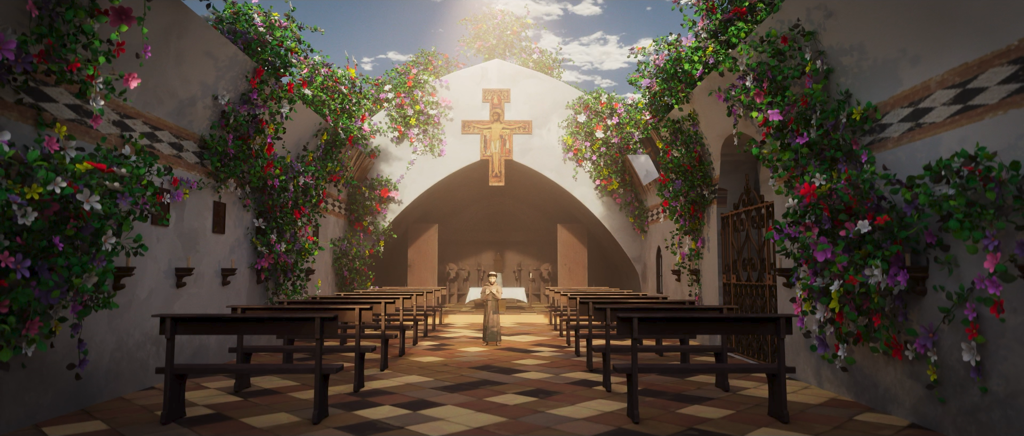
Director Benjamin Tanaka, executive producer Gabriel Patrick, and composer Ethan Hsu call the project “The Francis Chronicles.”

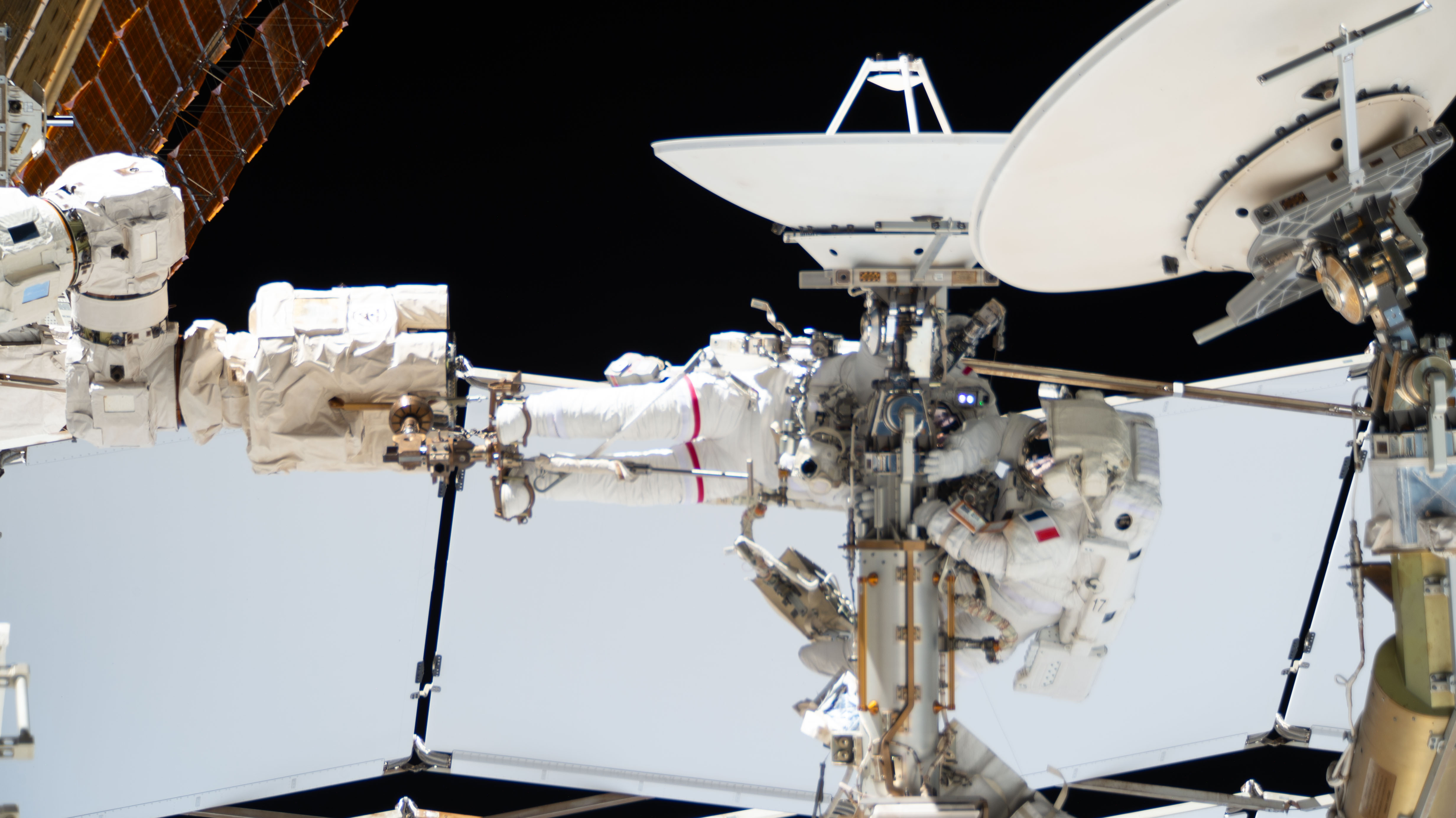
From left, Expedition 75 flight engineers Anil Menon of NASA (partially obscured and wearing the spacesuit with a red stripe on the legs) and Sophie Adenot of ESA (European Space Agency) work together during a six‑hour and 23‑minute spacewalk outside the International Space Station.
Read More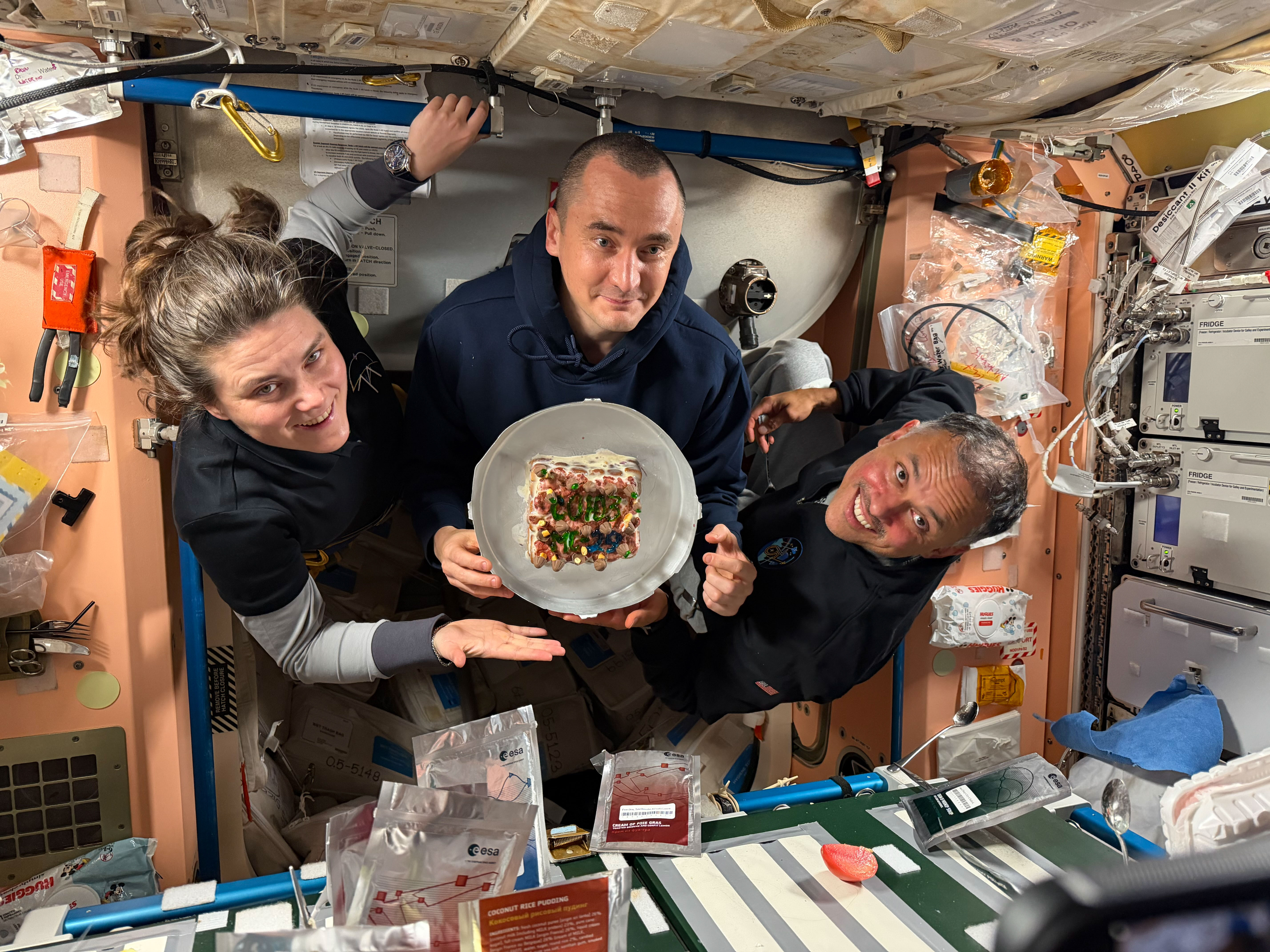
From left, Expedition 74 flight engineers Anna Kikina and Pyotr Dubrov of Roscosmos, and Anil Menon of NASA pose for a portrait while holding a cake celebrating their recent arrival aboard the International Space Station.
Read More
| Picture of the day |
|---|

|
|
St. Jude’s Church, Chinnathurai, built on sandy soil near the beach, cemetery to the left. Thoothoor, Kanyakumari district, Tamil Nadu, India.
|
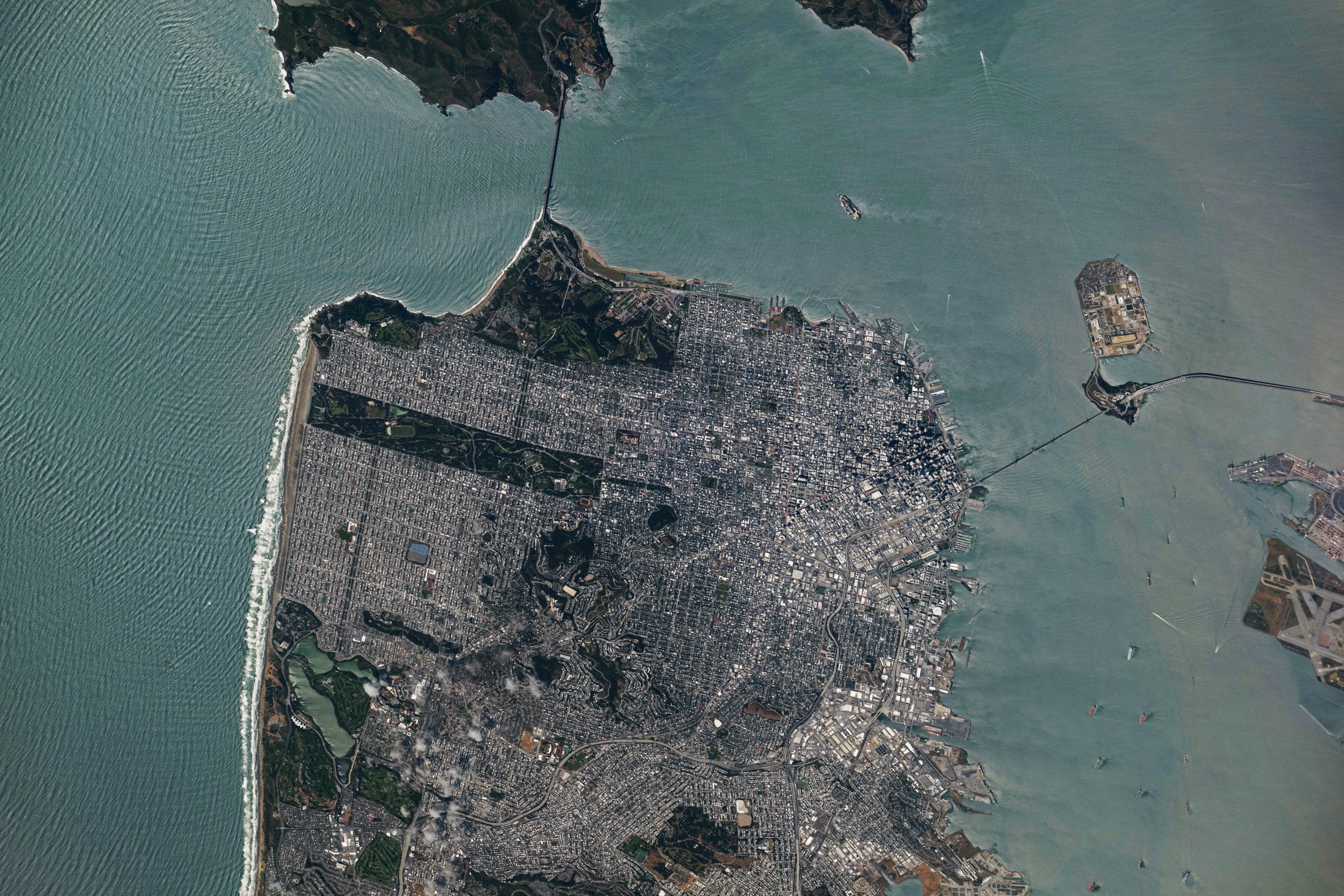
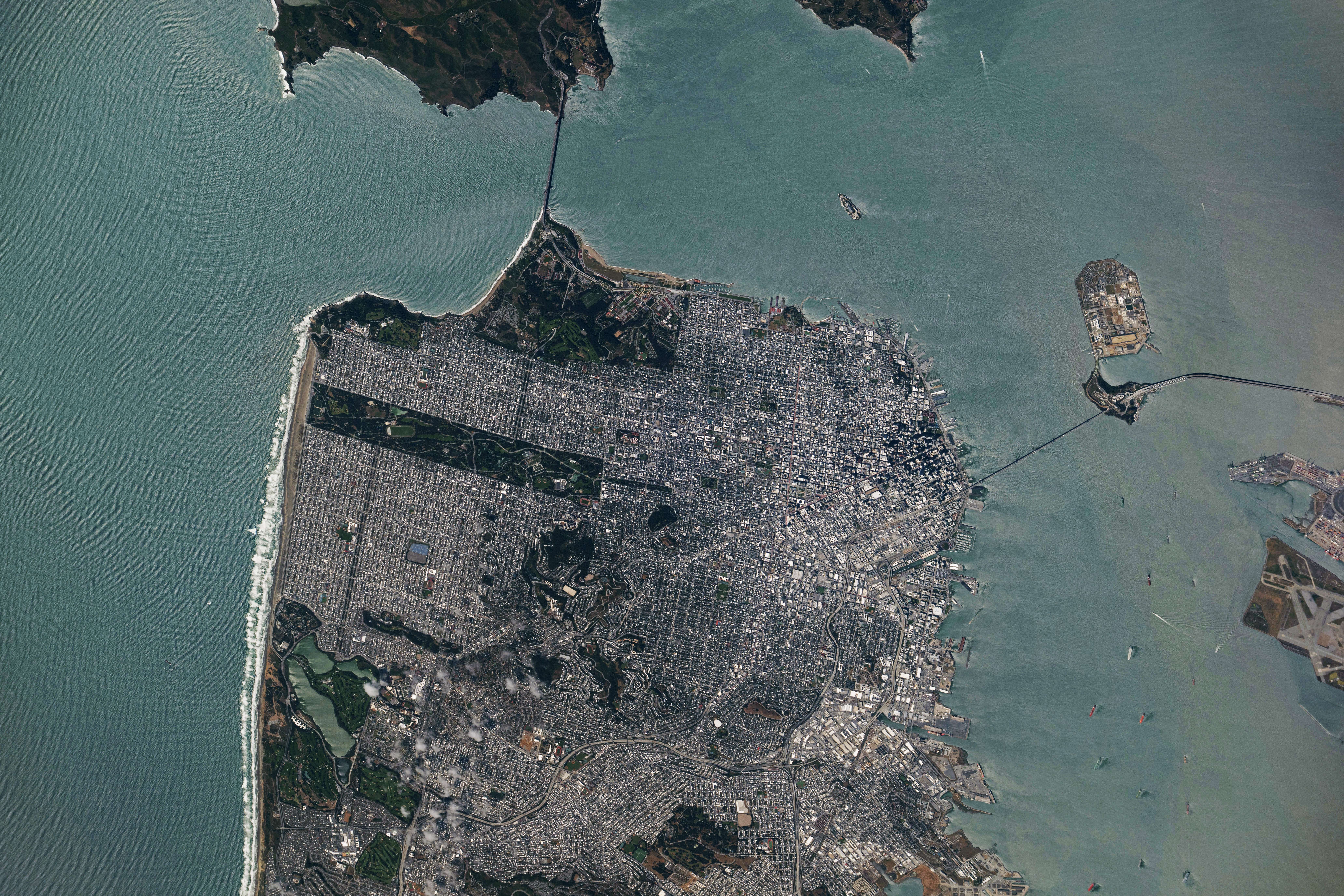
A period of unsettled weather brought scattered showers and thunderstorms to California’s Bay Area on May 27, 2026. That afternoon, a break in the clouds left downtown San Francisco and nearby communities beneath mostly cloud-free skies, allowing an astronaut aboard the International Space Station to take this photograph.
Read More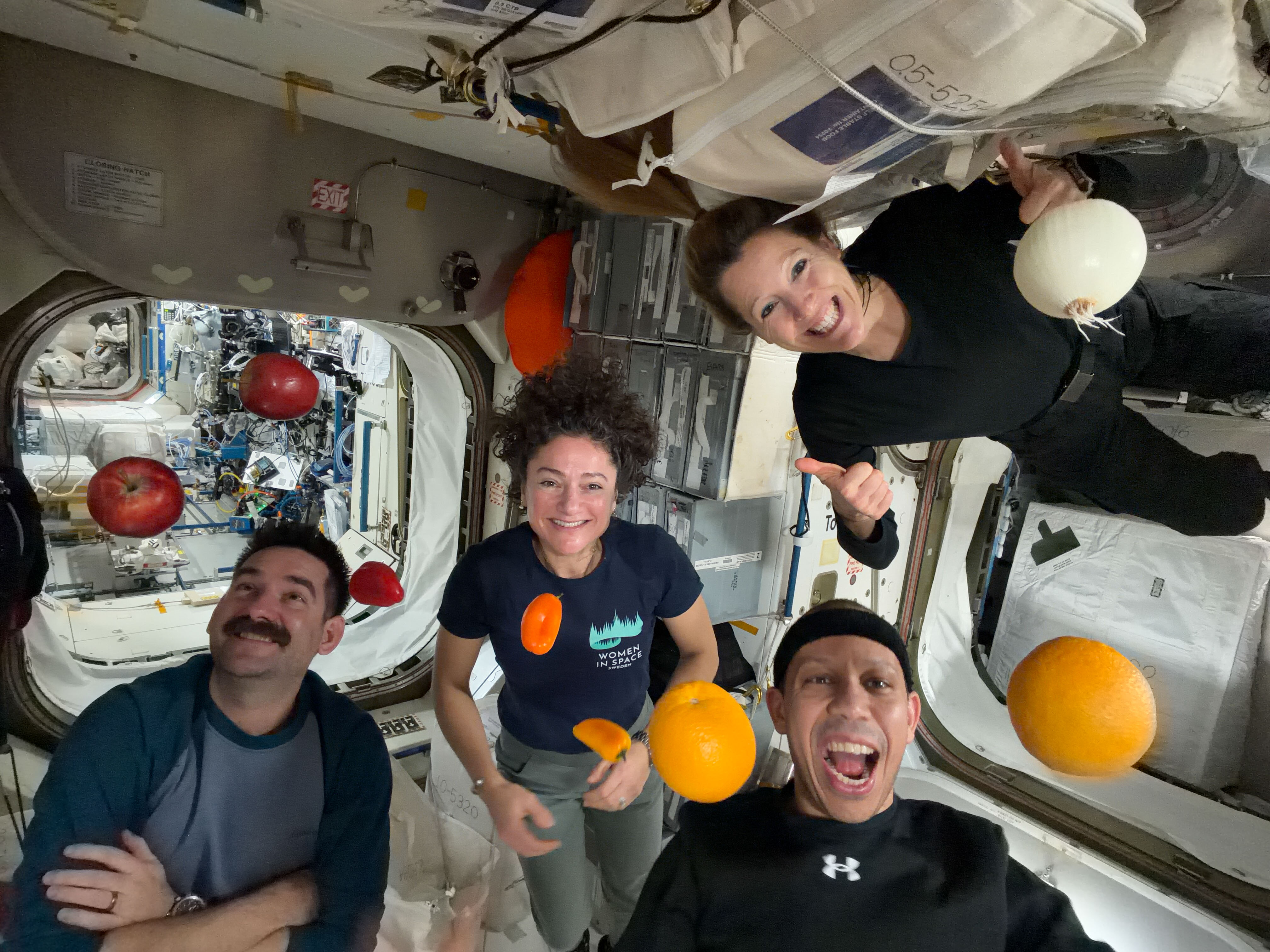
You’re allowed to play with your food when you’re on the International Space Station! To celebrate a delivery of fresh food, NASA astronauts Jack Hathaway (bottom left), Jessica Meir (middle left), and Chris Williams (bottom right), and ESA (European Space Agency) astronaut Sophie Adenot (top right) pose for a group photo.
Read More

Nasdaq Chair and Chief Executive Officer Adena T. Friedman, left, and NASA’s Artemis II crew ring the closing bell of the Nasdaq market session, Thursday, April 30, 2026.
Read More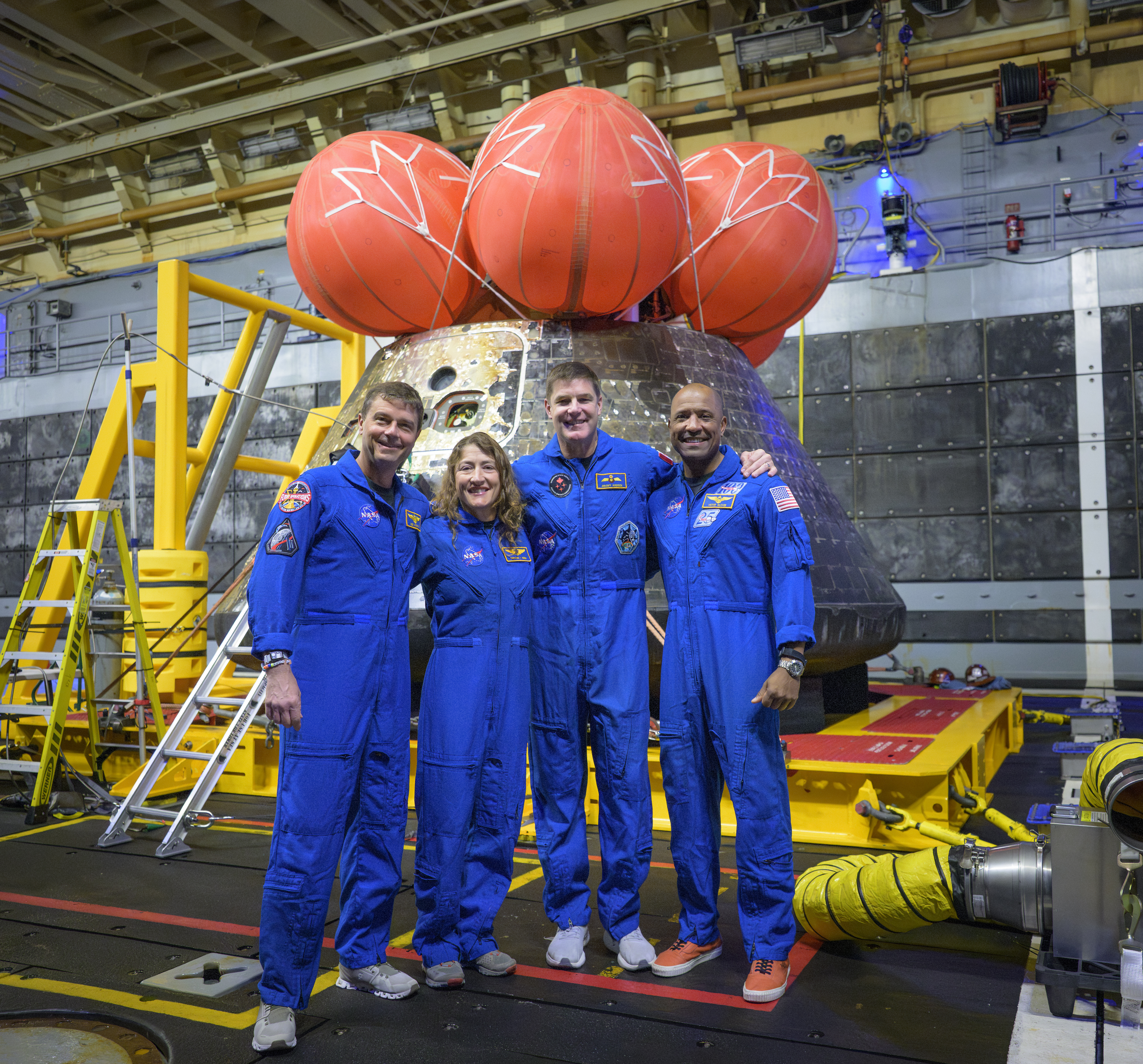
NASA astronauts Reid Wiseman, commander; left, Christina Koch, mission specialist; CSA (Canadian Space Agency) astronaut Jeremy Hansen, mission specialist; and NASA astronaut Victor Glover, Artemis II pilot, right, pose for a group photo after viewing the Orion spacecraft in the well deck of USS John P. Murtha, Saturday, April 11, 2026, in the Pacific Ocean off the coast of California. The quartet splashed down Friday, April 10 at 5:07 p.m. PDT (8:07p.m. EDT).
Read More
The Moon, seen here backlit by the Sun during a solar eclipse on April 6, 2026, is photographed by one of the cameras on the Orion spacecraft’s solar array wings. Orion is visible in the foreground on the left.
Read More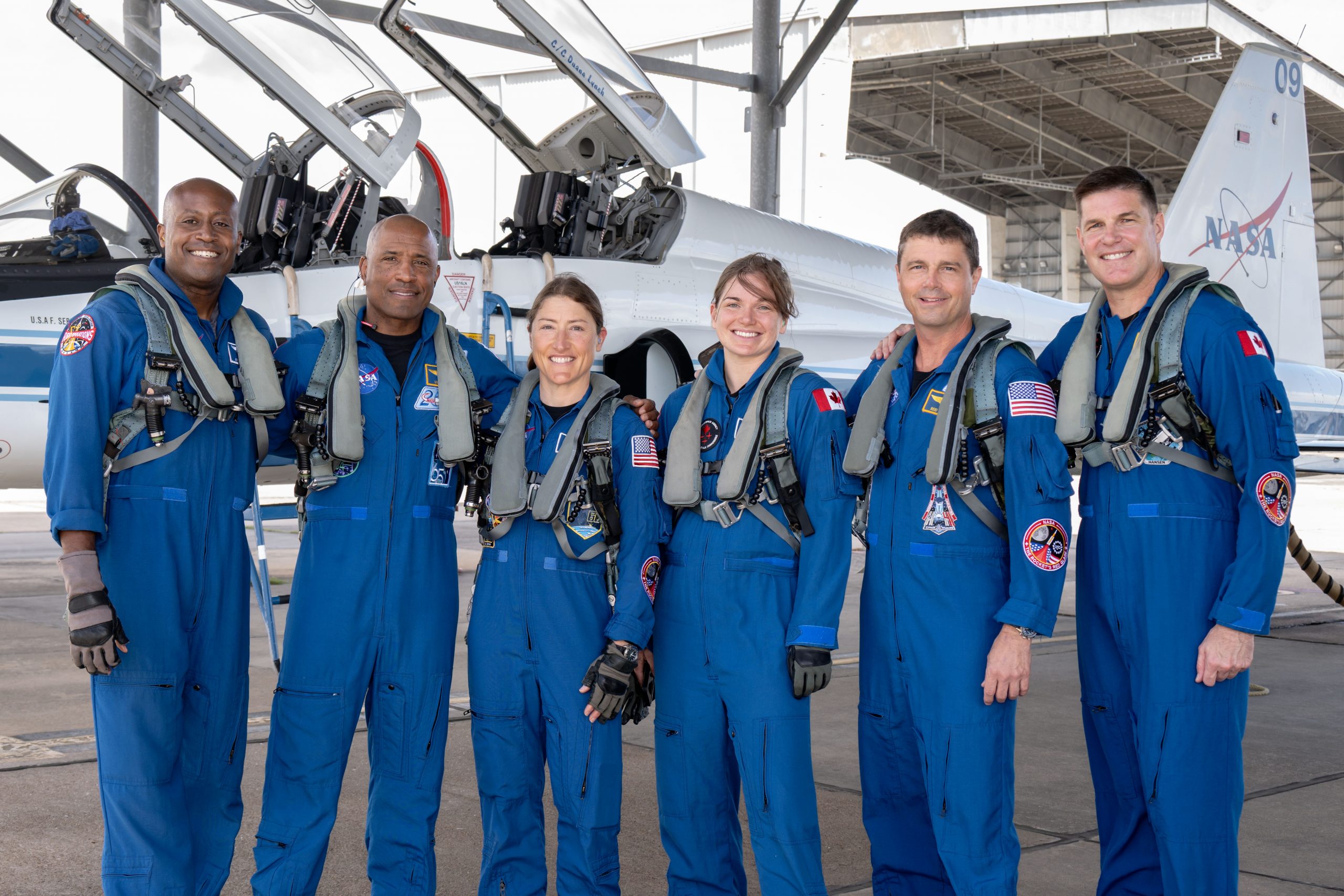
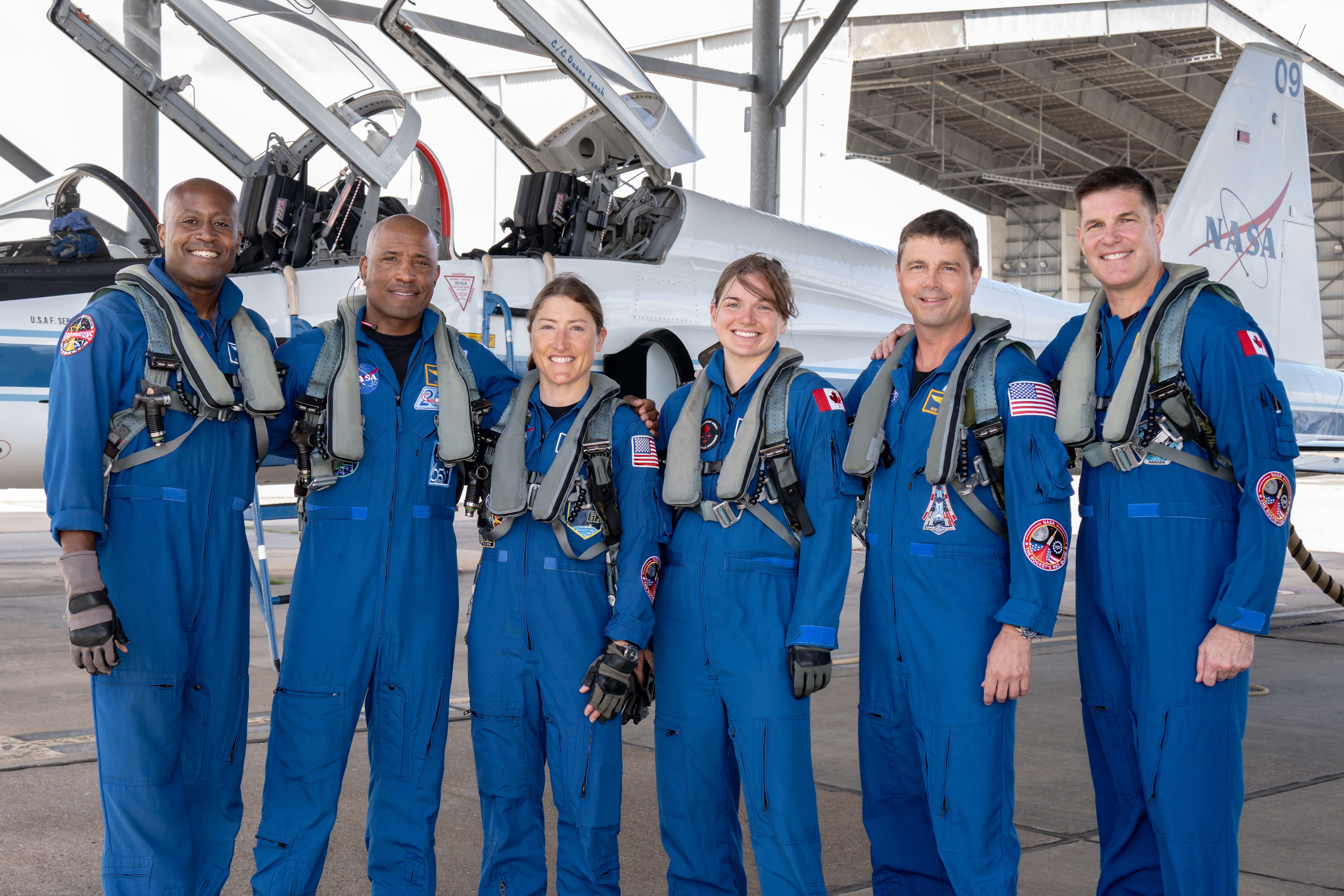
From left to right, NASA astronauts Andre Douglas, Victor Glover, and Christina Koch, CSA (Canadian Space Agency) astronauts Jenni Gibbons, NASA astronaut Reid Wiseman, and CSA astronaut Jeremy Hansen pose for a photo before the Artemis II crew proceed to a media event on March 27, 2026.
Read More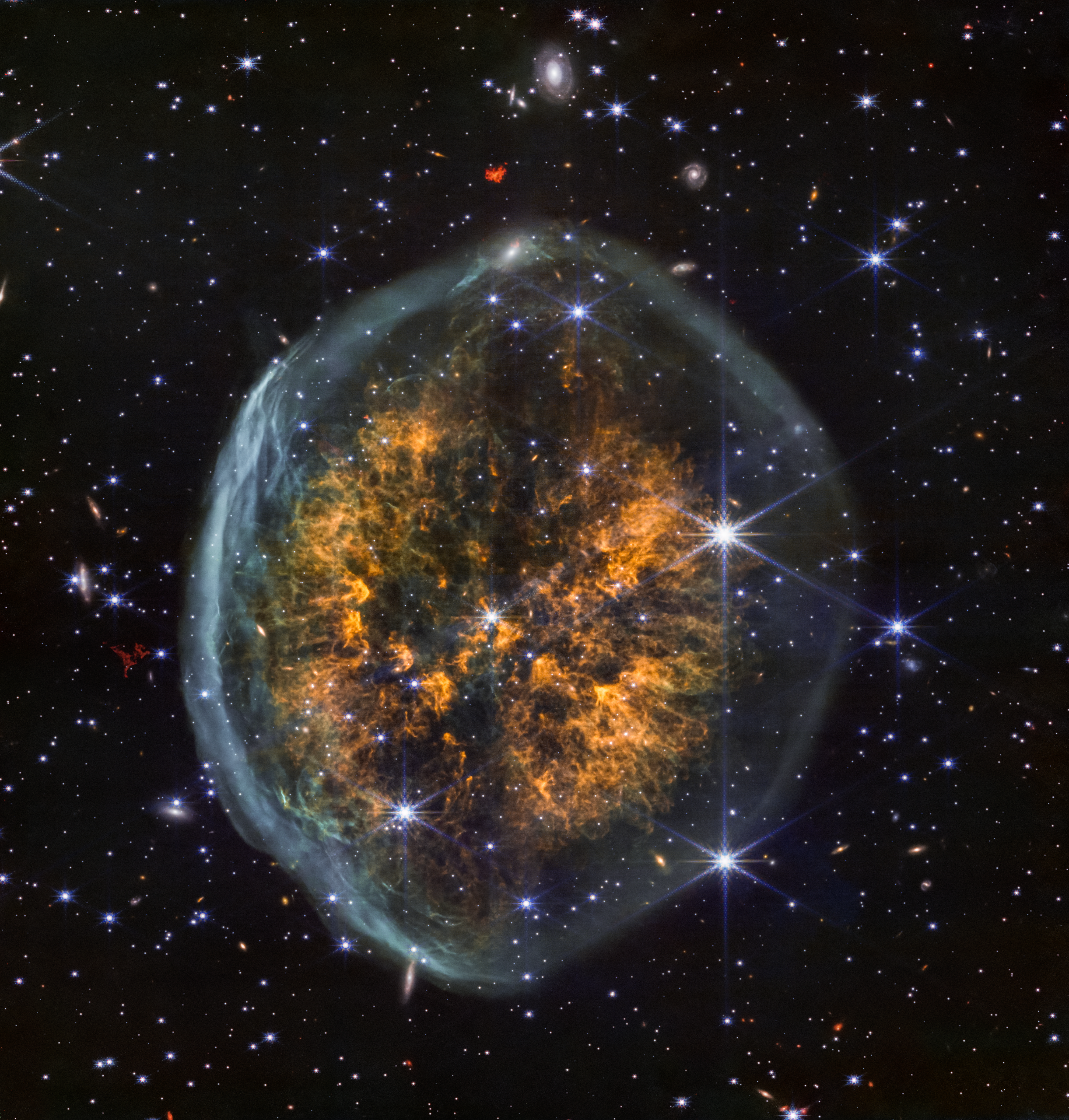
A brain-new image from Webb! What looks like a brain (complete with what appear as left and right hemispheres) is actually a dying star blowing off a shell of gas, and within that shell, a cloud of various gases.
Read More
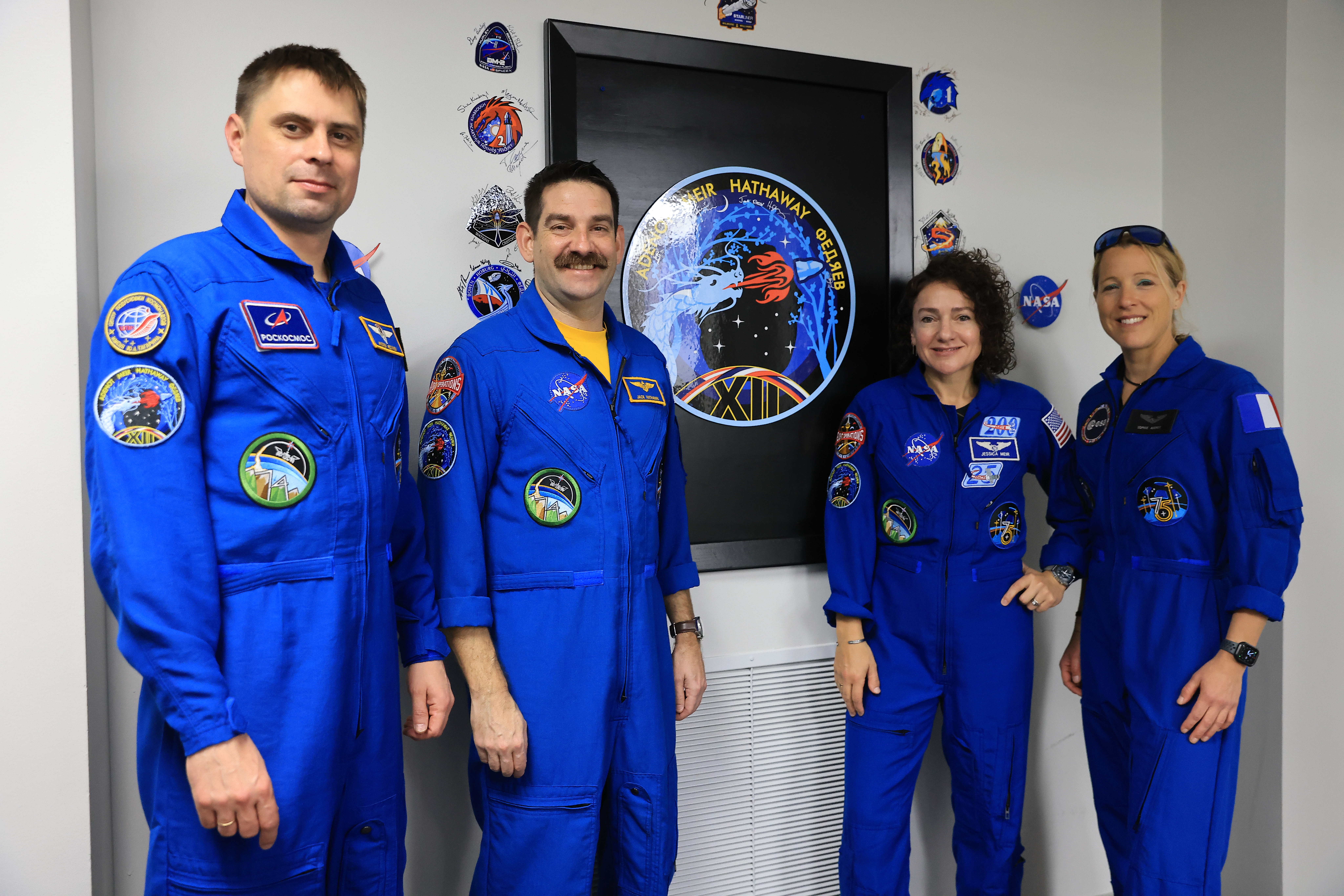
From left, NASA’s SpaceX Crew-12 crew members – Roscosmos cosmonaut Andrey Fedyaev, NASA astronauts Jack Hathaway and Jessica Meir, and ESA (European Space Agency) astronaut Sophie Adenot – pose next to their mission insignia inside the Astronaut Crew Quarters in the Neil A. Armstrong Operations and Checkout Building at NASA’s Kennedy Space Center in Florida on Monday, Feb. 9, 2026.
Read More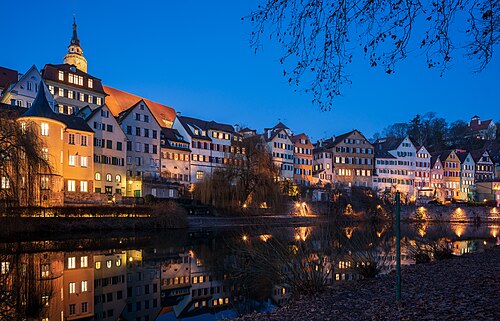
| Picture of the day |
|---|
.jpg)
|
|
The Neckarfront in Tübingen, Germany, seen in the blue hour over the river Neckar. At the left the Hölderlinturm, followed by a row of historic town houses, at the top the tower of St. George’s Collegiate Church.
|
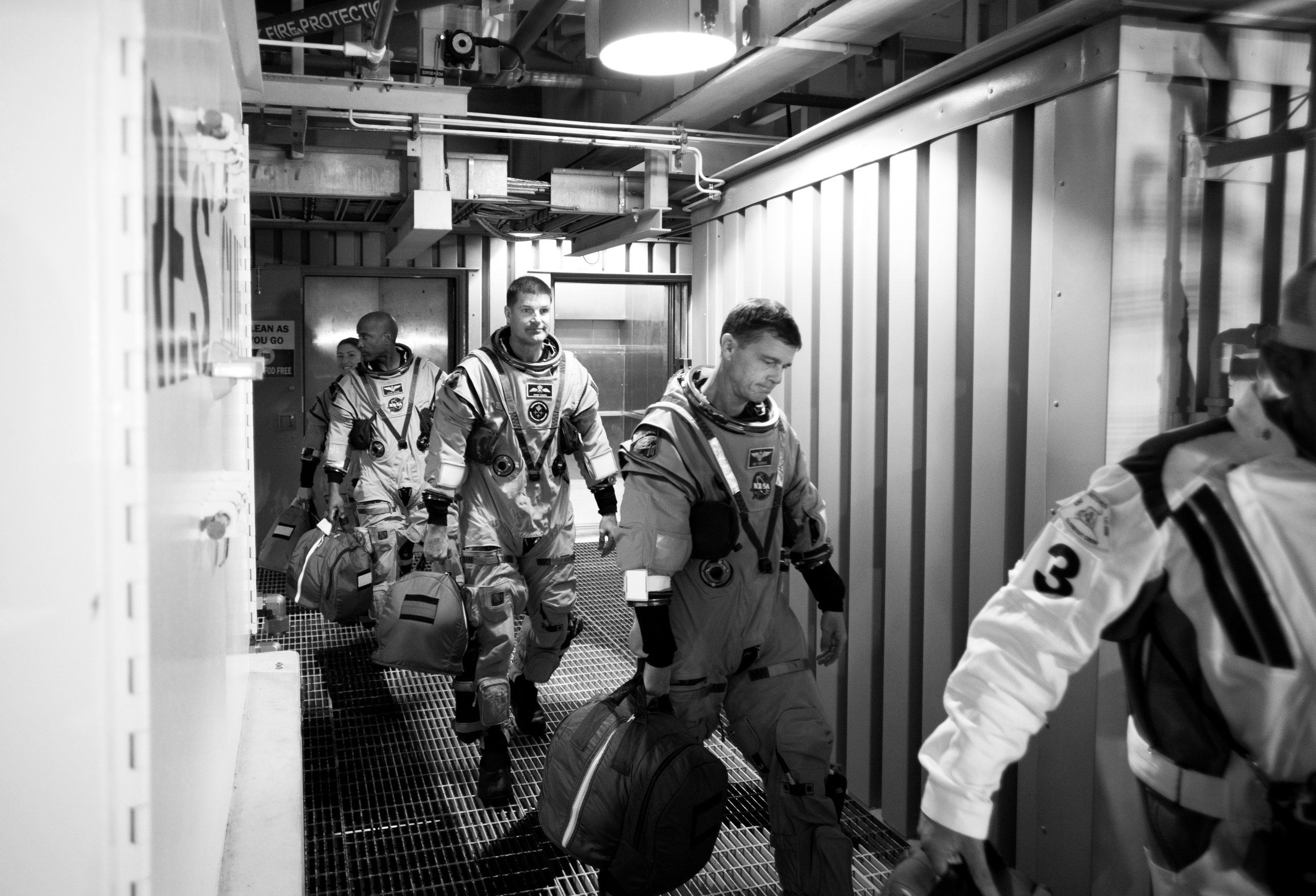
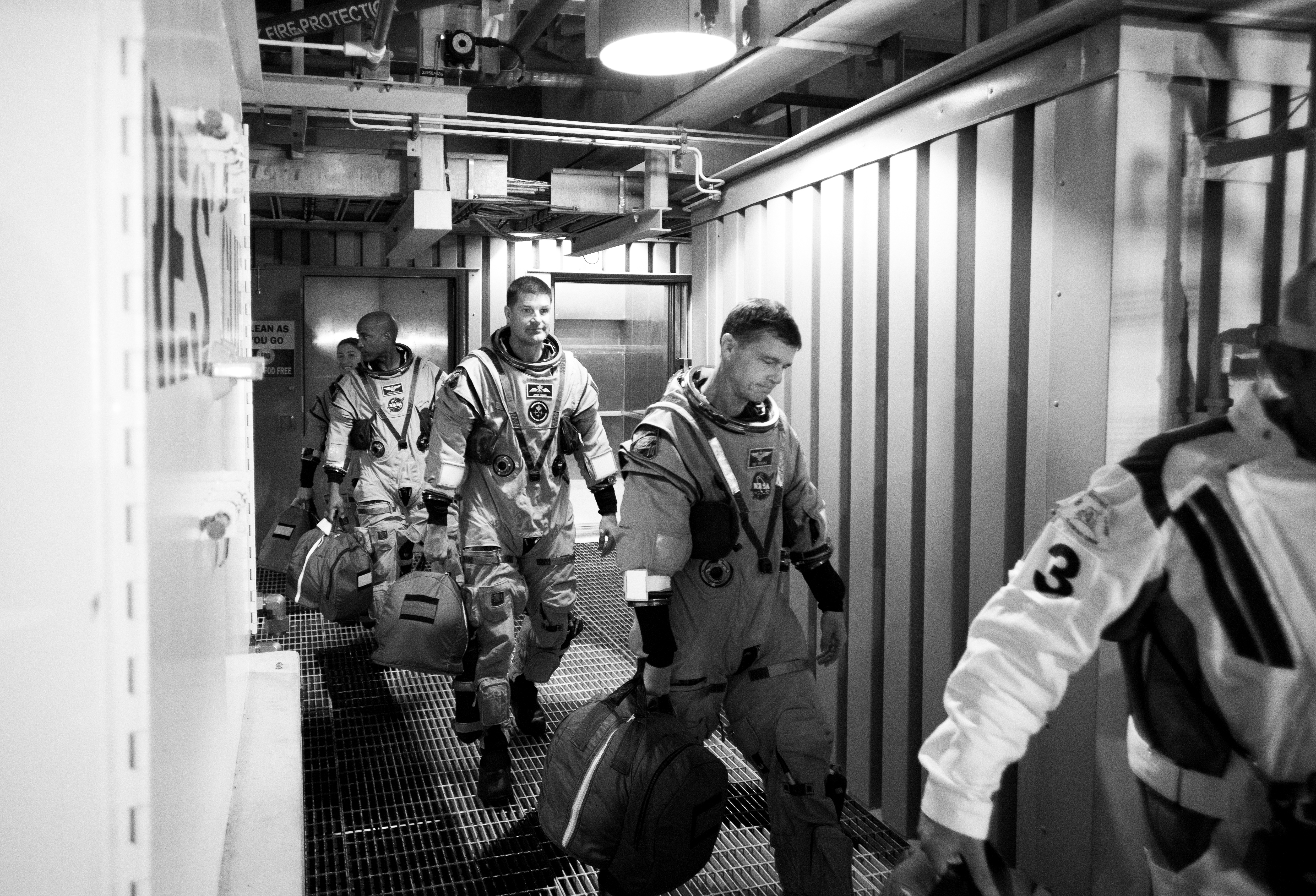
Artemis II crewmembers (left to right) NASA astronauts Christina Koch, mission specialist; and Victor Glover, pilot; CSA (Canadian Space Agency) astronaut Jeremy Hansen, mission specialist; and NASA astronaut Reid Wiseman, commander are led to the crew access arm as they prepare to board their Orion spacecraft atop NASA’s Space Launch System rocket during the Artemis II countdown demonstration test on Dec. 20, 2025.
Read More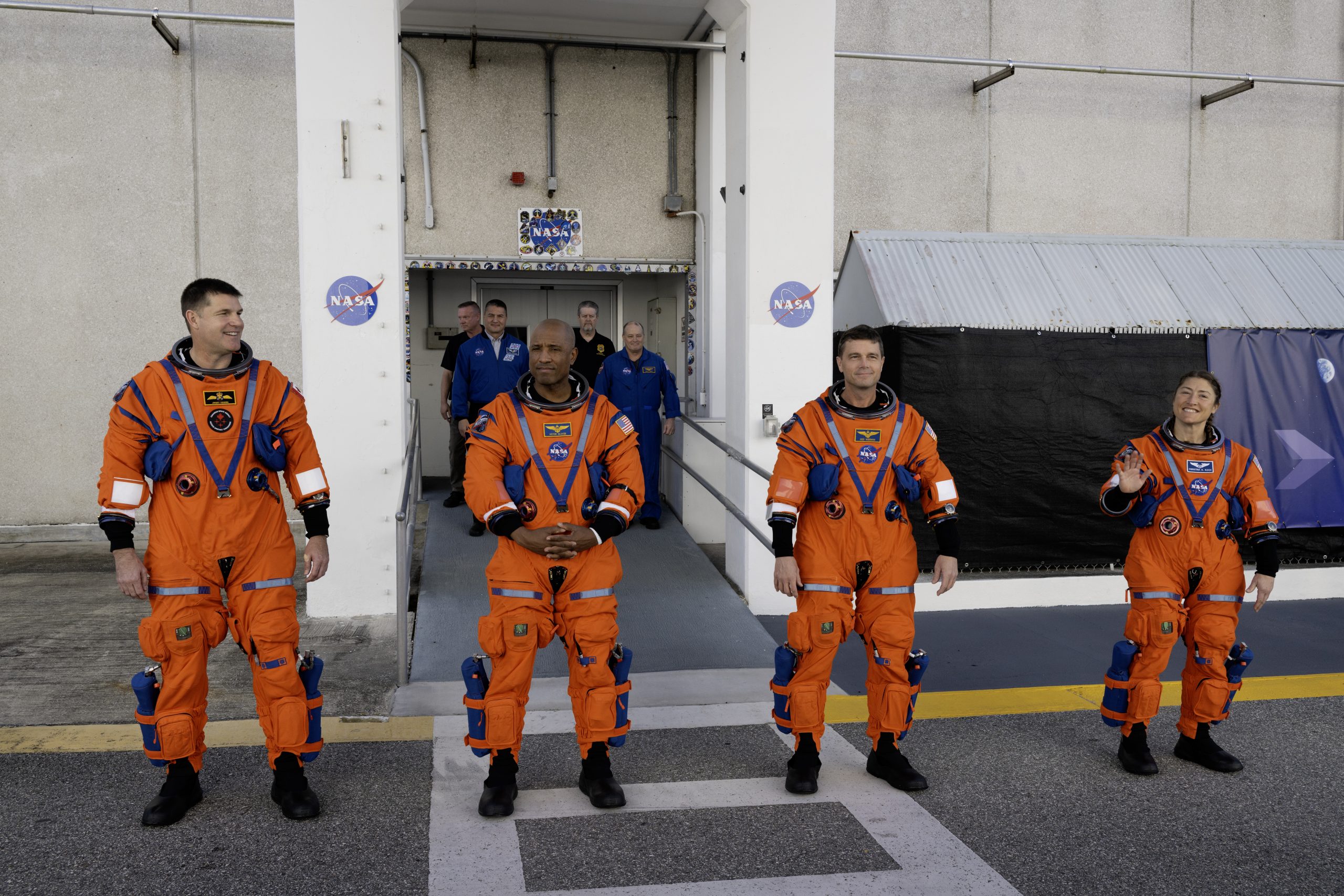

From left to right, CSA (Canadian Space Agency) astronaut Jeremy Hansen and NASA astronauts Christina Koch, Victor Glover, and Reid Wiseman are seen as they depart the Neil A. Armstrong Operations and Checkout Building to board their Orion spacecraft atop NASA’s Space Launch System rocket inside the Vehicle Assembly Building as part of the Artemis II countdown demonstration test, Saturday, Dec. 20, 2025, at NASA’s Kennedy Space Center in Florida.
Read More
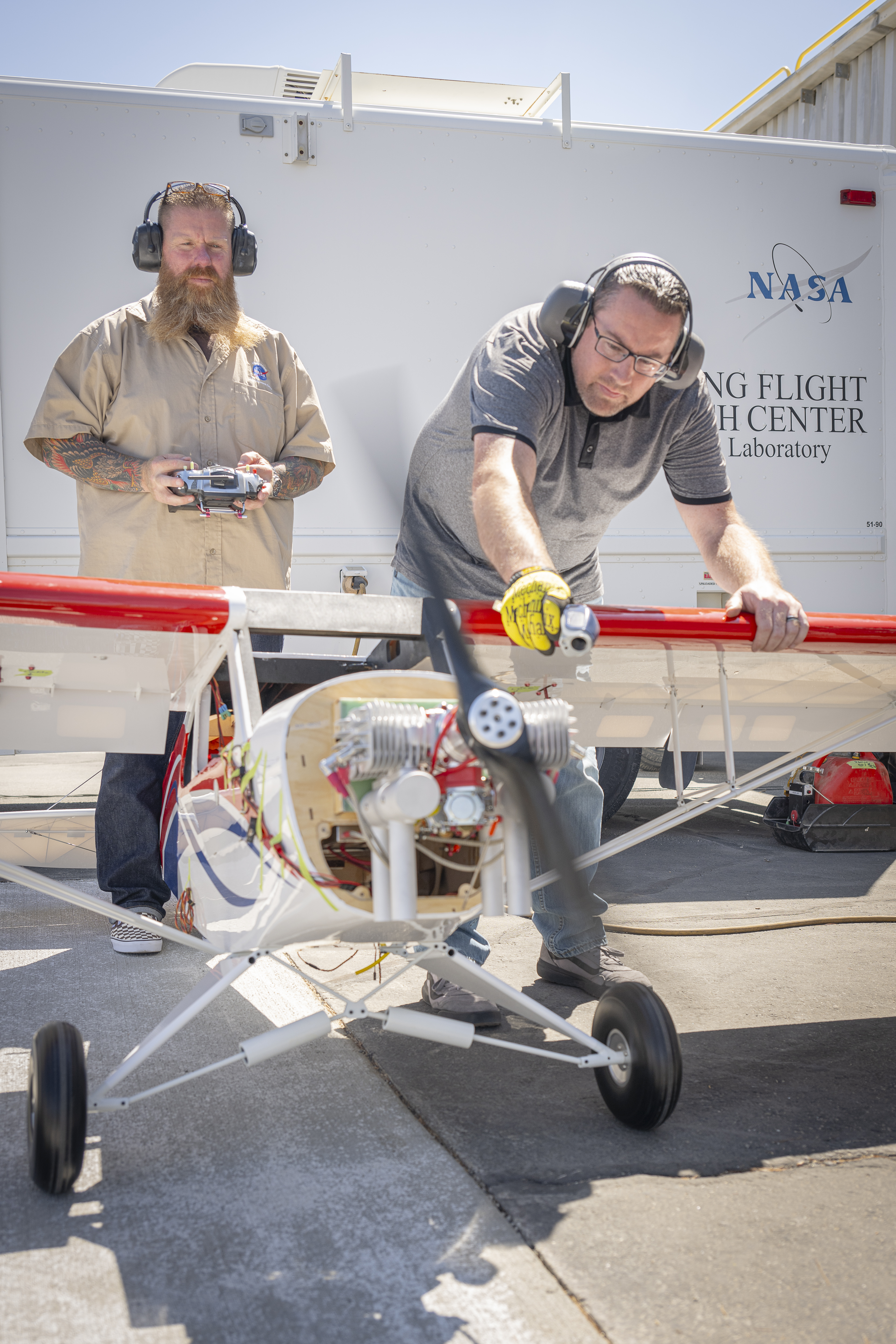
Justin Hall, left, controls a subscale aircraft as Justin Link holds the aircraft in place during preliminary engine tests on Friday, Sept. 12, 2025, at NASA’s Armstong Flight Research Center in Edwards, California. Hall is chief pilot at the center’s Dale Reed Subscale Flight Research Laboratory and Link is a pilot for small uncrewed aircraft systems.
Read More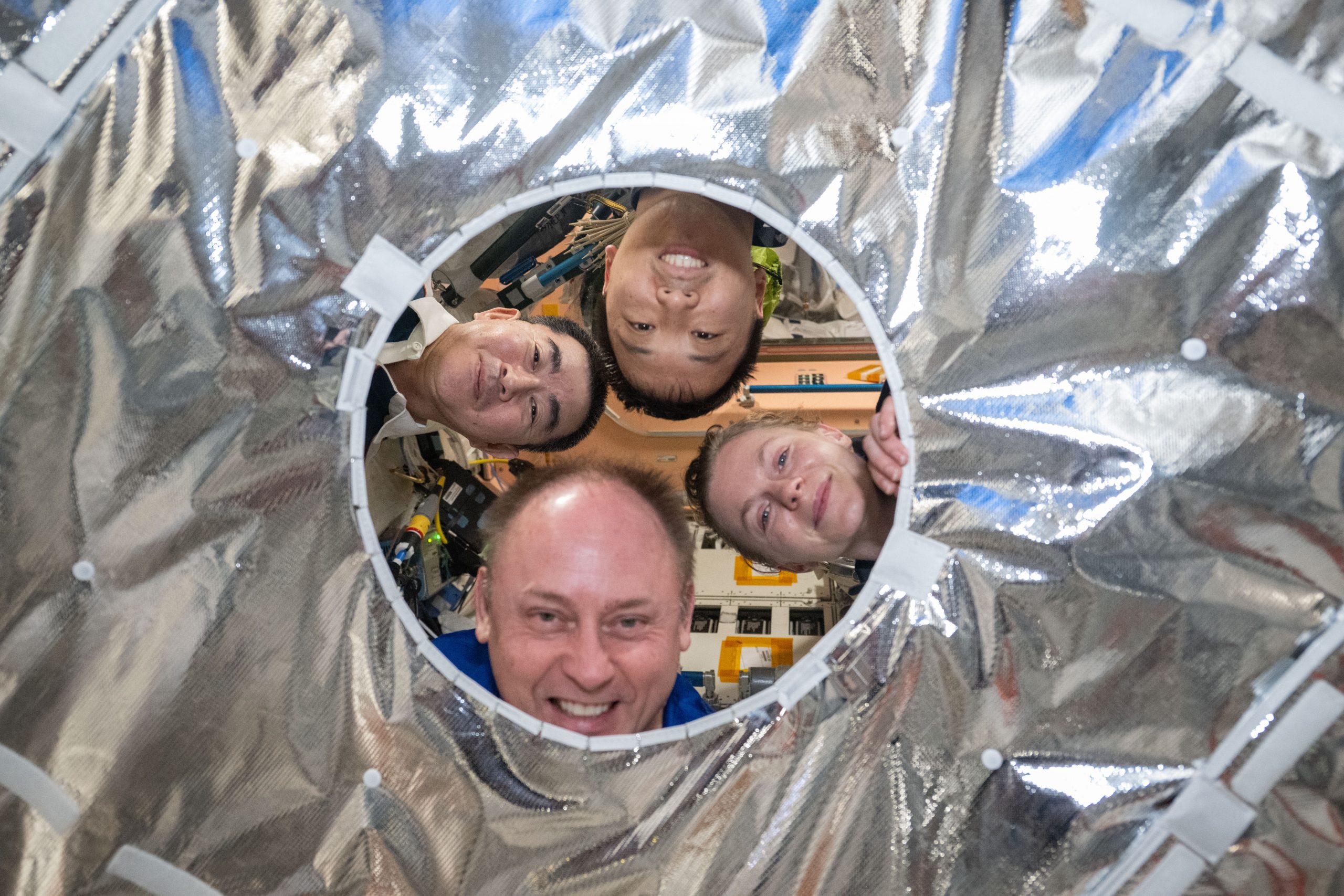
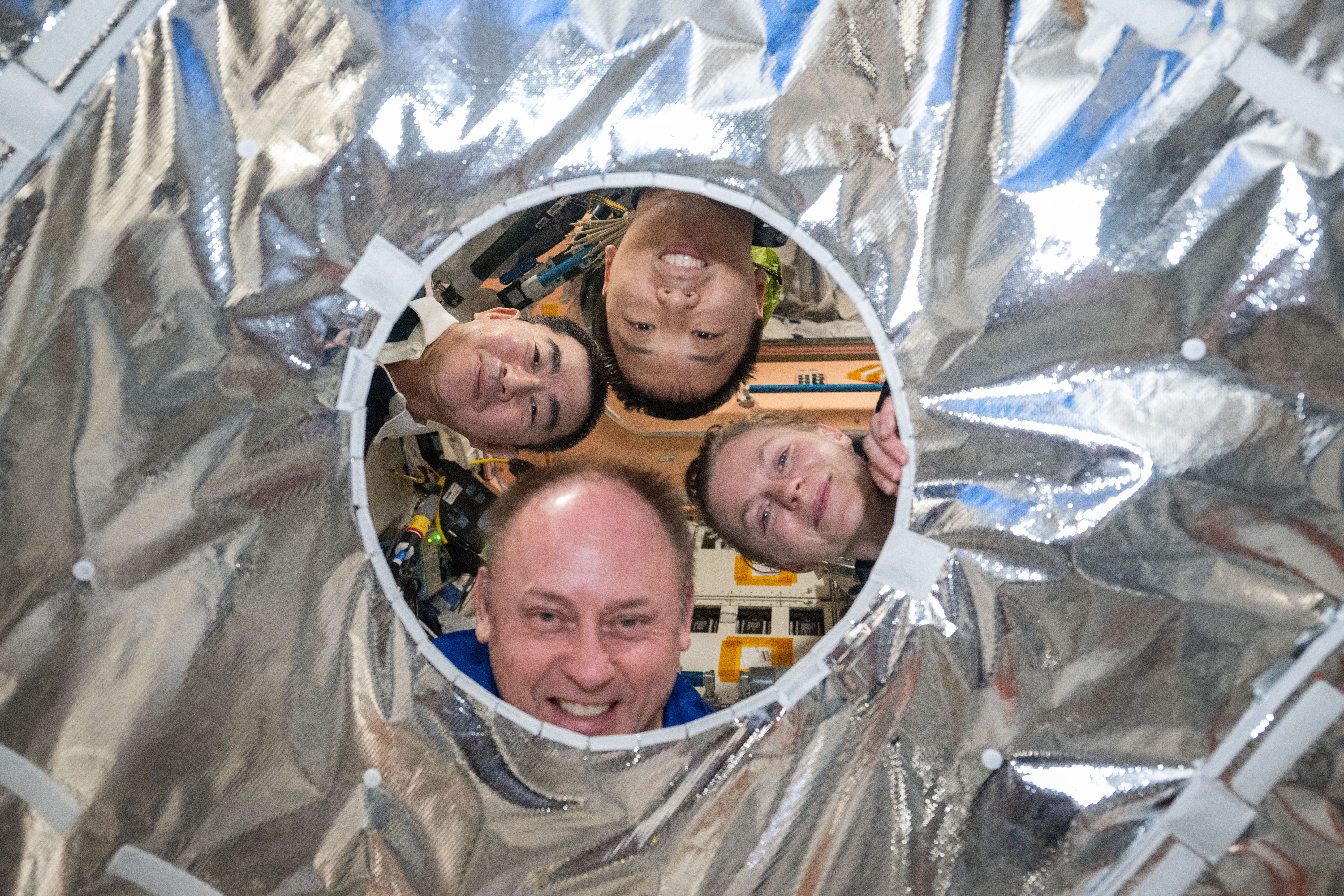
Clockwise from left, JAXA (Japan Aerospace Exploration Agency) astronaut Kimiya Yui and NASA astronauts Jonny Kim, Zena Cardman, and Mike Fincke pose for a playful portrait through a circular opening in a hatch thermal cover aboard the International Space Station on Sept. 18, 2025.
Read More

The atmospheric glow blankets southern Europe and the northwestern Mediterranean coast, outlined by city lights. At left, the Po Valley urban corridor in Italy shines with the metropolitan areas of Milan and Turin and their surrounding suburbs.
Read More
| Picture of the day |
|---|

|
|
View on Val Montanaia (Montanaia Valley), with the Cima Both (2,437 m) on the left and the “Campanile” (2,173 m) in the middle; both are peaks of the Spalti di Toro group, in the Friulian Dolomites Natural Park, Friuli-Venezia Giulia, Italy.
|
| Picture of the day |
|---|
.jpg)
|
|
View of the village of Gyakar surrounded by a poplar grove in the Upper Mustang region of Nepal. The summits of the Damodar Himal, the Purkung Himal and the Annapurnas are visible in the distance. A suspended bridge over the deep canyon (left) connects it to the neighbouring Chele village and thence to the rest of Nepal.
|