paul

CNA explains: How does the Catholic Church create dioceses and archdioceses? #Catholic 
 
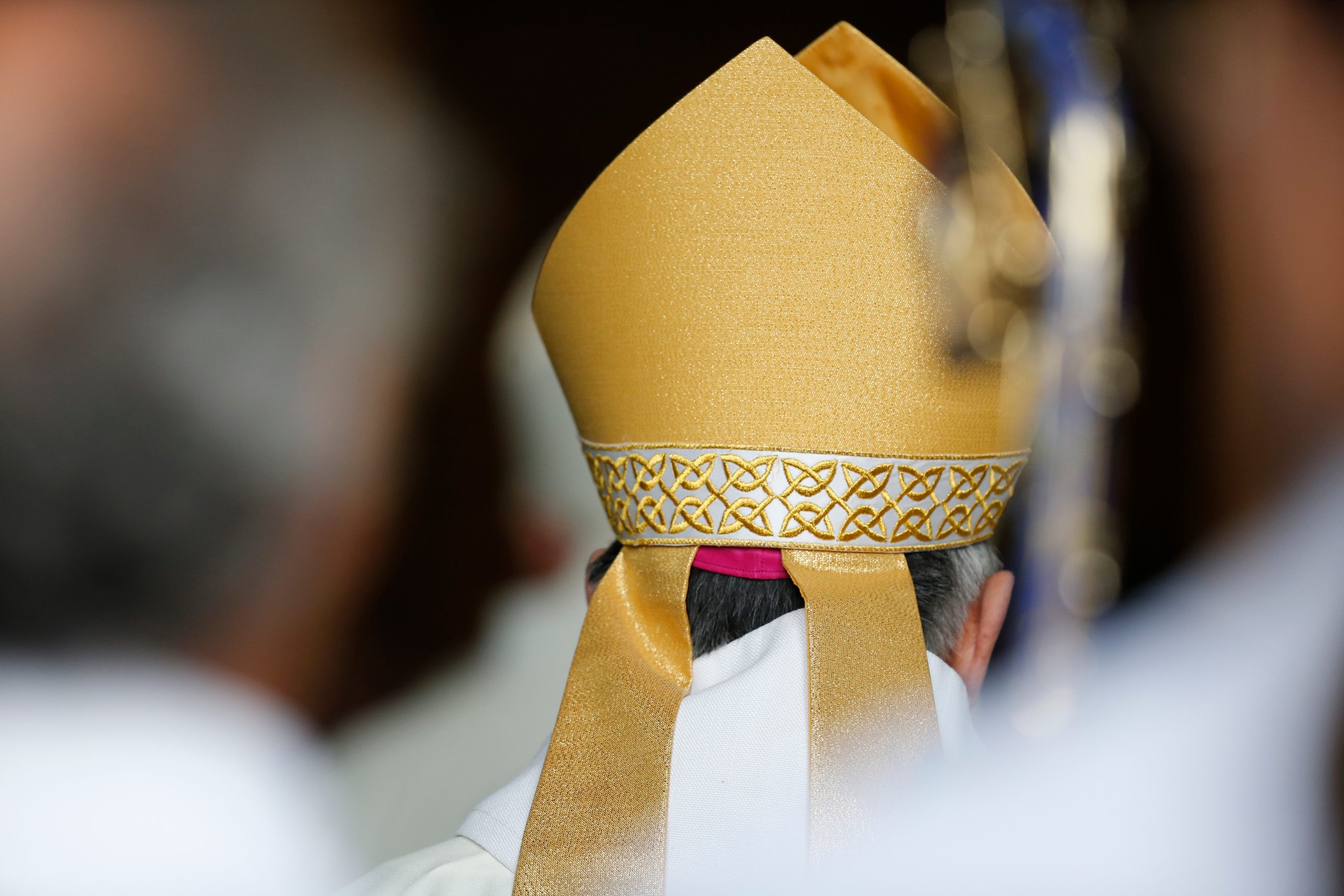
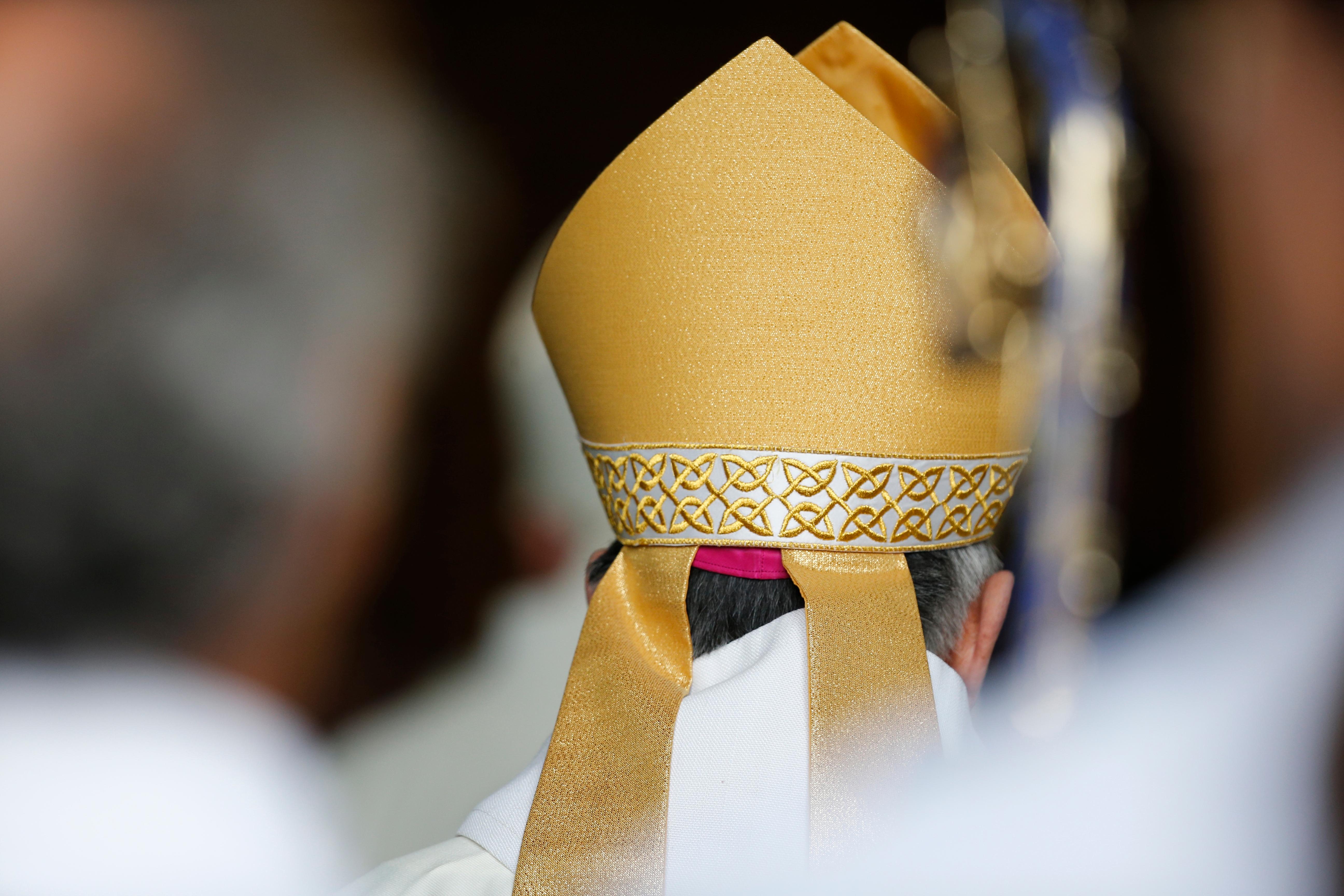
 St. Joseph Cathedral, Buffalo. | Credit: CiEll/Shutterstock

Jan 10, 2026 / 06:00 am (CNA).
Catholics in the U.S. were witness to a rare Church decision in 2023 when Pope Francis elevated the Diocese of Las Vegas to a metropolitan archdiocese. Las Vegas had previously been a suffragan diocese of San Francisco, having been created by Pope John Paul II in 1995. A suffragan diocese operates within an ecclesiastical province subordinate to a larger archdiocese and is led by a suffragan bishop who has the authority to lead his own diocese but works under the metropolitan archbishop.In September 2025, Pope Leo XIV created a new Catholic diocese in northern China; though it goes by the same name as one established decades ago by Beijing without Vatican approval — a product of ongoing tensions between China and the Holy See — the move demonstrated the Holy See’s authority in creating local Church jurisdictions. Outside of one’s own parish, a diocese or archdiocese is arguably the average Catholic’s most common point of interaction with the Church. These jurisdictions manage local Church life and administration, with bishops and archbishops offering both spiritual and temporal guidance and authority to Catholics under their care. But how does the Catholic Church decide what becomes a diocese or an archdiocese? What are the roots of this ancient practice, and how does it function today?Exclusively a papal rightMonsignor William King, JCD, KCHS, an assistant professor at the school of canon law at The Catholic University of America, told CNA that the right to erect (or suppress) a diocese “belongs exclusively to the successor of Peter, the bishop of Rome,” that is, the pope.“Historically, secular rulers have intruded into the process and the autonomy of the Church in this action has been hard-won,” he said, pointing out that “even today in certain parts of the world, secular or civil rulers wish to have input into matters such as this.”The pope never makes decisions regarding dioceses and archdioceses “without considerable study and consultation,” King said. The history of diocesan administration stretches back to the earliest years of the Church, he said. In those days a diocese consisted of “a city larger than the surrounding cities and towns,” often a place of commerce or a center of government.Throughout the centuries, including after the imperial legalization of the Church by Constantine, Church leaders refined the diocesan structure of “pastoral ministry and governance” in order to facilitate “communication and decision-making” throughout Christendom.“This became increasingly important as the Church grew and encountered different systems of law, philosophy, and religious practice,” King said. Roman models of government structure proved useful and sufficient for Church governance; King noted that the Church structure even today more closely resembles a government than a corporation.The process by determining which jurisdictions counted as archdioceses likely arose in earlier centuries organically, King said, with Church leaders identifying major centers of “culture, education, commerce, government, and transportation” as particularly significant jurisdictions.The procedure for elevating a diocese to an archdiocese, meanwhile — as Pope Francis did to Las Vegas in 2023 — requires “significant study, discussion, and decision-making,” King said.The Holy See conducts such reviews in part through a diocese’s “quinquennial report,” a detailed rundown of the diocese’s activities and administration. Such a report may indicate to the Holy See that a particular region is growing and could benefit from elevation to an archdiocese.Local suffragan bishops will participate in discussions to that effect, King said, and the Roman Curia will work with bishops’ conferences as well as the local apostolic nuncio.“The ultimate decision is that of the Roman pontiff, the bishop of Rome,” King said, “but is always done with his awareness of the conversations and consultations already conducted at every level.”The priest pointed out that not every local jurisdiction of the Church is a diocese or archdiocese. At times, he said, the pope may establish a less common ecclesiastical administration “for a variety of reasons that relate to culture, legal acceptance or opposition, small numbers, and the like.”Such jurisdictions include apostolic prefectures, apostolic vicariates, ordinariates, and other designations. Such areas may be governed by a bishop or a priest named by the pope, King said.

CNA explains: How does the Catholic Church create dioceses and archdioceses? #Catholic St. Joseph Cathedral, Buffalo. | Credit: CiEll/Shutterstock Jan 10, 2026 / 06:00 am (CNA). Catholics in the U.S. were witness to a rare Church decision in 2023 when Pope Francis elevated the Diocese of Las Vegas to a metropolitan archdiocese. Las Vegas had previously been a suffragan diocese of San Francisco, having been created by Pope John Paul II in 1995. A suffragan diocese operates within an ecclesiastical province subordinate to a larger archdiocese and is led by a suffragan bishop who has the authority to lead his own diocese but works under the metropolitan archbishop.In September 2025, Pope Leo XIV created a new Catholic diocese in northern China; though it goes by the same name as one established decades ago by Beijing without Vatican approval — a product of ongoing tensions between China and the Holy See — the move demonstrated the Holy See’s authority in creating local Church jurisdictions. Outside of one’s own parish, a diocese or archdiocese is arguably the average Catholic’s most common point of interaction with the Church. These jurisdictions manage local Church life and administration, with bishops and archbishops offering both spiritual and temporal guidance and authority to Catholics under their care. But how does the Catholic Church decide what becomes a diocese or an archdiocese? What are the roots of this ancient practice, and how does it function today?Exclusively a papal rightMonsignor William King, JCD, KCHS, an assistant professor at the school of canon law at The Catholic University of America, told CNA that the right to erect (or suppress) a diocese “belongs exclusively to the successor of Peter, the bishop of Rome,” that is, the pope.“Historically, secular rulers have intruded into the process and the autonomy of the Church in this action has been hard-won,” he said, pointing out that “even today in certain parts of the world, secular or civil rulers wish to have input into matters such as this.”The pope never makes decisions regarding dioceses and archdioceses “without considerable study and consultation,” King said. The history of diocesan administration stretches back to the earliest years of the Church, he said. In those days a diocese consisted of “a city larger than the surrounding cities and towns,” often a place of commerce or a center of government.Throughout the centuries, including after the imperial legalization of the Church by Constantine, Church leaders refined the diocesan structure of “pastoral ministry and governance” in order to facilitate “communication and decision-making” throughout Christendom.“This became increasingly important as the Church grew and encountered different systems of law, philosophy, and religious practice,” King said. Roman models of government structure proved useful and sufficient for Church governance; King noted that the Church structure even today more closely resembles a government than a corporation.The process by determining which jurisdictions counted as archdioceses likely arose in earlier centuries organically, King said, with Church leaders identifying major centers of “culture, education, commerce, government, and transportation” as particularly significant jurisdictions.The procedure for elevating a diocese to an archdiocese, meanwhile — as Pope Francis did to Las Vegas in 2023 — requires “significant study, discussion, and decision-making,” King said.The Holy See conducts such reviews in part through a diocese’s “quinquennial report,” a detailed rundown of the diocese’s activities and administration. Such a report may indicate to the Holy See that a particular region is growing and could benefit from elevation to an archdiocese.Local suffragan bishops will participate in discussions to that effect, King said, and the Roman Curia will work with bishops’ conferences as well as the local apostolic nuncio.“The ultimate decision is that of the Roman pontiff, the bishop of Rome,” King said, “but is always done with his awareness of the conversations and consultations already conducted at every level.”The priest pointed out that not every local jurisdiction of the Church is a diocese or archdiocese. At times, he said, the pope may establish a less common ecclesiastical administration “for a variety of reasons that relate to culture, legal acceptance or opposition, small numbers, and the like.”Such jurisdictions include apostolic prefectures, apostolic vicariates, ordinariates, and other designations. Such areas may be governed by a bishop or a priest named by the pope, King said.


St. Joseph Cathedral, Buffalo. | Credit: CiEll/Shutterstock

Jan 10, 2026 / 06:00 am (CNA).

Catholics in the U.S. were witness to a rare Church decision in 2023 when Pope Francis elevated the Diocese of Las Vegas to a metropolitan archdiocese. Las Vegas had previously been a suffragan diocese of San Francisco, having been created by Pope John Paul II in 1995.

A suffragan diocese operates within an ecclesiastical province subordinate to a larger archdiocese and is led by a suffragan bishop who has the authority to lead his own diocese but works under the metropolitan archbishop.

In September 2025, Pope Leo XIV created a new Catholic diocese in northern China; though it goes by the same name as one established decades ago by Beijing without Vatican approval — a product of ongoing tensions between China and the Holy See — the move demonstrated the Holy See’s authority in creating local Church jurisdictions.

Outside of one’s own parish, a diocese or archdiocese is arguably the average Catholic’s most common point of interaction with the Church. These jurisdictions manage local Church life and administration, with bishops and archbishops offering both spiritual and temporal guidance and authority to Catholics under their care.

But how does the Catholic Church decide what becomes a diocese or an archdiocese? What are the roots of this ancient practice, and how does it function today?

Exclusively a papal right

Monsignor William King, JCD, KCHS, an assistant professor at the school of canon law at The Catholic University of America, told CNA that the right to erect (or suppress) a diocese “belongs exclusively to the successor of Peter, the bishop of Rome,” that is, the pope.

“Historically, secular rulers have intruded into the process and the autonomy of the Church in this action has been hard-won,” he said, pointing out that “even today in certain parts of the world, secular or civil rulers wish to have input into matters such as this.”

The pope never makes decisions regarding dioceses and archdioceses “without considerable study and consultation,” King said.

The history of diocesan administration stretches back to the earliest years of the Church, he said. In those days a diocese consisted of “a city larger than the surrounding cities and towns,” often a place of commerce or a center of government.

Throughout the centuries, including after the imperial legalization of the Church by Constantine, Church leaders refined the diocesan structure of “pastoral ministry and governance” in order to facilitate “communication and decision-making” throughout Christendom.

“This became increasingly important as the Church grew and encountered different systems of law, philosophy, and religious practice,” King said. Roman models of government structure proved useful and sufficient for Church governance; King noted that the Church structure even today more closely resembles a government than a corporation.

The process by determining which jurisdictions counted as archdioceses likely arose in earlier centuries organically, King said, with Church leaders identifying major centers of “culture, education, commerce, government, and transportation” as particularly significant jurisdictions.

The procedure for elevating a diocese to an archdiocese, meanwhile — as Pope Francis did to Las Vegas in 2023 — requires “significant study, discussion, and decision-making,” King said.

The Holy See conducts such reviews in part through a diocese’s “quinquennial report,” a detailed rundown of the diocese’s activities and administration. Such a report may indicate to the Holy See that a particular region is growing and could benefit from elevation to an archdiocese.

Local suffragan bishops will participate in discussions to that effect, King said, and the Roman Curia will work with bishops’ conferences as well as the local apostolic nuncio.

“The ultimate decision is that of the Roman pontiff, the bishop of Rome,” King said, “but is always done with his awareness of the conversations and consultations already conducted at every level.”

The priest pointed out that not every local jurisdiction of the Church is a diocese or archdiocese. At times, he said, the pope may establish a less common ecclesiastical administration “for a variety of reasons that relate to culture, legal acceptance or opposition, small numbers, and the like.”

Such jurisdictions include apostolic prefectures, apostolic vicariates, ordinariates, and other designations. Such areas may be governed by a bishop or a priest named by the pope, King said.

Read More
‘As men, you’re called to act!’ speaker says to a packed room of young men at SEEK 2026 #Catholic 
 
 John Bishop, founder of Forge, speaks to hundreds of young men at the SEEK 2026 conference in the Diocese of Fort Worth, Texas, on Jan. 2, 2026. | Credit: Amira Abuzeid/CNA

Jan 6, 2026 / 07:00 am (CNA).
Hundreds of young men at the SEEK 2026 conference in the Fort Worth, Texas, Diocese this weekend filled a cavernous room to learn about what it means to be a man formed by “Jesus Christ and his Church.”John Bishop, founder and executive director of Forge, an organization that supports the family with an emphasis on masculinity, told the young men that “you are much more than your animalistic desires. Live something higher for someone higher.”In his talk titled “God Made Men,” Bishop spoke about how when Adam, the first man, “opened his eyes, he had never seen a woman before. She was completely naked.”“It was a great day for Adam,” Bishop said to waves of laughter. “Adam was the Elon Musk of the garden.”Taking a more serious tone, Bishop asked: “How would Adam see Eve? In his theology of the body, Pope John Paul II said Eve’s body was a manifestation of her soul. Eve had a perfect body, but when Adam saw her naked body, he didn’t lust over her.”“He realized who she was and who he was: made to make a gift of himself to her,” he said.Bishop then turned to what happened next: “What did Adam do as the snake came into the garden?” he asked.“Nothing! The most common, toxic, nauseating sin that runs rampant throughout men in the world is that we don’t do a damn thing.”“When we see our brothers walking into sin, we twiddle our thumbs. When we see our daughters walking out wearing next to nothing, we say nothing. When we’re grandfathers seeing the culture going in a bad way, we watch football,” he said.‘The image of God lives in a man fully alive’“You’re called to act!” Bishop admonished the group. “You might be filled with doubt … but it might be time for you to take the first step.”“The image of God lives in a man fully alive … Study after study shows that when a good man acts and doesn’t hold anything back, when he follows Christ with all [he is], … when he gives himself over [to Christ], the effect of that one man’s life multiplies beyond anything that we can understand,” he said.Hundreds of young men listen to John Bishop’s talk on masculinity on Jan. 2, 2026, at the SEEK conference in Grapevine, Texas. | Credit: Amira Abuzeid/CNAPatricio Parra, a sophomore at Texas A&M University, told CNA that he enjoyed Bishop’s talk because he and his friends have noticed how “society says it’s toxic to be masculine.”Parra said a New York Times journalist asked him and his friends after the talk why his generation of men was so invested in the faith.“There’s a striving for men to want to be men again,” he told her. “As a society, we see male role models on YouTube, but they are deformed. Recently, there aren’t a lot of good masculine models to follow.”Parra said what stood out to him the most after Bishop’s talk was the idea that Adam saw Eve’s physical beauty as the same as her internal beauty and recognized her dignity.“We have to strive to be as masculine as that,” Parra said.He said he took to heart three pieces of advice Bishop gave the men in the audience.First: “There’s no glory without the cross, no sainthood without suffering; so suffer a little bit. Make your body go through hard things,” Parra recalled. “Everything we suffer now will bring fruit for others, including our children someday, who will want to emulate us.”Next, Parra said Bishop advised that young men invest in solid, masculine friendships where they encourage one another toward sainthood.Last, Bishop told his listeners to be like St. Joseph, who, after Adam, was “one of the most manly men in Scripture.”“Joseph never said a word. We just know what he did,” Parra said. “We should do the same: just be quiet and act.”Parra demonstrated a hand motion he and his other friends from Texas A&M invented to go with the words “Zip it and act!” He made a zipper motion across his mouth and then the letter “A” with his fingers.“Don’t just talk about asking a girl out; do it!” he said enthusiastically. “Don’t just think about seminary; go do it!”

‘As men, you’re called to act!’ speaker says to a packed room of young men at SEEK 2026 #Catholic John Bishop, founder of Forge, speaks to hundreds of young men at the SEEK 2026 conference in the Diocese of Fort Worth, Texas, on Jan. 2, 2026. | Credit: Amira Abuzeid/CNA Jan 6, 2026 / 07:00 am (CNA). Hundreds of young men at the SEEK 2026 conference in the Fort Worth, Texas, Diocese this weekend filled a cavernous room to learn about what it means to be a man formed by “Jesus Christ and his Church.”John Bishop, founder and executive director of Forge, an organization that supports the family with an emphasis on masculinity, told the young men that “you are much more than your animalistic desires. Live something higher for someone higher.”In his talk titled “God Made Men,” Bishop spoke about how when Adam, the first man, “opened his eyes, he had never seen a woman before. She was completely naked.”“It was a great day for Adam,” Bishop said to waves of laughter. “Adam was the Elon Musk of the garden.”Taking a more serious tone, Bishop asked: “How would Adam see Eve? In his theology of the body, Pope John Paul II said Eve’s body was a manifestation of her soul. Eve had a perfect body, but when Adam saw her naked body, he didn’t lust over her.”“He realized who she was and who he was: made to make a gift of himself to her,” he said.Bishop then turned to what happened next: “What did Adam do as the snake came into the garden?” he asked.“Nothing! The most common, toxic, nauseating sin that runs rampant throughout men in the world is that we don’t do a damn thing.”“When we see our brothers walking into sin, we twiddle our thumbs. When we see our daughters walking out wearing next to nothing, we say nothing. When we’re grandfathers seeing the culture going in a bad way, we watch football,” he said.‘The image of God lives in a man fully alive’“You’re called to act!” Bishop admonished the group. “You might be filled with doubt … but it might be time for you to take the first step.”“The image of God lives in a man fully alive … Study after study shows that when a good man acts and doesn’t hold anything back, when he follows Christ with all [he is], … when he gives himself over [to Christ], the effect of that one man’s life multiplies beyond anything that we can understand,” he said.Hundreds of young men listen to John Bishop’s talk on masculinity on Jan. 2, 2026, at the SEEK conference in Grapevine, Texas. | Credit: Amira Abuzeid/CNAPatricio Parra, a sophomore at Texas A&M University, told CNA that he enjoyed Bishop’s talk because he and his friends have noticed how “society says it’s toxic to be masculine.”Parra said a New York Times journalist asked him and his friends after the talk why his generation of men was so invested in the faith.“There’s a striving for men to want to be men again,” he told her. “As a society, we see male role models on YouTube, but they are deformed. Recently, there aren’t a lot of good masculine models to follow.”Parra said what stood out to him the most after Bishop’s talk was the idea that Adam saw Eve’s physical beauty as the same as her internal beauty and recognized her dignity.“We have to strive to be as masculine as that,” Parra said.He said he took to heart three pieces of advice Bishop gave the men in the audience.First: “There’s no glory without the cross, no sainthood without suffering; so suffer a little bit. Make your body go through hard things,” Parra recalled. “Everything we suffer now will bring fruit for others, including our children someday, who will want to emulate us.”Next, Parra said Bishop advised that young men invest in solid, masculine friendships where they encourage one another toward sainthood.Last, Bishop told his listeners to be like St. Joseph, who, after Adam, was “one of the most manly men in Scripture.”“Joseph never said a word. We just know what he did,” Parra said. “We should do the same: just be quiet and act.”Parra demonstrated a hand motion he and his other friends from Texas A&M invented to go with the words “Zip it and act!” He made a zipper motion across his mouth and then the letter “A” with his fingers.“Don’t just talk about asking a girl out; do it!” he said enthusiastically. “Don’t just think about seminary; go do it!”


John Bishop, founder of Forge, speaks to hundreds of young men at the SEEK 2026 conference in the Diocese of Fort Worth, Texas, on Jan. 2, 2026. | Credit: Amira Abuzeid/CNA

Jan 6, 2026 / 07:00 am (CNA).

Hundreds of young men at the SEEK 2026 conference in the Fort Worth, Texas, Diocese this weekend filled a cavernous room to learn about what it means to be a man formed by “Jesus Christ and his Church.”

John Bishop, founder and executive director of Forge, an organization that supports the family with an emphasis on masculinity, told the young men that “you are much more than your animalistic desires. Live something higher for someone higher.”

In his talk titled “God Made Men,” Bishop spoke about how when Adam, the first man, “opened his eyes, he had never seen a woman before. She was completely naked.”

“It was a great day for Adam,” Bishop said to waves of laughter. “Adam was the Elon Musk of the garden.”

Taking a more serious tone, Bishop asked: “How would Adam see Eve? In his theology of the body, Pope John Paul II said Eve’s body was a manifestation of her soul. Eve had a perfect body, but when Adam saw her naked body, he didn’t lust over her.”

“He realized who she was and who he was: made to make a gift of himself to her,” he said.

Bishop then turned to what happened next: “What did Adam do as the snake came into the garden?” he asked.

“Nothing! The most common, toxic, nauseating sin that runs rampant throughout men in the world is that we don’t do a damn thing.”

“When we see our brothers walking into sin, we twiddle our thumbs. When we see our daughters walking out wearing next to nothing, we say nothing. When we’re grandfathers seeing the culture going in a bad way, we watch football,” he said.

‘The image of God lives in a man fully alive’

“You’re called to act!” Bishop admonished the group. “You might be filled with doubt … but it might be time for you to take the first step.”

“The image of God lives in a man fully alive … Study after study shows that when a good man acts and doesn’t hold anything back, when he follows Christ with all [he is], … when he gives himself over [to Christ], the effect of that one man’s life multiplies beyond anything that we can understand,” he said.

Hundreds of young men listen to John Bishop’s talk on masculinity on Jan. 2, 2026, at the SEEK conference in Grapevine, Texas. | Credit: Amira Abuzeid/CNA

Patricio Parra, a sophomore at Texas A&M University, told CNA that he enjoyed Bishop’s talk because he and his friends have noticed how “society says it’s toxic to be masculine.”

Parra said a New York Times journalist asked him and his friends after the talk why his generation of men was so invested in the faith.

“There’s a striving for men to want to be men again,” he told her. “As a society, we see male role models on YouTube, but they are deformed. Recently, there aren’t a lot of good masculine models to follow.”

Parra said what stood out to him the most after Bishop’s talk was the idea that Adam saw Eve’s physical beauty as the same as her internal beauty and recognized her dignity.

“We have to strive to be as masculine as that,” Parra said.

He said he took to heart three pieces of advice Bishop gave the men in the audience.

First: “There’s no glory without the cross, no sainthood without suffering; so suffer a little bit. Make your body go through hard things,” Parra recalled. “Everything we suffer now will bring fruit for others, including our children someday, who will want to emulate us.”

Next, Parra said Bishop advised that young men invest in solid, masculine friendships where they encourage one another toward sainthood.

Last, Bishop told his listeners to be like St. Joseph, who, after Adam, was “one of the most manly men in Scripture.”

“Joseph never said a word. We just know what he did,” Parra said. “We should do the same: just be quiet and act.”

Parra demonstrated a hand motion he and his other friends from Texas A&M invented to go with the words “Zip it and act!” He made a zipper motion across his mouth and then the letter “A” with his fingers.

“Don’t just talk about asking a girl out; do it!” he said enthusiastically. “Don’t just think about seminary; go do it!”

Read More
St. John Neumann, promoter of Catholic education in the U.S., is celebrated today #Catholic 
 
 The National Shrine of St. John Neumann at St. Peter the Apostle Church in Philadelphia. | Credit: Farragutful, CC BY-SA 4.0, via Wikimedia Commons

Jan 5, 2026 / 04:00 am (CNA).
Every Jan. 5 the Church celebrates the feast of St. John Neumann, Redemptorist missionary, fourth bishop of the city of Philadelphia, and organizer of the first Catholic education network in the U.S.John Nepomucene Neumann was born in Bohemia, now the Czech Republic, in 1811. He attended school in Budweis and years later, in 1831, entered the seminary in that same city. Upon completing his preparation for the priesthood, he presented himself to his diocese but suffered an unexpected setback. The local bishop had fallen ill and priestly ordinations in his diocese were suspended until further notice.Neumann, eager to serve the Lord, wrote letters to the bishops of the neighboring dioceses, but none of them wanted to accept him. Despite the obstacles, the saint was not discouraged.To earn his living, he went to work in a factory where he met a few Americans from whom he learned some English. Later, he contacted some bishops in the United States. Neumann had a missionary soul and was ready to move to America.Priest and missionary in North AmericaThe archbishop of New York agreed to receive and ordain Neumann, so he left his family and friends to embark on the adventure of proclaiming the Lord in a distant land. After being ordained in the U.S., Neumann joined 36 other priests who were to assist the almost 200,000 Catholics living in the U.S. at the time.The newly ordained was entrusted with the administration of a parish. The first pastoral difficulty he faced was the vast territory entrusted to him: His parish stretched from Ontario, Canada, to Pennsylvania.Given the immense need, Neumann spent most of his time visiting villages and towns. He had to cross inhospitable territories, walk long distances in extreme cold and sweltering heat, and trek high mountains and majestic landscapes — all in order to watch over his flock and to assist those in need.These were long years of providing catechesis, administering the sacraments, and celebrating the Eucharist. It was common to see Neumann preach both in churches and in abandoned huts. He even preached outside taverns, refuges for impenitent souls.Neumann often had to celebrate Mass in dining rooms and kitchens.RedemptoristWith time and continued difficulties, the missionary priest discovered the need for the support of a religious community. He knew the Redemptorists well so he applied to join the Congregation of the Most Holy Redeemer. When the time came, he took his vows at the congregation’s house in Baltimore in 1842.Neumann was noted for his piety and kindness as well as his versatility in understanding and accompanying his parishioners, most of whom were European immigrants. Neumann knew up to six languages, so it was not difficult for him to communicate with Catholics who did not speak English well.In 1847, he was appointed visitator of the Redemptorists in the United States. At the end of his service, the Redemptorists were ready to form an autonomous “province or religious province,” which became a reality in 1850.Promoter of Catholic education in the U.S.Neumann was then ordained bishop of Philadelphia, and from that city he organized the diocesan system of Catholic schools, becoming a great promoter of religious education in the country. He also founded the congregation of the Sisters of the Third Order of St. Francis, dedicated to teaching in schools, and was the promoter of the construction of more than 80 churches throughout the country.Neumann was a simple man, short in stature and reportedly good-natured. Although he never had robust health, he carried out great pastoral and literary activity. He wrote many articles in magazines and newspapers, and published two catechisms and a history of the Bible for schoolchildren.Once, in one of his articles, he wrote: “I have never regretted having dedicated myself to the mission in America.”On Jan. 5, 1860, when he was just 48 years old, he suddenly collapsed in the street and went home to the Lord. He was beatified in 1963 and canonized in 1977 by Pope Paul VI.This story was first published by ACI Prensa, CNA’s Spanish-language news partner. It has been translated and adapted by CNA.

St. John Neumann, promoter of Catholic education in the U.S., is celebrated today #Catholic The National Shrine of St. John Neumann at St. Peter the Apostle Church in Philadelphia. | Credit: Farragutful, CC BY-SA 4.0, via Wikimedia Commons Jan 5, 2026 / 04:00 am (CNA). Every Jan. 5 the Church celebrates the feast of St. John Neumann, Redemptorist missionary, fourth bishop of the city of Philadelphia, and organizer of the first Catholic education network in the U.S.John Nepomucene Neumann was born in Bohemia, now the Czech Republic, in 1811. He attended school in Budweis and years later, in 1831, entered the seminary in that same city. Upon completing his preparation for the priesthood, he presented himself to his diocese but suffered an unexpected setback. The local bishop had fallen ill and priestly ordinations in his diocese were suspended until further notice.Neumann, eager to serve the Lord, wrote letters to the bishops of the neighboring dioceses, but none of them wanted to accept him. Despite the obstacles, the saint was not discouraged.To earn his living, he went to work in a factory where he met a few Americans from whom he learned some English. Later, he contacted some bishops in the United States. Neumann had a missionary soul and was ready to move to America.Priest and missionary in North AmericaThe archbishop of New York agreed to receive and ordain Neumann, so he left his family and friends to embark on the adventure of proclaiming the Lord in a distant land. After being ordained in the U.S., Neumann joined 36 other priests who were to assist the almost 200,000 Catholics living in the U.S. at the time.The newly ordained was entrusted with the administration of a parish. The first pastoral difficulty he faced was the vast territory entrusted to him: His parish stretched from Ontario, Canada, to Pennsylvania.Given the immense need, Neumann spent most of his time visiting villages and towns. He had to cross inhospitable territories, walk long distances in extreme cold and sweltering heat, and trek high mountains and majestic landscapes — all in order to watch over his flock and to assist those in need.These were long years of providing catechesis, administering the sacraments, and celebrating the Eucharist. It was common to see Neumann preach both in churches and in abandoned huts. He even preached outside taverns, refuges for impenitent souls.Neumann often had to celebrate Mass in dining rooms and kitchens.RedemptoristWith time and continued difficulties, the missionary priest discovered the need for the support of a religious community. He knew the Redemptorists well so he applied to join the Congregation of the Most Holy Redeemer. When the time came, he took his vows at the congregation’s house in Baltimore in 1842.Neumann was noted for his piety and kindness as well as his versatility in understanding and accompanying his parishioners, most of whom were European immigrants. Neumann knew up to six languages, so it was not difficult for him to communicate with Catholics who did not speak English well.In 1847, he was appointed visitator of the Redemptorists in the United States. At the end of his service, the Redemptorists were ready to form an autonomous “province or religious province,” which became a reality in 1850.Promoter of Catholic education in the U.S.Neumann was then ordained bishop of Philadelphia, and from that city he organized the diocesan system of Catholic schools, becoming a great promoter of religious education in the country. He also founded the congregation of the Sisters of the Third Order of St. Francis, dedicated to teaching in schools, and was the promoter of the construction of more than 80 churches throughout the country.Neumann was a simple man, short in stature and reportedly good-natured. Although he never had robust health, he carried out great pastoral and literary activity. He wrote many articles in magazines and newspapers, and published two catechisms and a history of the Bible for schoolchildren.Once, in one of his articles, he wrote: “I have never regretted having dedicated myself to the mission in America.”On Jan. 5, 1860, when he was just 48 years old, he suddenly collapsed in the street and went home to the Lord. He was beatified in 1963 and canonized in 1977 by Pope Paul VI.This story was first published by ACI Prensa, CNA’s Spanish-language news partner. It has been translated and adapted by CNA.


The National Shrine of St. John Neumann at St. Peter the Apostle Church in Philadelphia. | Credit: Farragutful, CC BY-SA 4.0, via Wikimedia Commons

Jan 5, 2026 / 04:00 am (CNA).

Every Jan. 5 the Church celebrates the feast of St. John Neumann, Redemptorist missionary, fourth bishop of the city of Philadelphia, and organizer of the first Catholic education network in the U.S.

John Nepomucene Neumann was born in Bohemia, now the Czech Republic, in 1811. He attended school in Budweis and years later, in 1831, entered the seminary in that same city.

Upon completing his preparation for the priesthood, he presented himself to his diocese but suffered an unexpected setback. The local bishop had fallen ill and priestly ordinations in his diocese were suspended until further notice.

Neumann, eager to serve the Lord, wrote letters to the bishops of the neighboring dioceses, but none of them wanted to accept him. Despite the obstacles, the saint was not discouraged.

To earn his living, he went to work in a factory where he met a few Americans from whom he learned some English. Later, he contacted some bishops in the United States. Neumann had a missionary soul and was ready to move to America.

Priest and missionary in North America

The archbishop of New York agreed to receive and ordain Neumann, so he left his family and friends to embark on the adventure of proclaiming the Lord in a distant land. After being ordained in the U.S., Neumann joined 36 other priests who were to assist the almost 200,000 Catholics living in the U.S. at the time.

The newly ordained was entrusted with the administration of a parish. The first pastoral difficulty he faced was the vast territory entrusted to him: His parish stretched from Ontario, Canada, to Pennsylvania.

Given the immense need, Neumann spent most of his time visiting villages and towns. He had to cross inhospitable territories, walk long distances in extreme cold and sweltering heat, and trek high mountains and majestic landscapes — all in order to watch over his flock and to assist those in need.

These were long years of providing catechesis, administering the sacraments, and celebrating the Eucharist. It was common to see Neumann preach both in churches and in abandoned huts. He even preached outside taverns, refuges for impenitent souls.

Neumann often had to celebrate Mass in dining rooms and kitchens.

Redemptorist

With time and continued difficulties, the missionary priest discovered the need for the support of a religious community. He knew the Redemptorists well so he applied to join the Congregation of the Most Holy Redeemer. When the time came, he took his vows at the congregation’s house in Baltimore in 1842.

Neumann was noted for his piety and kindness as well as his versatility in understanding and accompanying his parishioners, most of whom were European immigrants. Neumann knew up to six languages, so it was not difficult for him to communicate with Catholics who did not speak English well.

In 1847, he was appointed visitator of the Redemptorists in the United States. At the end of his service, the Redemptorists were ready to form an autonomous “province or religious province,” which became a reality in 1850.

Promoter of Catholic education in the U.S.

Neumann was then ordained bishop of Philadelphia, and from that city he organized the diocesan system of Catholic schools, becoming a great promoter of religious education in the country. He also founded the congregation of the Sisters of the Third Order of St. Francis, dedicated to teaching in schools, and was the promoter of the construction of more than 80 churches throughout the country.

Neumann was a simple man, short in stature and reportedly good-natured. Although he never had robust health, he carried out great pastoral and literary activity. He wrote many articles in magazines and newspapers, and published two catechisms and a history of the Bible for schoolchildren.

Once, in one of his articles, he wrote: “I have never regretted having dedicated myself to the mission in America.”

On Jan. 5, 1860, when he was just 48 years old, he suddenly collapsed in the street and went home to the Lord. He was beatified in 1963 and canonized in 1977 by Pope Paul VI.

This story was first published by ACI Prensa, CNA’s Spanish-language news partner. It has been translated and adapted by CNA.

Read More
5-year-old son of Catholic speaker Paul Kim passes away #Catholic 
 
 Micah Kim, the 5-year-old son of Catholic speaker and influencer Paul Kim, passed away Dec. 31, 2025. | Credit: Screenshot of Paul Kim’s Facebook page, last visited Jan. 1, 2026

Jan 1, 2026 / 16:24 pm (CNA).
Micah Kim, the 5-year-old son of popular Catholic speaker Paul Kim, has passed away, Kim announced in a tearful social media post Thursday afternoon.Micah died on Wednesday, Dec. 31, 2025, after more than a week on life support following a rare medical emergency brought on by a severe case of the flu.“Micah Joseph is beginning the new year basking in the never-ending glory, love, and peace of God,” Kim wrote in the post, which was accompanied by a two-part video. “Micah has been very busy already, as I see the Lord using him and sending him on missions to bring millions of people closer to God.”Kim asked for privacy for his family as they grieve but said he felt he had to provide an update to the millions of people praying for Micah and his family throughout the ordeal. He shared that over the last week and a half, his social media account has been viewed more than 50 million times by people from all over the world offering prayers for the situation.Micah was rushed to the hospital a week and a half ago after experiencing severe internal bleeding and other complications. Kim, a devoted husband and father of six known for his engaging talks on faith and family at Catholic conferences, first alerted followers via social media on Dec. 22: “My son Micah is having a medical emergency right now and headed to the hospital in an ambulance.”By Dec. 24, Micah underwent emergency chest surgery to address the bleeding, which successfully stabilized his heart function. Kim shared on social media that after the surgery, his son’s heart began beating independently and his vital signs remained steady.Doctors gradually reduced life support, with Micah’s lungs showing slow improvement on a ventilator. However, a subsequent MRI revealed severe brain damage, leading physicians to conclude there is “no medical possibility” of recovery.“I couldn’t be a prouder father,” Kim said in his Jan. 1 post. “This reality gives me great joy and hope in the midst of sorrow. Our hearts are broken; but we trust in the Lord. Please pray for my family and me as we learn how to live by faith and not by sight.”Cardinals, bishops, priests, deacons, and laypeople — including many well-known Catholic media personalities — had messaged Kim and told him they were praying for his son, he said. Kim had prayed the Divine Mercy Chaplet live with followers during the ordeal, and the family had asked for a miracle through the intercession of Venerable Fulton Sheen.In addition to an outpouring of prayer for Micah, a GoFundMe campaign was begun to support the family amid mounting medical costs.“Thank you for all the love, prayers, and compassion that a countless number of you have showed us,” Kim wrote. “May God truly bless you. Your prayers for Micah were answered, but in a different way than what we had all hoped for. God healed and welcomed him into eternal life. He is where we all want to be.”Amira Abuzeid contributed to this story.

5-year-old son of Catholic speaker Paul Kim passes away #Catholic Micah Kim, the 5-year-old son of Catholic speaker and influencer Paul Kim, passed away Dec. 31, 2025. | Credit: Screenshot of Paul Kim’s Facebook page, last visited Jan. 1, 2026 Jan 1, 2026 / 16:24 pm (CNA). Micah Kim, the 5-year-old son of popular Catholic speaker Paul Kim, has passed away, Kim announced in a tearful social media post Thursday afternoon.Micah died on Wednesday, Dec. 31, 2025, after more than a week on life support following a rare medical emergency brought on by a severe case of the flu.“Micah Joseph is beginning the new year basking in the never-ending glory, love, and peace of God,” Kim wrote in the post, which was accompanied by a two-part video. “Micah has been very busy already, as I see the Lord using him and sending him on missions to bring millions of people closer to God.”Kim asked for privacy for his family as they grieve but said he felt he had to provide an update to the millions of people praying for Micah and his family throughout the ordeal. He shared that over the last week and a half, his social media account has been viewed more than 50 million times by people from all over the world offering prayers for the situation.Micah was rushed to the hospital a week and a half ago after experiencing severe internal bleeding and other complications. Kim, a devoted husband and father of six known for his engaging talks on faith and family at Catholic conferences, first alerted followers via social media on Dec. 22: “My son Micah is having a medical emergency right now and headed to the hospital in an ambulance.”By Dec. 24, Micah underwent emergency chest surgery to address the bleeding, which successfully stabilized his heart function. Kim shared on social media that after the surgery, his son’s heart began beating independently and his vital signs remained steady.Doctors gradually reduced life support, with Micah’s lungs showing slow improvement on a ventilator. However, a subsequent MRI revealed severe brain damage, leading physicians to conclude there is “no medical possibility” of recovery.“I couldn’t be a prouder father,” Kim said in his Jan. 1 post. “This reality gives me great joy and hope in the midst of sorrow. Our hearts are broken; but we trust in the Lord. Please pray for my family and me as we learn how to live by faith and not by sight.”Cardinals, bishops, priests, deacons, and laypeople — including many well-known Catholic media personalities — had messaged Kim and told him they were praying for his son, he said. Kim had prayed the Divine Mercy Chaplet live with followers during the ordeal, and the family had asked for a miracle through the intercession of Venerable Fulton Sheen.In addition to an outpouring of prayer for Micah, a GoFundMe campaign was begun to support the family amid mounting medical costs.“Thank you for all the love, prayers, and compassion that a countless number of you have showed us,” Kim wrote. “May God truly bless you. Your prayers for Micah were answered, but in a different way than what we had all hoped for. God healed and welcomed him into eternal life. He is where we all want to be.”Amira Abuzeid contributed to this story.


Micah Kim, the 5-year-old son of Catholic speaker and influencer Paul Kim, passed away Dec. 31, 2025. | Credit: Screenshot of Paul Kim’s Facebook page, last visited Jan. 1, 2026

Jan 1, 2026 / 16:24 pm (CNA).

Micah Kim, the 5-year-old son of popular Catholic speaker Paul Kim, has passed away, Kim announced in a tearful social media post Thursday afternoon.

Micah died on Wednesday, Dec. 31, 2025, after more than a week on life support following a rare medical emergency brought on by a severe case of the flu.

“Micah Joseph is beginning the new year basking in the never-ending glory, love, and peace of God,” Kim wrote in the post, which was accompanied by a two-part video. “Micah has been very busy already, as I see the Lord using him and sending him on missions to bring millions of people closer to God.”

Kim asked for privacy for his family as they grieve but said he felt he had to provide an update to the millions of people praying for Micah and his family throughout the ordeal. He shared that over the last week and a half, his social media account has been viewed more than 50 million times by people from all over the world offering prayers for the situation.

Micah was rushed to the hospital a week and a half ago after experiencing severe internal bleeding and other complications. Kim, a devoted husband and father of six known for his engaging talks on faith and family at Catholic conferences, first alerted followers via social media on Dec. 22: “My son Micah is having a medical emergency right now and headed to the hospital in an ambulance.”

By Dec. 24, Micah underwent emergency chest surgery to address the bleeding, which successfully stabilized his heart function. Kim shared on social media that after the surgery, his son’s heart began beating independently and his vital signs remained steady.

Doctors gradually reduced life support, with Micah’s lungs showing slow improvement on a ventilator. However, a subsequent MRI revealed severe brain damage, leading physicians to conclude there is “no medical possibility” of recovery.

“I couldn’t be a prouder father,” Kim said in his Jan. 1 post. “This reality gives me great joy and hope in the midst of sorrow. Our hearts are broken; but we trust in the Lord. Please pray for my family and me as we learn how to live by faith and not by sight.”

Cardinals, bishops, priests, deacons, and laypeople — including many well-known Catholic media personalities — had messaged Kim and told him they were praying for his son, he said. Kim had prayed the Divine Mercy Chaplet live with followers during the ordeal, and the family had asked for a miracle through the intercession of Venerable Fulton Sheen.

In addition to an outpouring of prayer for Micah, a GoFundMe campaign was begun to support the family amid mounting medical costs.

“Thank you for all the love, prayers, and compassion that a countless number of you have showed us,” Kim wrote. “May God truly bless you. Your prayers for Micah were answered, but in a different way than what we had all hoped for. God healed and welcomed him into eternal life. He is where we all want to be.”

Amira Abuzeid contributed to this story.

Read More
Rest in peace: Looking back at notable Catholics who passed away in 2025 #Catholic 
 
 Credit: udra11/Shutterstock

Dec 31, 2025 / 06:00 am (CNA).
The past year has seen several notable Catholics pass away — from public officials to the vicar of Christ himself.Here’s a rundown of some prominent Catholics around the world who left us in 2025:Pope Francis (Dec. 17, 1936 — April 21, 2025)The Holy Father, Pope Francis, passed away at 7:35 a.m. on Easter Monday, April 21, at his residence in the Vatican’s Casa Santa Marta. The 88-year-old pontiff led the Catholic Church for a little more than 12 years.The first Latin American pope in history as well as the first Jesuit pope, Francis led the Church through significant canonical and catechetical reforms, urging the faithful to reach out and minister to those on the margins of society while preaching the mercy of God.Upon his death he left the legacy of what Cardinal Kevin Farrell said was a life “dedicated to the service of God and his Church,” one that urged the faithful to “live the values of the Gospel with fidelity, courage, and universal love, especially for the poorest and most marginalized.”Pope Francis was succeeded in the chair of St. Peter by Pope Leo XIV on May 8.Mabel Landry Staton (Nov. 20, 1932 — Feb. 20, 2025)Mabel Landry Staton, a trailblazing athlete who briefly set an Olympic record at the 1952 Summer Olympics, died on Feb. 20 at age 92.Representing the United States at the Olympic games in Helsinki in 1952, Staton — known as “Dolly” after a nickname from her father — set a record in the long jump category at 19 feet 3.25 inches. Though the record only lasted for several minutes before New Zealand athlete Yvette Williams bested it, Staton would go on to win medals in the 1955 Pan American Games.The Philadelphia Inquirer reported that Staton served as a Eucharistic minister at St. Thomas More Church in Cherry Hill, New Jersey, as well as on the board of the Black Catholic Ministry of the Diocese of Camden.According to the Inquirer, Staton “could still outsprint some of the local high school boys in her 70s.”Alasdair MacIntyre (Jan. 12, 1929 — May 21, 2025)Alasdair MacIntyre, a towering figure in moral philosophy and a Catholic convert credited with reviving the discipline of virtue ethics, died on May 21 at age 96.His seminal 1981 work “After Virtue” reshaped contemporary moral and political philosophy, emphasizing virtue over utilitarian or deontological frameworks.Known by many as “the most important” modern Catholic philosopher, MacIntyre’s intellectual and spiritual journey spanned atheism, Marxism, Anglicanism, and ultimately Roman Catholicism.James Hitchcock (Feb. 13, 1938 — July 14, 2025)James Hitchcock — a noted historian of the Catholic Church, popular author, and longtime college professor — died on July 14 at age 87.Hitchcock was remembered by friends and colleagues as a man of prophetic insight who defended Church teaching and helped to make the Catholic intellectual tradition accessible for his students and readers.Hitchcock taught history at Saint Louis University from the late 1960s until 2013. Some of the most popular of the dozen books he wrote include his one-volume “History of the Catholic Church: From the Apostolic Age to the Third Millennium,” published in 2012 by Ignatius Press.Frank Caprio (Nov. 24, 1936 — Aug. 20, 2025)Frank Caprio, who served as a Providence, Rhode Island, municipal court judge for nearly 40 years and came to be known as “America’s nicest judge,” passed away on Aug. 20 from pancreatic cancer.Caprio gained worldwide fame for a lenient judicial style that blended justice, extreme empathy, and mercy when his courtroom was televised in a program called “Caught in Providence.”The program began in 1999 and went viral in 2017, achieving hundreds of millions of views since then. The show was nominated for a Daytime Emmy Award in 2021 and has a YouTube channel with nearly 3 million subscribers.Caprio told EWTN News in February that he always kept in mind something his father, a hardworking Italian immigrant with a fifth-grade education, had impressed upon him: “What might seem like a small fine to some was something that many couldn’t afford.”“Your case is dismissed” became Caprio’s signature phrase.Thomas A. Nelson (March 1, 1937 — Aug. 16, 2025)Thomas A. Nelson, the founder of TAN Books — a Catholic publishing house known for its books promoting traditional Catholicism in the post-Vatican II era — died Aug. 16 at age 88.Nelson, who had previously worked as a teacher, founded TAN Books and Publishers Inc. in Rockford, Illinois, in 1967 and an accompanying printing plant in 1978. In addition to being Nelson’s initials, TAN is an acronym for the Latin phrase “Tuum Adoramus Nomen” (“Let Us Adore Thy Name”).Under Nelson’s ownership, TAN became known for publishing orthodox Catholic books, including reprints of classic Catholic works on theology, Scripture, traditional devotions, the Traditional Latin Mass, and the lives of the saints as well as new titles on these subjects by contemporary authors.Katharine, Duchess of Kent (Feb. 22, 1933 — Sept. 4, 2025)The Duchess of Kent, who became the first senior British royal to be received into the Catholic Church since the 17th century, died on Sept. 4 at the age of 92.Renowned for her natural charm, compassion for the sick and downtrodden, and commitment to serving others, the duchess was a much-loved and hardworking British royal whose popularity was enhanced by her own personal suffering and self-effacing nature.She was received into the Church in January 1994 by Cardinal Basil Hume. Up until then, no senior royal had publicly been received into the Church since 1685.Katharine spoke favorably of the Church’s moral precepts. “I do love guidelines and the Catholic Church offers you guidelines,” she once told the BBC. “I have always wanted that in my life. I like to know what’s expected of me.”Sister Jean Dolores Schmidt (Aug. 21, 1919 — Oct. 9, 2025)Sister Jean Dolores Schmidt, the beloved Catholic nun who became known across the country at the age of 98 as the chaplain of the Loyola University Chicago men’s basketball team, died Oct. 9 at the age of 106.Sister Jean was born Dolores Bertha Schmidt on Aug. 21, 1919, to Joseph and Bertha Schmidt. She was raised in a devout Catholic home in San Francisco’s Castro District.In 1937, she joined the Sisters of Charity of the Blessed Virgin Mary and took the name Sister Jean Dolores. In 1991, she joined the staff at Loyola Chicago and three years later became part of the basketball team, first as an academic adviser before transitioning to chaplain.Sister Jean led the team in prayer before each game — praying for her players to be safe, for the referees to be fair, and for God’s assistance during the game.She also admitted to praying for the opposing team, though “not as hard.”Sister Mary Michael of the Eucharistic Heart of Jesus, PCPA (Feb. 25, 1931 — Nov. 10, 2025)Sister Mary Michael of the Eucharistic Heart of Jesus, PCPA, died on Nov. 10 at age 94 after roughly three-quarters of a century of religious life.Sister Mary Michael was the last of the original five nuns who, along with EWTN foundress Mother Angelica, began the Our Lady of the Angels Monastery in Irondale, Alabama.Born Evelyn Shinosky on Feb. 25, 1931, to Joseph and Helen Shinosky, she entered Sancta Clara Monastery in Canton, Ohio, on Aug. 15, 1951, and received the habit and her new name the following May.Her passing marked the end of an era at EWTN and at the monastery — one that saw both the launch of the global Catholic network and the expansion of the religious community to include the Shrine of the Most Blessed Sacrament of Our Lady of the Angels Monastery.Paul Badde (March 10, 1948 — Nov. 10, 2025)Paul Badde, author of many well-known books such as “Benedict Up Close,” “The Face of God,” and “The True Icon,” died on Nov. 10 at the age of 77 after a long illness. Badde was also a veteran contributor to EWTN and CNA Deutsch, CNA’s German-language news partner.Born in Schaag, Germany — a small village on the Lower Rhine — he studied philosophy and sociology in Freiburg as well as art history, history, and political science in Frankfurt. Before embarking on a journalistic career, Badde worked as a teacher for several years.A founding editor of Vatican Magazine, Paul and his wife, Ellen, had five children. Sister JoAnn Persch (June 27, 1934 — Nov. 14, 2025)Longtime immigrant rights advocate Sister JoAnn Persch died on Nov. 14 at age 91.Two weeks before her death, Persch attempted to bring Communion to detainees at the Broadview, Illinois, Immigration and Customs Enforcement (ICE) facility where for decades the Sisters of Mercy ministered to migrants and refugees. Officials denied her entry.Persch and Sister Pat Murphy were founding members of the Su Casa Catholic Worker House in Chicago, serving refugees from Central America who were survivors of war, torture, and political persecution.May the souls of the faithful departed, through the mercy of God, rest in peace.

Rest in peace: Looking back at notable Catholics who passed away in 2025 #Catholic Credit: udra11/Shutterstock Dec 31, 2025 / 06:00 am (CNA). The past year has seen several notable Catholics pass away — from public officials to the vicar of Christ himself.Here’s a rundown of some prominent Catholics around the world who left us in 2025:Pope Francis (Dec. 17, 1936 — April 21, 2025)The Holy Father, Pope Francis, passed away at 7:35 a.m. on Easter Monday, April 21, at his residence in the Vatican’s Casa Santa Marta. The 88-year-old pontiff led the Catholic Church for a little more than 12 years.The first Latin American pope in history as well as the first Jesuit pope, Francis led the Church through significant canonical and catechetical reforms, urging the faithful to reach out and minister to those on the margins of society while preaching the mercy of God.Upon his death he left the legacy of what Cardinal Kevin Farrell said was a life “dedicated to the service of God and his Church,” one that urged the faithful to “live the values of the Gospel with fidelity, courage, and universal love, especially for the poorest and most marginalized.”Pope Francis was succeeded in the chair of St. Peter by Pope Leo XIV on May 8.Mabel Landry Staton (Nov. 20, 1932 — Feb. 20, 2025)Mabel Landry Staton, a trailblazing athlete who briefly set an Olympic record at the 1952 Summer Olympics, died on Feb. 20 at age 92.Representing the United States at the Olympic games in Helsinki in 1952, Staton — known as “Dolly” after a nickname from her father — set a record in the long jump category at 19 feet 3.25 inches. Though the record only lasted for several minutes before New Zealand athlete Yvette Williams bested it, Staton would go on to win medals in the 1955 Pan American Games.The Philadelphia Inquirer reported that Staton served as a Eucharistic minister at St. Thomas More Church in Cherry Hill, New Jersey, as well as on the board of the Black Catholic Ministry of the Diocese of Camden.According to the Inquirer, Staton “could still outsprint some of the local high school boys in her 70s.”Alasdair MacIntyre (Jan. 12, 1929 — May 21, 2025)Alasdair MacIntyre, a towering figure in moral philosophy and a Catholic convert credited with reviving the discipline of virtue ethics, died on May 21 at age 96.His seminal 1981 work “After Virtue” reshaped contemporary moral and political philosophy, emphasizing virtue over utilitarian or deontological frameworks.Known by many as “the most important” modern Catholic philosopher, MacIntyre’s intellectual and spiritual journey spanned atheism, Marxism, Anglicanism, and ultimately Roman Catholicism.James Hitchcock (Feb. 13, 1938 — July 14, 2025)James Hitchcock — a noted historian of the Catholic Church, popular author, and longtime college professor — died on July 14 at age 87.Hitchcock was remembered by friends and colleagues as a man of prophetic insight who defended Church teaching and helped to make the Catholic intellectual tradition accessible for his students and readers.Hitchcock taught history at Saint Louis University from the late 1960s until 2013. Some of the most popular of the dozen books he wrote include his one-volume “History of the Catholic Church: From the Apostolic Age to the Third Millennium,” published in 2012 by Ignatius Press.Frank Caprio (Nov. 24, 1936 — Aug. 20, 2025)Frank Caprio, who served as a Providence, Rhode Island, municipal court judge for nearly 40 years and came to be known as “America’s nicest judge,” passed away on Aug. 20 from pancreatic cancer.Caprio gained worldwide fame for a lenient judicial style that blended justice, extreme empathy, and mercy when his courtroom was televised in a program called “Caught in Providence.”The program began in 1999 and went viral in 2017, achieving hundreds of millions of views since then. The show was nominated for a Daytime Emmy Award in 2021 and has a YouTube channel with nearly 3 million subscribers.Caprio told EWTN News in February that he always kept in mind something his father, a hardworking Italian immigrant with a fifth-grade education, had impressed upon him: “What might seem like a small fine to some was something that many couldn’t afford.”“Your case is dismissed” became Caprio’s signature phrase.Thomas A. Nelson (March 1, 1937 — Aug. 16, 2025)Thomas A. Nelson, the founder of TAN Books — a Catholic publishing house known for its books promoting traditional Catholicism in the post-Vatican II era — died Aug. 16 at age 88.Nelson, who had previously worked as a teacher, founded TAN Books and Publishers Inc. in Rockford, Illinois, in 1967 and an accompanying printing plant in 1978. In addition to being Nelson’s initials, TAN is an acronym for the Latin phrase “Tuum Adoramus Nomen” (“Let Us Adore Thy Name”).Under Nelson’s ownership, TAN became known for publishing orthodox Catholic books, including reprints of classic Catholic works on theology, Scripture, traditional devotions, the Traditional Latin Mass, and the lives of the saints as well as new titles on these subjects by contemporary authors.Katharine, Duchess of Kent (Feb. 22, 1933 — Sept. 4, 2025)The Duchess of Kent, who became the first senior British royal to be received into the Catholic Church since the 17th century, died on Sept. 4 at the age of 92.Renowned for her natural charm, compassion for the sick and downtrodden, and commitment to serving others, the duchess was a much-loved and hardworking British royal whose popularity was enhanced by her own personal suffering and self-effacing nature.She was received into the Church in January 1994 by Cardinal Basil Hume. Up until then, no senior royal had publicly been received into the Church since 1685.Katharine spoke favorably of the Church’s moral precepts. “I do love guidelines and the Catholic Church offers you guidelines,” she once told the BBC. “I have always wanted that in my life. I like to know what’s expected of me.”Sister Jean Dolores Schmidt (Aug. 21, 1919 — Oct. 9, 2025)Sister Jean Dolores Schmidt, the beloved Catholic nun who became known across the country at the age of 98 as the chaplain of the Loyola University Chicago men’s basketball team, died Oct. 9 at the age of 106.Sister Jean was born Dolores Bertha Schmidt on Aug. 21, 1919, to Joseph and Bertha Schmidt. She was raised in a devout Catholic home in San Francisco’s Castro District.In 1937, she joined the Sisters of Charity of the Blessed Virgin Mary and took the name Sister Jean Dolores. In 1991, she joined the staff at Loyola Chicago and three years later became part of the basketball team, first as an academic adviser before transitioning to chaplain.Sister Jean led the team in prayer before each game — praying for her players to be safe, for the referees to be fair, and for God’s assistance during the game.She also admitted to praying for the opposing team, though “not as hard.”Sister Mary Michael of the Eucharistic Heart of Jesus, PCPA (Feb. 25, 1931 — Nov. 10, 2025)Sister Mary Michael of the Eucharistic Heart of Jesus, PCPA, died on Nov. 10 at age 94 after roughly three-quarters of a century of religious life.Sister Mary Michael was the last of the original five nuns who, along with EWTN foundress Mother Angelica, began the Our Lady of the Angels Monastery in Irondale, Alabama.Born Evelyn Shinosky on Feb. 25, 1931, to Joseph and Helen Shinosky, she entered Sancta Clara Monastery in Canton, Ohio, on Aug. 15, 1951, and received the habit and her new name the following May.Her passing marked the end of an era at EWTN and at the monastery — one that saw both the launch of the global Catholic network and the expansion of the religious community to include the Shrine of the Most Blessed Sacrament of Our Lady of the Angels Monastery.Paul Badde (March 10, 1948 — Nov. 10, 2025)Paul Badde, author of many well-known books such as “Benedict Up Close,” “The Face of God,” and “The True Icon,” died on Nov. 10 at the age of 77 after a long illness. Badde was also a veteran contributor to EWTN and CNA Deutsch, CNA’s German-language news partner.Born in Schaag, Germany — a small village on the Lower Rhine — he studied philosophy and sociology in Freiburg as well as art history, history, and political science in Frankfurt. Before embarking on a journalistic career, Badde worked as a teacher for several years.A founding editor of Vatican Magazine, Paul and his wife, Ellen, had five children. Sister JoAnn Persch (June 27, 1934 — Nov. 14, 2025)Longtime immigrant rights advocate Sister JoAnn Persch died on Nov. 14 at age 91.Two weeks before her death, Persch attempted to bring Communion to detainees at the Broadview, Illinois, Immigration and Customs Enforcement (ICE) facility where for decades the Sisters of Mercy ministered to migrants and refugees. Officials denied her entry.Persch and Sister Pat Murphy were founding members of the Su Casa Catholic Worker House in Chicago, serving refugees from Central America who were survivors of war, torture, and political persecution.May the souls of the faithful departed, through the mercy of God, rest in peace.


Credit: udra11/Shutterstock

Dec 31, 2025 / 06:00 am (CNA).

The past year has seen several notable Catholics pass away — from public officials to the vicar of Christ himself.

Here’s a rundown of some prominent Catholics around the world who left us in 2025:

Pope Francis (Dec. 17, 1936 — April 21, 2025)

The Holy Father, Pope Francis, passed away at 7:35 a.m. on Easter Monday, April 21, at his residence in the Vatican’s Casa Santa Marta. The 88-year-old pontiff led the Catholic Church for a little more than 12 years.

The first Latin American pope in history as well as the first Jesuit pope, Francis led the Church through significant canonical and catechetical reforms, urging the faithful to reach out and minister to those on the margins of society while preaching the mercy of God.

Upon his death he left the legacy of what Cardinal Kevin Farrell said was a life “dedicated to the service of God and his Church,” one that urged the faithful to “live the values of the Gospel with fidelity, courage, and universal love, especially for the poorest and most marginalized.”

Pope Francis was succeeded in the chair of St. Peter by Pope Leo XIV on May 8.

Mabel Landry Staton (Nov. 20, 1932 — Feb. 20, 2025)

Mabel Landry Staton, a trailblazing athlete who briefly set an Olympic record at the 1952 Summer Olympics, died on Feb. 20 at age 92.

Representing the United States at the Olympic games in Helsinki in 1952, Staton — known as “Dolly” after a nickname from her father — set a record in the long jump category at 19 feet 3.25 inches. Though the record only lasted for several minutes before New Zealand athlete Yvette Williams bested it, Staton would go on to win medals in the 1955 Pan American Games.

The Philadelphia Inquirer reported that Staton served as a Eucharistic minister at St. Thomas More Church in Cherry Hill, New Jersey, as well as on the board of the Black Catholic Ministry of the Diocese of Camden.

According to the Inquirer, Staton “could still outsprint some of the local high school boys in her 70s.”

Alasdair MacIntyre (Jan. 12, 1929 — May 21, 2025)

Alasdair MacIntyre, a towering figure in moral philosophy and a Catholic convert credited with reviving the discipline of virtue ethics, died on May 21 at age 96.

His seminal 1981 work “After Virtue” reshaped contemporary moral and political philosophy, emphasizing virtue over utilitarian or deontological frameworks.

Known by many as “the most important” modern Catholic philosopher, MacIntyre’s intellectual and spiritual journey spanned atheism, Marxism, Anglicanism, and ultimately Roman Catholicism.

James Hitchcock (Feb. 13, 1938 — July 14, 2025)

James Hitchcock — a noted historian of the Catholic Church, popular author, and longtime college professor — died on July 14 at age 87.

Hitchcock was remembered by friends and colleagues as a man of prophetic insight who defended Church teaching and helped to make the Catholic intellectual tradition accessible for his students and readers.

Hitchcock taught history at Saint Louis University from the late 1960s until 2013. Some of the most popular of the dozen books he wrote include his one-volume “History of the Catholic Church: From the Apostolic Age to the Third Millennium,” published in 2012 by Ignatius Press.

Frank Caprio (Nov. 24, 1936 — Aug. 20, 2025)

Frank Caprio, who served as a Providence, Rhode Island, municipal court judge for nearly 40 years and came to be known as “America’s nicest judge,” passed away on Aug. 20 from pancreatic cancer.

Caprio gained worldwide fame for a lenient judicial style that blended justice, extreme empathy, and mercy when his courtroom was televised in a program called “Caught in Providence.”

The program began in 1999 and went viral in 2017, achieving hundreds of millions of views since then. The show was nominated for a Daytime Emmy Award in 2021 and has a YouTube channel with nearly 3 million subscribers.

Caprio told EWTN News in February that he always kept in mind something his father, a hardworking Italian immigrant with a fifth-grade education, had impressed upon him: “What might seem like a small fine to some was something that many couldn’t afford.”

“Your case is dismissed” became Caprio’s signature phrase.

Thomas A. Nelson (March 1, 1937 — Aug. 16, 2025)

Thomas A. Nelson, the founder of TAN Books — a Catholic publishing house known for its books promoting traditional Catholicism in the post-Vatican II era — died Aug. 16 at age 88.

Nelson, who had previously worked as a teacher, founded TAN Books and Publishers Inc. in Rockford, Illinois, in 1967 and an accompanying printing plant in 1978. In addition to being Nelson’s initials, TAN is an acronym for the Latin phrase “Tuum Adoramus Nomen” (“Let Us Adore Thy Name”).

Under Nelson’s ownership, TAN became known for publishing orthodox Catholic books, including reprints of classic Catholic works on theology, Scripture, traditional devotions, the Traditional Latin Mass, and the lives of the saints as well as new titles on these subjects by contemporary authors.

Katharine, Duchess of Kent (Feb. 22, 1933 — Sept. 4, 2025)

The Duchess of Kent, who became the first senior British royal to be received into the Catholic Church since the 17th century, died on Sept. 4 at the age of 92.

Renowned for her natural charm, compassion for the sick and downtrodden, and commitment to serving others, the duchess was a much-loved and hardworking British royal whose popularity was enhanced by her own personal suffering and self-effacing nature.

She was received into the Church in January 1994 by Cardinal Basil Hume. Up until then, no senior royal had publicly been received into the Church since 1685.

Katharine spoke favorably of the Church’s moral precepts. “I do love guidelines and the Catholic Church offers you guidelines,” she once told the BBC. “I have always wanted that in my life. I like to know what’s expected of me.”

Sister Jean Dolores Schmidt (Aug. 21, 1919 — Oct. 9, 2025)

Sister Jean Dolores Schmidt, the beloved Catholic nun who became known across the country at the age of 98 as the chaplain of the Loyola University Chicago men’s basketball team, died Oct. 9 at the age of 106.

Sister Jean was born Dolores Bertha Schmidt on Aug. 21, 1919, to Joseph and Bertha Schmidt. She was raised in a devout Catholic home in San Francisco’s Castro District.

In 1937, she joined the Sisters of Charity of the Blessed Virgin Mary and took the name Sister Jean Dolores. In 1991, she joined the staff at Loyola Chicago and three years later became part of the basketball team, first as an academic adviser before transitioning to chaplain.

Sister Jean led the team in prayer before each game — praying for her players to be safe, for the referees to be fair, and for God’s assistance during the game.

She also admitted to praying for the opposing team, though “not as hard.”

Sister Mary Michael of the Eucharistic Heart of Jesus, PCPA (Feb. 25, 1931 — Nov. 10, 2025)

Sister Mary Michael of the Eucharistic Heart of Jesus, PCPA, died on Nov. 10 at age 94 after roughly three-quarters of a century of religious life.

Sister Mary Michael was the last of the original five nuns who, along with EWTN foundress Mother Angelica, began the Our Lady of the Angels Monastery in Irondale, Alabama.

Born Evelyn Shinosky on Feb. 25, 1931, to Joseph and Helen Shinosky, she entered Sancta Clara Monastery in Canton, Ohio, on Aug. 15, 1951, and received the habit and her new name the following May.

Her passing marked the end of an era at EWTN and at the monastery — one that saw both the launch of the global Catholic network and the expansion of the religious community to include the Shrine of the Most Blessed Sacrament of Our Lady of the Angels Monastery.

Paul Badde (March 10, 1948 — Nov. 10, 2025)

Paul Badde, author of many well-known books such as “Benedict Up Close,” “The Face of God,” and “The True Icon,” died on Nov. 10 at the age of 77 after a long illness. Badde was also a veteran contributor to EWTN and CNA Deutsch, CNA’s German-language news partner.

Born in Schaag, Germany — a small village on the Lower Rhine — he studied philosophy and sociology in Freiburg as well as art history, history, and political science in Frankfurt. Before embarking on a journalistic career, Badde worked as a teacher for several years.

A founding editor of Vatican Magazine, Paul and his wife, Ellen, had five children.

Sister JoAnn Persch (June 27, 1934 — Nov. 14, 2025)

Longtime immigrant rights advocate Sister JoAnn Persch died on Nov. 14 at age 91.

Two weeks before her death, Persch attempted to bring Communion to detainees at the Broadview, Illinois, Immigration and Customs Enforcement (ICE) facility where for decades the Sisters of Mercy ministered to migrants and refugees. Officials denied her entry.

Persch and Sister Pat Murphy were founding members of the Su Casa Catholic Worker House in Chicago, serving refugees from Central America who were survivors of war, torture, and political persecution.

May the souls of the faithful departed, through the mercy of God, rest in peace.

Read More
Popular Catholic speaker pleads for a miracle amid son’s medical emergency #Catholic 
 
 Micah Kim, 5, son of popular Catholic speaker Paul Kim, is anointed by a priest on Dec. 26, 2025. Credit: Courtesy of Paul Kim's Facebook page / null

Dec 29, 2025 / 17:51 pm (CNA).
Paul Kim, a highly popular Catholic youth and young adult speaker, continues to share updates on his 5-year-old son, Micah, who remains on life support following a sudden medical emergency just days before Christmas.Entering his ninth day in the hospital, Micah’s condition has sparked an outpouring of prayers across the globe, with the family invoking the intercession of Venerable Fulton Sheen for a miracle amid grim medical prognoses.The ordeal began when Micah was rushed to the hospital last week after experiencing severe internal bleeding and other complications. Kim, a devoted husband and father of six known for his engaging talks on faith and family at Catholic conferences, first alerted followers via social media on Dec. 22: “My son Micah is having a medical emergency right now and headed to the hospital in an ambulance.”By Dec. 24, Micah underwent emergency chest surgery to address the bleeding, which successfully stabilized his heart function. Kim shared on social media that after the surgery, his son’s heart began beating independently and his vital signs remained steady.Doctors gradually reduced life support, with Micah’s lungs showing slow improvement on a ventilator. However, a subsequent MRI revealed severe brain damage, leading physicians to conclude there is “no medical possibility” of recovery.“Micah is fighting for his life,” Kim said in a Dec. 29 update on Instagram. “We’re waiting on the Lord, and we don’t give up trust.”Micah received the sacrament of anointing of the sick on Dec. 23 at 3 p.m., “when divine mercy redeemed us all,” and Kim invited all Catholics to join with his family in praying the Divine Mercy Chaplet, humbly requesting a miracle “through the intercession of Archbishop Fulton Sheen.”In addition to an outpouring of prayer for Micah, a GoFundMe campaign was begun to support the family amid mounting medical costs.“Praying that all is stable and the parents are resting,” one supporter posted on social media platform X, echoing widespread sentiment.As of Dec. 29, Micah’s kidney function remains a concern, but the family is holding fast to hope. “Please keep praying! God has the ultimate say. He is the Divine Physician,” Kim noted on Instagram.

Popular Catholic speaker pleads for a miracle amid son’s medical emergency #Catholic Micah Kim, 5, son of popular Catholic speaker Paul Kim, is anointed by a priest on Dec. 26, 2025. Credit: Courtesy of Paul Kim's Facebook page / null Dec 29, 2025 / 17:51 pm (CNA). Paul Kim, a highly popular Catholic youth and young adult speaker, continues to share updates on his 5-year-old son, Micah, who remains on life support following a sudden medical emergency just days before Christmas.Entering his ninth day in the hospital, Micah’s condition has sparked an outpouring of prayers across the globe, with the family invoking the intercession of Venerable Fulton Sheen for a miracle amid grim medical prognoses.The ordeal began when Micah was rushed to the hospital last week after experiencing severe internal bleeding and other complications. Kim, a devoted husband and father of six known for his engaging talks on faith and family at Catholic conferences, first alerted followers via social media on Dec. 22: “My son Micah is having a medical emergency right now and headed to the hospital in an ambulance.”By Dec. 24, Micah underwent emergency chest surgery to address the bleeding, which successfully stabilized his heart function. Kim shared on social media that after the surgery, his son’s heart began beating independently and his vital signs remained steady.Doctors gradually reduced life support, with Micah’s lungs showing slow improvement on a ventilator. However, a subsequent MRI revealed severe brain damage, leading physicians to conclude there is “no medical possibility” of recovery.“Micah is fighting for his life,” Kim said in a Dec. 29 update on Instagram. “We’re waiting on the Lord, and we don’t give up trust.”Micah received the sacrament of anointing of the sick on Dec. 23 at 3 p.m., “when divine mercy redeemed us all,” and Kim invited all Catholics to join with his family in praying the Divine Mercy Chaplet, humbly requesting a miracle “through the intercession of Archbishop Fulton Sheen.”In addition to an outpouring of prayer for Micah, a GoFundMe campaign was begun to support the family amid mounting medical costs.“Praying that all is stable and the parents are resting,” one supporter posted on social media platform X, echoing widespread sentiment.As of Dec. 29, Micah’s kidney function remains a concern, but the family is holding fast to hope. “Please keep praying! God has the ultimate say. He is the Divine Physician,” Kim noted on Instagram.


Micah Kim, 5, son of popular Catholic speaker Paul Kim, is anointed by a priest on Dec. 26, 2025. Credit: Courtesy of Paul Kim's Facebook page / null

Dec 29, 2025 / 17:51 pm (CNA).

Paul Kim, a highly popular Catholic youth and young adult speaker, continues to share updates on his 5-year-old son, Micah, who remains on life support following a sudden medical emergency just days before Christmas.

Entering his ninth day in the hospital, Micah’s condition has sparked an outpouring of prayers across the globe, with the family invoking the intercession of Venerable Fulton Sheen for a miracle amid grim medical prognoses.

The ordeal began when Micah was rushed to the hospital last week after experiencing severe internal bleeding and other complications. Kim, a devoted husband and father of six known for his engaging talks on faith and family at Catholic conferences, first alerted followers via social media on Dec. 22: “My son Micah is having a medical emergency right now and headed to the hospital in an ambulance.”

By Dec. 24, Micah underwent emergency chest surgery to address the bleeding, which successfully stabilized his heart function. Kim shared on social media that after the surgery, his son’s heart began beating independently and his vital signs remained steady.

Doctors gradually reduced life support, with Micah’s lungs showing slow improvement on a ventilator. However, a subsequent MRI revealed severe brain damage, leading physicians to conclude there is “no medical possibility” of recovery.

“Micah is fighting for his life,” Kim said in a Dec. 29 update on Instagram. “We’re waiting on the Lord, and we don’t give up trust.”

Micah received the sacrament of anointing of the sick on Dec. 23 at 3 p.m., “when divine mercy redeemed us all,” and Kim invited all Catholics to join with his family in praying the Divine Mercy Chaplet, humbly requesting a miracle “through the intercession of Archbishop Fulton Sheen.”

In addition to an outpouring of prayer for Micah, a GoFundMe campaign was begun to support the family amid mounting medical costs.

“Praying that all is stable and the parents are resting,” one supporter posted on social media platform X, echoing widespread sentiment.

As of Dec. 29, Micah’s kidney function remains a concern, but the family is holding fast to hope. “Please keep praying! God has the ultimate say. He is the Divine Physician,” Kim noted on Instagram.

Read More
Jonathan Roumie tells Father Mike Schmitz: ‘Everything in my life has prepared me for this role’ #Catholic 
 
 Actor Jonathan Roumie, known for his role as Jesus in “The Chosen,” and Father Mike Schmitz, known for the “Bible in a Year” podcast, sit down for an in-depth interview. Credit: Ascension Presents

Dec 29, 2025 / 17:21 pm (CNA).
In a new sit-down interview with Father Mike Schmitz, who is best known for the “Bible in a Year” podcast and YouTube videos on Ascension Presents, actor Jonathan Roumie spoke in depth about his role portraying Jesus in the hit series “The Chosen.”“Everything in my life has prepared me for this role,” Roumie told Schmitz in the 43-minute-long interview, which aired Dec. 28 on the Ascension Presents YouTube channel.Looking back at his childhood, Roumie recalled a couple of moments and experiences that deeply impacted him and his own portrayal of Jesus. He said at 12 years old he reenacted Christ’s passion and crucifixion in his backyard after watching Robert Powell’s portrayal of Jesus in “Jesus of Nazareth.”“I had 2-by-8 planks that I found and I hammered them together and I hammered the nails where the hands would go and I painted the blood and the same thing with the feet,” he recalled. “And then I grabbed like a bush, a piece of a branch of a bush, and made my own crown of thorns and I painted blood on it and everything and I processed around to the side of my garage.”Roumie also opened up about his experience being bullied as a child and how it led him to offer up his past trauma to God as he was reenacting the Crucifixion during filming of Season 6 of “The Chosen,” which focuses on Jesus’ passion and crucifixion.“I was bullied as a kid a lot and I had to kind of look at what Jesus went through as a righteous man and a peaceful man and meek and humble and see just the level of devastation and terrorized bullying that he received to the point of death,” he said. “So for me, I think, and I’ll go back and look at all those experiences I had as a kid, which might have been part of the reason that led me to reenact the Passion, as something that I could relate to and I think all of that prepared me for this role.”He added: “I understand it now a bit more, at least I think, in my own sort of human ignorance and pride… Of course I don’t know exactly what all of this is about but it feels authentic. Like, ‘Well, I went through that as a kid and my compassion increased and my empathy increased and now I’m playing the most compassionate, empathetic human being that was God in the universe for all time.’ So I can lend that experience in his suffering and in his empathy even in wanting to forgive his enemies, which I had to do.”“I was beaten pretty bad. So, I had to offer up all of my past trauma to him as I was recreating it, knowing that that was part of my own personal sacrifice — was my own offering for him on behalf of what he suffered for humanity.”The actor shared that before beginning the filming of Season 6, he asked God in prayer that “if it were his will to allow me a fraction of a fraction of what he went through.”Before traveling to Matera, Italy — the location where the Crucifixion was filmed — Roumie injured his right shoulder after falling while filming a scene. An X-ray and MRI showed that he had separated a bit of his AC joint from the clavicle, causing sharp pain.“It was the right shoulder, so the shoulder that was carrying the beam [of the cross] on and it was extremely painful,” Roumie said. “And that was just one of many things.”Roumie added that while filming the Crucifixion “certain adjustments” also had to be made due to pain being felt by the metal and real nails being used during filming.“He [God] gave me exactly what I asked for — just a glimpse, just a glimpse,” he said. “And I think the thing that I got was that I got to enter into it in a way that I had never entered into it before.”Schmitz asked Roumie how his experience portraying Jesus’ passion and crucifixion has impacted the way he attends or prays at Mass. Roumie shared that in the past year he began to feel “convicted to give more reverence to Christ in the Eucharist.”“I started receiving on my knees and on the tongue, which I hadn’t before,” he said, adding that it was slightly “disorienting at first.”He recalled an experience at Mass where he kneeled to receive the Eucharist but the priest asked him to stand up. He hesitated but rose and continued on with the Mass. Afterward, he asked his spiritual director if that was permissible, to which he responded that a priest “shouldn’t do that but it happens.”After this experience, Roumie shared that he “doubled down on it and now I’m prepared to just wait as long as I need to until somebody concedes because I’m not going anywhere.”Returning to his time portraying Jesus in the series, Schmitz told Roumie that “the show is called ‘The Chosen’ in the sense that it’s also about those who were chosen, but you were chosen and there’s something in that that has changed you. You being chosen to not only portray Jesus, but to be his disciple, an imitator of him, as St. Paul says, and that’s changed you.”“That’s something I’m trying to wrap my head around and identify with,” Roumie responded. “It wasn’t somebody else. He picked me. And I, of course, said yes, because I needed the work initially. I didn’t know what it was going to do to me internally.”Once the final season of “The Chosen” airs, it will have been a span of 10 years that Roumie will have been portraying Jesus. He said that this experience is something that might take “the rest of my life to unpack.”There was an error serializing the imagefile_get_contents(https://iframe.ly/api/iframely/oembed?url=https%3A%2F%2Fwww.youtube.com%2Fwatch%3Fv%3DtLHZ1qYhph0&api_key=): Failed to open stream: HTTP request failed! HTTP/1.1 404 Not Found
“So, I have to give myself a little bit of grace, but it’s something that I think I will always live with. And in fact, I don’t know that I want to let it go because it keeps me connected to him, especially when the show ends.”

Jonathan Roumie tells Father Mike Schmitz: ‘Everything in my life has prepared me for this role’ #Catholic Actor Jonathan Roumie, known for his role as Jesus in “The Chosen,” and Father Mike Schmitz, known for the “Bible in a Year” podcast, sit down for an in-depth interview. Credit: Ascension Presents Dec 29, 2025 / 17:21 pm (CNA). In a new sit-down interview with Father Mike Schmitz, who is best known for the “Bible in a Year” podcast and YouTube videos on Ascension Presents, actor Jonathan Roumie spoke in depth about his role portraying Jesus in the hit series “The Chosen.”“Everything in my life has prepared me for this role,” Roumie told Schmitz in the 43-minute-long interview, which aired Dec. 28 on the Ascension Presents YouTube channel.Looking back at his childhood, Roumie recalled a couple of moments and experiences that deeply impacted him and his own portrayal of Jesus. He said at 12 years old he reenacted Christ’s passion and crucifixion in his backyard after watching Robert Powell’s portrayal of Jesus in “Jesus of Nazareth.”“I had 2-by-8 planks that I found and I hammered them together and I hammered the nails where the hands would go and I painted the blood and the same thing with the feet,” he recalled. “And then I grabbed like a bush, a piece of a branch of a bush, and made my own crown of thorns and I painted blood on it and everything and I processed around to the side of my garage.”Roumie also opened up about his experience being bullied as a child and how it led him to offer up his past trauma to God as he was reenacting the Crucifixion during filming of Season 6 of “The Chosen,” which focuses on Jesus’ passion and crucifixion.“I was bullied as a kid a lot and I had to kind of look at what Jesus went through as a righteous man and a peaceful man and meek and humble and see just the level of devastation and terrorized bullying that he received to the point of death,” he said. “So for me, I think, and I’ll go back and look at all those experiences I had as a kid, which might have been part of the reason that led me to reenact the Passion, as something that I could relate to and I think all of that prepared me for this role.”He added: “I understand it now a bit more, at least I think, in my own sort of human ignorance and pride… Of course I don’t know exactly what all of this is about but it feels authentic. Like, ‘Well, I went through that as a kid and my compassion increased and my empathy increased and now I’m playing the most compassionate, empathetic human being that was God in the universe for all time.’ So I can lend that experience in his suffering and in his empathy even in wanting to forgive his enemies, which I had to do.”“I was beaten pretty bad. So, I had to offer up all of my past trauma to him as I was recreating it, knowing that that was part of my own personal sacrifice — was my own offering for him on behalf of what he suffered for humanity.”The actor shared that before beginning the filming of Season 6, he asked God in prayer that “if it were his will to allow me a fraction of a fraction of what he went through.”Before traveling to Matera, Italy — the location where the Crucifixion was filmed — Roumie injured his right shoulder after falling while filming a scene. An X-ray and MRI showed that he had separated a bit of his AC joint from the clavicle, causing sharp pain.“It was the right shoulder, so the shoulder that was carrying the beam [of the cross] on and it was extremely painful,” Roumie said. “And that was just one of many things.”Roumie added that while filming the Crucifixion “certain adjustments” also had to be made due to pain being felt by the metal and real nails being used during filming.“He [God] gave me exactly what I asked for — just a glimpse, just a glimpse,” he said. “And I think the thing that I got was that I got to enter into it in a way that I had never entered into it before.”Schmitz asked Roumie how his experience portraying Jesus’ passion and crucifixion has impacted the way he attends or prays at Mass. Roumie shared that in the past year he began to feel “convicted to give more reverence to Christ in the Eucharist.”“I started receiving on my knees and on the tongue, which I hadn’t before,” he said, adding that it was slightly “disorienting at first.”He recalled an experience at Mass where he kneeled to receive the Eucharist but the priest asked him to stand up. He hesitated but rose and continued on with the Mass. Afterward, he asked his spiritual director if that was permissible, to which he responded that a priest “shouldn’t do that but it happens.”After this experience, Roumie shared that he “doubled down on it and now I’m prepared to just wait as long as I need to until somebody concedes because I’m not going anywhere.”Returning to his time portraying Jesus in the series, Schmitz told Roumie that “the show is called ‘The Chosen’ in the sense that it’s also about those who were chosen, but you were chosen and there’s something in that that has changed you. You being chosen to not only portray Jesus, but to be his disciple, an imitator of him, as St. Paul says, and that’s changed you.”“That’s something I’m trying to wrap my head around and identify with,” Roumie responded. “It wasn’t somebody else. He picked me. And I, of course, said yes, because I needed the work initially. I didn’t know what it was going to do to me internally.”Once the final season of “The Chosen” airs, it will have been a span of 10 years that Roumie will have been portraying Jesus. He said that this experience is something that might take “the rest of my life to unpack.”There was an error serializing the imagefile_get_contents(https://iframe.ly/api/iframely/oembed?url=https%3A%2F%2Fwww.youtube.com%2Fwatch%3Fv%3DtLHZ1qYhph0&api_key=): Failed to open stream: HTTP request failed! HTTP/1.1 404 Not Found “So, I have to give myself a little bit of grace, but it’s something that I think I will always live with. And in fact, I don’t know that I want to let it go because it keeps me connected to him, especially when the show ends.”


Actor Jonathan Roumie, known for his role as Jesus in “The Chosen,” and Father Mike Schmitz, known for the “Bible in a Year” podcast, sit down for an in-depth interview. Credit: Ascension Presents

Dec 29, 2025 / 17:21 pm (CNA).

In a new sit-down interview with Father Mike Schmitz, who is best known for the “Bible in a Year” podcast and YouTube videos on Ascension Presents, actor Jonathan Roumie spoke in depth about his role portraying Jesus in the hit series “The Chosen.”

“Everything in my life has prepared me for this role,” Roumie told Schmitz in the 43-minute-long interview, which aired Dec. 28 on the Ascension Presents YouTube channel.

Looking back at his childhood, Roumie recalled a couple of moments and experiences that deeply impacted him and his own portrayal of Jesus. He said at 12 years old he reenacted Christ’s passion and crucifixion in his backyard after watching Robert Powell’s portrayal of Jesus in “Jesus of Nazareth.”

“I had 2-by-8 planks that I found and I hammered them together and I hammered the nails where the hands would go and I painted the blood and the same thing with the feet,” he recalled. “And then I grabbed like a bush, a piece of a branch of a bush, and made my own crown of thorns and I painted blood on it and everything and I processed around to the side of my garage.”

Roumie also opened up about his experience being bullied as a child and how it led him to offer up his past trauma to God as he was reenacting the Crucifixion during filming of Season 6 of “The Chosen,” which focuses on Jesus’ passion and crucifixion.

“I was bullied as a kid a lot and I had to kind of look at what Jesus went through as a righteous man and a peaceful man and meek and humble and see just the level of devastation and terrorized bullying that he received to the point of death,” he said.

“So for me, I think, and I’ll go back and look at all those experiences I had as a kid, which might have been part of the reason that led me to reenact the Passion, as something that I could relate to and I think all of that prepared me for this role.”

He added: “I understand it now a bit more, at least I think, in my own sort of human ignorance and pride… Of course I don’t know exactly what all of this is about but it feels authentic. Like, ‘Well, I went through that as a kid and my compassion increased and my empathy increased and now I’m playing the most compassionate, empathetic human being that was God in the universe for all time.’ So I can lend that experience in his suffering and in his empathy even in wanting to forgive his enemies, which I had to do.”

“I was beaten pretty bad. So, I had to offer up all of my past trauma to him as I was recreating it, knowing that that was part of my own personal sacrifice — was my own offering for him on behalf of what he suffered for humanity.”

The actor shared that before beginning the filming of Season 6, he asked God in prayer that “if it were his will to allow me a fraction of a fraction of what he went through.”

Before traveling to Matera, Italy — the location where the Crucifixion was filmed — Roumie injured his right shoulder after falling while filming a scene. An X-ray and MRI showed that he had separated a bit of his AC joint from the clavicle, causing sharp pain.

“It was the right shoulder, so the shoulder that was carrying the beam [of the cross] on and it was extremely painful,” Roumie said. “And that was just one of many things.”

Roumie added that while filming the Crucifixion “certain adjustments” also had to be made due to pain being felt by the metal and real nails being used during filming.

“He [God] gave me exactly what I asked for — just a glimpse, just a glimpse,” he said. “And I think the thing that I got was that I got to enter into it in a way that I had never entered into it before.”

Schmitz asked Roumie how his experience portraying Jesus’ passion and crucifixion has impacted the way he attends or prays at Mass. Roumie shared that in the past year he began to feel “convicted to give more reverence to Christ in the Eucharist.”

“I started receiving on my knees and on the tongue, which I hadn’t before,” he said, adding that it was slightly “disorienting at first.”

He recalled an experience at Mass where he kneeled to receive the Eucharist but the priest asked him to stand up. He hesitated but rose and continued on with the Mass. Afterward, he asked his spiritual director if that was permissible, to which he responded that a priest “shouldn’t do that but it happens.”

After this experience, Roumie shared that he “doubled down on it and now I’m prepared to just wait as long as I need to until somebody concedes because I’m not going anywhere.”

Returning to his time portraying Jesus in the series, Schmitz told Roumie that “the show is called ‘The Chosen’ in the sense that it’s also about those who were chosen, but you were chosen and there’s something in that that has changed you. You being chosen to not only portray Jesus, but to be his disciple, an imitator of him, as St. Paul says, and that’s changed you.”

“That’s something I’m trying to wrap my head around and identify with,” Roumie responded. “It wasn’t somebody else. He picked me. And I, of course, said yes, because I needed the work initially. I didn’t know what it was going to do to me internally.”

Once the final season of “The Chosen” airs, it will have been a span of 10 years that Roumie will have been portraying Jesus. He said that this experience is something that might take “the rest of my life to unpack.”

There was an error serializing the image

file_get_contents(https://iframe.ly/api/iframely/oembed?url=https%3A%2F%2Fwww.youtube.com%2Fwatch%3Fv%3DtLHZ1qYhph0&api_key=): Failed to open stream: HTTP request failed! HTTP/1.1 404 Not Found

“So, I have to give myself a little bit of grace, but it’s something that I think I will always live with. And in fact, I don’t know that I want to let it go because it keeps me connected to him, especially when the show ends.”

Read More
Federal judge strikes down rules allowing schools to hide gender ‘transitions’ from parents #Catholic 
 
 null / Credit: sergign/Shutterstock

CNA Staff, Dec 23, 2025 / 10:07 am (CNA).
A federal judge in California this week issued a permanent block against the state’s “gender secrecy policies” that have allowed schools to hide children’s so-called “gender transitions” from their parents.U.S. District Court Judge Roger Benitez issued the ruling in the class action lawsuit on Dec. 22, holding that parents “have a right” to the “gender information” of their children, while teachers themselves also possess the right to provide parents with that information. The order strikes down secretive policies in school districts across California that allowed schools to conceal when a child began identifying as the opposite sex or another LGBT-related identity. Benitez had allowed the legal dispute to proceed as a class action lawsuit in October. School districts in California “are ultimately state agents under state control,” the judge said at the time, and the issue of settling “statewide policy” meant the class action structure would be “superior to numerous individual actions by individual parents and teachers.” The case, Benitez said on Dec. 22, concerns “a parent’s rights to information … against a public school’s policy of secrecy when it comes to a student’s gender identification.” Parents, he said, have a right to such information on grounds of the 14th and First Amendments, he said, while teachers can assert similar First Amendment rights in sharing that information with parents. Teachers have historically informed parents of “physical injuries or questions about a student’s health and well-being,” the judge pointed out, yet lawmakers in California have enacted policies “prohibiting public school teachers from informing parents” when their child claims to have an LGBT identity. “Even if [the government] could demonstrate that excluding parents was good policy on some level, such a policy cannot be implemented at the expense of parents’ constitutional rights,” Benitez wrote. The Thomas More Society, a religious liberty legal group, said in a press release that the decision “protects all California parents, students, and teachers” and “restores sanity and common sense.”School officials in California who work to conceal “gender identity” decisions from parents “should cease all enforcement or face severe legal consequences,” attorney Paul Jonna said in the release. Elizabeth Mirabelli and Lori Ann West, the Christian teachers who originally brought the suit, said they were “profoundly grateful” for the decision. “This victory is not just ours. It is a win for honesty, transparency, and the fundamental rights of teachers and parents,” they said. The Thomas More Society said on Dec. 22 that California officials had gone to “extreme lengths” to “evade responsibility” for their policies, up to and including claiming that the gender secrecy rules were no longer enforced even as they were allegedly continuing to require them. Gender- and LGBT-related school policies have come under fire over the past year from the White House. The U.S. Department of Health and Human Services in August directed U.S. states to remove gender ideology material from their curricula or else face the loss of federal funding. In February the Department of Education launched an investigation into several Virginia school districts to determine if they violated federal orders forbidding schools from supporting the so-called “transition” of children. In December, meanwhile, a Catholic school student in Virginia forced a school district to concede a lawsuit she brought alleging that her constitutional rights had been violated when the school subjected her to “extreme social pressure” to affirm transgender ideology.

Federal judge strikes down rules allowing schools to hide gender ‘transitions’ from parents #Catholic null / Credit: sergign/Shutterstock CNA Staff, Dec 23, 2025 / 10:07 am (CNA). A federal judge in California this week issued a permanent block against the state’s “gender secrecy policies” that have allowed schools to hide children’s so-called “gender transitions” from their parents.U.S. District Court Judge Roger Benitez issued the ruling in the class action lawsuit on Dec. 22, holding that parents “have a right” to the “gender information” of their children, while teachers themselves also possess the right to provide parents with that information. The order strikes down secretive policies in school districts across California that allowed schools to conceal when a child began identifying as the opposite sex or another LGBT-related identity. Benitez had allowed the legal dispute to proceed as a class action lawsuit in October. School districts in California “are ultimately state agents under state control,” the judge said at the time, and the issue of settling “statewide policy” meant the class action structure would be “superior to numerous individual actions by individual parents and teachers.” The case, Benitez said on Dec. 22, concerns “a parent’s rights to information … against a public school’s policy of secrecy when it comes to a student’s gender identification.” Parents, he said, have a right to such information on grounds of the 14th and First Amendments, he said, while teachers can assert similar First Amendment rights in sharing that information with parents. Teachers have historically informed parents of “physical injuries or questions about a student’s health and well-being,” the judge pointed out, yet lawmakers in California have enacted policies “prohibiting public school teachers from informing parents” when their child claims to have an LGBT identity. “Even if [the government] could demonstrate that excluding parents was good policy on some level, such a policy cannot be implemented at the expense of parents’ constitutional rights,” Benitez wrote. The Thomas More Society, a religious liberty legal group, said in a press release that the decision “protects all California parents, students, and teachers” and “restores sanity and common sense.”School officials in California who work to conceal “gender identity” decisions from parents “should cease all enforcement or face severe legal consequences,” attorney Paul Jonna said in the release. Elizabeth Mirabelli and Lori Ann West, the Christian teachers who originally brought the suit, said they were “profoundly grateful” for the decision. “This victory is not just ours. It is a win for honesty, transparency, and the fundamental rights of teachers and parents,” they said. The Thomas More Society said on Dec. 22 that California officials had gone to “extreme lengths” to “evade responsibility” for their policies, up to and including claiming that the gender secrecy rules were no longer enforced even as they were allegedly continuing to require them. Gender- and LGBT-related school policies have come under fire over the past year from the White House. The U.S. Department of Health and Human Services in August directed U.S. states to remove gender ideology material from their curricula or else face the loss of federal funding. In February the Department of Education launched an investigation into several Virginia school districts to determine if they violated federal orders forbidding schools from supporting the so-called “transition” of children. In December, meanwhile, a Catholic school student in Virginia forced a school district to concede a lawsuit she brought alleging that her constitutional rights had been violated when the school subjected her to “extreme social pressure” to affirm transgender ideology.


null / Credit: sergign/Shutterstock

CNA Staff, Dec 23, 2025 / 10:07 am (CNA).

A federal judge in California this week issued a permanent block against the state’s “gender secrecy policies” that have allowed schools to hide children’s so-called “gender transitions” from their parents.

U.S. District Court Judge Roger Benitez issued the ruling in the class action lawsuit on Dec. 22, holding that parents “have a right” to the “gender information” of their children, while teachers themselves also possess the right to provide parents with that information. 

The order strikes down secretive policies in school districts across California that allowed schools to conceal when a child began identifying as the opposite sex or another LGBT-related identity. 

Benitez had allowed the legal dispute to proceed as a class action lawsuit in October. School districts in California “are ultimately state agents under state control,” the judge said at the time, and the issue of settling “statewide policy” meant the class action structure would be “superior to numerous individual actions by individual parents and teachers.” 

The case, Benitez said on Dec. 22, concerns “a parent’s rights to information … against a public school’s policy of secrecy when it comes to a student’s gender identification.” 

Parents, he said, have a right to such information on grounds of the 14th and First Amendments, he said, while teachers can assert similar First Amendment rights in sharing that information with parents. 

Teachers have historically informed parents of “physical injuries or questions about a student’s health and well-being,” the judge pointed out, yet lawmakers in California have enacted policies “prohibiting public school teachers from informing parents” when their child claims to have an LGBT identity. 

“Even if [the government] could demonstrate that excluding parents was good policy on some level, such a policy cannot be implemented at the expense of parents’ constitutional rights,” Benitez wrote. 

The Thomas More Society, a religious liberty legal group, said in a press release that the decision “protects all California parents, students, and teachers” and “restores sanity and common sense.”

School officials in California who work to conceal “gender identity” decisions from parents “should cease all enforcement or face severe legal consequences,” attorney Paul Jonna said in the release. 

Elizabeth Mirabelli and Lori Ann West, the Christian teachers who originally brought the suit, said they were “profoundly grateful” for the decision. 

“This victory is not just ours. It is a win for honesty, transparency, and the fundamental rights of teachers and parents,” they said. 

The Thomas More Society said on Dec. 22 that California officials had gone to “extreme lengths” to “evade responsibility” for their policies, up to and including claiming that the gender secrecy rules were no longer enforced even as they were allegedly continuing to require them. 

Gender- and LGBT-related school policies have come under fire over the past year from the White House. The U.S. Department of Health and Human Services in August directed U.S. states to remove gender ideology material from their curricula or else face the loss of federal funding. 

In February the Department of Education launched an investigation into several Virginia school districts to determine if they violated federal orders forbidding schools from supporting the so-called “transition” of children. 

In December, meanwhile, a Catholic school student in Virginia forced a school district to concede a lawsuit she brought alleging that her constitutional rights had been violated when the school subjected her to “extreme social pressure” to affirm transgender ideology.

Read More
CNA explains: What is natural family planning? #Catholic 
 
 Credit: Chinnapong/Shutterstock

CNA Staff, Dec 20, 2025 / 07:00 am (CNA).
In an era when artificial contraception often dominates public discussions on family planning, the Catholic Church continues to champion natural family planning (NFP). Far from merely another birth control technique, NFP invites couples to cooperate with God’s plan for married love, which “is a ‘great mystery,’ a sign of the love between Christ and his Church (Eph 5:32),” according to the U.S. Conference of Catholic Bishops (USCCB).  NFP — also known as a fertility awareness-based method (FABM) — relies on observing and measuring a woman’s natural signs of fertility, such as basal body temperature, cervical mucus, and hormone levels, in order to identify fertile and infertile phases of her menstrual cycle. Unlike chemical or mechanical contraceptives, which suppress or block fertility, NFP respects the woman’s body and its natural rhythms and allows spouses to achieve or postpone pregnancy, after mutual discernment, through informed abstinence during fertile windows. Most importantly, NFP honors the sacredness of the unitive and procreative aspects of the conjugal act, which the Church teaches must always be a total gift of self between the spouses and open to the gift of new human life. “Suppressing fertility by using contraception denies part of the inherent meaning of married sexuality and does harm to the couple’s unity,” according to the USCCB. “The total giving of oneself, body and soul, to one’s beloved is no time to say: ‘I give you everything I am — except…’ The Church’s teaching is not only about observing a rule but about preserving that total, mutual gift of two persons in its integrity.”In his 1968 encyclical Humanae Vitae, St. Paul VI affirmed that couples may space births for serious reasons, using natural methods that honor the “inseparable connection between the unitive and procreative meanings” of the marital act. The USCCB explains that “NFP is not a contraceptive, it does nothing to suppress or block conception.”“On the surface, there may seem to be little difference (between NFP and contraception),” according to the bishops. “But the end result is not the only thing that matters, and the way we get to that result may make an enormous moral difference. Some ways respect God’s gifts to us while others do not.”The bishops continue: “When couples use contraception, either physical or chemical, they suppress their fertility, asserting that they alone have ultimate control over this power to create a new human life. With NFP, spouses respect God’s design for life and love. They may choose to refrain from sexual union during the woman’s fertile time, doing nothing to destroy the love-giving or life-giving meaning that is present. This is the difference between choosing to falsify the full marital language of the body and choosing at certain times not to speak that language.”The practice of NFP traces its modern roots to the mid-20th century, evolving from early, relatively unreliable calendar-based methods in the 1930s to the smartphone app-based approaches of today. Common methods include the Billings Ovulation Method, which tracks cervical mucus changes, and sympto-thermal methods, which combine the charting of mucus observations, temperature shifts, and cervical changes. The Marquette Model uses “several different biomarker devices to detect urinary biomarkers (estrogen, LH, and progesterone),” according to its website.Per USCCB data, NFP, with perfect use, yields 88% to 100% effectiveness in avoiding pregnancy, with imperfect use at 70% to 98%. For couples trying to achieve pregnancy, it typically occurs in about one year for approximately 85% of couples not using NFP, and within three to six months for those who are. Pope Francis praised the Billings method in 2023 as “a valuable tool” for “responsible management of procreative choices,” urging a “new revolution in our way of thinking” to value the body’s “great book of nature.” He noted its simplicity amid a “contraceptive culture,” promoting tenderness between the spouses and an authentic freedom.Beyond efficacy at planning, preventing, or postponing pregnancy in a morally licit way, couples who use NFP acknowledge that it can be difficult but say it builds intimacy and improves communication as well as self-mastery, transforming what can be otherwise difficult times of periodic abstinence into opportunities for deeper intimacy.Jessica Vanderhyde, a nurse and mother of seven who is using the Marquette method because she and her husband do not feel ready to welcome another child, told CNA that while NFP can be frustrating because of the periods of abstinence it requires, it also “leads to a lot more closeness in the marriage.”“If it’s been a long period of abstinence, we try to come up with other ways to be close. I need to make sure I’m more affectionate with him because sexual intimacy is one of the primary ways he feels I love him. If that can’t happen, I have to be conscious of that,” she said.“We have become good at taking each other’s feelings and needs into consideration. I work at providing what he needs as much as I can.”Vanderhyde also noted how charting symptoms can bring the couple closer as it allows the husband to really appreciate his wife’s body as well as her needs.“The husband should be involved in the tracking of it,” she continued, “so that he fully participates in the process and doesn’t feel like he’s at the whims of his wife’s moods.”She said it can also reveal underlying health issues like infertility or hormonal imbalances, which artificial forms of birth control can mask.

CNA explains: What is natural family planning? #Catholic Credit: Chinnapong/Shutterstock CNA Staff, Dec 20, 2025 / 07:00 am (CNA). In an era when artificial contraception often dominates public discussions on family planning, the Catholic Church continues to champion natural family planning (NFP). Far from merely another birth control technique, NFP invites couples to cooperate with God’s plan for married love, which “is a ‘great mystery,’ a sign of the love between Christ and his Church (Eph 5:32),” according to the U.S. Conference of Catholic Bishops (USCCB).  NFP — also known as a fertility awareness-based method (FABM) — relies on observing and measuring a woman’s natural signs of fertility, such as basal body temperature, cervical mucus, and hormone levels, in order to identify fertile and infertile phases of her menstrual cycle. Unlike chemical or mechanical contraceptives, which suppress or block fertility, NFP respects the woman’s body and its natural rhythms and allows spouses to achieve or postpone pregnancy, after mutual discernment, through informed abstinence during fertile windows. Most importantly, NFP honors the sacredness of the unitive and procreative aspects of the conjugal act, which the Church teaches must always be a total gift of self between the spouses and open to the gift of new human life. “Suppressing fertility by using contraception denies part of the inherent meaning of married sexuality and does harm to the couple’s unity,” according to the USCCB. “The total giving of oneself, body and soul, to one’s beloved is no time to say: ‘I give you everything I am — except…’ The Church’s teaching is not only about observing a rule but about preserving that total, mutual gift of two persons in its integrity.”In his 1968 encyclical Humanae Vitae, St. Paul VI affirmed that couples may space births for serious reasons, using natural methods that honor the “inseparable connection between the unitive and procreative meanings” of the marital act. The USCCB explains that “NFP is not a contraceptive, it does nothing to suppress or block conception.”“On the surface, there may seem to be little difference (between NFP and contraception),” according to the bishops. “But the end result is not the only thing that matters, and the way we get to that result may make an enormous moral difference. Some ways respect God’s gifts to us while others do not.”The bishops continue: “When couples use contraception, either physical or chemical, they suppress their fertility, asserting that they alone have ultimate control over this power to create a new human life. With NFP, spouses respect God’s design for life and love. They may choose to refrain from sexual union during the woman’s fertile time, doing nothing to destroy the love-giving or life-giving meaning that is present. This is the difference between choosing to falsify the full marital language of the body and choosing at certain times not to speak that language.”The practice of NFP traces its modern roots to the mid-20th century, evolving from early, relatively unreliable calendar-based methods in the 1930s to the smartphone app-based approaches of today. Common methods include the Billings Ovulation Method, which tracks cervical mucus changes, and sympto-thermal methods, which combine the charting of mucus observations, temperature shifts, and cervical changes. The Marquette Model uses “several different biomarker devices to detect urinary biomarkers (estrogen, LH, and progesterone),” according to its website.Per USCCB data, NFP, with perfect use, yields 88% to 100% effectiveness in avoiding pregnancy, with imperfect use at 70% to 98%. For couples trying to achieve pregnancy, it typically occurs in about one year for approximately 85% of couples not using NFP, and within three to six months for those who are. Pope Francis praised the Billings method in 2023 as “a valuable tool” for “responsible management of procreative choices,” urging a “new revolution in our way of thinking” to value the body’s “great book of nature.” He noted its simplicity amid a “contraceptive culture,” promoting tenderness between the spouses and an authentic freedom.Beyond efficacy at planning, preventing, or postponing pregnancy in a morally licit way, couples who use NFP acknowledge that it can be difficult but say it builds intimacy and improves communication as well as self-mastery, transforming what can be otherwise difficult times of periodic abstinence into opportunities for deeper intimacy.Jessica Vanderhyde, a nurse and mother of seven who is using the Marquette method because she and her husband do not feel ready to welcome another child, told CNA that while NFP can be frustrating because of the periods of abstinence it requires, it also “leads to a lot more closeness in the marriage.”“If it’s been a long period of abstinence, we try to come up with other ways to be close. I need to make sure I’m more affectionate with him because sexual intimacy is one of the primary ways he feels I love him. If that can’t happen, I have to be conscious of that,” she said.“We have become good at taking each other’s feelings and needs into consideration. I work at providing what he needs as much as I can.”Vanderhyde also noted how charting symptoms can bring the couple closer as it allows the husband to really appreciate his wife’s body as well as her needs.“The husband should be involved in the tracking of it,” she continued, “so that he fully participates in the process and doesn’t feel like he’s at the whims of his wife’s moods.”She said it can also reveal underlying health issues like infertility or hormonal imbalances, which artificial forms of birth control can mask.


Credit: Chinnapong/Shutterstock

CNA Staff, Dec 20, 2025 / 07:00 am (CNA).

In an era when artificial contraception often dominates public discussions on family planning, the Catholic Church continues to champion natural family planning (NFP). 

Far from merely another birth control technique, NFP invites couples to cooperate with God’s plan for married love, which “is a ‘great mystery,’ a sign of the love between Christ and his Church (Eph 5:32),” according to the U.S. Conference of Catholic Bishops (USCCB).  

NFP — also known as a fertility awareness-based method (FABM) — relies on observing and measuring a woman’s natural signs of fertility, such as basal body temperature, cervical mucus, and hormone levels, in order to identify fertile and infertile phases of her menstrual cycle. 

Unlike chemical or mechanical contraceptives, which suppress or block fertility, NFP respects the woman’s body and its natural rhythms and allows spouses to achieve or postpone pregnancy, after mutual discernment, through informed abstinence during fertile windows. 

Most importantly, NFP honors the sacredness of the unitive and procreative aspects of the conjugal act, which the Church teaches must always be a total gift of self between the spouses and open to the gift of new human life. 

“Suppressing fertility by using contraception denies part of the inherent meaning of married sexuality and does harm to the couple’s unity,” according to the USCCB. “The total giving of oneself, body and soul, to one’s beloved is no time to say: ‘I give you everything I am — except…’ The Church’s teaching is not only about observing a rule but about preserving that total, mutual gift of two persons in its integrity.”

In his 1968 encyclical Humanae Vitae, St. Paul VI affirmed that couples may space births for serious reasons, using natural methods that honor the “inseparable connection between the unitive and procreative meanings” of the marital act. 

The USCCB explains that “NFP is not a contraceptive, it does nothing to suppress or block conception.”

“On the surface, there may seem to be little difference (between NFP and contraception),” according to the bishops. “But the end result is not the only thing that matters, and the way we get to that result may make an enormous moral difference. Some ways respect God’s gifts to us while others do not.”

The bishops continue: “When couples use contraception, either physical or chemical, they suppress their fertility, asserting that they alone have ultimate control over this power to create a new human life. With NFP, spouses respect God’s design for life and love. They may choose to refrain from sexual union during the woman’s fertile time, doing nothing to destroy the love-giving or life-giving meaning that is present. This is the difference between choosing to falsify the full marital language of the body and choosing at certain times not to speak that language.”

The practice of NFP traces its modern roots to the mid-20th century, evolving from early, relatively unreliable calendar-based methods in the 1930s to the smartphone app-based approaches of today. 

Common methods include the Billings Ovulation Method, which tracks cervical mucus changes, and sympto-thermal methods, which combine the charting of mucus observations, temperature shifts, and cervical changes. The Marquette Model uses “several different biomarker devices to detect urinary biomarkers (estrogen, LH, and progesterone),” according to its website.

Per USCCB data, NFP, with perfect use, yields 88% to 100% effectiveness in avoiding pregnancy, with imperfect use at 70% to 98%. For couples trying to achieve pregnancy, it typically occurs in about one year for approximately 85% of couples not using NFP, and within three to six months for those who are. 

Pope Francis praised the Billings method in 2023 as “a valuable tool” for “responsible management of procreative choices,” urging a “new revolution in our way of thinking” to value the body’s “great book of nature.” He noted its simplicity amid a “contraceptive culture,” promoting tenderness between the spouses and an authentic freedom.

Beyond efficacy at planning, preventing, or postponing pregnancy in a morally licit way, couples who use NFP acknowledge that it can be difficult but say it builds intimacy and improves communication as well as self-mastery, transforming what can be otherwise difficult times of periodic abstinence into opportunities for deeper intimacy.

Jessica Vanderhyde, a nurse and mother of seven who is using the Marquette method because she and her husband do not feel ready to welcome another child, told CNA that while NFP can be frustrating because of the periods of abstinence it requires, it also “leads to a lot more closeness in the marriage.”

“If it’s been a long period of abstinence, we try to come up with other ways to be close. I need to make sure I’m more affectionate with him because sexual intimacy is one of the primary ways he feels I love him. If that can’t happen, I have to be conscious of that,” she said.

“We have become good at taking each other’s feelings and needs into consideration. I work at providing what he needs as much as I can.”

Vanderhyde also noted how charting symptoms can bring the couple closer as it allows the husband to really appreciate his wife’s body as well as her needs.

“The husband should be involved in the tracking of it,” she continued, “so that he fully participates in the process and doesn’t feel like he’s at the whims of his wife’s moods.”

She said it can also reveal underlying health issues like infertility or hormonal imbalances, which artificial forms of birth control can mask.

Read More
Cardinal Dolan says of retirement: ‘I’ll always keep working’ #Catholic 
 
 The archbishop of New York, Cardinal Timothy Dolan, speaks to EWTN News on Friday, April 25, 2025, at the Basilica of St. Paul Outside the Walls in Rome. / Credit: Screenshot/EWTN News

CNA Staff, Dec 19, 2025 / 07:00 am (CNA).
Now that the Vatican has announced that Archbishop-designate Ronald Hicks will succeed Cardinal Timothy Dolan as archbishop of New York, what comes next for the cardinal?“I’ll always keep working,” Dolan told Father Dave Dwyer, a Paulist priest, executive director of Busted Halo Ministries, and cohost of “Conversation with Cardinal Dolan,” during a discussion of his retirement plans earlier this year. “For a priest, your life is your work,” he said, indicating that he hopes to continue preaching retreats, which he said he loves, and teaching. “But I won’t have an appointment. I won’t have administrative duties. Yippee!” Dolan quipped.The cardinal said he is looking forward to having “more choices, instead of waking up in the morning and being handed a schedule.”“Should I read? Should I take a longer walk than usual? Should I spend a longer time in my prayer?” he mused.Dolan said his brother bishops told him years ago to “make sure you have hobbies you can engage in on a day off,” and that advice has helped and will continue to help him in retirement.The cardinal told Dwyer whatever he does, he will have to ask the permission of his successor. “I’ll be one of his priests,” Dolan said, laughing. “I will ask him: ‘Your Excellency, would it be OK if I…?” In addition, in an interview with Maria Bartiromo on Fox Business this week Dolan revealed that he has received requests to teach at universities, to write a book, and to help with a documentary on the Catholic Church in the United States.“I’m going to appreciate the chance to set my own schedule,” said Dolan, who has led the Archdiocese of New York since 2009.

Cardinal Dolan says of retirement: ‘I’ll always keep working’ #Catholic The archbishop of New York, Cardinal Timothy Dolan, speaks to EWTN News on Friday, April 25, 2025, at the Basilica of St. Paul Outside the Walls in Rome. / Credit: Screenshot/EWTN News CNA Staff, Dec 19, 2025 / 07:00 am (CNA). Now that the Vatican has announced that Archbishop-designate Ronald Hicks will succeed Cardinal Timothy Dolan as archbishop of New York, what comes next for the cardinal?“I’ll always keep working,” Dolan told Father Dave Dwyer, a Paulist priest, executive director of Busted Halo Ministries, and cohost of “Conversation with Cardinal Dolan,” during a discussion of his retirement plans earlier this year. “For a priest, your life is your work,” he said, indicating that he hopes to continue preaching retreats, which he said he loves, and teaching. “But I won’t have an appointment. I won’t have administrative duties. Yippee!” Dolan quipped.The cardinal said he is looking forward to having “more choices, instead of waking up in the morning and being handed a schedule.”“Should I read? Should I take a longer walk than usual? Should I spend a longer time in my prayer?” he mused.Dolan said his brother bishops told him years ago to “make sure you have hobbies you can engage in on a day off,” and that advice has helped and will continue to help him in retirement.The cardinal told Dwyer whatever he does, he will have to ask the permission of his successor. “I’ll be one of his priests,” Dolan said, laughing. “I will ask him: ‘Your Excellency, would it be OK if I…?” In addition, in an interview with Maria Bartiromo on Fox Business this week Dolan revealed that he has received requests to teach at universities, to write a book, and to help with a documentary on the Catholic Church in the United States.“I’m going to appreciate the chance to set my own schedule,” said Dolan, who has led the Archdiocese of New York since 2009.


The archbishop of New York, Cardinal Timothy Dolan, speaks to EWTN News on Friday, April 25, 2025, at the Basilica of St. Paul Outside the Walls in Rome. / Credit: Screenshot/EWTN News

CNA Staff, Dec 19, 2025 / 07:00 am (CNA).

Now that the Vatican has announced that Archbishop-designate Ronald Hicks will succeed Cardinal Timothy Dolan as archbishop of New York, what comes next for the cardinal?

“I’ll always keep working,” Dolan told Father Dave Dwyer, a Paulist priest, executive director of Busted Halo Ministries, and cohost of “Conversation with Cardinal Dolan,” during a discussion of his retirement plans earlier this year. 

“For a priest, your life is your work,” he said, indicating that he hopes to continue preaching retreats, which he said he loves, and teaching. 

“But I won’t have an appointment. I won’t have administrative duties. Yippee!” Dolan quipped.

The cardinal said he is looking forward to having “more choices, instead of waking up in the morning and being handed a schedule.”

“Should I read? Should I take a longer walk than usual? Should I spend a longer time in my prayer?” he mused.

Dolan said his brother bishops told him years ago to “make sure you have hobbies you can engage in on a day off,” and that advice has helped and will continue to help him in retirement.

The cardinal told Dwyer whatever he does, he will have to ask the permission of his successor. “I’ll be one of his priests,” Dolan said, laughing. “I will ask him: ‘Your Excellency, would it be OK if I…?” 

In addition, in an interview with Maria Bartiromo on Fox Business this week Dolan revealed that he has received requests to teach at universities, to write a book, and to help with a documentary on the Catholic Church in the United States.

“I’m going to appreciate the chance to set my own schedule,” said Dolan, who has led the Archdiocese of New York since 2009.

Read More
Catholic leaders back pregnancy centers, doctors in federal suit over abortion referrals #Catholic 
 
 Illinois state capitol in Springfield. / Credit: Paul Brady Photography/Shutterstock

CNA Staff, Dec 17, 2025 / 12:34 pm (CNA).
Catholic leaders in Illinois are backing a coalition of pro-life pregnancy centers and doctors suing the state government over a law that requires them to refer women to abortion providers even if they object to the procedure on religious grounds. The lawsuit, National Institute of Family and Life Advocates v. Treto, challenges a 2016 Illinois rule that requires health care providers who refuse to perform abortions to nevertheless tout the “benefits” of the procedure and refer women to abortion clinics. In April the U.S. District Court for the Northern District of Illinois partly blocked the law, ruling that it violates freedom of speech in forcing providers to relay the alleged benefits of abortion. The court, however, held that the abortion referral requirement is legal. The case is currently at appeal from both sides in the 7th U.S. Circuit Court of Appeals. On Dec. 16, the Catholic Conference of Illinois and the Illinois Catholic Health Association joined several Orthodox advocates in an amicus brief urging the court to offer the “highest level of protection” to the religious speech of the pro-life plaintiffs. “Providing the highest level of First Amendment protection to religious institutions gives them the predictability they need to pursue their religious missions,” the filing said, arguing that forcing health care providers to refer abortions “could lead people to believe that such conduct is morally acceptable.”First Amendment jurisprudence, the filing argues, leaves “no doubt that the abortion-referral requirement burdens core religious speech without proper justification.”Chicago archbishop Cardinal Blase Cupich said in a press statement that “every life deserves protection and care, no matter how fragile or dependent.” “The Church in Illinois is standing up for that eternal truth against Illinois’ effort to deny it,” the prelate said. Springfield Bishop Thomas Paprocki similarly argued that Catholics “must be free to live according to the 2,000-year-old teachings of our faith without government intrusion.” “Illinois’ mandate threatens that freedom by forcing Catholic ministries and health care professionals to promote a practice we believe is gravely wrong,” he said. “We pray the court will put a swift stop to it.”The amicus brief was filed by the religious liberty law group Becket. Lawyers for the pro-life plaintiffs have argued that the abortion referral requirement violates the U.S. Supreme Court’s 2016 ruling in National Institute of Family and Life Advocates v. Becerra, which was brought by the same organization at the head of the Illinois dispute. The Supreme Court held in that decision that a similar California rule appeared to violate the First Amendment by “requiring [pro-life providers] to inform women how they can obtain state-subsidized abortions.”

Catholic leaders back pregnancy centers, doctors in federal suit over abortion referrals #Catholic Illinois state capitol in Springfield. / Credit: Paul Brady Photography/Shutterstock CNA Staff, Dec 17, 2025 / 12:34 pm (CNA). Catholic leaders in Illinois are backing a coalition of pro-life pregnancy centers and doctors suing the state government over a law that requires them to refer women to abortion providers even if they object to the procedure on religious grounds. The lawsuit, National Institute of Family and Life Advocates v. Treto, challenges a 2016 Illinois rule that requires health care providers who refuse to perform abortions to nevertheless tout the “benefits” of the procedure and refer women to abortion clinics. In April the U.S. District Court for the Northern District of Illinois partly blocked the law, ruling that it violates freedom of speech in forcing providers to relay the alleged benefits of abortion. The court, however, held that the abortion referral requirement is legal. The case is currently at appeal from both sides in the 7th U.S. Circuit Court of Appeals. On Dec. 16, the Catholic Conference of Illinois and the Illinois Catholic Health Association joined several Orthodox advocates in an amicus brief urging the court to offer the “highest level of protection” to the religious speech of the pro-life plaintiffs. “Providing the highest level of First Amendment protection to religious institutions gives them the predictability they need to pursue their religious missions,” the filing said, arguing that forcing health care providers to refer abortions “could lead people to believe that such conduct is morally acceptable.”First Amendment jurisprudence, the filing argues, leaves “no doubt that the abortion-referral requirement burdens core religious speech without proper justification.”Chicago archbishop Cardinal Blase Cupich said in a press statement that “every life deserves protection and care, no matter how fragile or dependent.” “The Church in Illinois is standing up for that eternal truth against Illinois’ effort to deny it,” the prelate said. Springfield Bishop Thomas Paprocki similarly argued that Catholics “must be free to live according to the 2,000-year-old teachings of our faith without government intrusion.” “Illinois’ mandate threatens that freedom by forcing Catholic ministries and health care professionals to promote a practice we believe is gravely wrong,” he said. “We pray the court will put a swift stop to it.”The amicus brief was filed by the religious liberty law group Becket. Lawyers for the pro-life plaintiffs have argued that the abortion referral requirement violates the U.S. Supreme Court’s 2016 ruling in National Institute of Family and Life Advocates v. Becerra, which was brought by the same organization at the head of the Illinois dispute. The Supreme Court held in that decision that a similar California rule appeared to violate the First Amendment by “requiring [pro-life providers] to inform women how they can obtain state-subsidized abortions.”


Illinois state capitol in Springfield. / Credit: Paul Brady Photography/Shutterstock

CNA Staff, Dec 17, 2025 / 12:34 pm (CNA).

Catholic leaders in Illinois are backing a coalition of pro-life pregnancy centers and doctors suing the state government over a law that requires them to refer women to abortion providers even if they object to the procedure on religious grounds. 

The lawsuit, National Institute of Family and Life Advocates v. Treto, challenges a 2016 Illinois rule that requires health care providers who refuse to perform abortions to nevertheless tout the “benefits” of the procedure and refer women to abortion clinics. 

In April the U.S. District Court for the Northern District of Illinois partly blocked the law, ruling that it violates freedom of speech in forcing providers to relay the alleged benefits of abortion. The court, however, held that the abortion referral requirement is legal. 

The case is currently at appeal from both sides in the 7th U.S. Circuit Court of Appeals. On Dec. 16, the Catholic Conference of Illinois and the Illinois Catholic Health Association joined several Orthodox advocates in an amicus brief urging the court to offer the “highest level of protection” to the religious speech of the pro-life plaintiffs. 

“Providing the highest level of First Amendment protection to religious institutions gives them the predictability they need to pursue their religious missions,” the filing said, arguing that forcing health care providers to refer abortions “could lead people to believe that such conduct is morally acceptable.”

First Amendment jurisprudence, the filing argues, leaves “no doubt that the abortion-referral requirement burdens core religious speech without proper justification.”

Chicago archbishop Cardinal Blase Cupich said in a press statement that “every life deserves protection and care, no matter how fragile or dependent.” 

“The Church in Illinois is standing up for that eternal truth against Illinois’ effort to deny it,” the prelate said. 

Springfield Bishop Thomas Paprocki similarly argued that Catholics “must be free to live according to the 2,000-year-old teachings of our faith without government intrusion.” 

“Illinois’ mandate threatens that freedom by forcing Catholic ministries and health care professionals to promote a practice we believe is gravely wrong,” he said. “We pray the court will put a swift stop to it.”

The amicus brief was filed by the religious liberty law group Becket. 

Lawyers for the pro-life plaintiffs have argued that the abortion referral requirement violates the U.S. Supreme Court’s 2016 ruling in National Institute of Family and Life Advocates v. Becerra, which was brought by the same organization at the head of the Illinois dispute. 

The Supreme Court held in that decision that a similar California rule appeared to violate the First Amendment by “requiring [pro-life providers] to inform women how they can obtain state-subsidized abortions.”

Read More
At abortion facilities across the nation, carolers bring tidings of life #Catholic 
 
 Carolers outside Planned Parenthood in Aurora, Illinois, on Dec. 13, 2025. / Credit: John Jansen/Courtesy of the Pro-Life Action League

CNA Staff, Dec 17, 2025 / 08:00 am (CNA).
When a pregnant woman at an abortion facility heard distant carolers singing “Silent Night,” she got up and left.The mother, back in 2003, decided to keep her baby after a pro-life group’s first Christmas caroling event outside a Chicago abortion clinic struck her heart.“The memories of Christmases past stirred in her and she decided she couldn’t go through with the abortion and kept her child,” said Matthew Yonke, a spokesman for the Pro-Life Action League, the group that coordinates these events. She would be the first of many women who chose life after hearing carols. Now, the tradition extends across the nation — and babies continue to be saved. As Christmas Day approaches, nearly 100 caroling groups across the U.S. are gathering at various abortion facilities to sing. Through the nationwide “Peace in the Womb” caroling effort, the group hopes “to bring the Christmas message of peace and joy to the darkness of abortion clinics,” according to a press release shared with CNA. It’s a “simple call for an end to the violence of abortion,” according to Yonke.“At the time of Christmas, the whole world tries to put aside differences and pursue peace, so we’re asking folks to make a connection to the womb, which should be a place of peace, but which is turned into a place of violent unrest in every abortion,” Yonke continued.A caroler holds artwork of Mary, who is pregnant with Jesus, at a caroling event outside a Cedar Rivers abortion facility in Renton, Washington, on Dec. 14, 2025. Credit: Photo courtesy of Richard BraySaving lives The carolers had already packed up after singing their final song outside an abortion site when a couple approached the remaining pro-lifers in Downers Grove, Illinois, on Dec. 13. The couple, Yonke said, “told the sidewalk counselors still there that they had decided to keep their baby after hearing our carols.” “Stories like this go all the way back to the first year,” Yonke said. “We’re thrilled when God can use these beloved songs that touch the hearts of even non-Christians to do his work in the world.”This was one of two rescue stories so far this December that the league heard about, according to Yonke. “Please don’t kill your baby at Christmas,” one caroler called out to a young woman in the back seat of a car that was driving into an abortion clinic.Carolers outside of Planned Parenthood in Madison, Wisconsin, on Dec. 13, 2025. Credit: Cecile Gregory/Courtesy of the Pro-Life Action LeagueIt was a Saturday in Milwaukee, and a group of carolers had gathered to sing outside the abortion clinic on St. Paul Avenue. The car drove into the abortion center parking lot. But minutes later, the car turned around with the young woman still in the back seat — she never even entered the abortion clinic.  Salvation came through an unplanned pregnancyPro-Life Action League invites local pro-lifers to work with them to organize their own caroling groups. On Sunday, Dec. 14, one such caroling group sang outside an abortion facility in Renton, Washington. “This was a fantastic event and I think every Catholic church should do this in their community,” said local pro-life activist Richard Bray, who organized the caroling with the Respect Life Ministry at a local Catholic parish, St. Stephen the Martyr.While every event organized with the league has a “Peace in the Womb” banner, Renton’s organizer would have something special — a handmade manger.  An 88-year-old parishioner at St. Stephen’s built an empty manger that the carolers brought to the event, according to Bray. Manger made by an 88-year-old parishioner of St. Stephen’s in Renton, Washington. Carolers brought the empty manger to the caroling event on Dec. 14, 2025, as a sign of what an abortion does and the empty space it leaves. Credit: Photo courtesy of Richard BrayThe empty manger not only symbolizes that Christ is coming at Christmas — but it also represents how a crib is empty after an abortion, according to Bray.“It’s particularly sad to think of someone getting an abortion during the Christmas season,” Bray told CNA. “So we gather to sing carols and remind abortion-bound mothers and our community that the salvation of the world came through an unplanned pregnancy.”

At abortion facilities across the nation, carolers bring tidings of life #Catholic Carolers outside Planned Parenthood in Aurora, Illinois, on Dec. 13, 2025. / Credit: John Jansen/Courtesy of the Pro-Life Action League CNA Staff, Dec 17, 2025 / 08:00 am (CNA). When a pregnant woman at an abortion facility heard distant carolers singing “Silent Night,” she got up and left.The mother, back in 2003, decided to keep her baby after a pro-life group’s first Christmas caroling event outside a Chicago abortion clinic struck her heart.“The memories of Christmases past stirred in her and she decided she couldn’t go through with the abortion and kept her child,” said Matthew Yonke, a spokesman for the Pro-Life Action League, the group that coordinates these events. She would be the first of many women who chose life after hearing carols. Now, the tradition extends across the nation — and babies continue to be saved. As Christmas Day approaches, nearly 100 caroling groups across the U.S. are gathering at various abortion facilities to sing. Through the nationwide “Peace in the Womb” caroling effort, the group hopes “to bring the Christmas message of peace and joy to the darkness of abortion clinics,” according to a press release shared with CNA. It’s a “simple call for an end to the violence of abortion,” according to Yonke.“At the time of Christmas, the whole world tries to put aside differences and pursue peace, so we’re asking folks to make a connection to the womb, which should be a place of peace, but which is turned into a place of violent unrest in every abortion,” Yonke continued.A caroler holds artwork of Mary, who is pregnant with Jesus, at a caroling event outside a Cedar Rivers abortion facility in Renton, Washington, on Dec. 14, 2025. Credit: Photo courtesy of Richard BraySaving lives The carolers had already packed up after singing their final song outside an abortion site when a couple approached the remaining pro-lifers in Downers Grove, Illinois, on Dec. 13. The couple, Yonke said, “told the sidewalk counselors still there that they had decided to keep their baby after hearing our carols.” “Stories like this go all the way back to the first year,” Yonke said. “We’re thrilled when God can use these beloved songs that touch the hearts of even non-Christians to do his work in the world.”This was one of two rescue stories so far this December that the league heard about, according to Yonke. “Please don’t kill your baby at Christmas,” one caroler called out to a young woman in the back seat of a car that was driving into an abortion clinic.Carolers outside of Planned Parenthood in Madison, Wisconsin, on Dec. 13, 2025. Credit: Cecile Gregory/Courtesy of the Pro-Life Action LeagueIt was a Saturday in Milwaukee, and a group of carolers had gathered to sing outside the abortion clinic on St. Paul Avenue. The car drove into the abortion center parking lot. But minutes later, the car turned around with the young woman still in the back seat — she never even entered the abortion clinic.  Salvation came through an unplanned pregnancyPro-Life Action League invites local pro-lifers to work with them to organize their own caroling groups. On Sunday, Dec. 14, one such caroling group sang outside an abortion facility in Renton, Washington. “This was a fantastic event and I think every Catholic church should do this in their community,” said local pro-life activist Richard Bray, who organized the caroling with the Respect Life Ministry at a local Catholic parish, St. Stephen the Martyr.While every event organized with the league has a “Peace in the Womb” banner, Renton’s organizer would have something special — a handmade manger.  An 88-year-old parishioner at St. Stephen’s built an empty manger that the carolers brought to the event, according to Bray. Manger made by an 88-year-old parishioner of St. Stephen’s in Renton, Washington. Carolers brought the empty manger to the caroling event on Dec. 14, 2025, as a sign of what an abortion does and the empty space it leaves. Credit: Photo courtesy of Richard BrayThe empty manger not only symbolizes that Christ is coming at Christmas — but it also represents how a crib is empty after an abortion, according to Bray.“It’s particularly sad to think of someone getting an abortion during the Christmas season,” Bray told CNA. “So we gather to sing carols and remind abortion-bound mothers and our community that the salvation of the world came through an unplanned pregnancy.”


Carolers outside Planned Parenthood in Aurora, Illinois, on Dec. 13, 2025. / Credit: John Jansen/Courtesy of the Pro-Life Action League

CNA Staff, Dec 17, 2025 / 08:00 am (CNA).

When a pregnant woman at an abortion facility heard distant carolers singing “Silent Night,” she got up and left.

The mother, back in 2003, decided to keep her baby after a pro-life group’s first Christmas caroling event outside a Chicago abortion clinic struck her heart.

“The memories of Christmases past stirred in her and she decided she couldn’t go through with the abortion and kept her child,” said Matthew Yonke, a spokesman for the Pro-Life Action League, the group that coordinates these events. 

She would be the first of many women who chose life after hearing carols. Now, the tradition extends across the nation — and babies continue to be saved. 

As Christmas Day approaches, nearly 100 caroling groups across the U.S. are gathering at various abortion facilities to sing. 

Through the nationwide “Peace in the Womb” caroling effort, the group hopes “to bring the Christmas message of peace and joy to the darkness of abortion clinics,” according to a press release shared with CNA. 

It’s a “simple call for an end to the violence of abortion,” according to Yonke.

“At the time of Christmas, the whole world tries to put aside differences and pursue peace, so we’re asking folks to make a connection to the womb, which should be a place of peace, but which is turned into a place of violent unrest in every abortion,” Yonke continued.

A caroler holds artwork of Mary, who is pregnant with Jesus, at a caroling event outside a Cedar Rivers abortion facility in Renton, Washington, on Dec. 14, 2025. Credit: Photo courtesy of Richard Bray

Saving lives 

The carolers had already packed up after singing their final song outside an abortion site when a couple approached the remaining pro-lifers in Downers Grove, Illinois, on Dec. 13. 

The couple, Yonke said, “told the sidewalk counselors still there that they had decided to keep their baby after hearing our carols.” 

“Stories like this go all the way back to the first year,” Yonke said. “We’re thrilled when God can use these beloved songs that touch the hearts of even non-Christians to do his work in the world.”

This was one of two rescue stories so far this December that the league heard about, according to Yonke. 

“Please don’t kill your baby at Christmas,” one caroler called out to a young woman in the back seat of a car that was driving into an abortion clinic.

Carolers outside of Planned Parenthood in Madison, Wisconsin, on Dec. 13, 2025. Credit: Cecile Gregory/Courtesy of the Pro-Life Action League

It was a Saturday in Milwaukee, and a group of carolers had gathered to sing outside the abortion clinic on St. Paul Avenue. 

The car drove into the abortion center parking lot. But minutes later, the car turned around with the young woman still in the back seat — she never even entered the abortion clinic.  

Salvation came through an unplanned pregnancy

Pro-Life Action League invites local pro-lifers to work with them to organize their own caroling groups. 

On Sunday, Dec. 14, one such caroling group sang outside an abortion facility in Renton, Washington. 

“This was a fantastic event and I think every Catholic church should do this in their community,” said local pro-life activist Richard Bray, who organized the caroling with the Respect Life Ministry at a local Catholic parish, St. Stephen the Martyr.

While every event organized with the league has a “Peace in the Womb” banner, Renton’s organizer would have something special — a handmade manger.  

An 88-year-old parishioner at St. Stephen’s built an empty manger that the carolers brought to the event, according to Bray. 

Manger made by an 88-year-old parishioner of St. Stephen’s in Renton, Washington. Carolers brought the empty manger to the caroling event on Dec. 14, 2025, as a sign of what an abortion does and the empty space it leaves. Credit: Photo courtesy of Richard Bray

The empty manger not only symbolizes that Christ is coming at Christmas — but it also represents how a crib is empty after an abortion, according to Bray.

“It’s particularly sad to think of someone getting an abortion during the Christmas season,” Bray told CNA. “So we gather to sing carols and remind abortion-bound mothers and our community that the salvation of the world came through an unplanned pregnancy.”

Read More
Some Protestant scholars welcome Vatican document clarifying Marian titles #Catholic 
 
 Pope Leo XIV places a crown on the Madonna of Sinti, Roma, and Walking Peoples during the audience of the Jubilee of the Roma, Sinti, and Traveling Peoples in Paul VI Hall at the Vatican on Oct. 18, 2025. / Credit: Filippo Monteforte/AFP via Getty Images

Washington, D.C. Newsroom, Dec 15, 2025 / 06:00 am (CNA).
Some Protestant scholars who spoke with CNA welcomed a Vatican document that clarified titles for the Blessed Virgin Mary that discouraged the use of Co-Redemptrix/Co-Redeemer and put limits on the use of Mediatrix/Mediator.The Dicastery for the Doctrine of the Faith (DDF) issued the doctrinal note Mater Populi Fidelis on Nov. 4. It was approved by Pope Leo XIV and signed by DDF Prefect Cardinal Víctor Manuel Fernández on Oct. 7.According to the document, using “Co-Redemptrix” to explain Mary’s role in salvation “would not be appropriate.” The document is less harsh about using “Mediatrix” and says “if misunderstood, it could easily obscure or even contradict” Mary’s role in mediation.The document affirms Mary plays a role in both redemption and mediation because she freely cooperates with Jesus Christ. That role, it explains, is always “subordinate” to Christ, and it warned against using titles in a way that could be misconstrued to mitigate Christ as the sole Redeemer and sole Mediator.Catholic reactions have been mixed, with some seeing the clarification as helpful and others defending the titles as consistent with the understanding of Mary’s role as subordinate and asking the Vatican to formally define the doctrines themselves rather than simply issue a note on the titles.Positive reactions from ProtestantsCNA spoke with three Protestant scholars, all of whom welcomed the Vatican’s doctrinal note on titles for Mary.David Luy, theology professor at the North American Lutheran Seminary, told CNA he does not see the document as “Roman Catholics conceding anything to their tradition” but did see it as being written “with an attentiveness” toward certain concerns that Protestants raise.Although Protestant communities vary widely on how they view Mary and what titles are proper, he said concern over the titles in question “sprouts from a desire to uphold the distinctiveness of Christ as the one mediator.”Luy cited the second chapter of First Timothy. The translation of the text approved by the U.S. Catholic bishops states: “For there is one God. There is also one mediator between God and the human race, Christ Jesus, himself human, who gave himself as ransom for all.”He said Protestants often emphasize the need to “uphold the distinctive mediatorship of Christ” and saw the document as expressing a “sensibility to that central Protestant concern” while also being careful “in the way it develops Mary’s role in the economy of salvation.”“Does it relieve potential strain between Protestants and Catholics? The short answer would be yes,” Luy said.However, he said the concept of mediation “is probably where there’d be a need for just ongoing conversation.” He said Lutherans understand the term “mediation” as being “the means through which God acts in the world” and that “most Lutherans are going to be cautious” of language that describes Mary in terms of mediation.Catholic teaching recognizes Christ as “the one mediator,” according to Lumen Gentium, the dogmatic constitution on the Church issued by the Second Vatican Council in 1964. It teaches that humans cooperate with Christ’s mediation in a subordinate way and “the Church does not hesitate to profess this subordinate role of Mary.”The Rev. Cynthia Rigby, a theology professor at Austin Presbyterian Theological Seminary and co-author of “Blessed One: Protestant Perspectives on Mary,” told CNA she thinks the document could mark “a watershed moment” for relations between Catholics and Protestants.Rigby said Mary should be understood as a woman with “great faith,” and, under that framing, “Christians will identify her less as a secondary savior but as an exemplary Christian.” She said “the weight will shift from trying to explain how it is that Mary brokers salvation without rivaling Christ … to what we can learn about the joy of salvation through her example.”The Vatican document, however, goes much further than Rigby on Mary’s role. It states that she freely cooperates “in the work of human salvation through faith and obedience” during the time that Christ walked the earth and throughout the ongoing life of the Church rather than simply viewing her as an example to follow.Tom Krattenmaker, a Lutheran pastor and theology professor at Yale Divinity School, told CNA the document is “very welcome” and called Mariology “one of the major points distinguishing Christian traditions since the Reformation.”He said the guidance on titles and the explanation provided in the document are “extraordinarily helpful for ecumenical dialogue” because they affirm Christ as the sole redeemer and mediator and Pope Leo XIV “makes very clear that we can say so in ecumenical communality.”Krattenmaker said this “is a reason for Protestants to embrace the clear step forward he is making toward Christian unity.”The Vatican document did not expressly state that ecumenism was the intended goal. However, the subject of Catholic Marian devotions is a frequent point of contention. The document did not alter any doctrines in dispute but instead focused on titles the dicastery felt may cause confusion about what the Church actually teaches about Mary.

Some Protestant scholars welcome Vatican document clarifying Marian titles #Catholic Pope Leo XIV places a crown on the Madonna of Sinti, Roma, and Walking Peoples during the audience of the Jubilee of the Roma, Sinti, and Traveling Peoples in Paul VI Hall at the Vatican on Oct. 18, 2025. / Credit: Filippo Monteforte/AFP via Getty Images Washington, D.C. Newsroom, Dec 15, 2025 / 06:00 am (CNA). Some Protestant scholars who spoke with CNA welcomed a Vatican document that clarified titles for the Blessed Virgin Mary that discouraged the use of Co-Redemptrix/Co-Redeemer and put limits on the use of Mediatrix/Mediator.The Dicastery for the Doctrine of the Faith (DDF) issued the doctrinal note Mater Populi Fidelis on Nov. 4. It was approved by Pope Leo XIV and signed by DDF Prefect Cardinal Víctor Manuel Fernández on Oct. 7.According to the document, using “Co-Redemptrix” to explain Mary’s role in salvation “would not be appropriate.” The document is less harsh about using “Mediatrix” and says “if misunderstood, it could easily obscure or even contradict” Mary’s role in mediation.The document affirms Mary plays a role in both redemption and mediation because she freely cooperates with Jesus Christ. That role, it explains, is always “subordinate” to Christ, and it warned against using titles in a way that could be misconstrued to mitigate Christ as the sole Redeemer and sole Mediator.Catholic reactions have been mixed, with some seeing the clarification as helpful and others defending the titles as consistent with the understanding of Mary’s role as subordinate and asking the Vatican to formally define the doctrines themselves rather than simply issue a note on the titles.Positive reactions from ProtestantsCNA spoke with three Protestant scholars, all of whom welcomed the Vatican’s doctrinal note on titles for Mary.David Luy, theology professor at the North American Lutheran Seminary, told CNA he does not see the document as “Roman Catholics conceding anything to their tradition” but did see it as being written “with an attentiveness” toward certain concerns that Protestants raise.Although Protestant communities vary widely on how they view Mary and what titles are proper, he said concern over the titles in question “sprouts from a desire to uphold the distinctiveness of Christ as the one mediator.”Luy cited the second chapter of First Timothy. The translation of the text approved by the U.S. Catholic bishops states: “For there is one God. There is also one mediator between God and the human race, Christ Jesus, himself human, who gave himself as ransom for all.”He said Protestants often emphasize the need to “uphold the distinctive mediatorship of Christ” and saw the document as expressing a “sensibility to that central Protestant concern” while also being careful “in the way it develops Mary’s role in the economy of salvation.”“Does it relieve potential strain between Protestants and Catholics? The short answer would be yes,” Luy said.However, he said the concept of mediation “is probably where there’d be a need for just ongoing conversation.” He said Lutherans understand the term “mediation” as being “the means through which God acts in the world” and that “most Lutherans are going to be cautious” of language that describes Mary in terms of mediation.Catholic teaching recognizes Christ as “the one mediator,” according to Lumen Gentium, the dogmatic constitution on the Church issued by the Second Vatican Council in 1964. It teaches that humans cooperate with Christ’s mediation in a subordinate way and “the Church does not hesitate to profess this subordinate role of Mary.”The Rev. Cynthia Rigby, a theology professor at Austin Presbyterian Theological Seminary and co-author of “Blessed One: Protestant Perspectives on Mary,” told CNA she thinks the document could mark “a watershed moment” for relations between Catholics and Protestants.Rigby said Mary should be understood as a woman with “great faith,” and, under that framing, “Christians will identify her less as a secondary savior but as an exemplary Christian.” She said “the weight will shift from trying to explain how it is that Mary brokers salvation without rivaling Christ … to what we can learn about the joy of salvation through her example.”The Vatican document, however, goes much further than Rigby on Mary’s role. It states that she freely cooperates “in the work of human salvation through faith and obedience” during the time that Christ walked the earth and throughout the ongoing life of the Church rather than simply viewing her as an example to follow.Tom Krattenmaker, a Lutheran pastor and theology professor at Yale Divinity School, told CNA the document is “very welcome” and called Mariology “one of the major points distinguishing Christian traditions since the Reformation.”He said the guidance on titles and the explanation provided in the document are “extraordinarily helpful for ecumenical dialogue” because they affirm Christ as the sole redeemer and mediator and Pope Leo XIV “makes very clear that we can say so in ecumenical communality.”Krattenmaker said this “is a reason for Protestants to embrace the clear step forward he is making toward Christian unity.”The Vatican document did not expressly state that ecumenism was the intended goal. However, the subject of Catholic Marian devotions is a frequent point of contention. The document did not alter any doctrines in dispute but instead focused on titles the dicastery felt may cause confusion about what the Church actually teaches about Mary.


Pope Leo XIV places a crown on the Madonna of Sinti, Roma, and Walking Peoples during the audience of the Jubilee of the Roma, Sinti, and Traveling Peoples in Paul VI Hall at the Vatican on Oct. 18, 2025. / Credit: Filippo Monteforte/AFP via Getty Images

Washington, D.C. Newsroom, Dec 15, 2025 / 06:00 am (CNA).

Some Protestant scholars who spoke with CNA welcomed a Vatican document that clarified titles for the Blessed Virgin Mary that discouraged the use of Co-Redemptrix/Co-Redeemer and put limits on the use of Mediatrix/Mediator.

The Dicastery for the Doctrine of the Faith (DDF) issued the doctrinal note Mater Populi Fidelis on Nov. 4. It was approved by Pope Leo XIV and signed by DDF Prefect Cardinal Víctor Manuel Fernández on Oct. 7.

According to the document, using “Co-Redemptrix” to explain Mary’s role in salvation “would not be appropriate.” The document is less harsh about using “Mediatrix” and says “if misunderstood, it could easily obscure or even contradict” Mary’s role in mediation.

The document affirms Mary plays a role in both redemption and mediation because she freely cooperates with Jesus Christ. That role, it explains, is always “subordinate” to Christ, and it warned against using titles in a way that could be misconstrued to mitigate Christ as the sole Redeemer and sole Mediator.

Catholic reactions have been mixed, with some seeing the clarification as helpful and others defending the titles as consistent with the understanding of Mary’s role as subordinate and asking the Vatican to formally define the doctrines themselves rather than simply issue a note on the titles.

Positive reactions from Protestants

CNA spoke with three Protestant scholars, all of whom welcomed the Vatican’s doctrinal note on titles for Mary.

David Luy, theology professor at the North American Lutheran Seminary, told CNA he does not see the document as “Roman Catholics conceding anything to their tradition” but did see it as being written “with an attentiveness” toward certain concerns that Protestants raise.

Although Protestant communities vary widely on how they view Mary and what titles are proper, he said concern over the titles in question “sprouts from a desire to uphold the distinctiveness of Christ as the one mediator.”

Luy cited the second chapter of First Timothy. The translation of the text approved by the U.S. Catholic bishops states: “For there is one God. There is also one mediator between God and the human race, Christ Jesus, himself human, who gave himself as ransom for all.”

He said Protestants often emphasize the need to “uphold the distinctive mediatorship of Christ” and saw the document as expressing a “sensibility to that central Protestant concern” while also being careful “in the way it develops Mary’s role in the economy of salvation.”

“Does it relieve potential strain between Protestants and Catholics? The short answer would be yes,” Luy said.

However, he said the concept of mediation “is probably where there’d be a need for just ongoing conversation.” He said Lutherans understand the term “mediation” as being “the means through which God acts in the world” and that “most Lutherans are going to be cautious” of language that describes Mary in terms of mediation.

Catholic teaching recognizes Christ as “the one mediator,” according to Lumen Gentium, the dogmatic constitution on the Church issued by the Second Vatican Council in 1964. It teaches that humans cooperate with Christ’s mediation in a subordinate way and “the Church does not hesitate to profess this subordinate role of Mary.”

The Rev. Cynthia Rigby, a theology professor at Austin Presbyterian Theological Seminary and co-author of “Blessed One: Protestant Perspectives on Mary,” told CNA she thinks the document could mark “a watershed moment” for relations between Catholics and Protestants.

Rigby said Mary should be understood as a woman with “great faith,” and, under that framing, “Christians will identify her less as a secondary savior but as an exemplary Christian.” She said “the weight will shift from trying to explain how it is that Mary brokers salvation without rivaling Christ … to what we can learn about the joy of salvation through her example.”

The Vatican document, however, goes much further than Rigby on Mary’s role. It states that she freely cooperates “in the work of human salvation through faith and obedience” during the time that Christ walked the earth and throughout the ongoing life of the Church rather than simply viewing her as an example to follow.

Tom Krattenmaker, a Lutheran pastor and theology professor at Yale Divinity School, told CNA the document is “very welcome” and called Mariology “one of the major points distinguishing Christian traditions since the Reformation.”

He said the guidance on titles and the explanation provided in the document are “extraordinarily helpful for ecumenical dialogue” because they affirm Christ as the sole redeemer and mediator and Pope Leo XIV “makes very clear that we can say so in ecumenical communality.”

Krattenmaker said this “is a reason for Protestants to embrace the clear step forward he is making toward Christian unity.”

The Vatican document did not expressly state that ecumenism was the intended goal. However, the subject of Catholic Marian devotions is a frequent point of contention. The document did not alter any doctrines in dispute but instead focused on titles the dicastery felt may cause confusion about what the Church actually teaches about Mary.

Read More
New print journal for ‘intellectual Catholic women’ to be released in April #Catholic 
 
 Promo photo for the The Better Part Journal of shadows of Madonna lilies for the Blessed Virgin Mary. / Credit: Photo courtesy of Heidi Bollich-Erne

Washington, D.C. Newsroom, Dec 7, 2025 / 09:00 am (CNA).
While teaching an ethics and culture course, Heidi Bollich-Erne was looking for a journal featuring the work of Catholic women for her students to read. After being told that it simply didn’t exist, she decided to create one herself.With the help of a team of women, Bollich-Erne has founded what she calls the “first intellectual Catholic women’s journal.” Its purpose is to not only define the feminine genius but also to show how faithful women can embody its beauty in their daily lives. “I want women to find a home, a place that values their work. The journal itself is edited, written, and published solely by Catholic women,” Bollich-Erne told CNA. “The way that women write, the way that we express ourselves is very different. That’s just who we are. That’s part of the genius of women.”The Better Part Journal is intended to give women of the Church “hope” by discussing issues that are relevant to them. The first edition of the journal will be released in April 2026. Before starting the journal, Bollich-Erne studied theology at the University of St. Thomas, where she “fell in love with philosophy.” She went to the Center for Thomistic Studies for her master’s degree in Thomistic philosophy but took a break from her doctorate and started teaching. She is now based in Texas where she has taught high school, college preparation, college, and adults. While teaching, she tried to find content to help guide discussion on gender complementarity but couldn’t find much written by Catholic women.“I thought, ‘I want to read more intellectual women,’ but it was a struggle… So I found a friend who works at a university and I said: ‘Can you recommend … an intellectual Catholic women’s magazine? She got back to me a few days later and said, ‘It doesn’t exist.’”Bollich-Erne started The Better Part Journal by first launching a company called JBG Publishings as “a home” for the journal. She wanted to ensure the publication would not be independently published but be part of a company that would help it to grow.Bollich-Erne named the company with the initials of her father, who passed away a few years prior. His passing “was a realization that ‘life is too short,’”  Bollich-Erne said. “I need to love what I do; I need to really work to find meaning.’”Heidi Bollich-Erne is the founding editor and editor-in-chief of The Better Part Journal, the first intellectual Catholic women’s journal. She holds an undergraduate degree in theology from the University of St. Thomas and a master’s in Thomistic Philosophy from the Center for Thomistic Studies. Credit: Photo courtesy of Heidi Bollich-ErneThe Better Part Journal’s mission“The purpose of the journal is to bring together the voices of intellectual Catholic women who are faithful to the magisterium,” Bollich-Erne said. “I want voices of all backgrounds. I want women of all areas of discipline. I want academics. I want nonacademics. I want all women contributing to this conversation.”“We all throw around the ‘feminine genius,’ but when you ask someone to stop and give an actual definition, most people can’t,” Bollich-Erne said. Most people define it with a quote by St. John Paul II who coined the term in his apostolic letter Mulieris Dignitatem to describe the unique gifts and qualities women possess, but, she said, “that’s a quote, not a definition.” “There’s a lot of work that needs to be done in this area, and I know there’s room for it to be done on a theological, philosophical level. So the idea was that we would … define the feminine genius and then show it. Live it. It’s not a theology journal and it’s not a philosophy journal. It’s truly interdisciplinary.”The first issue of the journal is called “Uncharted” and will tackle a number of topics.“As soon as women realized that I was serious about truly hearing their voices and not editing them out or telling them what they can and can’t write about, they gave us some really amazing work. I’ve just been blown away. I’m only so creative, but I have a great team.”The journal will feature articles covering neuroscience and theology and apply it to Mary and the Incarnation. It will have columns by doctors and scientists to look at “faith in the formula” and “applying science to religion.”There will be discussion of issues women face including body image, infertility, and violence. Articles will explore “the psychology of fairy tales and what that does to young girls growing up, whether that be positive or negative,” Bollich-Erne said. It will look into “what we are exposed to …from the media and what it does to us.”“The beauty behind the journal has been the women that have come forth to lend their voices,” Bollich-Erne said. “It’s been really amazing to see how excited they are about freedom of voice. It’s been something I wasn’t expecting.”A print journal in a digital eraDespite a shift in media from print to online formats, The Better Part Journal will only be released in print copies because, Bollich-Erne said, “I want it to be lasting.”“I am a tactile person. I like to hold a book. I wanted it to be something that is kept. So obviously that’s print,” Bollich-Erne said. “But then if you want to keep it has to be high quality.”The journal will use original photographs and crafted artwork to accompany the written works. “It is stunning. It looks like a book,” Bollich-Erne said. “The idea is that you read it, you keep it, and you put it on your bookshelf and you never get rid of it because the topics are lasting.”For an article to be included, it has to be “something that I think women will find valuable, whether you’re an academic or a high school student,” Bollich-Erne said. “It has to be something that all women find valuable, or we cannot print it.”“Many women have said they’re excited to hold their work and see it in print as opposed to scrolling past the work. There’s nothing wrong with online formats; it gives voices to a lot of people, but this is just different.”“I had an author tell me, ‘I don’t write anymore for anyone,’ because, she said, ‘I am so tired of my work just disappearing. It’s online for a week. I spent all this work, all this time, and it was something substantial that I really cared about, and it’s just gone.’” “She signed up with us for a column specifically because we are in print. The idea is that this work is kept forever.”The print journals will be published twice a year only, because “I want it to be something that takes a while to digest,” Bollich-Erne said. “Beautiful things take time.”Looking to the futureJGB Publishings has “goals to expand substantially over the next five to 10 years,” Bollich-Erne said. The company will “take care of” the journal to ensure its message can “grow and expand.”“To be able, as women in the Church, to truly have a serious conversation about all of these things … we are going to forge our future,” Bollich-Erne said. “We’re going to step forward in hope and show the world this is what an intelligent Catholic woman looks like.”“We’re not stifled. We’re not sad. We’re not miserable people. We are happy. We are excited about life, and we are treated with respect. We are loved and we love who we are,” Bollich-Erne said. “I want people, especially women, of all ages to see that and to understand that.”

New print journal for ‘intellectual Catholic women’ to be released in April #Catholic Promo photo for the The Better Part Journal of shadows of Madonna lilies for the Blessed Virgin Mary. / Credit: Photo courtesy of Heidi Bollich-Erne Washington, D.C. Newsroom, Dec 7, 2025 / 09:00 am (CNA). While teaching an ethics and culture course, Heidi Bollich-Erne was looking for a journal featuring the work of Catholic women for her students to read. After being told that it simply didn’t exist, she decided to create one herself.With the help of a team of women, Bollich-Erne has founded what she calls the “first intellectual Catholic women’s journal.” Its purpose is to not only define the feminine genius but also to show how faithful women can embody its beauty in their daily lives. “I want women to find a home, a place that values their work. The journal itself is edited, written, and published solely by Catholic women,” Bollich-Erne told CNA. “The way that women write, the way that we express ourselves is very different. That’s just who we are. That’s part of the genius of women.”The Better Part Journal is intended to give women of the Church “hope” by discussing issues that are relevant to them. The first edition of the journal will be released in April 2026. Before starting the journal, Bollich-Erne studied theology at the University of St. Thomas, where she “fell in love with philosophy.” She went to the Center for Thomistic Studies for her master’s degree in Thomistic philosophy but took a break from her doctorate and started teaching. She is now based in Texas where she has taught high school, college preparation, college, and adults. While teaching, she tried to find content to help guide discussion on gender complementarity but couldn’t find much written by Catholic women.“I thought, ‘I want to read more intellectual women,’ but it was a struggle… So I found a friend who works at a university and I said: ‘Can you recommend … an intellectual Catholic women’s magazine? She got back to me a few days later and said, ‘It doesn’t exist.’”Bollich-Erne started The Better Part Journal by first launching a company called JBG Publishings as “a home” for the journal. She wanted to ensure the publication would not be independently published but be part of a company that would help it to grow.Bollich-Erne named the company with the initials of her father, who passed away a few years prior. His passing “was a realization that ‘life is too short,’”  Bollich-Erne said. “I need to love what I do; I need to really work to find meaning.’”Heidi Bollich-Erne is the founding editor and editor-in-chief of The Better Part Journal, the first intellectual Catholic women’s journal. She holds an undergraduate degree in theology from the University of St. Thomas and a master’s in Thomistic Philosophy from the Center for Thomistic Studies. Credit: Photo courtesy of Heidi Bollich-ErneThe Better Part Journal’s mission“The purpose of the journal is to bring together the voices of intellectual Catholic women who are faithful to the magisterium,” Bollich-Erne said. “I want voices of all backgrounds. I want women of all areas of discipline. I want academics. I want nonacademics. I want all women contributing to this conversation.”“We all throw around the ‘feminine genius,’ but when you ask someone to stop and give an actual definition, most people can’t,” Bollich-Erne said. Most people define it with a quote by St. John Paul II who coined the term in his apostolic letter Mulieris Dignitatem to describe the unique gifts and qualities women possess, but, she said, “that’s a quote, not a definition.” “There’s a lot of work that needs to be done in this area, and I know there’s room for it to be done on a theological, philosophical level. So the idea was that we would … define the feminine genius and then show it. Live it. It’s not a theology journal and it’s not a philosophy journal. It’s truly interdisciplinary.”The first issue of the journal is called “Uncharted” and will tackle a number of topics.“As soon as women realized that I was serious about truly hearing their voices and not editing them out or telling them what they can and can’t write about, they gave us some really amazing work. I’ve just been blown away. I’m only so creative, but I have a great team.”The journal will feature articles covering neuroscience and theology and apply it to Mary and the Incarnation. It will have columns by doctors and scientists to look at “faith in the formula” and “applying science to religion.”There will be discussion of issues women face including body image, infertility, and violence. Articles will explore “the psychology of fairy tales and what that does to young girls growing up, whether that be positive or negative,” Bollich-Erne said. It will look into “what we are exposed to …from the media and what it does to us.”“The beauty behind the journal has been the women that have come forth to lend their voices,” Bollich-Erne said. “It’s been really amazing to see how excited they are about freedom of voice. It’s been something I wasn’t expecting.”A print journal in a digital eraDespite a shift in media from print to online formats, The Better Part Journal will only be released in print copies because, Bollich-Erne said, “I want it to be lasting.”“I am a tactile person. I like to hold a book. I wanted it to be something that is kept. So obviously that’s print,” Bollich-Erne said. “But then if you want to keep it has to be high quality.”The journal will use original photographs and crafted artwork to accompany the written works. “It is stunning. It looks like a book,” Bollich-Erne said. “The idea is that you read it, you keep it, and you put it on your bookshelf and you never get rid of it because the topics are lasting.”For an article to be included, it has to be “something that I think women will find valuable, whether you’re an academic or a high school student,” Bollich-Erne said. “It has to be something that all women find valuable, or we cannot print it.”“Many women have said they’re excited to hold their work and see it in print as opposed to scrolling past the work. There’s nothing wrong with online formats; it gives voices to a lot of people, but this is just different.”“I had an author tell me, ‘I don’t write anymore for anyone,’ because, she said, ‘I am so tired of my work just disappearing. It’s online for a week. I spent all this work, all this time, and it was something substantial that I really cared about, and it’s just gone.’” “She signed up with us for a column specifically because we are in print. The idea is that this work is kept forever.”The print journals will be published twice a year only, because “I want it to be something that takes a while to digest,” Bollich-Erne said. “Beautiful things take time.”Looking to the futureJGB Publishings has “goals to expand substantially over the next five to 10 years,” Bollich-Erne said. The company will “take care of” the journal to ensure its message can “grow and expand.”“To be able, as women in the Church, to truly have a serious conversation about all of these things … we are going to forge our future,” Bollich-Erne said. “We’re going to step forward in hope and show the world this is what an intelligent Catholic woman looks like.”“We’re not stifled. We’re not sad. We’re not miserable people. We are happy. We are excited about life, and we are treated with respect. We are loved and we love who we are,” Bollich-Erne said. “I want people, especially women, of all ages to see that and to understand that.”


Promo photo for the The Better Part Journal of shadows of Madonna lilies for the Blessed Virgin Mary. / Credit: Photo courtesy of Heidi Bollich-Erne

Washington, D.C. Newsroom, Dec 7, 2025 / 09:00 am (CNA).

While teaching an ethics and culture course, Heidi Bollich-Erne was looking for a journal featuring the work of Catholic women for her students to read. After being told that it simply didn’t exist, she decided to create one herself.

With the help of a team of women, Bollich-Erne has founded what she calls the “first intellectual Catholic women’s journal.” Its purpose is to not only define the feminine genius but also to show how faithful women can embody its beauty in their daily lives. 

“I want women to find a home, a place that values their work. The journal itself is edited, written, and published solely by Catholic women,” Bollich-Erne told CNA. “The way that women write, the way that we express ourselves is very different. That’s just who we are. That’s part of the genius of women.”

The Better Part Journal is intended to give women of the Church “hope” by discussing issues that are relevant to them. The first edition of the journal will be released in April 2026. 

Before starting the journal, Bollich-Erne studied theology at the University of St. Thomas, where she “fell in love with philosophy.” She went to the Center for Thomistic Studies for her master’s degree in Thomistic philosophy but took a break from her doctorate and started teaching. 

She is now based in Texas where she has taught high school, college preparation, college, and adults. While teaching, she tried to find content to help guide discussion on gender complementarity but couldn’t find much written by Catholic women.

“I thought, ‘I want to read more intellectual women,’ but it was a struggle… So I found a friend who works at a university and I said: ‘Can you recommend … an intellectual Catholic women’s magazine? She got back to me a few days later and said, ‘It doesn’t exist.’”

Bollich-Erne started The Better Part Journal by first launching a company called JBG Publishings as “a home” for the journal. She wanted to ensure the publication would not be independently published but be part of a company that would help it to grow.

Bollich-Erne named the company with the initials of her father, who passed away a few years prior. His passing “was a realization that ‘life is too short,’”  Bollich-Erne said. “I need to love what I do; I need to really work to find meaning.’”

Heidi Bollich-Erne is the founding editor and editor-in-chief of The Better Part Journal, the first intellectual Catholic women’s journal. She holds an undergraduate degree in theology from the University of St. Thomas and a master's in Thomistic Philosophy from the Center for Thomistic Studies. Credit: Photo courtesy of  Heidi Bollich-Erne
Heidi Bollich-Erne is the founding editor and editor-in-chief of The Better Part Journal, the first intellectual Catholic women’s journal. She holds an undergraduate degree in theology from the University of St. Thomas and a master’s in Thomistic Philosophy from the Center for Thomistic Studies. Credit: Photo courtesy of Heidi Bollich-Erne

The Better Part Journal’s mission

“The purpose of the journal is to bring together the voices of intellectual Catholic women who are faithful to the magisterium,” Bollich-Erne said. “I want voices of all backgrounds. I want women of all areas of discipline. I want academics. I want nonacademics. I want all women contributing to this conversation.”

“We all throw around the ‘feminine genius,’ but when you ask someone to stop and give an actual definition, most people can’t,” Bollich-Erne said. Most people define it with a quote by St. John Paul II who coined the term in his apostolic letter Mulieris Dignitatem to describe the unique gifts and qualities women possess, but, she said, “that’s a quote, not a definition.” 

“There’s a lot of work that needs to be done in this area, and I know there’s room for it to be done on a theological, philosophical level. So the idea was that we would … define the feminine genius and then show it. Live it. It’s not a theology journal and it’s not a philosophy journal. It’s truly interdisciplinary.”

The first issue of the journal is called “Uncharted” and will tackle a number of topics.

“As soon as women realized that I was serious about truly hearing their voices and not editing them out or telling them what they can and can’t write about, they gave us some really amazing work. I’ve just been blown away. I’m only so creative, but I have a great team.”

The journal will feature articles covering neuroscience and theology and apply it to Mary and the Incarnation. It will have columns by doctors and scientists to look at “faith in the formula” and “applying science to religion.”

There will be discussion of issues women face including body image, infertility, and violence. Articles will explore “the psychology of fairy tales and what that does to young girls growing up, whether that be positive or negative,” Bollich-Erne said. It will look into “what we are exposed to …from the media and what it does to us.”

“The beauty behind the journal has been the women that have come forth to lend their voices,” Bollich-Erne said. “It’s been really amazing to see how excited they are about freedom of voice. It’s been something I wasn’t expecting.”

A print journal in a digital era

Despite a shift in media from print to online formats, The Better Part Journal will only be released in print copies because, Bollich-Erne said, “I want it to be lasting.”

“I am a tactile person. I like to hold a book. I wanted it to be something that is kept. So obviously that’s print,” Bollich-Erne said. “But then if you want to keep it has to be high quality.”

The journal will use original photographs and crafted artwork to accompany the written works. 

“It is stunning. It looks like a book,” Bollich-Erne said. “The idea is that you read it, you keep it, and you put it on your bookshelf and you never get rid of it because the topics are lasting.”

For an article to be included, it has to be “something that I think women will find valuable, whether you’re an academic or a high school student,” Bollich-Erne said. “It has to be something that all women find valuable, or we cannot print it.”

“Many women have said they’re excited to hold their work and see it in print as opposed to scrolling past the work. There’s nothing wrong with online formats; it gives voices to a lot of people, but this is just different.”

“I had an author tell me, ‘I don’t write anymore for anyone,’ because, she said, ‘I am so tired of my work just disappearing. It’s online for a week. I spent all this work, all this time, and it was something substantial that I really cared about, and it’s just gone.’” 

“She signed up with us for a column specifically because we are in print. The idea is that this work is kept forever.”

The print journals will be published twice a year only, because “I want it to be something that takes a while to digest,” Bollich-Erne said. “Beautiful things take time.”

Looking to the future

JGB Publishings has “goals to expand substantially over the next five to 10 years,” Bollich-Erne said. The company will “take care of” the journal to ensure its message can “grow and expand.”

“To be able, as women in the Church, to truly have a serious conversation about all of these things … we are going to forge our future,” Bollich-Erne said. “We’re going to step forward in hope and show the world this is what an intelligent Catholic woman looks like.”

“We’re not stifled. We’re not sad. We’re not miserable people. We are happy. We are excited about life, and we are treated with respect. We are loved and we love who we are,” Bollich-Erne said. “I want people, especially women, of all ages to see that and to understand that.”

Read More
Leader of schismatic Colorado Springs group disregards excommunication #Catholic 
 
 null / Credit: Paul Gueu/Shutterstock

Denver, Colorado, Dec 5, 2025 / 18:18 pm (CNA).
After receiving a letter of excommunication from the Vatican, the leader of a schismatic group in Colorado Springs told congregants he would ignore it — furthering the divide between the small splinter group and the Catholic Church.Anthony Ward heads the Servants of the Holy Family, a group that labels itself as Catholic in spite of the Diocese of Colorado Springs’ declaration that the group is schismatic.  In a 40-minute speech to his congregation in which he called Church authorities “a kangaroo court” of “heretics” and “freemasons,” Ward went public on Nov. 16 about his excommunication and his plans to continue ignoring the Catholic Church’s directives. During a secret ceremony in 2024, a bishop whose name was withheld at the time consecrated Ward as a bishop without papal permission.In the Catholic Church, only the pope can appoint bishops. Consecrating a bishop without papal mandate is considered illicit and incurs an automatic “latae sententiae” excommunication for both parties.During the meeting at the Servants’ chapel on Nov. 16, Ward told his congregation that the Catholic Church had made a declaration of excommunication against him due to what he described as “persistent, rebellious disobedience.”Though excommunication is a “medicinal penalty” designed to urge an individual to repent, Ward has said he is “ignoring” the letter and will not be responding within the 30-day window given to him. Embracing the claims of the letter, Ward said he will continue to disobey, instead putting his loyalty toward what he called “the true Catholic faith.” “I have not and will not obey commands from the kangaroo court composed of heretics, schismatics, Freemasons, representatives of the most vile sinful perversions, enemies of the cross of Christ,” Ward told the congregation, “of whom the majority of bishops — particularly in this country — no longer believe in the real presence of Our Lord and Savior, Jesus, Christ in the Eucharist.”The U.S. Catholic bishops recently led a yearslong Eucharistic Revival that centered on the Catholic belief that the Eucharist is the body, blood, soul, and divinity of Jesus Christ.Despite the local Catholic diocese’s denouncement of the Servants, the group continues to hold Eucharistic celebrations and is recruiting minors as well as adult men to be trained as priests.The Servants’ website advertises the group as “faithful to the Latin Mass” as well as to “Catholic doctrine and morals” and claims it is “endorsed by Catholic bishops worldwide.” Ward named Archbishop Telesphore George Mpundu Lusaka, the African archbishop emeritus of Zambia, as the bishop who illicitly consecrated him, but the other bishops are not specified readily on the website. When asked to comment, a spokesperson for the Diocese of Colorado Springs referred to the most recent public statement by Bishop James Golka in April 2024. Since 2013, the Diocese of Colorado Springs has publicly held that the Servants are “not in good standing” with the Church.   Pointing to continued “obstinate ill will” by the Servants, Golka declared last year that Ward and other priests affiliated with the Servants “are not in good standing with the diocesan or the universal Catholic Church” and declared it “a schismatic group.” Pointing to canon law, Golka declared that its Eucharistic celebration “is illicit and a grave moral offense” and that its celebration of baptism “is illicit.” The bishop also declared celebrations of penance, the sacrament of matrimony, confirmation, and holy orders by this group to be invalid. Golka said it would be “an act of spiritual danger” for Catholics to attend celebrations led by the Servants and encouraged the faithful to pray for reconciliation. The Servants did not respond to a request for comment in time for publication.

Leader of schismatic Colorado Springs group disregards excommunication #Catholic null / Credit: Paul Gueu/Shutterstock Denver, Colorado, Dec 5, 2025 / 18:18 pm (CNA). After receiving a letter of excommunication from the Vatican, the leader of a schismatic group in Colorado Springs told congregants he would ignore it — furthering the divide between the small splinter group and the Catholic Church.Anthony Ward heads the Servants of the Holy Family, a group that labels itself as Catholic in spite of the Diocese of Colorado Springs’ declaration that the group is schismatic.  In a 40-minute speech to his congregation in which he called Church authorities “a kangaroo court” of “heretics” and “freemasons,” Ward went public on Nov. 16 about his excommunication and his plans to continue ignoring the Catholic Church’s directives. During a secret ceremony in 2024, a bishop whose name was withheld at the time consecrated Ward as a bishop without papal permission.In the Catholic Church, only the pope can appoint bishops. Consecrating a bishop without papal mandate is considered illicit and incurs an automatic “latae sententiae” excommunication for both parties.During the meeting at the Servants’ chapel on Nov. 16, Ward told his congregation that the Catholic Church had made a declaration of excommunication against him due to what he described as “persistent, rebellious disobedience.”Though excommunication is a “medicinal penalty” designed to urge an individual to repent, Ward has said he is “ignoring” the letter and will not be responding within the 30-day window given to him. Embracing the claims of the letter, Ward said he will continue to disobey, instead putting his loyalty toward what he called “the true Catholic faith.” “I have not and will not obey commands from the kangaroo court composed of heretics, schismatics, Freemasons, representatives of the most vile sinful perversions, enemies of the cross of Christ,” Ward told the congregation, “of whom the majority of bishops — particularly in this country — no longer believe in the real presence of Our Lord and Savior, Jesus, Christ in the Eucharist.”The U.S. Catholic bishops recently led a yearslong Eucharistic Revival that centered on the Catholic belief that the Eucharist is the body, blood, soul, and divinity of Jesus Christ.Despite the local Catholic diocese’s denouncement of the Servants, the group continues to hold Eucharistic celebrations and is recruiting minors as well as adult men to be trained as priests.The Servants’ website advertises the group as “faithful to the Latin Mass” as well as to “Catholic doctrine and morals” and claims it is “endorsed by Catholic bishops worldwide.” Ward named Archbishop Telesphore George Mpundu Lusaka, the African archbishop emeritus of Zambia, as the bishop who illicitly consecrated him, but the other bishops are not specified readily on the website. When asked to comment, a spokesperson for the Diocese of Colorado Springs referred to the most recent public statement by Bishop James Golka in April 2024. Since 2013, the Diocese of Colorado Springs has publicly held that the Servants are “not in good standing” with the Church.   Pointing to continued “obstinate ill will” by the Servants, Golka declared last year that Ward and other priests affiliated with the Servants “are not in good standing with the diocesan or the universal Catholic Church” and declared it “a schismatic group.” Pointing to canon law, Golka declared that its Eucharistic celebration “is illicit and a grave moral offense” and that its celebration of baptism “is illicit.” The bishop also declared celebrations of penance, the sacrament of matrimony, confirmation, and holy orders by this group to be invalid. Golka said it would be “an act of spiritual danger” for Catholics to attend celebrations led by the Servants and encouraged the faithful to pray for reconciliation. The Servants did not respond to a request for comment in time for publication.


null / Credit: Paul Gueu/Shutterstock

Denver, Colorado, Dec 5, 2025 / 18:18 pm (CNA).

After receiving a letter of excommunication from the Vatican, the leader of a schismatic group in Colorado Springs told congregants he would ignore it — furthering the divide between the small splinter group and the Catholic Church.

Anthony Ward heads the Servants of the Holy Family, a group that labels itself as Catholic in spite of the Diocese of Colorado Springs’ declaration that the group is schismatic.  

In a 40-minute speech to his congregation in which he called Church authorities “a kangaroo court” of “heretics” and “freemasons,” Ward went public on Nov. 16 about his excommunication and his plans to continue ignoring the Catholic Church’s directives. 

During a secret ceremony in 2024, a bishop whose name was withheld at the time consecrated Ward as a bishop without papal permission.

In the Catholic Church, only the pope can appoint bishops. Consecrating a bishop without papal mandate is considered illicit and incurs an automatic “latae sententiae” excommunication for both parties.

During the meeting at the Servants’ chapel on Nov. 16, Ward told his congregation that the Catholic Church had made a declaration of excommunication against him due to what he described as “persistent, rebellious disobedience.”

Though excommunication is a “medicinal penalty” designed to urge an individual to repent, Ward has said he is “ignoring” the letter and will not be responding within the 30-day window given to him. 

Embracing the claims of the letter, Ward said he will continue to disobey, instead putting his loyalty toward what he called “the true Catholic faith.” 

“I have not and will not obey commands from the kangaroo court composed of heretics, schismatics, Freemasons, representatives of the most vile sinful perversions, enemies of the cross of Christ,” Ward told the congregation, “of whom the majority of bishops — particularly in this country — no longer believe in the real presence of Our Lord and Savior, Jesus, Christ in the Eucharist.”

The U.S. Catholic bishops recently led a yearslong Eucharistic Revival that centered on the Catholic belief that the Eucharist is the body, blood, soul, and divinity of Jesus Christ.

Despite the local Catholic diocese’s denouncement of the Servants, the group continues to hold Eucharistic celebrations and is recruiting minors as well as adult men to be trained as priests.

The Servants’ website advertises the group as “faithful to the Latin Mass” as well as to “Catholic doctrine and morals” and claims it is “endorsed by Catholic bishops worldwide.” 

Ward named Archbishop Telesphore George Mpundu Lusaka, the African archbishop emeritus of Zambia, as the bishop who illicitly consecrated him, but the other bishops are not specified readily on the website. 

When asked to comment, a spokesperson for the Diocese of Colorado Springs referred to the most recent public statement by Bishop James Golka in April 2024. 

Since 2013, the Diocese of Colorado Springs has publicly held that the Servants are “not in good standing” with the Church.   

Pointing to continued “obstinate ill will” by the Servants, Golka declared last year that Ward and other priests affiliated with the Servants “are not in good standing with the diocesan or the universal Catholic Church” and declared it “a schismatic group.” 

Pointing to canon law, Golka declared that its Eucharistic celebration “is illicit and a grave moral offense” and that its celebration of baptism “is illicit.” The bishop also declared celebrations of penance, the sacrament of matrimony, confirmation, and holy orders by this group to be invalid. 

Golka said it would be “an act of spiritual danger” for Catholics to attend celebrations led by the Servants and encouraged the faithful to pray for reconciliation. 

The Servants did not respond to a request for comment in time for publication.

Read More
1 in 4 post-abortive women regret abortion decades later, study finds #Catholic 
 
 null / Credit: MikeDotta/Shutterstock

CNA Staff, Dec 4, 2025 / 15:37 pm (CNA).
Here is a roundup of recent pro-life and abortion-related news:1 in 4 post-abortive women regret abortion decades later, study finds A new study found that 1 in 4 women regret their abortion decades after undergoing the procedure. The study, published in the International Journal of Women’s Health Care, measured the levels of distress abortive women feel years after having an abortion. Authored by Father Donald Paul Sullins with The Catholic University of America and the Ruth Institute, the study found that 24% of postabortive women in the U.S. “suffer from serious post-abortion distress.” Of these post-abortive women, just under half showed “multiple symptoms of post-traumatic stress,” according to the study. In the study, Sullins called for more research on the long-term effects of abortion as well as the development of “effective therapeutic interventions.”“The health care of this population of women is understudied and underserved,” the study read. “Women considering an abortion should be informed of the possibility that they may experience persistent emotional distress.” 1 million ‘conversion counts’ highlights pregnancy center’s lifesaving workA group that promotes life-affirming pregnancy centers has logged 1 million “conversions” away from abortion since its inception, the group announced earlier this week.Choose Life Marketing works with more than 900 pro-life clients, including pregnancy centers, maternity homes, and adoption agencies. The group found that a million women experiencing unplanned pregnancies had scheduled an appointment with a pregnancy help center since the agency’s founding in 2016. “It reflects women choosing connection over isolation, hope over fear, and the courage to reach out for help,” said Nelly Roach, who heads Choose Life Marketing. “Pregnancy help centers across the country continue to meet those moments with the compassion, excellence, and support women deserve.”“One million women reached out,” she continued. “Hundreds of thousands found the support they needed to choose life. Their courage and their children will shape families, communities, and futures for generations.”  Appeals court rules in favor of pregnancy centers in legal battle A federal appeals court in New York ruled in favor of pregnancy centers in a legal battle over abortion pill reversal services.A panel on the 2nd U.S. Circuit Court of Appeals upheld a preliminary injunction allowing pregnancy clinics to advertise abortion pill reversal.New York Attorney General Letitia James sued the group Heartbeat International and 11 pregnancy centers in May 2024 accusing them of fraud in promoting a drug regimen that purports to reverse the effects of mifepristone. In response, the National Institute of Family and Life Advocates sued James, claiming she was attacking their right to free speech. The three-judge panel at the appeals court ruled unanimously that the pregnancy centers could continue to advertise abortion reversal. Thomas Glessner, president of the National Institute of Family and Life Advocates, heralded the ruling, saying that pregnancy resource centers in the state “are now free to help women who regret taking the abortion pill and want a chance at saving the lives of their babies.” “Abortion pill reversal, like the court said, offers no financial gains for pregnancy centers,” Glessner said in a statement shared with CNA. “They are simply giving women another option than ending the life of their unborn babies.”Iowa lawmaker reintroduces bill in support of pregnant college students Rep. Ashley Hinson, R-Iowa, has reintroduced a bill requiring colleges to inform pregnant students of their rights and the resources available to them in their schools.Under Title IX, pregnant students have the right to remain in school and complete their education, but about 30% of abortions are performed on college-aged women, according to Hinson’s press release. Resources that colleges offer to pregnant students often include flexible class schedules, excused absences, and child care assistance.Students “deserve to know every resource available to them,” Hinson said in a statement.“It is unacceptable that so many often feel they have to choose between finishing their education and having their baby,” the lawmaker continued.Praising the bill, Kristan Hawkins, the president of Students for Life of America, said in a statement: “Women balancing school, pregnancy, and family deserve our support. Yet, ironically, far too few know about Title IX, the law that is supposed to protect their rights.”

1 in 4 post-abortive women regret abortion decades later, study finds #Catholic null / Credit: MikeDotta/Shutterstock CNA Staff, Dec 4, 2025 / 15:37 pm (CNA). Here is a roundup of recent pro-life and abortion-related news:1 in 4 post-abortive women regret abortion decades later, study finds A new study found that 1 in 4 women regret their abortion decades after undergoing the procedure. The study, published in the International Journal of Women’s Health Care, measured the levels of distress abortive women feel years after having an abortion. Authored by Father Donald Paul Sullins with The Catholic University of America and the Ruth Institute, the study found that 24% of postabortive women in the U.S. “suffer from serious post-abortion distress.” Of these post-abortive women, just under half showed “multiple symptoms of post-traumatic stress,” according to the study. In the study, Sullins called for more research on the long-term effects of abortion as well as the development of “effective therapeutic interventions.”“The health care of this population of women is understudied and underserved,” the study read. “Women considering an abortion should be informed of the possibility that they may experience persistent emotional distress.” 1 million ‘conversion counts’ highlights pregnancy center’s lifesaving workA group that promotes life-affirming pregnancy centers has logged 1 million “conversions” away from abortion since its inception, the group announced earlier this week.Choose Life Marketing works with more than 900 pro-life clients, including pregnancy centers, maternity homes, and adoption agencies. The group found that a million women experiencing unplanned pregnancies had scheduled an appointment with a pregnancy help center since the agency’s founding in 2016. “It reflects women choosing connection over isolation, hope over fear, and the courage to reach out for help,” said Nelly Roach, who heads Choose Life Marketing. “Pregnancy help centers across the country continue to meet those moments with the compassion, excellence, and support women deserve.”“One million women reached out,” she continued. “Hundreds of thousands found the support they needed to choose life. Their courage and their children will shape families, communities, and futures for generations.”  Appeals court rules in favor of pregnancy centers in legal battle A federal appeals court in New York ruled in favor of pregnancy centers in a legal battle over abortion pill reversal services.A panel on the 2nd U.S. Circuit Court of Appeals upheld a preliminary injunction allowing pregnancy clinics to advertise abortion pill reversal.New York Attorney General Letitia James sued the group Heartbeat International and 11 pregnancy centers in May 2024 accusing them of fraud in promoting a drug regimen that purports to reverse the effects of mifepristone. In response, the National Institute of Family and Life Advocates sued James, claiming she was attacking their right to free speech. The three-judge panel at the appeals court ruled unanimously that the pregnancy centers could continue to advertise abortion reversal. Thomas Glessner, president of the National Institute of Family and Life Advocates, heralded the ruling, saying that pregnancy resource centers in the state “are now free to help women who regret taking the abortion pill and want a chance at saving the lives of their babies.” “Abortion pill reversal, like the court said, offers no financial gains for pregnancy centers,” Glessner said in a statement shared with CNA. “They are simply giving women another option than ending the life of their unborn babies.”Iowa lawmaker reintroduces bill in support of pregnant college students Rep. Ashley Hinson, R-Iowa, has reintroduced a bill requiring colleges to inform pregnant students of their rights and the resources available to them in their schools.Under Title IX, pregnant students have the right to remain in school and complete their education, but about 30% of abortions are performed on college-aged women, according to Hinson’s press release. Resources that colleges offer to pregnant students often include flexible class schedules, excused absences, and child care assistance.Students “deserve to know every resource available to them,” Hinson said in a statement.“It is unacceptable that so many often feel they have to choose between finishing their education and having their baby,” the lawmaker continued.Praising the bill, Kristan Hawkins, the president of Students for Life of America, said in a statement: “Women balancing school, pregnancy, and family deserve our support. Yet, ironically, far too few know about Title IX, the law that is supposed to protect their rights.”


null / Credit: MikeDotta/Shutterstock

CNA Staff, Dec 4, 2025 / 15:37 pm (CNA).

Here is a roundup of recent pro-life and abortion-related news:

1 in 4 post-abortive women regret abortion decades later, study finds 

A new study found that 1 in 4 women regret their abortion decades after undergoing the procedure. 

The study, published in the International Journal of Women’s Health Care, measured the levels of distress abortive women feel years after having an abortion. 

Authored by Father Donald Paul Sullins with The Catholic University of America and the Ruth Institute, the study found that 24% of postabortive women in the U.S. “suffer from serious post-abortion distress.” 

Of these post-abortive women, just under half showed “multiple symptoms of post-traumatic stress,” according to the study. 

In the study, Sullins called for more research on the long-term effects of abortion as well as the development of “effective therapeutic interventions.”

“The health care of this population of women is understudied and underserved,” the study read. “Women considering an abortion should be informed of the possibility that they may experience persistent emotional distress.” 

1 million ‘conversion counts’ highlights pregnancy center’s lifesaving work

A group that promotes life-affirming pregnancy centers has logged 1 million “conversions” away from abortion since its inception, the group announced earlier this week.

Choose Life Marketing works with more than 900 pro-life clients, including pregnancy centers, maternity homes, and adoption agencies. 

The group found that a million women experiencing unplanned pregnancies had scheduled an appointment with a pregnancy help center since the agency’s founding in 2016. 

“It reflects women choosing connection over isolation, hope over fear, and the courage to reach out for help,” said Nelly Roach, who heads Choose Life Marketing. “Pregnancy help centers across the country continue to meet those moments with the compassion, excellence, and support women deserve.”

“One million women reached out,” she continued. “Hundreds of thousands found the support they needed to choose life. Their courage and their children will shape families, communities, and futures for generations.”  

Appeals court rules in favor of pregnancy centers in legal battle 

A federal appeals court in New York ruled in favor of pregnancy centers in a legal battle over abortion pill reversal services.

A panel on the 2nd U.S. Circuit Court of Appeals upheld a preliminary injunction allowing pregnancy clinics to advertise abortion pill reversal.

New York Attorney General Letitia James sued the group Heartbeat International and 11 pregnancy centers in May 2024 accusing them of fraud in promoting a drug regimen that purports to reverse the effects of mifepristone. 

In response, the National Institute of Family and Life Advocates sued James, claiming she was attacking their right to free speech. The three-judge panel at the appeals court ruled unanimously that the pregnancy centers could continue to advertise abortion reversal. 

Thomas Glessner, president of the National Institute of Family and Life Advocates, heralded the ruling, saying that pregnancy resource centers in the state “are now free to help women who regret taking the abortion pill and want a chance at saving the lives of their babies.” 

“Abortion pill reversal, like the court said, offers no financial gains for pregnancy centers,” Glessner said in a statement shared with CNA. “They are simply giving women another option than ending the life of their unborn babies.”

Iowa lawmaker reintroduces bill in support of pregnant college students 

Rep. Ashley Hinson, R-Iowa, has reintroduced a bill requiring colleges to inform pregnant students of their rights and the resources available to them in their schools.

Under Title IX, pregnant students have the right to remain in school and complete their education, but about 30% of abortions are performed on college-aged women, according to Hinson’s press release. Resources that colleges offer to pregnant students often include flexible class schedules, excused absences, and child care assistance.

Students “deserve to know every resource available to them,” Hinson said in a statement.

“It is unacceptable that so many often feel they have to choose between finishing their education and having their baby,” the lawmaker continued.

Praising the bill, Kristan Hawkins, the president of Students for Life of America, said in a statement: “Women balancing school, pregnancy, and family deserve our support. Yet, ironically, far too few know about Title IX, the law that is supposed to protect their rights.”

Read More
Lilly Endowment announces 45 multimillion-dollar grants for theological schools #Catholic 
 
 null / Credit: Mehdi Kasumov/Shutterstock

Washington, D.C. Newsroom, Dec 3, 2025 / 17:21 pm (CNA).
The Lilly Endowment announced it will distribute 45 large-scale grants to theological schools across the U.S. and Canada, including directing about  million to several Catholic institutions.The grants, which range from .5 million to  million, are a part of the Lilly Endowment’s Pathways for Tomorrow Initiative, ​helping theological schools to “enhance their educational and financial capacities” and train pastors “to effectively lead congregations from a wide variety of contexts,” according to a press release from the organization.The grants will benefit a range of ecumenical traditions, including Catholic institutions, as well as mainline Protestant, evangelical, and Orthodox ones.Catholic institutions receiving grants include The Catholic University of America, which received over  million; Mount Angel Abbey in Saint Benedict, Oregon, which received  million; Saint Mary Seminary and Graduate School of Theology in Wickliffe, Ohio, which received nearly .9 million; the University of Notre Dame, which received over  million; and Saint John’s School of Theology and Seminary, which received  million. Loyola University of Chicago received   million and Santa Clara University was awarded  million.Saint John’s said in a statement its grant would be used as a part of a mission called “​​Stabilitas: Renewing Rural Ministry.” It will collaborate with nine partner dioceses across the country as a part of the mission, including the Diocese of Saint Cloud, the Archdiocese of Saint Paul and Minneapolis, the Diocese of Duluth, the Diocese of Rapid City, the Diocese of Sioux Falls, the Archdiocese of Dubuque, the Diocese of Davenport, the Diocese of Cheyenne, and the Diocese of Great Falls-Billings.The Catholic University of America said it would use its .2 million grant to develop a program to help “strengthen practical leadership skills of current and new priests, seminarians, and other pastoral leaders.” The program also will provide ongoing formation for bishops, according to a release from the university. The Catholic Project will serve as a partner in the program, called New Wineskins.“This initiative allows us to address some of the most pressing issues in leadership for seminarians, men’s religious communities, bishops, and pastoral leaders. This is an opportunity to build on the School of Theology’s 130-year foundation of preparing leaders for service to the Church,” said Susan Timoney, the principal investigator for New Wineskins.The initiative has been in place since 2021 and has provided more than 0 million in grants to 163 theological schools.“Theological schools play a vital role in preparing and supporting pastoral leaders for Christian congregations,” said Christopher L. Coble, the Lilly Endowment’s vice president for religion. “We believe that one of the most promising paths for theological schools to carry forward their important missions and enhance their impact is to work collaboratively with other schools, as well as congregations and other church-related organizations.”“By doing so they can strengthen their collective capacities to prepare and support pastoral leaders for effective congregational service now and in the future,” he added.“Collectively, these schools will work collaboratively with nearly 400 other theological schools, colleges and universities, congregations, church agencies, denominations and other religious organizations to educate and support more effectively both aspiring and current pastoral leaders of churches,” the Lilly Endowment said.

Lilly Endowment announces 45 multimillion-dollar grants for theological schools #Catholic null / Credit: Mehdi Kasumov/Shutterstock Washington, D.C. Newsroom, Dec 3, 2025 / 17:21 pm (CNA). The Lilly Endowment announced it will distribute 45 large-scale grants to theological schools across the U.S. and Canada, including directing about $60 million to several Catholic institutions.The grants, which range from $2.5 million to $10 million, are a part of the Lilly Endowment’s Pathways for Tomorrow Initiative, ​helping theological schools to “enhance their educational and financial capacities” and train pastors “to effectively lead congregations from a wide variety of contexts,” according to a press release from the organization.The grants will benefit a range of ecumenical traditions, including Catholic institutions, as well as mainline Protestant, evangelical, and Orthodox ones.Catholic institutions receiving grants include The Catholic University of America, which received over $7 million; Mount Angel Abbey in Saint Benedict, Oregon, which received $10 million; Saint Mary Seminary and Graduate School of Theology in Wickliffe, Ohio, which received nearly $8.9 million; the University of Notre Dame, which received over $5 million; and Saint John’s School of Theology and Seminary, which received $10 million. Loyola University of Chicago received $10  million and Santa Clara University was awarded $10 million.Saint John’s said in a statement its grant would be used as a part of a mission called “​​Stabilitas: Renewing Rural Ministry.” It will collaborate with nine partner dioceses across the country as a part of the mission, including the Diocese of Saint Cloud, the Archdiocese of Saint Paul and Minneapolis, the Diocese of Duluth, the Diocese of Rapid City, the Diocese of Sioux Falls, the Archdiocese of Dubuque, the Diocese of Davenport, the Diocese of Cheyenne, and the Diocese of Great Falls-Billings.The Catholic University of America said it would use its $7.2 million grant to develop a program to help “strengthen practical leadership skills of current and new priests, seminarians, and other pastoral leaders.” The program also will provide ongoing formation for bishops, according to a release from the university. The Catholic Project will serve as a partner in the program, called New Wineskins.“This initiative allows us to address some of the most pressing issues in leadership for seminarians, men’s religious communities, bishops, and pastoral leaders. This is an opportunity to build on the School of Theology’s 130-year foundation of preparing leaders for service to the Church,” said Susan Timoney, the principal investigator for New Wineskins.The initiative has been in place since 2021 and has provided more than $700 million in grants to 163 theological schools.“Theological schools play a vital role in preparing and supporting pastoral leaders for Christian congregations,” said Christopher L. Coble, the Lilly Endowment’s vice president for religion. “We believe that one of the most promising paths for theological schools to carry forward their important missions and enhance their impact is to work collaboratively with other schools, as well as congregations and other church-related organizations.”“By doing so they can strengthen their collective capacities to prepare and support pastoral leaders for effective congregational service now and in the future,” he added.“Collectively, these schools will work collaboratively with nearly 400 other theological schools, colleges and universities, congregations, church agencies, denominations and other religious organizations to educate and support more effectively both aspiring and current pastoral leaders of churches,” the Lilly Endowment said.


null / Credit: Mehdi Kasumov/Shutterstock

Washington, D.C. Newsroom, Dec 3, 2025 / 17:21 pm (CNA).

The Lilly Endowment announced it will distribute 45 large-scale grants to theological schools across the U.S. and Canada, including directing about $60 million to several Catholic institutions.

The grants, which range from $2.5 million to $10 million, are a part of the Lilly Endowment’s Pathways for Tomorrow Initiative, ​helping theological schools to “enhance their educational and financial capacities” and train pastors “to effectively lead congregations from a wide variety of contexts,” according to a press release from the organization.

The grants will benefit a range of ecumenical traditions, including Catholic institutions, as well as mainline Protestant, evangelical, and Orthodox ones.

Catholic institutions receiving grants include The Catholic University of America, which received over $7 million; Mount Angel Abbey in Saint Benedict, Oregon, which received $10 million; Saint Mary Seminary and Graduate School of Theology in Wickliffe, Ohio, which received nearly $8.9 million; the University of Notre Dame, which received over $5 million; and Saint John’s School of Theology and Seminary, which received $10 million. Loyola University of Chicago received $10  million and Santa Clara University was awarded $10 million.

Saint John’s said in a statement its grant would be used as a part of a mission called “​​Stabilitas: Renewing Rural Ministry.” It will collaborate with nine partner dioceses across the country as a part of the mission, including the Diocese of Saint Cloud, the Archdiocese of Saint Paul and Minneapolis, the Diocese of Duluth, the Diocese of Rapid City, the Diocese of Sioux Falls, the Archdiocese of Dubuque, the Diocese of Davenport, the Diocese of Cheyenne, and the Diocese of Great Falls-Billings.

The Catholic University of America said it would use its $7.2 million grant to develop a program to help “strengthen practical leadership skills of current and new priests, seminarians, and other pastoral leaders.” The program also will provide ongoing formation for bishops, according to a release from the university. The Catholic Project will serve as a partner in the program, called New Wineskins.

“This initiative allows us to address some of the most pressing issues in leadership for seminarians, men’s religious communities, bishops, and pastoral leaders. This is an opportunity to build on the School of Theology’s 130-year foundation of preparing leaders for service to the Church,” said Susan Timoney, the principal investigator for New Wineskins.

The initiative has been in place since 2021 and has provided more than $700 million in grants to 163 theological schools.

“Theological schools play a vital role in preparing and supporting pastoral leaders for Christian congregations,” said Christopher L. Coble, the Lilly Endowment’s vice president for religion. “We believe that one of the most promising paths for theological schools to carry forward their important missions and enhance their impact is to work collaboratively with other schools, as well as congregations and other church-related organizations.”

“By doing so they can strengthen their collective capacities to prepare and support pastoral leaders for effective congregational service now and in the future,” he added.

“Collectively, these schools will work collaboratively with nearly 400 other theological schools, colleges and universities, congregations, church agencies, denominations and other religious organizations to educate and support more effectively both aspiring and current pastoral leaders of churches,” the Lilly Endowment said.

Read More
Bishop Patrick Neary of Saint Cloud to chair Catholic Relief Services board #Catholic 
 
 Bishop Patrick Neary of the Diocese of Saint Cloud, Minnesota. / Credit: Photo courtesy of the Diocese of Saint Cloud

Washington, D.C. Newsroom, Dec 2, 2025 / 12:03 pm (CNA).
Bishop Patrick Neary of Saint Cloud, Minnesota, has been appointed as the chair of Catholic Relief Services’ (CRS) board. Neary was appointed by Archbishop Paul Coakley, the U.S. Conference of Catholic Bishops’ (USCCB) president. Neary succeeds Archbishop Nelson Pérez of Philadelphia. Neary assumes responsibilities for the role immediately, and the term runs until November 2028. “It is a profound honor to serve as chairman of the Catholic Relief Services board,” Neary said, according to a press release. “My years in Africa and in parish ministry have shown me the face of Christ in the poor and the vulnerable, and I carry those encounters with me into this role.”Neary praised CRS for embodying the Church’s mission of compassionate accompaniment of those in need and lauded his predecessor, Pérez, for “his commitment to advocating for the dignity of the poor and amplifying the voices of the vulnerable.”“I hope to lead with a heart of mercy, listening and working alongside our partners to uphold the dignity of every person,” Neary said. “Together, we will continue to bring the light of Christ to communities around the world, especially those most in need.”Neary has served as bishop of Saint Cloud since he was appointed by Pope Francis in December 2022. He served in Kenya and Uganda for eight years before returning to the U.S., then served as rector of Holy Redeemer Parish in Portland, Oregon. “We are delighted for Bishop Neary to join as CRS chairman of the board of directors,” said Sean Callahan, president and CEO of CRS. “We are certain that he will bring strong leadership and help CRS continue our mission of lifesaving work and advocacy for our sisters and brothers around the world.”Neary was ordained a priest in 1991 at the University of Notre Dame, where he was also rector for many years. According to its website, CRS serves 225 million people across 122 countries annually and has 1,735 partners around the world. 

Bishop Patrick Neary of Saint Cloud to chair Catholic Relief Services board #Catholic Bishop Patrick Neary of the Diocese of Saint Cloud, Minnesota. / Credit: Photo courtesy of the Diocese of Saint Cloud Washington, D.C. Newsroom, Dec 2, 2025 / 12:03 pm (CNA). Bishop Patrick Neary of Saint Cloud, Minnesota, has been appointed as the chair of Catholic Relief Services’ (CRS) board. Neary was appointed by Archbishop Paul Coakley, the U.S. Conference of Catholic Bishops’ (USCCB) president. Neary succeeds Archbishop Nelson Pérez of Philadelphia. Neary assumes responsibilities for the role immediately, and the term runs until November 2028. “It is a profound honor to serve as chairman of the Catholic Relief Services board,” Neary said, according to a press release. “My years in Africa and in parish ministry have shown me the face of Christ in the poor and the vulnerable, and I carry those encounters with me into this role.”Neary praised CRS for embodying the Church’s mission of compassionate accompaniment of those in need and lauded his predecessor, Pérez, for “his commitment to advocating for the dignity of the poor and amplifying the voices of the vulnerable.”“I hope to lead with a heart of mercy, listening and working alongside our partners to uphold the dignity of every person,” Neary said. “Together, we will continue to bring the light of Christ to communities around the world, especially those most in need.”Neary has served as bishop of Saint Cloud since he was appointed by Pope Francis in December 2022. He served in Kenya and Uganda for eight years before returning to the U.S., then served as rector of Holy Redeemer Parish in Portland, Oregon. “We are delighted for Bishop Neary to join as CRS chairman of the board of directors,” said Sean Callahan, president and CEO of CRS. “We are certain that he will bring strong leadership and help CRS continue our mission of lifesaving work and advocacy for our sisters and brothers around the world.”Neary was ordained a priest in 1991 at the University of Notre Dame, where he was also rector for many years. According to its website, CRS serves 225 million people across 122 countries annually and has 1,735 partners around the world. 


Bishop Patrick Neary of the Diocese of Saint Cloud, Minnesota. / Credit: Photo courtesy of the Diocese of Saint Cloud

Washington, D.C. Newsroom, Dec 2, 2025 / 12:03 pm (CNA).

Bishop Patrick Neary of Saint Cloud, Minnesota, has been appointed as the chair of Catholic Relief Services’ (CRS) board. 

Neary was appointed by Archbishop Paul Coakley, the U.S. Conference of Catholic Bishops’ (USCCB) president. Neary succeeds Archbishop Nelson Pérez of Philadelphia. 

Neary assumes responsibilities for the role immediately, and the term runs until November 2028. 

“It is a profound honor to serve as chairman of the Catholic Relief Services board,” Neary said, according to a press release. “My years in Africa and in parish ministry have shown me the face of Christ in the poor and the vulnerable, and I carry those encounters with me into this role.”

Neary praised CRS for embodying the Church’s mission of compassionate accompaniment of those in need and lauded his predecessor, Pérez, for “his commitment to advocating for the dignity of the poor and amplifying the voices of the vulnerable.”

“I hope to lead with a heart of mercy, listening and working alongside our partners to uphold the dignity of every person,” Neary said. “Together, we will continue to bring the light of Christ to communities around the world, especially those most in need.”

Neary has served as bishop of Saint Cloud since he was appointed by Pope Francis in December 2022. He served in Kenya and Uganda for eight years before returning to the U.S., then served as rector of Holy Redeemer Parish in Portland, Oregon. 

“We are delighted for Bishop Neary to join as CRS chairman of the board of directors,” said Sean Callahan, president and CEO of CRS. “We are certain that he will bring strong leadership and help CRS continue our mission of lifesaving work and advocacy for our sisters and brothers around the world.”

Neary was ordained a priest in 1991 at the University of Notre Dame, where he was also rector for many years. 

According to its website, CRS serves 225 million people across 122 countries annually and has 1,735 partners around the world. 

Read More
Picture of the day


High altar of the subsidiary church St. Peter and Paul in Lavant, East Tyrol, Austria. The center of the triptych depicts Saint Peter and Saint Paul flanking Mary Help of Christians. Today is the Feast of Saints Peter and Paul.
 #ImageOfTheDay
Picture of the day
High altar of the subsidiary church St. Peter and Paul in Lavant, East Tyrol, Austria. The center of the triptych depicts Saint Peter and Saint Paul flanking Mary Help of Christians. Today is the Feast of Saints Peter and Paul.
Read More
Picture of the day


This stained glass window from Église Sainte-Madeleine, a church in Gramond, France, depicts Saints Victor of Damascus and Paul the Apostle. Though they were not contemporaries, both men have a connection to Damascus. Moreover, legend has it that each were martyred by beheading, hence they are displayed holding swords. Today is the feast of The Conversion of St. Paul and the conclusion of the Week of Prayer for Christian Unity in much of Western Christianity.
 #ImageOfTheDay
Picture of the day
This stained glass window from Église Sainte-Madeleine, a church in Gramond, France, depicts Saints Victor of Damascus and Paul the Apostle. Though they were not contemporaries, both men have a connection to Damascus. Moreover, legend has it that each were martyred by beheading, hence they are displayed holding swords. Today is the feast of The Conversion of St. Paul and the conclusion of the Week of Prayer for Christian Unity in much of Western Christianity.
Read More
Galatians 5:19-21 – The acts of the flesh are obvious: sexual immorality, impurity and debauchery; idolatry and witchcraft; hatred, discord, jealousy, fits of rage, selfish ambition, dissensions, factions and envy; drunkenness, orgies, and the like…

The acts of the flesh are obvious: sexual immorality, impurity and debauchery; idolatry and witchcraft; hatred, discord, jealousy, fits of rage, selfish ambition, dissensions, factions and envy; drunkenness, orgies, and the like. I warn you, as I did before, that those who live like this will not inherit the kingdom of God.
– Galatians 5:19-21
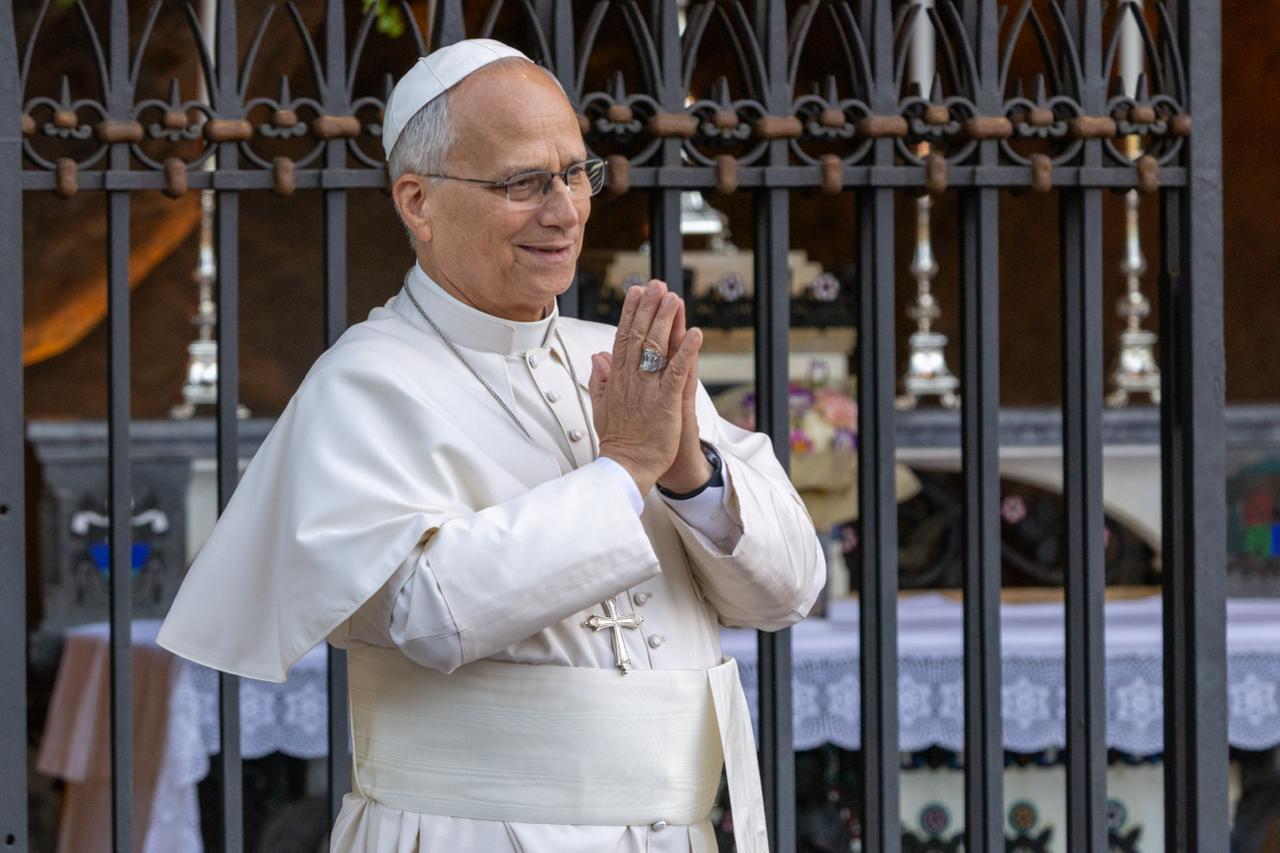
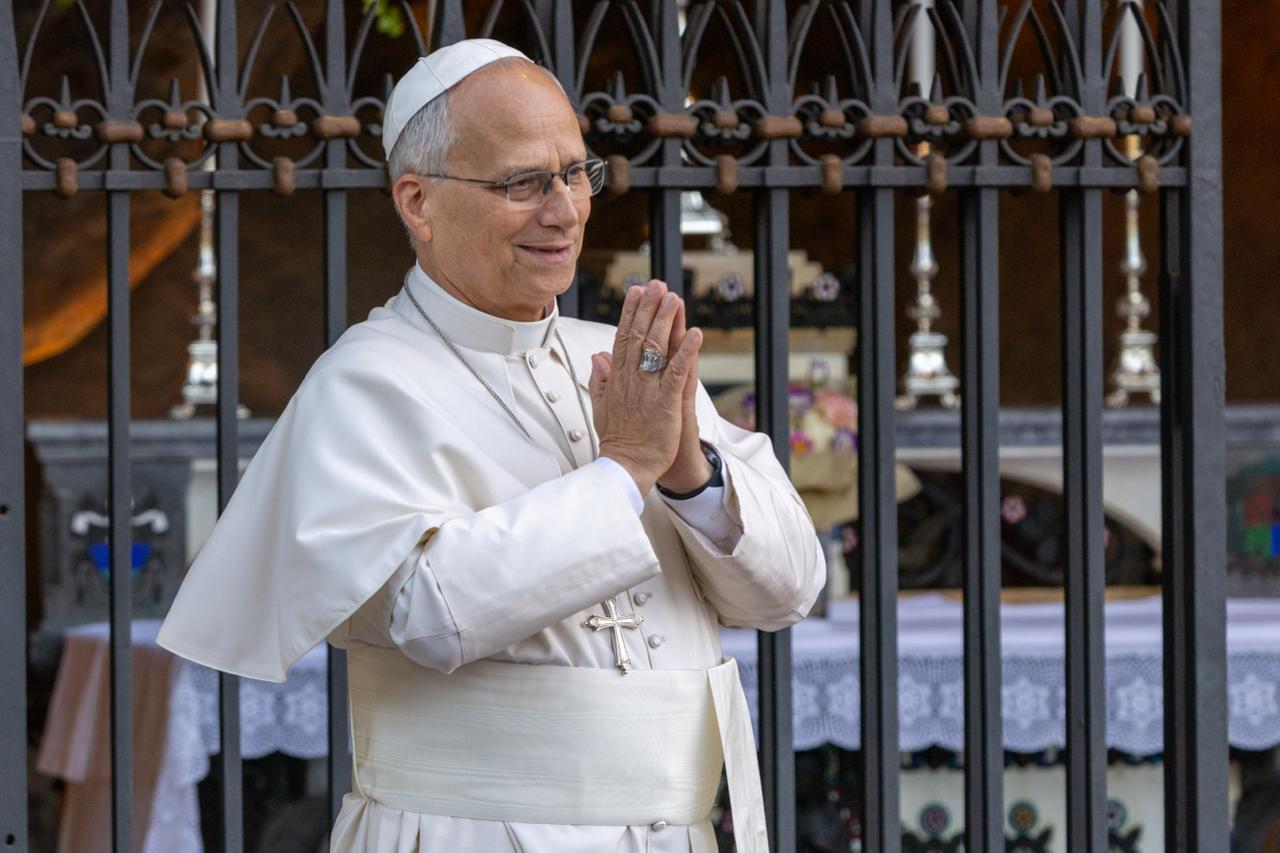
Read More