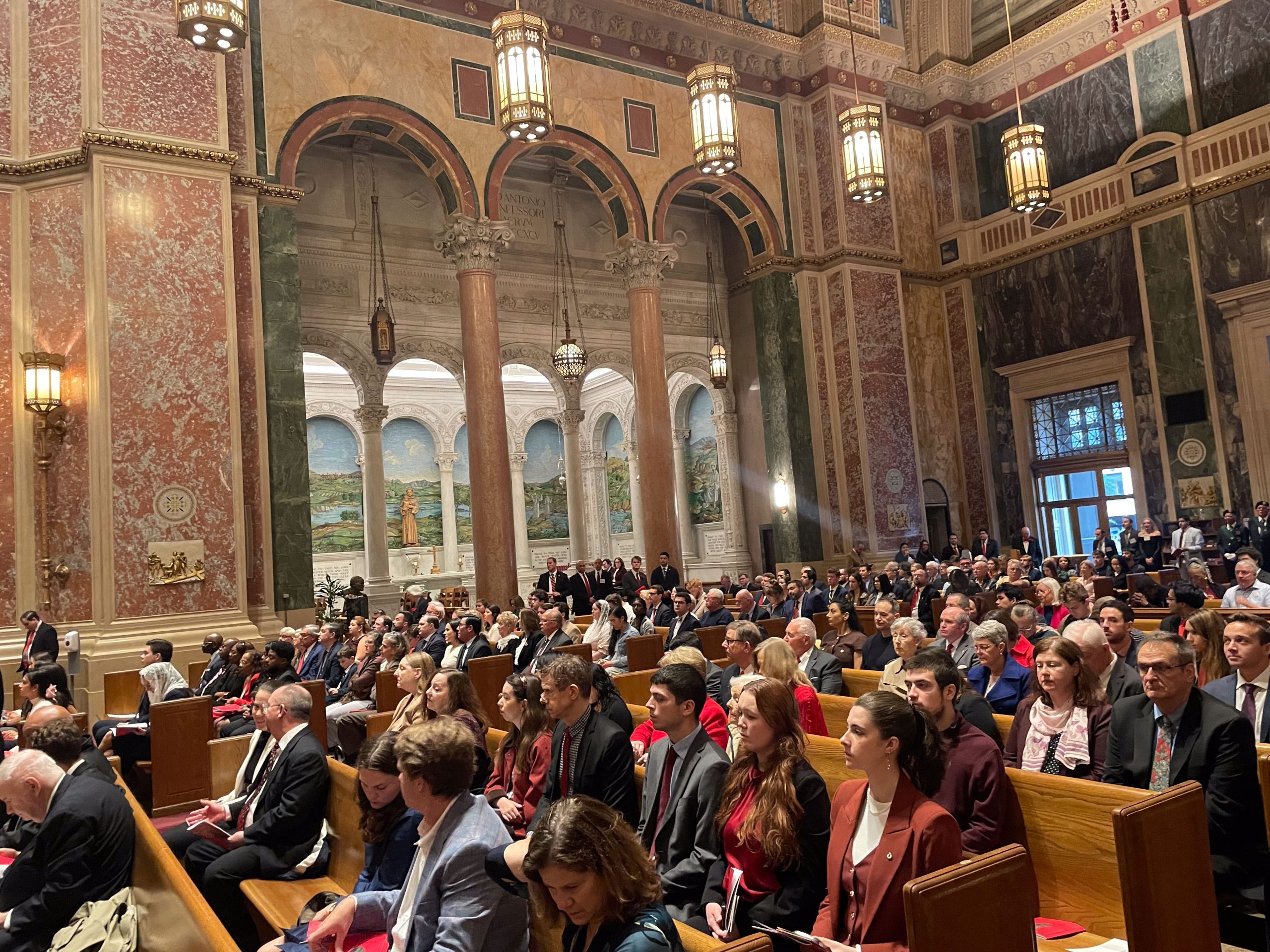

Washington Cardinal Robert McElroy was the principal celebrant of the Mass, and Archbishop Timothy Broglio of the Archdiocese for the Military Services, USA, offered the homily.
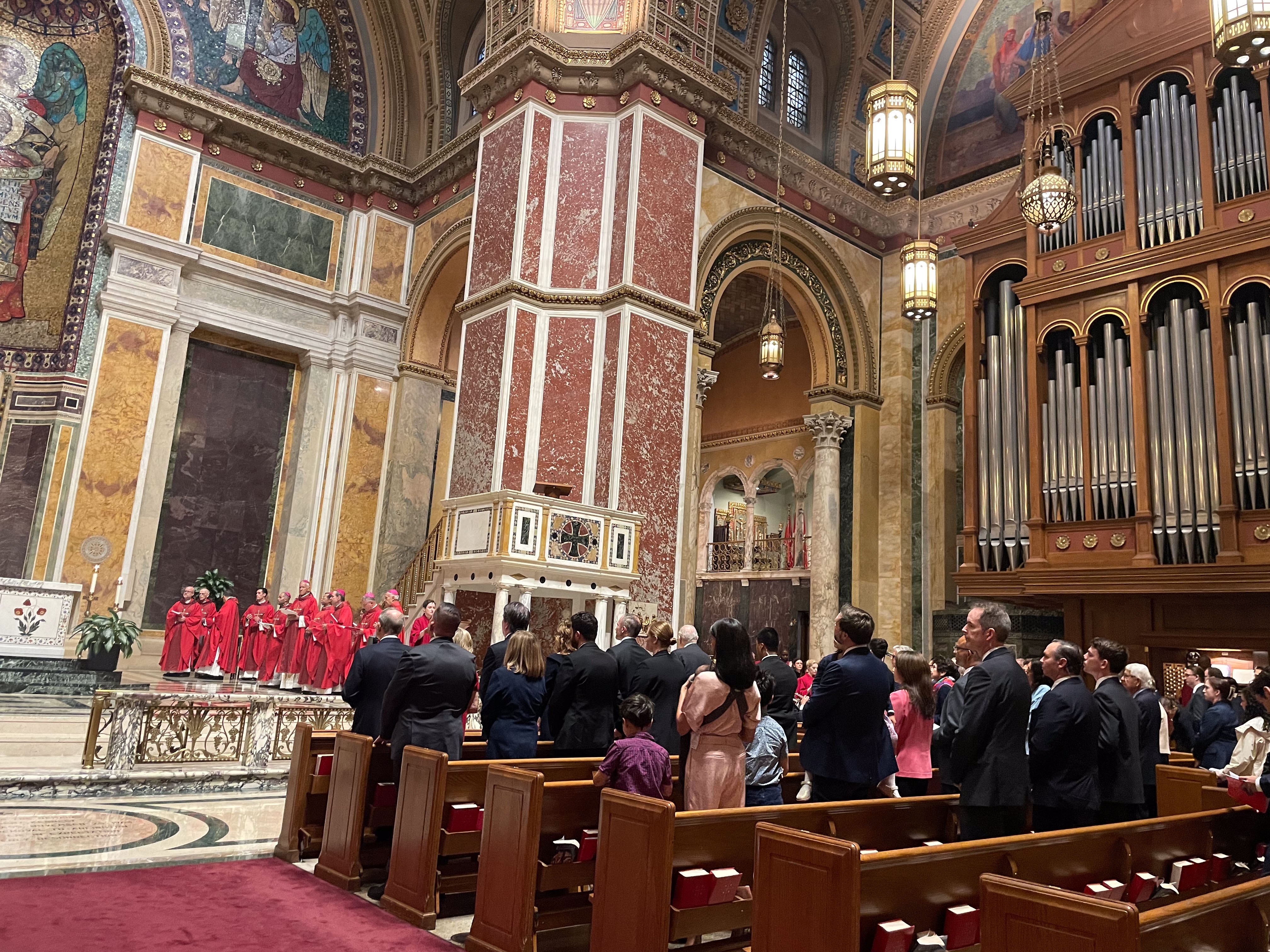
Washington Cardinal Robert McElroy was the principal celebrant of the Mass, and Archbishop Timothy Broglio of the Archdiocese for the Military Services, USA, offered the homily.
Noah McKay said the Catholic Church’s evidence in favor of vindicatory miracles helped lead him to the Church.
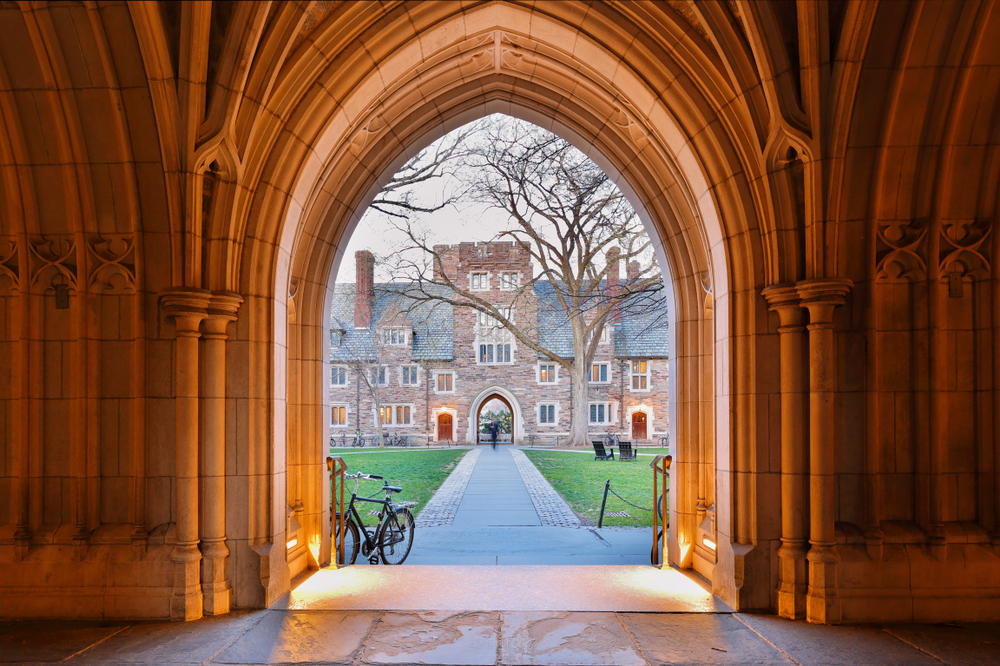
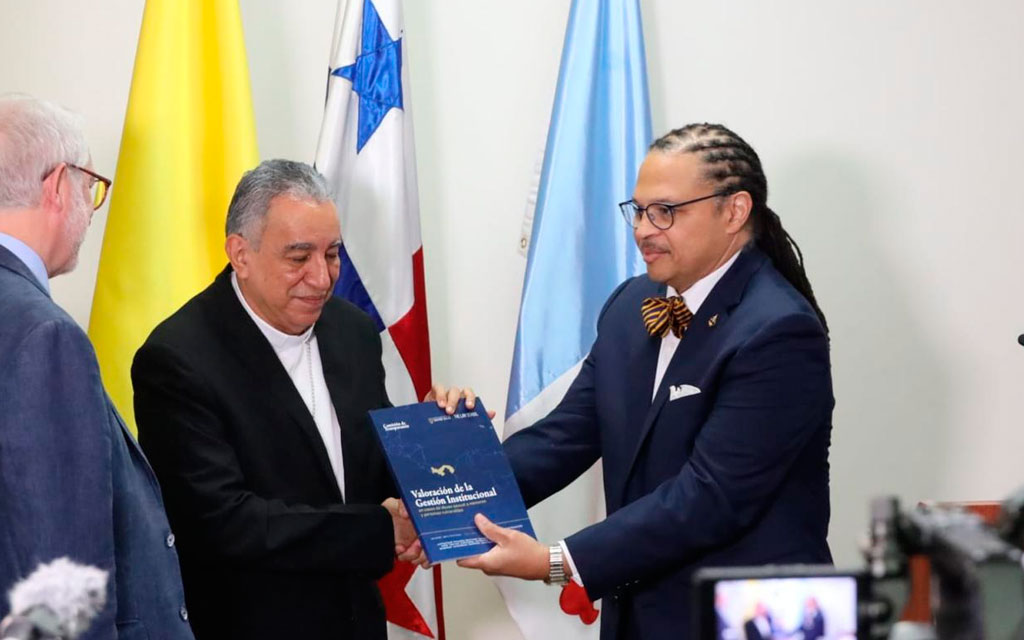
Addressing the scourge of sexual abuse, the archbishop of Panama requested the services of the Transparency Commission, a project sponsored by Notre Dame Law School and Madrid’s Villanueva University.
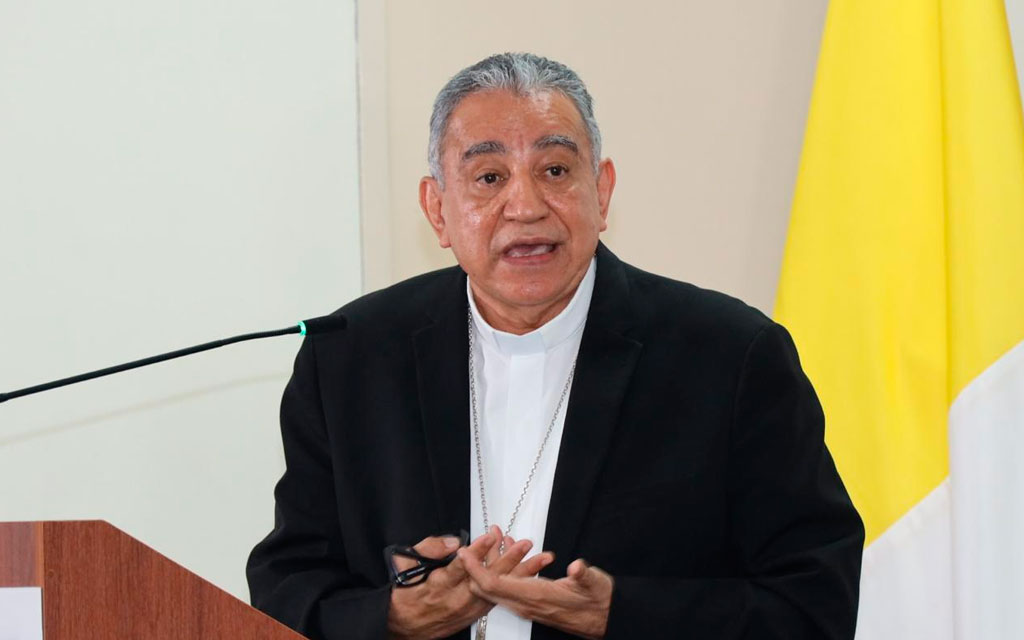
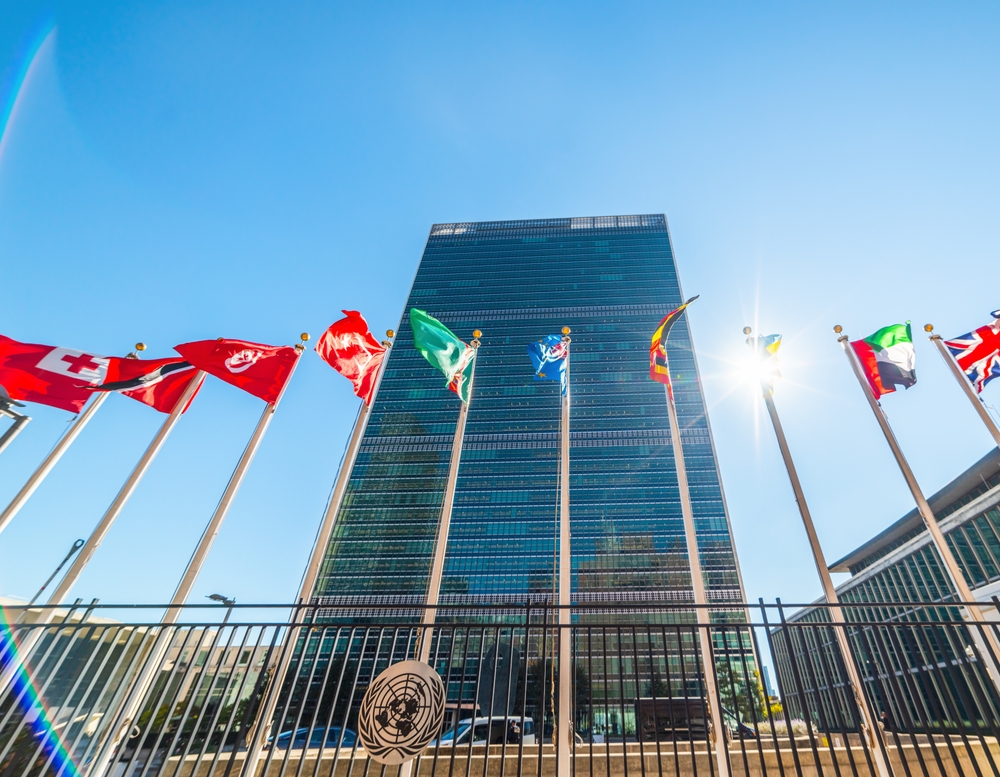
The discussion focuses on the question “What are we building, for whom, and who will inherit it?”
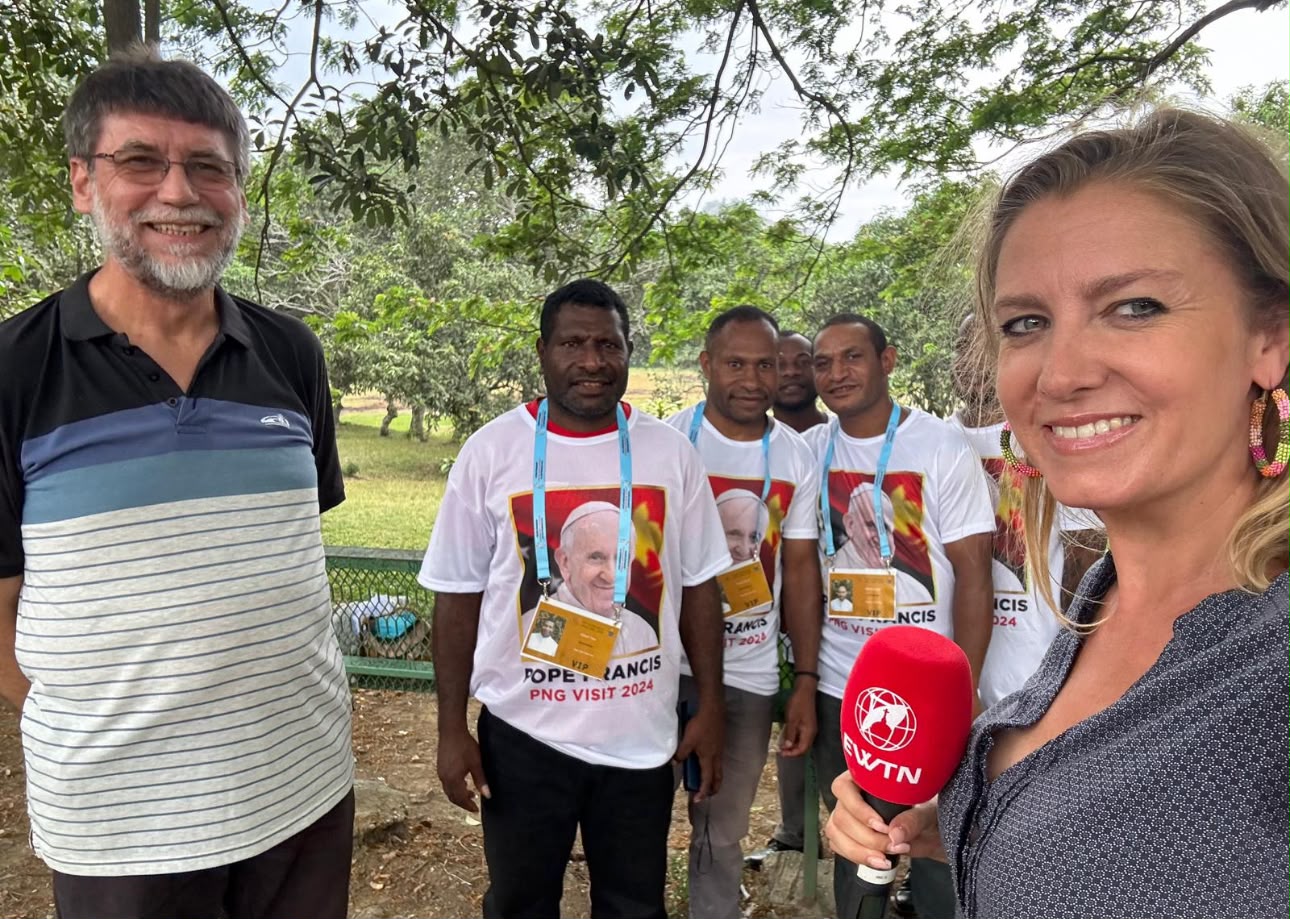
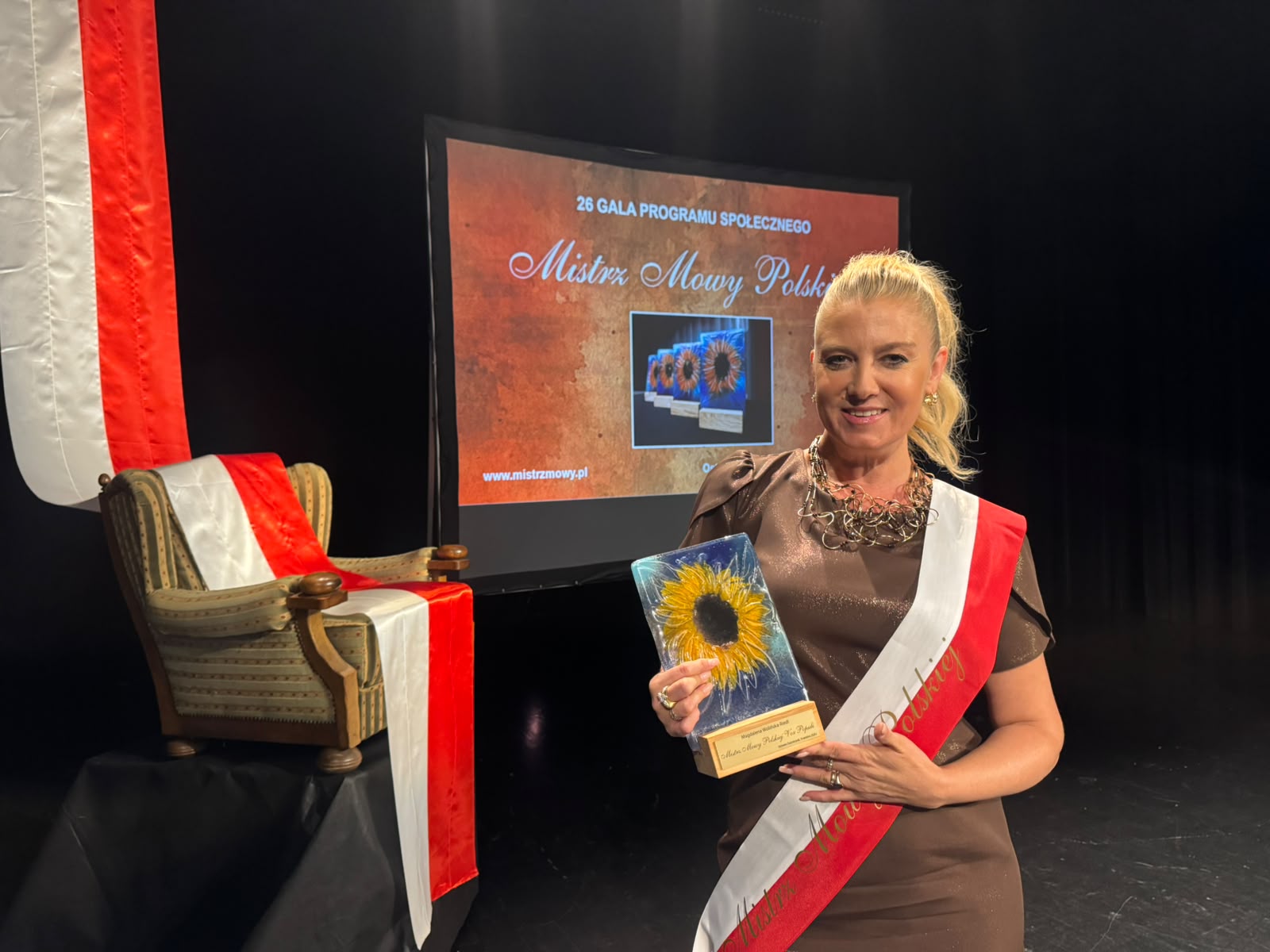
The longtime Vatican journalist and writer received the award in Ostrowiec, Poland, on Sept. 21.
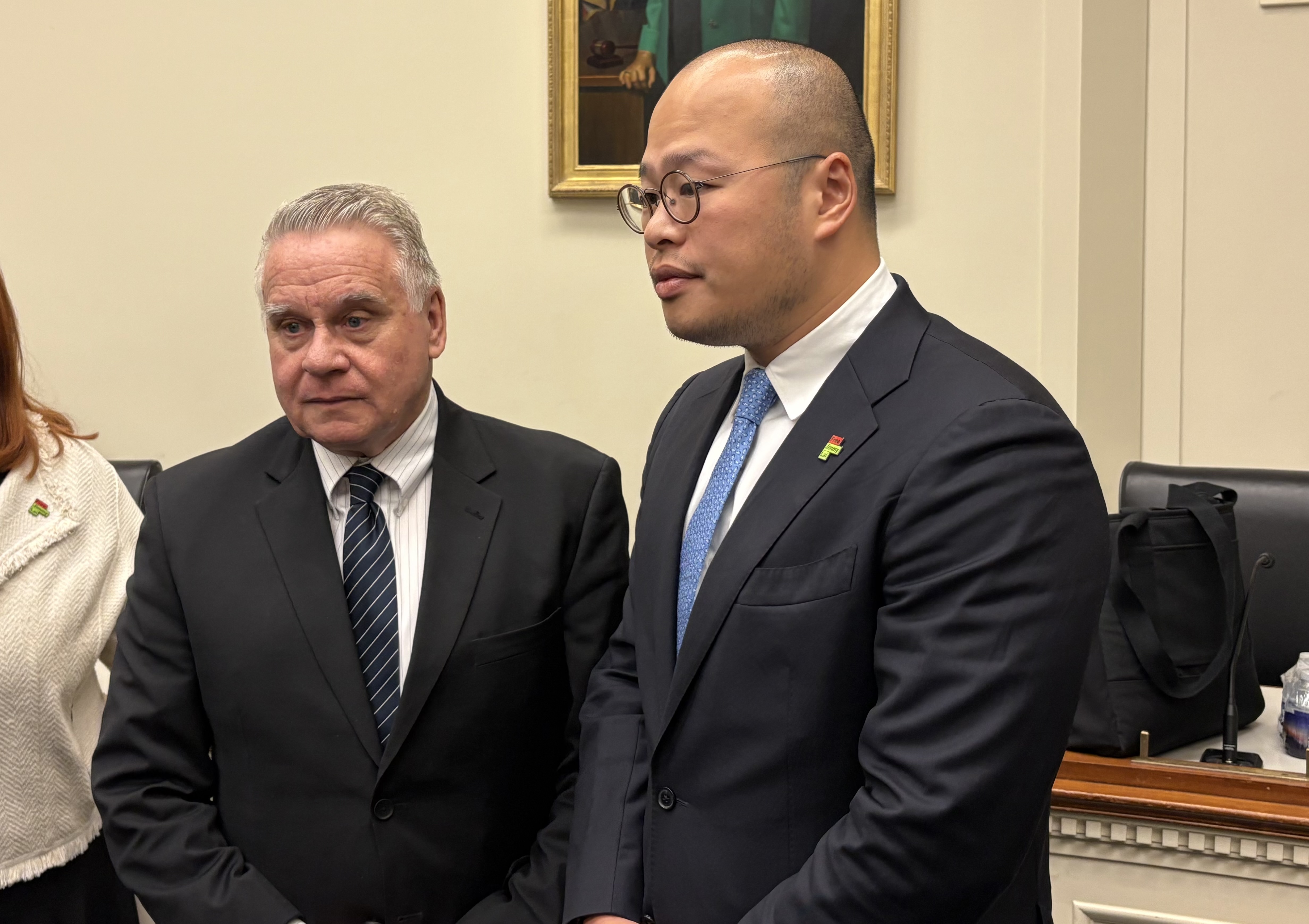
![Jimmy Lai’s family, advocates press for his release before Xi-Trump meeting #Catholic Family members and advocates of imprisoned Catholic pro-democracy activist Jimmy Lai offered urgent pleas for his release ahead of President Xi Jinping’s planned trip to the U.S. to meet with President Donald Trump.In anticipation of Xiʼs visit to Washington on Sept. 24, Sebastien Lai, Jimmy Lai’s son, met with leaders to advocate for his father. He joined a Sept. 16 congressional hearing led by Rep. Chris Smith, R-New Jersey.“Jimmy Lai is not being imprisoned because he committed any act of violence whatsoever,” Smith, co-chair of the Congressional-Executive Commission on China, said. “His son has emphasized that his father has never, never advocated violence. Rather, Jimmy Lai used his voice, his newspaper, and his public platform to support freedom and democracy,” he said. Smith said he introduced legislation Sept. 16 that would require the State Department to quickly assess any death in custody of a Hong Kong political prisoner and impose sanctions on officials found responsible. He titled the bill the “Jimmy Lai Hong Kong Political Prisoner Accountability Act of 2026.”At the hearing, Sebastien Lai offered testimony along with Steve Yates, a research fellow on China and national security policy, and Mark Clifford, president of the Committee for Freedom in Hong Kong Foundation.“I want to thank America, President Trump, who has been a true champion of my fatherʼs, his administration, and the senators and members of both parties whose support has never wavered and only gotten stronger. That is moral courage, and my family does not take it for granted,” Sebastien Lai said.“By the end of this year my father will have spent six years in a maximum-security prison in solitary. At 78, he is the oldest political prisoner in Hong Kong. With a 20-year sentence looming over him, if he’s not freed soon, he will most likely die in prison,” he said. “My sister Claire was to testify beside me today. A few weeks ago, she was diagnosed with cancer,” he said. “I was with her in London last week as she began chemotherapy. My father learned of his own daughterʼs diagnosis from a maximum-security prison. He cannot hold her hand. She wants nothing more than to have him with her for this fight,“ he said.
Claire Lai, daughter of imprisoned pro-democracy activist Jimmy Lai, discusses her father’s sentencing on “EWTN News Nightly” on Feb. 9, 2026. | Credit: “EWTN News Nightly”/Screenshot
“We hope the Chinese authorities will consider what compassionate release would mean for her, and for a 78-year-old man who has already suffered enough,” he said.“America understands, in its bones, that freedom dies with the last man willing to defend it and that the cost of not standing up for liberty is not felt until it is too late,“ he said.The appeal to Xi “is simple," Sebastien Lai said. “My father poses no threat. His imprisonment makes him a symbol of injustice; his death in prison would be a disgrace. Let Jimmy Lai come home to his family and let him sit beside his daughter in her hardest moment.”
America understands, in its bones, that freedom dies with the last man willing to defend it and that the cost of not standing up for liberty is not felt until it is too late.”
Sebastien LaiSon of imprisoned Hong Kong media publisher and democracy advocate Jimmy Lai
Clifford, of the Washington‑based advocacy group promoting human rights in Hong Kong, spoke on behalf of his friend Jimmy Lai and to remind “people that Jimmy is just one of hundreds of political prisoners being held in often appalling conditions.”“Iʼd like to emphasize the release of Jimmy Lai would be something President Trump, Republicans and Democrats, indeed, freedom-loving people around the world would applaud,” Clifford said. “It would be a unifying event at the time when the world really needs it.”Yates said Jimmy Lai’s case is “a test of character, of Xi Jinping’s leadership, of the president’s relationship with his counterpart, and of whether there remains any credible basis for the assumptions on which American policy toward Hong Kong was long constructed.”The case is “a litmus test of whether there remains any reason to believe there is a future in Xi Jinping’s China for the kind of man Jimmy Lai is: a child of God, a lover of the real China, and, it may fairly be said, one of China’s greatest entrepreneurs,” Yates said. Lai’s health ‘is going to get worse’At a subsequent event, Sebastien Lai spoke at a press conference at Georgetown University about his father.Trump has previously met with Xi about Jimmy Lai’s case, which did not end with his release, but Sebastian Lai said he does not believe “it is a lost cause.” He said he hopes Trump raises his father’s case “again and again.”Sebastian Lai detailed his father’s health, which “hasnʼt gotten any better” while in solitary confinement.“He now has heart issues. His nails fall off. His teeth are rotting. During the summer, he bleeds all over his body because [of] his rashes,” he said.His health was especially worrisome recently because “Hong Kong just had a record summer,” Sebastien Lai said. “The heat traps in there and essentially bakes in itself. So weʼre very, very worried.”Caoilfhionn Gallagher, human rights lawyer and leader of the international legal team representing Jimmy Lai, further laid out the urgency of the case.“It’s very clear that if someone is detained in solitary confinement for an extended period of time, there is a direct ramification for their mortality,” she said.“The risk to prisoners detained in solitary confinement is particularly heightened if they’re elderly or diabetic, and Jimmy Lai is both. So this couldn’t be a more urgent and timely discussion,” she said. Gallagher also noted the broader human rights issues and lack of democracy in Hong Kong.Hong Kong “has become a place where you can be thrown in prison for singing the wrong song, or not singing the right song, or wearing the wrong T-shirt, printing the wrong newspaper. And I think Jimmy Laiʼs case is hugely important in itself because of who he is,” Gallagher said.“Heʼs probably the worldʼs most famous political prisoner at the moment. His case is hugely important, but we think part of why theyʼve gone for Jimmy Lai is because by getting the biggest fish of all, it sends the message to the small fry across Hong Kong,” Gallagher said. "It makes very clear that their message is keep silent or youʼll be next,” Gallagher said. Xi’s visit to the U.S. offers “a particular opportunity to shine a light on this issue,” she said.](https://unitedyam.com/wp-content/uploads/2026/09/jimmy-lais-family-advocates-press-for-his-release-before-xi-trump-meeting-catholic-family-members-and-advocates-of-imprisoned-catholic-pro-democracy-activist-jimmy-lai-offered-urgent-pleas.jpg "Jimmy Lai’s family, advocates press for his release before Xi-Trump meeting #Catholic Family members and advocates of imprisoned Catholic pro-democracy activist Jimmy Lai offered urgent pleas for his release ahead of President Xi Jinping’s planned trip to the U.S. to meet with President Donald Trump.In anticipation of Xiʼs visit to Washington on Sept. 24, Sebastien Lai, Jimmy Lai’s son, met with leaders to advocate for his father. He joined a Sept. 16 congressional hearing led by Rep. Chris Smith, R-New Jersey.“Jimmy Lai is not being imprisoned because he committed any act of violence whatsoever,” Smith, co-chair of the Congressional-Executive Commission on China, said. “His son has emphasized that his father has never, never advocated violence. Rather, Jimmy Lai used his voice, his newspaper, and his public platform to support freedom and democracy,” he said. Smith said he introduced legislation Sept. 16 that would require the State Department to quickly assess any death in custody of a Hong Kong political prisoner and impose sanctions on officials found responsible. He titled the bill the “Jimmy Lai Hong Kong Political Prisoner Accountability Act of 2026.”At the hearing, Sebastien Lai offered testimony along with Steve Yates, a research fellow on China and national security policy, and Mark Clifford, president of the Committee for Freedom in Hong Kong Foundation.“I want to thank America, President Trump, who has been a true champion of my fatherʼs, his administration, and the senators and members of both parties whose support has never wavered and only gotten stronger. That is moral courage, and my family does not take it for granted,” Sebastien Lai said.“By the end of this year my father will have spent six years in a maximum-security prison in solitary. At 78, he is the oldest political prisoner in Hong Kong. With a 20-year sentence looming over him, if he’s not freed soon, he will most likely die in prison,” he said. “My sister Claire was to testify beside me today. A few weeks ago, she was diagnosed with cancer,” he said. “I was with her in London last week as she began chemotherapy. My father learned of his own daughterʼs diagnosis from a maximum-security prison. He cannot hold her hand. She wants nothing more than to have him with her for this fight,“ he said.
Claire Lai, daughter of imprisoned pro-democracy activist Jimmy Lai, discusses her father’s sentencing on “EWTN News Nightly” on Feb. 9, 2026. | Credit: “EWTN News Nightly”/Screenshot
“We hope the Chinese authorities will consider what compassionate release would mean for her, and for a 78-year-old man who has already suffered enough,” he said.“America understands, in its bones, that freedom dies with the last man willing to defend it and that the cost of not standing up for liberty is not felt until it is too late,“ he said.The appeal to Xi “is simple,\" Sebastien Lai said. “My father poses no threat. His imprisonment makes him a symbol of injustice; his death in prison would be a disgrace. Let Jimmy Lai come home to his family and let him sit beside his daughter in her hardest moment.”
America understands, in its bones, that freedom dies with the last man willing to defend it and that the cost of not standing up for liberty is not felt until it is too late.”
Sebastien LaiSon of imprisoned Hong Kong media publisher and democracy advocate Jimmy Lai
Clifford, of the Washington‑based advocacy group promoting human rights in Hong Kong, spoke on behalf of his friend Jimmy Lai and to remind “people that Jimmy is just one of hundreds of political prisoners being held in often appalling conditions.”“Iʼd like to emphasize the release of Jimmy Lai would be something President Trump, Republicans and Democrats, indeed, freedom-loving people around the world would applaud,” Clifford said. “It would be a unifying event at the time when the world really needs it.”Yates said Jimmy Lai’s case is “a test of character, of Xi Jinping’s leadership, of the president’s relationship with his counterpart, and of whether there remains any credible basis for the assumptions on which American policy toward Hong Kong was long constructed.”The case is “a litmus test of whether there remains any reason to believe there is a future in Xi Jinping’s China for the kind of man Jimmy Lai is: a child of God, a lover of the real China, and, it may fairly be said, one of China’s greatest entrepreneurs,” Yates said. Lai’s health ‘is going to get worse’At a subsequent event, Sebastien Lai spoke at a press conference at Georgetown University about his father.Trump has previously met with Xi about Jimmy Lai’s case, which did not end with his release, but Sebastian Lai said he does not believe “it is a lost cause.” He said he hopes Trump raises his father’s case “again and again.”Sebastian Lai detailed his father’s health, which “hasnʼt gotten any better” while in solitary confinement.“He now has heart issues. His nails fall off. His teeth are rotting. During the summer, he bleeds all over his body because [of] his rashes,” he said.His health was especially worrisome recently because “Hong Kong just had a record summer,” Sebastien Lai said. “The heat traps in there and essentially bakes in itself. So weʼre very, very worried.”Caoilfhionn Gallagher, human rights lawyer and leader of the international legal team representing Jimmy Lai, further laid out the urgency of the case.“It’s very clear that if someone is detained in solitary confinement for an extended period of time, there is a direct ramification for their mortality,” she said.“The risk to prisoners detained in solitary confinement is particularly heightened if they’re elderly or diabetic, and Jimmy Lai is both. So this couldn’t be a more urgent and timely discussion,” she said. Gallagher also noted the broader human rights issues and lack of democracy in Hong Kong.Hong Kong “has become a place where you can be thrown in prison for singing the wrong song, or not singing the right song, or wearing the wrong T-shirt, printing the wrong newspaper. And I think Jimmy Laiʼs case is hugely important in itself because of who he is,” Gallagher said.“Heʼs probably the worldʼs most famous political prisoner at the moment. His case is hugely important, but we think part of why theyʼve gone for Jimmy Lai is because by getting the biggest fish of all, it sends the message to the small fry across Hong Kong,” Gallagher said. \"It makes very clear that their message is keep silent or youʼll be next,” Gallagher said. Xi’s visit to the U.S. offers “a particular opportunity to shine a light on this issue,” she said.")
“America understands, in its bones, that freedom dies with the last man willing to defend it and that the cost of not standing up for liberty is not felt until it is too late,” Sebastien Lai said.
![Apostolic nuncio calls for ‘moral voice’ in AI development #Catholic Archbishop Gabriele Giordano Caccia, apostolic nuncio to the United States, discussed the need for a “moral voice” in artificial intelligence (AI) development during a panel discussion hosted by Georgetown University on Sept. 9.The panel, titled “AI, Catholic Social Teaching, and Pope Leoʼs Invitation to Dialogue with the World,” examined Pope Leo XIV’s encyclical Magnifica Humanitas and its call for a shared human effort to develop technology that serves the common good rather than harms it.Speakers noted that the Holy Father’s encyclical stopped short of prescribing specific policy ideas for addressing the moral and ethical concerns, but the nuncio said “there is the perception that we need a moral voice” on the subject.“A moral voice is what?” he said. “Not everything which is possible to be done should be done. Not everything that technology offers should be taken. This is a moral choice.”Caccia stressed that decisions affecting human lives should not be handed over to AI, citing distinctions between AI algorithms and the human conscience, as the Holy Father discussed in Magnifica Humanitas.Leo drew a distinction between artificial intelligence and human intelligence in the encyclical, focusing on how each approaches moral questions. The pope wrote that he rejected ideas of “artificial moral agents” and the notion that a machine can “distinguish between right and wrong with greater consistency than a human being.”“Moral judgment cannot be reduced to calculation, for it involves conscience, personal responsibility and the recognition of the other as a person,” Leo wrote. “Therefore, it is not permissible to entrust lethal or otherwise irreversible decisions to artificial systems.”Caccia said during the panel discussion that, as a society, “we have to keep the value of the human relationship.”“The problem is that [if] life and death is decided by a machine, not by the human being, who is accountable?” he said. “So these are very important, important questions. But I am confident, as I said, that together we can face this situation and find a way.”The nuncio said he has similar concerns about the use of AI in other types of decision-making that impacts humans.“I hear very troubling accounts of algorithms that can block access to healthcare, employment, and security on the basis of data tainted by prejudice and injustice,” he said. “And Iʼve heard the silence of those who have no voice. When decisions are made, decisions [are] likely to generate new forms of exclusion and suffering.”Quoting the encyclical, Caccia affirmed the pope’s call that AI “needs to be disarmed.”
Archbishop Gabriele Caccia, the Holy See’s permanent observer to the United Nations in New York, speaks on Aug. 29, 2025, the International Day Against Nuclear Tests. | Credit: Holy See Mission to the United Nations
“The word is strong, I know, but deliberately chosen because this moment needs words capable of attracting attention, awakening consciences, and indicating paths forward for humanity,” he said. “This is more or less a framework in which we can go on with the conversation.”Speaking to EWTN News after the panel, Caccia said the pope’s call to address moral concerns of AI is not just a call to Church leadership but to every Catholic.“There is, of course, the voice of the bishops,” he said. “But there is also the voice of Catholic people who are in the business or are engineers who are in the economy, who are in the field. So itʼs not just for those who have pastoral responsibility, but for the bigger community.”Pope’s impact on AI discussionSeveral panelists discussed the importance of Magnifica Humanitas in providing a type of moral guidance on AI development that focuses on the common good of humanity.Jasmine Sun, a journalist who writes about AI and Silicon Valley, said she “was actually surprised by how much folks I knew in Silicon Valley, in the AI industry did pay attention to Magnifica Humanitas.”“It was a lot more engagement, I think, than I expected,” she said. “And once again, I think itʼs because there is this sense that the profit motive that has driven Silicon Valley, that continues to drive Silicon Valley, is not enough.”Molly Kinder, CEO of the Breakwater Initiative, said the Church provides “wisdom and moral leadership” and believes its broad focus on humanity is why people listened.“Iʼm struck that in the opening pages of the Bible, there is a discussion of Adam and Eve being put on Earth to till the land as our fundamental reason for existing,” she said. “And it feels to me sometimes when Iʼm in Silicon Valley … they almost talk about almost a new Garden of Eden that AI is going to bring about, that maybe our purpose is not to work, or maybe itʼs leisure or a check and a hobby.”Caccia too said he was “positively surprised” by the reaction to the encyclical, saying “it seems that there was a need to do something about this.”“It didnʼt pretend to have the answers,” he said, “but he put questions, common questions that we have to tackle together to decide where we want to go.”](https://unitedyam.com/wp-content/uploads/2026/09/apostolic-nuncio-calls-for-moral-voice-in-ai-development-catholic-archbishop-gabriele-giordano-caccia-apostolic-nuncio-to-the-united-states-discussed-the-need-for-a-moral.jpg "Apostolic nuncio calls for ‘moral voice’ in AI development #Catholic Archbishop Gabriele Giordano Caccia, apostolic nuncio to the United States, discussed the need for a “moral voice” in artificial intelligence (AI) development during a panel discussion hosted by Georgetown University on Sept. 9.The panel, titled “AI, Catholic Social Teaching, and Pope Leoʼs Invitation to Dialogue with the World,” examined Pope Leo XIV’s encyclical Magnifica Humanitas and its call for a shared human effort to develop technology that serves the common good rather than harms it.Speakers noted that the Holy Father’s encyclical stopped short of prescribing specific policy ideas for addressing the moral and ethical concerns, but the nuncio said “there is the perception that we need a moral voice” on the subject.“A moral voice is what?” he said. “Not everything which is possible to be done should be done. Not everything that technology offers should be taken. This is a moral choice.”Caccia stressed that decisions affecting human lives should not be handed over to AI, citing distinctions between AI algorithms and the human conscience, as the Holy Father discussed in Magnifica Humanitas.Leo drew a distinction between artificial intelligence and human intelligence in the encyclical, focusing on how each approaches moral questions. The pope wrote that he rejected ideas of “artificial moral agents” and the notion that a machine can “distinguish between right and wrong with greater consistency than a human being.”“Moral judgment cannot be reduced to calculation, for it involves conscience, personal responsibility and the recognition of the other as a person,” Leo wrote. “Therefore, it is not permissible to entrust lethal or otherwise irreversible decisions to artificial systems.”Caccia said during the panel discussion that, as a society, “we have to keep the value of the human relationship.”“The problem is that [if] life and death is decided by a machine, not by the human being, who is accountable?” he said. “So these are very important, important questions. But I am confident, as I said, that together we can face this situation and find a way.”The nuncio said he has similar concerns about the use of AI in other types of decision-making that impacts humans.“I hear very troubling accounts of algorithms that can block access to healthcare, employment, and security on the basis of data tainted by prejudice and injustice,” he said. “And Iʼve heard the silence of those who have no voice. When decisions are made, decisions [are] likely to generate new forms of exclusion and suffering.”Quoting the encyclical, Caccia affirmed the pope’s call that AI “needs to be disarmed.”
Archbishop Gabriele Caccia, the Holy See’s permanent observer to the United Nations in New York, speaks on Aug. 29, 2025, the International Day Against Nuclear Tests. | Credit: Holy See Mission to the United Nations
“The word is strong, I know, but deliberately chosen because this moment needs words capable of attracting attention, awakening consciences, and indicating paths forward for humanity,” he said. “This is more or less a framework in which we can go on with the conversation.”Speaking to EWTN News after the panel, Caccia said the pope’s call to address moral concerns of AI is not just a call to Church leadership but to every Catholic.“There is, of course, the voice of the bishops,” he said. “But there is also the voice of Catholic people who are in the business or are engineers who are in the economy, who are in the field. So itʼs not just for those who have pastoral responsibility, but for the bigger community.”Pope’s impact on AI discussionSeveral panelists discussed the importance of Magnifica Humanitas in providing a type of moral guidance on AI development that focuses on the common good of humanity.Jasmine Sun, a journalist who writes about AI and Silicon Valley, said she “was actually surprised by how much folks I knew in Silicon Valley, in the AI industry did pay attention to Magnifica Humanitas.”“It was a lot more engagement, I think, than I expected,” she said. “And once again, I think itʼs because there is this sense that the profit motive that has driven Silicon Valley, that continues to drive Silicon Valley, is not enough.”Molly Kinder, CEO of the Breakwater Initiative, said the Church provides “wisdom and moral leadership” and believes its broad focus on humanity is why people listened.“Iʼm struck that in the opening pages of the Bible, there is a discussion of Adam and Eve being put on Earth to till the land as our fundamental reason for existing,” she said. “And it feels to me sometimes when Iʼm in Silicon Valley … they almost talk about almost a new Garden of Eden that AI is going to bring about, that maybe our purpose is not to work, or maybe itʼs leisure or a check and a hobby.”Caccia too said he was “positively surprised” by the reaction to the encyclical, saying “it seems that there was a need to do something about this.”“It didnʼt pretend to have the answers,” he said, “but he put questions, common questions that we have to tackle together to decide where we want to go.”")
Speakers at a Georgetown University event said Magnifica Humanitas offers moral guidance without policy steps, and the nuncio noted rising concern that debates over AI need a moral voice.


Chad Pecknold, a longtime professor at The Catholic University of America, has begun working for the government agency that oversees immigration enforcement.

The program has been a fixture of the Church calendar since 2000, when it was launched by St. John Paul II.
Joe Schmid ran a highly popular agnostic YouTube channel for years, but “a gift of God’s grace” has led him back to the faith.
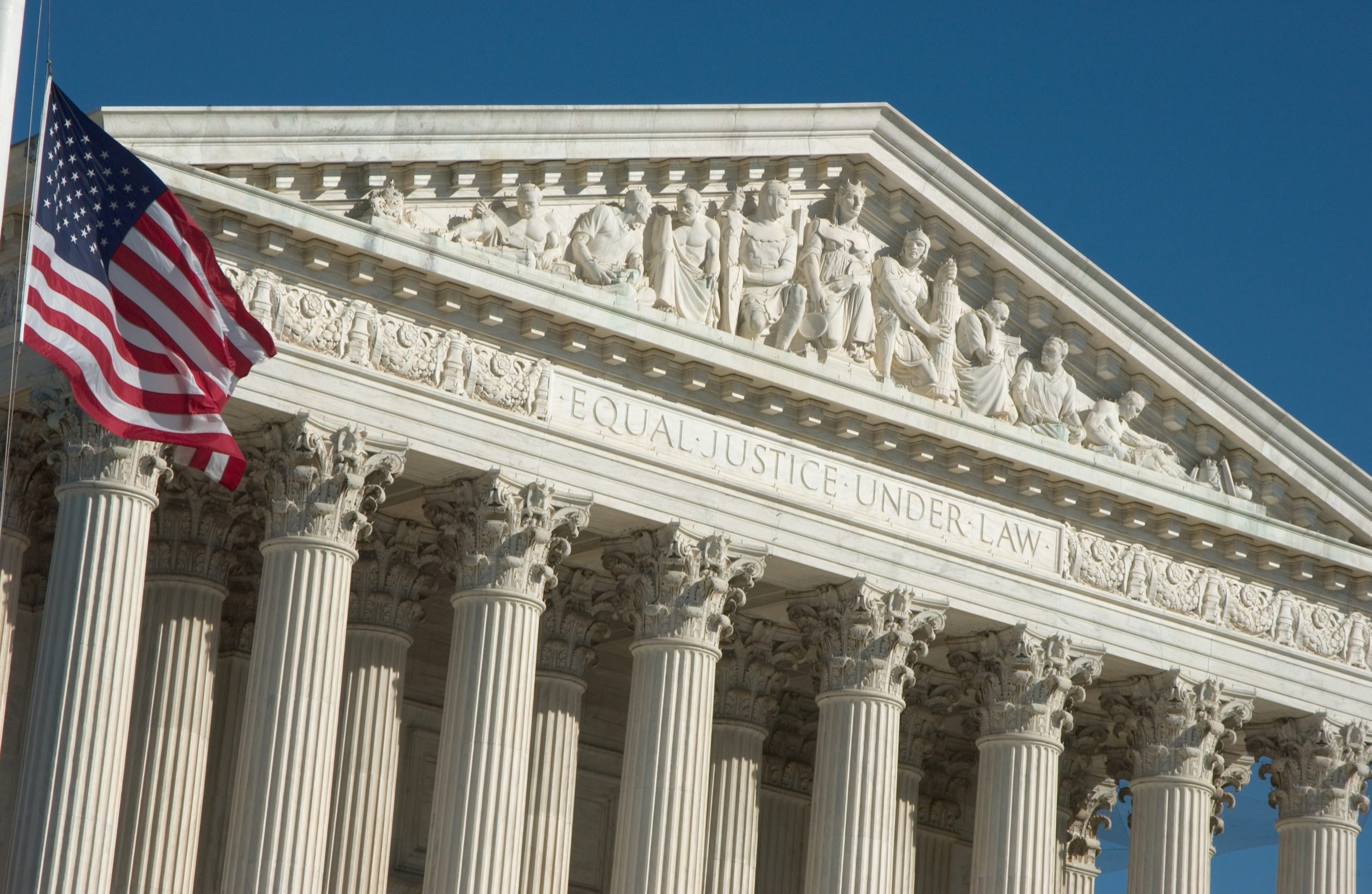
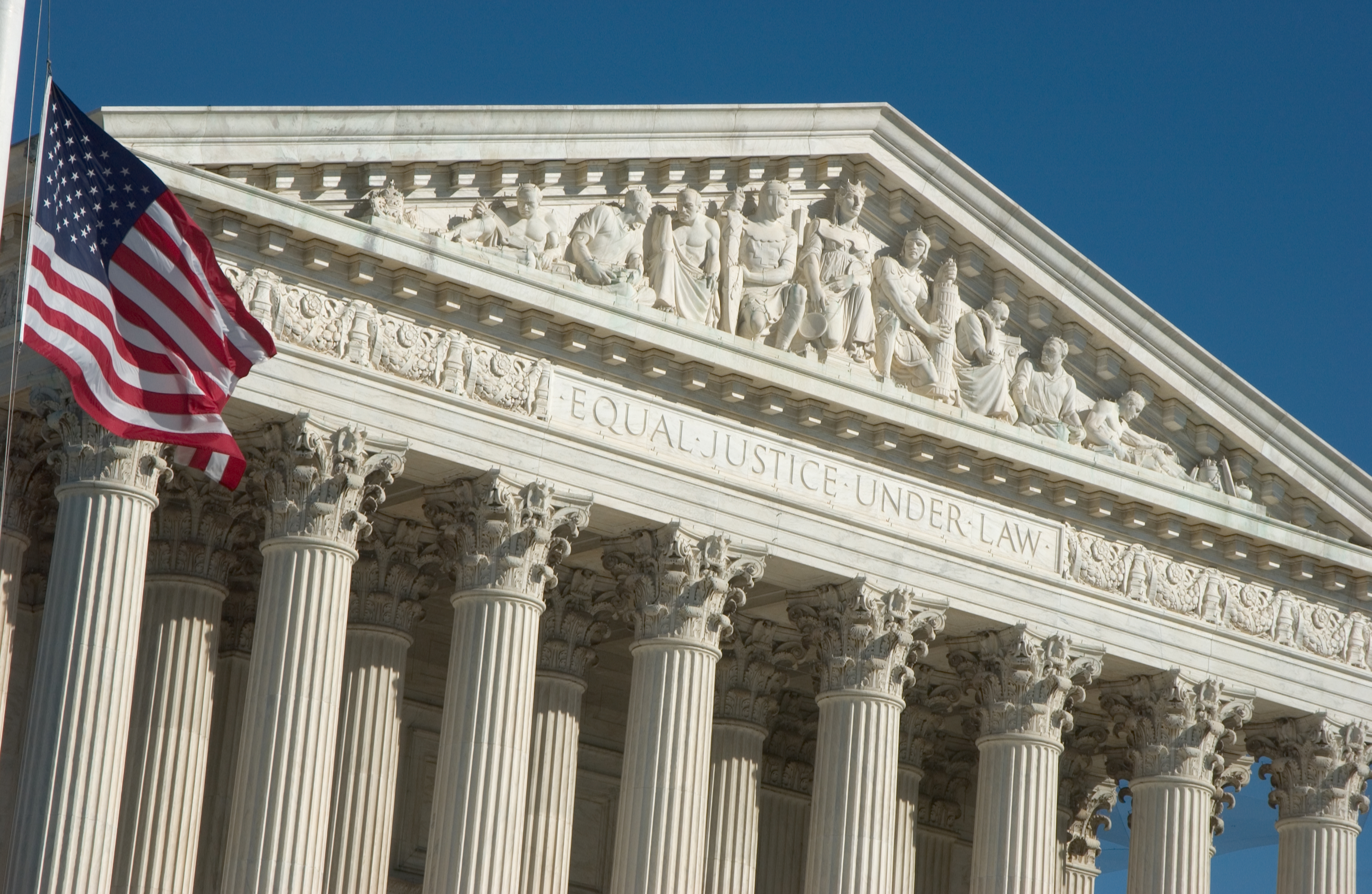
A student challenges a 2004 Supreme Court decision, the Diocese of Scranton reopens its seminary, and Benedictine College names a speaker for its library dedication in this week’s education roundup.
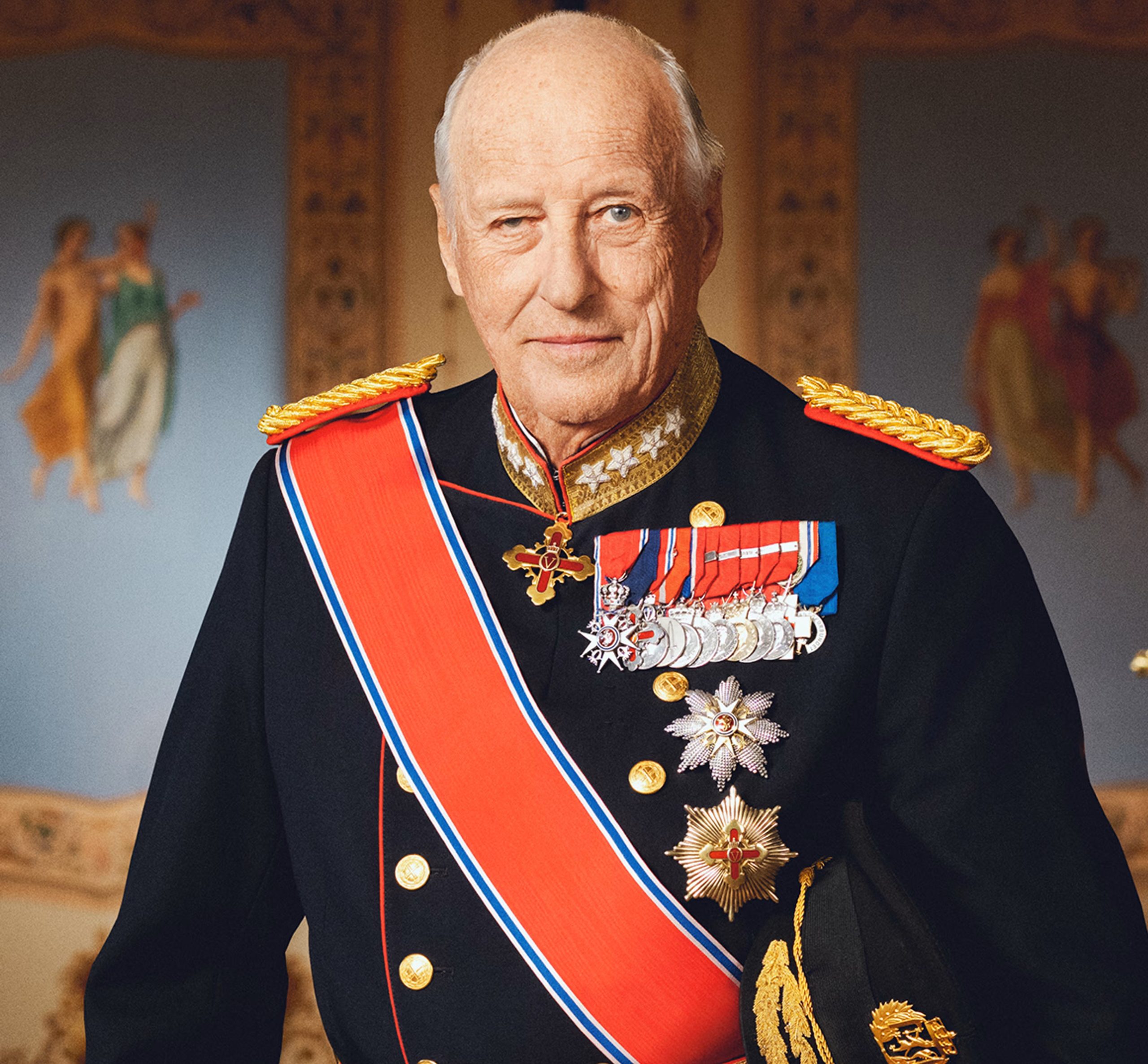
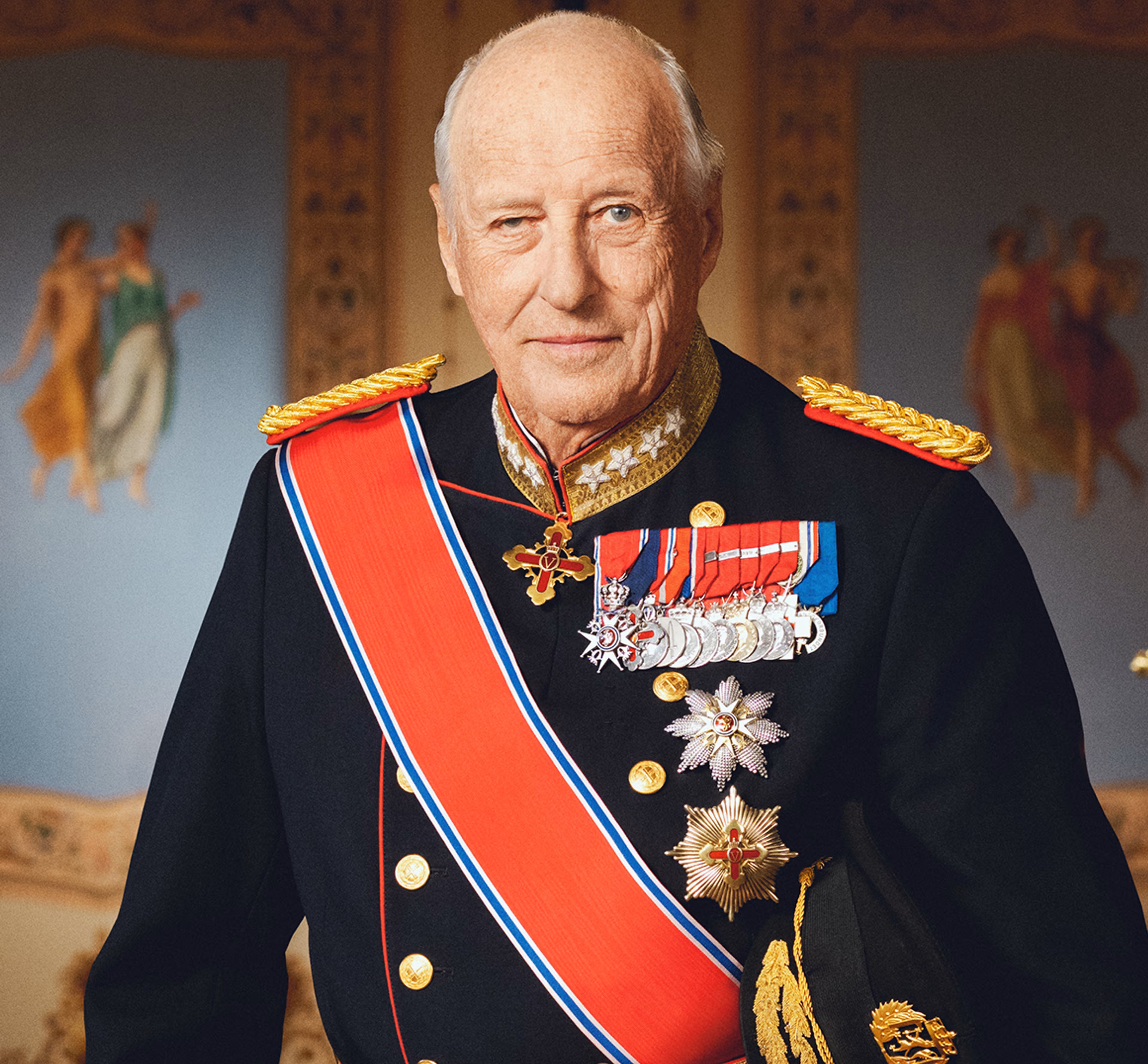
Bishop Erik Varden invoked a ninth-century prayer for the dying as he commended King Harald V to God’s mercy on behalf of Norwegian Catholics.
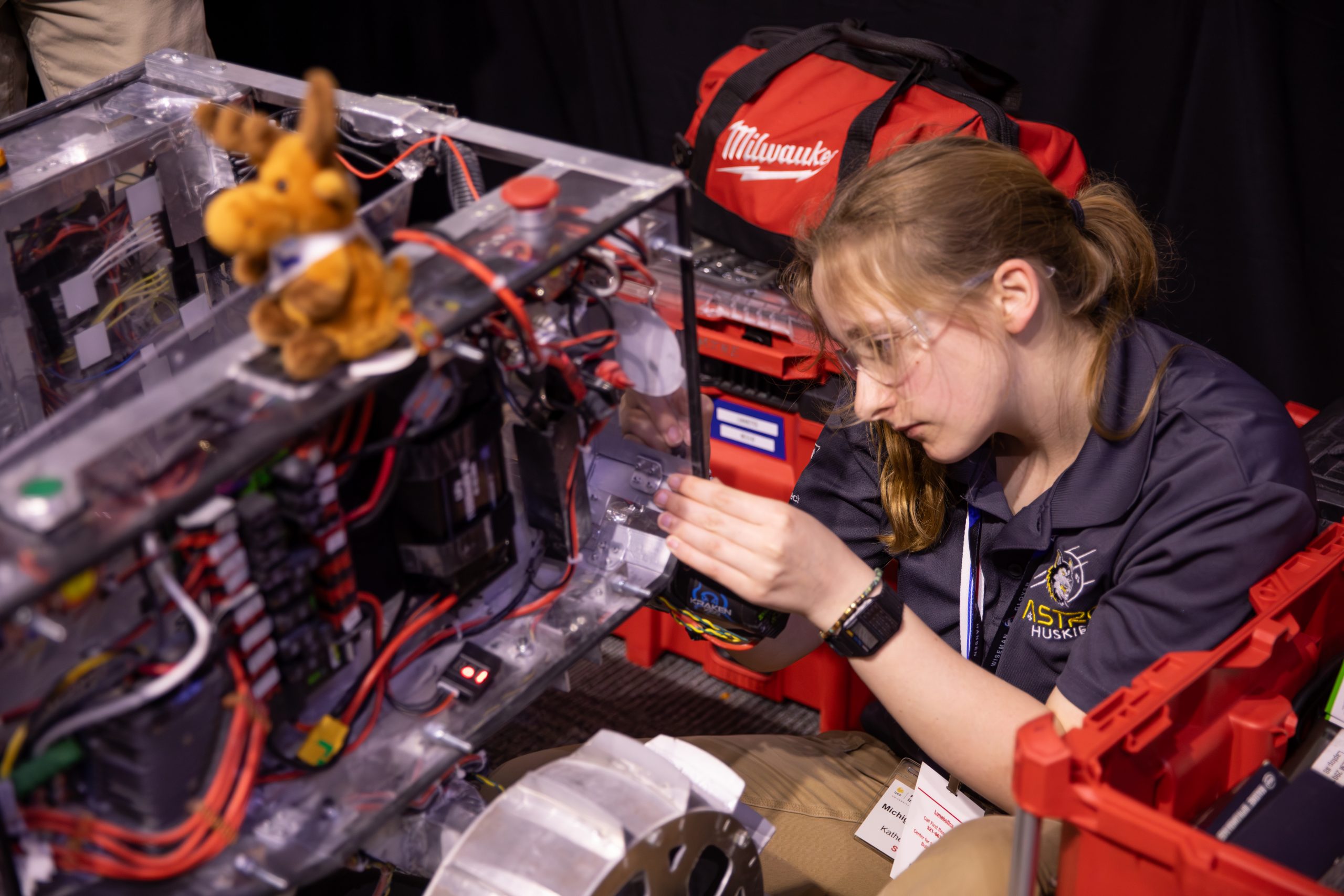
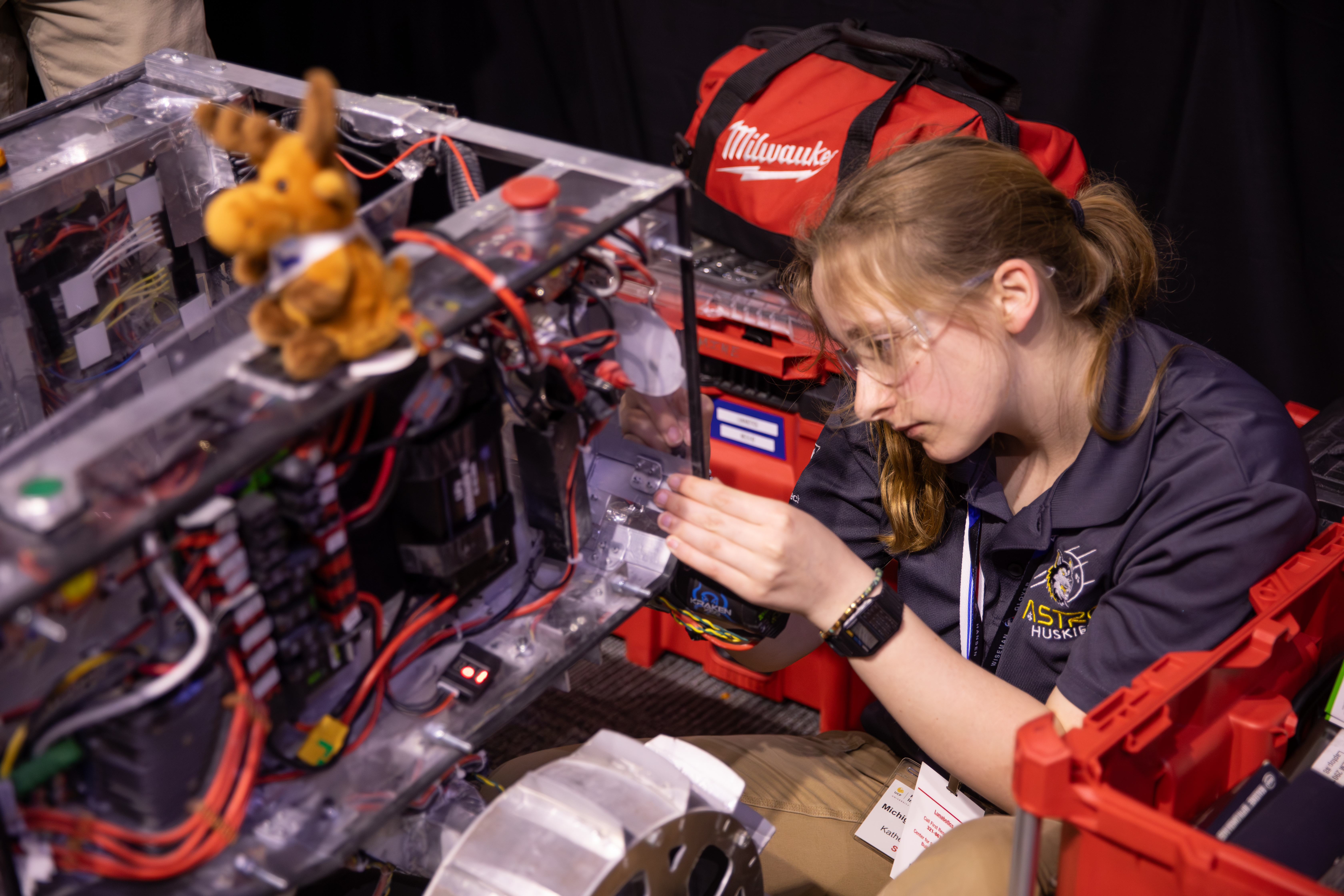
Katherine Rauscher, of Michigan Technological University, prepares her team’s prototype lunar robot for its turn during the finals for NASA’s 2026 Lunabotics Challenge competition on Tuesday, May 19, 2026, inside the Astronauts Memorial Foundation’s Center for Space Education at the Kennedy Space Center Visitor Complex in Florida. Forty-seven teams from around the U.S. designed and built remote-controlled robots capable of traversing challenging lunar terrain while constructing regolith-based berm under conditions similar to those the agency will face as it returns to the lunar surface through Artemis.
Read More