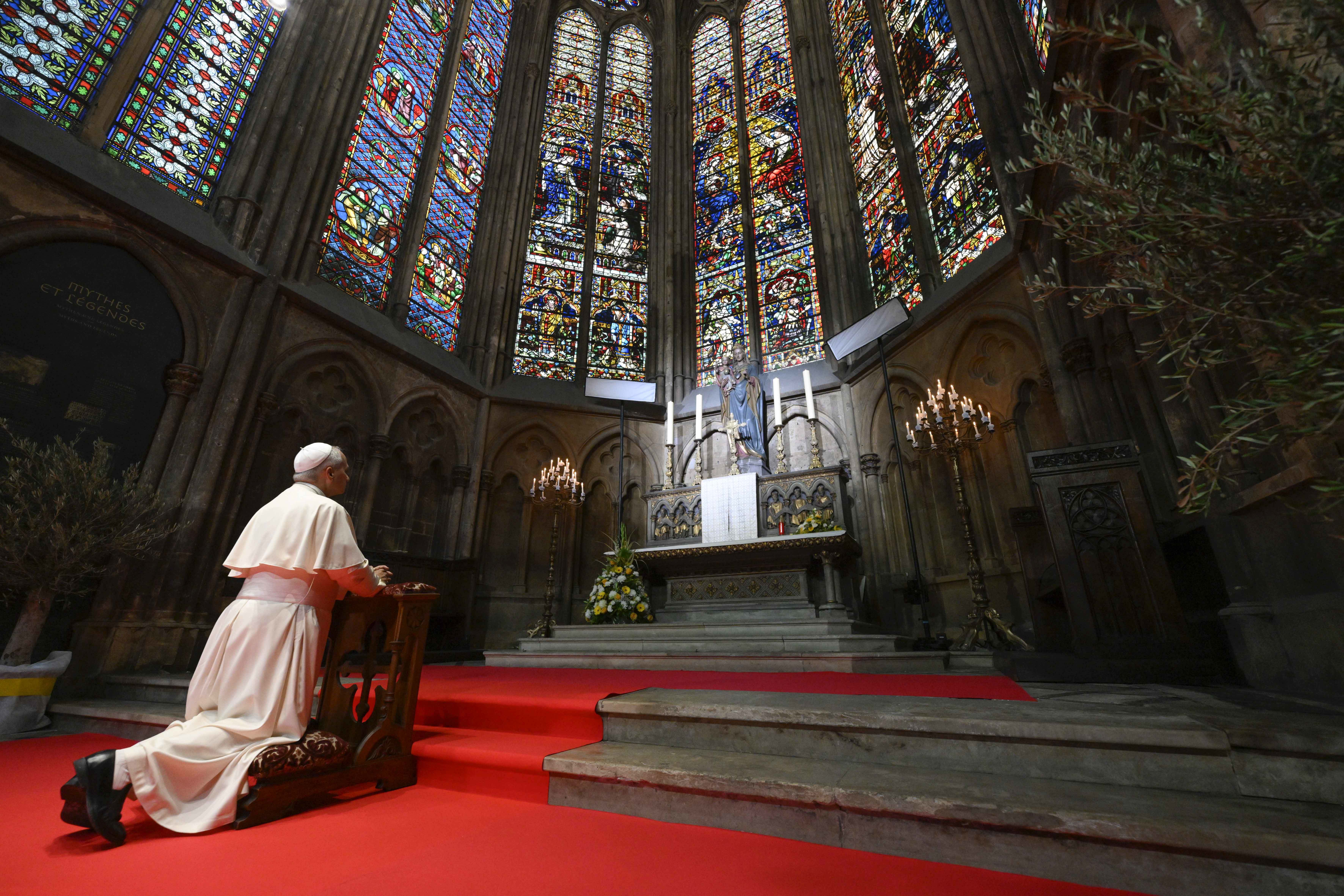

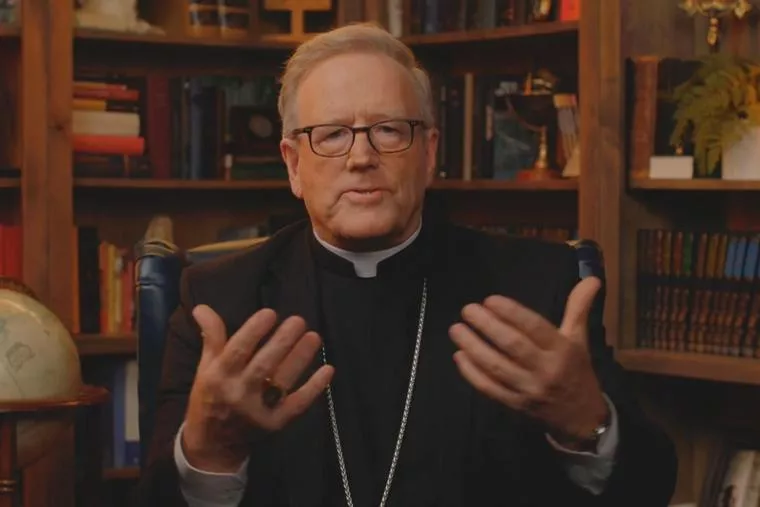
The USCCB president called on Catholics to exercise their “right and responsibility” to vote while advocacy organization CatholicVote issued state voter guides.

The USCCB president called on Catholics to exercise their “right and responsibility” to vote while advocacy organization CatholicVote issued state voter guides.
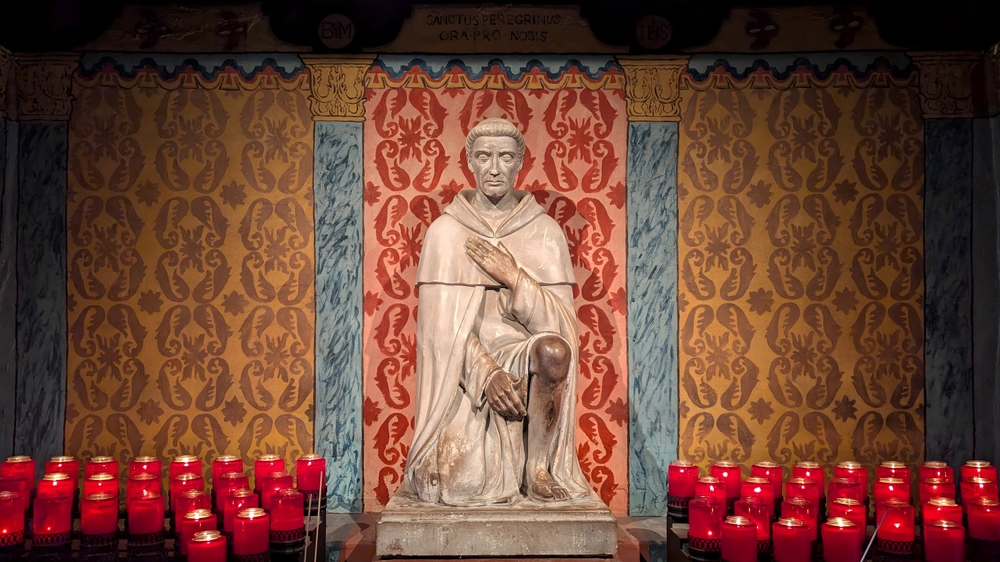
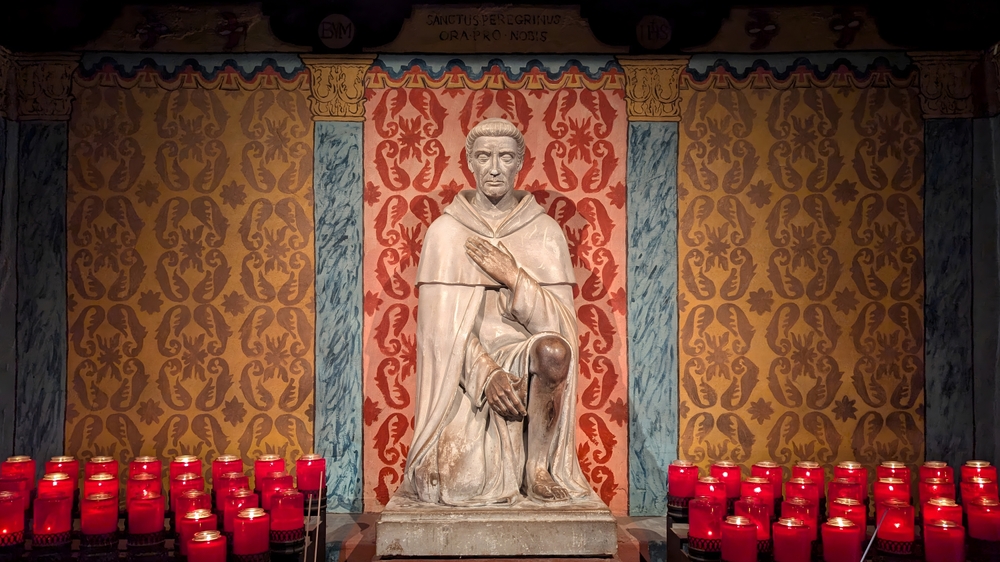
As Pope Leo XIV recovers from lung cancer surgery, meet St. Peregrine Laziosi, the Servite priest healed the night before his amputation and now patron of cancer patients.
![New White House press secretary describes ‘miracle’ when her mother chose adoption over abortion #Catholic Newly appointed White House press secretary and pro-life advocate Katie Zacharia, whose appointment President Donald Trump announced Oct. 9, has shared that her biological mother chose life over abortion in the final moments before a scheduled procedure, calling it a “miracle.”Last year Zacharia, now herself a mother of four and an attorney, described in an interview with “We The People with Gates Garcia” how the precise circumstances of her birth became the foundation of her pro-life convictions.She told Garcia that she was “approximately 20, 30 minutes away from being aborted” when her mother, Ruth, changed her mind.Ruth, whom Zacharia described as having a “tough background of sexual abuse,” was about to head to her abortion appointment when the biological father called, pushing the abortion. Ruth was about to walk out the door to head to the clinic when the phone rang again. Ruth walked back to the phone to answer it, and the Christian counselor who’d called urged her to “consider an open adoption rather than an abortion, so you have an opportunity to know who this child could be and give this child an opportunity to live.”The counselor told her she did not understand “how painful” abortion would be for her, because along with “the loss of [her] baby,” there would be “ensuing psychological, physical … trauma.”Zacharia said her mother decided not to go through with the abortion “to the anger and dismay of her family,” which allowed Zacharia to be adopted as a newborn. She later met her biological mother at age 18, who told her the story. She said that “seconds of a phone call … saved my life,” calling her story “a miracle” that explains why the issue is “so near and dear” to her.Zacharia, who while in law school at Pepperdine University served as president of the university’s Christian Legal Society chapter, has also served on the board of advisers for the White Rose Resistance, a group founded by Seth Gruber that advocates for legal protection for the unborn.Zacharia has been a frequent commentator on Fox News, Newsmax, and other outlets. She also previously worked as general counsel for Fix California, a conservative nonprofit.In February, she became deputy assistant secretary for public affairs at the Department of Homeland Security under then-Secretary Kristi Noem. She resigned after roughly a month, citing the strain on her family of commuting between California, her home, and Washington, D.C. In June, she joined Trump Media & Technology Group/Truth Social as a senior communications adviser.Zacharia succeeds Karoline Leavitt, who in an interview with Sean Hannity last month explained that she left the position to spend more time with her growing family. Trump said Zacharia would begin her new role on Oct. 12 and hold an introductory news conference on Wednesday, Oct. 14, at 9:30 a.m. ET in the White House press briefing room.](https://unitedyam.com/wp-content/uploads/2026/10/new-white-house-press-secretary-describes-miracle-when-her-mother-chose-adoption-over-abortion-catholic-newly-appointed-white-house-press-secretary-and-pro-life-advocate-katie-zacha.jpg "New White House press secretary describes ‘miracle’ when her mother chose adoption over abortion #Catholic Newly appointed White House press secretary and pro-life advocate Katie Zacharia, whose appointment President Donald Trump announced Oct. 9, has shared that her biological mother chose life over abortion in the final moments before a scheduled procedure, calling it a “miracle.”Last year Zacharia, now herself a mother of four and an attorney, described in an interview with “We The People with Gates Garcia” how the precise circumstances of her birth became the foundation of her pro-life convictions.She told Garcia that she was “approximately 20, 30 minutes away from being aborted” when her mother, Ruth, changed her mind.Ruth, whom Zacharia described as having a “tough background of sexual abuse,” was about to head to her abortion appointment when the biological father called, pushing the abortion. Ruth was about to walk out the door to head to the clinic when the phone rang again. Ruth walked back to the phone to answer it, and the Christian counselor who’d called urged her to “consider an open adoption rather than an abortion, so you have an opportunity to know who this child could be and give this child an opportunity to live.”The counselor told her she did not understand “how painful” abortion would be for her, because along with “the loss of [her] baby,” there would be “ensuing psychological, physical … trauma.”Zacharia said her mother decided not to go through with the abortion “to the anger and dismay of her family,” which allowed Zacharia to be adopted as a newborn. She later met her biological mother at age 18, who told her the story. She said that “seconds of a phone call … saved my life,” calling her story “a miracle” that explains why the issue is “so near and dear” to her.Zacharia, who while in law school at Pepperdine University served as president of the university’s Christian Legal Society chapter, has also served on the board of advisers for the White Rose Resistance, a group founded by Seth Gruber that advocates for legal protection for the unborn.Zacharia has been a frequent commentator on Fox News, Newsmax, and other outlets. She also previously worked as general counsel for Fix California, a conservative nonprofit.In February, she became deputy assistant secretary for public affairs at the Department of Homeland Security under then-Secretary Kristi Noem. She resigned after roughly a month, citing the strain on her family of commuting between California, her home, and Washington, D.C. In June, she joined Trump Media & Technology Group/Truth Social as a senior communications adviser.Zacharia succeeds Karoline Leavitt, who in an interview with Sean Hannity last month explained that she left the position to spend more time with her growing family. Trump said Zacharia would begin her new role on Oct. 12 and hold an introductory news conference on Wednesday, Oct. 14, at 9:30 a.m. ET in the White House press briefing room.")
She said that she was “approximately 20, 30 minutes away from being aborted” when her mother changed her mind.
Fraudulent online romance, gambling, and cryptocurrency schemes have defrauded people in more than 125 countries, with Americans losing at least $18.2 billion in 2025, according to a new report.
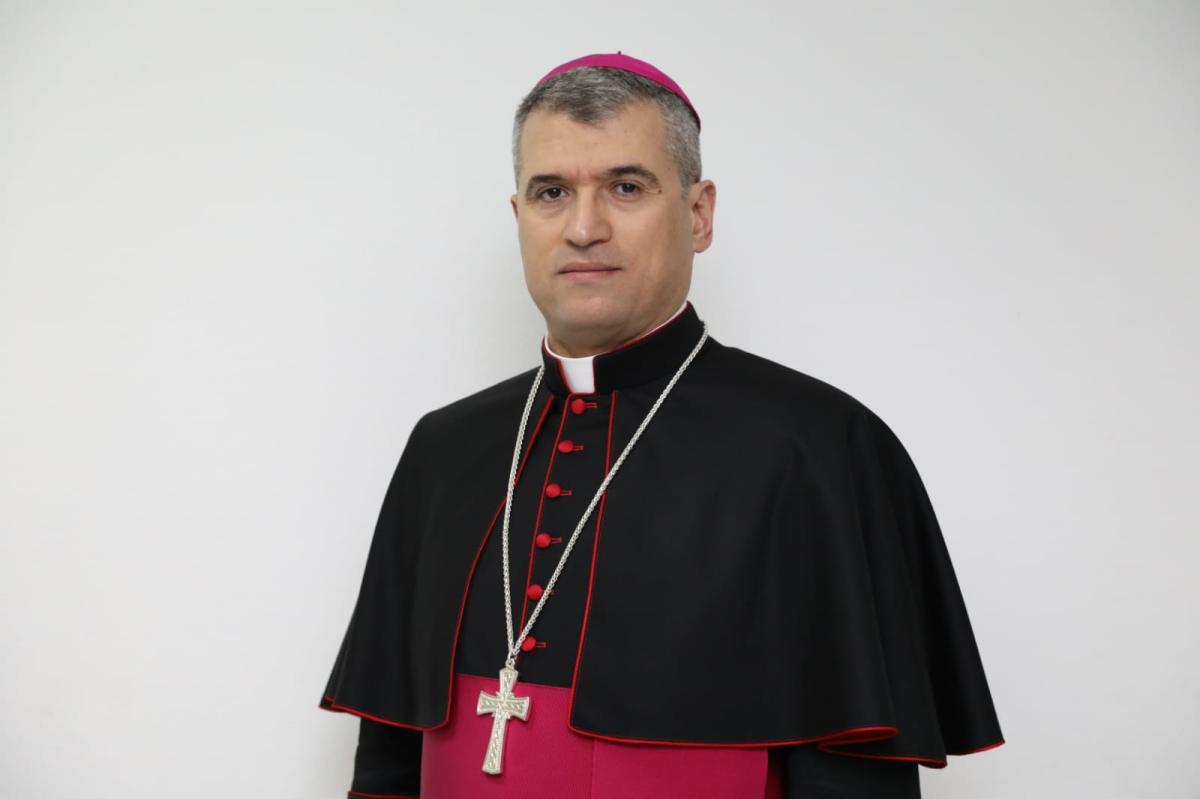
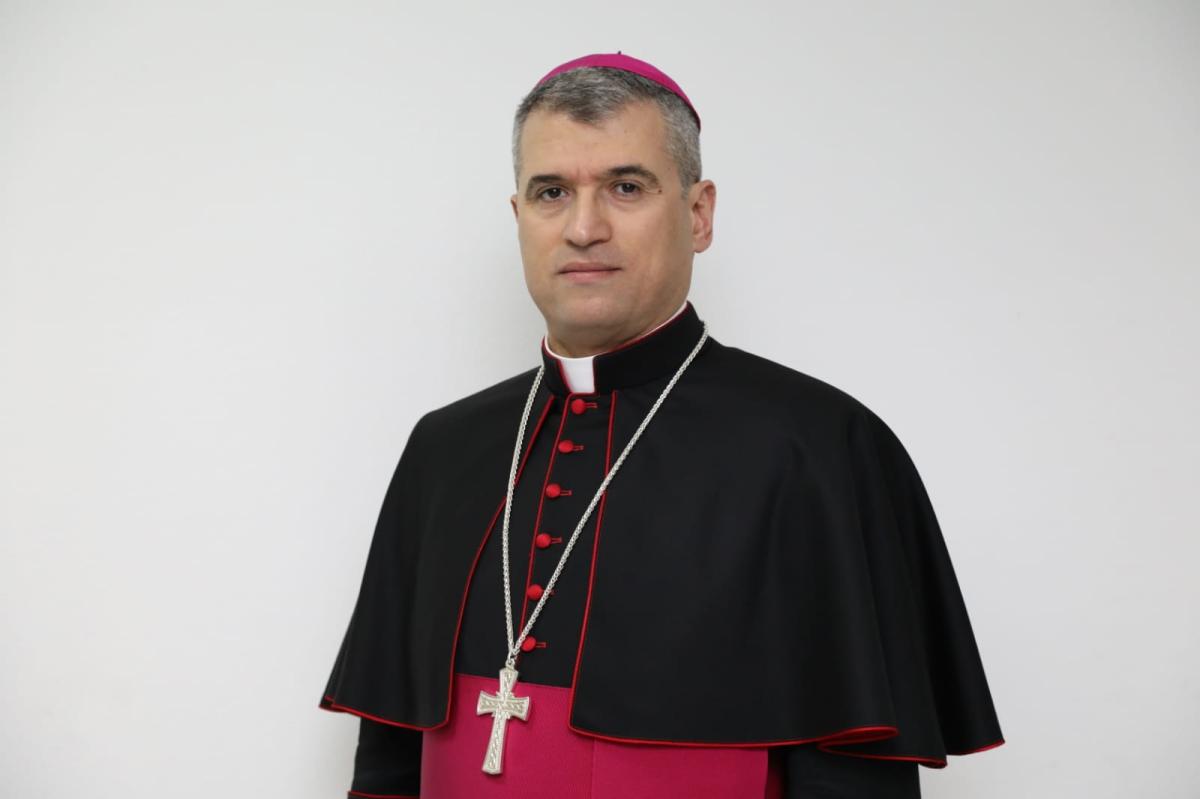
“The death penalty is inadmissible because it is an attack on the inviolability and dignity of the person,” the Holy See’s permanent observer to the U.N. said during the 81st General Assembly.
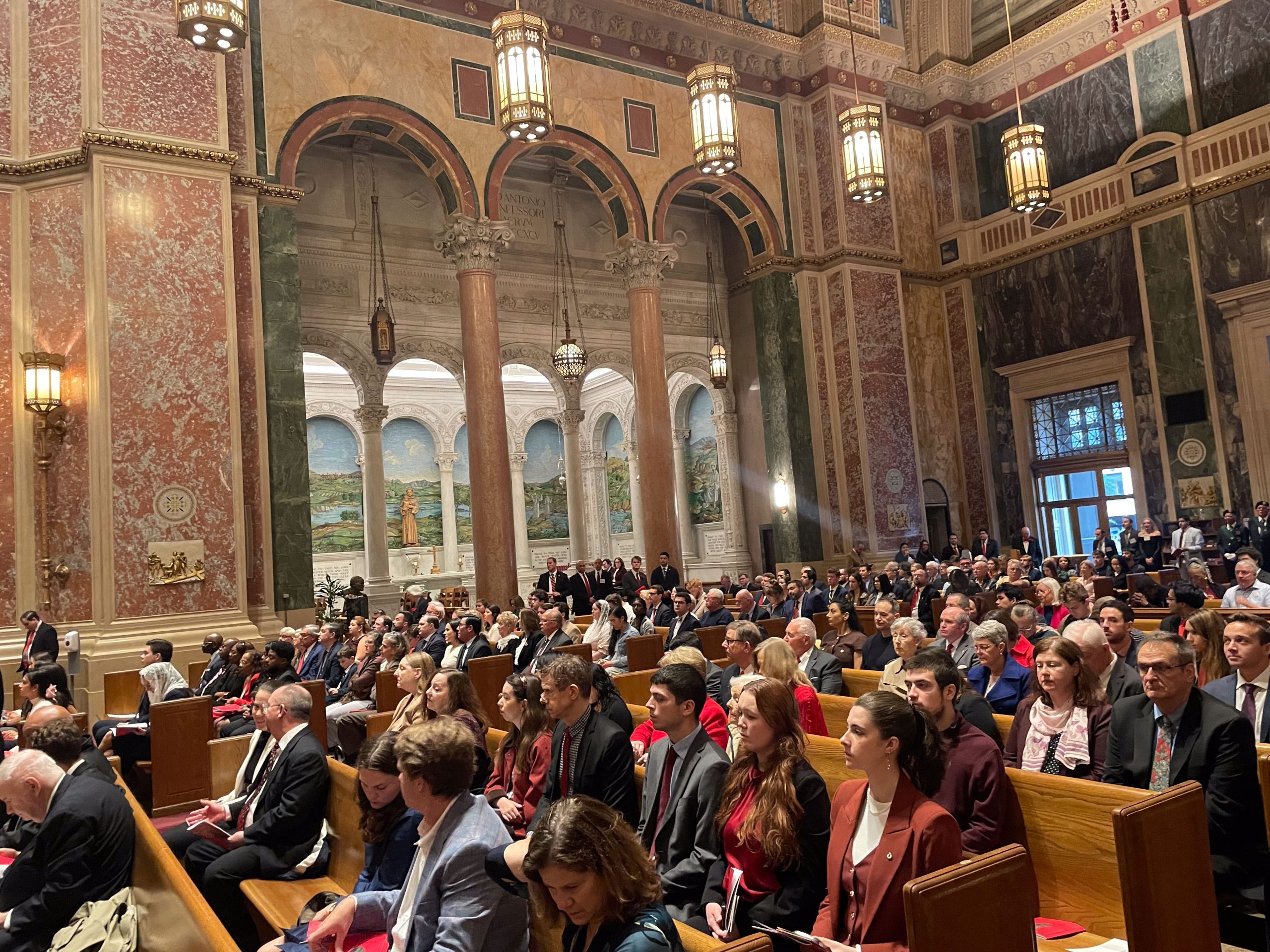
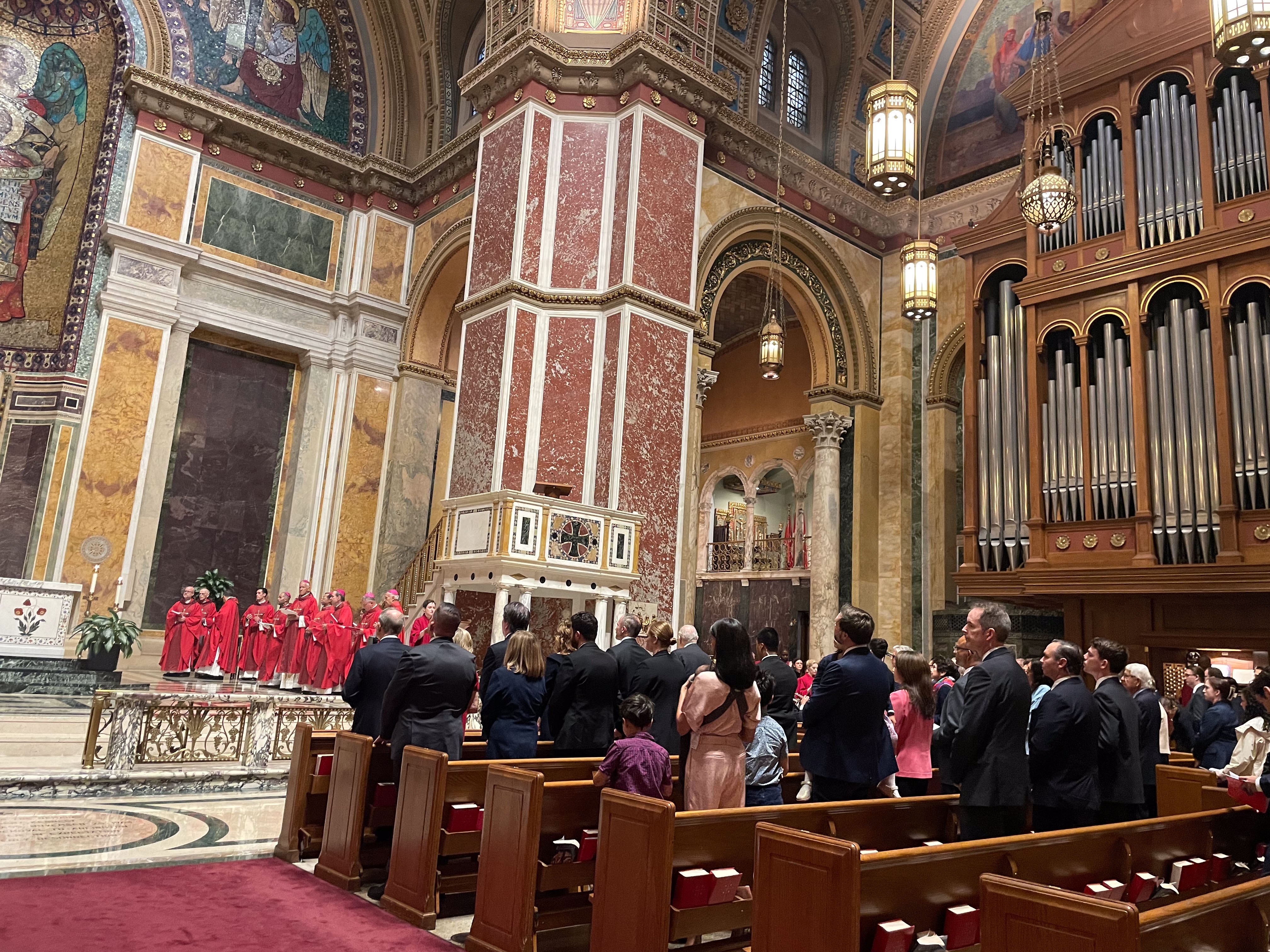
Washington Cardinal Robert McElroy was the principal celebrant of the Mass, and Archbishop Timothy Broglio of the Archdiocese for the Military Services, USA, offered the homily.
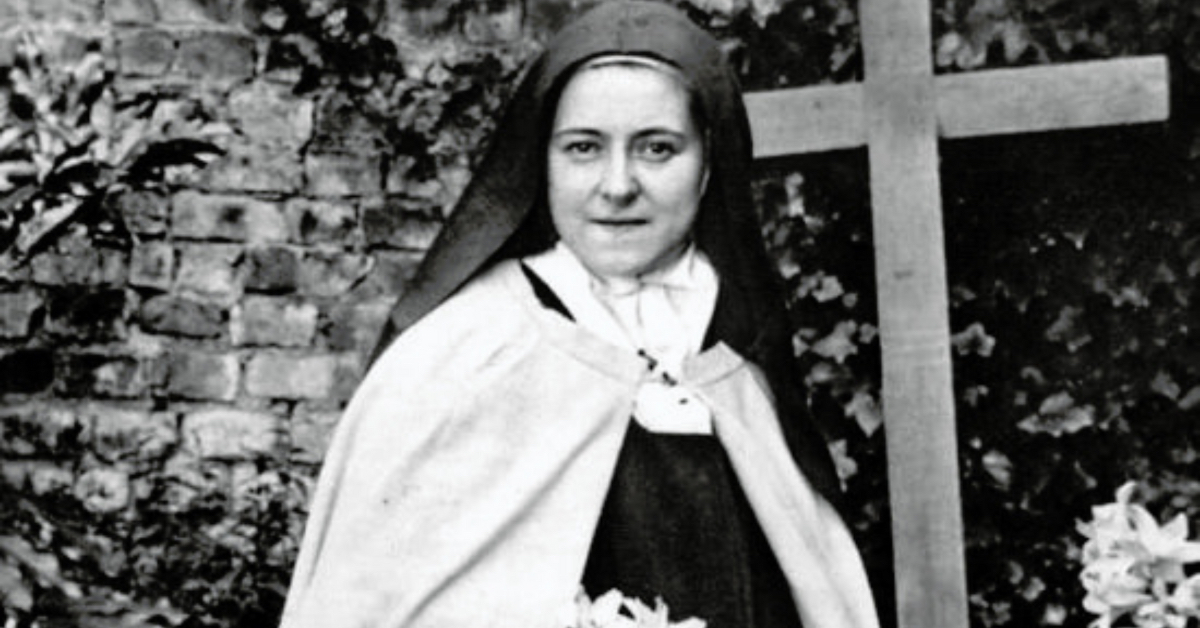
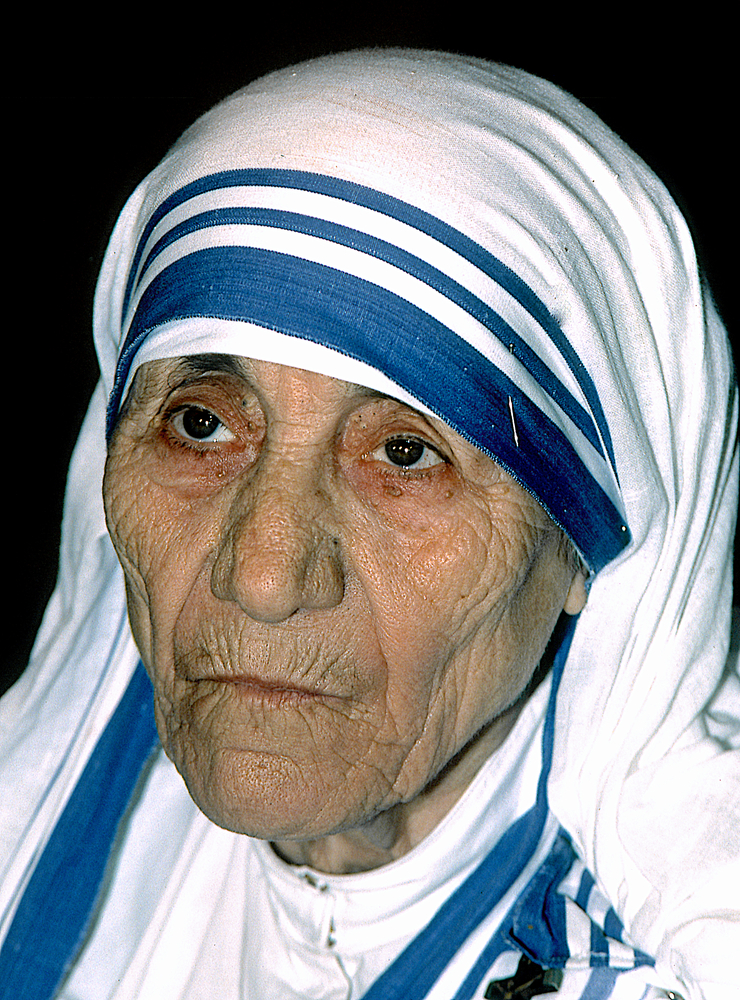
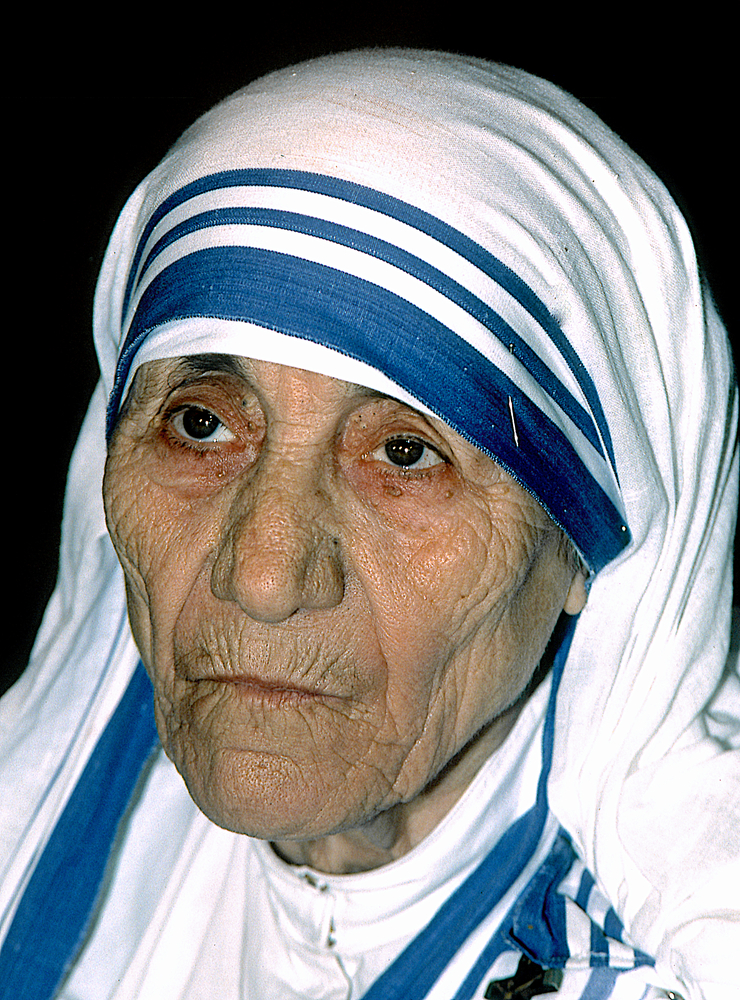
The beloved Carmelite nun, patron saint of the missions, and youngest doctor of the Church is celebrated in the universal Church on Oct. 1.
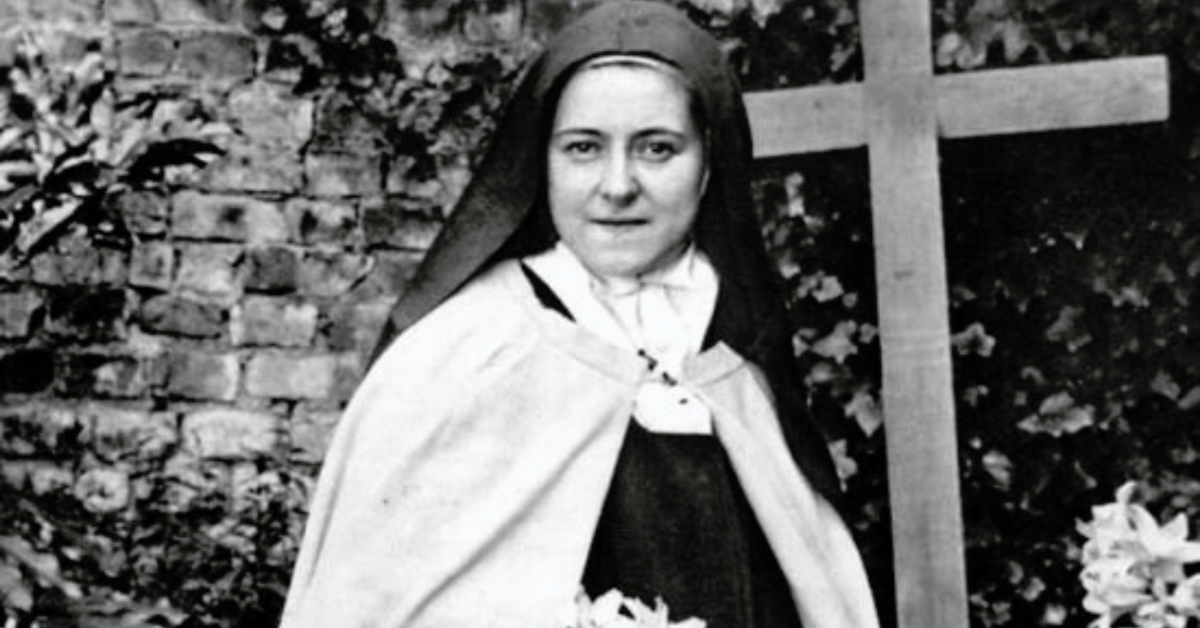
Pope Leo XIV titled this year’s observance of World Day of Migrants and Refugees “Even Just One of These Children,” citing Matthew 18:5: “Whoever welcomes one such child in my name welcomes me.”
![Pope Leo in Lourdes: The Church must heal her ‘wounds, infidelities, and painful errors’ #Catholic LOURDES, France — Pope Leo XIV issued a firm call to conversion from sin and error in the Church, and invited all to repent and do penance, at the Sanctuary of Our Lady of Lourdes on Sunday.Mary’s call to conversion in her message to St. Bernadette “also concerns the Church herself as she makes her earthly journey. She must have the courage to begin with herself,” he said at Mass on Sept. 27.“In order to heal the deep wounds, infidelities and painful errors that have occurred within her, we must humbly place ourselves under the Lord’s purifying gaze. Recognizing our own faults is essential to our spiritual growth,” the pontiff said.In 2021, the Independent Commission on Sexual Abuse in the Church (CIASE) published a nearly 2,500-page final report, estimating that 216,000 children were abused by priests, deacons, monks, or nuns in France from 1950 to 2020.TweetLeo is scheduled to meet later on Sunday with seven victims of clerical sexual abuse in France.Lourdes is an evocative backdrop to the private meeting, since it is among the first shrines to cover artwork by the accused sexual abuser Father Marko Rupnik, currently on trial at the Vatican.Rupnik’s mosaics decorating the front of the Basilica of the Rosary were covered ahead of Leo’s visit and will remain covered indefinitely, according to the local bishop.The pope celebrated Mass on a prairie across the river Gave de Pau from the grotto of the apparitions on the third day of his Sept. 25-28 visit to France.Pilgrims from France and around the world gathered on the grassy hill and along the streets of the shrine. Some waved flags or held banners of sacred images. A number of pilgrims arrived in wheelchairs. Around 150,000 people attended the Mass, according to the Vatican.Claire Banks, a nurse from the UK, said she has traveled over 100 times to Lourdes.“It was too good of an opportunity to miss coming here and seeing the pope. I think he’s wonderful,” she told EWTN News. She described an “electric atmosphere” at the shrine since Leo’s arrival.Libby Frank, another Mass attendee, is also from the UK, but has lived in Lourdes for 40 years. She recently retired after working for a charity that brings sick people to the shrine.“I worked for three papal visits and now I’ve come to one papal visit to enjoy it with my family and friends and just be part of the community,” she said, referencing two visits by St. Pope John Paul II in 1983 and 2004, and one by Pope Benedict in 2008.“There’s been a phenomenal amount of excitement locally waiting for Leo to come visit. The town [of Lourdes] has really gotten behind everything that’s happening,” she said.TweetThe Sanctuary of Our Lady of Lourdes is among the most popular Catholic shrines in the world, built on the site of Mary’s apparitions to St. Bernadette in 1858. It is particularly visited by the sick, who come to bathe in or drink its healing spring water.In his homily, Pope Leo noted that a “call to conversion, both tender and urgent,” was a central part of the message the Virgin Mary entrusted to Bernadette, and that “it is today, not tomorrow, that we must repent.”He said Jesus is quite direct about the call to repentance: “As St. Luke tells us, ‘Unless you repent, you will all perish.’ But he also extends our horizon beyond this earthly life to the horizon of eternal life.”“Did not the Virgin Mary say to St. Bernadette, ‘I do not promise to make you happy in this world but in the next’?” Leo said.The pope noted that we can often forget this in an age and society focused on progress and material wellbeing.Eternal life is already won for us by Jesus’ sacrifice, he continued, but “the obstacle to grace and eternal life — the only obstacle to this love — is sin.”The Holy Father called everyone to do penance, an act of love for God and for our brothers and sisters, “who do not heed this call to conversion, and whose sins lead them towards death.”“We want to make amends for the wounds our sins have dealt to [God’s] heart,” he said.Addressing the many sick, elderly, and disabled people present at the Mass, Leo said their suffering, if lived in a “spirit of offering,” can take part “in the redemptive work that the world so greatly needs.”“In this way, you are truly at the heart of the Church, and your role is irreplaceable,” he said.“In the face of current trends that seek to redefine the value of human life in illness, suffering and old age, the grotto of Massabielle stands as a place of Christian hope,” he said. “Here, no one is turned away due to their frailty.”Earlier in the morning, Leo met with France’s bishops at the shrine, where he praised their courage in opposing the recent legalization of euthanasia and assisted suicide in the country.“I encourage you to persevere, together with all people of good will who uphold the same values,” he told the bishops’ conference.At the end of Mass, before praying the Angelus, the pope invited those present to pray the rosary for peace, and to offer concrete acts of penance and mercy.“It was here that the Immaculate Virgin appeared to St. Bernadette with the rosary and, as it were, guided her in prayer,” he said. “For this reason, today I invite all the faithful and all Christian communities to pray the holy rosary throughout the coming month of October, with the particular intention that wars may cease and that peace may be established among peoples in conflict.”Elliot Hartley contributed to this report.This story was updated at 7:14 a.m. ET with more information about the Mass and the pope’s meeting with bishops.](https://unitedyam.com/wp-content/uploads/2026/09/pope-leo-in-lourdes-the-church-must-heal-her-wounds-infidelities-and-painful-errors-catholic-lourdes-france-pope-leo-xiv-issued-a-firm-call-to-conversion-from-sin-and.jpg "Pope Leo in Lourdes: The Church must heal her ‘wounds, infidelities, and painful errors’ #Catholic LOURDES, France — Pope Leo XIV issued a firm call to conversion from sin and error in the Church, and invited all to repent and do penance, at the Sanctuary of Our Lady of Lourdes on Sunday.Mary’s call to conversion in her message to St. Bernadette “also concerns the Church herself as she makes her earthly journey. She must have the courage to begin with herself,” he said at Mass on Sept. 27.“In order to heal the deep wounds, infidelities and painful errors that have occurred within her, we must humbly place ourselves under the Lord’s purifying gaze. Recognizing our own faults is essential to our spiritual growth,” the pontiff said.In 2021, the Independent Commission on Sexual Abuse in the Church (CIASE) published a nearly 2,500-page final report, estimating that 216,000 children were abused by priests, deacons, monks, or nuns in France from 1950 to 2020.TweetLeo is scheduled to meet later on Sunday with seven victims of clerical sexual abuse in France.Lourdes is an evocative backdrop to the private meeting, since it is among the first shrines to cover artwork by the accused sexual abuser Father Marko Rupnik, currently on trial at the Vatican.Rupnik’s mosaics decorating the front of the Basilica of the Rosary were covered ahead of Leo’s visit and will remain covered indefinitely, according to the local bishop.The pope celebrated Mass on a prairie across the river Gave de Pau from the grotto of the apparitions on the third day of his Sept. 25-28 visit to France.Pilgrims from France and around the world gathered on the grassy hill and along the streets of the shrine. Some waved flags or held banners of sacred images. A number of pilgrims arrived in wheelchairs. Around 150,000 people attended the Mass, according to the Vatican.Claire Banks, a nurse from the UK, said she has traveled over 100 times to Lourdes.“It was too good of an opportunity to miss coming here and seeing the pope. I think he’s wonderful,” she told EWTN News. She described an “electric atmosphere” at the shrine since Leo’s arrival.Libby Frank, another Mass attendee, is also from the UK, but has lived in Lourdes for 40 years. She recently retired after working for a charity that brings sick people to the shrine.“I worked for three papal visits and now I’ve come to one papal visit to enjoy it with my family and friends and just be part of the community,” she said, referencing two visits by St. Pope John Paul II in 1983 and 2004, and one by Pope Benedict in 2008.“There’s been a phenomenal amount of excitement locally waiting for Leo to come visit. The town [of Lourdes] has really gotten behind everything that’s happening,” she said.TweetThe Sanctuary of Our Lady of Lourdes is among the most popular Catholic shrines in the world, built on the site of Mary’s apparitions to St. Bernadette in 1858. It is particularly visited by the sick, who come to bathe in or drink its healing spring water.In his homily, Pope Leo noted that a “call to conversion, both tender and urgent,” was a central part of the message the Virgin Mary entrusted to Bernadette, and that “it is today, not tomorrow, that we must repent.”He said Jesus is quite direct about the call to repentance: “As St. Luke tells us, ‘Unless you repent, you will all perish.’ But he also extends our horizon beyond this earthly life to the horizon of eternal life.”“Did not the Virgin Mary say to St. Bernadette, ‘I do not promise to make you happy in this world but in the next’?” Leo said.The pope noted that we can often forget this in an age and society focused on progress and material wellbeing.Eternal life is already won for us by Jesus’ sacrifice, he continued, but “the obstacle to grace and eternal life — the only obstacle to this love — is sin.”The Holy Father called everyone to do penance, an act of love for God and for our brothers and sisters, “who do not heed this call to conversion, and whose sins lead them towards death.”“We want to make amends for the wounds our sins have dealt to [God’s] heart,” he said.Addressing the many sick, elderly, and disabled people present at the Mass, Leo said their suffering, if lived in a “spirit of offering,” can take part “in the redemptive work that the world so greatly needs.”“In this way, you are truly at the heart of the Church, and your role is irreplaceable,” he said.“In the face of current trends that seek to redefine the value of human life in illness, suffering and old age, the grotto of Massabielle stands as a place of Christian hope,” he said. “Here, no one is turned away due to their frailty.”Earlier in the morning, Leo met with France’s bishops at the shrine, where he praised their courage in opposing the recent legalization of euthanasia and assisted suicide in the country.“I encourage you to persevere, together with all people of good will who uphold the same values,” he told the bishops’ conference.At the end of Mass, before praying the Angelus, the pope invited those present to pray the rosary for peace, and to offer concrete acts of penance and mercy.“It was here that the Immaculate Virgin appeared to St. Bernadette with the rosary and, as it were, guided her in prayer,” he said. “For this reason, today I invite all the faithful and all Christian communities to pray the holy rosary throughout the coming month of October, with the particular intention that wars may cease and that peace may be established among peoples in conflict.”Elliot Hartley contributed to this report.This story was updated at 7:14 a.m. ET with more information about the Mass and the pope’s meeting with bishops.")
The pontiff spoke about the urgency of repentance and conversion at a Mass on the third day of his visit to France.
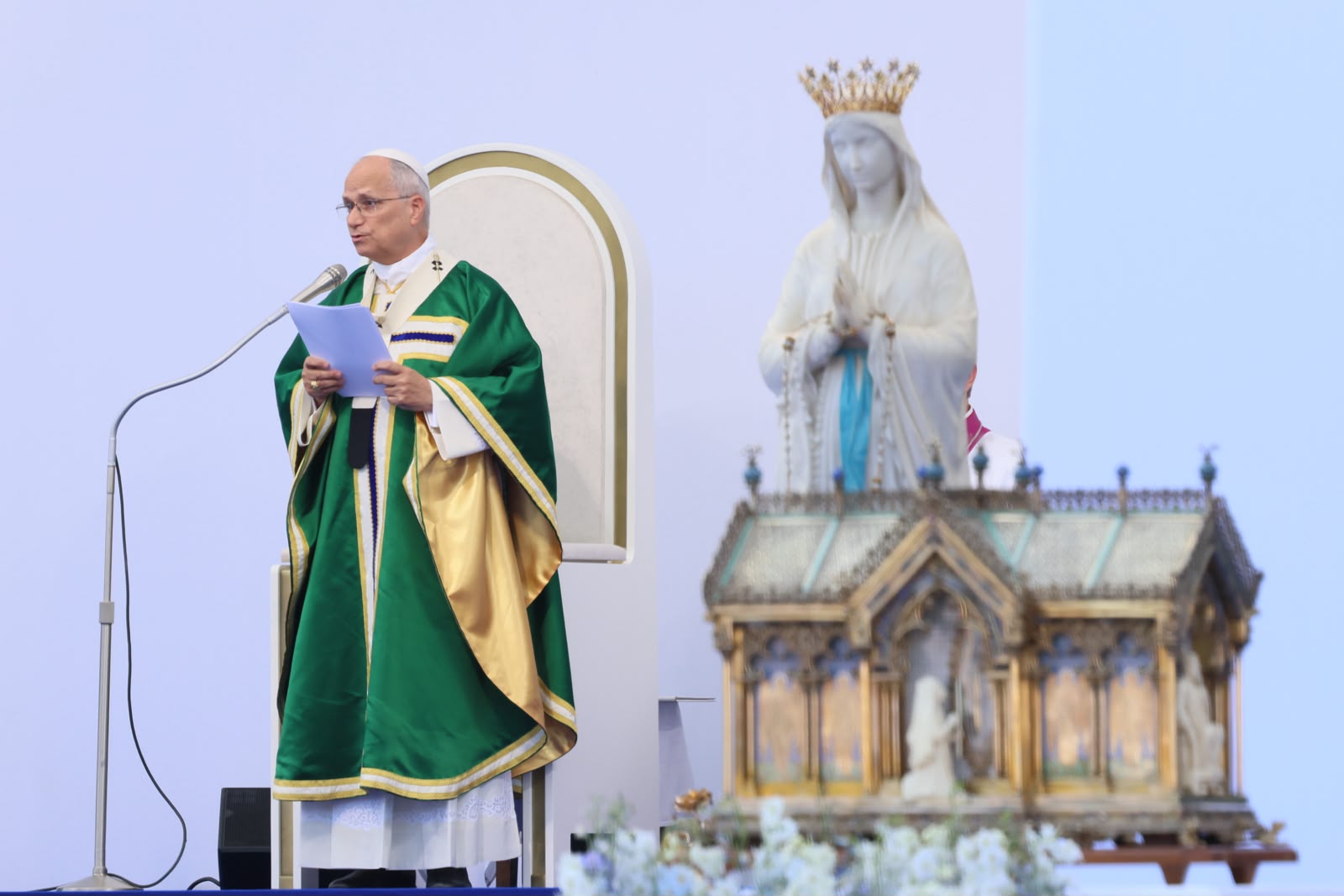
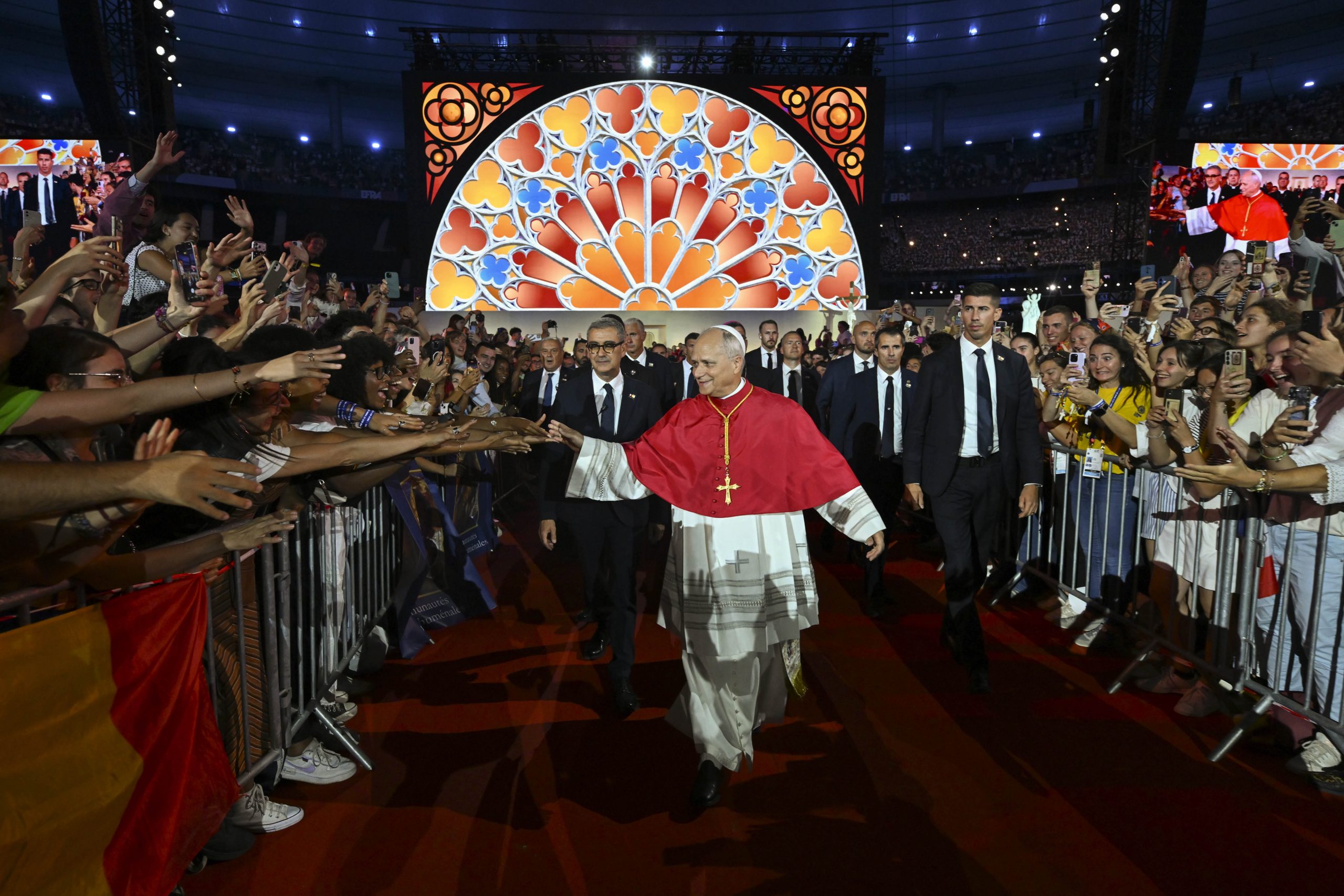
France’s Catholic culture and the energy of the country’s young people stole the show at a prayer vigil at the national stadium in Saint-Denis, France.
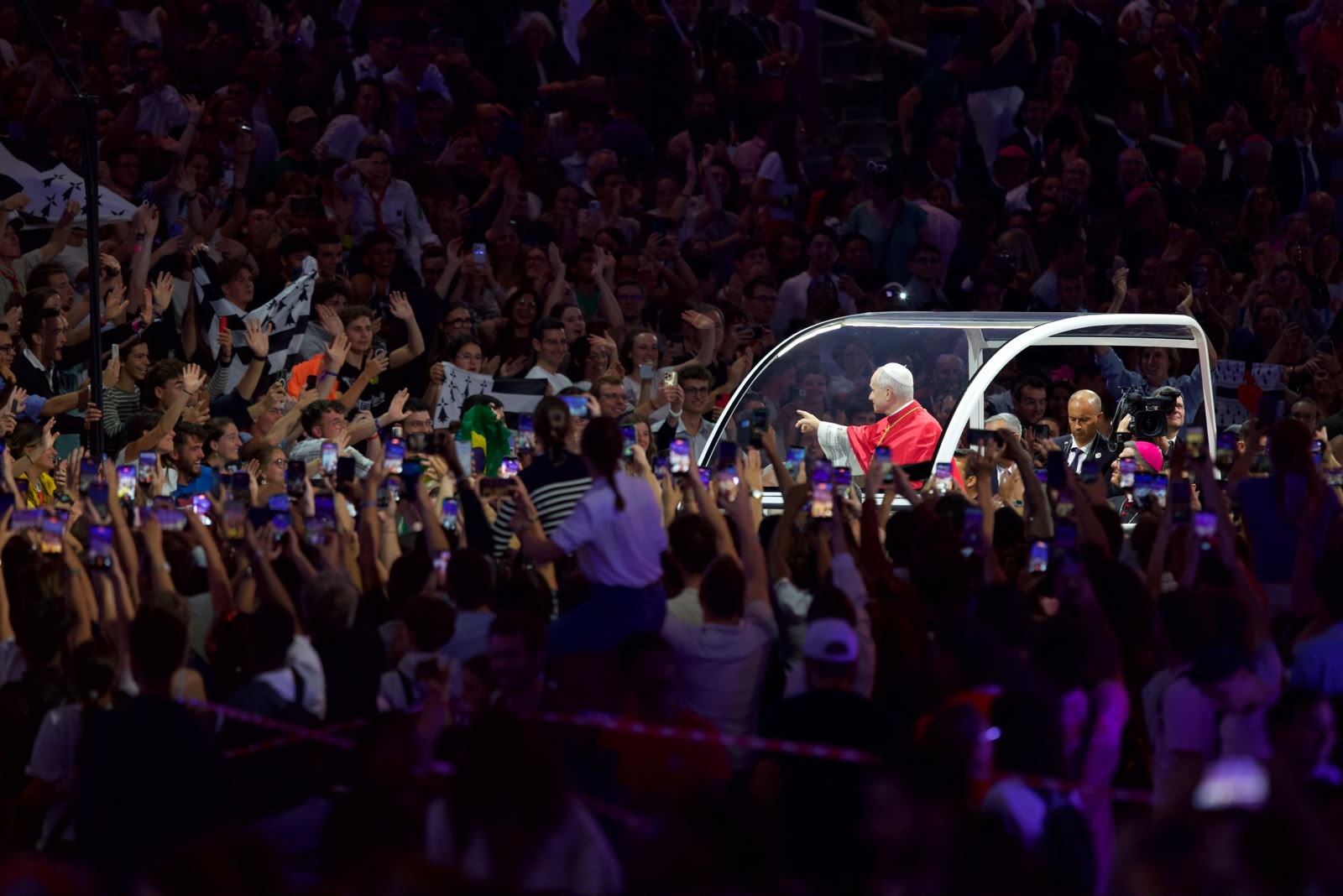
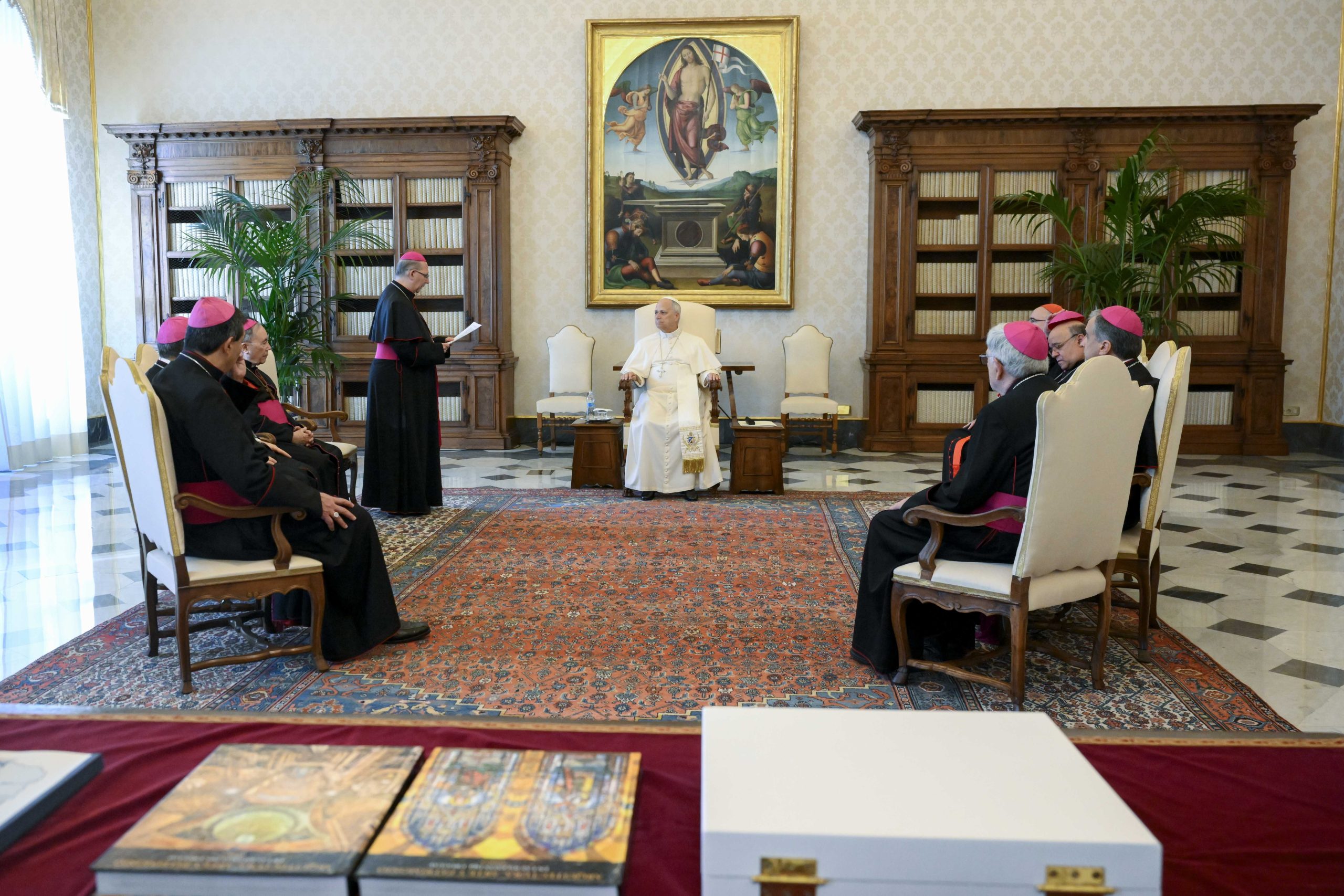
Although church attendance is low and the society is quite s quite secularized, the president of Uruguay’s bishops’ conference believes Pope Leo’s visit will give a boost to the country’s spiritual renewal.
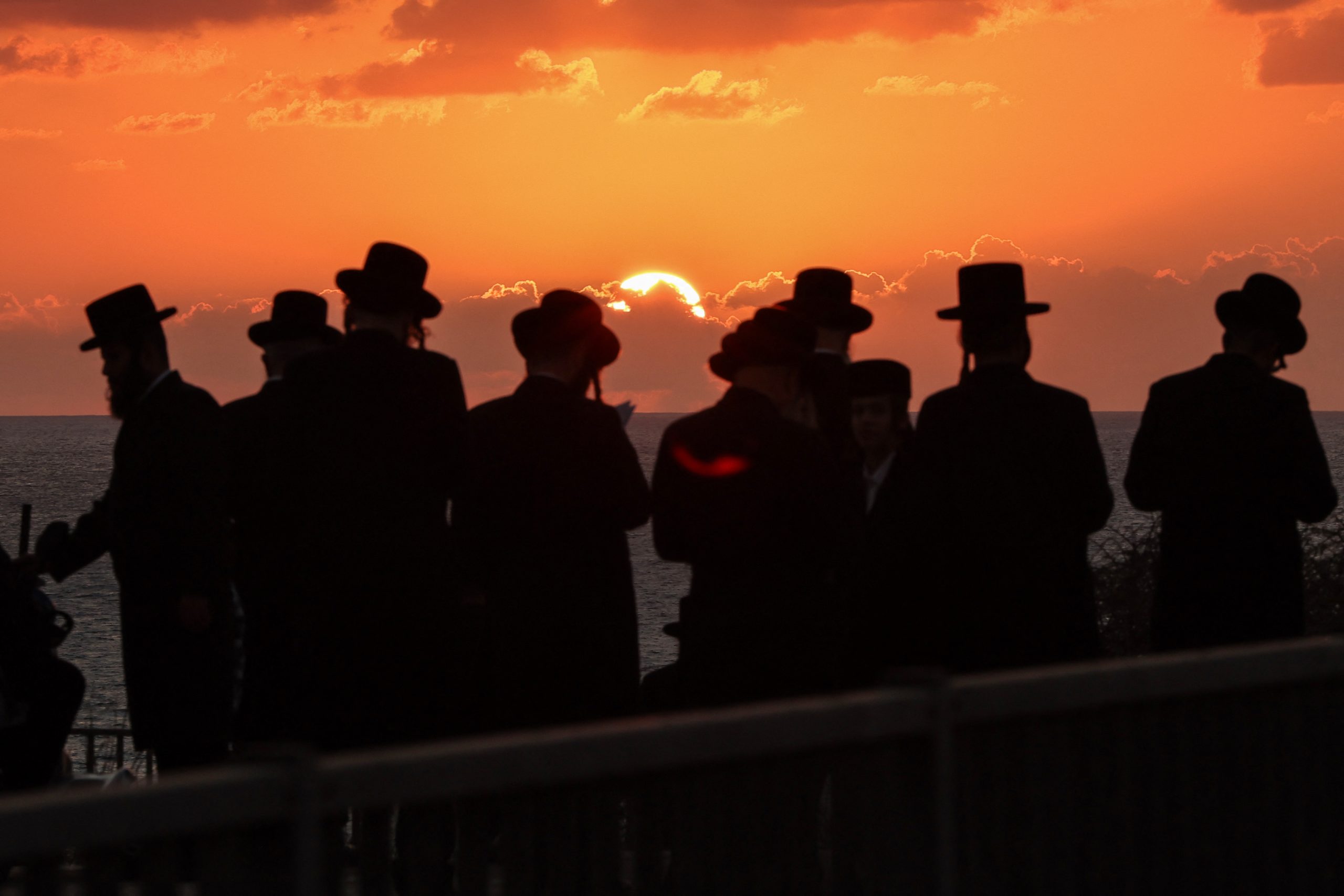
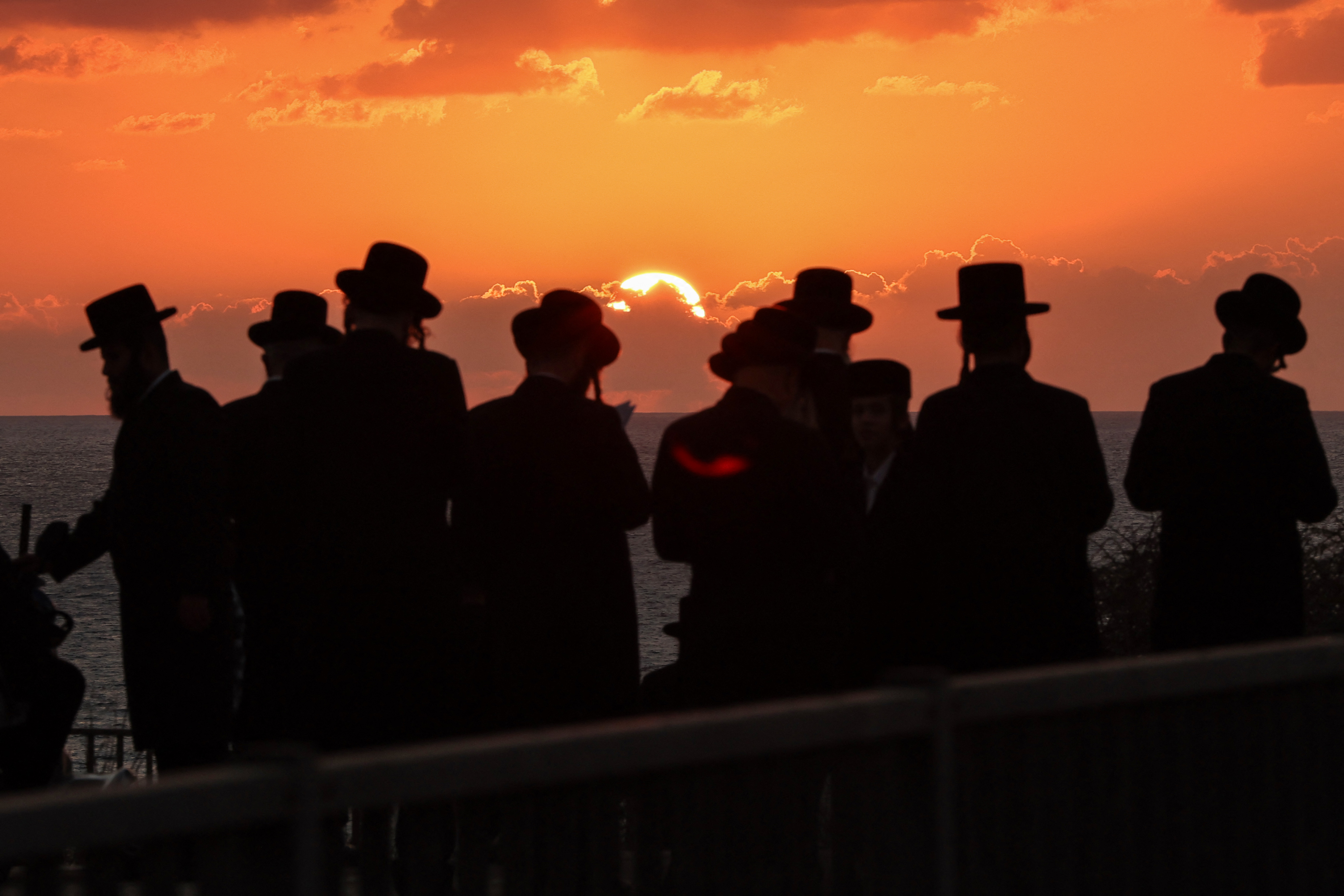
The holy day for Jews involves fasting and atonement and is held in late September or early October.
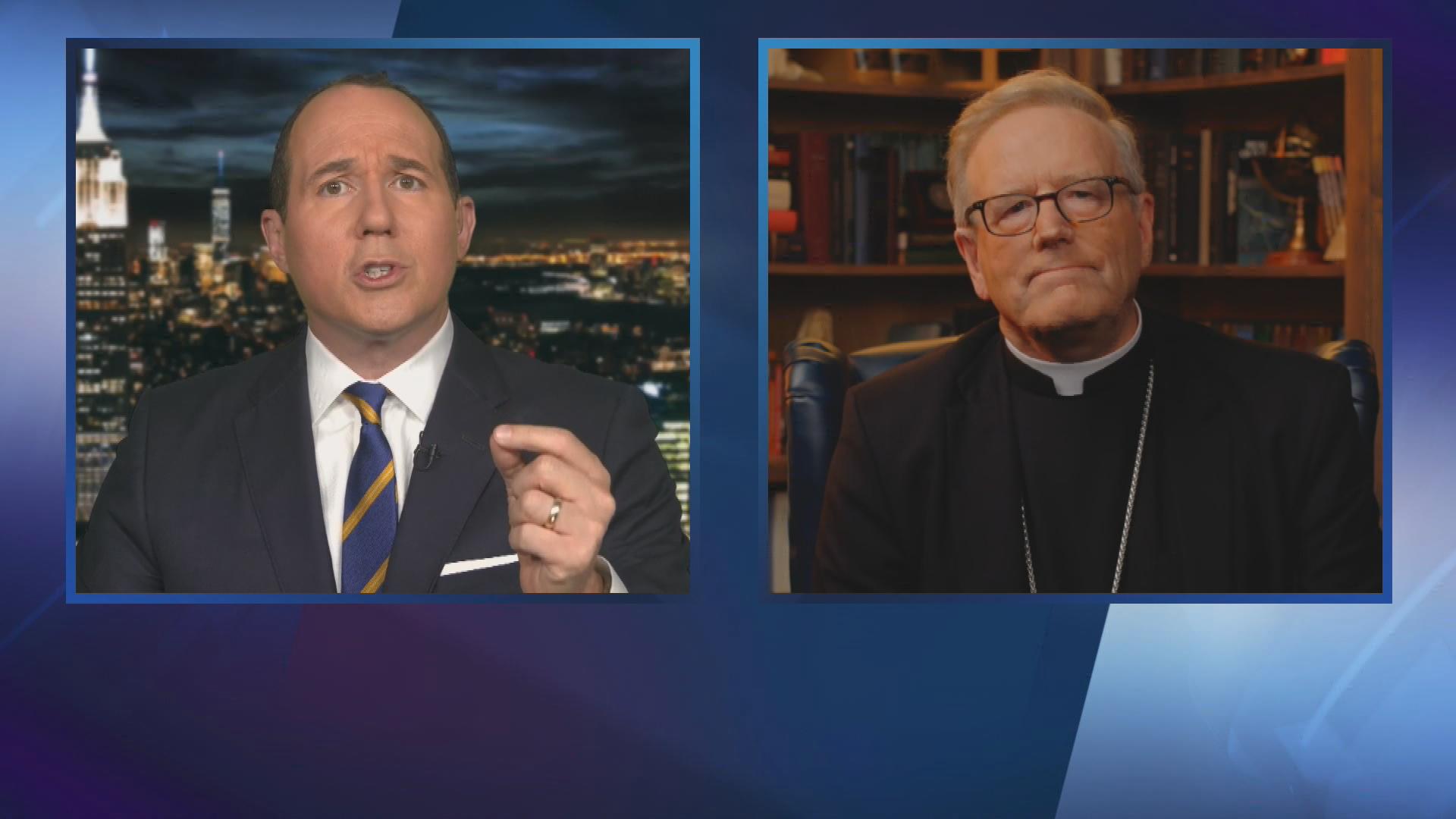
The Word on Fire founder clarifies the call to evangelize, defends his nonpartisan advisory role on religious liberty, and warns of resurgent communism.
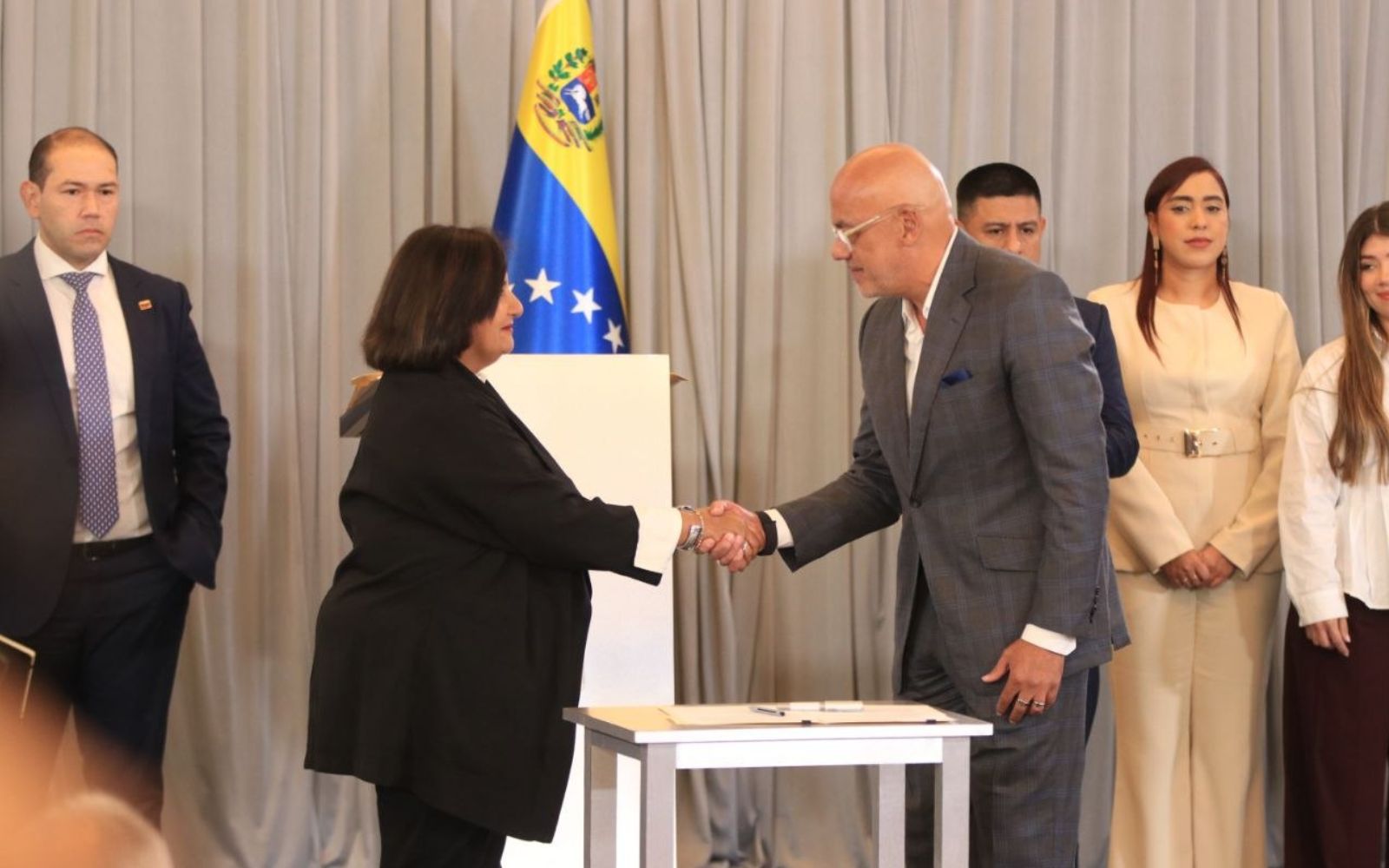
![Venezuela: Talks with opposition, oil deal, Delcy Rodríguez in New York, and the Church’s stance #Catholic Sept. 15 marked the start of the second round of negotiations between a Venezuelan opposition delegation and the country’s ruling socialist regime, a process promoted and driven by the U.S. government with an eye toward potential presidential elections in the South American nation.Dinorah Figuera, who leads the opposition delegation, arrived in Venezuela on Sept. 13 and before national and international media explained that once this weekʼs discussions conclude, the country could expect an announcement regarding the agreements reached.Meanwhile, Jorge Millán, who is also part of the opposition delegation, stated that they would continue “pursuing a Supreme Court of Justice with honorable, independent, and impartial judges capable of providing Venezuela with an upstanding judicial system after so many years. At the end of the cycle [of talks], we will present clear and verifiable objectives.”He also stated that this round of negotiations would also address the status of political parties, political guarantees, and “the dismantling of the repressive apparatus” established by Chavismo (the socialist government established by President Hugo Chávez and continued by President Nicolás Maduro) for over two decades. The state of freedom of expression in Venezuela will also be one of the items on the agenda.“The foundation for achieving a full democracy requires creating the conditions for elections to be held in Venezuela as soon as possible, as quickly as possible. We are laying the groundwork to reach those important areas that will enable all Venezuelans to elect our leaders very soon, with the speed we desire but also allowing for the time this will take,” Millán added.Concerns and proposals from the Catholic ChurchLast week, Cardinals Baltazar Porras and Diego Padrón, together with Bishop Emeritus Ramón Ovidio Pérez Morales, once again spoke out regarding the political and social situation in Venezuela. The prelates had previously raised their voices at the start of negotiations, offering to serve as guarantors of the process.On this occasion, they addressed the state of “indeterminacy, confusion, and uncertainty” prevailing in the country, offering “certain opinions, judgments, and proposals” that seek to “open the way” to help overcome the current crisis and achieve solid institutional stability and the national common good.Following the capture and extradition of President Nicolás Maduro and his wife, Cilia Flores, by U.S. forces on Jan. 3, the prelates noted that “changes have occurred, yet neither the desired and expected change nor a shift toward the structuring and functioning of the country in line with the preamble and fundamental principles of the 1999 Constitution is perceptible.”The cardinals and the bishop cite as examples of this lack of change that there are still political prisoners and a climate of repression as well as a state monopoly on the media and the continued centralization of power. Although these issues have been placed on the negotiating tableʼs agenda, the prelates maintain that these talks “operate within a framework of limited scope and authority.”In this regard, they pointed out that the state is operating on “shaky and legally undefined ground,” while the executive branch is “illegitimate regarding both its origins and its exercise of power.” Consequently, they emphasized the urgent need to call for elections soon.Oil deals with few detailsA few weeks ago, the Trump administration and the Chavista regime signed a massive energy deal granting the United States effective control over approximately one-third of Venezuelan oil, some 65 billion barrels of proven reserves.Beyond the economic aspects, the agreement has sparked particular controversy by including Venezuelan businessman Alejandro Betancourt López as an intermediary. He has been the subject of several investigations regarding alleged corruption, inflated prices in electricity contracts, and money laundering linked to the oil sector.Within Venezuela, Betancourt is singled out as one of the key figures responsible for the serious deterioration of the electrical grid, which has led to daily, hourslong blackouts across the country for years, severely impacting the populationʼs daily lives and even resulting in loss of life due to various causes.While acknowledging they are not experts in the field, Porras, Padrón, and Pérez Morales call for greater transparency in the negotiations and recommend “prudence and a gradual approach regarding commitments.” This, they state, reflects the prevailing sentiment among the Venezuelan people, who are concerned about the fate and use of the “vast sums of money” the state is set to receive.Greater emphasis on the need to call electionsIn light of the foregoing, the cardinals and the bishop underscored the priority of allowing the sovereign people of Venezuela to have a “a defined and clear mandate” regarding the nation’s future, a step that would also offer a sure path toward “encounter, social reconciliation, and peace.”“God has given us this country as a setting in which to build a ‘new society,’ the ideal of the civilization of love. We Venezuelans, through our own efforts and by invoking divine assistance, must keep hope alive and continue working on this compelling task, striving to reap its fruits of peace, freedom, justice, and fraternity,” the prelates stated.Delcy Rodríguez in New York?According to a Sept. 14 Bloomberg report, Venezuelaʼs interim president, Delcy Rodríguez, is considering a trip to New York to attend the United Nations General Assembly, which takes place next week.If the trip goes ahead, Rodríguez would be in the same city where Nicolás Maduro and Cilia Flores are in U.S. custody. When asked about a possible meeting with the Chavista leader, President Donald Trump simply replied: “Maybe, maybe.”Meanwhile, U.S. Secretary of State Marco Rubio indicated that an in-person meeting “probably will happen” if the presence of the interim regimeʼs president is confirmed.Rodríguezʼs presence on U.S. soil would mark a milestone in relations between Washington and Caracas, following more than two decades of tension and discord. Within Venezuela, the growing rapprochement between the U.S. government and the remnants of Chavismo is fueling concern and uncertainty regarding the possibility of real political change.This story was first published by ACI Prensa, the Spanish-language sister service of EWTN News. It has been translated and adapted by EWTN News English.](https://unitedyam.com/wp-content/uploads/2026/09/venezuela-talks-with-opposition-oil-deal-delcy-rodriguez-in-new-york-and-the-churchs-stance-catholic-sept-15-marked-the-start-of-the-second-round-of-negotiations-between-a-venezuelan-op.jpg "Venezuela: Talks with opposition, oil deal, Delcy Rodríguez in New York, and the Church’s stance #Catholic Sept. 15 marked the start of the second round of negotiations between a Venezuelan opposition delegation and the country’s ruling socialist regime, a process promoted and driven by the U.S. government with an eye toward potential presidential elections in the South American nation.Dinorah Figuera, who leads the opposition delegation, arrived in Venezuela on Sept. 13 and before national and international media explained that once this weekʼs discussions conclude, the country could expect an announcement regarding the agreements reached.Meanwhile, Jorge Millán, who is also part of the opposition delegation, stated that they would continue “pursuing a Supreme Court of Justice with honorable, independent, and impartial judges capable of providing Venezuela with an upstanding judicial system after so many years. At the end of the cycle [of talks], we will present clear and verifiable objectives.”He also stated that this round of negotiations would also address the status of political parties, political guarantees, and “the dismantling of the repressive apparatus” established by Chavismo (the socialist government established by President Hugo Chávez and continued by President Nicolás Maduro) for over two decades. The state of freedom of expression in Venezuela will also be one of the items on the agenda.“The foundation for achieving a full democracy requires creating the conditions for elections to be held in Venezuela as soon as possible, as quickly as possible. We are laying the groundwork to reach those important areas that will enable all Venezuelans to elect our leaders very soon, with the speed we desire but also allowing for the time this will take,” Millán added.Concerns and proposals from the Catholic ChurchLast week, Cardinals Baltazar Porras and Diego Padrón, together with Bishop Emeritus Ramón Ovidio Pérez Morales, once again spoke out regarding the political and social situation in Venezuela. The prelates had previously raised their voices at the start of negotiations, offering to serve as guarantors of the process.On this occasion, they addressed the state of “indeterminacy, confusion, and uncertainty” prevailing in the country, offering “certain opinions, judgments, and proposals” that seek to “open the way” to help overcome the current crisis and achieve solid institutional stability and the national common good.Following the capture and extradition of President Nicolás Maduro and his wife, Cilia Flores, by U.S. forces on Jan. 3, the prelates noted that “changes have occurred, yet neither the desired and expected change nor a shift toward the structuring and functioning of the country in line with the preamble and fundamental principles of the 1999 Constitution is perceptible.”The cardinals and the bishop cite as examples of this lack of change that there are still political prisoners and a climate of repression as well as a state monopoly on the media and the continued centralization of power. Although these issues have been placed on the negotiating tableʼs agenda, the prelates maintain that these talks “operate within a framework of limited scope and authority.”In this regard, they pointed out that the state is operating on “shaky and legally undefined ground,” while the executive branch is “illegitimate regarding both its origins and its exercise of power.” Consequently, they emphasized the urgent need to call for elections soon.Oil deals with few detailsA few weeks ago, the Trump administration and the Chavista regime signed a massive energy deal granting the United States effective control over approximately one-third of Venezuelan oil, some 65 billion barrels of proven reserves.Beyond the economic aspects, the agreement has sparked particular controversy by including Venezuelan businessman Alejandro Betancourt López as an intermediary. He has been the subject of several investigations regarding alleged corruption, inflated prices in electricity contracts, and money laundering linked to the oil sector.Within Venezuela, Betancourt is singled out as one of the key figures responsible for the serious deterioration of the electrical grid, which has led to daily, hourslong blackouts across the country for years, severely impacting the populationʼs daily lives and even resulting in loss of life due to various causes.While acknowledging they are not experts in the field, Porras, Padrón, and Pérez Morales call for greater transparency in the negotiations and recommend “prudence and a gradual approach regarding commitments.” This, they state, reflects the prevailing sentiment among the Venezuelan people, who are concerned about the fate and use of the “vast sums of money” the state is set to receive.Greater emphasis on the need to call electionsIn light of the foregoing, the cardinals and the bishop underscored the priority of allowing the sovereign people of Venezuela to have a “a defined and clear mandate” regarding the nation’s future, a step that would also offer a sure path toward “encounter, social reconciliation, and peace.”“God has given us this country as a setting in which to build a ‘new society,’ the ideal of the civilization of love. We Venezuelans, through our own efforts and by invoking divine assistance, must keep hope alive and continue working on this compelling task, striving to reap its fruits of peace, freedom, justice, and fraternity,” the prelates stated.Delcy Rodríguez in New York?According to a Sept. 14 Bloomberg report, Venezuelaʼs interim president, Delcy Rodríguez, is considering a trip to New York to attend the United Nations General Assembly, which takes place next week.If the trip goes ahead, Rodríguez would be in the same city where Nicolás Maduro and Cilia Flores are in U.S. custody. When asked about a possible meeting with the Chavista leader, President Donald Trump simply replied: “Maybe, maybe.”Meanwhile, U.S. Secretary of State Marco Rubio indicated that an in-person meeting “probably will happen” if the presence of the interim regimeʼs president is confirmed.Rodríguezʼs presence on U.S. soil would mark a milestone in relations between Washington and Caracas, following more than two decades of tension and discord. Within Venezuela, the growing rapprochement between the U.S. government and the remnants of Chavismo is fueling concern and uncertainty regarding the possibility of real political change.This story was first published by ACI Prensa, the Spanish-language sister service of EWTN News. It has been translated and adapted by EWTN News English.")
Ongoing talks between the socialist regime and the opposition in Venezuela are making some progress while the Church is trying to contribute to the transition to democracy and freedom.
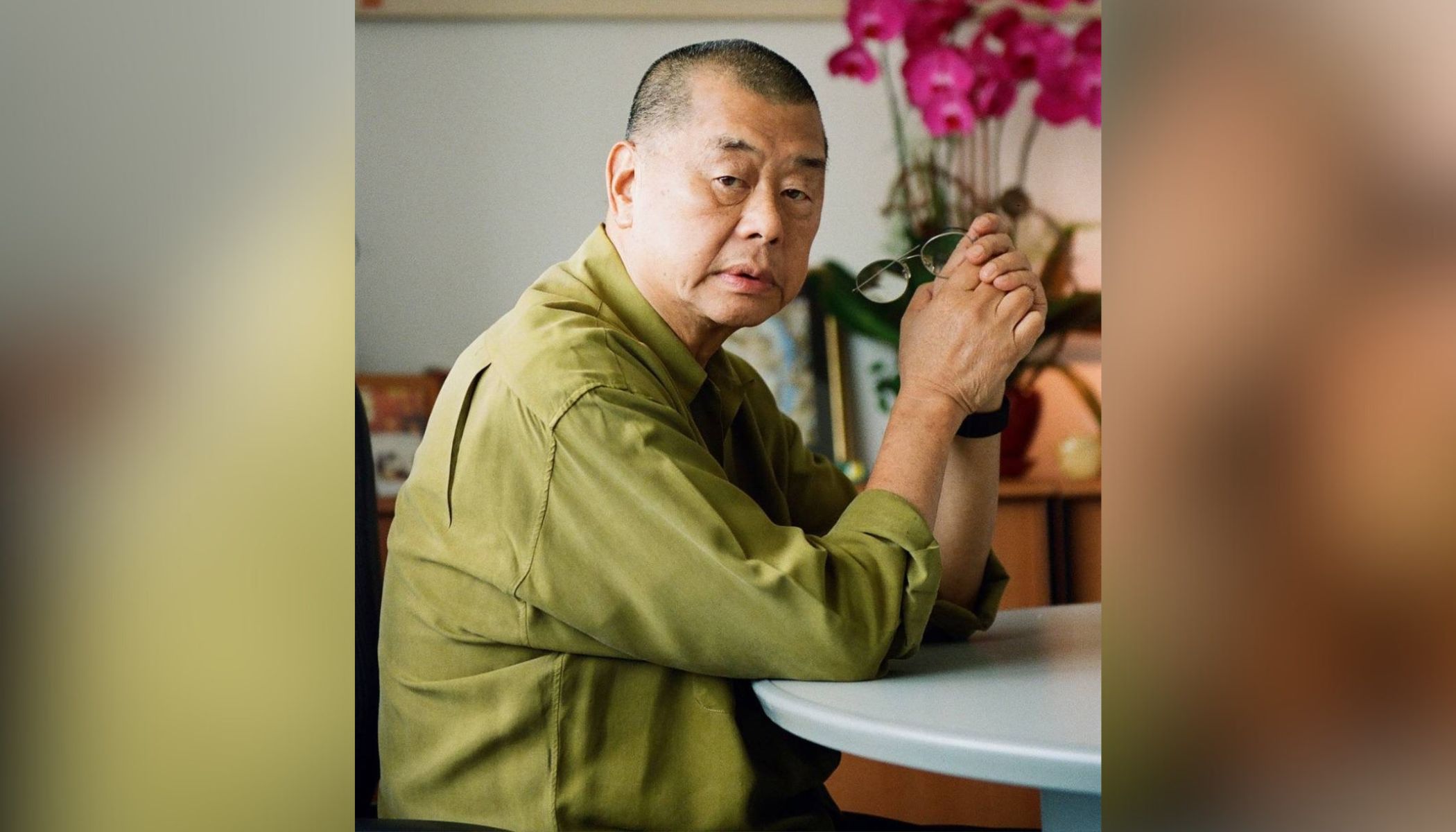
![U.S. religious freedom commission urges Trump to press for release of religious prisoners #Catholic The U.S. Commission on International Religious Freedom (USCIRF) urged President Donald Trump to push for the release of religious prisoners in China and for the end of religious persecution by the Chinese government.The commission called on Trump to continue his efforts for the release of the prisoners ahead of Chinese President Xi Jinping’s trip to the U.S. on Sept. 24.USCIRF called for the release of Catholic pro-democracy advocate Jimmy Lai, numerous Christian leaders, and others in prison for practicing their religious beliefs.“President Trump boldly demonstrated to President Xi during their meeting in Beijing earlier this year that the United States stands for religious freedom by calling for the release of freedom of religion or belief (FoRB) prisoners,” said Asif Mahmood, chair of USCIRF.“Speaking up again sends a clear and consistent signal that religious freedom for all is a priority for the United States and that it expects the CCP [Chinese Communist Party] to respect its population rather than persecute millions for practicing their faith,” he said.The commission highlighted that after a direct appeal by Trump, Chinese authorities previously freed former prisoner Pastor Ezra Jin of the Zion Church in July. He was permitted to relocate to the United States and reunite with his family.While Jin was released, eight other Zion Church leaders who were arrested alongside him remain detained.“In releasing Pastor Jin, President Xi showed that he has the power to release FoRB prisoners if he so desires—and indeed he has an obligation to do so under international law,” said Cece Heil, vice chair of USCIRF.USCIRF detailed the other leaders whose release the commission is urging and is asking Trump “to seize the opportunity during his upcoming summit with President Xi,” Heil said.They called on Trump to discuss religious leaders including “Gulshan Abbas, Ekpar Asat, Pastor Gao Quanfu and his wife Pang Yu, Jimmy Lai, the Panchen Lama Gedhun Choekyi Nyima and his family,” Heil said. The commission also asked Trump “to urge the Chinese government to provide a passport to U.S. Lawful Permanent Resident, Pastor John Cao and allow him to reunite with his family and seek urgent medical treatment in the United States,” Heil said.The appeal also precedes a planned hearing on Sept. 16 held by Rep. Chris Smith, R-New Jersey, to discuss the release of Lai. Jimmy Lai’s son, Sebastien Lai, will offer testimony regarding his father’s immediate release and to examine the broader implications of his continued imprisonment.In its 2026 annual report, USCIRF recommended that the U.S. Department of State redesignate China as a country of particular concern (CPC) for engaging “in systematic, ongoing, and egregious violations of religious freedom,” according to the commission.USCIRF urges special watchlist designation for Kyrgyz RepublicIn a September report, USCIRF also reaffirmed its call for the Kyrgyz Republic to be placed on the U.S. Department of State’s special watchlist.The brief was released to highlight “legal restrictions as well as recent violations that Kyrgyz officials have committed against independent Muslims and Christians from unregistered communities,” USCIRF reported. “The Kyrgyz government regularly violates freedom of religion or belief (FoRB) as laid out in its constitution as well as in international documents such as the International Covenant on Civil and Political Rights (ICCPR), to which it is a signatory,” the report said.USCIRF detailed that Kyrgyz officials apply a “vague label of extremism” to justify matters such as regularly raiding places of worship, issuing fines, seizing religious materials, imposing prison sentences, forcing individuals to renounce their beliefs, and engaging in physical abuse.In early 2025, the nation’s president, Sadyr Japarov, amended a restrictive religion law and approved other acts, which significantly tightened state control over religious groups. “Enforcement of these laws—which often occurs in conjunction with broadly framed anti-extremism statues under the Criminal Code—often involves targeting religious groups that the government considers ‘nontraditional,’ particularly independent Muslims and members of unregistered Christian groups,” the report said.The commissionʼs report noted that targeted Christian groups often face persecution “from harassment and fines to prison sentences and physical abuse,” according to the report.](https://unitedyam.com/wp-content/uploads/2026/09/u-s-religious-freedom-commission-urges-trump-to-press-for-release-of-religious-prisoners-catholic-the-u-s-commission-on-international-religious-freedom-uscirf-urged-president-donald-trump-to-push.jpg "U.S. religious freedom commission urges Trump to press for release of religious prisoners #Catholic The U.S. Commission on International Religious Freedom (USCIRF) urged President Donald Trump to push for the release of religious prisoners in China and for the end of religious persecution by the Chinese government.The commission called on Trump to continue his efforts for the release of the prisoners ahead of Chinese President Xi Jinping’s trip to the U.S. on Sept. 24.USCIRF called for the release of Catholic pro-democracy advocate Jimmy Lai, numerous Christian leaders, and others in prison for practicing their religious beliefs.“President Trump boldly demonstrated to President Xi during their meeting in Beijing earlier this year that the United States stands for religious freedom by calling for the release of freedom of religion or belief (FoRB) prisoners,” said Asif Mahmood, chair of USCIRF.“Speaking up again sends a clear and consistent signal that religious freedom for all is a priority for the United States and that it expects the CCP [Chinese Communist Party] to respect its population rather than persecute millions for practicing their faith,” he said.The commission highlighted that after a direct appeal by Trump, Chinese authorities previously freed former prisoner Pastor Ezra Jin of the Zion Church in July. He was permitted to relocate to the United States and reunite with his family.While Jin was released, eight other Zion Church leaders who were arrested alongside him remain detained.“In releasing Pastor Jin, President Xi showed that he has the power to release FoRB prisoners if he so desires—and indeed he has an obligation to do so under international law,” said Cece Heil, vice chair of USCIRF.USCIRF detailed the other leaders whose release the commission is urging and is asking Trump “to seize the opportunity during his upcoming summit with President Xi,” Heil said.They called on Trump to discuss religious leaders including “Gulshan Abbas, Ekpar Asat, Pastor Gao Quanfu and his wife Pang Yu, Jimmy Lai, the Panchen Lama Gedhun Choekyi Nyima and his family,” Heil said. The commission also asked Trump “to urge the Chinese government to provide a passport to U.S. Lawful Permanent Resident, Pastor John Cao and allow him to reunite with his family and seek urgent medical treatment in the United States,” Heil said.The appeal also precedes a planned hearing on Sept. 16 held by Rep. Chris Smith, R-New Jersey, to discuss the release of Lai. Jimmy Lai’s son, Sebastien Lai, will offer testimony regarding his father’s immediate release and to examine the broader implications of his continued imprisonment.In its 2026 annual report, USCIRF recommended that the U.S. Department of State redesignate China as a country of particular concern (CPC) for engaging “in systematic, ongoing, and egregious violations of religious freedom,” according to the commission.USCIRF urges special watchlist designation for Kyrgyz RepublicIn a September report, USCIRF also reaffirmed its call for the Kyrgyz Republic to be placed on the U.S. Department of State’s special watchlist.The brief was released to highlight “legal restrictions as well as recent violations that Kyrgyz officials have committed against independent Muslims and Christians from unregistered communities,” USCIRF reported. “The Kyrgyz government regularly violates freedom of religion or belief (FoRB) as laid out in its constitution as well as in international documents such as the International Covenant on Civil and Political Rights (ICCPR), to which it is a signatory,” the report said.USCIRF detailed that Kyrgyz officials apply a “vague label of extremism” to justify matters such as regularly raiding places of worship, issuing fines, seizing religious materials, imposing prison sentences, forcing individuals to renounce their beliefs, and engaging in physical abuse.In early 2025, the nation’s president, Sadyr Japarov, amended a restrictive religion law and approved other acts, which significantly tightened state control over religious groups. “Enforcement of these laws—which often occurs in conjunction with broadly framed anti-extremism statues under the Criminal Code—often involves targeting religious groups that the government considers ‘nontraditional,’ particularly independent Muslims and members of unregistered Christian groups,” the report said.The commissionʼs report noted that targeted Christian groups often face persecution “from harassment and fines to prison sentences and physical abuse,” according to the report.")
The U.S. Commission on International Religious Freedom made the plea ahead of Chinese President Xi Jinping’s Sept. 24 trip to Washington, D.C.
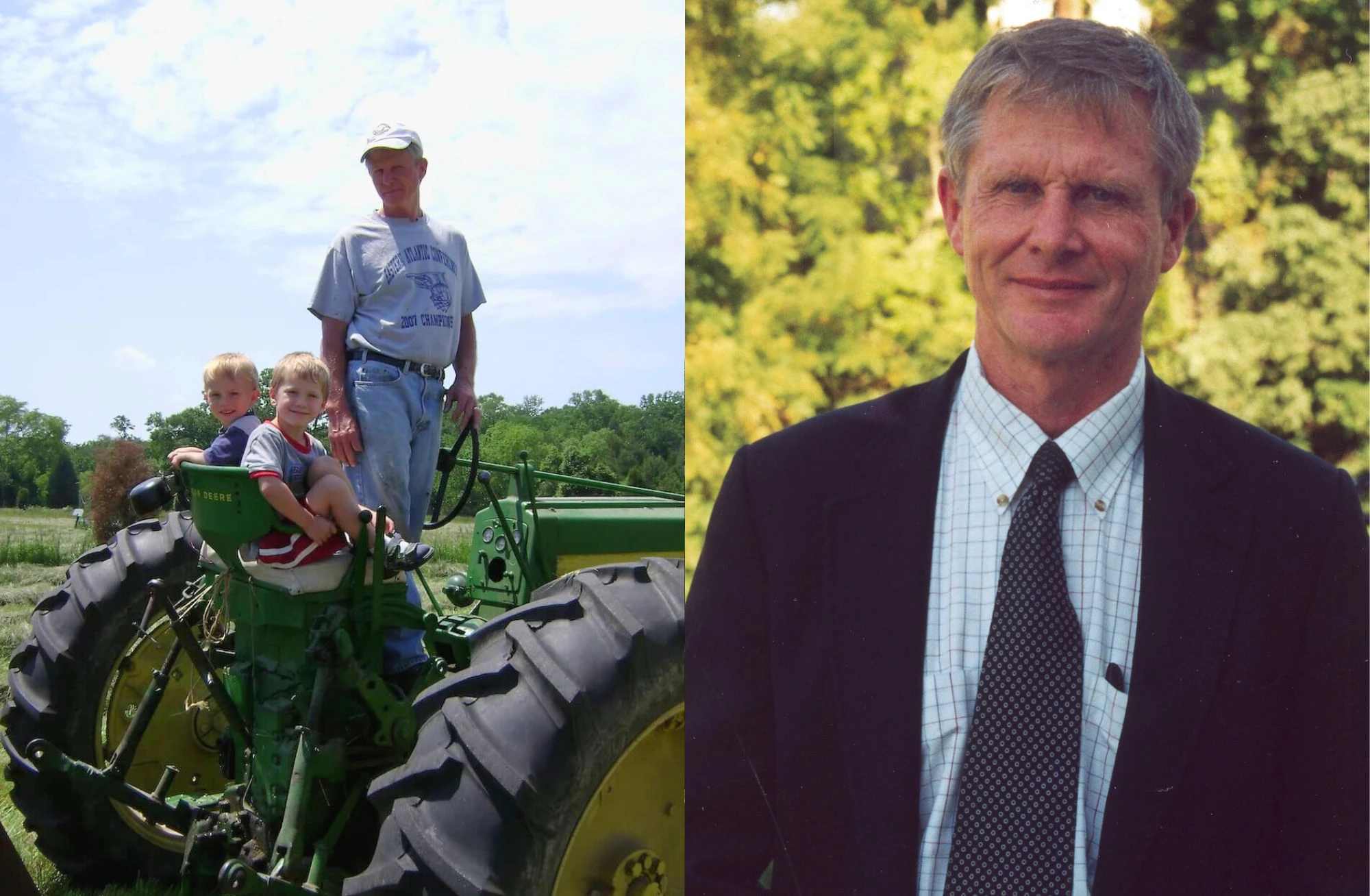
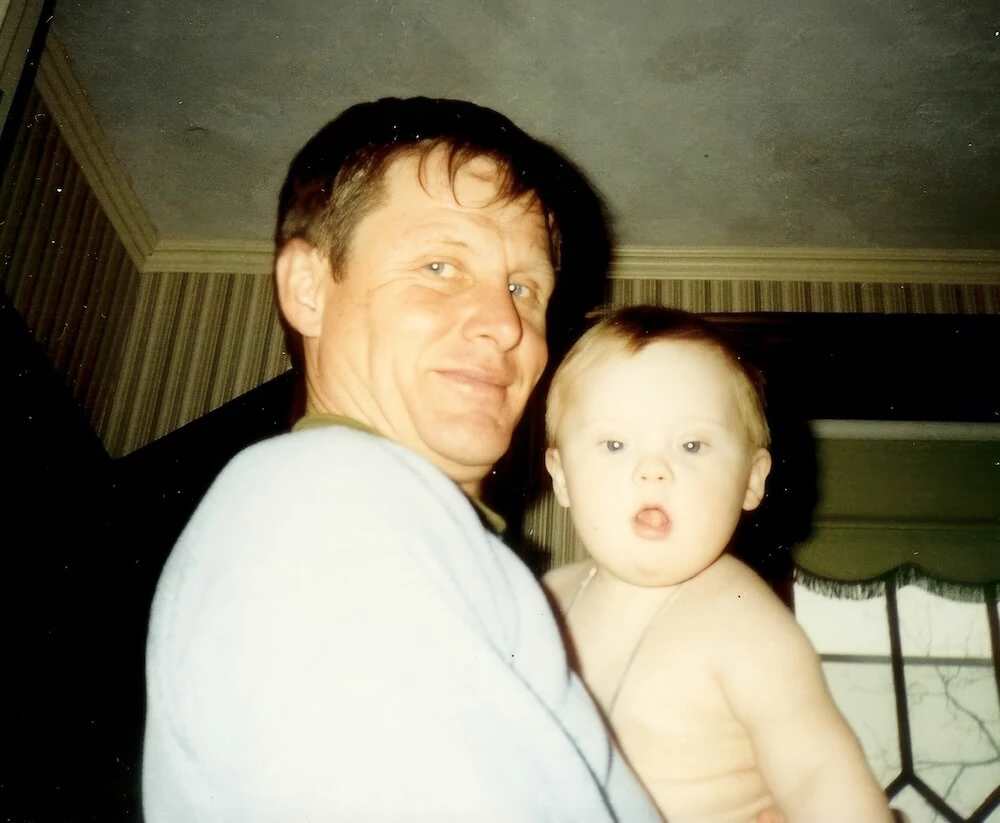
The sainthood cause for Tom Vander Woude, a Catholic father of seven who died saving his youngest son, moves to the information gathering stage.
![Catholic professor calls families to reclaim the home in a technological age #Catholic John Cuddeback, a professor of philosophy at Christendom College, says families today don’t often know how to achieve what they desire in their homes and family life. As a remedy, drawing from both ancient and modern thinkers, he has released "The Intentional Household: Living as if People Matter,” a book that outlines eight pillars for reclaiming the home as a place of human flourishing. “Families today are struggling to achieve what they so badly want: to have the kind of relationships we’re made for, beginning in the home, especially between spouses and between parents and children,” Cuddeback said. “They know they want something different, something better, but they feel hamstrung. In a culture that works against them in many ways, they are frustrated because they lack clear vision and examples to pattern themselves after.”
“The Intentional Household: Living as if People Matter” by Christendom College professor John Cuddeback. | Credit: Ken Oliver-Méndez/EWTN News
Cuddeback, who teaches a course on family and household and is also the author of “True Friendship,” spoke to EWTN News about how he hopes his book conveys that “[a]nyone can choose to be intentional about their household and make real progress with dramatic fruits in the lives of those we love most.” EWTN News: What do you see as the biggest challenge to building and maintaining an intentional home?Cuddebach: It all begins with priorities. As a society we have turned away from the intense focus that our household requires — and this is evident in how we struggle in marriage, raising children, and relating to the elderly. Even many traditionally-minded folks struggle to realize and enact the demanding, even while ordinary, aspects of God’s plan for our homes.Aristotle says that a society tends to produce the kind of people it honors. We do not honor those who prioritize home life — either women or men. This means that many of the structures, practices, and assumptions of our age are at odds with the real good of home life. This is especially evident in our obsession with the latest technologies.This book is a call to all of us to do something radically different and profoundly better — while always recognizing we must be people of our time and place. It calls us to discover that looking first to what our children and our elderly really need is the high road to deeper fulfillment for all of us.How has Pope Leo XIV’s encyclical Magnifica Humanitas influenced your thought on how technology should be incorporated in the home?Pope Leo makes clear that we have come to a crisis point. The time is now to be honest, serious, and persistent in examining our use of technology in view of real human flourishing. This must start in the home. No one else is going to do this for us.But as the pope makes clear, right practice must flow from an understanding of who we are and what we’re made for. “The Intentional Household” offers the rich and positive view of daily life in the home that grounds such an examination. It gives the “yes” that strengthens the “nos” we need to say. It gives direction for rising to the challenges of our age, including how to channel technology to true human flourishing.Approaching homelife intentionally — especially attending to the ordinary in good work and true leisure as essential to our relationships — we can take real steps to become those biblical good stewards so honored by the Lord.How does this apply to those across all walks of life, including single people, married couples without children, those who are divorced or separated?The principles of a vibrant home life are both perennial and flexible. Wherever we find ourselves we can discover how the plan that God wrote into human nature is much better than we have realized.Brokenness and suffering today are widespread. God’s plan encompasses these realities. By the grace of God, anyone who is humble and willing to take an intentional approach can affect real, and indeed dramatic change by applying the book’s eight principles. We can all take real steps to make our homes a place of vibrant life, with deep belonging, connection, and presence.One of the thinkers you cite in your book is Wendell Berry. In light of his recent passing can you speak to his influence on your life and thinking?Wendell Berry saw clearly how the loss of activities of work and leisure in the home has led to our experience of disconnection and isolation. Home should be a place of deep connection: between us and loved ones and neighbors, between soul and body, between us and the earth.One of Berry’s pivotal insights is the key role of a certain kind of work in the home. Berry has pointed out that the work of traditional home arts is much more important than we have realized. He argues that as the breakdown of home life came especially through the loss of good work, the renewal will likewise come through a rediscovery of work that connects us to one another as it connects us to our bodies and to the earth, and ultimately to God.Wendell Berry was a prophet of the extraordinary beauty and importance of the ordinary. Making our home an intentional household means rediscovering the power of ordinary things, such as mealtimes with the whole household, shared work in the kitchen and other home arts, and “porch time” and other such leisure times. Attention to these things can transform our marriage, parenting, and other key relationships.](https://unitedyam.com/wp-content/uploads/2026/09/catholic-professor-calls-families-to-reclaim-the-home-in-a-technological-age-catholic-john-cuddeback-a-professor-of-philosophy-at-christendom-college-says-families-today-dont-often-know-ho.jpg "Catholic professor calls families to reclaim the home in a technological age #Catholic John Cuddeback, a professor of philosophy at Christendom College, says families today don’t often know how to achieve what they desire in their homes and family life. As a remedy, drawing from both ancient and modern thinkers, he has released \"The Intentional Household: Living as if People Matter,” a book that outlines eight pillars for reclaiming the home as a place of human flourishing. “Families today are struggling to achieve what they so badly want: to have the kind of relationships we’re made for, beginning in the home, especially between spouses and between parents and children,” Cuddeback said. “They know they want something different, something better, but they feel hamstrung. In a culture that works against them in many ways, they are frustrated because they lack clear vision and examples to pattern themselves after.”
“The Intentional Household: Living as if People Matter” by Christendom College professor John Cuddeback. | Credit: Ken Oliver-Méndez/EWTN News
Cuddeback, who teaches a course on family and household and is also the author of “True Friendship,” spoke to EWTN News about how he hopes his book conveys that “[a]nyone can choose to be intentional about their household and make real progress with dramatic fruits in the lives of those we love most.” EWTN News: What do you see as the biggest challenge to building and maintaining an intentional home?Cuddebach: It all begins with priorities. As a society we have turned away from the intense focus that our household requires — and this is evident in how we struggle in marriage, raising children, and relating to the elderly. Even many traditionally-minded folks struggle to realize and enact the demanding, even while ordinary, aspects of God’s plan for our homes.Aristotle says that a society tends to produce the kind of people it honors. We do not honor those who prioritize home life — either women or men. This means that many of the structures, practices, and assumptions of our age are at odds with the real good of home life. This is especially evident in our obsession with the latest technologies.This book is a call to all of us to do something radically different and profoundly better — while always recognizing we must be people of our time and place. It calls us to discover that looking first to what our children and our elderly really need is the high road to deeper fulfillment for all of us.How has Pope Leo XIV’s encyclical Magnifica Humanitas influenced your thought on how technology should be incorporated in the home?Pope Leo makes clear that we have come to a crisis point. The time is now to be honest, serious, and persistent in examining our use of technology in view of real human flourishing. This must start in the home. No one else is going to do this for us.But as the pope makes clear, right practice must flow from an understanding of who we are and what we’re made for. “The Intentional Household” offers the rich and positive view of daily life in the home that grounds such an examination. It gives the “yes” that strengthens the “nos” we need to say. It gives direction for rising to the challenges of our age, including how to channel technology to true human flourishing.Approaching homelife intentionally — especially attending to the ordinary in good work and true leisure as essential to our relationships — we can take real steps to become those biblical good stewards so honored by the Lord.How does this apply to those across all walks of life, including single people, married couples without children, those who are divorced or separated?The principles of a vibrant home life are both perennial and flexible. Wherever we find ourselves we can discover how the plan that God wrote into human nature is much better than we have realized.Brokenness and suffering today are widespread. God’s plan encompasses these realities. By the grace of God, anyone who is humble and willing to take an intentional approach can affect real, and indeed dramatic change by applying the book’s eight principles. We can all take real steps to make our homes a place of vibrant life, with deep belonging, connection, and presence.One of the thinkers you cite in your book is Wendell Berry. In light of his recent passing can you speak to his influence on your life and thinking?Wendell Berry saw clearly how the loss of activities of work and leisure in the home has led to our experience of disconnection and isolation. Home should be a place of deep connection: between us and loved ones and neighbors, between soul and body, between us and the earth.One of Berry’s pivotal insights is the key role of a certain kind of work in the home. Berry has pointed out that the work of traditional home arts is much more important than we have realized. He argues that as the breakdown of home life came especially through the loss of good work, the renewal will likewise come through a rediscovery of work that connects us to one another as it connects us to our bodies and to the earth, and ultimately to God.Wendell Berry was a prophet of the extraordinary beauty and importance of the ordinary. Making our home an intentional household means rediscovering the power of ordinary things, such as mealtimes with the whole household, shared work in the kitchen and other home arts, and “porch time” and other such leisure times. Attention to these things can transform our marriage, parenting, and other key relationships.")
Christendom College professor John Cuddeback spoke to EWTN News about his new book “The Intentional Household: Living as if People Matter,” and treating our homes as places of human flourishing.
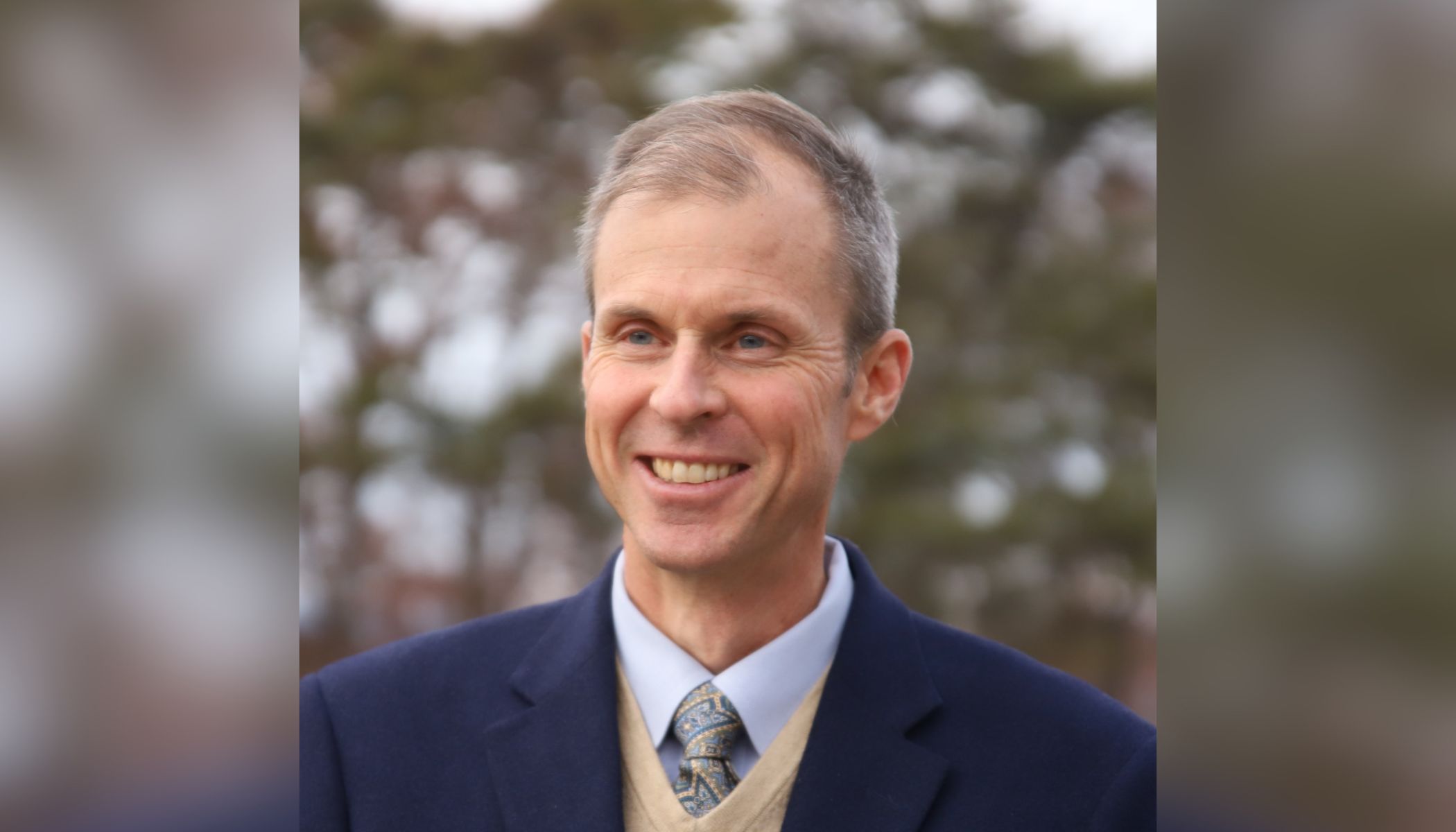
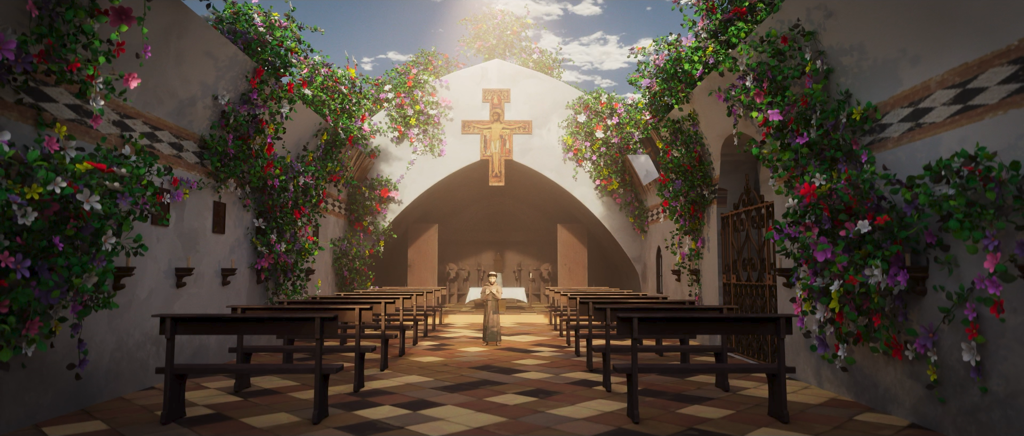
Director Benjamin Tanaka, executive producer Gabriel Patrick, and composer Ethan Hsu call the project “The Francis Chronicles.”
![Apostolic nuncio calls for ‘moral voice’ in AI development #Catholic Archbishop Gabriele Giordano Caccia, apostolic nuncio to the United States, discussed the need for a “moral voice” in artificial intelligence (AI) development during a panel discussion hosted by Georgetown University on Sept. 9.The panel, titled “AI, Catholic Social Teaching, and Pope Leoʼs Invitation to Dialogue with the World,” examined Pope Leo XIV’s encyclical Magnifica Humanitas and its call for a shared human effort to develop technology that serves the common good rather than harms it.Speakers noted that the Holy Father’s encyclical stopped short of prescribing specific policy ideas for addressing the moral and ethical concerns, but the nuncio said “there is the perception that we need a moral voice” on the subject.“A moral voice is what?” he said. “Not everything which is possible to be done should be done. Not everything that technology offers should be taken. This is a moral choice.”Caccia stressed that decisions affecting human lives should not be handed over to AI, citing distinctions between AI algorithms and the human conscience, as the Holy Father discussed in Magnifica Humanitas.Leo drew a distinction between artificial intelligence and human intelligence in the encyclical, focusing on how each approaches moral questions. The pope wrote that he rejected ideas of “artificial moral agents” and the notion that a machine can “distinguish between right and wrong with greater consistency than a human being.”“Moral judgment cannot be reduced to calculation, for it involves conscience, personal responsibility and the recognition of the other as a person,” Leo wrote. “Therefore, it is not permissible to entrust lethal or otherwise irreversible decisions to artificial systems.”Caccia said during the panel discussion that, as a society, “we have to keep the value of the human relationship.”“The problem is that [if] life and death is decided by a machine, not by the human being, who is accountable?” he said. “So these are very important, important questions. But I am confident, as I said, that together we can face this situation and find a way.”The nuncio said he has similar concerns about the use of AI in other types of decision-making that impacts humans.“I hear very troubling accounts of algorithms that can block access to healthcare, employment, and security on the basis of data tainted by prejudice and injustice,” he said. “And Iʼve heard the silence of those who have no voice. When decisions are made, decisions [are] likely to generate new forms of exclusion and suffering.”Quoting the encyclical, Caccia affirmed the pope’s call that AI “needs to be disarmed.”
Archbishop Gabriele Caccia, the Holy See’s permanent observer to the United Nations in New York, speaks on Aug. 29, 2025, the International Day Against Nuclear Tests. | Credit: Holy See Mission to the United Nations
“The word is strong, I know, but deliberately chosen because this moment needs words capable of attracting attention, awakening consciences, and indicating paths forward for humanity,” he said. “This is more or less a framework in which we can go on with the conversation.”Speaking to EWTN News after the panel, Caccia said the pope’s call to address moral concerns of AI is not just a call to Church leadership but to every Catholic.“There is, of course, the voice of the bishops,” he said. “But there is also the voice of Catholic people who are in the business or are engineers who are in the economy, who are in the field. So itʼs not just for those who have pastoral responsibility, but for the bigger community.”Pope’s impact on AI discussionSeveral panelists discussed the importance of Magnifica Humanitas in providing a type of moral guidance on AI development that focuses on the common good of humanity.Jasmine Sun, a journalist who writes about AI and Silicon Valley, said she “was actually surprised by how much folks I knew in Silicon Valley, in the AI industry did pay attention to Magnifica Humanitas.”“It was a lot more engagement, I think, than I expected,” she said. “And once again, I think itʼs because there is this sense that the profit motive that has driven Silicon Valley, that continues to drive Silicon Valley, is not enough.”Molly Kinder, CEO of the Breakwater Initiative, said the Church provides “wisdom and moral leadership” and believes its broad focus on humanity is why people listened.“Iʼm struck that in the opening pages of the Bible, there is a discussion of Adam and Eve being put on Earth to till the land as our fundamental reason for existing,” she said. “And it feels to me sometimes when Iʼm in Silicon Valley … they almost talk about almost a new Garden of Eden that AI is going to bring about, that maybe our purpose is not to work, or maybe itʼs leisure or a check and a hobby.”Caccia too said he was “positively surprised” by the reaction to the encyclical, saying “it seems that there was a need to do something about this.”“It didnʼt pretend to have the answers,” he said, “but he put questions, common questions that we have to tackle together to decide where we want to go.”](https://unitedyam.com/wp-content/uploads/2026/09/apostolic-nuncio-calls-for-moral-voice-in-ai-development-catholic-archbishop-gabriele-giordano-caccia-apostolic-nuncio-to-the-united-states-discussed-the-need-for-a-moral.jpg "Apostolic nuncio calls for ‘moral voice’ in AI development #Catholic Archbishop Gabriele Giordano Caccia, apostolic nuncio to the United States, discussed the need for a “moral voice” in artificial intelligence (AI) development during a panel discussion hosted by Georgetown University on Sept. 9.The panel, titled “AI, Catholic Social Teaching, and Pope Leoʼs Invitation to Dialogue with the World,” examined Pope Leo XIV’s encyclical Magnifica Humanitas and its call for a shared human effort to develop technology that serves the common good rather than harms it.Speakers noted that the Holy Father’s encyclical stopped short of prescribing specific policy ideas for addressing the moral and ethical concerns, but the nuncio said “there is the perception that we need a moral voice” on the subject.“A moral voice is what?” he said. “Not everything which is possible to be done should be done. Not everything that technology offers should be taken. This is a moral choice.”Caccia stressed that decisions affecting human lives should not be handed over to AI, citing distinctions between AI algorithms and the human conscience, as the Holy Father discussed in Magnifica Humanitas.Leo drew a distinction between artificial intelligence and human intelligence in the encyclical, focusing on how each approaches moral questions. The pope wrote that he rejected ideas of “artificial moral agents” and the notion that a machine can “distinguish between right and wrong with greater consistency than a human being.”“Moral judgment cannot be reduced to calculation, for it involves conscience, personal responsibility and the recognition of the other as a person,” Leo wrote. “Therefore, it is not permissible to entrust lethal or otherwise irreversible decisions to artificial systems.”Caccia said during the panel discussion that, as a society, “we have to keep the value of the human relationship.”“The problem is that [if] life and death is decided by a machine, not by the human being, who is accountable?” he said. “So these are very important, important questions. But I am confident, as I said, that together we can face this situation and find a way.”The nuncio said he has similar concerns about the use of AI in other types of decision-making that impacts humans.“I hear very troubling accounts of algorithms that can block access to healthcare, employment, and security on the basis of data tainted by prejudice and injustice,” he said. “And Iʼve heard the silence of those who have no voice. When decisions are made, decisions [are] likely to generate new forms of exclusion and suffering.”Quoting the encyclical, Caccia affirmed the pope’s call that AI “needs to be disarmed.”
Archbishop Gabriele Caccia, the Holy See’s permanent observer to the United Nations in New York, speaks on Aug. 29, 2025, the International Day Against Nuclear Tests. | Credit: Holy See Mission to the United Nations
“The word is strong, I know, but deliberately chosen because this moment needs words capable of attracting attention, awakening consciences, and indicating paths forward for humanity,” he said. “This is more or less a framework in which we can go on with the conversation.”Speaking to EWTN News after the panel, Caccia said the pope’s call to address moral concerns of AI is not just a call to Church leadership but to every Catholic.“There is, of course, the voice of the bishops,” he said. “But there is also the voice of Catholic people who are in the business or are engineers who are in the economy, who are in the field. So itʼs not just for those who have pastoral responsibility, but for the bigger community.”Pope’s impact on AI discussionSeveral panelists discussed the importance of Magnifica Humanitas in providing a type of moral guidance on AI development that focuses on the common good of humanity.Jasmine Sun, a journalist who writes about AI and Silicon Valley, said she “was actually surprised by how much folks I knew in Silicon Valley, in the AI industry did pay attention to Magnifica Humanitas.”“It was a lot more engagement, I think, than I expected,” she said. “And once again, I think itʼs because there is this sense that the profit motive that has driven Silicon Valley, that continues to drive Silicon Valley, is not enough.”Molly Kinder, CEO of the Breakwater Initiative, said the Church provides “wisdom and moral leadership” and believes its broad focus on humanity is why people listened.“Iʼm struck that in the opening pages of the Bible, there is a discussion of Adam and Eve being put on Earth to till the land as our fundamental reason for existing,” she said. “And it feels to me sometimes when Iʼm in Silicon Valley … they almost talk about almost a new Garden of Eden that AI is going to bring about, that maybe our purpose is not to work, or maybe itʼs leisure or a check and a hobby.”Caccia too said he was “positively surprised” by the reaction to the encyclical, saying “it seems that there was a need to do something about this.”“It didnʼt pretend to have the answers,” he said, “but he put questions, common questions that we have to tackle together to decide where we want to go.”")
Speakers at a Georgetown University event said Magnifica Humanitas offers moral guidance without policy steps, and the nuncio noted rising concern that debates over AI need a moral voice.

![Faith on the Hill: Catholic members of Congress share how faith shapes their lives and work #Catholic For many of the 150 Catholics serving in the 119th Congress, faith plays an important role in their lives and work.The current number of Catholic lawmakers on Capitol Hill is slightly higher than the previous Congress, with Catholics accounting for more than 28% of the members of the United States House of Representatives and Senate. Of the Catholic members, 126 serve in the House and 24 in the Senate, according to a report from the Pew Research Center.In this special report, EWTN News Capitol Hill correspondent Erik Rosales spoke with various Catholic members of Congress about their faith and how they live it in their work.Sen. Eric SchmittSen. Eric Schmitt, R-Missouri, grew up a cradle Catholic and said his parents instilled in him the importance of having a personal relationship with Christ at a young age.“I grew up in St. Louis, which is a very Catholic town and has been referred to as the Rome of the West because per capita, very Catholic,” Schmitt told Rosales.A “conversation back home, it might very easily start … ‘What parish are you at? or ‘What parish did you grow up in?’” Schmitt said.At 17, Schmitt went to a Jesuit retreat house that had a profound impact on him. Later, when his son was born with a rare genetic condition, Schmitt would often return to the Jesuits for prayer.It “was a seed that was planted … when I was confronted with this really kind of difficult situation. I went back there, and it was a profound experience,” he said. “I go back every year. Itʼs a … weekend silent retreat. And that keeps me very rooted.”When working busy days on the Hill, Schmitt said he looks to prayer.“Iʼll listen to a podcast by Bishop [Robert] Barron or Father Michael Schmitz,” he said. “I think technology now too has allowed a different avenue for people to … maintain their faith and grow their faith.”Even “if itʼs five or 10 minutes, it really does help me kind of start the day right,” Schmitt said.Rep. John RutherfordRep. John Rutherford, R-Florida, also spoke about leaning on his faith when working in a hectic position, often by attending Mass and saying the rosary.“In Ephesians 2:10, it says, ‘for we are all Godʼs workmanship, created in the image of Christ Jesus to do good work,’ which he prepared … in advance for us to do,’” Rutherford said. “So heʼs got work out there that heʼs prepared for me to do,” he continued.While Rutherford’s Catholic faith is incorporated into his day-to-day life, he shared that was not always the case. He grew up in the United Methodist Church, but at about 14 years old, “fell away from the church,” he said.After becoming a police officer in Jacksonville, Florida, Rutherford’s perspective on faith changed. Witnessing crimes made him question his own mortality.“So I went back to the Bible, and I read the Bible literally cover to cover, not once but twice,” he said.Rutherford returned to the Methodist Church, while his wife and kids attended Catholic Mass. After reading about the Methodist Churchʼs seven principles, he realized he didnʼt agree with them.“It was a long process, but I finally read a book by Pope John Paul II, ‘Crossing the Threshold of Hope,’ and that explained where the authority of the Church is,” Rutherford said. “And how itʼs passed down through the papacy.”After his research, and inspired by the true Church and presence of Jesus in the Eucharist, Rutherford entered the Catholic Church.Rep. Mark MessmerRep. Mark Messmer, R-Indiana, said he has spent his life putting God, family, and community first.It was during his time as a state legislator that a colleague invited Messmer and his wife to attend a Cursillo, a retreat focused on showing Christian laity how to become effective leaders and how to use the Gospel in daily life.“It ignited a passion and a love for Christ, and a love for the Eucharist that I always said I wanted. And then it gives you the tools [for] your prayer life, study life, and evangelization, how to live that out on a daily basis,” he said.Messmer said he stays grounded with daily Mass and his Friday morning prayer group. He and his family also all join together for a weekly group call to catch up and join for “spiritual reinforcement.”Rep. Stephanie BiceRep. Stephanie Bice, R-Oklahoma, converted to Catholicism in college after she started going to Mass with her now husband.Bice served six years in the Oklahoma Senate and later ran for U.S. Congress. She joined a number of women who have been elected over the past two cycles.“Not every woman believes that … you should be able to terminate pregnancies up to birth,” Bice said. “So you had a groundswell of women consider running for congressional seats and Senate seats,” she said.While serving on Capitol Hill, Bice said she turns to prayer and the comfort of the Blessed Mother.“I stumbled across a group of staffers that actually pray the rosary on fly-in days in the morning,” she explained. “I said, ‘Hey, can a member come?’ And they were delighted that I would even ask.”One highlight of her congressional career was meeting Pope Francis at the Vatican. The invitation came from Rep. James Langevin, a fellow Catholic and Democrat from Rhode Island.Pope Francis “looked at my husband and I after blessing us both, and he said: ‘Will you pray for me?’ And that was pretty profound,” Bice said.Rep. Robert Onder“Really, my Catholic faith has motivated me my whole life, my whole career, and really motivated in many ways the direction my life has taken,” Rep. Robert Onder, R-Missouri, said.Onder said his faith was present in his work trying to pass a religious liberty bill in the Missouri Senate and through his fight to protect the conscience rights of physicians who are forced to perform abortions.As a medical doctor, Onder detailed the present problem in some states and hospitals, which “want to force physicians to participate in abortions, participate in vitro fertilization or artificial contraception, and, of course, more recently, participate in euthanasia.”Onder said his political service has been motivated by love of God, family, and country. He said he stays rooted in faith by attending daily Mass. He said he also enjoys talking with other lawmakers about their love for Christ.“Speaker [Mike] Johnson is absolutely a brother in the Christian faith and a very, very strong believer,” Onder said. “It does give me a lot hope and a lot of encouragement to serve with other people who really take their faith seriously.”Rep. Riley MooreRep. Riley Moore, R-West Virginia, said his Catholic faith is “is the most important thing” in his life.“It forms me — every decision I make, everything that I do here on the Hill, it is central to my life. Iʼm always praying to be able to deepen my faith, be a strong family man, and then also my service.”“So itʼs my faith, my family, my service to my state, my country. But faith comes first.”“Canʼt always be easy to discern Godʼs will, particularly in a place that is more about individual will and not Godʼs will,” Moore said. “Iʼm trying to re-center myself towards that. Thatʼs that gravitational pull for me that Iʼm always trying to get back to.”Moore started as a Hill staffer on the House Foreign Affairs Committee, working under the late Rep. Henry Hyde, R-Illinois. One of his priorities is drawing attention to the persecution of Christians around the world, especially in Nigeria.While in Nigeria, “I met a woman who had had all five of her children murdered, murdered by Islamic terrorists,” Moore said. “I met another woman who had her two daughters and husband killed right in front of her, and then they killed her unborn child.”“As we know and weʼve heard many times, and itʼs so true that there is salvation through suffering. I think that … their suffering offers us salvation as well by doing something here,” he said.House Majority Whip Tom EmmerMajority Whip of the U.S. House of Representatives Tom Emmer discussed how his faith was largely inspired by his family, including his father, who attended daily Mass.“The example that they set is, I believe, why I am who I am,” said Emmer, R-Minnesota.Emmer also detailed the trials of his faith, including the loss of his sister Bridget, who died of breast cancer at 38 years old.Emmer said he was angry at the Lord and had doubts about Godʼs will because of his sisterʼs suffering. A conversation with Bridget during her chemotherapy treatment was a pivotal moment for him and his faith.“She looked at me and she said, ‘Tom, would I love to live forever? Absolutely. But Iʼm not going to,’” he explained. His sister added: “I have lived a good life. If God comes and calls me today, so be it.”Emmer said her words brought him away from his own anger with the Lord. Now his message to others is to put God first while living each moment to the fullest.](https://unitedyam.com/wp-content/uploads/2026/09/faith-on-the-hill-catholic-members-of-congress-share-how-faith-shapes-their-lives-and-work-catholic-for-many-of-the-150-catholics-serving-in-the-119th-congress-faith-plays-an-important-role-in-thei-scaled.jpg "Faith on the Hill: Catholic members of Congress share how faith shapes their lives and work #Catholic For many of the 150 Catholics serving in the 119th Congress, faith plays an important role in their lives and work.The current number of Catholic lawmakers on Capitol Hill is slightly higher than the previous Congress, with Catholics accounting for more than 28% of the members of the United States House of Representatives and Senate. Of the Catholic members, 126 serve in the House and 24 in the Senate, according to a report from the Pew Research Center.In this special report, EWTN News Capitol Hill correspondent Erik Rosales spoke with various Catholic members of Congress about their faith and how they live it in their work.Sen. Eric SchmittSen. Eric Schmitt, R-Missouri, grew up a cradle Catholic and said his parents instilled in him the importance of having a personal relationship with Christ at a young age.“I grew up in St. Louis, which is a very Catholic town and has been referred to as the Rome of the West because per capita, very Catholic,” Schmitt told Rosales.A “conversation back home, it might very easily start … ‘What parish are you at? or ‘What parish did you grow up in?’” Schmitt said.At 17, Schmitt went to a Jesuit retreat house that had a profound impact on him. Later, when his son was born with a rare genetic condition, Schmitt would often return to the Jesuits for prayer.It “was a seed that was planted … when I was confronted with this really kind of difficult situation. I went back there, and it was a profound experience,” he said. “I go back every year. Itʼs a … weekend silent retreat. And that keeps me very rooted.”When working busy days on the Hill, Schmitt said he looks to prayer.“Iʼll listen to a podcast by Bishop [Robert] Barron or Father Michael Schmitz,” he said. “I think technology now too has allowed a different avenue for people to … maintain their faith and grow their faith.”Even “if itʼs five or 10 minutes, it really does help me kind of start the day right,” Schmitt said.Rep. John RutherfordRep. John Rutherford, R-Florida, also spoke about leaning on his faith when working in a hectic position, often by attending Mass and saying the rosary.“In Ephesians 2:10, it says, ‘for we are all Godʼs workmanship, created in the image of Christ Jesus to do good work,’ which he prepared … in advance for us to do,’” Rutherford said. “So heʼs got work out there that heʼs prepared for me to do,” he continued.While Rutherford’s Catholic faith is incorporated into his day-to-day life, he shared that was not always the case. He grew up in the United Methodist Church, but at about 14 years old, “fell away from the church,” he said.After becoming a police officer in Jacksonville, Florida, Rutherford’s perspective on faith changed. Witnessing crimes made him question his own mortality.“So I went back to the Bible, and I read the Bible literally cover to cover, not once but twice,” he said.Rutherford returned to the Methodist Church, while his wife and kids attended Catholic Mass. After reading about the Methodist Churchʼs seven principles, he realized he didnʼt agree with them.“It was a long process, but I finally read a book by Pope John Paul II, ‘Crossing the Threshold of Hope,’ and that explained where the authority of the Church is,” Rutherford said. “And how itʼs passed down through the papacy.”After his research, and inspired by the true Church and presence of Jesus in the Eucharist, Rutherford entered the Catholic Church.Rep. Mark MessmerRep. Mark Messmer, R-Indiana, said he has spent his life putting God, family, and community first.It was during his time as a state legislator that a colleague invited Messmer and his wife to attend a Cursillo, a retreat focused on showing Christian laity how to become effective leaders and how to use the Gospel in daily life.“It ignited a passion and a love for Christ, and a love for the Eucharist that I always said I wanted. And then it gives you the tools [for] your prayer life, study life, and evangelization, how to live that out on a daily basis,” he said.Messmer said he stays grounded with daily Mass and his Friday morning prayer group. He and his family also all join together for a weekly group call to catch up and join for “spiritual reinforcement.”Rep. Stephanie BiceRep. Stephanie Bice, R-Oklahoma, converted to Catholicism in college after she started going to Mass with her now husband.Bice served six years in the Oklahoma Senate and later ran for U.S. Congress. She joined a number of women who have been elected over the past two cycles.“Not every woman believes that … you should be able to terminate pregnancies up to birth,” Bice said. “So you had a groundswell of women consider running for congressional seats and Senate seats,” she said.While serving on Capitol Hill, Bice said she turns to prayer and the comfort of the Blessed Mother.“I stumbled across a group of staffers that actually pray the rosary on fly-in days in the morning,” she explained. “I said, ‘Hey, can a member come?’ And they were delighted that I would even ask.”One highlight of her congressional career was meeting Pope Francis at the Vatican. The invitation came from Rep. James Langevin, a fellow Catholic and Democrat from Rhode Island.Pope Francis “looked at my husband and I after blessing us both, and he said: ‘Will you pray for me?’ And that was pretty profound,” Bice said.Rep. Robert Onder“Really, my Catholic faith has motivated me my whole life, my whole career, and really motivated in many ways the direction my life has taken,” Rep. Robert Onder, R-Missouri, said.Onder said his faith was present in his work trying to pass a religious liberty bill in the Missouri Senate and through his fight to protect the conscience rights of physicians who are forced to perform abortions.As a medical doctor, Onder detailed the present problem in some states and hospitals, which “want to force physicians to participate in abortions, participate in vitro fertilization or artificial contraception, and, of course, more recently, participate in euthanasia.”Onder said his political service has been motivated by love of God, family, and country. He said he stays rooted in faith by attending daily Mass. He said he also enjoys talking with other lawmakers about their love for Christ.“Speaker [Mike] Johnson is absolutely a brother in the Christian faith and a very, very strong believer,” Onder said. “It does give me a lot hope and a lot of encouragement to serve with other people who really take their faith seriously.”Rep. Riley MooreRep. Riley Moore, R-West Virginia, said his Catholic faith is “is the most important thing” in his life.“It forms me — every decision I make, everything that I do here on the Hill, it is central to my life. Iʼm always praying to be able to deepen my faith, be a strong family man, and then also my service.”“So itʼs my faith, my family, my service to my state, my country. But faith comes first.”“Canʼt always be easy to discern Godʼs will, particularly in a place that is more about individual will and not Godʼs will,” Moore said. “Iʼm trying to re-center myself towards that. Thatʼs that gravitational pull for me that Iʼm always trying to get back to.”Moore started as a Hill staffer on the House Foreign Affairs Committee, working under the late Rep. Henry Hyde, R-Illinois. One of his priorities is drawing attention to the persecution of Christians around the world, especially in Nigeria.While in Nigeria, “I met a woman who had had all five of her children murdered, murdered by Islamic terrorists,” Moore said. “I met another woman who had her two daughters and husband killed right in front of her, and then they killed her unborn child.”“As we know and weʼve heard many times, and itʼs so true that there is salvation through suffering. I think that … their suffering offers us salvation as well by doing something here,” he said.House Majority Whip Tom EmmerMajority Whip of the U.S. House of Representatives Tom Emmer discussed how his faith was largely inspired by his family, including his father, who attended daily Mass.“The example that they set is, I believe, why I am who I am,” said Emmer, R-Minnesota.Emmer also detailed the trials of his faith, including the loss of his sister Bridget, who died of breast cancer at 38 years old.Emmer said he was angry at the Lord and had doubts about Godʼs will because of his sisterʼs suffering. A conversation with Bridget during her chemotherapy treatment was a pivotal moment for him and his faith.“She looked at me and she said, ‘Tom, would I love to live forever? Absolutely. But Iʼm not going to,’” he explained. His sister added: “I have lived a good life. If God comes and calls me today, so be it.”Emmer said her words brought him away from his own anger with the Lord. Now his message to others is to put God first while living each moment to the fullest.")
EWTN News Capitol Hill correspondent Erik Rosales spoke with various Catholic lawmakers about how their faith intersects with their public service.
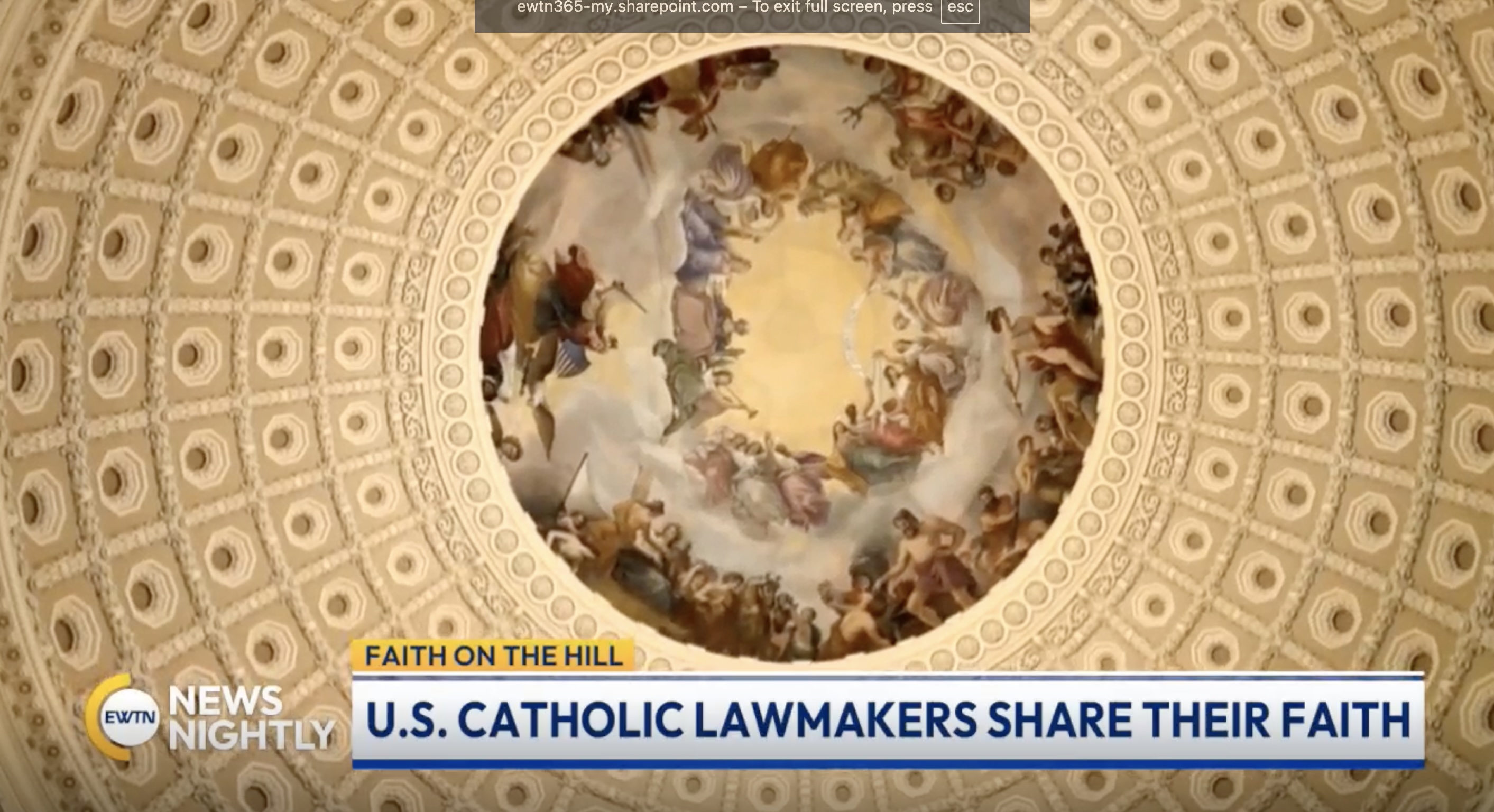
![Human rights group calls Nicaragua’s constitutional reforms a ‘usurpation of power’ #Catholic Nicaragua’s National Assembly, controlled by the dictatorship of President Daniel Ortega and his wife and co-president, Rosario Murillo, “unanimously” approved a constitutional reform barring “traitors to the homeland” (the term the regime uses for its political opposition) from participating in elections. The measure has sparked widespread domestic and international condemnation.The reform was “unanimously approved in general terms,” Assembly President Gustavo Porras stated on Sept. 1 during a special session held in the city of León, according to the Nicaraguan newspaper La Prensa.The reform amends the constitution, which extends the presidential term, as well as those of other high-ranking officials, from six to seven years, with the possibility of renewal.Ortega has governed Nicaragua for about 30 years: since 2007, and previously, from 1979 to 1990. On July 19, he stated that there would be no further elections in Nicaragua, and on July 31, he proposed the reform — set to take effect in 2027 — that excludes “coup plotters” and “terrorists,”, terms he uses to refer to the political opposition, from participating in elections.Reforms are a ‘formalization of the usurpation of power’Ruta del Cambio (Pathway for Change), an organization which defends human rights and the rule of law, declared in a Sept. 2 statement that it “categorically rejects and and gives no legal recognition to the partial reform to the Political Constitution [of the Republic of Nicaragua] approved during the first legislative session on Sept. 1, 2026, by a National Assembly stripped of all independence and reduced to a mere rubber stamp for the will of Daniel Ortega and Rosario Murillo.”Ruta del Cambio counts among its leaders Félix Maradiaga, a former presidential candidate and former political prisoner now living in exile.“What has been approved is not a constitutional reform. It is the formalization of the usurpation of power through a text drafted in secret, approved without opposition, and voted for with unanimous obedience by those who owe their positions, privileges, and impunity to the couple that has hijacked the state,” Ruta del Cambio charged.“Daniel Ortega and Rosario Murillo have turned the constitution into a family’s title deed. They have transformed the state into personal property, the law into an instrument of vengeance, and the republic’s [law enforcement apparatus] into tools of terror against the very people they swore to serve,” the organization emphasized.Ruta del Cambio called for “rejecting the legal validity of this reform and of any act, mandate, extension, or appointment derived from it, and formally declaring it without force under international law.”Elections ‘without legitimacy’“What we are seeing in Nicaragua right now is a reform attempting to hold elections without competition, without legitimacy, and without any possibility of change. In other words, Ortega controls the judges and the playing field, and seeks to firmly establish his authoritarian model without any competition,” stated Arturo Mcfields Yescas, Nicaragua’s former ambassador to the Organization of American States (OAS), in a Sept. 3 interview with EWTN Noticias, the Spanish-language edition of EWTN News.“This further undermines not only civil and political freedoms but also another fundamental freedom: religious freedom,” he pointed out.McFields explained that when the regime speaks of “traitors to the homeland,” it is referring to those who dissent from its rule. “People who questioned Ortega’s authority immediately became traitors to the homeland,” as did those who “simply thought differently” or called for “international mediation.”“This means,” he charged, “that anyone who does not applaud Ortega becomes a traitor to the homeland.”U.S. reactionOn Wednesday, U.S. Secretary of State Marco Rubio stated on X that “the Murillo-Ortega’s National Assembly gutted what remained of Nicaragua’s democracy in the second constitutional rewrite in two years. The U.S. will implement measures at the next @OAS_official [meeting of foreign ministers] to ensure that our hemisphere stops business as usual with this dictatorship.”Regarding the United States’ call for countries to sever diplomatic and commercial ties with Nicaragua, McFields called it “an extraordinary start.” “For the first time, Ortega is facing pressure of this nature. For the first time, the OAS has approved a resolution on Nicaragua almost unanimously,” by convening a meeting of foreign ministers to address the situation, McFields said.Likewise, neighboring Costa Rica expressed its “deep concern regarding the ongoing deterioration of democracy in Nicaragua, exacerbated by the recent constitutional reform that further limits political and electoral participation,” and stated that it “will support a firm and coordinated response” with the OAS.The government of Peru, led by President Keiko Fujimori, also rejected the approval of the constitutional reform. In a Sept. 2 statement, it declared that it “will stand with the Nicaraguan people, their political prisoners, their exiles, and all those who are currently persecuted for dreaming of free elections.”Persecution of the Catholic Church in NicaraguaMcFields questioned the stance of countries like Brazil and Mexico, which did not support the resolution against Nicaragua, stating that “it’s surprising, painful, and something that ought to change. There should be empathy for the suffering of the Nicaraguan people, for persecuted politicians, for priests who have been imprisoned, exiled, or banished, and for the churches that have, at times, been burned down. It is truly grotesque, yet ideology seems to be prevailing over democracy.”Since 2018, the Ortega-Murillo dictatorship has waged a fierce campaign of persecution against the Catholic Church in Nicaragua. Its latest known victim is the bishop emeritus of Estelí, Abelardo Mata (80), who suffers from diabetes, a heart condition, and vision problems. His condition remains uncertain, despite the regime’s claim that he is at home. In mid-August, the regime released a video of an interview with the prelate, who recently celebrated his 50th anniversary as a priest, without specifying when the footage was recorded.This story was first published by ACI Prensa, the Spanish-language sister service of EWTN News. It has been translated and adapted by EWTN News English.](https://unitedyam.com/wp-content/uploads/2026/09/human-rights-group-calls-nicaraguas-constitutional-reforms-a-usurpation-of-power-catholic-nicaraguas-national-assembly-controlled-by-the-dictatorship-of-president.jpg "Human rights group calls Nicaragua’s constitutional reforms a ‘usurpation of power’ #Catholic Nicaragua’s National Assembly, controlled by the dictatorship of President Daniel Ortega and his wife and co-president, Rosario Murillo, “unanimously” approved a constitutional reform barring “traitors to the homeland” (the term the regime uses for its political opposition) from participating in elections. The measure has sparked widespread domestic and international condemnation.The reform was “unanimously approved in general terms,” Assembly President Gustavo Porras stated on Sept. 1 during a special session held in the city of León, according to the Nicaraguan newspaper La Prensa.The reform amends the constitution, which extends the presidential term, as well as those of other high-ranking officials, from six to seven years, with the possibility of renewal.Ortega has governed Nicaragua for about 30 years: since 2007, and previously, from 1979 to 1990. On July 19, he stated that there would be no further elections in Nicaragua, and on July 31, he proposed the reform — set to take effect in 2027 — that excludes “coup plotters” and “terrorists,”, terms he uses to refer to the political opposition, from participating in elections.Reforms are a ‘formalization of the usurpation of power’Ruta del Cambio (Pathway for Change), an organization which defends human rights and the rule of law, declared in a Sept. 2 statement that it “categorically rejects and and gives no legal recognition to the partial reform to the Political Constitution [of the Republic of Nicaragua] approved during the first legislative session on Sept. 1, 2026, by a National Assembly stripped of all independence and reduced to a mere rubber stamp for the will of Daniel Ortega and Rosario Murillo.”Ruta del Cambio counts among its leaders Félix Maradiaga, a former presidential candidate and former political prisoner now living in exile.“What has been approved is not a constitutional reform. It is the formalization of the usurpation of power through a text drafted in secret, approved without opposition, and voted for with unanimous obedience by those who owe their positions, privileges, and impunity to the couple that has hijacked the state,” Ruta del Cambio charged.“Daniel Ortega and Rosario Murillo have turned the constitution into a family’s title deed. They have transformed the state into personal property, the law into an instrument of vengeance, and the republic’s [law enforcement apparatus] into tools of terror against the very people they swore to serve,” the organization emphasized.Ruta del Cambio called for “rejecting the legal validity of this reform and of any act, mandate, extension, or appointment derived from it, and formally declaring it without force under international law.”Elections ‘without legitimacy’“What we are seeing in Nicaragua right now is a reform attempting to hold elections without competition, without legitimacy, and without any possibility of change. In other words, Ortega controls the judges and the playing field, and seeks to firmly establish his authoritarian model without any competition,” stated Arturo Mcfields Yescas, Nicaragua’s former ambassador to the Organization of American States (OAS), in a Sept. 3 interview with EWTN Noticias, the Spanish-language edition of EWTN News.“This further undermines not only civil and political freedoms but also another fundamental freedom: religious freedom,” he pointed out.McFields explained that when the regime speaks of “traitors to the homeland,” it is referring to those who dissent from its rule. “People who questioned Ortega’s authority immediately became traitors to the homeland,” as did those who “simply thought differently” or called for “international mediation.”“This means,” he charged, “that anyone who does not applaud Ortega becomes a traitor to the homeland.”U.S. reactionOn Wednesday, U.S. Secretary of State Marco Rubio stated on X that “the Murillo-Ortega’s National Assembly gutted what remained of Nicaragua’s democracy in the second constitutional rewrite in two years. The U.S. will implement measures at the next @OAS_official [meeting of foreign ministers] to ensure that our hemisphere stops business as usual with this dictatorship.”Regarding the United States’ call for countries to sever diplomatic and commercial ties with Nicaragua, McFields called it “an extraordinary start.” “For the first time, Ortega is facing pressure of this nature. For the first time, the OAS has approved a resolution on Nicaragua almost unanimously,” by convening a meeting of foreign ministers to address the situation, McFields said.Likewise, neighboring Costa Rica expressed its “deep concern regarding the ongoing deterioration of democracy in Nicaragua, exacerbated by the recent constitutional reform that further limits political and electoral participation,” and stated that it “will support a firm and coordinated response” with the OAS.The government of Peru, led by President Keiko Fujimori, also rejected the approval of the constitutional reform. In a Sept. 2 statement, it declared that it “will stand with the Nicaraguan people, their political prisoners, their exiles, and all those who are currently persecuted for dreaming of free elections.”Persecution of the Catholic Church in NicaraguaMcFields questioned the stance of countries like Brazil and Mexico, which did not support the resolution against Nicaragua, stating that “it’s surprising, painful, and something that ought to change. There should be empathy for the suffering of the Nicaraguan people, for persecuted politicians, for priests who have been imprisoned, exiled, or banished, and for the churches that have, at times, been burned down. It is truly grotesque, yet ideology seems to be prevailing over democracy.”Since 2018, the Ortega-Murillo dictatorship has waged a fierce campaign of persecution against the Catholic Church in Nicaragua. Its latest known victim is the bishop emeritus of Estelí, Abelardo Mata (80), who suffers from diabetes, a heart condition, and vision problems. His condition remains uncertain, despite the regime’s claim that he is at home. In mid-August, the regime released a video of an interview with the prelate, who recently celebrated his 50th anniversary as a priest, without specifying when the footage was recorded.This story was first published by ACI Prensa, the Spanish-language sister service of EWTN News. It has been translated and adapted by EWTN News English.")
The Ortega-Murilla regime has approved reforms that bar the opposition from participating in elections, drawing strong opposition from exiled leaders, the United States, Costa Rica and Peru.