lights

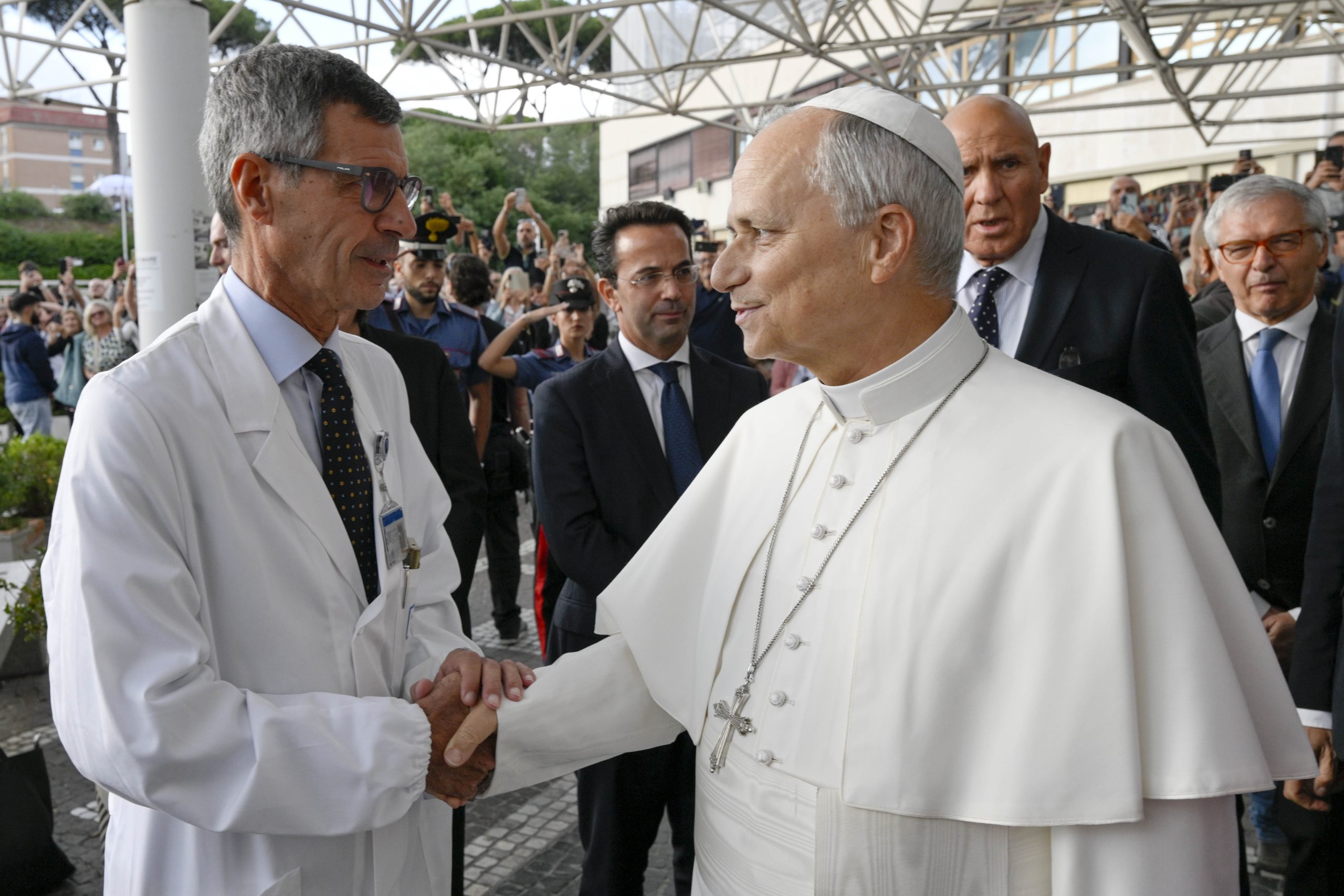
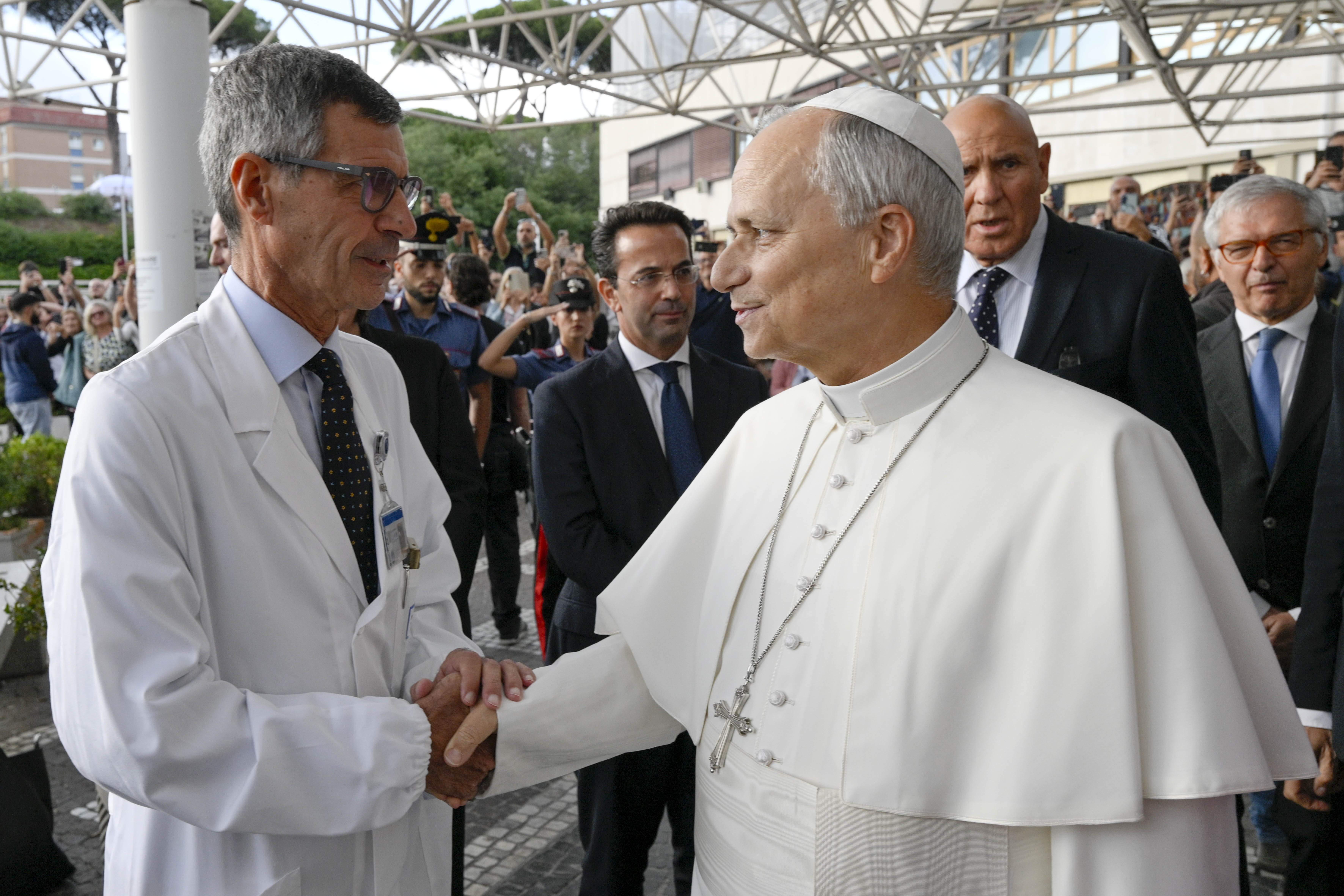
Pope’s surgeon green lights Nov. 6–17 apostolic trip to Latin America #Catholic Pope Leo XIV has received the green light from his surgeon to proceed with his planned Nov. 6–17 apostolic journey to Uruguay, Argentina, and Peru.In an interview with Vatican News following the Holy Father’s Oct. 17 discharge from the Gemelli Hospital, Dr. Stefano Margaritora, who operated on Pope Leo on Oct. 13, said he expects Leo will be fully recovered and in shape to travel within the next “10 days or so.”Calling him “an ideal patient,” Margaritora said that upon his discharge from the hospital Leo “was in entirely satisfactory clinical condition” with completely normal blood test results and heart function.“The lung’s re-expansion after surgery is proceeding according to the usual timetable,” and “overall, his condition is good,” Margaritora added.The surgeon indicated that the Holy Father’s lung adenocarcinoma was discovered during routine abdominal examinations, which underscores the importance of regular preventive checkups.“In the Holy Father’s case, he had no respiratory symptoms and felt perfectly well,” the doctor noted.The pope has “put his heart and soul” into his recovery, Margaritora said. “His determination to recover quickly has been effective in every respect” and “truly commendable,” he pointed out.Illustrating the point, the doctor noted that on the second day after the operation, the medical staff found him arranging the chairs in the chapel himself. “Holy Father, we can do that,” Margaritora recounted. But Leo replied: “It doesn’t matter. I can do it, so I will.”

Pope’s surgeon green lights Nov. 6–17 apostolic trip to Latin America #Catholic Pope Leo XIV has received the green light from his surgeon to proceed with his planned Nov. 6–17 apostolic journey to Uruguay, Argentina, and Peru.In an interview with Vatican News following the Holy Father’s Oct. 17 discharge from the Gemelli Hospital, Dr. Stefano Margaritora, who operated on Pope Leo on Oct. 13, said he expects Leo will be fully recovered and in shape to travel within the next “10 days or so.”Calling him “an ideal patient,” Margaritora said that upon his discharge from the hospital Leo “was in entirely satisfactory clinical condition” with completely normal blood test results and heart function.“The lung’s re-expansion after surgery is proceeding according to the usual timetable,” and “overall, his condition is good,” Margaritora added.The surgeon indicated that the Holy Father’s lung adenocarcinoma was discovered during routine abdominal examinations, which underscores the importance of regular preventive checkups.“In the Holy Father’s case, he had no respiratory symptoms and felt perfectly well,” the doctor noted.The pope has “put his heart and soul” into his recovery, Margaritora said. “His determination to recover quickly has been effective in every respect” and “truly commendable,” he pointed out.Illustrating the point, the doctor noted that on the second day after the operation, the medical staff found him arranging the chairs in the chapel himself. “Holy Father, we can do that,” Margaritora recounted. But Leo replied: “It doesn’t matter. I can do it, so I will.”

“No clinical reasons why it should not take place,” said Dr. Stefano Margaritora, who called Pope Leo “an ideal patient.”
Read More

This long-duration image shows star trails above Earth and the blue lights of fishing boats and the yellow lights of Indonesian cities stretching below the International Space Station as it orbited 258 miles above the Banda Sea.

Read More
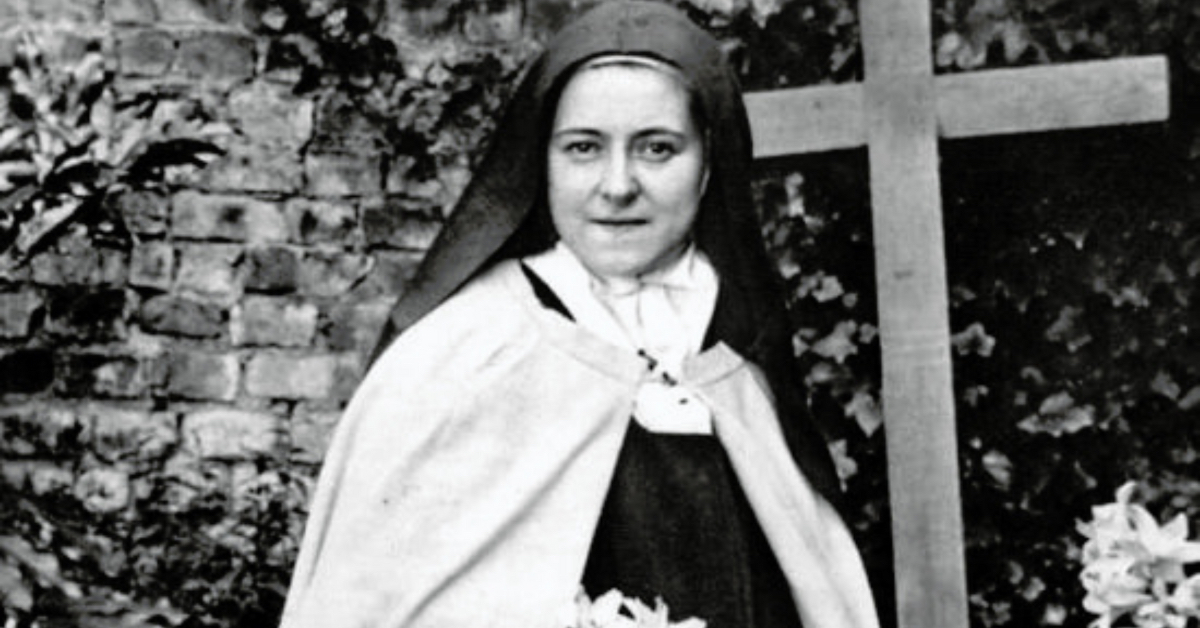
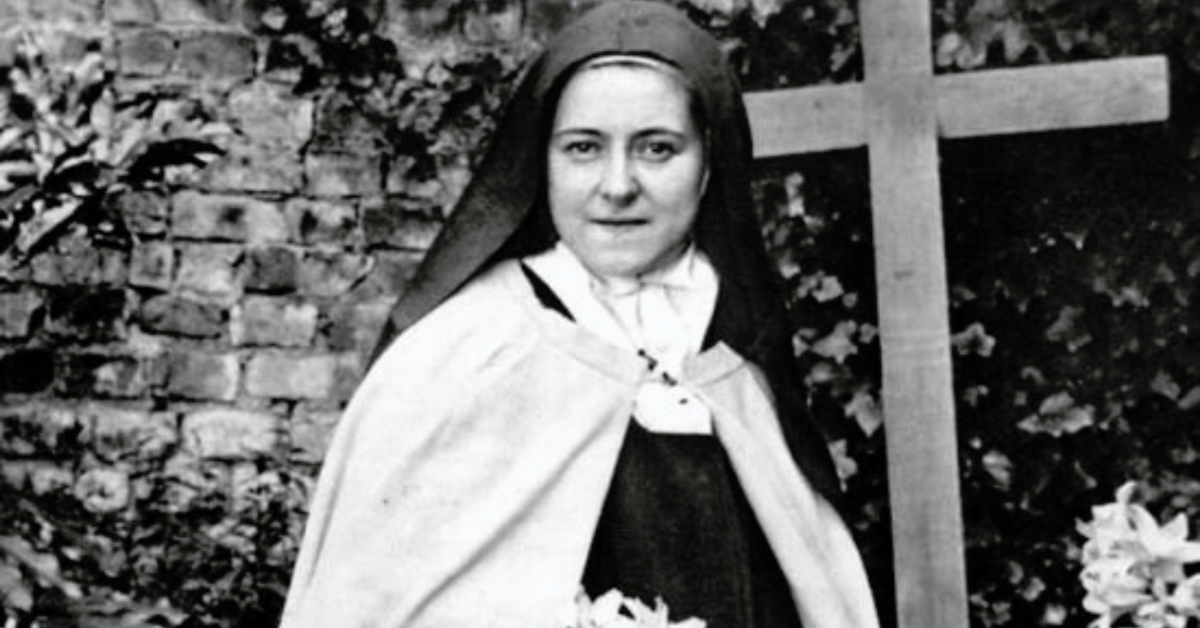
The enduring appeal of St. Thérèse of Lisieux, one of France’s most beloved saints #Catholic During the First World War, before being proclaimed a saint, devotion to St. Thérèse of Lisieux became particularly widespread in France. Soldiers carried medals and images of her, and many French Catholics saw her as a spiritual companion and intercessor.The Carmelite nun, patron saint of missions, and the youngest doctor of the Church died at the age of 24 and was canonized in 1925 by Pope Pius XI. She was declared the second patron saint of France in 1944, during the Battle of Normandy, by Pope Pius XII.The town of Lisieux, a 90-minute train ride from Paris, is where Thérèse spent her entire religious life. It is the second most visited pilgrimage destination in France, after Lourdes, with over 2 million pilgrims every year.Last year, in Pope Leo XIV’s message on the occasion of the 10th anniversary of the canonization of St. Thérèse’s parents, Louis and Zélie Martin, he called the faithful to “put Jesus at the centre of your families, your activities, and your choices. Help your children discover His boundless love and tenderness, and strive to make them love Him in return as He deserves: this is the great lesson that Louis and Zélie teach us today, and which the Church and the world so urgently need. How could Thérèse have loved Jesus and Mary so much — and then passed on such a beautiful doctrine to us — if she had not learned it from her saintly parents from an early age?”Thérèse lost her mother when she was just 4 years old and endured periods of illness and intense emotional sensitivity as a child. At 14, however, she experienced a moment of spiritual transformation where she received a special grace from God. In France, young children left their shoes by the hearth at Christmas, and parents would fill them with gifts. But her sister Celine didnʼt want Thérèse to grow up, so they continued to place gifts in “baby” Thérèseʼs shoes. As she and Celine climbed the stairs to take off their hats their fatherʼs voice rose from the parlor below. Standing over the shoes, he said: “Thank goodness thatʼs the last time we shall have this kind of thing!” Thérèse froze, and her sister looked at her helplessly, knowing that in a few minutes she would be in tears over what their father had said. But the tantrum never came. A special grace came over Thérèse as Jesus had done what she could not do herself. She swallowed her tears, walked slowly down the stairs, and went over the gifts in the shoes, as if she had never heard a word her father said. In her autobiography, “Story of Soul,” she referred to that Christmas as her “conversion.”From childish to childlikeIn his book “The Way of Trust and Love,” French priest Jacques Philippe explores St. Thérèse of Lisieuxʼs “Little Way” to holiness. He recalls that “through seemingly insignificant events, God can heal us deeply. Sometimes we feel a call from the Lord to step outside ourselves, to take a step forward, to become more mature, more free. There are times in life when we dwell on our immaturity, our complaints, our laments, our dependencies, and then suddenly one day we are given grace, a gift from God, but one that also calls upon our freedom. There is a choice to be made; it is both healing and conversion: freedom must choose to perform an act of courage.”He then later proposes: “Let us then ask God this question: What is the ‘yes’ you are asking of me today? What is the small act of courage and trust you are asking me to do today?”For St. Thérèse, it was about overcoming her emotional sensitivity. For others, it might be learning to control their tongue, be more optimistic, or manage their temper.A ‘Little Way’ for everyoneFrom the very beginning of her life, Thérèse desired to be a saint; still, when she entered the convent, she also thought how inaccessible and unrealizable it was when she compared herself to others.And here, perhaps, is where we can learn one of her most powerful teachings: never lose courage.She goes on: “Instead of being discouraged, I told myself: God would not make me wish for something impossible and so, in spite of my littleness, I can aim at being a saint. It is impossible for me to grow bigger, so I put up with myself as I am, with all my countless faults. But I will look for some means of going to heaven by a little way which is very short and very straight, a little way that is quite new … It is your arms, Jesus, which are the lift to carry me to heaven, and so there is no need for me to grow up. In fact, just the opposite: I must stay little and become less and less.”But by “little,” Thérèse does not suggest we think of ourselves as of small value; instead, she reminds us of an unchanging truth: We are children of God.As St. John Paul II on his apostolic trip to France in June 1980 recalled: “There is something unique about it, a characteristic of St. Thérèse of Lisieux. In it, one finds both the confirmation and the renewal of the most fundamental and universal truth. What truth in the Gospel message is more fundamental and universal than this: God is our Father, and we are his children?”And like children who trust, even if thrown into the air, in the safety of returning to their parents' arms, we must trust in the providence of our Father, with a deep knowledge of his unlimited and unconditional love for us: “In truth I tell you, unless you change and become like little children you will never enter the kingdom of heaven” (Mt 18:3).A missionary without ever leaving homeProclaimed the patron saint of missionaries for her support of the missions through constant prayer and sacrifice despite being a cloistered nun who never left her convent, she said: “My strength lies in prayer and sacrifice; they are invincible weapons, and touch hearts more surely than words can do, as I have learned by experience.”To many, even in the convent, she seemed like an average, ordinary person. Her greatness showed in the constancy of her love for others in the simplest ways. Perhaps some of the missionary work we are called to do today doesn’t necessarily begin externally but within our hearts. As the saint herself wrote: “A word, a kindly smile, will often suffice to gladden a wounded and sorrowful heart.”Thérèse also found strength in Scripture: “But above all it is the Gospels that occupy me during my prayers; in them I find everything that is necessary for my poor little soul. I constantly discover in them new lights, hidden and mysterious meanings.”Her life was characterized by austerity, far from recognition and noise from the world. She died anonymously in 1897 at the young age of 24, and no more than 30 people attended her funeral.This saint’s life and journal is a legacy for all who want to learn a simple and practical approach toward their relationship with God. Her advice is for everyone: “Miss no single opportunity of making some small sacrifice, here by a smiling look, there by a kindly word; always doing the smallest right and doing it all for love.”

The enduring appeal of St. Thérèse of Lisieux, one of France’s most beloved saints #Catholic During the First World War, before being proclaimed a saint, devotion to St. Thérèse of Lisieux became particularly widespread in France. Soldiers carried medals and images of her, and many French Catholics saw her as a spiritual companion and intercessor.The Carmelite nun, patron saint of missions, and the youngest doctor of the Church died at the age of 24 and was canonized in 1925 by Pope Pius XI. She was declared the second patron saint of France in 1944, during the Battle of Normandy, by Pope Pius XII.The town of Lisieux, a 90-minute train ride from Paris, is where Thérèse spent her entire religious life. It is the second most visited pilgrimage destination in France, after Lourdes, with over 2 million pilgrims every year.Last year, in Pope Leo XIV’s message on the occasion of the 10th anniversary of the canonization of St. Thérèse’s parents, Louis and Zélie Martin, he called the faithful to “put Jesus at the centre of your families, your activities, and your choices. Help your children discover His boundless love and tenderness, and strive to make them love Him in return as He deserves: this is the great lesson that Louis and Zélie teach us today, and which the Church and the world so urgently need. How could Thérèse have loved Jesus and Mary so much — and then passed on such a beautiful doctrine to us — if she had not learned it from her saintly parents from an early age?”Thérèse lost her mother when she was just 4 years old and endured periods of illness and intense emotional sensitivity as a child. At 14, however, she experienced a moment of spiritual transformation where she received a special grace from God. In France, young children left their shoes by the hearth at Christmas, and parents would fill them with gifts. But her sister Celine didnʼt want Thérèse to grow up, so they continued to place gifts in “baby” Thérèseʼs shoes. As she and Celine climbed the stairs to take off their hats their fatherʼs voice rose from the parlor below. Standing over the shoes, he said: “Thank goodness thatʼs the last time we shall have this kind of thing!” Thérèse froze, and her sister looked at her helplessly, knowing that in a few minutes she would be in tears over what their father had said. But the tantrum never came. A special grace came over Thérèse as Jesus had done what she could not do herself. She swallowed her tears, walked slowly down the stairs, and went over the gifts in the shoes, as if she had never heard a word her father said. In her autobiography, “Story of Soul,” she referred to that Christmas as her “conversion.”From childish to childlikeIn his book “The Way of Trust and Love,” French priest Jacques Philippe explores St. Thérèse of Lisieuxʼs “Little Way” to holiness. He recalls that “through seemingly insignificant events, God can heal us deeply. Sometimes we feel a call from the Lord to step outside ourselves, to take a step forward, to become more mature, more free. There are times in life when we dwell on our immaturity, our complaints, our laments, our dependencies, and then suddenly one day we are given grace, a gift from God, but one that also calls upon our freedom. There is a choice to be made; it is both healing and conversion: freedom must choose to perform an act of courage.”He then later proposes: “Let us then ask God this question: What is the ‘yes’ you are asking of me today? What is the small act of courage and trust you are asking me to do today?”For St. Thérèse, it was about overcoming her emotional sensitivity. For others, it might be learning to control their tongue, be more optimistic, or manage their temper.A ‘Little Way’ for everyoneFrom the very beginning of her life, Thérèse desired to be a saint; still, when she entered the convent, she also thought how inaccessible and unrealizable it was when she compared herself to others.And here, perhaps, is where we can learn one of her most powerful teachings: never lose courage.She goes on: “Instead of being discouraged, I told myself: God would not make me wish for something impossible and so, in spite of my littleness, I can aim at being a saint. It is impossible for me to grow bigger, so I put up with myself as I am, with all my countless faults. But I will look for some means of going to heaven by a little way which is very short and very straight, a little way that is quite new … It is your arms, Jesus, which are the lift to carry me to heaven, and so there is no need for me to grow up. In fact, just the opposite: I must stay little and become less and less.”But by “little,” Thérèse does not suggest we think of ourselves as of small value; instead, she reminds us of an unchanging truth: We are children of God.As St. John Paul II on his apostolic trip to France in June 1980 recalled: “There is something unique about it, a characteristic of St. Thérèse of Lisieux. In it, one finds both the confirmation and the renewal of the most fundamental and universal truth. What truth in the Gospel message is more fundamental and universal than this: God is our Father, and we are his children?”And like children who trust, even if thrown into the air, in the safety of returning to their parents' arms, we must trust in the providence of our Father, with a deep knowledge of his unlimited and unconditional love for us: “In truth I tell you, unless you change and become like little children you will never enter the kingdom of heaven” (Mt 18:3).A missionary without ever leaving homeProclaimed the patron saint of missionaries for her support of the missions through constant prayer and sacrifice despite being a cloistered nun who never left her convent, she said: “My strength lies in prayer and sacrifice; they are invincible weapons, and touch hearts more surely than words can do, as I have learned by experience.”To many, even in the convent, she seemed like an average, ordinary person. Her greatness showed in the constancy of her love for others in the simplest ways. Perhaps some of the missionary work we are called to do today doesn’t necessarily begin externally but within our hearts. As the saint herself wrote: “A word, a kindly smile, will often suffice to gladden a wounded and sorrowful heart.”Thérèse also found strength in Scripture: “But above all it is the Gospels that occupy me during my prayers; in them I find everything that is necessary for my poor little soul. I constantly discover in them new lights, hidden and mysterious meanings.”Her life was characterized by austerity, far from recognition and noise from the world. She died anonymously in 1897 at the young age of 24, and no more than 30 people attended her funeral.This saint’s life and journal is a legacy for all who want to learn a simple and practical approach toward their relationship with God. Her advice is for everyone: “Miss no single opportunity of making some small sacrifice, here by a smiling look, there by a kindly word; always doing the smallest right and doing it all for love.”

The beloved Carmelite nun, patron saint of the missions, and youngest doctor of the Church is celebrated in the universal Church on Oct. 1.
Read More
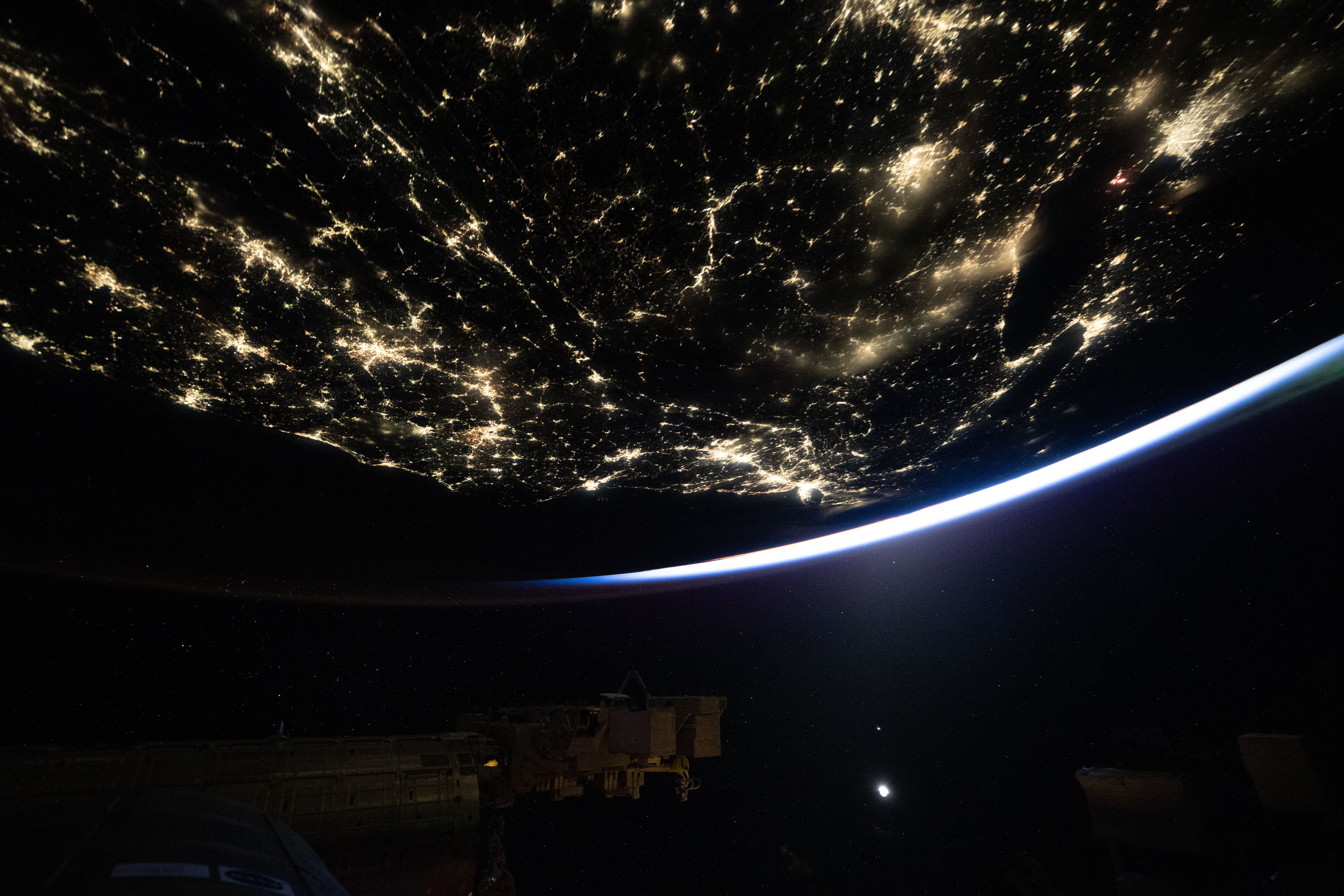
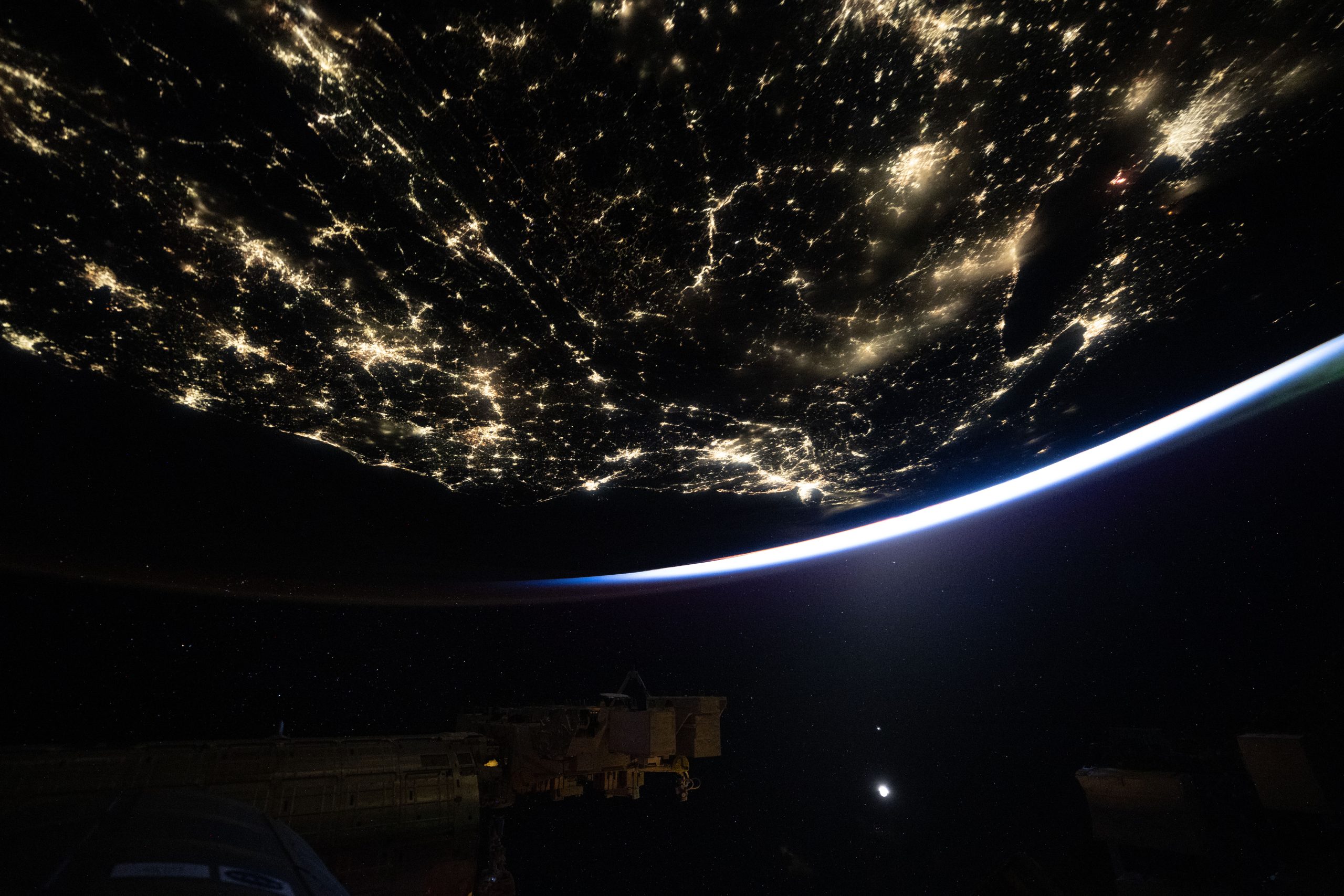
Space Station View of Earth at Night – This nighttime view of the United States, dotted with city lights looking toward New York City (center), was taken at approximately 3:40 a.m. local time from the International Space Station as it orbited 259 miles above Earth.

This nighttime view of the United States, dotted with city lights looking toward New York City (center), was taken at approximately 3:40 a.m. local time from the International Space Station as it orbited 259 miles above Earth.

Read More
Cardinal Pizzaballa calls Christians in the Holy Land to make the cross a way of life #Catholic Cardinal Pierbattista Pizzaballa, the Latin patriarch of Jerusalem, said the cross is not a sign of defeat or death but an expression of God’s love and the victory of life, urging Christians in the Holy Land to make it a way of life rooted in love and self-giving.
 
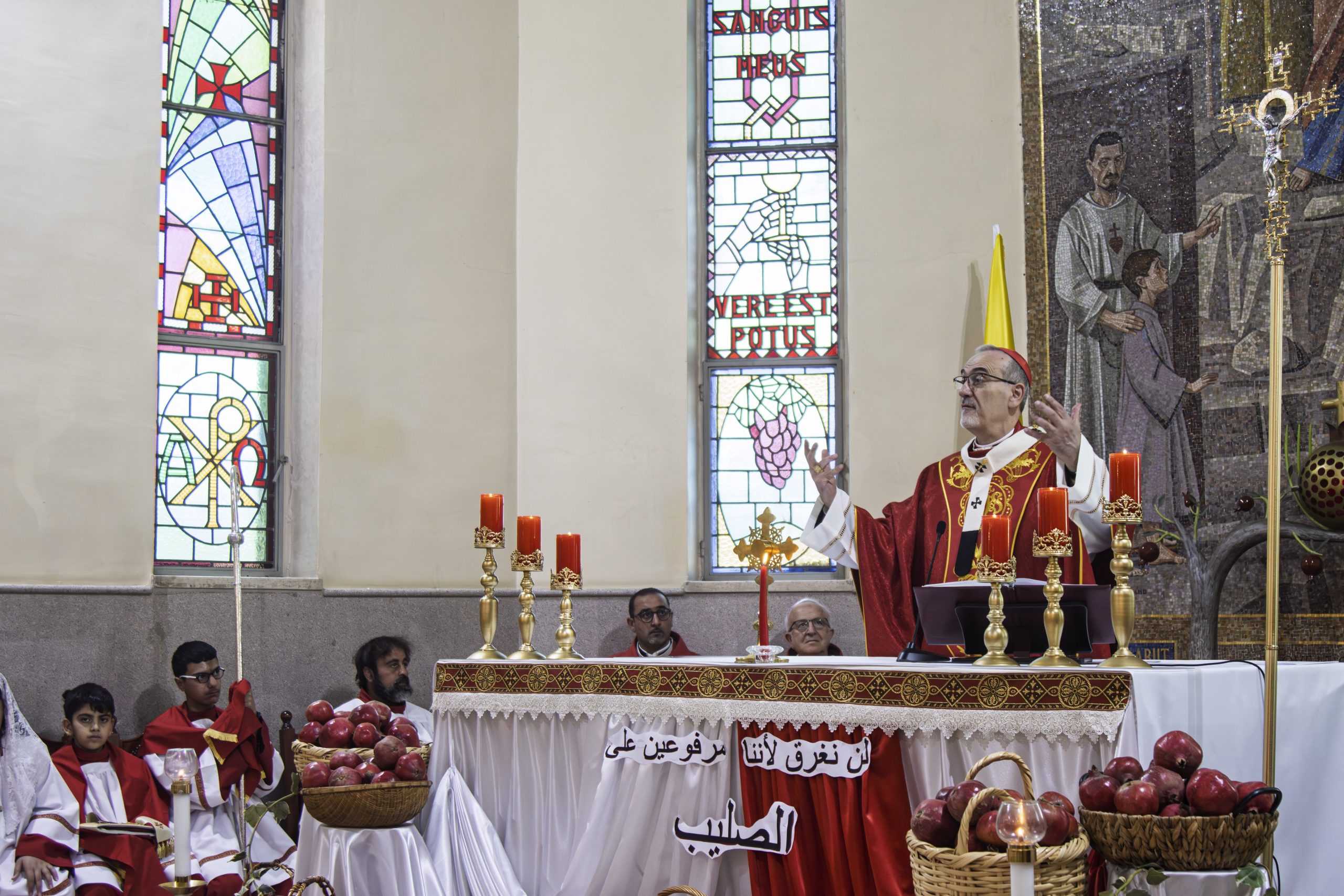
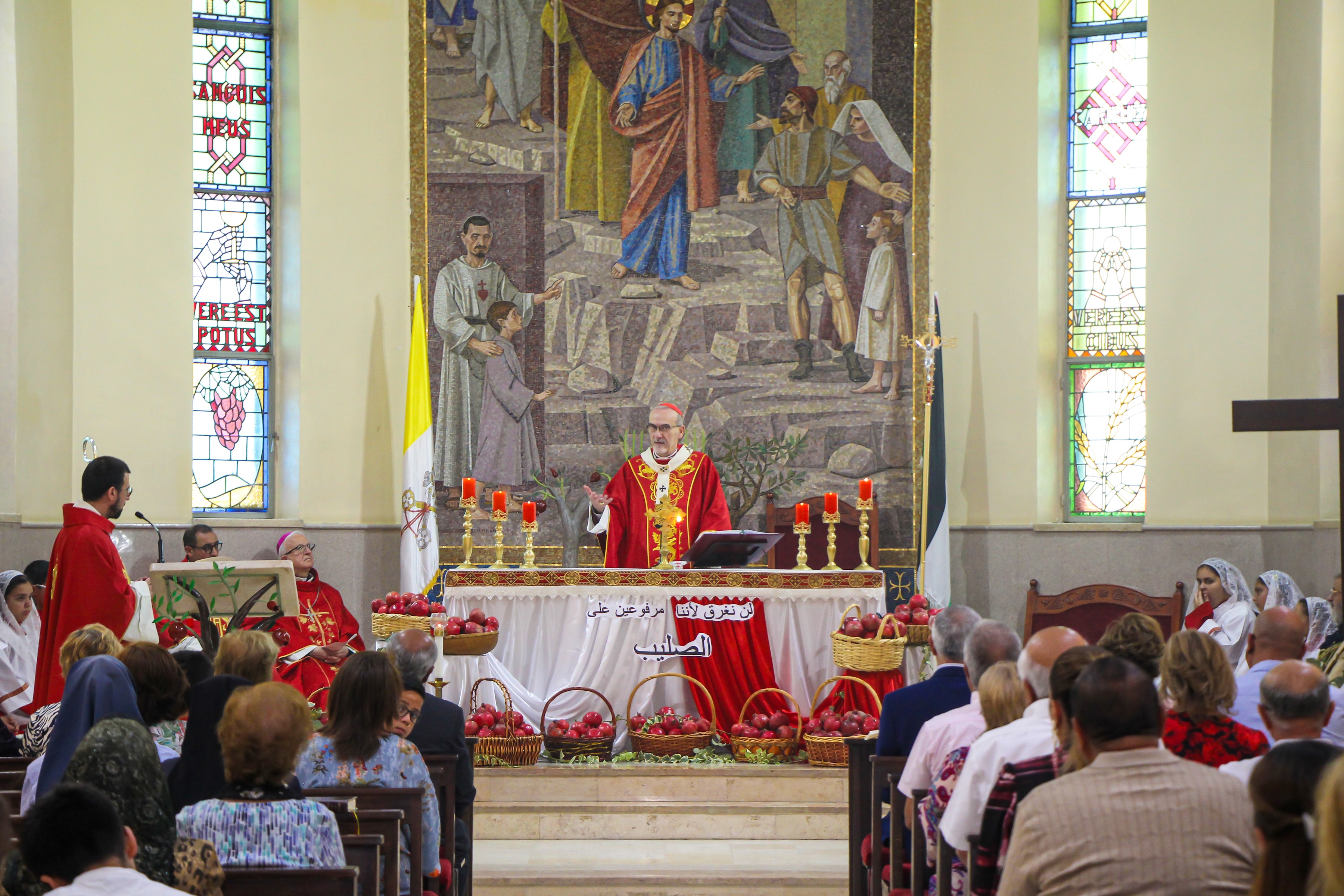
 Cardinal Pierbattista Pizzaballa presides over Mass on the eve of the feast of the Exaltation of the Holy Cross at Christ the Redeemer Church in Taybeh, West Bank, Sept. 13, 2026. | Credit: Emad Diab/ACI MENA
 
 Pizzaballa made the remarks while presiding over a Mass on the eve of the feast of the Exaltation of the Holy Cross at Christ the Redeemer Church in Taybeh, a predominantly Christian town in the West Bank.Bishop William Shomali, patriarchal vicar; Father Davide Meli; and Father Bashar Fawadleh, the parish priest, concelebrated the Mass.“The cross is our victory, and it is the victory of love,” Pizzaballa said. He added that Christ “chose to enter into the suffering of the cross out of love for us.” The patriarch stressed that Christians are “people of the cross” and that the sign defining their identity should be reflected in the way they live and in their relationships within their families, parishes, and wider communities.“We are called to live according to the logic of the cross,” he said.Pizzaballa noted that Christians do not need to seek out suffering, because they are already surrounded by suffering in many forms. Yet, he said, such experiences can become an opening for God’s presence in their lives.Fawadleh welcomed Pizzaballa to the celebration, telling him: “Your presence today is more than simply taking part in our feast; it is a sign of communion, consolation, and hope.”
 
 Cardinal Pierbattista Pizzaballa lights the flame at the historic St. George Church, locally known as Al-Khader, Sept. 13, 2026, at Christ the Redeemer Church in Taybeh, West Bank. | Credit: Emad Diab/ACI MENA
 
 The celebration took place as Taybeh continues to face the repercussions of attacks by Israeli settlers, restrictions on movement and access to essential services (Palestinians living in the West Bank require Israeli permits to enter Jerusalem), declining employment opportunities, and continued emigration — all pressures that have placed additional strain on the town’s residents.Following the Mass, the faithful joined a candlelight procession through the streets of Taybeh to the historic St. George Church, known locally as Al-Khader. There, prayers were offered and pomegranates were blessed and distributed to participants before the traditional feast day flame was lit.This story was first published by ACI MENA, the Arabic-language sister service of EWTN News. It has been translated and adapted by EWTN News English.

Cardinal Pizzaballa calls Christians in the Holy Land to make the cross a way of life #Catholic Cardinal Pierbattista Pizzaballa, the Latin patriarch of Jerusalem, said the cross is not a sign of defeat or death but an expression of God’s love and the victory of life, urging Christians in the Holy Land to make it a way of life rooted in love and self-giving. Cardinal Pierbattista Pizzaballa presides over Mass on the eve of the feast of the Exaltation of the Holy Cross at Christ the Redeemer Church in Taybeh, West Bank, Sept. 13, 2026. | Credit: Emad Diab/ACI MENA Pizzaballa made the remarks while presiding over a Mass on the eve of the feast of the Exaltation of the Holy Cross at Christ the Redeemer Church in Taybeh, a predominantly Christian town in the West Bank.Bishop William Shomali, patriarchal vicar; Father Davide Meli; and Father Bashar Fawadleh, the parish priest, concelebrated the Mass.“The cross is our victory, and it is the victory of love,” Pizzaballa said. He added that Christ “chose to enter into the suffering of the cross out of love for us.” The patriarch stressed that Christians are “people of the cross” and that the sign defining their identity should be reflected in the way they live and in their relationships within their families, parishes, and wider communities.“We are called to live according to the logic of the cross,” he said.Pizzaballa noted that Christians do not need to seek out suffering, because they are already surrounded by suffering in many forms. Yet, he said, such experiences can become an opening for God’s presence in their lives.Fawadleh welcomed Pizzaballa to the celebration, telling him: “Your presence today is more than simply taking part in our feast; it is a sign of communion, consolation, and hope.” Cardinal Pierbattista Pizzaballa lights the flame at the historic St. George Church, locally known as Al-Khader, Sept. 13, 2026, at Christ the Redeemer Church in Taybeh, West Bank. | Credit: Emad Diab/ACI MENA The celebration took place as Taybeh continues to face the repercussions of attacks by Israeli settlers, restrictions on movement and access to essential services (Palestinians living in the West Bank require Israeli permits to enter Jerusalem), declining employment opportunities, and continued emigration — all pressures that have placed additional strain on the town’s residents.Following the Mass, the faithful joined a candlelight procession through the streets of Taybeh to the historic St. George Church, known locally as Al-Khader. There, prayers were offered and pomegranates were blessed and distributed to participants before the traditional feast day flame was lit.This story was first published by ACI MENA, the Arabic-language sister service of EWTN News. It has been translated and adapted by EWTN News English.

The Latin patrarch presided over Mass on the eve of the feast of the Exaltation of the Holy Cross in Taybeh, calling on Christians to live the “logic of the cross” through love and self-giving.
Read More

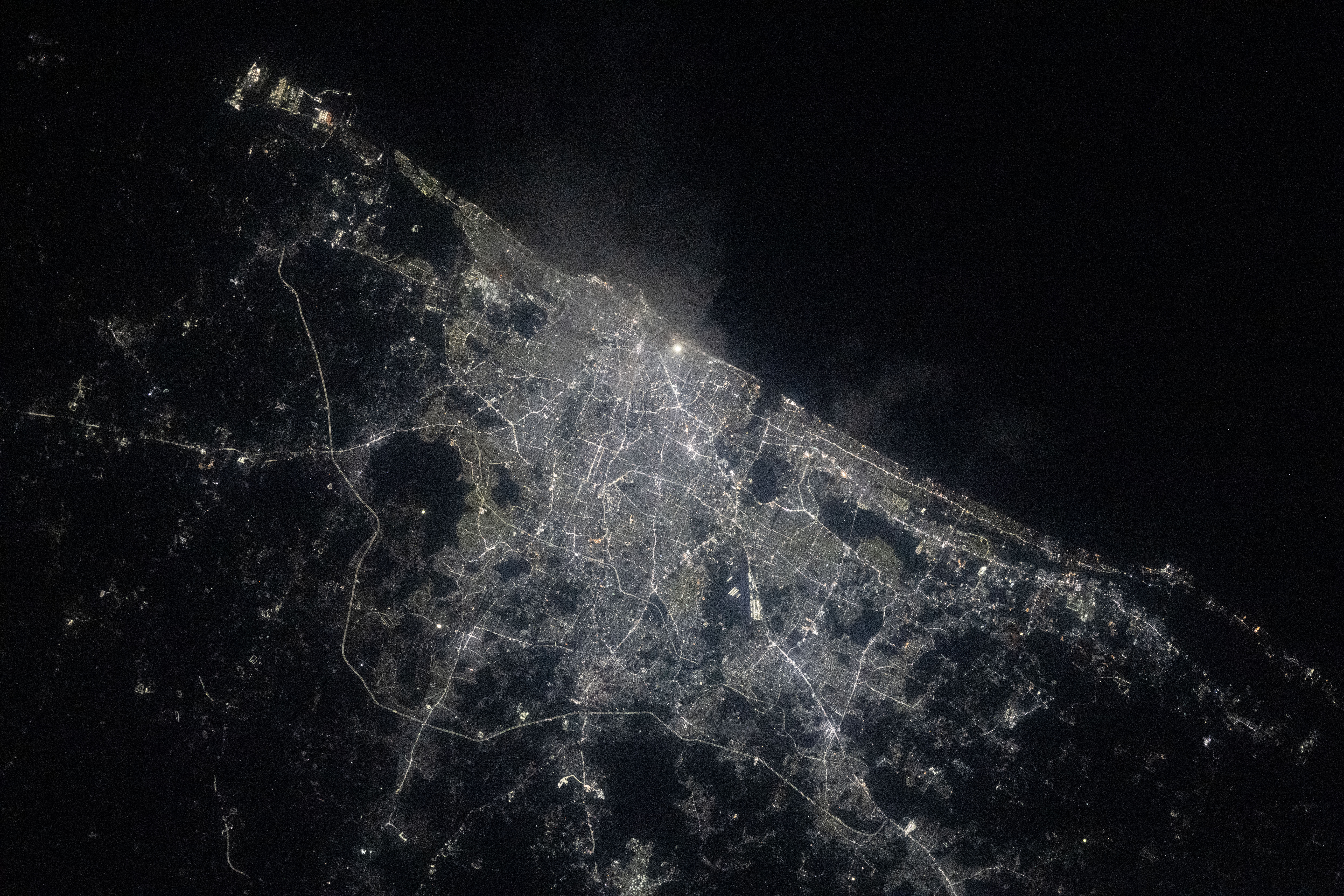
Chennai, on India’s southern coast along the Bay of Bengal and with a metropolitan population of about 8.7 million, shines with white LED streetlights in this photograph taken at approximately 9:13 p.m. local time on May 2, 2026, from the International Space Station.

Read More
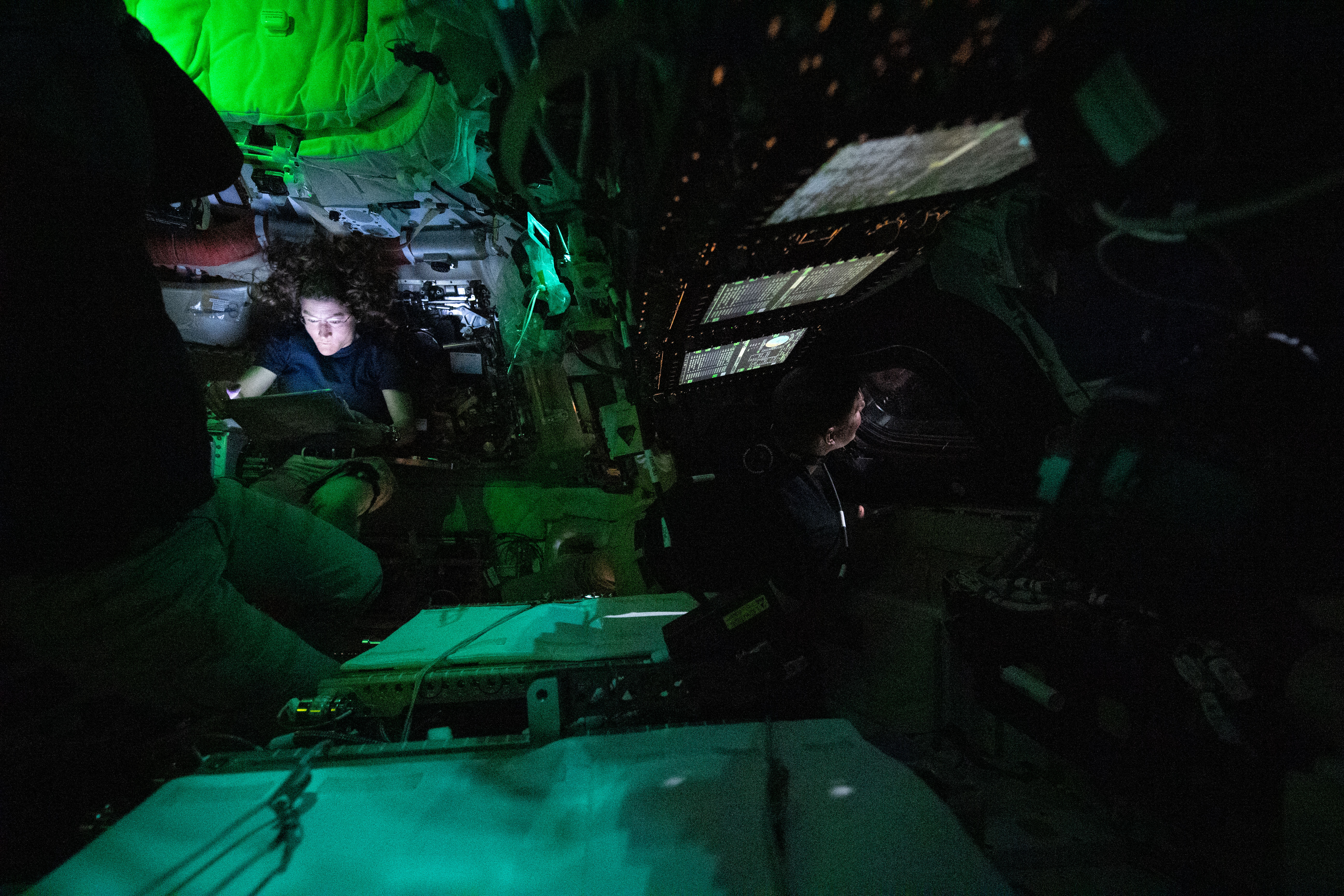
NASA astronaut Christina Koch is illuminated by a screen inside the darkened Orion spacecraft on the third day of the agency’s Artemis II mission. To the right of the image’s center, CSA (Canadian Space Agency) astronaut Jeremy Hansen is seen in profile peering out of one of Orion’s windows. Lights are turned off to avoid glare on the windows.

Read More


Fishing Boats and City Lights – Fishing boats illuminate the Arabian Sea along India’s west coast with green lights designed to attract squid, shrimp, sardines, and mackerel in this nighttime photograph from the International Space Station, orbiting 259 miles above Earth. At lower right, the city lights of Hyderabad—renowned for its historic diamond and pearl trade—stretch westward toward the Mumbai Metropolitan Region, home to over 26 million people and the heart of Bollywood.

Fishing boats illuminate the Arabian Sea along India’s west coast with green lights designed to attract squid, shrimp, sardines, and mackerel in this nighttime photograph from the International Space Station, orbiting 259 miles above Earth. At lower right, the city lights of Hyderabad—renowned for its historic diamond and pearl trade—stretch westward toward the Mumbai Metropolitan Region, home to over 26 million people and the heart of Bollywood.

Read More
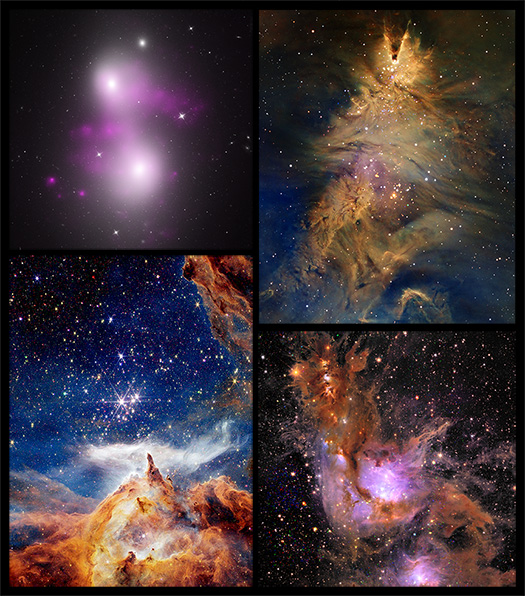

Chandra, Webb Catch Twinkling Lights – This stellar landscape is reminiscent of a winter vista in a view from NASA’s James Webb Space Telescope (red, green, and blue). Chandra data (red, green and blue) punctuate the scene with bursts of colored lights representing high-energy activity from the active stars.

This stellar landscape is reminiscent of a winter vista in a view from NASA’s James Webb Space Telescope (red, green, and blue). Chandra data (red, green and blue) punctuate the scene with bursts of colored lights representing high-energy activity from the active stars.

Read More

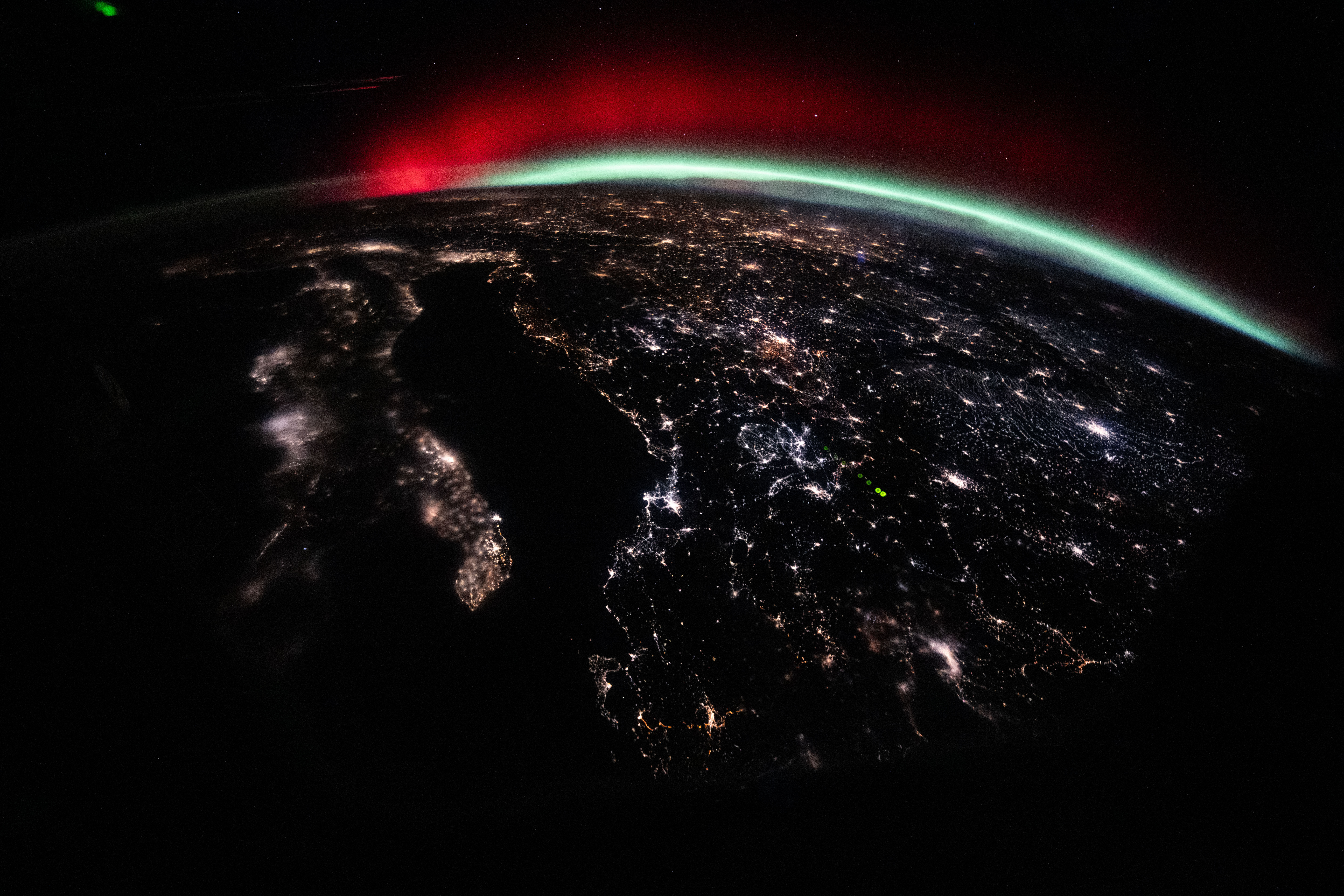
Red, Green Light Show – A green and red aurora streams across Earth’s horizon above the city lights of Europe in this Jan. 19, 2026, photograph, which looks north across Italy toward Germany. The International Space Station was orbiting 262 miles above the Mediterranean Sea at approximately 10:02 p.m. local time when the image was captured.

A green and red aurora streams across Earth’s horizon above the city lights of Europe in this Jan. 19, 2026, photograph, which looks north across Italy toward Germany. The International Space Station was orbiting 262 miles above the Mediterranean Sea at approximately 10:02 p.m. local time when the image was captured.

Read More
City Lights and Atmospheric Glow – The atmospheric glow blankets southern Europe and the northwestern Mediterranean coast, outlined by city lights. At left, the Po Valley urban corridor in Italy shines with the metropolitan areas of Milan and Turin and their surrounding suburbs.

The atmospheric glow blankets southern Europe and the northwestern Mediterranean coast, outlined by city lights. At left, the Po Valley urban corridor in Italy shines with the metropolitan areas of Milan and Turin and their surrounding suburbs.

Read More