Catholic

Gospel and Word of the Day – 14 January 2026 – A reading from the Book of Samuel 3:1-10, 19-20 During the time young Samuel was minister to the LORD under Eli, a revelation of the LORD was uncommon and vision infrequent. One day Eli was asleep in his usual place. His eyes had lately grown so weak that he could not see. The lamp of God was not yet extinguished, and Samuel was sleeping in the temple of the LORD where the ark of God was. The LORD called to Samuel, who answered, “Here I am.” Samuel ran to Eli and said, “Here I am. You called me.” “I did not call you,” Eli said. “Go back to sleep.” So he went back to sleep. Again the LORD called Samuel, who rose and went to Eli. “Here I am,” he said. “You called me.” But Eli answered, “I did not call you, my son. Go back to sleep.” At that time Samuel was not familiar with the LORD, because the LORD had not revealed anything to him as yet. The LORD called Samuel again, for the third time. Getting up and going to Eli, he said, “Here I am. You called me.” Then Eli understood that the LORD was calling the youth. So Eli said to Samuel, “Go to sleep, and if you are called, reply, ‘Speak, LORD, for your servant is listening.’” When Samuel went to sleep in his place, the LORD came and revealed his presence, calling out as before, “Samuel, Samuel!” Samuel answered, “Speak, for your servant is listening.” Samuel grew up, and the LORD was with him, not permitting any word of his to be without effect. Thus all Israel from Dan to Beersheba came to know that Samuel was an accredited prophet of the LORD.From the Gospel according to Mark 1:29-39 On leaving the synagogue Jesus entered the house of Simon and Andrew with James and John. Simon’s mother-in-law lay sick with a fever. They immediately told him about her. He approached, grasped her hand, and helped her up. Then the fever left her and she waited on them. When it was evening, after sunset, they brought to him all who were ill or possessed by demons. The whole town was gathered at the door. He cured many who were sick with various diseases, and he drove out many demons, not permitting them to speak because they knew him. Rising very early before dawn, he left and went off to a deserted place, where he prayed. Simon and those who were with him pursued him and on finding him said, “Everyone is looking for you.” He told them, “Let us go on to the nearby villages that I may preach there also. For this purpose have I come.” So he went into their synagogues, preaching and driving out demons throughout the whole of Galilee.Thus, from the very beginning, Jesus shows his predilection for people suffering in body and in spirit: it is a predilection of Jesus to draw near to people who suffer both in body and in spirit. It is the Father’s predilection, which he incarnates and manifests with deeds and words. His disciples were eyewitnesses to this; they saw this and then witnessed to it. But Jesus did not want them to be mere spectators of his mission: he involved them; he sent them; he also gave them the power to heal the sick and cast out demons (cf. Mt 10:1; Mk 6:7). And this has continued without interruption in the life of the Church, until today. And this is important. Taking care of the sick of every kind is not an “optional activity” for the Church, no! It is not something extra, no. Taking care of the sick of every kind is an integral part of the Church’s mission, as it was for Jesus. And this mission is to bring God’s tenderness to a suffering humanity.  (Pope Francis – Angelus,  7 February 2021)

A reading from the Book of Samuel
3:1-10, 19-20

During the time young Samuel was minister to the LORD under Eli,
a revelation of the LORD was uncommon and vision infrequent.
One day Eli was asleep in his usual place.
His eyes had lately grown so weak that he could not see.
The lamp of God was not yet extinguished,
and Samuel was sleeping in the temple of the LORD
where the ark of God was.
The LORD called to Samuel, who answered, “Here I am.”

Samuel ran to Eli and said, “Here I am. You called me.”
“I did not call you,” Eli said. “Go back to sleep.”
So he went back to sleep.
Again the LORD called Samuel, who rose and went to Eli.
“Here I am,” he said. “You called me.”
But Eli answered, “I did not call you, my son. Go back to sleep.”
At that time Samuel was not familiar with the LORD,
because the LORD had not revealed anything to him as yet.
The LORD called Samuel again, for the third time.
Getting up and going to Eli, he said, “Here I am.
You called me.”
Then Eli understood that the LORD was calling the youth.
So Eli said to Samuel, “Go to sleep, and if you are called, reply,
‘Speak, LORD, for your servant is listening.’”
When Samuel went to sleep in his place,
the LORD came and revealed his presence,
calling out as before, “Samuel, Samuel!”
Samuel answered, “Speak, for your servant is listening.”

Samuel grew up, and the LORD was with him,
not permitting any word of his to be without effect.
Thus all Israel from Dan to Beersheba
came to know that Samuel was an accredited prophet of the LORD.

From the Gospel according to Mark
1:29-39

On leaving the synagogue
Jesus entered the house of Simon and Andrew with James and John.
Simon’s mother-in-law lay sick with a fever.
They immediately told him about her.
He approached, grasped her hand, and helped her up.
Then the fever left her and she waited on them.

When it was evening, after sunset,
they brought to him all who were ill or possessed by demons.
The whole town was gathered at the door.
He cured many who were sick with various diseases,
and he drove out many demons,
not permitting them to speak because they knew him.

Rising very early before dawn,
he left and went off to a deserted place, where he prayed.
Simon and those who were with him pursued him
and on finding him said, “Everyone is looking for you.”
He told them, “Let us go on to the nearby villages
that I may preach there also.
For this purpose have I come.”
So he went into their synagogues, preaching and driving out demons
throughout the whole of Galilee.

Thus, from the very beginning, Jesus shows his predilection for people suffering in body and in spirit: it is a predilection of Jesus to draw near to people who suffer both in body and in spirit. It is the Father’s predilection, which he incarnates and manifests with deeds and words. His disciples were eyewitnesses to this; they saw this and then witnessed to it. But Jesus did not want them to be mere spectators of his mission: he involved them; he sent them; he also gave them the power to heal the sick and cast out demons (cf. Mt 10:1; Mk 6:7). And this has continued without interruption in the life of the Church, until today. And this is important. Taking care of the sick of every kind is not an “optional activity” for the Church, no! It is not something extra, no. Taking care of the sick of every kind is an integral part of the Church’s mission, as it was for Jesus. And this mission is to bring God’s tenderness to a suffering humanity.  (Pope Francis – Angelus,  7 February 2021)

Read More
Retreat in Newton equips men for life’s faith challenges #Catholic – On the weekend of Jan. 9 to 11, the 5th Annual Called To Courage (CTC) retreat was held at the Sacred Heart Center in Newton.
Forty-two Catholic men from the following local parishes in New Jersey participated: St. Kateri Tekakwitha in Sparta; St. Matthew the Apostle and Resurrection, both in Randolph; Annunciation and Our Lady of the Valley, both in Wayne; Corpus Christi in Chatham Township; and St. Mary in Wharton — all in the Paterson Diocese — as well as St Michael in Cranford in the Newark Archdiocese.
The CTC retreat theme is “Sacred Journey: Transitions and Transformation.” The theme focused on the various ways in which men share in the Paschal Mystery of Christ, dying and rising in life experiences such as growing from childhood to adulthood, transitioning through the aging process and retirement, and facing other losses and disappointments, including recovery from addictions.
During this annual retreat, men listen and speak from the heart, developing lasting friendships and support systems. This year, four laymen and Salesian Sister Theresa Kelly, director of the Sacred Heart Center, gave witness talks about their spiritual journeys of transformation.

Click here to subscribe to our weekly newsletter.

The retreat also featured small- and large-group discussions and several liturgical services. These services included morning prayer services, Stations of the Cross, a reconciliation service, Eucharistic adoration and Benediction, and a Sunday-morning Mass. Father Daniel Murphy, a retired priest of the Paterson Diocese and the CTC’s spiritual director, celebrated the Mass.
Bishop Kevin J. Sweeney visited the men on retreat on Saturday for lunch. Then, he listened to one of the talks, participated in a small-group discussion, was present for the reconciliation service, and heard individual confessions along with other priests. The men also had free time to spend as they wished, which included fellowship with the other men and quiet time for prayer and reflection.
The CTC retreat program originated in the various Cornerstone and Men’s retreat programs in the Paterson Diocese, which have been very successful over the years. These retreats are designed to equip men to face faith challenges, focusing on themes such as brotherhood, discipline, and living a holy Catholic life. Father Murphy and a team of laymen lead CTC, which offers a retreat experience for all men, including those from parishes without a men’s retreat ministry.
 

Retreat in Newton equips men for life’s faith challenges #Catholic – On the weekend of Jan. 9 to 11, the 5th Annual Called To Courage (CTC) retreat was held at the Sacred Heart Center in Newton. Forty-two Catholic men from the following local parishes in New Jersey participated: St. Kateri Tekakwitha in Sparta; St. Matthew the Apostle and Resurrection, both in Randolph; Annunciation and Our Lady of the Valley, both in Wayne; Corpus Christi in Chatham Township; and St. Mary in Wharton — all in the Paterson Diocese — as well as St Michael in Cranford in the Newark Archdiocese. The CTC retreat theme is “Sacred Journey: Transitions and Transformation.” The theme focused on the various ways in which men share in the Paschal Mystery of Christ, dying and rising in life experiences such as growing from childhood to adulthood, transitioning through the aging process and retirement, and facing other losses and disappointments, including recovery from addictions. During this annual retreat, men listen and speak from the heart, developing lasting friendships and support systems. This year, four laymen and Salesian Sister Theresa Kelly, director of the Sacred Heart Center, gave witness talks about their spiritual journeys of transformation. Click here to subscribe to our weekly newsletter. The retreat also featured small- and large-group discussions and several liturgical services. These services included morning prayer services, Stations of the Cross, a reconciliation service, Eucharistic adoration and Benediction, and a Sunday-morning Mass. Father Daniel Murphy, a retired priest of the Paterson Diocese and the CTC’s spiritual director, celebrated the Mass. Bishop Kevin J. Sweeney visited the men on retreat on Saturday for lunch. Then, he listened to one of the talks, participated in a small-group discussion, was present for the reconciliation service, and heard individual confessions along with other priests. The men also had free time to spend as they wished, which included fellowship with the other men and quiet time for prayer and reflection. The CTC retreat program originated in the various Cornerstone and Men’s retreat programs in the Paterson Diocese, which have been very successful over the years. These retreats are designed to equip men to face faith challenges, focusing on themes such as brotherhood, discipline, and living a holy Catholic life. Father Murphy and a team of laymen lead CTC, which offers a retreat experience for all men, including those from parishes without a men’s retreat ministry.  

Retreat in Newton equips men for life’s faith challenges #Catholic –

On the weekend of Jan. 9 to 11, the 5th Annual Called To Courage (CTC) retreat was held at the Sacred Heart Center in Newton.

Forty-two Catholic men from the following local parishes in New Jersey participated: St. Kateri Tekakwitha in Sparta; St. Matthew the Apostle and Resurrection, both in Randolph; Annunciation and Our Lady of the Valley, both in Wayne; Corpus Christi in Chatham Township; and St. Mary in Wharton — all in the Paterson Diocese — as well as St Michael in Cranford in the Newark Archdiocese.

The CTC retreat theme is “Sacred Journey: Transitions and Transformation.” The theme focused on the various ways in which men share in the Paschal Mystery of Christ, dying and rising in life experiences such as growing from childhood to adulthood, transitioning through the aging process and retirement, and facing other losses and disappointments, including recovery from addictions.

During this annual retreat, men listen and speak from the heart, developing lasting friendships and support systems. This year, four laymen and Salesian Sister Theresa Kelly, director of the Sacred Heart Center, gave witness talks about their spiritual journeys of transformation.


Click here to subscribe to our weekly newsletter.

The retreat also featured small- and large-group discussions and several liturgical services. These services included morning prayer services, Stations of the Cross, a reconciliation service, Eucharistic adoration and Benediction, and a Sunday-morning Mass. Father Daniel Murphy, a retired priest of the Paterson Diocese and the CTC’s spiritual director, celebrated the Mass.

Bishop Kevin J. Sweeney visited the men on retreat on Saturday for lunch. Then, he listened to one of the talks, participated in a small-group discussion, was present for the reconciliation service, and heard individual confessions along with other priests. The men also had free time to spend as they wished, which included fellowship with the other men and quiet time for prayer and reflection.

The CTC retreat program originated in the various Cornerstone and Men’s retreat programs in the Paterson Diocese, which have been very successful over the years. These retreats are designed to equip men to face faith challenges, focusing on themes such as brotherhood, discipline, and living a holy Catholic life. Father Murphy and a team of laymen lead CTC, which offers a retreat experience for all men, including those from parishes without a men’s retreat ministry.


On the weekend of Jan. 9 to 11, the 5th Annual Called To Courage (CTC) retreat was held at the Sacred Heart Center in Newton. Forty-two Catholic men from the following local parishes in New Jersey participated: St. Kateri Tekakwitha in Sparta; St. Matthew the Apostle and Resurrection, both in Randolph; Annunciation and Our Lady of the Valley, both in Wayne; Corpus Christi in Chatham Township; and St. Mary in Wharton — all in the Paterson Diocese — as well as St Michael in Cranford in the Newark Archdiocese. The CTC retreat theme is “Sacred Journey: Transitions and Transformation.” The

Read More
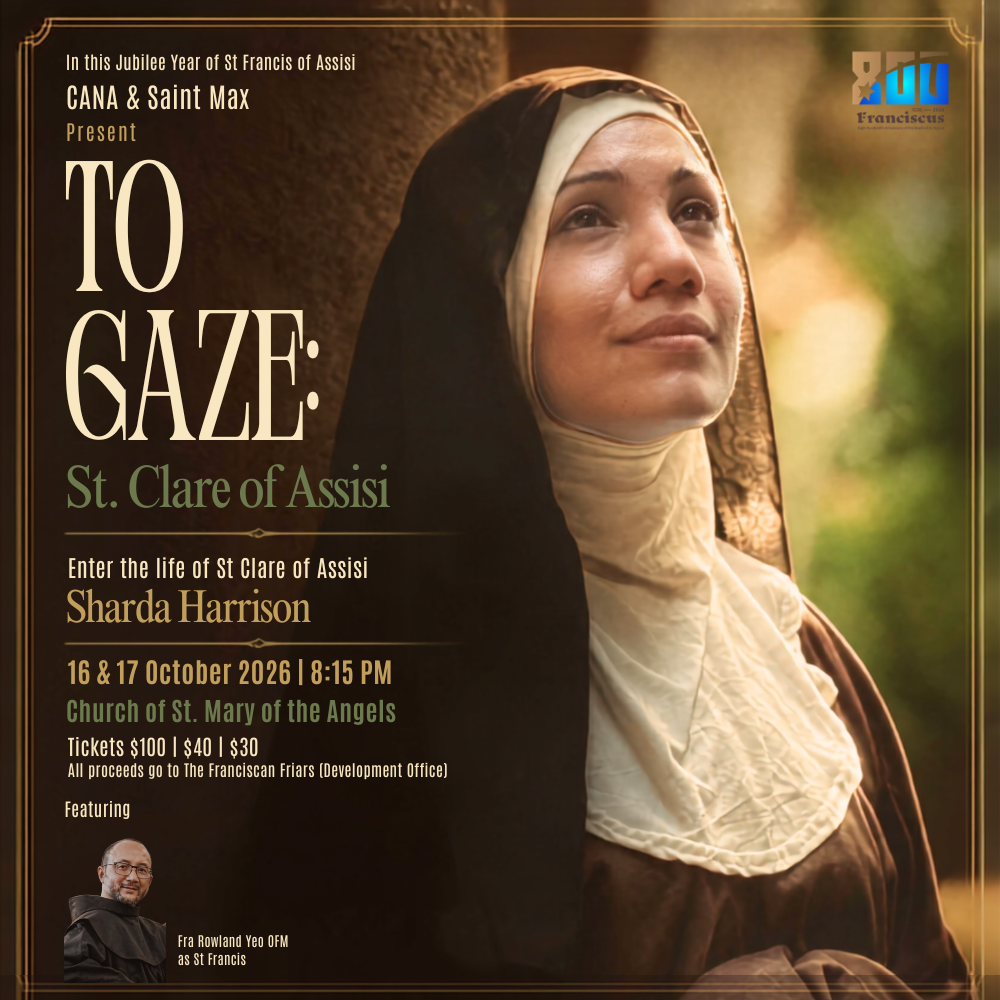
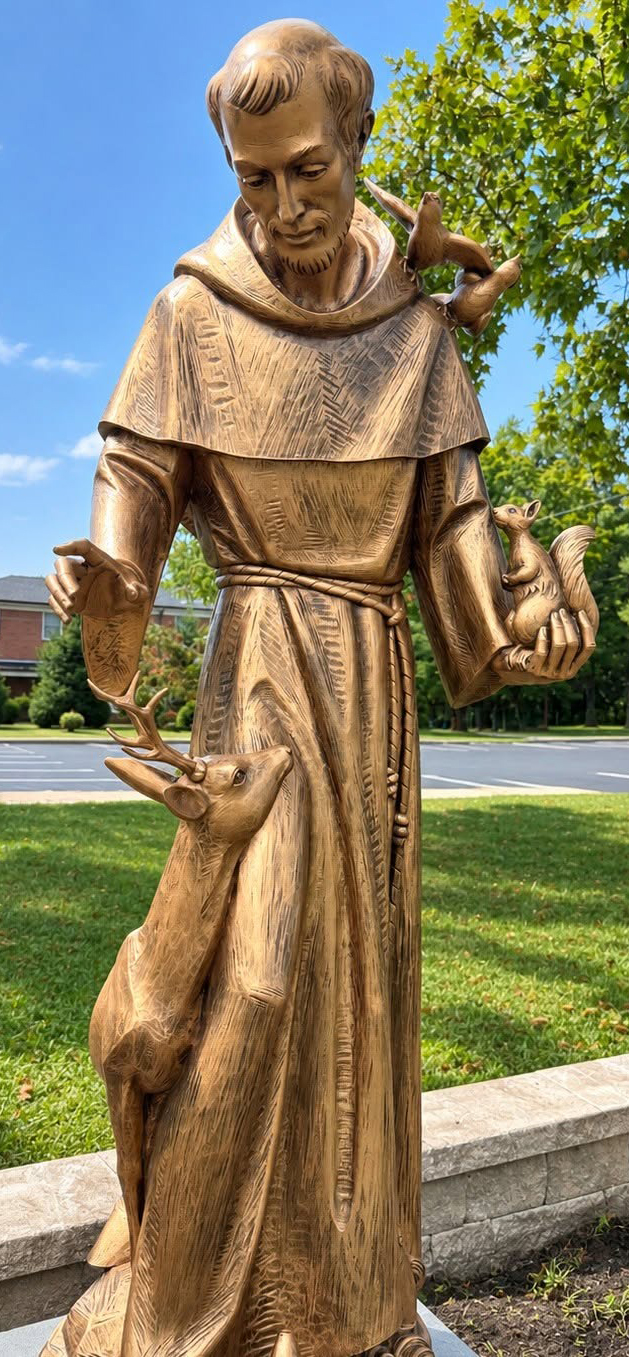
Pope Leo XIV proclaims Franciscan Jubilee Year #Catholic – Pope Leo XIV has proclaimed a “Special Year of St. Francis” to commemorate the 800th anniversary of the saint’s death. During this time of grace, which will extend until January 2027, the faithful are granted the opportunity to obtain a plenary indulgence.
This Franciscan Jubilee Year, considered a gift for the entire Church and an occasion for authentic spiritual renewal, was inaugurated on Jan. 10 with a decree issued by the Apostolic Penitentiary of the Holy See.
Until Jan. 10 of next year, the faithful can obtain this grace under the usual conditions — sacramental confession, Communion, and prayer for the intentions of the pope — by making a pilgrimage to any Franciscan conventual church or place of worship dedicated to St. Francis anywhere in the world.

Click here to subscribe to our weekly newsletter.

Furthermore, the elderly, the sick, and those who, for serious reasons, cannot leave their homes can obtain the plenary indulgence by spiritually joining in the jubilee celebrations and offering their prayers, pains, or sufferings to God.
In a world where “the virtual takes over the real, disagreements and social violence are part of everyday life, and peace becomes more insecure and distant every day, this Year of St. Francis spurs all of us, each according to our possibilities, to imitate the poor man of Assisi, to form ourselves as far as possible on the model of Christ,” the decree states.
For the Order of Friars Minor, this time is also an opportunity for the faithful to become “models of holiness of life and constant witnesses of peace.”
On the occasion of this anniversary, Pope Leo XIV addressed a letter to the ministers general of the Franciscan Family Conference in which he emphasized that “in this era, marked by so many seemingly endless wars, by internal and social divisions that create distrust and fear, he continues to speak. Not because he offers technical solutions, but because his life points to the authentic source of peace.”
In this regard, he highlighted that St. Francis reminds us that “peace with God, peace among people, and peace with creation are inseparable dimensions of a single call to universal reconciliation.”
This story was first published by ACI Prensa, Catholic News Agency’s Spanish-language news partner. Almudena Martínez-Bordiú is Rome correspondent for ACI Prensa and EWTN.

Pope Leo XIV proclaims Franciscan Jubilee Year #Catholic – Pope Leo XIV has proclaimed a “Special Year of St. Francis” to commemorate the 800th anniversary of the saint’s death. During this time of grace, which will extend until January 2027, the faithful are granted the opportunity to obtain a plenary indulgence. This Franciscan Jubilee Year, considered a gift for the entire Church and an occasion for authentic spiritual renewal, was inaugurated on Jan. 10 with a decree issued by the Apostolic Penitentiary of the Holy See. Until Jan. 10 of next year, the faithful can obtain this grace under the usual conditions — sacramental confession, Communion, and prayer for the intentions of the pope — by making a pilgrimage to any Franciscan conventual church or place of worship dedicated to St. Francis anywhere in the world. Click here to subscribe to our weekly newsletter. Furthermore, the elderly, the sick, and those who, for serious reasons, cannot leave their homes can obtain the plenary indulgence by spiritually joining in the jubilee celebrations and offering their prayers, pains, or sufferings to God. In a world where “the virtual takes over the real, disagreements and social violence are part of everyday life, and peace becomes more insecure and distant every day, this Year of St. Francis spurs all of us, each according to our possibilities, to imitate the poor man of Assisi, to form ourselves as far as possible on the model of Christ,” the decree states. For the Order of Friars Minor, this time is also an opportunity for the faithful to become “models of holiness of life and constant witnesses of peace.” On the occasion of this anniversary, Pope Leo XIV addressed a letter to the ministers general of the Franciscan Family Conference in which he emphasized that “in this era, marked by so many seemingly endless wars, by internal and social divisions that create distrust and fear, he continues to speak. Not because he offers technical solutions, but because his life points to the authentic source of peace.” In this regard, he highlighted that St. Francis reminds us that “peace with God, peace among people, and peace with creation are inseparable dimensions of a single call to universal reconciliation.” This story was first published by ACI Prensa, Catholic News Agency’s Spanish-language news partner. Almudena Martínez-Bordiú is Rome correspondent for ACI Prensa and EWTN.

Pope Leo XIV proclaims Franciscan Jubilee Year #Catholic –

Pope Leo XIV has proclaimed a “Special Year of St. Francis” to commemorate the 800th anniversary of the saint’s death. During this time of grace, which will extend until January 2027, the faithful are granted the opportunity to obtain a plenary indulgence.

This Franciscan Jubilee Year, considered a gift for the entire Church and an occasion for authentic spiritual renewal, was inaugurated on Jan. 10 with a decree issued by the Apostolic Penitentiary of the Holy See.

Until Jan. 10 of next year, the faithful can obtain this grace under the usual conditions — sacramental confession, Communion, and prayer for the intentions of the pope — by making a pilgrimage to any Franciscan conventual church or place of worship dedicated to St. Francis anywhere in the world.


Click here to subscribe to our weekly newsletter.

Furthermore, the elderly, the sick, and those who, for serious reasons, cannot leave their homes can obtain the plenary indulgence by spiritually joining in the jubilee celebrations and offering their prayers, pains, or sufferings to God.

In a world where “the virtual takes over the real, disagreements and social violence are part of everyday life, and peace becomes more insecure and distant every day, this Year of St. Francis spurs all of us, each according to our possibilities, to imitate the poor man of Assisi, to form ourselves as far as possible on the model of Christ,” the decree states.

For the Order of Friars Minor, this time is also an opportunity for the faithful to become “models of holiness of life and constant witnesses of peace.”

On the occasion of this anniversary, Pope Leo XIV addressed a letter to the ministers general of the Franciscan Family Conference in which he emphasized that “in this era, marked by so many seemingly endless wars, by internal and social divisions that create distrust and fear, he continues to speak. Not because he offers technical solutions, but because his life points to the authentic source of peace.”

In this regard, he highlighted that St. Francis reminds us that “peace with God, peace among people, and peace with creation are inseparable dimensions of a single call to universal reconciliation.”

This story was first published by ACI Prensa, Catholic News Agency’s Spanish-language news partner. Almudena Martínez-Bordiú is Rome correspondent for ACI Prensa and EWTN.

Pope Leo XIV has proclaimed a “Special Year of St. Francis” to commemorate the 800th anniversary of the saint’s death. During this time of grace, which will extend until January 2027, the faithful are granted the opportunity to obtain a plenary indulgence. This Franciscan Jubilee Year, considered a gift for the entire Church and an occasion for authentic spiritual renewal, was inaugurated on Jan. 10 with a decree issued by the Apostolic Penitentiary of the Holy See. Until Jan. 10 of next year, the faithful can obtain this grace under the usual conditions — sacramental confession, Communion, and prayer for

Read More
Eyes fixed on Jesus #Catholic - Meg Hunter-Kilmer spent 12 years living in her car and traveling around the U.S. to share her love for Jesus with individuals and audiences. Despite her devotion to her Catholic faith, she became aware of a serious shortcoming in her spiritual life.
Like a lot of people, she had heard and read the gospels so many times that she thought she knew all there was to know about them. If the priest at Mass started the parable of the Prodigal Son, she would think, “I know what happens next, so I don’t have to listen.” Then, her mind might drift to her grocery list or plans for next weekend.
But after reading the books “The Robe” by Lloyd C. Douglas and “To Know Christ Jesus” by Frank Sheed, Meg began to see that Jesus was not just a figure in heaven who loved her; He was someone who had “smile lines [and] scars on His fingers from working in the carpenter shop,” she explained on “Christopher Closeup.”
That idea of Jesus’ humanity overwhelmed her, so she spent six months reading the gospels and gospel commentaries. Those efforts led to her latest book, “Eyes Fixed on Jesus, Volume 1.” Meg noted. “The gospels are so familiar to us that we let them wash over us, but they’re also so foreign that we don’t pick up on the connections that are being made.”

Click here to subscribe to our weekly newsletter.

Learning “biblical context” was key to Meg’s new understanding of the gospels. For instance, in modern times, we use the term “Good Samaritan” to refer to anyone who does a kind deed. But Jewish audiences in Jesus’ time “loathed” the Samaritans. The fact that Jesus approached the Samaritan woman at the well as Bridegroom rather than an enemy demonstrates there is nothing we can do to keep Jesus from loving us.
Jesus’ eagerness to approach anybody speaks to His humility. Another example is when He encountered Matthew, the tax collector. Meg explained, “This, for me, was one of the biggest things in starting to understand more about context in Scripture. A tax collector is not a pencil pusher. A tax collector is a Nazi collaborator. This is a guy who looked at the violent and vicious oppressors of his people and [thought], ‘Those guys seem like they tip well.’ And Jesus still wanted him.”
It’s important to note that Jesus doesn’t condemn Matthew for his actions and then say, “Follow me.” Instead, Jesus gets to know him first as a person, just like He does with the other “sinners” who come as guests to the meal Matthew hosts for Jesus. The Pharisees do not look kindly on this gathering or Jesus’ approach.
Meg said, “[Jesus] is calling everybody to conversion, but He comes out hard against the Pharisees and those who congratulate themselves on their religiosity. And He says, ‘Hey, I actually don’t care how many Divine Mercy chaplets you pray if you despise the poor,’ analogously. Whereas with sinners, He comes in gentle and draws them closer. That’s important for us to recognize. If we are standing on a street corner with signs about how God hates you, we have lost this battle for a soul. We need to encounter the person in front of us and love them wildly with the love of Jesus. And when they believe that they are safely loved, that’s when they’re willing to hear an invitation to conversion. But you can’t start with condemnation. It’s not effective, and it’s not what Jesus did.”
Tony Rossi is director of communications for The Christophers. For free copies of the Christopher News Note Imitating Christ’s Humility, write: The Christophers, 264 West 40th Street, Room 603, New York, NY 10018; or e-mail: mail@christophers.org
 

Eyes fixed on Jesus #Catholic – Meg Hunter-Kilmer spent 12 years living in her car and traveling around the U.S. to share her love for Jesus with individuals and audiences. Despite her devotion to her Catholic faith, she became aware of a serious shortcoming in her spiritual life. Like a lot of people, she had heard and read the gospels so many times that she thought she knew all there was to know about them. If the priest at Mass started the parable of the Prodigal Son, she would think, “I know what happens next, so I don’t have to listen.” Then, her mind might drift to her grocery list or plans for next weekend. But after reading the books “The Robe” by Lloyd C. Douglas and “To Know Christ Jesus” by Frank Sheed, Meg began to see that Jesus was not just a figure in heaven who loved her; He was someone who had “smile lines [and] scars on His fingers from working in the carpenter shop,” she explained on “Christopher Closeup.” That idea of Jesus’ humanity overwhelmed her, so she spent six months reading the gospels and gospel commentaries. Those efforts led to her latest book, “Eyes Fixed on Jesus, Volume 1.” Meg noted. “The gospels are so familiar to us that we let them wash over us, but they’re also so foreign that we don’t pick up on the connections that are being made.” Click here to subscribe to our weekly newsletter. Learning “biblical context” was key to Meg’s new understanding of the gospels. For instance, in modern times, we use the term “Good Samaritan” to refer to anyone who does a kind deed. But Jewish audiences in Jesus’ time “loathed” the Samaritans. The fact that Jesus approached the Samaritan woman at the well as Bridegroom rather than an enemy demonstrates there is nothing we can do to keep Jesus from loving us. Jesus’ eagerness to approach anybody speaks to His humility. Another example is when He encountered Matthew, the tax collector. Meg explained, “This, for me, was one of the biggest things in starting to understand more about context in Scripture. A tax collector is not a pencil pusher. A tax collector is a Nazi collaborator. This is a guy who looked at the violent and vicious oppressors of his people and [thought], ‘Those guys seem like they tip well.’ And Jesus still wanted him.” It’s important to note that Jesus doesn’t condemn Matthew for his actions and then say, “Follow me.” Instead, Jesus gets to know him first as a person, just like He does with the other “sinners” who come as guests to the meal Matthew hosts for Jesus. The Pharisees do not look kindly on this gathering or Jesus’ approach. Meg said, “[Jesus] is calling everybody to conversion, but He comes out hard against the Pharisees and those who congratulate themselves on their religiosity. And He says, ‘Hey, I actually don’t care how many Divine Mercy chaplets you pray if you despise the poor,’ analogously. Whereas with sinners, He comes in gentle and draws them closer. That’s important for us to recognize. If we are standing on a street corner with signs about how God hates you, we have lost this battle for a soul. We need to encounter the person in front of us and love them wildly with the love of Jesus. And when they believe that they are safely loved, that’s when they’re willing to hear an invitation to conversion. But you can’t start with condemnation. It’s not effective, and it’s not what Jesus did.” Tony Rossi is director of communications for The Christophers. For free copies of the Christopher News Note Imitating Christ’s Humility, write: The Christophers, 264 West 40th Street, Room 603, New York, NY 10018; or e-mail: mail@christophers.org  

Eyes fixed on Jesus #Catholic –

Meg Hunter-Kilmer spent 12 years living in her car and traveling around the U.S. to share her love for Jesus with individuals and audiences. Despite her devotion to her Catholic faith, she became aware of a serious shortcoming in her spiritual life.

Like a lot of people, she had heard and read the gospels so many times that she thought she knew all there was to know about them. If the priest at Mass started the parable of the Prodigal Son, she would think, “I know what happens next, so I don’t have to listen.” Then, her mind might drift to her grocery list or plans for next weekend.

But after reading the books “The Robe” by Lloyd C. Douglas and “To Know Christ Jesus” by Frank Sheed, Meg began to see that Jesus was not just a figure in heaven who loved her; He was someone who had “smile lines [and] scars on His fingers from working in the carpenter shop,” she explained on “Christopher Closeup.”

That idea of Jesus’ humanity overwhelmed her, so she spent six months reading the gospels and gospel commentaries. Those efforts led to her latest book, “Eyes Fixed on Jesus, Volume 1.” Meg noted. “The gospels are so familiar to us that we let them wash over us, but they’re also so foreign that we don’t pick up on the connections that are being made.”


Click here to subscribe to our weekly newsletter.

Learning “biblical context” was key to Meg’s new understanding of the gospels. For instance, in modern times, we use the term “Good Samaritan” to refer to anyone who does a kind deed. But Jewish audiences in Jesus’ time “loathed” the Samaritans. The fact that Jesus approached the Samaritan woman at the well as Bridegroom rather than an enemy demonstrates there is nothing we can do to keep Jesus from loving us.

Jesus’ eagerness to approach anybody speaks to His humility. Another example is when He encountered Matthew, the tax collector. Meg explained, “This, for me, was one of the biggest things in starting to understand more about context in Scripture. A tax collector is not a pencil pusher. A tax collector is a Nazi collaborator. This is a guy who looked at the violent and vicious oppressors of his people and [thought], ‘Those guys seem like they tip well.’ And Jesus still wanted him.”

It’s important to note that Jesus doesn’t condemn Matthew for his actions and then say, “Follow me.” Instead, Jesus gets to know him first as a person, just like He does with the other “sinners” who come as guests to the meal Matthew hosts for Jesus. The Pharisees do not look kindly on this gathering or Jesus’ approach.

Meg said, “[Jesus] is calling everybody to conversion, but He comes out hard against the Pharisees and those who congratulate themselves on their religiosity. And He says, ‘Hey, I actually don’t care how many Divine Mercy chaplets you pray if you despise the poor,’ analogously. Whereas with sinners, He comes in gentle and draws them closer. That’s important for us to recognize. If we are standing on a street corner with signs about how God hates you, we have lost this battle for a soul. We need to encounter the person in front of us and love them wildly with the love of Jesus. And when they believe that they are safely loved, that’s when they’re willing to hear an invitation to conversion. But you can’t start with condemnation. It’s not effective, and it’s not what Jesus did.”

Tony Rossi is director of communications for The Christophers. For free copies of the Christopher News Note Imitating Christ’s Humility, write: The Christophers, 264 West 40th Street, Room 603, New York, NY 10018; or e-mail: mail@christophers.org


Meg Hunter-Kilmer spent 12 years living in her car and traveling around the U.S. to share her love for Jesus with individuals and audiences. Despite her devotion to her Catholic faith, she became aware of a serious shortcoming in her spiritual life. Like a lot of people, she had heard and read the gospels so many times that she thought she knew all there was to know about them. If the priest at Mass started the parable of the Prodigal Son, she would think, “I know what happens next, so I don’t have to listen.” Then, her mind might drift

Read More

Gospel and Word of the Day – 13 January 2026 – A reading from the Book of Samuel 1 Samuel 1:9-20 Hannah rose after a meal at Shiloh, and presented herself before the LORD; at the time, Eli the priest was sitting on a chair near the doorpost of the LORD’s temple. In her bitterness she prayed to the LORD, weeping copiously, and she made a vow, promising: “O LORD of hosts, if you look with pity on the misery of your handmaid, if you remember me and do not forget me, if you give your handmaid a male child, I will give him to the LORD for as long as he lives; neither wine nor liquor shall he drink, and no razor shall ever touch his head.” As she remained long at prayer before the LORD, Eli watched her mouth, for Hannah was praying silently; though her lips were moving, her voice could not be heard. Eli, thinking her drunk, said to her, “How long will you make a drunken show of yourself? Sober up from your wine!” “It isn’t that, my lord,” Hannah answered. “I am an unhappy woman. I have had neither wine nor liquor; I was only pouring out my troubles to the LORD. Do not think your handmaid a ne’er-do-well; my prayer has been prompted by my deep sorrow and misery.” Eli said, “Go in peace, and may the God of Israel grant you what you have asked of him.” She replied, “Think kindly of your maidservant,” and left. She went to her quarters, ate and drank with her husband, and no longer appeared downcast. Early the next morning they worshiped before the LORD, and then returned to their home in Ramah. When Elkanah had relations with his wife Hannah, the LORD remembered her. She conceived, and at the end of her term bore a son whom she called Samuel, since she had asked the LORD for him.From the Gospel according to Mark 1:21-28 Jesus came to Capernaum with his followers, and on the sabbath he entered the synagogue and taught. The people were astonished at his teaching, for he taught them as one having authority and not as the scribes. In their synagogue was a man with an unclean spirit; he cried out, “What have you to do with us, Jesus of Nazareth? Have you come to destroy us? I know who you are–the Holy One of God!” Jesus rebuked him and said, “Quiet! Come out of him!” The unclean spirit convulsed him and with a loud cry came out of him. All were amazed and asked one another, “What is this? A new teaching with authority. He commands even the unclean spirits and they obey him.” His fame spread everywhere throughout the whole region of Galilee.The power of Jesus confirms the authority of his teaching. He does not just speak with words, but he takes action. In this way, he manifests God’s plan with words and with the power of his deeds. In the Gospel in fact, we see that in his earthly mission, Jesus reveals the love of God both through preaching and through countless gestures of attention and aid to the sick, the needy, children and sinners. Jesus is our Teacher, powerful in word and deed. Jesus imparts to us all the light that illuminates the sometimes dark paths of our lives. He also transmits to us the necessary strength to overcome difficulties, trials and temptations. Let us consider what a great grace it is for us to have known this God who is so powerful and so good! A teacher and a friend who shows us the path and takes care of us especially when we are in need. (Pope Francis – Angelus, 28 January 2018)

A reading from the Book of Samuel
1 Samuel 1:9-20

Hannah rose after a meal at Shiloh,
and presented herself before the LORD;
at the time, Eli the priest was sitting on a chair
near the doorpost of the LORD’s temple.
In her bitterness she prayed to the LORD, weeping copiously,
and she made a vow, promising: “O LORD of hosts,
if you look with pity on the misery of your handmaid,
if you remember me and do not forget me,
if you give your handmaid a male child,
I will give him to the LORD for as long as he lives;
neither wine nor liquor shall he drink,
and no razor shall ever touch his head.”
As she remained long at prayer before the LORD,
Eli watched her mouth, for Hannah was praying silently;
though her lips were moving, her voice could not be heard.
Eli, thinking her drunk, said to her,
“How long will you make a drunken show of yourself?
Sober up from your wine!”
“It isn’t that, my lord,” Hannah answered.
“I am an unhappy woman.
I have had neither wine nor liquor;
I was only pouring out my troubles to the LORD.
Do not think your handmaid a ne’er-do-well;
my prayer has been prompted by my deep sorrow and misery.”
Eli said, “Go in peace,
and may the God of Israel grant you what you have asked of him.”
She replied, “Think kindly of your maidservant,” and left.
She went to her quarters, ate and drank with her husband,
and no longer appeared downcast.
Early the next morning they worshiped before the LORD,
and then returned to their home in Ramah.

When Elkanah had relations with his wife Hannah,
the LORD remembered her.
She conceived, and at the end of her term bore a son
whom she called Samuel, since she had asked the LORD for him.

From the Gospel according to Mark
1:21-28

Jesus came to Capernaum with his followers,
and on the sabbath he entered the synagogue and taught.
The people were astonished at his teaching,
for he taught them as one having authority and not as the scribes.
In their synagogue was a man with an unclean spirit;
he cried out, “What have you to do with us, Jesus of Nazareth?
Have you come to destroy us?
I know who you are–the Holy One of God!”
Jesus rebuked him and said, “Quiet! Come out of him!”
The unclean spirit convulsed him and with a loud cry came out of him.
All were amazed and asked one another,
“What is this?
A new teaching with authority.
He commands even the unclean spirits and they obey him.”
His fame spread everywhere throughout the whole region of Galilee.

The power of Jesus confirms the authority of his teaching. He does not just speak with words, but he takes action. In this way, he manifests God’s plan with words and with the power of his deeds. In the Gospel in fact, we see that in his earthly mission, Jesus reveals the love of God both through preaching and through countless gestures of attention and aid to the sick, the needy, children and sinners. Jesus is our Teacher, powerful in word and deed. Jesus imparts to us all the light that illuminates the sometimes dark paths of our lives. He also transmits to us the necessary strength to overcome difficulties, trials and temptations. Let us consider what a great grace it is for us to have known this God who is so powerful and so good! A teacher and a friend who shows us the path and takes care of us especially when we are in need. (Pope Francis – Angelus, 28 January 2018)

Read More
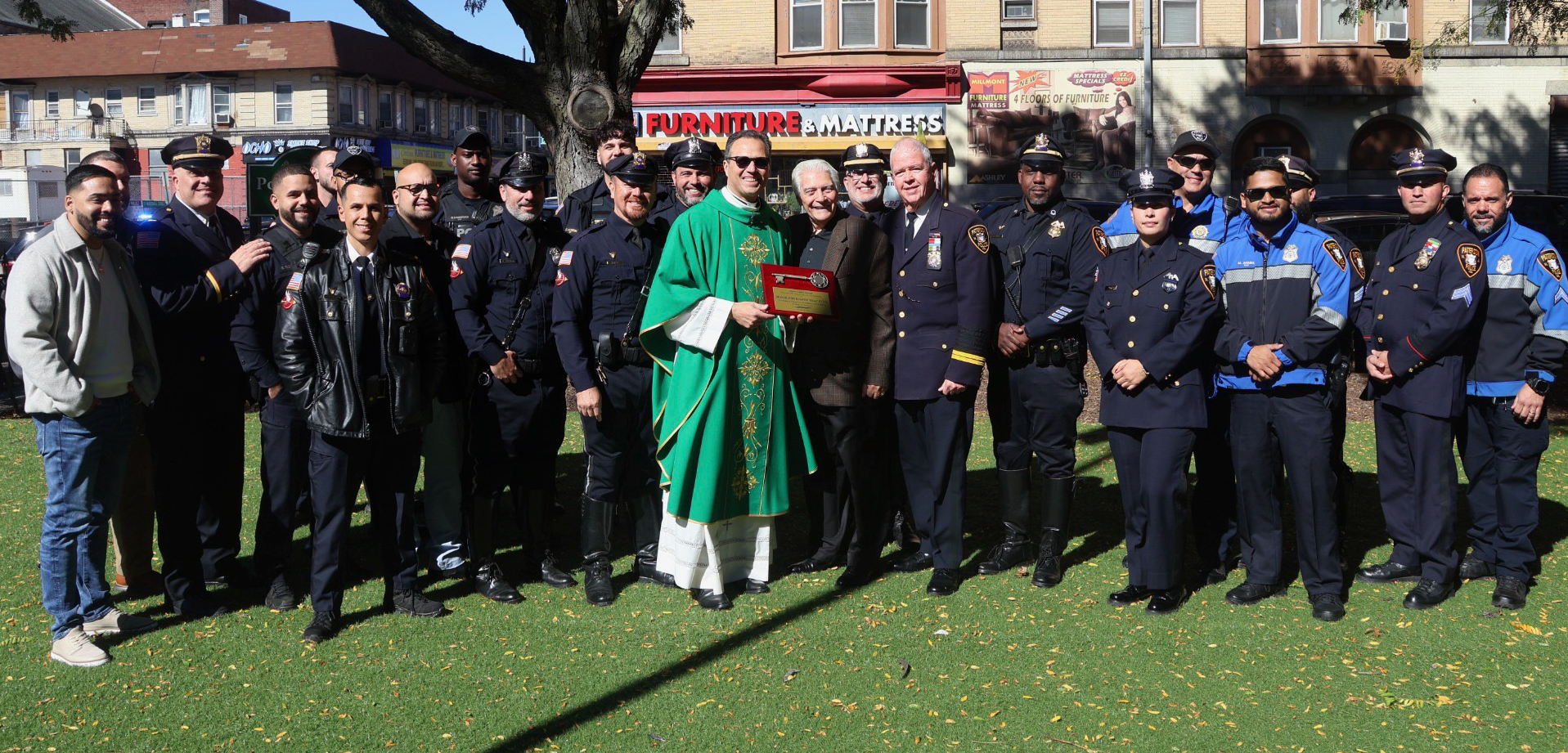
Mayor visits Paterson school on Thee Kings Day #Catholic – Paterson Mayor André Sayegh visited St. Gerard Majella School in Paterson, N.J., to distribute Christmas gifts to students on Three Kings Day, Jan. 6. The the mayor’s office coordinates the annual event.

Click here to subscribe to our weekly newsletter.

Mayor visits Paterson school on Thee Kings Day #Catholic –

Paterson Mayor André Sayegh visited St. Gerard Majella School in Paterson, N.J., to distribute Christmas gifts to students on Three Kings Day, Jan. 6. The the mayor’s office coordinates the annual event.


Click here to subscribe to our weekly newsletter.

Paterson Mayor André Sayegh visited St. Gerard Majella School in Paterson, N.J., to distribute Christmas gifts to students on Three Kings Day, Jan. 6. The the mayor’s office coordinates the annual event. Click here to subscribe to our weekly newsletter.

Read More
Catholic doctors and ethicists react to CDC’s revised childhood vaccine schedule #Catholic 
 
 Credit: CDC/Debora Cartagena

Jan 12, 2026 / 06:00 am (CNA).
Catholic medical professionals and ethicists had mixed reactions to the Centers for Disease Control and Prevention’s (CDC) announcement last week that it has revised the recommended childhood and adolescent vaccine schedule.In a press release on Jan. 5, the CDC announced a revised recommended childhood immunization schedule, which reduces the number of universally recommended vaccines from 18 to 11. It retains routine recommendations for all children against measles, mumps, rubella, polio, pertussis, tetanus, diphtheria, Haemophilus influenzae type b, pneumococcal disease, human papillomavirus (HPV), and varicella (chickenpox).Vaccines for rotavirus, influenza, COVID-19, hepatitis A, hepatitis B, meningococcal disease, and RSV now shift to recommendations for high-risk groups or after “shared clinical decision-making” between providers and families.According to a Department of Health and Human Services (HHS) memo, the CDC “applies shared clinical decision-making recommendations when evidence indicates that individuals may benefit from vaccination based on an analysis of the individual’s characteristics, values, and preferences, the provider’s medical judgment, and the characteristics of the vaccine being considered.”Insurance companies must continue to cover all vaccines.The changes come after President Donald Trump directed the heads of the CDC and HHS in December 2025 to “review best practices from peer, developed nations regarding childhood vaccination recommendations and the scientific evidence underlying those practices” and to make changes accordingly.After reviewing the vaccination practices of 20 peer nations, a scientific assessment found that “the U.S. is a global outlier among developed nations in both the number of diseases addressed in its routine childhood vaccination schedule and the total number of recommended doses but does not have higher vaccination rates than such countries.”“Science demands continuous evaluation,” Dr. Jay Bhattacharya, director of the National Institutes of Health (NIH), said in the CDC press release. “This decision commits NIH, CDC, and the Food and Drug Administration (FDA) to gold standard science, greater transparency, and ongoing reassessment as new data emerge.”Dr. Tim Millea, chair of the health care policy committee at the Catholic Medical Association (CMA), welcomed the changes, telling CNA that he thought the CDC approached the revisions “in a very logical way.”“There has been a huge drop in trust surrounding vaccines since the COVID-19 pandemic,” Millea said. “The suggestions during COVID that the science was ‘settled’ rubbed a lot of us the wrong way.”“The loudest critics of these new recommendations say this is ideology over science,” he said. “Science is a process, not an end. If we need more evidence, let’s get it,” he said, pointing out Bhattacharya’s call for “gold standard” science and “ongoing reassessment.”Millea, a retired orthopedic surgeon, said he has confidence that Bhattacharya and Dr. Marty Makary, head of the FDA, are “not going to let ideology get ahead of science.”The president of the National Catholic Bioethics Center (NCBC), John Di Camillo, told CNA in a statement regarding the updated immunization recommendations: “The people look to public health authorities precisely for this kind of guidance, which is responsive to continually evolving research, ongoing discussions among professionals in the medical field, and ethical principles that promote the common good, respect the dignity of the human person, and limit the interference of financial and ideological conflicts.”‘Let those closest to the children make the decisions’Millea acknowledged that critics of the CDC’s revised recommendations say comparing the U.S. vaccine schedule to that of much smaller, more homogeneous nations such as Denmark is like “comparing apples to oranges.”However, he pointed out that the CDC’s revised schedule is simply a recommendation, and each of the 50 U.S. states is free to do what it deems best. “It’s like 50 laboratories. Let’s see what works the best.”Invoking the Catholic principle of subsidiarity, Millea said “let those closest to the children who are getting the vaccinations make the decisions.”“One of the positive aspects of the pandemic is that now we can take a step back and we’re questioning, not because something may be wrong, but maybe because it could be improved upon,” Millea said.John F. Brehany, executive vice president and director of Institutional Relations at the NCBC, told CNA that “the new schedule appears to have been designed with good intent; that is, … to have gained public trust in the absence of mandates and to have contributed to population health outcomes that meet or exceed those of the U.S.”“The new schedule does not take a ‘one size fits all’ approach but rather structures recommendations based on the nature of the diseases, vaccines in question, and characteristics of the children or patients who may receive them,” he continued. “This approach appears to be well-founded and to provide a sound foundation for respecting the dignity and rights of every unique human person.”This will ‘sow more confusion’Dr. Gwyneth Spaeder, a Catholic pediatrician in North Carolina, did not welcome the changes to the immunization schedule.While she acknowledged that the damage to trust in institutions was substantial after the COVID-19 pandemic, she thinks the issues surrounding the COVID-19 vaccine’s safety and efficacy “cannot be compared” with the decades of studies demonstrating the safety of common children’s immunizations.“It is not the same moral calculus,” she said.She does not believe revising the immunization schedule this way will restore trust in institutions, which she said might take “years or even generations” to rebuild.This method will “sow more confusion,” Spaeder said. “Instead of trying to rebuild trust in transparent, evidence-based practices, we have created a situation where everyone is told different things … For this child, we think this schedule is the best, for that child, there’s a different one. That’s not how public health works.”She also said that comparing the homogeneous, relatively tiny population of 6 million in Denmark to that of the diverse population of 340 million in the U.S. is “a false comparison.”“Their children are at less risk from falling through the cracks and contracting these diseases we try to vaccinate against,” she said, noting the protective public health effects of Denmark’s universal health care and generous parental leave policies.“The children who will be most harmed in the U.S. are the underserved,” Spaeder said. “That’s being lost in this conversation. We can have a lot of high-level political arguments, but I am most concerned about my patients from single-parent homes who attend day care from young ages, or who are born to mothers who don’t have adequate prenatal care.”“They will lose out the most from not being protected from these diseases.”

Catholic doctors and ethicists react to CDC’s revised childhood vaccine schedule #Catholic Credit: CDC/Debora Cartagena Jan 12, 2026 / 06:00 am (CNA). Catholic medical professionals and ethicists had mixed reactions to the Centers for Disease Control and Prevention’s (CDC) announcement last week that it has revised the recommended childhood and adolescent vaccine schedule.In a press release on Jan. 5, the CDC announced a revised recommended childhood immunization schedule, which reduces the number of universally recommended vaccines from 18 to 11. It retains routine recommendations for all children against measles, mumps, rubella, polio, pertussis, tetanus, diphtheria, Haemophilus influenzae type b, pneumococcal disease, human papillomavirus (HPV), and varicella (chickenpox).Vaccines for rotavirus, influenza, COVID-19, hepatitis A, hepatitis B, meningococcal disease, and RSV now shift to recommendations for high-risk groups or after “shared clinical decision-making” between providers and families.According to a Department of Health and Human Services (HHS) memo, the CDC “applies shared clinical decision-making recommendations when evidence indicates that individuals may benefit from vaccination based on an analysis of the individual’s characteristics, values, and preferences, the provider’s medical judgment, and the characteristics of the vaccine being considered.”Insurance companies must continue to cover all vaccines.The changes come after President Donald Trump directed the heads of the CDC and HHS in December 2025 to “review best practices from peer, developed nations regarding childhood vaccination recommendations and the scientific evidence underlying those practices” and to make changes accordingly.After reviewing the vaccination practices of 20 peer nations, a scientific assessment found that “the U.S. is a global outlier among developed nations in both the number of diseases addressed in its routine childhood vaccination schedule and the total number of recommended doses but does not have higher vaccination rates than such countries.”“Science demands continuous evaluation,” Dr. Jay Bhattacharya, director of the National Institutes of Health (NIH), said in the CDC press release. “This decision commits NIH, CDC, and the Food and Drug Administration (FDA) to gold standard science, greater transparency, and ongoing reassessment as new data emerge.”Dr. Tim Millea, chair of the health care policy committee at the Catholic Medical Association (CMA), welcomed the changes, telling CNA that he thought the CDC approached the revisions “in a very logical way.”“There has been a huge drop in trust surrounding vaccines since the COVID-19 pandemic,” Millea said. “The suggestions during COVID that the science was ‘settled’ rubbed a lot of us the wrong way.”“The loudest critics of these new recommendations say this is ideology over science,” he said. “Science is a process, not an end. If we need more evidence, let’s get it,” he said, pointing out Bhattacharya’s call for “gold standard” science and “ongoing reassessment.”Millea, a retired orthopedic surgeon, said he has confidence that Bhattacharya and Dr. Marty Makary, head of the FDA, are “not going to let ideology get ahead of science.”The president of the National Catholic Bioethics Center (NCBC), John Di Camillo, told CNA in a statement regarding the updated immunization recommendations: “The people look to public health authorities precisely for this kind of guidance, which is responsive to continually evolving research, ongoing discussions among professionals in the medical field, and ethical principles that promote the common good, respect the dignity of the human person, and limit the interference of financial and ideological conflicts.”‘Let those closest to the children make the decisions’Millea acknowledged that critics of the CDC’s revised recommendations say comparing the U.S. vaccine schedule to that of much smaller, more homogeneous nations such as Denmark is like “comparing apples to oranges.”However, he pointed out that the CDC’s revised schedule is simply a recommendation, and each of the 50 U.S. states is free to do what it deems best. “It’s like 50 laboratories. Let’s see what works the best.”Invoking the Catholic principle of subsidiarity, Millea said “let those closest to the children who are getting the vaccinations make the decisions.”“One of the positive aspects of the pandemic is that now we can take a step back and we’re questioning, not because something may be wrong, but maybe because it could be improved upon,” Millea said.John F. Brehany, executive vice president and director of Institutional Relations at the NCBC, told CNA that “the new schedule appears to have been designed with good intent; that is, … to have gained public trust in the absence of mandates and to have contributed to population health outcomes that meet or exceed those of the U.S.”“The new schedule does not take a ‘one size fits all’ approach but rather structures recommendations based on the nature of the diseases, vaccines in question, and characteristics of the children or patients who may receive them,” he continued. “This approach appears to be well-founded and to provide a sound foundation for respecting the dignity and rights of every unique human person.”This will ‘sow more confusion’Dr. Gwyneth Spaeder, a Catholic pediatrician in North Carolina, did not welcome the changes to the immunization schedule.While she acknowledged that the damage to trust in institutions was substantial after the COVID-19 pandemic, she thinks the issues surrounding the COVID-19 vaccine’s safety and efficacy “cannot be compared” with the decades of studies demonstrating the safety of common children’s immunizations.“It is not the same moral calculus,” she said.She does not believe revising the immunization schedule this way will restore trust in institutions, which she said might take “years or even generations” to rebuild.This method will “sow more confusion,” Spaeder said. “Instead of trying to rebuild trust in transparent, evidence-based practices, we have created a situation where everyone is told different things … For this child, we think this schedule is the best, for that child, there’s a different one. That’s not how public health works.”She also said that comparing the homogeneous, relatively tiny population of 6 million in Denmark to that of the diverse population of 340 million in the U.S. is “a false comparison.”“Their children are at less risk from falling through the cracks and contracting these diseases we try to vaccinate against,” she said, noting the protective public health effects of Denmark’s universal health care and generous parental leave policies.“The children who will be most harmed in the U.S. are the underserved,” Spaeder said. “That’s being lost in this conversation. We can have a lot of high-level political arguments, but I am most concerned about my patients from single-parent homes who attend day care from young ages, or who are born to mothers who don’t have adequate prenatal care.”“They will lose out the most from not being protected from these diseases.”


Credit: CDC/Debora Cartagena

Jan 12, 2026 / 06:00 am (CNA).

Catholic medical professionals and ethicists had mixed reactions to the Centers for Disease Control and Prevention’s (CDC) announcement last week that it has revised the recommended childhood and adolescent vaccine schedule.

In a press release on Jan. 5, the CDC announced a revised recommended childhood immunization schedule, which reduces the number of universally recommended vaccines from 18 to 11. It retains routine recommendations for all children against measles, mumps, rubella, polio, pertussis, tetanus, diphtheria, Haemophilus influenzae type b, pneumococcal disease, human papillomavirus (HPV), and varicella (chickenpox).

Vaccines for rotavirus, influenza, COVID-19, hepatitis A, hepatitis B, meningococcal disease, and RSV now shift to recommendations for high-risk groups or after “shared clinical decision-making” between providers and families.

According to a Department of Health and Human Services (HHS) memo, the CDC “applies shared clinical decision-making recommendations when evidence indicates that individuals may benefit from vaccination based on an analysis of the individual’s characteristics, values, and preferences, the provider’s medical judgment, and the characteristics of the vaccine being considered.”

Insurance companies must continue to cover all vaccines.

The changes come after President Donald Trump directed the heads of the CDC and HHS in December 2025 to “review best practices from peer, developed nations regarding childhood vaccination recommendations and the scientific evidence underlying those practices” and to make changes accordingly.

After reviewing the vaccination practices of 20 peer nations, a scientific assessment found that “the U.S. is a global outlier among developed nations in both the number of diseases addressed in its routine childhood vaccination schedule and the total number of recommended doses but does not have higher vaccination rates than such countries.”

“Science demands continuous evaluation,” Dr. Jay Bhattacharya, director of the National Institutes of Health (NIH), said in the CDC press release. “This decision commits NIH, CDC, and the Food and Drug Administration (FDA) to gold standard science, greater transparency, and ongoing reassessment as new data emerge.”

Dr. Tim Millea, chair of the health care policy committee at the Catholic Medical Association (CMA), welcomed the changes, telling CNA that he thought the CDC approached the revisions “in a very logical way.”

“There has been a huge drop in trust surrounding vaccines since the COVID-19 pandemic,” Millea said. “The suggestions during COVID that the science was ‘settled’ rubbed a lot of us the wrong way.”

“The loudest critics of these new recommendations say this is ideology over science,” he said. “Science is a process, not an end. If we need more evidence, let’s get it,” he said, pointing out Bhattacharya’s call for “gold standard” science and “ongoing reassessment.”

Millea, a retired orthopedic surgeon, said he has confidence that Bhattacharya and Dr. Marty Makary, head of the FDA, are “not going to let ideology get ahead of science.”

The president of the National Catholic Bioethics Center (NCBC), John Di Camillo, told CNA in a statement regarding the updated immunization recommendations: “The people look to public health authorities precisely for this kind of guidance, which is responsive to continually evolving research, ongoing discussions among professionals in the medical field, and ethical principles that promote the common good, respect the dignity of the human person, and limit the interference of financial and ideological conflicts.”

‘Let those closest to the children make the decisions’

Millea acknowledged that critics of the CDC’s revised recommendations say comparing the U.S. vaccine schedule to that of much smaller, more homogeneous nations such as Denmark is like “comparing apples to oranges.”

However, he pointed out that the CDC’s revised schedule is simply a recommendation, and each of the 50 U.S. states is free to do what it deems best. “It’s like 50 laboratories. Let’s see what works the best.”

Invoking the Catholic principle of subsidiarity, Millea said “let those closest to the children who are getting the vaccinations make the decisions.”

“One of the positive aspects of the pandemic is that now we can take a step back and we’re questioning, not because something may be wrong, but maybe because it could be improved upon,” Millea said.

John F. Brehany, executive vice president and director of Institutional Relations at the NCBC, told CNA that “the new schedule appears to have been designed with good intent; that is, … to have gained public trust in the absence of mandates and to have contributed to population health outcomes that meet or exceed those of the U.S.”

“The new schedule does not take a ‘one size fits all’ approach but rather structures recommendations based on the nature of the diseases, vaccines in question, and characteristics of the children or patients who may receive them,” he continued. “This approach appears to be well-founded and to provide a sound foundation for respecting the dignity and rights of every unique human person.”

This will ‘sow more confusion’

Dr. Gwyneth Spaeder, a Catholic pediatrician in North Carolina, did not welcome the changes to the immunization schedule.

While she acknowledged that the damage to trust in institutions was substantial after the COVID-19 pandemic, she thinks the issues surrounding the COVID-19 vaccine’s safety and efficacy “cannot be compared” with the decades of studies demonstrating the safety of common children’s immunizations.

“It is not the same moral calculus,” she said.

She does not believe revising the immunization schedule this way will restore trust in institutions, which she said might take “years or even generations” to rebuild.

This method will “sow more confusion,” Spaeder said. “Instead of trying to rebuild trust in transparent, evidence-based practices, we have created a situation where everyone is told different things … For this child, we think this schedule is the best, for that child, there’s a different one. That’s not how public health works.”

She also said that comparing the homogeneous, relatively tiny population of 6 million in Denmark to that of the diverse population of 340 million in the U.S. is “a false comparison.”

“Their children are at less risk from falling through the cracks and contracting these diseases we try to vaccinate against,” she said, noting the protective public health effects of Denmark’s universal health care and generous parental leave policies.

“The children who will be most harmed in the U.S. are the underserved,” Spaeder said. “That’s being lost in this conversation. We can have a lot of high-level political arguments, but I am most concerned about my patients from single-parent homes who attend day care from young ages, or who are born to mothers who don’t have adequate prenatal care.”

“They will lose out the most from not being protected from these diseases.”

Read More

Gospel and Word of the Day – 12 January 2026 – A reading from the First Book of Samuel 1 Samuel 1:1-8 There was a certain man from Ramathaim, Elkanah by name, a Zuphite from the hill country of Ephraim. He was the son of Jeroham, son of Elihu, son of Tohu, son of Zuph, an Ephraimite. He had two wives, one named Hannah, the other Peninnah; Peninnah had children, but Hannah was childless. This man regularly went on pilgrimage from his city to worship the LORD of hosts and to sacrifice to him at Shiloh, where the two sons of Eli, Hophni and Phinehas, were ministering as priests of the LORD. When the day came for Elkanah to offer sacrifice, he used to give a portion each to his wife Peninnah and to all her sons and daughters, but a double portion to Hannah because he loved her, though the LORD had made her barren. Her rival, to upset her, turned it into a constant reproach to her that the LORD had left her barren. This went on year after year; each time they made their pilgrimage to the sanctuary of the LORD, Peninnah would approach her, and Hannah would weep and refuse to eat. Her husband Elkanah used to ask her: “Hannah, why do you weep, and why do you refuse to eat? Why do you grieve? Am I not more to you than ten sons?”From the Gospel according to Mark 1:14-20 After John had been arrested, Jesus came to Galilee proclaiming the Gospel of God: “This is the time of fulfillment. The Kingdom of God is at hand. Repent, and believe in the Gospel.” As he passed by the Sea of Galilee, he saw Simon and his brother Andrew casting their nets into the sea; they were fishermen. Jesus said to them, “Come after me, and I will make you fishers of men.” Then they left their nets and followed him. He walked along a little farther and saw James, the son of Zebedee, and his brother John. They too were in a boat mending their nets. Then he called them. So they left their father Zebedee in the boat along with the hired men and followed him.In this text of Mark the Evangelist, time is to be understood as the duration of the history of salvation worked by God; therefore, the time “fulfilled” is that in which this salvific action reaches its pinnacle, full realization: it is the historical moment in which God sent his Son into the world and his Kingdom was rendered more “close” than ever. The time of salvation was fulfilled because Jesus arrived. However, salvation is not automatic; salvation is a gift of love and as such, it is offered to human freedom. Always, when we speak of love, we speak of freedom: love without freedom is not love; it may be interest, it may be fear, many things, but love is always free, and being free it calls for a freely given response: it calls for our conversion. Thus, it means changing mentality — this is conversion, changing mentality — and changing life: no longer following the examples of the world but those of God, who is Jesus; following Jesus; “doing” as Jesus had done, and as Jesus taught us. (Pope Francis –   Angelus in the  Library of the Apostolic Palace, 24 January 2021)

A reading from the First Book of Samuel
1 Samuel 1:1-8

There was a certain man from Ramathaim, Elkanah by name,
a Zuphite from the hill country of Ephraim.
He was the son of Jeroham, son of Elihu,
son of Tohu, son of Zuph, an Ephraimite.
He had two wives, one named Hannah, the other Peninnah;
Peninnah had children, but Hannah was childless.
This man regularly went on pilgrimage from his city
to worship the LORD of hosts and to sacrifice to him at Shiloh,
where the two sons of Eli, Hophni and Phinehas,
were ministering as priests of the LORD.
When the day came for Elkanah to offer sacrifice,
he used to give a portion each to his wife Peninnah
and to all her sons and daughters,
but a double portion to Hannah because he loved her,
though the LORD had made her barren.
Her rival, to upset her, turned it into a constant reproach to her
that the LORD had left her barren.
This went on year after year;
each time they made their pilgrimage to the sanctuary of the LORD,
Peninnah would approach her,
and Hannah would weep and refuse to eat.
Her husband Elkanah used to ask her:
“Hannah, why do you weep, and why do you refuse to eat?
Why do you grieve?
Am I not more to you than ten sons?”

From the Gospel according to Mark
1:14-20

After John had been arrested,
Jesus came to Galilee proclaiming the Gospel of God:
“This is the time of fulfillment.
The Kingdom of God is at hand.
Repent, and believe in the Gospel.”

As he passed by the Sea of Galilee,
he saw Simon and his brother Andrew casting their nets into the sea;
they were fishermen.
Jesus said to them,
“Come after me, and I will make you fishers of men.”
Then they left their nets and followed him.
He walked along a little farther
and saw James, the son of Zebedee, and his brother John.
They too were in a boat mending their nets.
Then he called them.
So they left their father Zebedee in the boat
along with the hired men and followed him.

In this text of Mark the Evangelist, time is to be understood as the duration of the history of salvation worked by God; therefore, the time “fulfilled” is that in which this salvific action reaches its pinnacle, full realization: it is the historical moment in which God sent his Son into the world and his Kingdom was rendered more “close” than ever. The time of salvation was fulfilled because Jesus arrived. However, salvation is not automatic; salvation is a gift of love and as such, it is offered to human freedom. Always, when we speak of love, we speak of freedom: love without freedom is not love; it may be interest, it may be fear, many things, but love is always free, and being free it calls for a freely given response: it calls for our conversion. Thus, it means changing mentality — this is conversion, changing mentality — and changing life: no longer following the examples of the world but those of God, who is Jesus; following Jesus; “doing” as Jesus had done, and as Jesus taught us. (Pope Francis –   Angelus in the  Library of the Apostolic Palace, 24 January 2021)

Read More
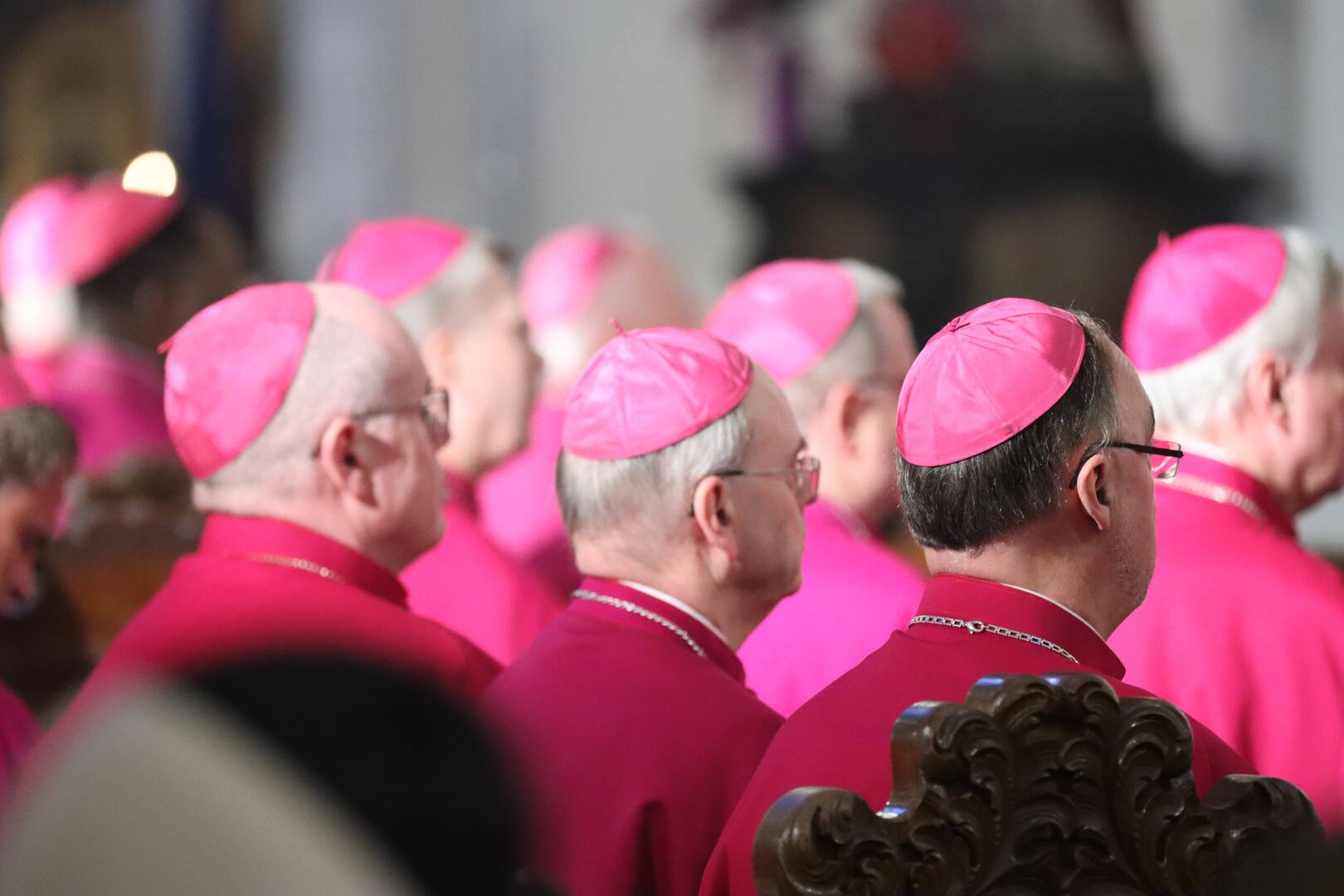
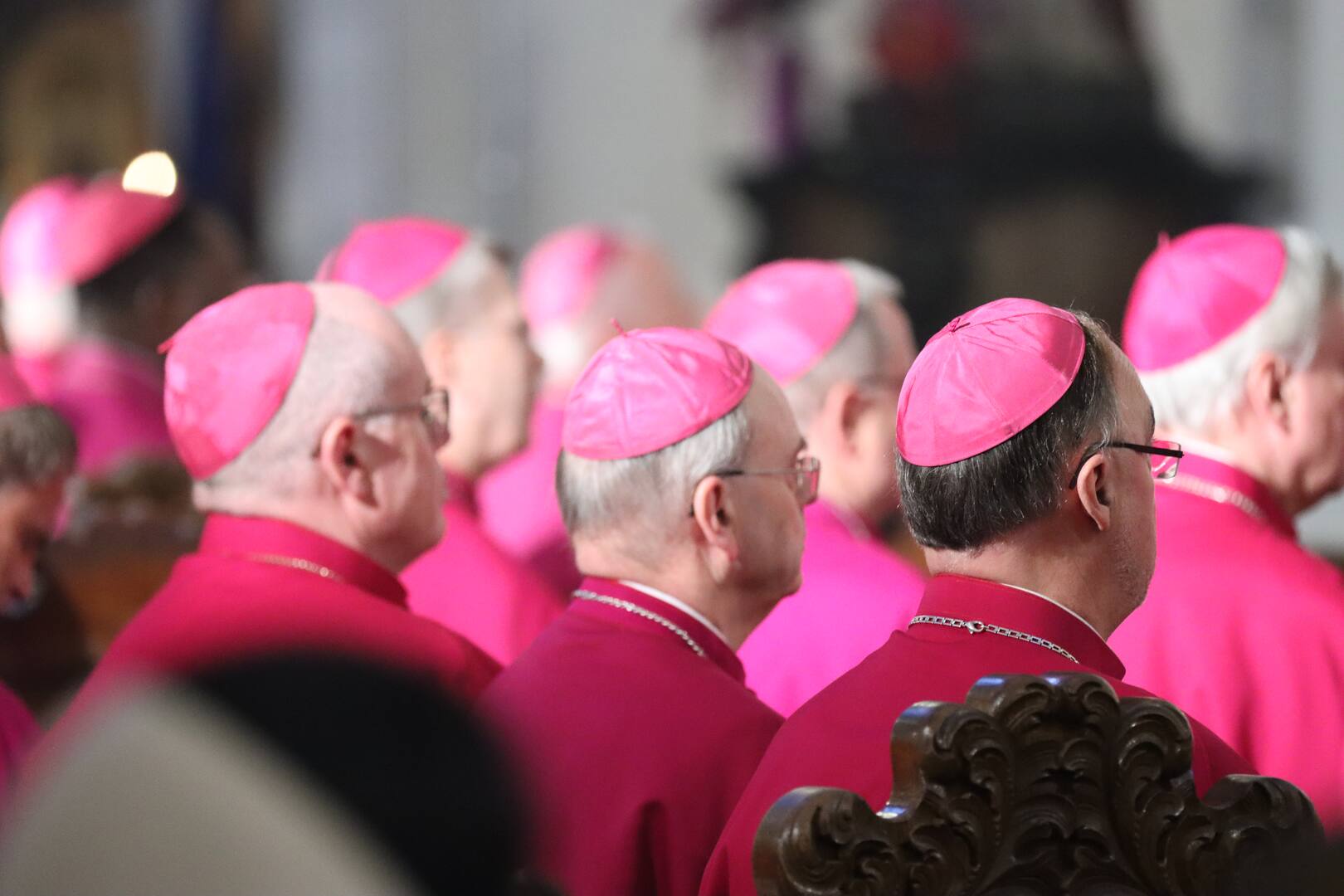
‘Adopt a Bishop’ initiative invites faithful to pray for Church leaders #Catholic 
 
 Pope Leo XIV speaks to bishops gathered for the Jubilee of Bishops on June 25, 2025, in St. Peter’s Basilica at the Vatican. | Credit: Vatican Media

Jan 11, 2026 / 06:00 am (CNA).
Soon after the election of Pope Leo XIV, Cardinal Luis Antonio Tagle shared in a press conference that moments before then-Cardinal Robert Prevost was chosen to be pontiff, Tagle noticed the emotion by the soon-to-be-pope as it was becoming more clear he would be elected, so he reached into his pocket and offered Prevost a piece of candy.It was this simple moment that inspired Lauren Winter, founder of the Catholic company Brick House in the City, to start the Adopt a Bishop initiative.“It really reminded me that these are all human beings who made the choice one day to accept a very serious ‘yes,’” Winter told CNA in an interview.The Adopt a Bishop initiative, which has been launched in collaboration with The Dorothea Project, invites the faithful to adopt a bishop for the year and pray for that bishop throughout the year.“I think our bishops carry an enormous and often invisible spiritual weight,” she said. “They carry a responsibility that most of us never see — it’s pastoral and spiritual and it’s deeply personal and they’re holding entire dioceses in their prayer. And I think that kind of weight requires spiritual support.”This is the first year of the initiative and over 1,000 people have already signed up to adopt a bishop in prayer. When an individual signs up on the website that person is randomly assigned a bishop from anywhere in the world.Winter explained that she decided to use a random generator in order to “remove preference.”“I didn’t want anyone to choose a bishop that they already knew and admired and I wanted to leave that room for the Holy Spirit,” she said. “And it may be a bishop you are already familiar with. It may be a bishop that is someone that you have disagreed with. But the call to prayer is still there and I think receiving a bishop instead of choosing one, that felt more like a posture of reception, which I feel like it’s more aligned with how grace works in the Church — just leaving the room there for the Spirit to work.”The Catholic business owner highlighted the importance spiritual adoption plays in the Church in that it reminds us that “we are also being prayed for, it strengthens the bonds within the Church, and then I feel like it helps us to live more intentionally as one body of Christ.”Winter said she hopes that through this initiative “people feel more connected to their bishop, to the Church, to the quiet work of prayer, and how a small faithful commitment can really shape our faith.”“I imagine many people when they meet a bishop, they ask the good bishop to pray for them and I think it’s really beautiful that we can return that — the reciprocity of prayer. I think they need our prayers too.”

‘Adopt a Bishop’ initiative invites faithful to pray for Church leaders #Catholic Pope Leo XIV speaks to bishops gathered for the Jubilee of Bishops on June 25, 2025, in St. Peter’s Basilica at the Vatican. | Credit: Vatican Media Jan 11, 2026 / 06:00 am (CNA). Soon after the election of Pope Leo XIV, Cardinal Luis Antonio Tagle shared in a press conference that moments before then-Cardinal Robert Prevost was chosen to be pontiff, Tagle noticed the emotion by the soon-to-be-pope as it was becoming more clear he would be elected, so he reached into his pocket and offered Prevost a piece of candy.It was this simple moment that inspired Lauren Winter, founder of the Catholic company Brick House in the City, to start the Adopt a Bishop initiative.“It really reminded me that these are all human beings who made the choice one day to accept a very serious ‘yes,’” Winter told CNA in an interview.The Adopt a Bishop initiative, which has been launched in collaboration with The Dorothea Project, invites the faithful to adopt a bishop for the year and pray for that bishop throughout the year.“I think our bishops carry an enormous and often invisible spiritual weight,” she said. “They carry a responsibility that most of us never see — it’s pastoral and spiritual and it’s deeply personal and they’re holding entire dioceses in their prayer. And I think that kind of weight requires spiritual support.”This is the first year of the initiative and over 1,000 people have already signed up to adopt a bishop in prayer. When an individual signs up on the website that person is randomly assigned a bishop from anywhere in the world.Winter explained that she decided to use a random generator in order to “remove preference.”“I didn’t want anyone to choose a bishop that they already knew and admired and I wanted to leave that room for the Holy Spirit,” she said. “And it may be a bishop you are already familiar with. It may be a bishop that is someone that you have disagreed with. But the call to prayer is still there and I think receiving a bishop instead of choosing one, that felt more like a posture of reception, which I feel like it’s more aligned with how grace works in the Church — just leaving the room there for the Spirit to work.”The Catholic business owner highlighted the importance spiritual adoption plays in the Church in that it reminds us that “we are also being prayed for, it strengthens the bonds within the Church, and then I feel like it helps us to live more intentionally as one body of Christ.”Winter said she hopes that through this initiative “people feel more connected to their bishop, to the Church, to the quiet work of prayer, and how a small faithful commitment can really shape our faith.”“I imagine many people when they meet a bishop, they ask the good bishop to pray for them and I think it’s really beautiful that we can return that — the reciprocity of prayer. I think they need our prayers too.”


Pope Leo XIV speaks to bishops gathered for the Jubilee of Bishops on June 25, 2025, in St. Peter’s Basilica at the Vatican. | Credit: Vatican Media

Jan 11, 2026 / 06:00 am (CNA).

Soon after the election of Pope Leo XIV, Cardinal Luis Antonio Tagle shared in a press conference that moments before then-Cardinal Robert Prevost was chosen to be pontiff, Tagle noticed the emotion by the soon-to-be-pope as it was becoming more clear he would be elected, so he reached into his pocket and offered Prevost a piece of candy.

It was this simple moment that inspired Lauren Winter, founder of the Catholic company Brick House in the City, to start the Adopt a Bishop initiative.

“It really reminded me that these are all human beings who made the choice one day to accept a very serious ‘yes,’” Winter told CNA in an interview.

The Adopt a Bishop initiative, which has been launched in collaboration with The Dorothea Project, invites the faithful to adopt a bishop for the year and pray for that bishop throughout the year.

“I think our bishops carry an enormous and often invisible spiritual weight,” she said. “They carry a responsibility that most of us never see — it’s pastoral and spiritual and it’s deeply personal and they’re holding entire dioceses in their prayer. And I think that kind of weight requires spiritual support.”

This is the first year of the initiative and over 1,000 people have already signed up to adopt a bishop in prayer. When an individual signs up on the website that person is randomly assigned a bishop from anywhere in the world.

Winter explained that she decided to use a random generator in order to “remove preference.”

“I didn’t want anyone to choose a bishop that they already knew and admired and I wanted to leave that room for the Holy Spirit,” she said. “And it may be a bishop you are already familiar with. It may be a bishop that is someone that you have disagreed with. But the call to prayer is still there and I think receiving a bishop instead of choosing one, that felt more like a posture of reception, which I feel like it’s more aligned with how grace works in the Church — just leaving the room there for the Spirit to work.”

The Catholic business owner highlighted the importance spiritual adoption plays in the Church in that it reminds us that “we are also being prayed for, it strengthens the bonds within the Church, and then I feel like it helps us to live more intentionally as one body of Christ.”

Winter said she hopes that through this initiative “people feel more connected to their bishop, to the Church, to the quiet work of prayer, and how a small faithful commitment can really shape our faith.”

“I imagine many people when they meet a bishop, they ask the good bishop to pray for them and I think it’s really beautiful that we can return that — the reciprocity of prayer. I think they need our prayers too.”

Read More

Gospel and Word of the Day – 11 January 2026 – Areading from the Book of Isaiah 42:1-4, 6-7 Thus says the LORD: Here is my servant whom I uphold, my chosen one with whom I am pleased, upon whom I have put my spirit; he shall bring forth justice to the nations, not crying out, not shouting, not making his voice heard in the street. a bruised reed he shall not break, and a smoldering wick he shall not quench, until he establishes justice on the earth; the coastlands will wait for his teaching. I, the LORD, have called you for the victory of justice, I have grasped you by the hand; I formed you, and set you as a covenant of the people, a light for the nations, to open the eyes of the blind, to bring out prisoners from confinement, and from the dungeon, those who live in darkness.   A reading from the Acts of the Apostles 10:34-38 Peter proceeded to speak to those gathered in the house of Cornelius, saying: “In truth, I see that God shows no partiality. Rather, in every nation whoever fears him and acts uprightly is acceptable to him. You know the word that he sent to the Israelites as he proclaimed peace through Jesus Christ, who is Lord of all, what has happened all over Judea, beginning in Galilee after the baptism that John preached, how God anointed Jesus of Nazareth with the Holy Spirit and power. He went about doing good and healing all those oppressed by the devil, for God was with him.”From the Gospel according to Matthew 3:13-17 Jesus came from Galilee to John at the Jordan to be baptized by him. John tried to prevent him, saying, “I need to be baptized by you, and yet you are coming to me?” Jesus said to him in reply, “Allow it now, for thus it is fitting for us to fulfill all righteousness.” Then he allowed him. After Jesus was baptized, he came up from the water and behold, the heavens were opened for him, and he saw the Spirit of God descending like a dove and coming upon him. And a voice came from the heavens, saying, “This is my beloved Son, with whom I am well pleased.”

Areading from the Book of Isaiah
42:1-4, 6-7

Thus says the LORD:
Here is my servant whom I uphold,
my chosen one with whom I am pleased,
upon whom I have put my spirit;
he shall bring forth justice to the nations,
not crying out, not shouting,
not making his voice heard in the street.
a bruised reed he shall not break,
and a smoldering wick he shall not quench,
until he establishes justice on the earth;
the coastlands will wait for his teaching.

I, the LORD, have called you for the victory of justice,
I have grasped you by the hand;
I formed you, and set you
as a covenant of the people,
a light for the nations,
to open the eyes of the blind,
to bring out prisoners from confinement,
and from the dungeon, those who live in darkness.


A reading from the Acts of the Apostles
10:34-38

Peter proceeded to speak to those gathered
in the house of Cornelius, saying:
“In truth, I see that God shows no partiality.
Rather, in every nation whoever fears him and acts uprightly
is acceptable to him.
You know the word that he sent to the Israelites
as he proclaimed peace through Jesus Christ, who is Lord of all,
what has happened all over Judea,
beginning in Galilee after the baptism
that John preached,
how God anointed Jesus of Nazareth
with the Holy Spirit and power.
He went about doing good
and healing all those oppressed by the devil,
for God was with him.”

From the Gospel according to Matthew
3:13-17

Jesus came from Galilee to John at the Jordan
to be baptized by him.
John tried to prevent him, saying,
“I need to be baptized by you,
and yet you are coming to me?”
Jesus said to him in reply,
“Allow it now, for thus it is fitting for us
to fulfill all righteousness.”
Then he allowed him.
After Jesus was baptized,
he came up from the water and behold,
the heavens were opened for him,
and he saw the Spirit of God descending like a dove
and coming upon him.
And a voice came from the heavens, saying,
“This is my beloved Son, with whom I am well pleased.”

Read More
At annual meeting, Catholic historians assess impact of first American pope #Catholic 
 
 University of Notre Dame professor Kathleen Sprows Cummings. Credit: Ken Oliver-Méndez/CNA

Jan 10, 2026 / 10:12 am (CNA).
Assessing the impact of the Catholic Church's first American pope was front and center at the 106th annual meeting of the American Catholic Historical Association (ACHA), which met in Pope Leo XIV's hometown of Chicago from Jan. 8-11.During a panel on the subject, Catholic scholars noted some of the historic caricatures of what an American papacy would be like and compared that to the first eight months of Leo's actual papacy.American Catholic History Association panelists (from left to right) Brian Flanagan, Colleen Dulle, Miguel Diaz and Kathleen Sprows Cummings. Credit: Ken Oliver-Méndez/CNAAt the outset of the panel, University of Notre Dame history professor Kathleen Sprows Cummings referenced the 1894 Puck magazine cartoon titled “ The American Pope,” which depicts the first apostolic delegate to the United States, Cardinal Francesco Satolli, sitting atop a church labeled the “American headquarters” and casting a shadow of then Pope Leo XIII over the entire country.Sprows Cummings noted the cartoon illustrates “fears about papal intervention in the United States” at a time when the country was receiving waves of Catholic immigrants from countries such as Ireland and Italy.As Catholics became more settled in American society in the subsequent decades, she said some of those prejudices began to lessen and pointed to the 1918 election of Catholic Democrat Al Smith as New York’s governor. By this point, Catholics had become “much more confident about their place in American culture.” During the same early 20th century period, the United States also began to rise as a superpower. Sprows Cummings noted that predominant concerns about an American pope shifted to Vatican concerns over the “Americanization of the Catholic Church.”America magazine's Vatican correspondent, Colleen Dulle, said some of those concerns were evidently mitigated in the person of then Cardinal Robert Prevost, whose service to the Church included many years as a missionary and bishop in Peru as well as in Rome as the head of a global religious order, the Augustinians.Sprows Cummings said the College of Cardinals clearly saw in Cardinal Prevost the "pastoral presence, administrative savvy and global vision" that the Church needed at this time and that he was “not elected in some flex of American power.”Miguel Diaz, the John Courtney Murray, S.J. Chair in Public Service at Loyola University Chicago, noted that some of Leo’s actions have actually amounted to the opposite of flexing American power, such as his focus on the dignity of migrants, which he contrasted to the policies of the Trump administration.Former U.S. Ambassador to the Holy See Miguel Diaz. Credit: Ken Oliver-Méndez/CNADiaz, who served as U.S. ambassador to the Holy See under former President Barack Obama, said Leo is “a different symbol, from America first to America cares.”He emphasized that having an American pope is significant amid the country’s political debates because “he can say things and he will be listened to.”The panelists also discussed what Leo’s papacy may look like moving forward, with Dulle noting that only this year are there clear signs of him charting his own programmatic course, as the events and itinerary of the 2025 Jubilee were primarily developed for Pope Francis. Up until now, she said, he has been mostly “continuing the Francis initiatives in a different style.”She noted Pope Leo's management of this week's consistory — a meeting between the pope and the College of Cardinals — where the pontiff gave them four topics to choose from, which were all in line with Francis’s priorities: synodality, evangelization, reform of the curia, and the liturgy. The cardinals chose synodality and evangelization.Dulle said Leo is seen as "a consensus builder” who aims to build consensus around the Church's priorities. She noted Pope Leo's announcement this week of a regular schedule of consistories, with the next one set for this June. This approach is emerging as a "hallmark of how he governs the Church" Dulle said.Brian Flanagan, the John Cardinal Cody Chair of Catholic Theology at Loyola University Chicago, also emphasized Leo’s strong appeal to the cardinals and bishops in efforts to reach consensus, in keeping with the Pope's role as a preserver of unity.Flanagan said he sees Leo exercising the papacy as not so much "at the top of the pyramid, but as at the center of conversation.” He said this is likely influenced by Leo's past as leader of a religious order — the Order of Saint Augustine — rather than a diocese because the orders are “global, diverse, and somewhat fractious.”“You can’t govern a global religious community without getting people on board,” he said.

At annual meeting, Catholic historians assess impact of first American pope #Catholic University of Notre Dame professor Kathleen Sprows Cummings. Credit: Ken Oliver-Méndez/CNA Jan 10, 2026 / 10:12 am (CNA). Assessing the impact of the Catholic Church's first American pope was front and center at the 106th annual meeting of the American Catholic Historical Association (ACHA), which met in Pope Leo XIV's hometown of Chicago from Jan. 8-11.During a panel on the subject, Catholic scholars noted some of the historic caricatures of what an American papacy would be like and compared that to the first eight months of Leo's actual papacy.American Catholic History Association panelists (from left to right) Brian Flanagan, Colleen Dulle, Miguel Diaz and Kathleen Sprows Cummings. Credit: Ken Oliver-Méndez/CNAAt the outset of the panel, University of Notre Dame history professor Kathleen Sprows Cummings referenced the 1894 Puck magazine cartoon titled “ The American Pope,” which depicts the first apostolic delegate to the United States, Cardinal Francesco Satolli, sitting atop a church labeled the “American headquarters” and casting a shadow of then Pope Leo XIII over the entire country.Sprows Cummings noted the cartoon illustrates “fears about papal intervention in the United States” at a time when the country was receiving waves of Catholic immigrants from countries such as Ireland and Italy.As Catholics became more settled in American society in the subsequent decades, she said some of those prejudices began to lessen and pointed to the 1918 election of Catholic Democrat Al Smith as New York’s governor. By this point, Catholics had become “much more confident about their place in American culture.” During the same early 20th century period, the United States also began to rise as a superpower. Sprows Cummings noted that predominant concerns about an American pope shifted to Vatican concerns over the “Americanization of the Catholic Church.”America magazine's Vatican correspondent, Colleen Dulle, said some of those concerns were evidently mitigated in the person of then Cardinal Robert Prevost, whose service to the Church included many years as a missionary and bishop in Peru as well as in Rome as the head of a global religious order, the Augustinians.Sprows Cummings said the College of Cardinals clearly saw in Cardinal Prevost the "pastoral presence, administrative savvy and global vision" that the Church needed at this time and that he was “not elected in some flex of American power.”Miguel Diaz, the John Courtney Murray, S.J. Chair in Public Service at Loyola University Chicago, noted that some of Leo’s actions have actually amounted to the opposite of flexing American power, such as his focus on the dignity of migrants, which he contrasted to the policies of the Trump administration.Former U.S. Ambassador to the Holy See Miguel Diaz. Credit: Ken Oliver-Méndez/CNADiaz, who served as U.S. ambassador to the Holy See under former President Barack Obama, said Leo is “a different symbol, from America first to America cares.”He emphasized that having an American pope is significant amid the country’s political debates because “he can say things and he will be listened to.”The panelists also discussed what Leo’s papacy may look like moving forward, with Dulle noting that only this year are there clear signs of him charting his own programmatic course, as the events and itinerary of the 2025 Jubilee were primarily developed for Pope Francis. Up until now, she said, he has been mostly “continuing the Francis initiatives in a different style.”She noted Pope Leo's management of this week's consistory — a meeting between the pope and the College of Cardinals — where the pontiff gave them four topics to choose from, which were all in line with Francis’s priorities: synodality, evangelization, reform of the curia, and the liturgy. The cardinals chose synodality and evangelization.Dulle said Leo is seen as "a consensus builder” who aims to build consensus around the Church's priorities. She noted Pope Leo's announcement this week of a regular schedule of consistories, with the next one set for this June. This approach is emerging as a "hallmark of how he governs the Church" Dulle said.Brian Flanagan, the John Cardinal Cody Chair of Catholic Theology at Loyola University Chicago, also emphasized Leo’s strong appeal to the cardinals and bishops in efforts to reach consensus, in keeping with the Pope's role as a preserver of unity.Flanagan said he sees Leo exercising the papacy as not so much "at the top of the pyramid, but as at the center of conversation.” He said this is likely influenced by Leo's past as leader of a religious order — the Order of Saint Augustine — rather than a diocese because the orders are “global, diverse, and somewhat fractious.”“You can’t govern a global religious community without getting people on board,” he said.


University of Notre Dame professor Kathleen Sprows Cummings. Credit: Ken Oliver-Méndez/CNA

Jan 10, 2026 / 10:12 am (CNA).

Assessing the impact of the Catholic Church's first American pope was front and center at the 106th annual meeting of the American Catholic Historical Association (ACHA), which met in Pope Leo XIV's hometown of Chicago from Jan. 8-11.

During a panel on the subject, Catholic scholars noted some of the historic caricatures of what an American papacy would be like and compared that to the first eight months of Leo's actual papacy.

American Catholic History Association panelists (from left to right) Brian Flanagan, Colleen Dulle, Miguel Diaz and Kathleen Sprows Cummings. Credit: Ken Oliver-Méndez/CNA

At the outset of the panel, University of Notre Dame history professor Kathleen Sprows Cummings referenced the 1894 Puck magazine cartoon titled “ The American Pope,” which depicts the first apostolic delegate to the United States, Cardinal Francesco Satolli, sitting atop a church labeled the “American headquarters” and casting a shadow of then Pope Leo XIII over the entire country.

Sprows Cummings noted the cartoon illustrates “fears about papal intervention in the United States” at a time when the country was receiving waves of Catholic immigrants from countries such as Ireland and Italy.

As Catholics became more settled in American society in the subsequent decades, she said some of those prejudices began to lessen and pointed to the 1918 election of Catholic Democrat Al Smith as New York’s governor. By this point, Catholics had become “much more confident about their place in American culture.”

During the same early 20th century period, the United States also began to rise as a superpower. Sprows Cummings noted that predominant concerns about an American pope shifted to Vatican concerns over the “Americanization of the Catholic Church.”

America magazine's Vatican correspondent, Colleen Dulle, said some of those concerns were evidently mitigated in the person of then Cardinal Robert Prevost, whose service to the Church included many years as a missionary and bishop in Peru as well as in Rome as the head of a global religious order, the Augustinians.

Sprows Cummings said the College of Cardinals clearly saw in Cardinal Prevost the "pastoral presence, administrative savvy and global vision" that the Church needed at this time and that he was “not elected in some flex of American power.”

Miguel Diaz, the John Courtney Murray, S.J. Chair in Public Service at Loyola University Chicago, noted that some of Leo’s actions have actually amounted to the opposite of flexing American power, such as his focus on the dignity of migrants, which he contrasted to the policies of the Trump administration.

Former U.S. Ambassador to the Holy See Miguel Diaz. Credit: Ken Oliver-Méndez/CNA

Diaz, who served as U.S. ambassador to the Holy See under former President Barack Obama, said Leo is “a different symbol, from America first to America cares.”

He emphasized that having an American pope is significant amid the country’s political debates because “he can say things and he will be listened to.”

The panelists also discussed what Leo’s papacy may look like moving forward, with Dulle noting that only this year are there clear signs of him charting his own programmatic course, as the events and itinerary of the 2025 Jubilee were primarily developed for Pope Francis.

Up until now, she said, he has been mostly “continuing the Francis initiatives in a different style.”

She noted Pope Leo's management of this week's consistory — a meeting between the pope and the College of Cardinals — where the pontiff gave them four topics to choose from, which were all in line with Francis’s priorities: synodality, evangelization, reform of the curia, and the liturgy. The cardinals chose synodality and evangelization.

Dulle said Leo is seen as "a consensus builder” who aims to build consensus around the Church's priorities. She noted Pope Leo's announcement this week of a regular schedule of consistories, with the next one set for this June. This approach is emerging as a "hallmark of how he governs the Church" Dulle said.

Brian Flanagan, the John Cardinal Cody Chair of Catholic Theology at Loyola University Chicago, also emphasized Leo’s strong appeal to the cardinals and bishops in efforts to reach consensus, in keeping with the Pope's role as a preserver of unity.

Flanagan said he sees Leo exercising the papacy as not so much "at the top of the pyramid, but as at the center of conversation.” He said this is likely influenced by Leo's past as leader of a religious order — the Order of Saint Augustine — rather than a diocese because the orders are “global, diverse, and somewhat fractious.”

“You can’t govern a global religious community without getting people on board,” he said.

Read More
CNA explains: How does the Catholic Church create dioceses and archdioceses? #Catholic 
 
 St. Joseph Cathedral, Buffalo. | Credit: CiEll/Shutterstock

Jan 10, 2026 / 06:00 am (CNA).
Catholics in the U.S. were witness to a rare Church decision in 2023 when Pope Francis elevated the Diocese of Las Vegas to a metropolitan archdiocese. Las Vegas had previously been a suffragan diocese of San Francisco, having been created by Pope John Paul II in 1995. A suffragan diocese operates within an ecclesiastical province subordinate to a larger archdiocese and is led by a suffragan bishop who has the authority to lead his own diocese but works under the metropolitan archbishop.In September 2025, Pope Leo XIV created a new Catholic diocese in northern China; though it goes by the same name as one established decades ago by Beijing without Vatican approval — a product of ongoing tensions between China and the Holy See — the move demonstrated the Holy See’s authority in creating local Church jurisdictions. Outside of one’s own parish, a diocese or archdiocese is arguably the average Catholic’s most common point of interaction with the Church. These jurisdictions manage local Church life and administration, with bishops and archbishops offering both spiritual and temporal guidance and authority to Catholics under their care. But how does the Catholic Church decide what becomes a diocese or an archdiocese? What are the roots of this ancient practice, and how does it function today?Exclusively a papal rightMonsignor William King, JCD, KCHS, an assistant professor at the school of canon law at The Catholic University of America, told CNA that the right to erect (or suppress) a diocese “belongs exclusively to the successor of Peter, the bishop of Rome,” that is, the pope.“Historically, secular rulers have intruded into the process and the autonomy of the Church in this action has been hard-won,” he said, pointing out that “even today in certain parts of the world, secular or civil rulers wish to have input into matters such as this.”The pope never makes decisions regarding dioceses and archdioceses “without considerable study and consultation,” King said. The history of diocesan administration stretches back to the earliest years of the Church, he said. In those days a diocese consisted of “a city larger than the surrounding cities and towns,” often a place of commerce or a center of government.Throughout the centuries, including after the imperial legalization of the Church by Constantine, Church leaders refined the diocesan structure of “pastoral ministry and governance” in order to facilitate “communication and decision-making” throughout Christendom.“This became increasingly important as the Church grew and encountered different systems of law, philosophy, and religious practice,” King said. Roman models of government structure proved useful and sufficient for Church governance; King noted that the Church structure even today more closely resembles a government than a corporation.The process by determining which jurisdictions counted as archdioceses likely arose in earlier centuries organically, King said, with Church leaders identifying major centers of “culture, education, commerce, government, and transportation” as particularly significant jurisdictions.The procedure for elevating a diocese to an archdiocese, meanwhile — as Pope Francis did to Las Vegas in 2023 — requires “significant study, discussion, and decision-making,” King said.The Holy See conducts such reviews in part through a diocese’s “quinquennial report,” a detailed rundown of the diocese’s activities and administration. Such a report may indicate to the Holy See that a particular region is growing and could benefit from elevation to an archdiocese.Local suffragan bishops will participate in discussions to that effect, King said, and the Roman Curia will work with bishops’ conferences as well as the local apostolic nuncio.“The ultimate decision is that of the Roman pontiff, the bishop of Rome,” King said, “but is always done with his awareness of the conversations and consultations already conducted at every level.”The priest pointed out that not every local jurisdiction of the Church is a diocese or archdiocese. At times, he said, the pope may establish a less common ecclesiastical administration “for a variety of reasons that relate to culture, legal acceptance or opposition, small numbers, and the like.”Such jurisdictions include apostolic prefectures, apostolic vicariates, ordinariates, and other designations. Such areas may be governed by a bishop or a priest named by the pope, King said.

CNA explains: How does the Catholic Church create dioceses and archdioceses? #Catholic St. Joseph Cathedral, Buffalo. | Credit: CiEll/Shutterstock Jan 10, 2026 / 06:00 am (CNA). Catholics in the U.S. were witness to a rare Church decision in 2023 when Pope Francis elevated the Diocese of Las Vegas to a metropolitan archdiocese. Las Vegas had previously been a suffragan diocese of San Francisco, having been created by Pope John Paul II in 1995. A suffragan diocese operates within an ecclesiastical province subordinate to a larger archdiocese and is led by a suffragan bishop who has the authority to lead his own diocese but works under the metropolitan archbishop.In September 2025, Pope Leo XIV created a new Catholic diocese in northern China; though it goes by the same name as one established decades ago by Beijing without Vatican approval — a product of ongoing tensions between China and the Holy See — the move demonstrated the Holy See’s authority in creating local Church jurisdictions. Outside of one’s own parish, a diocese or archdiocese is arguably the average Catholic’s most common point of interaction with the Church. These jurisdictions manage local Church life and administration, with bishops and archbishops offering both spiritual and temporal guidance and authority to Catholics under their care. But how does the Catholic Church decide what becomes a diocese or an archdiocese? What are the roots of this ancient practice, and how does it function today?Exclusively a papal rightMonsignor William King, JCD, KCHS, an assistant professor at the school of canon law at The Catholic University of America, told CNA that the right to erect (or suppress) a diocese “belongs exclusively to the successor of Peter, the bishop of Rome,” that is, the pope.“Historically, secular rulers have intruded into the process and the autonomy of the Church in this action has been hard-won,” he said, pointing out that “even today in certain parts of the world, secular or civil rulers wish to have input into matters such as this.”The pope never makes decisions regarding dioceses and archdioceses “without considerable study and consultation,” King said. The history of diocesan administration stretches back to the earliest years of the Church, he said. In those days a diocese consisted of “a city larger than the surrounding cities and towns,” often a place of commerce or a center of government.Throughout the centuries, including after the imperial legalization of the Church by Constantine, Church leaders refined the diocesan structure of “pastoral ministry and governance” in order to facilitate “communication and decision-making” throughout Christendom.“This became increasingly important as the Church grew and encountered different systems of law, philosophy, and religious practice,” King said. Roman models of government structure proved useful and sufficient for Church governance; King noted that the Church structure even today more closely resembles a government than a corporation.The process by determining which jurisdictions counted as archdioceses likely arose in earlier centuries organically, King said, with Church leaders identifying major centers of “culture, education, commerce, government, and transportation” as particularly significant jurisdictions.The procedure for elevating a diocese to an archdiocese, meanwhile — as Pope Francis did to Las Vegas in 2023 — requires “significant study, discussion, and decision-making,” King said.The Holy See conducts such reviews in part through a diocese’s “quinquennial report,” a detailed rundown of the diocese’s activities and administration. Such a report may indicate to the Holy See that a particular region is growing and could benefit from elevation to an archdiocese.Local suffragan bishops will participate in discussions to that effect, King said, and the Roman Curia will work with bishops’ conferences as well as the local apostolic nuncio.“The ultimate decision is that of the Roman pontiff, the bishop of Rome,” King said, “but is always done with his awareness of the conversations and consultations already conducted at every level.”The priest pointed out that not every local jurisdiction of the Church is a diocese or archdiocese. At times, he said, the pope may establish a less common ecclesiastical administration “for a variety of reasons that relate to culture, legal acceptance or opposition, small numbers, and the like.”Such jurisdictions include apostolic prefectures, apostolic vicariates, ordinariates, and other designations. Such areas may be governed by a bishop or a priest named by the pope, King said.


St. Joseph Cathedral, Buffalo. | Credit: CiEll/Shutterstock

Jan 10, 2026 / 06:00 am (CNA).

Catholics in the U.S. were witness to a rare Church decision in 2023 when Pope Francis elevated the Diocese of Las Vegas to a metropolitan archdiocese. Las Vegas had previously been a suffragan diocese of San Francisco, having been created by Pope John Paul II in 1995.

A suffragan diocese operates within an ecclesiastical province subordinate to a larger archdiocese and is led by a suffragan bishop who has the authority to lead his own diocese but works under the metropolitan archbishop.

In September 2025, Pope Leo XIV created a new Catholic diocese in northern China; though it goes by the same name as one established decades ago by Beijing without Vatican approval — a product of ongoing tensions between China and the Holy See — the move demonstrated the Holy See’s authority in creating local Church jurisdictions.

Outside of one’s own parish, a diocese or archdiocese is arguably the average Catholic’s most common point of interaction with the Church. These jurisdictions manage local Church life and administration, with bishops and archbishops offering both spiritual and temporal guidance and authority to Catholics under their care.

But how does the Catholic Church decide what becomes a diocese or an archdiocese? What are the roots of this ancient practice, and how does it function today?

Exclusively a papal right

Monsignor William King, JCD, KCHS, an assistant professor at the school of canon law at The Catholic University of America, told CNA that the right to erect (or suppress) a diocese “belongs exclusively to the successor of Peter, the bishop of Rome,” that is, the pope.

“Historically, secular rulers have intruded into the process and the autonomy of the Church in this action has been hard-won,” he said, pointing out that “even today in certain parts of the world, secular or civil rulers wish to have input into matters such as this.”

The pope never makes decisions regarding dioceses and archdioceses “without considerable study and consultation,” King said.

The history of diocesan administration stretches back to the earliest years of the Church, he said. In those days a diocese consisted of “a city larger than the surrounding cities and towns,” often a place of commerce or a center of government.

Throughout the centuries, including after the imperial legalization of the Church by Constantine, Church leaders refined the diocesan structure of “pastoral ministry and governance” in order to facilitate “communication and decision-making” throughout Christendom.

“This became increasingly important as the Church grew and encountered different systems of law, philosophy, and religious practice,” King said. Roman models of government structure proved useful and sufficient for Church governance; King noted that the Church structure even today more closely resembles a government than a corporation.

The process by determining which jurisdictions counted as archdioceses likely arose in earlier centuries organically, King said, with Church leaders identifying major centers of “culture, education, commerce, government, and transportation” as particularly significant jurisdictions.

The procedure for elevating a diocese to an archdiocese, meanwhile — as Pope Francis did to Las Vegas in 2023 — requires “significant study, discussion, and decision-making,” King said.

The Holy See conducts such reviews in part through a diocese’s “quinquennial report,” a detailed rundown of the diocese’s activities and administration. Such a report may indicate to the Holy See that a particular region is growing and could benefit from elevation to an archdiocese.

Local suffragan bishops will participate in discussions to that effect, King said, and the Roman Curia will work with bishops’ conferences as well as the local apostolic nuncio.

“The ultimate decision is that of the Roman pontiff, the bishop of Rome,” King said, “but is always done with his awareness of the conversations and consultations already conducted at every level.”

The priest pointed out that not every local jurisdiction of the Church is a diocese or archdiocese. At times, he said, the pope may establish a less common ecclesiastical administration “for a variety of reasons that relate to culture, legal acceptance or opposition, small numbers, and the like.”

Such jurisdictions include apostolic prefectures, apostolic vicariates, ordinariates, and other designations. Such areas may be governed by a bishop or a priest named by the pope, King said.

Read More

Gospel and Word of the Day – 10 January 2026 – A reading from the Letter of John 1 John 5:14-21 Beloved: We have this confidence in him that if we ask anything according to his will, he hears us. And if we know that he hears us in regard to whatever we ask, we know that what we have asked him for is ours. If anyone sees his brother sinning, if the sin is not deadly, he should pray to God and he will give him life. This is only for those whose sin is not deadly. There is such a thing as deadly sin, about which I do not say that you should pray. All wrongdoing is sin, but there is sin that is not deadly. We know that anyone begotten by God does not sin; but the one begotten by God he protects, and the Evil One cannot touch him. We know that we belong to God, and the whole world is under the power of the Evil One. We also know that the Son of God has come and has given us discernment to know the one who is true. And we are in the one who is true, in his Son Jesus Christ. He is the true God and eternal life. Children, be on your guard against idols.From the Gospel according to John 3:22-30 Jesus and his disciples went into the region of Judea, where he spent some time with them baptizing. John was also baptizing in Aenon near Salim, because there was an abundance of water there, and people came to be baptized, for John had not yet been imprisoned. Now a dispute arose between the disciples of John and a Jew about ceremonial washings. So they came to John and said to him, “Rabbi, the one who was with you across the Jordan, to whom you testified, here he is baptizing and everyone is coming to him.” John answered and said, “No one can receive anything except what has been given from heaven. You yourselves can testify that I said that I am not the Christ, but that I was sent before him. The one who has the bride is the bridegroom; the best man, who stands and listens for him, rejoices greatly at the bridegroom’s voice. So this joy of mine has been made complete. He must increase; I must decrease.”“Repent, for the kingdom of heaven is at hand” (v. 17). This is the main message of all Jesus’ sermons: to tell us that the kingdom of heaven is at hand. What does this mean? The kingdom of heaven means the reign of God, that is, the way in which God reigns through his relationship with us. Jesus tells us that the kingdom of heaven is at hand, that God is near. Here is the novelty, the first message: God is not far from us. The One who dwells in heaven has come down to earth; he became man. He has torn down walls and shortened distances. We ourselves did not deserve this: he came down to meet us. Now this nearness of God to his people is one of the ways he has done things since the beginning, even of the Old Testament. He said to his people: “Imagine: what nation has its gods so near to it as I am near to you?” (cf. Dt 4:7). And this nearness became flesh in Jesus. (Pope Francis, Homily, Sunday of the Word of God, 26 January 2020)

A reading from the Letter of John
1 John 5:14-21

Beloved:
We have this confidence in him
that if we ask anything according to his will, he hears us.
And if we know that he hears us in regard to whatever we ask,
we know that what we have asked him for is ours.
If anyone sees his brother sinning, if the sin is not deadly,
he should pray to God and he will give him life.
This is only for those whose sin is not deadly.
There is such a thing as deadly sin,
about which I do not say that you should pray.
All wrongdoing is sin, but there is sin that is not deadly.

We know that anyone begotten by God does not sin;
but the one begotten by God he protects,
and the Evil One cannot touch him.
We know that we belong to God,
and the whole world is under the power of the Evil One.
We also know that the Son of God has come
and has given us discernment to know the one who is true.
And we are in the one who is true,
in his Son Jesus Christ.
He is the true God and eternal life.
Children, be on your guard against idols.

From the Gospel according to John
3:22-30

Jesus and his disciples went into the region of Judea,
where he spent some time with them baptizing.
John was also baptizing in Aenon near Salim,
because there was an abundance of water there,
and people came to be baptized,
for John had not yet been imprisoned.
Now a dispute arose between the disciples of John and a Jew
about ceremonial washings.
So they came to John and said to him,
“Rabbi, the one who was with you across the Jordan,
to whom you testified,
here he is baptizing and everyone is coming to him.”
John answered and said,
“No one can receive anything except what has been given from heaven.
You yourselves can testify that I said that I am not the Christ,
but that I was sent before him.
The one who has the bride is the bridegroom;
the best man, who stands and listens for him,
rejoices greatly at the bridegroom’s voice.
So this joy of mine has been made complete.
He must increase; I must decrease.”

“Repent, for the kingdom of heaven is at hand” (v. 17). This is the main message of all Jesus’ sermons: to tell us that the kingdom of heaven is at hand. What does this mean? The kingdom of heaven means the reign of God, that is, the way in which God reigns through his relationship with us. Jesus tells us that the kingdom of heaven is at hand, that God is near. Here is the novelty, the first message: God is not far from us. The One who dwells in heaven has come down to earth; he became man. He has torn down walls and shortened distances. We ourselves did not deserve this: he came down to meet us. Now this nearness of God to his people is one of the ways he has done things since the beginning, even of the Old Testament. He said to his people: “Imagine: what nation has its gods so near to it as I am near to you?” (cf. Dt 4:7). And this nearness became flesh in Jesus. (Pope Francis, Homily, Sunday of the Word of God, 26 January 2020)

Read More

Gospel and Word of the Day – 09 January 2026 – A reading from the Letter of John 1 John 5:5-13 Beloved: Who indeed is the victor over the world but the one who believes that Jesus is the Son of God? This is the one who came through water and Blood, Jesus Christ, not by water alone, but by water and Blood. The Spirit is the one who testifies, and the Spirit is truth. So there are three who testify, the Spirit, the water, and the Blood, and the three are of one accord. If we accept human testimony, the testimony of God is surely greater. Now the testimony of God is this, that he has testified on behalf of his Son. Whoever believes in the Son of God has this testimony within himself. Whoever does not believe God has made him a liar by not believing the testimony God has given about his Son. And this is the testimony: God gave us eternal life, and this life is in his Son. Whoever possesses the Son has life; whoever does not possess the Son of God does not have life. I write these things to you so that you may know that you have eternal life, you who believe in the name of the Son of God.From the Gospel according to Luke 5:12-16 It happened that there was a man full of leprosy in one of the towns where Jesus was; and when he saw Jesus, he fell prostrate, pleaded with him, and said, “Lord, if you wish, you can make me clean.” Jesus stretched out his hand, touched him, and said, “I do will it. Be made clean.” And the leprosy left him immediately. Then he ordered him not to tell anyone, but “Go, show yourself to the priest and offer for your cleansing what Moses prescribed; that will be proof for them.” The report about him spread all the more, and great crowds assembled to listen to him and to be cured of their ailments, but he would withdraw to deserted places to pray.After healing the leper, Jesus commands him not to speak of this to anyone, but tells him: “go and show yourself to the priest, and make an offering for your cleansing, as Moses commanded, for a proof to the people” (Lk 5:14). This disposition of Jesus demonstrates at least three things. First: the grace that acts in us does not seek sensationalism. Usually it is moved with discretion and without clamour. To treat our wounds and guide us on the path of holiness it works by patiently modelling our heart on the Heart of the Lord, so as to increasingly assume his thoughts and feelings. Second: by making the priest officially verify the healing and by celebrating an expiatory sacrifice, the leper is readmitted to the community of believers and to social life. His reintegration completes the healing. As he himself had supplicated, now he is completely made clean. Lastly, by presenting himself to the priests, the leper bears witness to them regarding Jesus and his messianic authority. The power of compassion with which Jesus healed the leper led this man’s faith to open itself to the mission. He was excluded, now he is one of us. Let us consider ourselves, our miseries…. Each has his own. Let us think sincerely. How often we cover them with the hypocrisy of “good manners”. And precisely then it is necessary to be alone, to kneel before God and pray: “Lord, if you will, you can make me clean!”. Do it, do it before going to bed, every evening. (Pope Francis, General Audience, 22 June 2016)

A reading from the Letter of John
1 John 5:5-13

Beloved:
Who indeed is the victor over the world
but the one who believes that Jesus is the Son of God?

This is the one who came through water and Blood, Jesus Christ,
not by water alone, but by water and Blood.
The Spirit is the one who testifies,
and the Spirit is truth.
So there are three who testify,
the Spirit, the water, and the Blood,
and the three are of one accord.
If we accept human testimony,
the testimony of God is surely greater.
Now the testimony of God is this,
that he has testified on behalf of his Son.
Whoever believes in the Son of God
has this testimony within himself.
Whoever does not believe God has made him a liar
by not believing the testimony God has given about his Son.
And this is the testimony:
God gave us eternal life,
and this life is in his Son.
Whoever possesses the Son has life;
whoever does not possess the Son of God does not have life.

I write these things to you so that you may know
that you have eternal life,
you who believe in the name of the Son of God.

From the Gospel according to Luke
5:12-16

It happened that there was a man full of leprosy in one of the towns where Jesus was;
and when he saw Jesus,
he fell prostrate, pleaded with him, and said,
“Lord, if you wish, you can make me clean.”
Jesus stretched out his hand, touched him, and said,
“I do will it. Be made clean.”
And the leprosy left him immediately.
Then he ordered him not to tell anyone, but
“Go, show yourself to the priest and offer for your cleansing
what Moses prescribed; that will be proof for them.”
The report about him spread all the more,
and great crowds assembled to listen to him
and to be cured of their ailments,
but he would withdraw to deserted places to pray.

After healing the leper, Jesus commands him not to speak of this to anyone, but tells him: “go and show yourself to the priest, and make an offering for your cleansing, as Moses commanded, for a proof to the people” (Lk 5:14). This disposition of Jesus demonstrates at least three things. First: the grace that acts in us does not seek sensationalism. Usually it is moved with discretion and without clamour. To treat our wounds and guide us on the path of holiness it works by patiently modelling our heart on the Heart of the Lord, so as to increasingly assume his thoughts and feelings. Second: by making the priest officially verify the healing and by celebrating an expiatory sacrifice, the leper is readmitted to the community of believers and to social life. His reintegration completes the healing. As he himself had supplicated, now he is completely made clean. Lastly, by presenting himself to the priests, the leper bears witness to them regarding Jesus and his messianic authority. The power of compassion with which Jesus healed the leper led this man’s faith to open itself to the mission. He was excluded, now he is one of us.

Let us consider ourselves, our miseries…. Each has his own. Let us think sincerely. How often we cover them with the hypocrisy of “good manners”. And precisely then it is necessary to be alone, to kneel before God and pray: “Lord, if you will, you can make me clean!”. Do it, do it before going to bed, every evening. (Pope Francis, General Audience, 22 June 2016)

Read More
Beyond The Beacon Episode 103: A shepherd’s approach to a new year with Bishop Kevin Sweeney #Catholic – 
For this special episode, Bishop Kevin Sweeney looks back on the year and offers his perspective on the Universal and local Catholic Church for 2026. Joining him are Communications Director Jai Agnish and Digital Media Specialist Cecile Pagliarulo. We reflect on some of the biggest stories, social media posts, Beacon articles, and podcast episodes that resonated with our audience. Bishop Sweeney takes a few questions and discusses some of the noteworthy happenings planned for 2026.
Listen to the episode here, or on any major podcast platform, or watch it on Bishop Sweeney’s YouTube channel.

Click here to subscribe to our weekly newsletter.

Beyond The Beacon Episode 103: A shepherd’s approach to a new year with Bishop Kevin Sweeney #Catholic –

For this special episode, Bishop Kevin Sweeney looks back on the year and offers his perspective on the Universal and local Catholic Church for 2026. Joining him are Communications Director Jai Agnish and Digital Media Specialist Cecile Pagliarulo. We reflect on some of the biggest stories, social media posts, Beacon articles, and podcast episodes that resonated with our audience. Bishop Sweeney takes a few questions and discusses some of the noteworthy happenings planned for 2026.

Listen to the episode here, or on any major podcast platform, or watch it on Bishop Sweeney’s YouTube channel.


Click here to subscribe to our weekly newsletter.

For this special episode, Bishop Kevin Sweeney looks back on the year and offers his perspective on the Universal and local Catholic Church for 2026. Joining him are Communications Director Jai Agnish and Digital Media Specialist Cecile Pagliarulo. We reflect on some of the biggest stories, social media posts, Beacon articles, and podcast episodes that resonated with our audience. Bishop Sweeney takes a few questions and discusses some of the noteworthy happenings planned for 2026. Listen to the episode here, or on any major podcast platform, or watch it on Bishop Sweeney’s YouTube channel. Click here to subscribe to our

Read More
Knights’ visit brightens holidays for Calabrese House residents #Catholic – Members of the Knights of Columbus Bishop McLaughlin Council 3495 of Morris Plains, N.J., spread Christmas cheer during a recent visit to the Calabrese House in Parsippany, N.J., a group home for people with intellectual and developmental disabilities operated by the Department for Persons with Disabilities (DPD). DPD is part of Catholic Charities of the Paterson Diocese in New Jersey.
The knights brought gifts and food and shared them with the clients and staff of Calabrese House. Among those who accompanied the knights were Father Lukasz Wunk, administrator of St. Virgil’s Parish, also in Morris Plains, and family members of the late Dominick Calabrese, a past state deputy for the knights and the facility’s namesake: Mike, his son, and Terry, his widow.

Click here to subscribe to our weekly newsletter.


Knights’ visit brightens holidays for Calabrese House residents #Catholic –

Members of the Knights of Columbus Bishop McLaughlin Council 3495 of Morris Plains, N.J., spread Christmas cheer during a recent visit to the Calabrese House in Parsippany, N.J., a group home for people with intellectual and developmental disabilities operated by the Department for Persons with Disabilities (DPD). DPD is part of Catholic Charities of the Paterson Diocese in New Jersey.

The knights brought gifts and food and shared them with the clients and staff of Calabrese House. Among those who accompanied the knights were Father Lukasz Wunk, administrator of St. Virgil’s Parish, also in Morris Plains, and family members of the late Dominick Calabrese, a past state deputy for the knights and the facility’s namesake: Mike, his son, and Terry, his widow.


Click here to subscribe to our weekly newsletter.


Members of the Knights of Columbus Bishop McLaughlin Council 3495 of Morris Plains, N.J., spread Christmas cheer during a recent visit to the Calabrese House in Parsippany, N.J., a group home for people with intellectual and developmental disabilities operated by the Department for Persons with Disabilities (DPD). DPD is part of Catholic Charities of the Paterson Diocese in New Jersey. The knights brought gifts and food and shared them with the clients and staff of Calabrese House. Among those who accompanied the knights were Father Lukasz Wunk, administrator of St. Virgil’s Parish, also in Morris Plains, and family members of

Read More
New Madison evangelization center head pledges to advance mission #Catholic – John Cammarata wants to make it his mission as the new executive director of St. Paul Inside the Walls at Bayley-Ellard in Madison, N.J., to promote even more widely the Catholic evangelization center’s already dynamic mission: to invite all people to explore a life of faith and inspire them to live that life as missionary disciples of Christ.
In an email last week to the community of the Paterson Diocese in New Jersey, Msgr. T. Mark Condon, diocesan vicar general and moderator of the Curia, announced the appointment of Cammarata, 48, as St. Paul’s executive director on behalf of Bishop Kevin J. Sweeney. Cammarata started his new position on Jan. 5. He oversees the staff and operations of the Office of Evangelization at St. Paul’s with Father Paul Manning, diocesan vicar for evangelization and vicar for education.
Cammarata comes to St. Paul’s with more than 20 years of experience in youth ministry and catechetical formation. He will continue his duties as diocesan youth ministry director, a post he has held since 2022. Until his appointment to St. Paul’s, he served for 25 years in many capacities as a pastoral minister at St. Peter the Apostle Parish in Parsippany, N.J., most recently as youth minister and religious education coordinator.

Click here to subscribe to our weekly newsletter.

“I’m excited. As executive director, I want to continue the great work of the center, and over time, implement other programs or initiatives that I think might benefit the diocesan Catholic community,” Cammarata said. He also views his new position as a way to utilize the master’s degree in Church management he earned from Villanova University in Villanova, Penn., in 2022. “I also want to get out to every corner of the diocese to reach every parish — their pastors and staff —to encourage their faithful to take advantage of what St. Paul’s has to offer,” he said.
As executive director, Cammarata succeeds Brian Honsberger, who was a St. Paul’s staff member for 15 years and also served as diocesan director of mission and technology integration. He was also the administrator of the diocesan Certificate in Catholic Evangelization (CCE) program, and started the Paul Street Journal podcast with Freddy Garcia, associate diocesan coordinator of evangelization and a campus minister.
Cammarata’s responsibilities will include organizational leadership; programming and scheduling; oversight and management of the budget, finances, and facilities; conducting and/or cooperating with diocesan initiatives, programs, and events; staff development; and mission and technology integration. His duties also include continued partnering with Immaculate Conception Seminary at Seton Hall University in South Orange, N.J., and St. Elizabeth University in the Convent Station neighborhood of Morris Township, N.J.
St. Paul’s was founded by Bishop Emeritus Arthur J. Serratelli, who dedicated the center in 2010 as a training center for evangelization, equipping Catholic leaders to share their faith with others. The center is home to several ministries and offices, including Youth Ministry, Campus Ministry, Young Adult Ministry, Hispanic Ministry, and the Office of Catechesis.
“Within these walls, through conversation and community, self-discovery and shared mission, we try to inspire people of all ages, beliefs, cultures, perspectives, and professions to engage in the quest for truth, for meaning, and for God,” according to St. Paul’s website.
As diocesan youth minister, Cammarata and his office have provided tools, training, and support to help youth ministers build their programs and make the best possible impact on the youth, and have held activities to help local youth deepen their faith. He helped the diocese, parishes, and schools restart their youth programs that had closed during COVID-19. Cammarata also revived the annual diocesan Youth Conference, started annual regional youth retreats, and formed a Diocesan Youth Leadership Team to help plan activities.
Cammarata is the happy and proud husband of Veronica and father of Raymond and Lindsey. He sees a link between his work in youth ministry and at St. Paul’s.
“Being Catholic involves lifelong formation from childhood and throughout adulthood,” said Cammarata, taking note of St. Paul’s wide variety of programs, which offer “formation for everyone.”
Click here for information about St. Paul Inside the Walls.
 

New Madison evangelization center head pledges to advance mission #Catholic – John Cammarata wants to make it his mission as the new executive director of St. Paul Inside the Walls at Bayley-Ellard in Madison, N.J., to promote even more widely the Catholic evangelization center’s already dynamic mission: to invite all people to explore a life of faith and inspire them to live that life as missionary disciples of Christ. In an email last week to the community of the Paterson Diocese in New Jersey, Msgr. T. Mark Condon, diocesan vicar general and moderator of the Curia, announced the appointment of Cammarata, 48, as St. Paul’s executive director on behalf of Bishop Kevin J. Sweeney. Cammarata started his new position on Jan. 5. He oversees the staff and operations of the Office of Evangelization at St. Paul’s with Father Paul Manning, diocesan vicar for evangelization and vicar for education. Cammarata comes to St. Paul’s with more than 20 years of experience in youth ministry and catechetical formation. He will continue his duties as diocesan youth ministry director, a post he has held since 2022. Until his appointment to St. Paul’s, he served for 25 years in many capacities as a pastoral minister at St. Peter the Apostle Parish in Parsippany, N.J., most recently as youth minister and religious education coordinator. Click here to subscribe to our weekly newsletter. “I’m excited. As executive director, I want to continue the great work of the center, and over time, implement other programs or initiatives that I think might benefit the diocesan Catholic community,” Cammarata said. He also views his new position as a way to utilize the master’s degree in Church management he earned from Villanova University in Villanova, Penn., in 2022. “I also want to get out to every corner of the diocese to reach every parish — their pastors and staff —to encourage their faithful to take advantage of what St. Paul’s has to offer,” he said. As executive director, Cammarata succeeds Brian Honsberger, who was a St. Paul’s staff member for 15 years and also served as diocesan director of mission and technology integration. He was also the administrator of the diocesan Certificate in Catholic Evangelization (CCE) program, and started the Paul Street Journal podcast with Freddy Garcia, associate diocesan coordinator of evangelization and a campus minister. Cammarata’s responsibilities will include organizational leadership; programming and scheduling; oversight and management of the budget, finances, and facilities; conducting and/or cooperating with diocesan initiatives, programs, and events; staff development; and mission and technology integration. His duties also include continued partnering with Immaculate Conception Seminary at Seton Hall University in South Orange, N.J., and St. Elizabeth University in the Convent Station neighborhood of Morris Township, N.J. St. Paul’s was founded by Bishop Emeritus Arthur J. Serratelli, who dedicated the center in 2010 as a training center for evangelization, equipping Catholic leaders to share their faith with others. The center is home to several ministries and offices, including Youth Ministry, Campus Ministry, Young Adult Ministry, Hispanic Ministry, and the Office of Catechesis. “Within these walls, through conversation and community, self-discovery and shared mission, we try to inspire people of all ages, beliefs, cultures, perspectives, and professions to engage in the quest for truth, for meaning, and for God,” according to St. Paul’s website. As diocesan youth minister, Cammarata and his office have provided tools, training, and support to help youth ministers build their programs and make the best possible impact on the youth, and have held activities to help local youth deepen their faith. He helped the diocese, parishes, and schools restart their youth programs that had closed during COVID-19. Cammarata also revived the annual diocesan Youth Conference, started annual regional youth retreats, and formed a Diocesan Youth Leadership Team to help plan activities. Cammarata is the happy and proud husband of Veronica and father of Raymond and Lindsey. He sees a link between his work in youth ministry and at St. Paul’s. “Being Catholic involves lifelong formation from childhood and throughout adulthood,” said Cammarata, taking note of St. Paul’s wide variety of programs, which offer “formation for everyone.” Click here for information about St. Paul Inside the Walls.  

New Madison evangelization center head pledges to advance mission #Catholic –

John Cammarata wants to make it his mission as the new executive director of St. Paul Inside the Walls at Bayley-Ellard in Madison, N.J., to promote even more widely the Catholic evangelization center’s already dynamic mission: to invite all people to explore a life of faith and inspire them to live that life as missionary disciples of Christ.

In an email last week to the community of the Paterson Diocese in New Jersey, Msgr. T. Mark Condon, diocesan vicar general and moderator of the Curia, announced the appointment of Cammarata, 48, as St. Paul’s executive director on behalf of Bishop Kevin J. Sweeney. Cammarata started his new position on Jan. 5. He oversees the staff and operations of the Office of Evangelization at St. Paul’s with Father Paul Manning, diocesan vicar for evangelization and vicar for education.

Cammarata comes to St. Paul’s with more than 20 years of experience in youth ministry and catechetical formation. He will continue his duties as diocesan youth ministry director, a post he has held since 2022. Until his appointment to St. Paul’s, he served for 25 years in many capacities as a pastoral minister at St. Peter the Apostle Parish in Parsippany, N.J., most recently as youth minister and religious education coordinator.


Click here to subscribe to our weekly newsletter.

“I’m excited. As executive director, I want to continue the great work of the center, and over time, implement other programs or initiatives that I think might benefit the diocesan Catholic community,” Cammarata said. He also views his new position as a way to utilize the master’s degree in Church management he earned from Villanova University in Villanova, Penn., in 2022. “I also want to get out to every corner of the diocese to reach every parish — their pastors and staff —to encourage their faithful to take advantage of what St. Paul’s has to offer,” he said.

As executive director, Cammarata succeeds Brian Honsberger, who was a St. Paul’s staff member for 15 years and also served as diocesan director of mission and technology integration. He was also the administrator of the diocesan Certificate in Catholic Evangelization (CCE) program, and started the Paul Street Journal podcast with Freddy Garcia, associate diocesan coordinator of evangelization and a campus minister.

Cammarata’s responsibilities will include organizational leadership; programming and scheduling; oversight and management of the budget, finances, and facilities; conducting and/or cooperating with diocesan initiatives, programs, and events; staff development; and mission and technology integration. His duties also include continued partnering with Immaculate Conception Seminary at Seton Hall University in South Orange, N.J., and St. Elizabeth University in the Convent Station neighborhood of Morris Township, N.J.

St. Paul’s was founded by Bishop Emeritus Arthur J. Serratelli, who dedicated the center in 2010 as a training center for evangelization, equipping Catholic leaders to share their faith with others. The center is home to several ministries and offices, including Youth Ministry, Campus Ministry, Young Adult Ministry, Hispanic Ministry, and the Office of Catechesis.

“Within these walls, through conversation and community, self-discovery and shared mission, we try to inspire people of all ages, beliefs, cultures, perspectives, and professions to engage in the quest for truth, for meaning, and for God,” according to St. Paul’s website.

As diocesan youth minister, Cammarata and his office have provided tools, training, and support to help youth ministers build their programs and make the best possible impact on the youth, and have held activities to help local youth deepen their faith. He helped the diocese, parishes, and schools restart their youth programs that had closed during COVID-19. Cammarata also revived the annual diocesan Youth Conference, started annual regional youth retreats, and formed a Diocesan Youth Leadership Team to help plan activities.

Cammarata is the happy and proud husband of Veronica and father of Raymond and Lindsey. He sees a link between his work in youth ministry and at St. Paul’s.

“Being Catholic involves lifelong formation from childhood and throughout adulthood,” said Cammarata, taking note of St. Paul’s wide variety of programs, which offer “formation for everyone.”

Click here for information about St. Paul Inside the Walls.


John Cammarata wants to make it his mission as the new executive director of St. Paul Inside the Walls at Bayley-Ellard in Madison, N.J., to promote even more widely the Catholic evangelization center’s already dynamic mission: to invite all people to explore a life of faith and inspire them to live that life as missionary disciples of Christ. In an email last week to the community of the Paterson Diocese in New Jersey, Msgr. T. Mark Condon, diocesan vicar general and moderator of the Curia, announced the appointment of Cammarata, 48, as St. Paul’s executive director on behalf of Bishop

Read More

Gospel and Word of the Day – 08 January 2026 – A reeading from the Letter of 1 John 4:19–5:4 Beloved, we love God because he first loved us. If anyone says, “I love God,” but hates his brother, he is a liar; for whoever does not love a brother whom he has seen cannot love God whom he has not seen. This is the commandment we have from him: Whoever loves God must also love his brother. Everyone who believes that Jesus is the Christ is begotten by God, and everyone who loves the Father loves also the one begotten by him. In this way we know that we love the children of God when we love God and obey his commandments. For the love of God is this, that we keep his commandments. And his commandments are not burdensome, for whoever is begotten by God conquers the world. And the victory that conquers the world is our faith.From the Gospel according to Luke 4:14-22 Jesus returned to Galilee in the power of the Spirit, and news of him spread throughout the whole region. He taught in their synagogues and was praised by all. He came to Nazareth, where he had grown up, and went according to his custom into the synagogue on the sabbath day. He stood up to read and was handed a scroll of the prophet Isaiah. He unrolled the scroll and found the passage where it was written: The Spirit of the Lord is upon me, because he has anointed me to bring glad tidings to the poor. He has sent me to proclaim liberty to captives and recovery of sight to the blind, to let the oppressed go free, and to proclaim a year acceptable to the Lord. Rolling up the scroll, he handed it back to the attendant and sat down, and the eyes of all in the synagogue looked intently at him. He said to them, “Today this Scripture passage is fulfilled in your hearing.” And all spoke highly of him and were amazed at the gracious words that came from his mouth.This good news, which the Gospel says is addressed “to the poor” (v. 18). We often forget about them, yet they are the recipients explicitly mentioned, because they are God’s beloved. Let us remember them, and let us remember that, in order to welcome the Lord, each of us must make him— or herself “poor within.” It’s not sufficient like this, no: [you have to be] “poor within.” With that poverty that makes one say… “Lord, I am in need, I am in need of forgiveness, I am in need of help, I am in need of strength. This poverty that we all have: making oneself poor interiorly. You have to overcome any pretense of self-sufficiency in order to understand oneself to be in need of grace, and to always be in need of Him. If someone tells me, “Father, what is the shortest way to encounter Jesus?” Be needy. Be needy for grace, needy for forgiveness, be needy for joy. And He will draw near to you. (Pope Francis, General Audience, 25 January 2023)

A reeading from the Letter of 1 John
4:19–5:4

Beloved, we love God because

he first loved us.
If anyone says, “I love God,”
but hates his brother, he is a liar;
for whoever does not love a brother whom he has seen
cannot love God whom he has not seen.
This is the commandment we have from him:
Whoever loves God must also love his brother.

Everyone who believes that Jesus is the Christ is begotten by God,
and everyone who loves the Father
loves also the one begotten by him.
In this way we know that we love the children of God
when we love God and obey his commandments.
For the love of God is this,
that we keep his commandments.
And his commandments are not burdensome,
for whoever is begotten by God conquers the world.
And the victory that conquers the world is our faith.

From the Gospel according to Luke
4:14-22

Jesus returned to Galilee in the power of the Spirit,
and news of him spread throughout the whole region.
He taught in their synagogues and was praised by all.

He came to Nazareth, where he had grown up,
and went according to his custom
into the synagogue on the sabbath day.
He stood up to read and was handed a scroll of the prophet Isaiah.
He unrolled the scroll and found the passage where it was written:
The Spirit of the Lord is upon me,
because he has anointed me
to bring glad tidings to the poor.
He has sent me to proclaim liberty to captives
and recovery of sight to the blind,
to let the oppressed go free,
and to proclaim a year acceptable to the Lord.

Rolling up the scroll, he handed it back to the attendant and sat down,
and the eyes of all in the synagogue looked intently at him.
He said to them,
“Today this Scripture passage is fulfilled in your hearing.”
And all spoke highly of him
and were amazed at the gracious words that came from his mouth.

This good news, which the Gospel says is addressed “to the poor” (v. 18). We often forget about them, yet they are the recipients explicitly mentioned, because they are God’s beloved. Let us remember them, and let us remember that, in order to welcome the Lord, each of us must make him— or herself “poor within.” It’s not sufficient like this, no: [you have to be] “poor within.” With that poverty that makes one say… “Lord, I am in need, I am in need of forgiveness, I am in need of help, I am in need of strength. This poverty that we all have: making oneself poor interiorly. You have to overcome any pretense of self-sufficiency in order to understand oneself to be in need of grace, and to always be in need of Him. If someone tells me, “Father, what is the shortest way to encounter Jesus?” Be needy. Be needy for grace, needy for forgiveness, be needy for joy. And He will draw near to you. (Pope Francis, General Audience, 25 January 2023)

Read More
Rockaway students collect donations for children’s hospital #Catholic – Members of the student council at Divine Mercy Academy in Rockaway, N.J., recently conducted a “reverse Advent calendar project” with the goal of collecting donations for the Children’s Hospital of Philadelphia (CHOP). With the help of the greater Divine Mercy school community, the students assembled 100 bags of goodies which were delivered to CHOP in time for Christmas. The bags were delivered by the Egan family in memory of their baby Joshua George Egan. Pictured are (from left) John Egan, Ben Egan, Gail Egan holding son Daniel, and Hannah and Sam Egan. Ben, Sam and Hannah are Divine Mercy Academy students.

Click here to subscribe to our weekly newsletter.

Rockaway students collect donations for children’s hospital #Catholic –

Members of the student council at Divine Mercy Academy in Rockaway, N.J., recently conducted a “reverse Advent calendar project” with the goal of collecting donations for the Children’s Hospital of Philadelphia (CHOP). With the help of the greater Divine Mercy school community, the students assembled 100 bags of goodies which were delivered to CHOP in time for Christmas. The bags were delivered by the Egan family in memory of their baby Joshua George Egan. Pictured are (from left) John Egan, Ben Egan, Gail Egan holding son Daniel, and Hannah and Sam Egan. Ben, Sam and Hannah are Divine Mercy Academy students.


Click here to subscribe to our weekly newsletter.

Members of the student council at Divine Mercy Academy in Rockaway, N.J., recently conducted a “reverse Advent calendar project” with the goal of collecting donations for the Children’s Hospital of Philadelphia (CHOP). With the help of the greater Divine Mercy school community, the students assembled 100 bags of goodies which were delivered to CHOP in time for Christmas. The bags were delivered by the Egan family in memory of their baby Joshua George Egan. Pictured are (from left) John Egan, Ben Egan, Gail Egan holding son Daniel, and Hannah and Sam Egan. Ben, Sam and Hannah are Divine Mercy Academy

Read More
Obituary: Father Edward M. Davey, oldest diocesan priest, 100 #Catholic - A Mass of Christian Burial will be held on Thursday, Jan. 8, at 11 a.m. at Our Lady of the Mountain Church in the Long Valley neighborhood of Washington Township for Father Edward M. Davey, the oldest priest of the Paterson Diocese in New Jersey, who died on Jan. 4 at Merry Heart Senior Care Services in the Succasunna neighborhood of Roxbury Township. He turned 100 years old on Oct. 4, 2025.
Born on Oct. 4, 1925, Father Davey was ordained a priest on April 22, 1953, by Archbishop Thomas Boland for St. Mary’s Benedictine Abbey in Morristown, N.J. He was incardinated into the Paterson Diocese on June 8, 1973.

Click here to subscribe to our weekly newsletter.

For the Paterson Diocese, Father Davey’s assignments included Our Lady of Consolation Parish and Our Lady of the Valley Parish, both in Wayne, N.J., and Notre Dame of Mount Carmel Parish in the Cedar Knolls neighborhood of Hanover Township, N.J. In 1980, he was named pastor of St. Joseph Parish in Newton, N.J., where he served for 19 years until his retirement in 1999.
“I’m surprised I made it to 100. I never really thought about it. I take what comes along,” Father Davey, who was hard of hearing and was unable to drive, when he spoke to BeaconNJ.org for a story about his 100th birthday, which was posted on Oct. 4 last year. “I’m still here to do the work [of a priest]. I’m limited, of course.”
Father Davey credited his longevity not to his diet, family history, or the exercise he did as a younger man, but to the daytime naps he took and to a practice that sustained him throughout his priesthood: constant prayer.
“Prayer is the answer to most people’s problems. I’m successful because of prayer,” said Father Davey, who served as a priest for 72 years. “I pray for people and encourage them to pray, but I don’t tell them what to pray for.”
Along with praying, Father Davey enjoyed concelebrating Mass on Sundays and Wednesdays for the Merry Heart community with Auxiliary Bishop Emeritus Dominic Marconi of the Newark Archdiocese in New Jersey, and fellow retired resident priests. He was also a fan of the N.Y. Yankees.
“I was inspired to become a priest by my parish priest. I thought a lot of him. He could work with young people. I thought that was great work,” Father Davey said.
Visitation for Father Davey will take place on Wednesday, Jan. 7, from 2 to 4 p.m., at Our Lady of the Mountain Church, followed by a 4 p.m. prayer service. Interment will follow the Mass of Christian Burial on Jan. 8 at St. Joseph Cemetery in Newton.
Please send condolences for Father Davey to the attention of the Office of Clergy Personnel, c/o St. Paul Inside the Walls, 205 Madison Ave., Madison, N.J. 07940
Click here to read the BeaconNJ.org story about Father Davey’s 100th birthday. 

Obituary: Father Edward M. Davey, oldest diocesan priest, 100 #Catholic – A Mass of Christian Burial will be held on Thursday, Jan. 8, at 11 a.m. at Our Lady of the Mountain Church in the Long Valley neighborhood of Washington Township for Father Edward M. Davey, the oldest priest of the Paterson Diocese in New Jersey, who died on Jan. 4 at Merry Heart Senior Care Services in the Succasunna neighborhood of Roxbury Township. He turned 100 years old on Oct. 4, 2025. Born on Oct. 4, 1925, Father Davey was ordained a priest on April 22, 1953, by Archbishop Thomas Boland for St. Mary’s Benedictine Abbey in Morristown, N.J. He was incardinated into the Paterson Diocese on June 8, 1973. Click here to subscribe to our weekly newsletter. For the Paterson Diocese, Father Davey’s assignments included Our Lady of Consolation Parish and Our Lady of the Valley Parish, both in Wayne, N.J., and Notre Dame of Mount Carmel Parish in the Cedar Knolls neighborhood of Hanover Township, N.J. In 1980, he was named pastor of St. Joseph Parish in Newton, N.J., where he served for 19 years until his retirement in 1999. “I’m surprised I made it to 100. I never really thought about it. I take what comes along,” Father Davey, who was hard of hearing and was unable to drive, when he spoke to BeaconNJ.org for a story about his 100th birthday, which was posted on Oct. 4 last year. “I’m still here to do the work [of a priest]. I’m limited, of course.” Father Davey credited his longevity not to his diet, family history, or the exercise he did as a younger man, but to the daytime naps he took and to a practice that sustained him throughout his priesthood: constant prayer. “Prayer is the answer to most people’s problems. I’m successful because of prayer,” said Father Davey, who served as a priest for 72 years. “I pray for people and encourage them to pray, but I don’t tell them what to pray for.” Along with praying, Father Davey enjoyed concelebrating Mass on Sundays and Wednesdays for the Merry Heart community with Auxiliary Bishop Emeritus Dominic Marconi of the Newark Archdiocese in New Jersey, and fellow retired resident priests. He was also a fan of the N.Y. Yankees. “I was inspired to become a priest by my parish priest. I thought a lot of him. He could work with young people. I thought that was great work,” Father Davey said. Visitation for Father Davey will take place on Wednesday, Jan. 7, from 2 to 4 p.m., at Our Lady of the Mountain Church, followed by a 4 p.m. prayer service. Interment will follow the Mass of Christian Burial on Jan. 8 at St. Joseph Cemetery in Newton. Please send condolences for Father Davey to the attention of the Office of Clergy Personnel, c/o St. Paul Inside the Walls, 205 Madison Ave., Madison, N.J. 07940 Click here to read the BeaconNJ.org story about Father Davey’s 100th birthday. 

Obituary: Father Edward M. Davey, oldest diocesan priest, 100 #Catholic –

A Mass of Christian Burial will be held on Thursday, Jan. 8, at 11 a.m. at Our Lady of the Mountain Church in the Long Valley neighborhood of Washington Township for Father Edward M. Davey, the oldest priest of the Paterson Diocese in New Jersey, who died on Jan. 4 at Merry Heart Senior Care Services in the Succasunna neighborhood of Roxbury Township. He turned 100 years old on Oct. 4, 2025.

Born on Oct. 4, 1925, Father Davey was ordained a priest on April 22, 1953, by Archbishop Thomas Boland for St. Mary’s Benedictine Abbey in Morristown, N.J. He was incardinated into the Paterson Diocese on June 8, 1973.


Click here to subscribe to our weekly newsletter.

For the Paterson Diocese, Father Davey’s assignments included Our Lady of Consolation Parish and Our Lady of the Valley Parish, both in Wayne, N.J., and Notre Dame of Mount Carmel Parish in the Cedar Knolls neighborhood of Hanover Township, N.J. In 1980, he was named pastor of St. Joseph Parish in Newton, N.J., where he served for 19 years until his retirement in 1999.

“I’m surprised I made it to 100. I never really thought about it. I take what comes along,” Father Davey, who was hard of hearing and was unable to drive, when he spoke to BeaconNJ.org for a story about his 100th birthday, which was posted on Oct. 4 last year. “I’m still here to do the work [of a priest]. I’m limited, of course.”

Father Davey credited his longevity not to his diet, family history, or the exercise he did as a younger man, but to the daytime naps he took and to a practice that sustained him throughout his priesthood: constant prayer.

“Prayer is the answer to most people’s problems. I’m successful because of prayer,” said Father Davey, who served as a priest for 72 years. “I pray for people and encourage them to pray, but I don’t tell them what to pray for.”

Along with praying, Father Davey enjoyed concelebrating Mass on Sundays and Wednesdays for the Merry Heart community with Auxiliary Bishop Emeritus Dominic Marconi of the Newark Archdiocese in New Jersey, and fellow retired resident priests. He was also a fan of the N.Y. Yankees.

“I was inspired to become a priest by my parish priest. I thought a lot of him. He could work with young people. I thought that was great work,” Father Davey said.

Visitation for Father Davey will take place on Wednesday, Jan. 7, from 2 to 4 p.m., at Our Lady of the Mountain Church, followed by a 4 p.m. prayer service. Interment will follow the Mass of Christian Burial on Jan. 8 at St. Joseph Cemetery in Newton.

Please send condolences for Father Davey to the attention of the Office of Clergy Personnel, c/o St. Paul Inside the Walls, 205 Madison Ave., Madison, N.J. 07940

Click here to read the BeaconNJ.org story about Father Davey’s 100th birthday. 

A Mass of Christian Burial will be held on Thursday, Jan. 8, at 11 a.m. at Our Lady of the Mountain Church in the Long Valley neighborhood of Washington Township for Father Edward M. Davey, the oldest priest of the Paterson Diocese in New Jersey, who died on Jan. 4 at Merry Heart Senior Care Services in the Succasunna neighborhood of Roxbury Township. He turned 100 years old on Oct. 4, 2025. Born on Oct. 4, 1925, Father Davey was ordained a priest on April 22, 1953, by Archbishop Thomas Boland for St. Mary’s Benedictine Abbey in Morristown, N.J. He

Read More
Obituary: Sister of Charity Jean Marie Stabile, 100 #Catholic – A Mass of Christian Burial will be held on Thursday, Jan. 8, at Holy Family Chapel in the Convent Station neighborhood of Morris Township, N.J., for Sister Jean Marie Stabile, formerly Sister Jean Francis, a Sister of Charity of St. Elizabeth, who died on Dec. 23, at Complete Care at St. Vincent’s in Cedar Grove, N.J. She was 100.
Sister Stabile was born in Somerville, N.J., the daughter of Frank and Helen (Brown) Stabile. She entered the Sisters of Charity in 1943 and was a member for 82 years.
Sister Stabile earned a bachelor’s degree in English from the College of St. Elizabeth, now St. Elizabeth University, in the Convent Station neighborhood of Morris Township, N.J.; a master’s degree in English from Villanova University in Villanova, Penn.; and a master’s degree in education, administration, and supervision from Fordham University in the Bronx, N.Y.
For more than 50 years, Sister Stabile served in the education ministry. She taught elementary school at the former St. Rose of Lima School in Newark, N.J., and the former St. Anastasia School in Teaneck, N.J.

Click here to subscribe to our weekly newsletter.

Then, Sister Stabile taught English at the former St. Peter’s High School in New Brunswick, N.J., her alma mater; the former St. Mary’s High School in Jersey City, N.J.; Ss. Peter and Paul High School on St. Thomas, Virgin Islands; the former St. Cecilia High School in Englewood, N.J.; and the former Immaculate Conception High School in Montclair, N.J., where she also served as assistant principal.
In 1979, Sister Stabile returned to St. Peter’s High School in New Brunswick as principal. During her tenure, St. Peter’s met or exceeded the “ideal curriculum” mandated by the U.S. Office of Education. Sister Jean remained active in the classroom, teaching a class daily. Afterwards, she was a teacher and dean of students at the Academy of St. Elizabeth, also in the Convent Station neighborhood of Morris Township.
Sister Stabile served the congregation as assistant provincial of the Western Province and as a volunteer driver for the local community at the Convent of St. Elizabeth. She was a lector at Masses in the motherhouse chapel and welcomed guests staying overnight at the motherhouse.
Also, Sister Stabile volunteered in the Sisters of Charity Development Office until medical issues caused her to move to Complete Care at St. Vincent’s in Cedar Grove, where she resided until her death.
She was an avid sports fan, supporting the student athletes in the schools where she served and cheering for the N.Y. Giants and N.Y. Yankees.
Sister Stabile was predeceased by her parents and her five brothers, Francis, Jack, Richard, Michael, and Joseph. She is survived by her sister-in-law, Geraldine (Penny); three nieces and one nephew, all children of her brother, Michael; nine grandnieces and grandnephews; and six great-grandnieces and great-grandnephews.
Sister Stabile’s wake will be held on Thursday, Jan. 8, from 9:30 to 11 a.m. in Holy Family Chapel, before her 11 a.m. Mass of Christian Burial, which will be livestreamed. She will be buried in Holy Family Cemetery after the Mass.
Please make memorial donations in memory of Sister Jean Stabile to the Sisters of Charity Legacy and Mission Advancement Office, P.O. Box 476, Convent Station, N.J., 07961.

Obituary: Sister of Charity Jean Marie Stabile, 100 #Catholic – A Mass of Christian Burial will be held on Thursday, Jan. 8, at Holy Family Chapel in the Convent Station neighborhood of Morris Township, N.J., for Sister Jean Marie Stabile, formerly Sister Jean Francis, a Sister of Charity of St. Elizabeth, who died on Dec. 23, at Complete Care at St. Vincent’s in Cedar Grove, N.J. She was 100. Sister Stabile was born in Somerville, N.J., the daughter of Frank and Helen (Brown) Stabile. She entered the Sisters of Charity in 1943 and was a member for 82 years. Sister Stabile earned a bachelor’s degree in English from the College of St. Elizabeth, now St. Elizabeth University, in the Convent Station neighborhood of Morris Township, N.J.; a master’s degree in English from Villanova University in Villanova, Penn.; and a master’s degree in education, administration, and supervision from Fordham University in the Bronx, N.Y. For more than 50 years, Sister Stabile served in the education ministry. She taught elementary school at the former St. Rose of Lima School in Newark, N.J., and the former St. Anastasia School in Teaneck, N.J. Click here to subscribe to our weekly newsletter. Then, Sister Stabile taught English at the former St. Peter’s High School in New Brunswick, N.J., her alma mater; the former St. Mary’s High School in Jersey City, N.J.; Ss. Peter and Paul High School on St. Thomas, Virgin Islands; the former St. Cecilia High School in Englewood, N.J.; and the former Immaculate Conception High School in Montclair, N.J., where she also served as assistant principal. In 1979, Sister Stabile returned to St. Peter’s High School in New Brunswick as principal. During her tenure, St. Peter’s met or exceeded the “ideal curriculum” mandated by the U.S. Office of Education. Sister Jean remained active in the classroom, teaching a class daily. Afterwards, she was a teacher and dean of students at the Academy of St. Elizabeth, also in the Convent Station neighborhood of Morris Township. Sister Stabile served the congregation as assistant provincial of the Western Province and as a volunteer driver for the local community at the Convent of St. Elizabeth. She was a lector at Masses in the motherhouse chapel and welcomed guests staying overnight at the motherhouse. Also, Sister Stabile volunteered in the Sisters of Charity Development Office until medical issues caused her to move to Complete Care at St. Vincent’s in Cedar Grove, where she resided until her death. She was an avid sports fan, supporting the student athletes in the schools where she served and cheering for the N.Y. Giants and N.Y. Yankees. Sister Stabile was predeceased by her parents and her five brothers, Francis, Jack, Richard, Michael, and Joseph. She is survived by her sister-in-law, Geraldine (Penny); three nieces and one nephew, all children of her brother, Michael; nine grandnieces and grandnephews; and six great-grandnieces and great-grandnephews. Sister Stabile’s wake will be held on Thursday, Jan. 8, from 9:30 to 11 a.m. in Holy Family Chapel, before her 11 a.m. Mass of Christian Burial, which will be livestreamed. She will be buried in Holy Family Cemetery after the Mass. Please make memorial donations in memory of Sister Jean Stabile to the Sisters of Charity Legacy and Mission Advancement Office, P.O. Box 476, Convent Station, N.J., 07961.

Obituary: Sister of Charity Jean Marie Stabile, 100 #Catholic –

A Mass of Christian Burial will be held on Thursday, Jan. 8, at Holy Family Chapel in the Convent Station neighborhood of Morris Township, N.J., for Sister Jean Marie Stabile, formerly Sister Jean Francis, a Sister of Charity of St. Elizabeth, who died on Dec. 23, at Complete Care at St. Vincent’s in Cedar Grove, N.J. She was 100.

Sister Stabile was born in Somerville, N.J., the daughter of Frank and Helen (Brown) Stabile. She entered the Sisters of Charity in 1943 and was a member for 82 years.

Sister Stabile earned a bachelor’s degree in English from the College of St. Elizabeth, now St. Elizabeth University, in the Convent Station neighborhood of Morris Township, N.J.; a master’s degree in English from Villanova University in Villanova, Penn.; and a master’s degree in education, administration, and supervision from Fordham University in the Bronx, N.Y.

For more than 50 years, Sister Stabile served in the education ministry. She taught elementary school at the former St. Rose of Lima School in Newark, N.J., and the former St. Anastasia School in Teaneck, N.J.


Click here to subscribe to our weekly newsletter.

Then, Sister Stabile taught English at the former St. Peter’s High School in New Brunswick, N.J., her alma mater; the former St. Mary’s High School in Jersey City, N.J.; Ss. Peter and Paul High School on St. Thomas, Virgin Islands; the former St. Cecilia High School in Englewood, N.J.; and the former Immaculate Conception High School in Montclair, N.J., where she also served as assistant principal.

In 1979, Sister Stabile returned to St. Peter’s High School in New Brunswick as principal. During her tenure, St. Peter’s met or exceeded the “ideal curriculum” mandated by the U.S. Office of Education. Sister Jean remained active in the classroom, teaching a class daily. Afterwards, she was a teacher and dean of students at the Academy of St. Elizabeth, also in the Convent Station neighborhood of Morris Township.

Sister Stabile served the congregation as assistant provincial of the Western Province and as a volunteer driver for the local community at the Convent of St. Elizabeth. She was a lector at Masses in the motherhouse chapel and welcomed guests staying overnight at the motherhouse.

Also, Sister Stabile volunteered in the Sisters of Charity Development Office until medical issues caused her to move to Complete Care at St. Vincent’s in Cedar Grove, where she resided until her death.

She was an avid sports fan, supporting the student athletes in the schools where she served and cheering for the N.Y. Giants and N.Y. Yankees.

Sister Stabile was predeceased by her parents and her five brothers, Francis, Jack, Richard, Michael, and Joseph. She is survived by her sister-in-law, Geraldine (Penny); three nieces and one nephew, all children of her brother, Michael; nine grandnieces and grandnephews; and six great-grandnieces and great-grandnephews.

Sister Stabile’s wake will be held on Thursday, Jan. 8, from 9:30 to 11 a.m. in Holy Family Chapel, before her 11 a.m. Mass of Christian Burial, which will be livestreamed. She will be buried in Holy Family Cemetery after the Mass.

Please make memorial donations in memory of Sister Jean Stabile to the Sisters of Charity Legacy and Mission Advancement Office, P.O. Box 476, Convent Station, N.J., 07961.

A Mass of Christian Burial will be held on Thursday, Jan. 8, at Holy Family Chapel in the Convent Station neighborhood of Morris Township, N.J., for Sister Jean Marie Stabile, formerly Sister Jean Francis, a Sister of Charity of St. Elizabeth, who died on Dec. 23, at Complete Care at St. Vincent’s in Cedar Grove, N.J. She was 100. Sister Stabile was born in Somerville, N.J., the daughter of Frank and Helen (Brown) Stabile. She entered the Sisters of Charity in 1943 and was a member for 82 years. Sister Stabile earned a bachelor’s degree in English from the College

Read More
Michael Reagan, Catholic son of U.S. President Ronald Reagan, dies at 80 #Catholic 
 
 Republican strategist Michael Reagan speaks at a get-out-the-vote rally for U.S. Republican Senate candidate Sharron Angle featuring U.S. Sen. John McCain at the Orleans, Friday, Oct. 29, 2010, in Las Vegas. | Credit: Ethan Miller/Getty Images

Jan 7, 2026 / 10:07 am (CNA).
Michael Reagan, the adopted son of former U.S. President Ronald Reagan and a longtime conservative activist who spoke publicly about his Catholic faith, died on Jan. 4 at 80 years old.Reagan’s family announced his death on Jan. 6 via Young America’s Foundation, which operates out of the “Reagan Ranch” near Santa Barbara, California. The announcement said Reagan died in Los Angeles “surrounded by his entire family.”“Michael was and will always remain a beloved husband, father, and grandpa,” the statement said, with the family expressing grief over “the loss of a man who meant so much to all who knew and loved him.”He is survived by his wife, Colleen, his son Cameron and his daughter Ashley. Born March 18, 1945, Reagan was adopted by Ronald Reagan and his then-wife Jane Wyman shortly thereafter. He was known throughout the 2000s as the host of “The Michael Reagan Show,” a nationwide radio program. Reagan was a Catholic through Wyman, a legendary movie star who herself was a third order Dominican. In a 2024 interview with EWTN News’ ChurchPOP, he pointed out that “a lot of people don’t know” of Wyman’s Catholic background. Joking when comparing his father’s Protestant beliefs with his mother’s Catholic faith, Reagan said: “When you get [to heaven], if you see my dad, look three floors above him [to see my mother].”Reagan told ChurchPOP Editor Jacqueline Burkepile that a large part of his family is Catholic. “My whole family is [Catholic],” he said. “My wife, Colleen, converted to Catholicism a few years ago. My son Cameron, his wife, Susanna, my daughter Ashley [are all Catholic].” His grandchildren have been baptized in the Church as well, he said.“So we got everybody on the planet,” he joked. In a Jan. 6 reflection, Reagan Ranch Director Andrew Coffin said Reagan “worked alongside Young America’s Foundation to share his father’s legacy and ideas with new generations.”In a separate statement, Young America’s Foundation President Scott Walker said that Reagan “was such a wonderful inspiration to so many of us.” Walker said that though Reagan had been optimistic about overcoming his recent health challenges, “unfortunately for all of us, the Good Lord decided to call him home sooner.” “That said, he and I also discussed his faith and devotion to Jesus,” Walker said. “That should give us all comfort during this difficult time as he is with the Lord.”

Michael Reagan, Catholic son of U.S. President Ronald Reagan, dies at 80 #Catholic Republican strategist Michael Reagan speaks at a get-out-the-vote rally for U.S. Republican Senate candidate Sharron Angle featuring U.S. Sen. John McCain at the Orleans, Friday, Oct. 29, 2010, in Las Vegas. | Credit: Ethan Miller/Getty Images Jan 7, 2026 / 10:07 am (CNA). Michael Reagan, the adopted son of former U.S. President Ronald Reagan and a longtime conservative activist who spoke publicly about his Catholic faith, died on Jan. 4 at 80 years old.Reagan’s family announced his death on Jan. 6 via Young America’s Foundation, which operates out of the “Reagan Ranch” near Santa Barbara, California. The announcement said Reagan died in Los Angeles “surrounded by his entire family.”“Michael was and will always remain a beloved husband, father, and grandpa,” the statement said, with the family expressing grief over “the loss of a man who meant so much to all who knew and loved him.”He is survived by his wife, Colleen, his son Cameron and his daughter Ashley. Born March 18, 1945, Reagan was adopted by Ronald Reagan and his then-wife Jane Wyman shortly thereafter. He was known throughout the 2000s as the host of “The Michael Reagan Show,” a nationwide radio program. Reagan was a Catholic through Wyman, a legendary movie star who herself was a third order Dominican. In a 2024 interview with EWTN News’ ChurchPOP, he pointed out that “a lot of people don’t know” of Wyman’s Catholic background. Joking when comparing his father’s Protestant beliefs with his mother’s Catholic faith, Reagan said: “When you get [to heaven], if you see my dad, look three floors above him [to see my mother].”Reagan told ChurchPOP Editor Jacqueline Burkepile that a large part of his family is Catholic. “My whole family is [Catholic],” he said. “My wife, Colleen, converted to Catholicism a few years ago. My son Cameron, his wife, Susanna, my daughter Ashley [are all Catholic].” His grandchildren have been baptized in the Church as well, he said.“So we got everybody on the planet,” he joked. In a Jan. 6 reflection, Reagan Ranch Director Andrew Coffin said Reagan “worked alongside Young America’s Foundation to share his father’s legacy and ideas with new generations.”In a separate statement, Young America’s Foundation President Scott Walker said that Reagan “was such a wonderful inspiration to so many of us.” Walker said that though Reagan had been optimistic about overcoming his recent health challenges, “unfortunately for all of us, the Good Lord decided to call him home sooner.” “That said, he and I also discussed his faith and devotion to Jesus,” Walker said. “That should give us all comfort during this difficult time as he is with the Lord.”


Republican strategist Michael Reagan speaks at a get-out-the-vote rally for U.S. Republican Senate candidate Sharron Angle featuring U.S. Sen. John McCain at the Orleans, Friday, Oct. 29, 2010, in Las Vegas. | Credit: Ethan Miller/Getty Images

Jan 7, 2026 / 10:07 am (CNA).

Michael Reagan, the adopted son of former U.S. President Ronald Reagan and a longtime conservative activist who spoke publicly about his Catholic faith, died on Jan. 4 at 80 years old.

Reagan’s family announced his death on Jan. 6 via Young America’s Foundation, which operates out of the “Reagan Ranch” near Santa Barbara, California. The announcement said Reagan died in Los Angeles “surrounded by his entire family.”

“Michael was and will always remain a beloved husband, father, and grandpa,” the statement said, with the family expressing grief over “the loss of a man who meant so much to all who knew and loved him.”

He is survived by his wife, Colleen, his son Cameron and his daughter Ashley.

Born March 18, 1945, Reagan was adopted by Ronald Reagan and his then-wife Jane Wyman shortly thereafter. He was known throughout the 2000s as the host of “The Michael Reagan Show,” a nationwide radio program.

Reagan was a Catholic through Wyman, a legendary movie star who herself was a third order Dominican. In a 2024 interview with EWTN NewsChurchPOP, he pointed out that “a lot of people don’t know” of Wyman’s Catholic background.

Joking when comparing his father’s Protestant beliefs with his mother’s Catholic faith, Reagan said: “When you get [to heaven], if you see my dad, look three floors above him [to see my mother].”

Reagan told ChurchPOP Editor Jacqueline Burkepile that a large part of his family is Catholic.

“My whole family is [Catholic],” he said. “My wife, Colleen, converted to Catholicism a few years ago. My son Cameron, his wife, Susanna, my daughter Ashley [are all Catholic].” His grandchildren have been baptized in the Church as well, he said.

“So we got everybody on the planet,” he joked.

In a Jan. 6 reflection, Reagan Ranch Director Andrew Coffin said Reagan “worked alongside Young America’s Foundation to share his father’s legacy and ideas with new generations.”

In a separate statement, Young America’s Foundation President Scott Walker said that Reagan “was such a wonderful inspiration to so many of us.”

Walker said that though Reagan had been optimistic about overcoming his recent health challenges, “unfortunately for all of us, the Good Lord decided to call him home sooner.”

“That said, he and I also discussed his faith and devotion to Jesus,” Walker said. “That should give us all comfort during this difficult time as he is with the Lord.”

Read More
SEEK 2026: 7 ways to discern your vocation #Catholic 
 
 From left to right: Sister Catherine Joy, Sister Virginia Joy, and Sister Israel Rose of the Sisters of Life at SEEK 2026 in Denver. | Credit: Francesca Fenton/EWTN News

Jan 7, 2026 / 06:00 am (CNA).
Hundreds of young women filled a ballroom on Jan. 4 at the 2026 SEEK Conference in Denver to hear Sister Virginia Joy Cotter, SV, discuss how to follow God’s call and determine one’s vocation.“When we think about vocation, it’s ultimately a call to love and be loved,” Sister Virginia Joy said during her talk, titled “The Adventure of the Yes: Following God’s Call.”“Growing up, or even now, you’re probably asked, ‘What are you going to do when you grow up? What’s your major? What do you want to do with your life?’” she said. “I would guess no one has probably asked you, ‘What are you going to do with your love? How do you plan to make a gift of yourself?’ But these are the questions that sit behind a vocation.”“For some, the word vocation might be completely foreign to you. For others, maybe it provokes a stream of emotions from wonder to anticipation to anxiety. Whatever it means to you, it’s good to take stock of where it sits with you right now and open your heart to whatever God wants to give you this morning.”Sister Virginia Joy shared that “ultimately, our vocation is not a problem to be fixed or a riddle to be solved … Vocation is deeply relational, personal, and distinct. It comes from the Latin ‘vocare,’ meaning to call, to name, to summon. There’s one who calls and there’s one who responds. It’s a relationship between each individual and God.”Here are seven ways a person can discern his or her vocation based on Sister Virginia Joy’s talk:Pay attention to where and how you are called to loveSister Virginia Joy shared that the questions behind one’s vocation are fundamentally about “what are you going to do with your love” and how you are called to “make a gift of yourself,” not merely what career or role you will have.Receive God’s love firstShe emphasized that the prerequisite for hearing God’s call is first receiving his love, since vocation flows from a relationship.“When I think about a vocational call, I think of two things: First, God is the one who calls, and it is always a call of love. Second, we are the ones to respond to that call and to love in return. So first, the prerequisite to hearing God’s call is receiving his love,” Sister Virginia Joy said.Develop a real prayer life and speak honestly to GodGod makes himself known in prayer, especially when a person speaks from the heart — expressing longing, confusion, loneliness, or desire for meaning.Sister Virginia Joy highlighted that “God is looking for a place to break in and make himself known. I trust you’ve experienced it here at SEEK. It’s real. He’s real. And he is in pursuit of your heart. He knows you and he desires that you come to know him. This happens in prayer.”“But prayer can be challenging because we’re used to instant gratification. We want to see results. And yet relationships, they’re not about results,” she added. “Relationships take time, patience, and trust. Sometimes I think we settle or we allow ourselves to get distracted because real love means facing our weakness and searching for the Lord in times of loneliness, doubt, and even pain.”Sister Virginia Joy Cotter, SV, during her talk on Jan. 4, 2026, at the SEEK conference in Denver. | Credit: Francesca Fenton/EWTN NewsStay close to the sacraments, especially confession and the EucharistSister Virginia Joy emphasized that living in grace and regularly receiving the sacraments helps ensure that a person does not miss God’s call and gains the strength to respond in his time. She shared with those gathered that she has always found herself making life decisions after “a good confession — decisions to move across the country, decisions to become a missionary, decisions to accept a particular job or begin or end a dating relationship.”“I know there can be a lot of fear about somehow missing what God is calling me to,” Sister Virginia Joy said. “And I just want to crush that fear because the truth is if you’re staying close to the sacraments, if you’re living in grace, you will not miss what God is calling you to. And because of the grace of the sacraments, you will have the strength to respond in God’s time.”Live your call to love daily, even before knowing your definitive vocationSister Virginia Joy stressed that holiness and vocation are lived now, through everyday acts of love, even before one enters marriage, religious life, or another permanent state.She asked those gathered: “Where are we called to love?”“It’s not a complicated question. All the love happens right where God has you — with family, friends, roommates. We are each given so many opportunities to love every day. You might not be in your definitive vocation right now or five years from now, but your call to love is now. Your call to make a gift of yourself is now,” she said.Recognize your unique giftsEspecially for women, discerning vocation involves recognizing the “uniquely feminine” capacity for receptivity, generosity, spiritual maternity, and leading others to God, Sister Virginia Joy explained.“As women, we possess a unique capacity for love … Written into our very makeup by design, we as women have space for another, room for another. And the physical capacity — we’ve heard this over the days — the physical capacity to receive and carry life sheds a much deeper reality within the heart of each woman,” she said. “Our bodies and souls are intimately connected and together they tell us something — that our love is receptive, sensitive, generous, maternal.”Observe where your heart becomes undivided and freeA key sign of vocation is interior freedom and unity of heart, where fear gives way to peace and clarity about where, as Sister Virginia Joy said, one is called “to make a gift of oneself in a total way.”She shared that while discerning her own vocation her heart was divided — seeing the beauty in both married life and religious life. It wasn’t until she asked in prayer, “What do you want, Lord?” while on retreat with the Sisters of Life that she heard him say, “You. You. All of you for myself.”“And in an instant, my heart was undivided,” she recalled. “I knew where I was being called to give my love and my life, and I felt more free than I ever had.”“Your love story is going to be perfectly unique to you,” Sister Virginia Joy added. “God has been preparing something far beyond your expectations and he desires your freedom to respond with an undivided heart. Whether it be marriage, religious life, lay life, there is no doubt he wants you and your unique love. God loves you.”

SEEK 2026: 7 ways to discern your vocation #Catholic From left to right: Sister Catherine Joy, Sister Virginia Joy, and Sister Israel Rose of the Sisters of Life at SEEK 2026 in Denver. | Credit: Francesca Fenton/EWTN News Jan 7, 2026 / 06:00 am (CNA). Hundreds of young women filled a ballroom on Jan. 4 at the 2026 SEEK Conference in Denver to hear Sister Virginia Joy Cotter, SV, discuss how to follow God’s call and determine one’s vocation.“When we think about vocation, it’s ultimately a call to love and be loved,” Sister Virginia Joy said during her talk, titled “The Adventure of the Yes: Following God’s Call.”“Growing up, or even now, you’re probably asked, ‘What are you going to do when you grow up? What’s your major? What do you want to do with your life?’” she said. “I would guess no one has probably asked you, ‘What are you going to do with your love? How do you plan to make a gift of yourself?’ But these are the questions that sit behind a vocation.”“For some, the word vocation might be completely foreign to you. For others, maybe it provokes a stream of emotions from wonder to anticipation to anxiety. Whatever it means to you, it’s good to take stock of where it sits with you right now and open your heart to whatever God wants to give you this morning.”Sister Virginia Joy shared that “ultimately, our vocation is not a problem to be fixed or a riddle to be solved … Vocation is deeply relational, personal, and distinct. It comes from the Latin ‘vocare,’ meaning to call, to name, to summon. There’s one who calls and there’s one who responds. It’s a relationship between each individual and God.”Here are seven ways a person can discern his or her vocation based on Sister Virginia Joy’s talk:Pay attention to where and how you are called to loveSister Virginia Joy shared that the questions behind one’s vocation are fundamentally about “what are you going to do with your love” and how you are called to “make a gift of yourself,” not merely what career or role you will have.Receive God’s love firstShe emphasized that the prerequisite for hearing God’s call is first receiving his love, since vocation flows from a relationship.“When I think about a vocational call, I think of two things: First, God is the one who calls, and it is always a call of love. Second, we are the ones to respond to that call and to love in return. So first, the prerequisite to hearing God’s call is receiving his love,” Sister Virginia Joy said.Develop a real prayer life and speak honestly to GodGod makes himself known in prayer, especially when a person speaks from the heart — expressing longing, confusion, loneliness, or desire for meaning.Sister Virginia Joy highlighted that “God is looking for a place to break in and make himself known. I trust you’ve experienced it here at SEEK. It’s real. He’s real. And he is in pursuit of your heart. He knows you and he desires that you come to know him. This happens in prayer.”“But prayer can be challenging because we’re used to instant gratification. We want to see results. And yet relationships, they’re not about results,” she added. “Relationships take time, patience, and trust. Sometimes I think we settle or we allow ourselves to get distracted because real love means facing our weakness and searching for the Lord in times of loneliness, doubt, and even pain.”Sister Virginia Joy Cotter, SV, during her talk on Jan. 4, 2026, at the SEEK conference in Denver. | Credit: Francesca Fenton/EWTN NewsStay close to the sacraments, especially confession and the EucharistSister Virginia Joy emphasized that living in grace and regularly receiving the sacraments helps ensure that a person does not miss God’s call and gains the strength to respond in his time. She shared with those gathered that she has always found herself making life decisions after “a good confession — decisions to move across the country, decisions to become a missionary, decisions to accept a particular job or begin or end a dating relationship.”“I know there can be a lot of fear about somehow missing what God is calling me to,” Sister Virginia Joy said. “And I just want to crush that fear because the truth is if you’re staying close to the sacraments, if you’re living in grace, you will not miss what God is calling you to. And because of the grace of the sacraments, you will have the strength to respond in God’s time.”Live your call to love daily, even before knowing your definitive vocationSister Virginia Joy stressed that holiness and vocation are lived now, through everyday acts of love, even before one enters marriage, religious life, or another permanent state.She asked those gathered: “Where are we called to love?”“It’s not a complicated question. All the love happens right where God has you — with family, friends, roommates. We are each given so many opportunities to love every day. You might not be in your definitive vocation right now or five years from now, but your call to love is now. Your call to make a gift of yourself is now,” she said.Recognize your unique giftsEspecially for women, discerning vocation involves recognizing the “uniquely feminine” capacity for receptivity, generosity, spiritual maternity, and leading others to God, Sister Virginia Joy explained.“As women, we possess a unique capacity for love … Written into our very makeup by design, we as women have space for another, room for another. And the physical capacity — we’ve heard this over the days — the physical capacity to receive and carry life sheds a much deeper reality within the heart of each woman,” she said. “Our bodies and souls are intimately connected and together they tell us something — that our love is receptive, sensitive, generous, maternal.”Observe where your heart becomes undivided and freeA key sign of vocation is interior freedom and unity of heart, where fear gives way to peace and clarity about where, as Sister Virginia Joy said, one is called “to make a gift of oneself in a total way.”She shared that while discerning her own vocation her heart was divided — seeing the beauty in both married life and religious life. It wasn’t until she asked in prayer, “What do you want, Lord?” while on retreat with the Sisters of Life that she heard him say, “You. You. All of you for myself.”“And in an instant, my heart was undivided,” she recalled. “I knew where I was being called to give my love and my life, and I felt more free than I ever had.”“Your love story is going to be perfectly unique to you,” Sister Virginia Joy added. “God has been preparing something far beyond your expectations and he desires your freedom to respond with an undivided heart. Whether it be marriage, religious life, lay life, there is no doubt he wants you and your unique love. God loves you.”


From left to right: Sister Catherine Joy, Sister Virginia Joy, and Sister Israel Rose of the Sisters of Life at SEEK 2026 in Denver. | Credit: Francesca Fenton/EWTN News

Jan 7, 2026 / 06:00 am (CNA).

Hundreds of young women filled a ballroom on Jan. 4 at the 2026 SEEK Conference in Denver to hear Sister Virginia Joy Cotter, SV, discuss how to follow God’s call and determine one’s vocation.

“When we think about vocation, it’s ultimately a call to love and be loved,” Sister Virginia Joy said during her talk, titled “The Adventure of the Yes: Following God’s Call.”

“Growing up, or even now, you’re probably asked, ‘What are you going to do when you grow up? What’s your major? What do you want to do with your life?’” she said. “I would guess no one has probably asked you, ‘What are you going to do with your love? How do you plan to make a gift of yourself?’ But these are the questions that sit behind a vocation.”

“For some, the word vocation might be completely foreign to you. For others, maybe it provokes a stream of emotions from wonder to anticipation to anxiety. Whatever it means to you, it’s good to take stock of where it sits with you right now and open your heart to whatever God wants to give you this morning.”

Sister Virginia Joy shared that “ultimately, our vocation is not a problem to be fixed or a riddle to be solved … Vocation is deeply relational, personal, and distinct. It comes from the Latin ‘vocare,’ meaning to call, to name, to summon. There’s one who calls and there’s one who responds. It’s a relationship between each individual and God.”

Here are seven ways a person can discern his or her vocation based on Sister Virginia Joy’s talk:

Pay attention to where and how you are called to love

Sister Virginia Joy shared that the questions behind one’s vocation are fundamentally about “what are you going to do with your love” and how you are called to “make a gift of yourself,” not merely what career or role you will have.

Receive God’s love first

She emphasized that the prerequisite for hearing God’s call is first receiving his love, since vocation flows from a relationship.

“When I think about a vocational call, I think of two things: First, God is the one who calls, and it is always a call of love. Second, we are the ones to respond to that call and to love in return. So first, the prerequisite to hearing God’s call is receiving his love,” Sister Virginia Joy said.

Develop a real prayer life and speak honestly to God

God makes himself known in prayer, especially when a person speaks from the heart — expressing longing, confusion, loneliness, or desire for meaning.

Sister Virginia Joy highlighted that “God is looking for a place to break in and make himself known. I trust you’ve experienced it here at SEEK. It’s real. He’s real. And he is in pursuit of your heart. He knows you and he desires that you come to know him. This happens in prayer.”

“But prayer can be challenging because we’re used to instant gratification. We want to see results. And yet relationships, they’re not about results,” she added. “Relationships take time, patience, and trust. Sometimes I think we settle or we allow ourselves to get distracted because real love means facing our weakness and searching for the Lord in times of loneliness, doubt, and even pain.”

Sister Virginia Joy Cotter, SV, during her talk on Jan. 4, 2026, at the SEEK conference in Denver. | Credit: Francesca Fenton/EWTN News

Stay close to the sacraments, especially confession and the Eucharist

Sister Virginia Joy emphasized that living in grace and regularly receiving the sacraments helps ensure that a person does not miss God’s call and gains the strength to respond in his time.

She shared with those gathered that she has always found herself making life decisions after “a good confession — decisions to move across the country, decisions to become a missionary, decisions to accept a particular job or begin or end a dating relationship.”

“I know there can be a lot of fear about somehow missing what God is calling me to,” Sister Virginia Joy said. “And I just want to crush that fear because the truth is if you’re staying close to the sacraments, if you’re living in grace, you will not miss what God is calling you to. And because of the grace of the sacraments, you will have the strength to respond in God’s time.”

Live your call to love daily, even before knowing your definitive vocation

Sister Virginia Joy stressed that holiness and vocation are lived now, through everyday acts of love, even before one enters marriage, religious life, or another permanent state.

She asked those gathered: “Where are we called to love?”

“It’s not a complicated question. All the love happens right where God has you — with family, friends, roommates. We are each given so many opportunities to love every day. You might not be in your definitive vocation right now or five years from now, but your call to love is now. Your call to make a gift of yourself is now,” she said.

Recognize your unique gifts

Especially for women, discerning vocation involves recognizing the “uniquely feminine” capacity for receptivity, generosity, spiritual maternity, and leading others to God, Sister Virginia Joy explained.

“As women, we possess a unique capacity for love … Written into our very makeup by design, we as women have space for another, room for another. And the physical capacity — we’ve heard this over the days — the physical capacity to receive and carry life sheds a much deeper reality within the heart of each woman,” she said. “Our bodies and souls are intimately connected and together they tell us something — that our love is receptive, sensitive, generous, maternal.”

Observe where your heart becomes undivided and free

A key sign of vocation is interior freedom and unity of heart, where fear gives way to peace and clarity about where, as Sister Virginia Joy said, one is called “to make a gift of oneself in a total way.”

She shared that while discerning her own vocation her heart was divided — seeing the beauty in both married life and religious life. It wasn’t until she asked in prayer, “What do you want, Lord?” while on retreat with the Sisters of Life that she heard him say, “You. You. All of you for myself.”

“And in an instant, my heart was undivided,” she recalled. “I knew where I was being called to give my love and my life, and I felt more free than I ever had.”

“Your love story is going to be perfectly unique to you,” Sister Virginia Joy added. “God has been preparing something far beyond your expectations and he desires your freedom to respond with an undivided heart. Whether it be marriage, religious life, lay life, there is no doubt he wants you and your unique love. God loves you.”

Read More
Trump urges Republican ‘flexibility’ on taxpayer-funded abortions #Catholic 
 
 President Donald Trump talks to Republicans about their stance on the Hyde Amendment on Jan. 6, 2026. | Credit: Mandel NGAN/AFP via Getty Images

Jan 6, 2026 / 18:10 pm (CNA).
President Donald Trump is asking congressional Republicans to be more flexible on taxpayer funding for abortions as lawmakers continue to negotiate an extension to health care subsidies related to the Affordable Care Act, also known as Obamacare.Some federal subsidies that lowered premiums for those enrolled in the Affordable Care Act expired in December. The Kaiser Family Foundation estimates that the average increase to premiums for people who lost the subsidies will be about 114%, from $888 in 2025 to $1,904 in 2026. The exact costs will be different, depending on specific plans.Trump has encouraged his party to work on extending those subsidies and is asking them to be “flexible” on a provision that could affect tax-funded abortion. Democrats have proposed ending the restrictions of the Hyde Amendment, which bans direct federal funding for abortions in most cases.“Let the money go directly to the people,” Trump said at the House Republican Conference retreat at the John F. Kennedy Center for the Performing Arts on Jan. 6.“Now you have to be a little flexible on Hyde,” the president said. “You know that you got to be a little flexible. You got to work something [out]. You got to use ingenuity. You got to work. We’re all big fans of everything, but you got to be flexible. You have to have flexibility.”The Hyde Amendment began as a bipartisan provision in funding bills that prohibited the use of federal funds for more than 45 years. Lawmakers have reauthorized the prohibition every year since it was first introduced in 1976.A study from the Charlotte Lozier Institute estimates that the Hyde Amendment has saved more than 2.6 million lives. According to a poll conducted by the Marist Institute for Public Opinion, which was commissioned by the Knights of Columbus, nearly 6 in 10 Americans oppose tax funding for abortions.However, in recent years, many Democratic politicians have tried to keep the rule out of spending bills. Former President Joe Biden abandoned the Hyde Amendment in budget proposals, but it was ultimately included in the final compromise versions that became law.Marjorie Dannenfelser, president of Susan B. Anthony Pro-Life America, criticized Trump for urging flexibility on the provision, calling its support “an unshakeable bedrock principle and a minimum standard in the Republican Party.”Dannenfelser said Republicans “are sure to lose this November” if they abandon Hyde: “The voters sent a [Republican] trifecta to Washington and they expect it to govern like one.”“Giving in to Democrat demands that our tax dollars are used to fund plans that cover abortion on demand until birth would be a massive betrayal,” she said.Dannenfelser also noted that, before these comments, Trump has consistently supported the Hyde Amendment. The president issued an executive order in January on enforcing the Hyde Amendment that accused Biden’s administration of disregarding this “commonsense policy.”“For nearly five decades, the Congress has annually enacted the Hyde Amendment and similar laws that prevent federal funding of elective abortion, reflecting a long-standing consensus that American taxpayers should not be forced to pay for that practice,” the executive order reads.“It is the policy of the United States, consistent with the Hyde Amendment, to end the forced use of federal taxpayer dollars to fund or promote elective abortion,” it adds.

Trump urges Republican ‘flexibility’ on taxpayer-funded abortions #Catholic President Donald Trump talks to Republicans about their stance on the Hyde Amendment on Jan. 6, 2026. | Credit: Mandel NGAN/AFP via Getty Images Jan 6, 2026 / 18:10 pm (CNA). President Donald Trump is asking congressional Republicans to be more flexible on taxpayer funding for abortions as lawmakers continue to negotiate an extension to health care subsidies related to the Affordable Care Act, also known as Obamacare.Some federal subsidies that lowered premiums for those enrolled in the Affordable Care Act expired in December. The Kaiser Family Foundation estimates that the average increase to premiums for people who lost the subsidies will be about 114%, from $888 in 2025 to $1,904 in 2026. The exact costs will be different, depending on specific plans.Trump has encouraged his party to work on extending those subsidies and is asking them to be “flexible” on a provision that could affect tax-funded abortion. Democrats have proposed ending the restrictions of the Hyde Amendment, which bans direct federal funding for abortions in most cases.“Let the money go directly to the people,” Trump said at the House Republican Conference retreat at the John F. Kennedy Center for the Performing Arts on Jan. 6.“Now you have to be a little flexible on Hyde,” the president said. “You know that you got to be a little flexible. You got to work something [out]. You got to use ingenuity. You got to work. We’re all big fans of everything, but you got to be flexible. You have to have flexibility.”The Hyde Amendment began as a bipartisan provision in funding bills that prohibited the use of federal funds for more than 45 years. Lawmakers have reauthorized the prohibition every year since it was first introduced in 1976.A study from the Charlotte Lozier Institute estimates that the Hyde Amendment has saved more than 2.6 million lives. According to a poll conducted by the Marist Institute for Public Opinion, which was commissioned by the Knights of Columbus, nearly 6 in 10 Americans oppose tax funding for abortions.However, in recent years, many Democratic politicians have tried to keep the rule out of spending bills. Former President Joe Biden abandoned the Hyde Amendment in budget proposals, but it was ultimately included in the final compromise versions that became law.Marjorie Dannenfelser, president of Susan B. Anthony Pro-Life America, criticized Trump for urging flexibility on the provision, calling its support “an unshakeable bedrock principle and a minimum standard in the Republican Party.”Dannenfelser said Republicans “are sure to lose this November” if they abandon Hyde: “The voters sent a [Republican] trifecta to Washington and they expect it to govern like one.”“Giving in to Democrat demands that our tax dollars are used to fund plans that cover abortion on demand until birth would be a massive betrayal,” she said.Dannenfelser also noted that, before these comments, Trump has consistently supported the Hyde Amendment. The president issued an executive order in January on enforcing the Hyde Amendment that accused Biden’s administration of disregarding this “commonsense policy.”“For nearly five decades, the Congress has annually enacted the Hyde Amendment and similar laws that prevent federal funding of elective abortion, reflecting a long-standing consensus that American taxpayers should not be forced to pay for that practice,” the executive order reads.“It is the policy of the United States, consistent with the Hyde Amendment, to end the forced use of federal taxpayer dollars to fund or promote elective abortion,” it adds.


President Donald Trump talks to Republicans about their stance on the Hyde Amendment on Jan. 6, 2026. | Credit: Mandel NGAN/AFP via Getty Images

Jan 6, 2026 / 18:10 pm (CNA).

President Donald Trump is asking congressional Republicans to be more flexible on taxpayer funding for abortions as lawmakers continue to negotiate an extension to health care subsidies related to the Affordable Care Act, also known as Obamacare.

Some federal subsidies that lowered premiums for those enrolled in the Affordable Care Act expired in December.

The Kaiser Family Foundation estimates that the average increase to premiums for people who lost the subsidies will be about 114%, from $888 in 2025 to $1,904 in 2026. The exact costs will be different, depending on specific plans.

Trump has encouraged his party to work on extending those subsidies and is asking them to be “flexible” on a provision that could affect tax-funded abortion. Democrats have proposed ending the restrictions of the Hyde Amendment, which bans direct federal funding for abortions in most cases.

“Let the money go directly to the people,” Trump said at the House Republican Conference retreat at the John F. Kennedy Center for the Performing Arts on Jan. 6.

“Now you have to be a little flexible on Hyde,” the president said. “You know that you got to be a little flexible. You got to work something [out]. You got to use ingenuity. You got to work. We’re all big fans of everything, but you got to be flexible. You have to have flexibility.”

The Hyde Amendment began as a bipartisan provision in funding bills that prohibited the use of federal funds for more than 45 years. Lawmakers have reauthorized the prohibition every year since it was first introduced in 1976.

A study from the Charlotte Lozier Institute estimates that the Hyde Amendment has saved more than 2.6 million lives. According to a poll conducted by the Marist Institute for Public Opinion, which was commissioned by the Knights of Columbus, nearly 6 in 10 Americans oppose tax funding for abortions.

However, in recent years, many Democratic politicians have tried to keep the rule out of spending bills. Former President Joe Biden abandoned the Hyde Amendment in budget proposals, but it was ultimately included in the final compromise versions that became law.

Marjorie Dannenfelser, president of Susan B. Anthony Pro-Life America, criticized Trump for urging flexibility on the provision, calling its support “an unshakeable bedrock principle and a minimum standard in the Republican Party.”

Dannenfelser said Republicans “are sure to lose this November” if they abandon Hyde: “The voters sent a [Republican] trifecta to Washington and they expect it to govern like one.”

“Giving in to Democrat demands that our tax dollars are used to fund plans that cover abortion on demand until birth would be a massive betrayal,” she said.

Dannenfelser also noted that, before these comments, Trump has consistently supported the Hyde Amendment. The president issued an executive order in January on enforcing the Hyde Amendment that accused Biden’s administration of disregarding this “commonsense policy.”

“For nearly five decades, the Congress has annually enacted the Hyde Amendment and similar laws that prevent federal funding of elective abortion, reflecting a long-standing consensus that American taxpayers should not be forced to pay for that practice,” the executive order reads.

“It is the policy of the United States, consistent with the Hyde Amendment, to end the forced use of federal taxpayer dollars to fund or promote elective abortion,” it adds.

Read More

Gospel and Word of the Day – 07 January 2026 – A reading from the letter of John 1 John 4:11-18 Beloved, if God so loved us, we also must love one another. No one has ever seen God. Yet, if we love one another, God remains in us, and his love is brought to perfection in us. This is how we know that we remain in him and he in us, that he has given us of his Spirit. Moreover, we have seen and testify that the Father sent his Son as savior of the world. Whoever acknowledges that Jesus is the Son of God, God remains in him and he in God. We have come to know and to believe in the love God has for us. God is love, and whoever remains in love remains in God and God in him. In this is love brought to perfection among us, that we have confidence on the day of judgment because as he is, so are we in this world. There is no fear in love, but perfect love drives out fear because fear has to do with punishment, and so one who fears is not yet perfect in love.From the Gospel according to Mark 6:45-52 After the five thousand had eaten and were satisfied, Jesus made his disciples get into the boat and precede him to the other side toward Bethsaida, while he dismissed the crowd. And when he had taken leave of them, he went off to the mountain to pray. When it was evening, the boat was far out on the sea and he was alone on shore. Then he saw that they were tossed about while rowing, for the wind was against them. About the fourth watch of the night, he came toward them walking on the sea. He meant to pass by them. But when they saw him walking on the sea, they thought it was a ghost and cried out. They had all seen him and were terrified. But at once he spoke with them, “Take courage, it is I, do not be afraid!” He got into the boat with them and the wind died down. They were completely astounded. They had not understood the incident of the loaves. On the contrary, their hearts were hardened.Brothers and sisters, this Gospel passage tells us that Jesus is not a “ghost”, but a living Person; that when Jesus draws near to us he fills us with joy, to the point of disbelief, and he leaves us bewildered, with that astonishment that only God’s presence gives, because Jesus is a living Person. Being Christian is not first of all a doctrine or a moral ideal; it is a living relationship with him, with the Risen Lord: we look at him, we touch him, we are nourished by him and, transformed by his Love, we look at, touch and nourish others as brothers and sisters. May the Virgin Mary help us to live this experience of grace. (Pope Francis, Regina Caeli, 18 april 2021)

A reading from the letter of John
1 John 4:11-18

Beloved, if God so loved us,
we also must love one another.
No one has ever seen God.
Yet, if we love one another, God remains in us,
and his love is brought to perfection in us.

This is how we know that we remain in him and he in us,
that he has given us of his Spirit.
Moreover, we have seen and testify
that the Father sent his Son as savior of the world.
Whoever acknowledges that Jesus is the Son of God,
God remains in him and he in God.
We have come to know and to believe in the love God has for us.

God is love, and whoever remains in love remains in God and God in him.
In this is love brought to perfection among us,
that we have confidence on the day of judgment
because as he is, so are we in this world.
There is no fear in love,
but perfect love drives out fear
because fear has to do with punishment,
and so one who fears is not yet perfect in love.

From the Gospel according to Mark
6:45-52

After the five thousand had eaten and were satisfied,
Jesus made his disciples get into the boat
and precede him to the other side toward Bethsaida,
while he dismissed the crowd.
And when he had taken leave of them,
he went off to the mountain to pray.
When it was evening,
the boat was far out on the sea and he was alone on shore.
Then he saw that they were tossed about while rowing,
for the wind was against them.
About the fourth watch of the night,
he came toward them walking on the sea.
He meant to pass by them.
But when they saw him walking on the sea,
they thought it was a ghost and cried out.
They had all seen him and were terrified.
But at once he spoke with them,
“Take courage, it is I, do not be afraid!”
He got into the boat with them and the wind died down.
They were completely astounded.
They had not understood the incident of the loaves.
On the contrary, their hearts were hardened.

Brothers and sisters, this Gospel passage tells us that Jesus is not a “ghost”, but a living Person; that when Jesus draws near to us he fills us with joy, to the point of disbelief, and he leaves us bewildered, with that astonishment that only God’s presence gives, because Jesus is a living Person.

Being Christian is not first of all a doctrine or a moral ideal; it is a living relationship with him, with the Risen Lord: we look at him, we touch him, we are nourished by him and, transformed by his Love, we look at, touch and nourish others as brothers and sisters. May the Virgin Mary help us to live this experience of grace. (Pope Francis, Regina Caeli, 18 april 2021)

Read More
Bishop celebrates Mass marking Three Kings Day at Passaic church #Catholic - On Jan. 4, Our Lady of Fatima/St. Nicholas Church in Passaic, N.J., welcomed Bishop Kevin J. Sweeney, who celebrated Mass for the Solemnity of the Epiphany, also known as Three Kings Day.
On this feast, the Church celebrates Christ’s manifestation, epiphany, to the nations, the Gentiles, in the persons of the Magi, also known as the Wise Men or the Three Kings. In earlier times, this feast combined two other manifestations: one at the Lord’s Baptism and one in Cana at the wedding feast.

Click here to subscribe to our weekly newsletter.

PHOTOS | JESSICA MARTINEZ
 [See image gallery at beaconnj.org]  

Bishop celebrates Mass marking Three Kings Day at Passaic church #Catholic –

On Jan. 4, Our Lady of Fatima/St. Nicholas Church in Passaic, N.J., welcomed Bishop Kevin J. Sweeney, who celebrated Mass for the Solemnity of the Epiphany, also known as Three Kings Day.

On this feast, the Church celebrates Christ’s manifestation, epiphany, to the nations, the Gentiles, in the persons of the Magi, also known as the Wise Men or the Three Kings. In earlier times, this feast combined two other manifestations: one at the Lord’s Baptism and one in Cana at the wedding feast.


Click here to subscribe to our weekly newsletter.

PHOTOS | JESSICA MARTINEZ

On Jan. 4, Our Lady of Fatima/St. Nicholas Church in Passaic, N.J., welcomed Bishop Kevin J. Sweeney, who celebrated Mass for the Solemnity of the Epiphany, also known as Three Kings Day. On this feast, the Church celebrates Christ’s manifestation, epiphany, to the nations, the Gentiles, in the persons of the Magi, also known as the Wise Men or the Three Kings. In earlier times, this feast combined two other manifestations: one at the Lord’s Baptism and one in Cana at the wedding feast. Click here to subscribe to our weekly newsletter. PHOTOS | JESSICA MARTINEZ  

Read More
Bishops invite faithful to pray novena for the unborn #Catholic 
 
 Credit: chayanuphol/Shutterstock

Jan 6, 2026 / 14:00 pm (CNA).
The United States bishops have invited Catholics to pray an annual Respect Life novena for the protection of the unborn.The Committee on Pro-Life Activities of the U.S. Conference of Catholic Bishops (USCCB) is sponsoring the “9 Days for Life” prayer that will begin on Friday, Jan. 16, and end on Jan. 24. The novena is to be prayed in observance of the annual Day of Prayer for the Legal Protection of Unborn Children on Jan. 22.The 2026 “9 Days for Life” marks the 14th time the novena has taken place. Since it began, the prayer has reached hundreds of thousands of people in over 100 countries spanning six continents, according to the USCCB.The overarching intention of the novena is to end abortion, and it also offers prayers for mothers and fathers, those suffering from participation in abortions, civic leaders, and pro-life activists.Those who sign up to participate can access a resource kit with information in both English and Spanish. Participants will be offered daily prayer intentions accompanied by short reflections and suggested actions to help build a culture of life.There are also resources available to help leaders guide the novena at parishes, schools, and ministries.Day of Prayer for the Legal Protection of Unborn ChildrenThe USCCB first started sponsoring the novena in 2013 to commemorate the 40th anniversary of the Roe v. Wade Supreme Court decision on Jan. 22, 1973. Following the legalization of abortion, “millions of children have lost their lives, and millions of women and families have been wounded by abortion,” the USCCB said.While the Supreme Court overturned Roe. v Wade in 2022, continuing efforts are still “needed to protect children and their mothers from the tragedy of abortion,” the bishops said.The General Instruction of the Roman Missal (GIRM), designated Jan. 22 as “a particular day of prayer and penance.” In all the dioceses of the U.S., the day “shall be observed as a particular day of prayer for the full restoration of the legal guarantee of the right to life and of penance for violations to the dignity of the human person committed through acts of abortion,” according to the GIRM.On the Day of Prayer for the Legal Protection of Unborn Children, the bishops suggest the faithful observe the day by attending Mass, abstaining from meat, praying the Divine Mercy Chaplet, fasting, praying a decade of the rosary, or offering a prayer for life to Jesus in the Blessed Sacrament.

Bishops invite faithful to pray novena for the unborn #Catholic Credit: chayanuphol/Shutterstock Jan 6, 2026 / 14:00 pm (CNA). The United States bishops have invited Catholics to pray an annual Respect Life novena for the protection of the unborn.The Committee on Pro-Life Activities of the U.S. Conference of Catholic Bishops (USCCB) is sponsoring the “9 Days for Life” prayer that will begin on Friday, Jan. 16, and end on Jan. 24. The novena is to be prayed in observance of the annual Day of Prayer for the Legal Protection of Unborn Children on Jan. 22.The 2026 “9 Days for Life” marks the 14th time the novena has taken place. Since it began, the prayer has reached hundreds of thousands of people in over 100 countries spanning six continents, according to the USCCB.The overarching intention of the novena is to end abortion, and it also offers prayers for mothers and fathers, those suffering from participation in abortions, civic leaders, and pro-life activists.Those who sign up to participate can access a resource kit with information in both English and Spanish. Participants will be offered daily prayer intentions accompanied by short reflections and suggested actions to help build a culture of life.There are also resources available to help leaders guide the novena at parishes, schools, and ministries.Day of Prayer for the Legal Protection of Unborn ChildrenThe USCCB first started sponsoring the novena in 2013 to commemorate the 40th anniversary of the Roe v. Wade Supreme Court decision on Jan. 22, 1973. Following the legalization of abortion, “millions of children have lost their lives, and millions of women and families have been wounded by abortion,” the USCCB said.While the Supreme Court overturned Roe. v Wade in 2022, continuing efforts are still “needed to protect children and their mothers from the tragedy of abortion,” the bishops said.The General Instruction of the Roman Missal (GIRM), designated Jan. 22 as “a particular day of prayer and penance.” In all the dioceses of the U.S., the day “shall be observed as a particular day of prayer for the full restoration of the legal guarantee of the right to life and of penance for violations to the dignity of the human person committed through acts of abortion,” according to the GIRM.On the Day of Prayer for the Legal Protection of Unborn Children, the bishops suggest the faithful observe the day by attending Mass, abstaining from meat, praying the Divine Mercy Chaplet, fasting, praying a decade of the rosary, or offering a prayer for life to Jesus in the Blessed Sacrament.


Credit: chayanuphol/Shutterstock

Jan 6, 2026 / 14:00 pm (CNA).

The United States bishops have invited Catholics to pray an annual Respect Life novena for the protection of the unborn.

The Committee on Pro-Life Activities of the U.S. Conference of Catholic Bishops (USCCB) is sponsoring the “9 Days for Life” prayer that will begin on Friday, Jan. 16, and end on Jan. 24. The novena is to be prayed in observance of the annual Day of Prayer for the Legal Protection of Unborn Children on Jan. 22.

The 2026 “9 Days for Life” marks the 14th time the novena has taken place. Since it began, the prayer has reached hundreds of thousands of people in over 100 countries spanning six continents, according to the USCCB.

The overarching intention of the novena is to end abortion, and it also offers prayers for mothers and fathers, those suffering from participation in abortions, civic leaders, and pro-life activists.

Those who sign up to participate can access a resource kit with information in both English and Spanish. Participants will be offered daily prayer intentions accompanied by short reflections and suggested actions to help build a culture of life.

There are also resources available to help leaders guide the novena at parishes, schools, and ministries.

Day of Prayer for the Legal Protection of Unborn Children

The USCCB first started sponsoring the novena in 2013 to commemorate the 40th anniversary of the Roe v. Wade Supreme Court decision on Jan. 22, 1973. Following the legalization of abortion, “millions of children have lost their lives, and millions of women and families have been wounded by abortion,” the USCCB said.

While the Supreme Court overturned Roe. v Wade in 2022, continuing efforts are still “needed to protect children and their mothers from the tragedy of abortion,” the bishops said.

The General Instruction of the Roman Missal (GIRM), designated Jan. 22 as “a particular day of prayer and penance.” In all the dioceses of the U.S., the day “shall be observed as a particular day of prayer for the full restoration of the legal guarantee of the right to life and of penance for violations to the dignity of the human person committed through acts of abortion,” according to the GIRM.

On the Day of Prayer for the Legal Protection of Unborn Children, the bishops suggest the faithful observe the day by attending Mass, abstaining from meat, praying the Divine Mercy Chaplet, fasting, praying a decade of the rosary, or offering a prayer for life to Jesus in the Blessed Sacrament.

Read More
Arthur Brooks at SEEK26: ‘Your job isn’t to win arguments, it’s to win a soul’ #Catholic 
 
 Arthur Brooks gives a keynote address at SEEK 2026 on Jan. 4, 2026, in Columbus, Ohio. | Credit: Madalaine Elhabbal/CNA

Jan 6, 2026 / 12:29 pm (CNA).
New York Times bestselling author and Harvard professor Arthur Brooks encouraged attendees at SEEK 2026 to resist the temptation as missionaries to “fight fire with fire.”In his Jan. 4 keynote speech in Columbus, Ohio, Brooks said the world “is not just a cold world” but “a world that attacks you.” In this context, he said, it can be challenging not to fight back.However, he said, “your job isn’t to win arguments, it’s to win a soul.”Brooks teaches at the Harvard Kennedy School and Harvard Business School and has written multiple books on finding happiness and meaning in life, including “From Strength to Strength” and “Build the Life You Want,” which he coauthored with Oprah Winfrey. He also writes a column for The Free Press.Some 26,000 attendees have gathered through Jan. 5 in Columbus, Denver, and Fort Worth, Texas, for the SEEK 2026 conference organized by FOCUS.“The spirit of the missionary will take you into the heart of a culture war,” Brooks said. “And in that culture war, you won’t win with violence … as you can win with love.” Brooks recounted his experience giving a talk in Manchester, New Hampshire, in 2014 for an audience he said was “a very ideologically oriented group.”According to Brooks, he was the only speaker out of the 15 present who was not a presidential candidate. He said that during his address, he told his audience: “You’ve been hearing from political candidates who want your vote. And what they’re telling you is that you’re right and the people who disagree with you are stupid people and hate America, but I want you to remember something. Those people, they’re your neighbors, and they’re your family … It’s not that they hate America, it’s that they disagree with you.”When acting as a missionary, he said, the goal is to persuade people. “If you want to persuade them, you can’t do that with hatred, because nobody has ever been insulted into agreement,” Brooks said.‘Entering mission territory’Brooks concluded by telling about a retreat center that he and his wife, Ester, visit when they give marriage preparation. Inside the chapel of the retreat center, he said, there is a sign over the door to exit the chapel that reads: “You are now entering mission territory.”“So as you leave this beautiful, beautiful gathering tomorrow, the signs on the door of your hotel or this conference facility, any place that you find yourself as you leave this city, and effectively for the last time tomorrow, is that you’re entering mission territory,” Brooks said. “Let’s set the world on fire together.”Katie Tangeman, a sophomore at Northwest Missouri State University, said she came away from Brooks’ talk motivated to “just take a step back whenever I’m feeling frustrated or annoyed with somebody, or if they’re attacking me, to just see them as a beloved son or daughter of God and approach them with love instead of the contempt and hate that [Brooks] was talking about.”“Because that’s not being a good Christian,” she added.“I want to say the biggest thing I took away from Arthur Brooks’ talk tonight, his keynote speech, [is] that you can change the trajectory of how a conversation goes by battling it with kindness in a way,” said Andrew Stuart, an agricultural business major, also at Northwest Missouri State.

Arthur Brooks at SEEK26: ‘Your job isn’t to win arguments, it’s to win a soul’ #Catholic Arthur Brooks gives a keynote address at SEEK 2026 on Jan. 4, 2026, in Columbus, Ohio. | Credit: Madalaine Elhabbal/CNA Jan 6, 2026 / 12:29 pm (CNA). New York Times bestselling author and Harvard professor Arthur Brooks encouraged attendees at SEEK 2026 to resist the temptation as missionaries to “fight fire with fire.”In his Jan. 4 keynote speech in Columbus, Ohio, Brooks said the world “is not just a cold world” but “a world that attacks you.” In this context, he said, it can be challenging not to fight back.However, he said, “your job isn’t to win arguments, it’s to win a soul.”Brooks teaches at the Harvard Kennedy School and Harvard Business School and has written multiple books on finding happiness and meaning in life, including “From Strength to Strength” and “Build the Life You Want,” which he coauthored with Oprah Winfrey. He also writes a column for The Free Press.Some 26,000 attendees have gathered through Jan. 5 in Columbus, Denver, and Fort Worth, Texas, for the SEEK 2026 conference organized by FOCUS.“The spirit of the missionary will take you into the heart of a culture war,” Brooks said. “And in that culture war, you won’t win with violence … as you can win with love.” Brooks recounted his experience giving a talk in Manchester, New Hampshire, in 2014 for an audience he said was “a very ideologically oriented group.”According to Brooks, he was the only speaker out of the 15 present who was not a presidential candidate. He said that during his address, he told his audience: “You’ve been hearing from political candidates who want your vote. And what they’re telling you is that you’re right and the people who disagree with you are stupid people and hate America, but I want you to remember something. Those people, they’re your neighbors, and they’re your family … It’s not that they hate America, it’s that they disagree with you.”When acting as a missionary, he said, the goal is to persuade people. “If you want to persuade them, you can’t do that with hatred, because nobody has ever been insulted into agreement,” Brooks said.‘Entering mission territory’Brooks concluded by telling about a retreat center that he and his wife, Ester, visit when they give marriage preparation. Inside the chapel of the retreat center, he said, there is a sign over the door to exit the chapel that reads: “You are now entering mission territory.”“So as you leave this beautiful, beautiful gathering tomorrow, the signs on the door of your hotel or this conference facility, any place that you find yourself as you leave this city, and effectively for the last time tomorrow, is that you’re entering mission territory,” Brooks said. “Let’s set the world on fire together.”Katie Tangeman, a sophomore at Northwest Missouri State University, said she came away from Brooks’ talk motivated to “just take a step back whenever I’m feeling frustrated or annoyed with somebody, or if they’re attacking me, to just see them as a beloved son or daughter of God and approach them with love instead of the contempt and hate that [Brooks] was talking about.”“Because that’s not being a good Christian,” she added.“I want to say the biggest thing I took away from Arthur Brooks’ talk tonight, his keynote speech, [is] that you can change the trajectory of how a conversation goes by battling it with kindness in a way,” said Andrew Stuart, an agricultural business major, also at Northwest Missouri State.


Arthur Brooks gives a keynote address at SEEK 2026 on Jan. 4, 2026, in Columbus, Ohio. | Credit: Madalaine Elhabbal/CNA

Jan 6, 2026 / 12:29 pm (CNA).

New York Times bestselling author and Harvard professor Arthur Brooks encouraged attendees at SEEK 2026 to resist the temptation as missionaries to “fight fire with fire.”

In his Jan. 4 keynote speech in Columbus, Ohio, Brooks said the world “is not just a cold world” but “a world that attacks you.” In this context, he said, it can be challenging not to fight back.

However, he said, “your job isn’t to win arguments, it’s to win a soul.”

Brooks teaches at the Harvard Kennedy School and Harvard Business School and has written multiple books on finding happiness and meaning in life, including “From Strength to Strength” and “Build the Life You Want,” which he coauthored with Oprah Winfrey. He also writes a column for The Free Press.

Some 26,000 attendees have gathered through Jan. 5 in Columbus, Denver, and Fort Worth, Texas, for the SEEK 2026 conference organized by FOCUS.

“The spirit of the missionary will take you into the heart of a culture war,” Brooks said. “And in that culture war, you won’t win with violence … as you can win with love.” Brooks recounted his experience giving a talk in Manchester, New Hampshire, in 2014 for an audience he said was “a very ideologically oriented group.”

According to Brooks, he was the only speaker out of the 15 present who was not a presidential candidate. He said that during his address, he told his audience: “You’ve been hearing from political candidates who want your vote. And what they’re telling you is that you’re right and the people who disagree with you are stupid people and hate America, but I want you to remember something. Those people, they’re your neighbors, and they’re your family … It’s not that they hate America, it’s that they disagree with you.”

When acting as a missionary, he said, the goal is to persuade people. “If you want to persuade them, you can’t do that with hatred, because nobody has ever been insulted into agreement,” Brooks said.

‘Entering mission territory’

Brooks concluded by telling about a retreat center that he and his wife, Ester, visit when they give marriage preparation. Inside the chapel of the retreat center, he said, there is a sign over the door to exit the chapel that reads: “You are now entering mission territory.”

“So as you leave this beautiful, beautiful gathering tomorrow, the signs on the door of your hotel or this conference facility, any place that you find yourself as you leave this city, and effectively for the last time tomorrow, is that you’re entering mission territory,” Brooks said. “Let’s set the world on fire together.”

Katie Tangeman, a sophomore at Northwest Missouri State University, said she came away from Brooks’ talk motivated to “just take a step back whenever I’m feeling frustrated or annoyed with somebody, or if they’re attacking me, to just see them as a beloved son or daughter of God and approach them with love instead of the contempt and hate that [Brooks] was talking about.”

“Because that’s not being a good Christian,” she added.

“I want to say the biggest thing I took away from Arthur Brooks’ talk tonight, his keynote speech, [is] that you can change the trajectory of how a conversation goes by battling it with kindness in a way,” said Andrew Stuart, an agricultural business major, also at Northwest Missouri State.

Read More
‘As men, you’re called to act!’ speaker says to a packed room of young men at SEEK 2026 #Catholic 
 
 John Bishop, founder of Forge, speaks to hundreds of young men at the SEEK 2026 conference in the Diocese of Fort Worth, Texas, on Jan. 2, 2026. | Credit: Amira Abuzeid/CNA

Jan 6, 2026 / 07:00 am (CNA).
Hundreds of young men at the SEEK 2026 conference in the Fort Worth, Texas, Diocese this weekend filled a cavernous room to learn about what it means to be a man formed by “Jesus Christ and his Church.”John Bishop, founder and executive director of Forge, an organization that supports the family with an emphasis on masculinity, told the young men that “you are much more than your animalistic desires. Live something higher for someone higher.”In his talk titled “God Made Men,” Bishop spoke about how when Adam, the first man, “opened his eyes, he had never seen a woman before. She was completely naked.”“It was a great day for Adam,” Bishop said to waves of laughter. “Adam was the Elon Musk of the garden.”Taking a more serious tone, Bishop asked: “How would Adam see Eve? In his theology of the body, Pope John Paul II said Eve’s body was a manifestation of her soul. Eve had a perfect body, but when Adam saw her naked body, he didn’t lust over her.”“He realized who she was and who he was: made to make a gift of himself to her,” he said.Bishop then turned to what happened next: “What did Adam do as the snake came into the garden?” he asked.“Nothing! The most common, toxic, nauseating sin that runs rampant throughout men in the world is that we don’t do a damn thing.”“When we see our brothers walking into sin, we twiddle our thumbs. When we see our daughters walking out wearing next to nothing, we say nothing. When we’re grandfathers seeing the culture going in a bad way, we watch football,” he said.‘The image of God lives in a man fully alive’“You’re called to act!” Bishop admonished the group. “You might be filled with doubt … but it might be time for you to take the first step.”“The image of God lives in a man fully alive … Study after study shows that when a good man acts and doesn’t hold anything back, when he follows Christ with all [he is], … when he gives himself over [to Christ], the effect of that one man’s life multiplies beyond anything that we can understand,” he said.Hundreds of young men listen to John Bishop’s talk on masculinity on Jan. 2, 2026, at the SEEK conference in Grapevine, Texas. | Credit: Amira Abuzeid/CNAPatricio Parra, a sophomore at Texas A&M University, told CNA that he enjoyed Bishop’s talk because he and his friends have noticed how “society says it’s toxic to be masculine.”Parra said a New York Times journalist asked him and his friends after the talk why his generation of men was so invested in the faith.“There’s a striving for men to want to be men again,” he told her. “As a society, we see male role models on YouTube, but they are deformed. Recently, there aren’t a lot of good masculine models to follow.”Parra said what stood out to him the most after Bishop’s talk was the idea that Adam saw Eve’s physical beauty as the same as her internal beauty and recognized her dignity.“We have to strive to be as masculine as that,” Parra said.He said he took to heart three pieces of advice Bishop gave the men in the audience.First: “There’s no glory without the cross, no sainthood without suffering; so suffer a little bit. Make your body go through hard things,” Parra recalled. “Everything we suffer now will bring fruit for others, including our children someday, who will want to emulate us.”Next, Parra said Bishop advised that young men invest in solid, masculine friendships where they encourage one another toward sainthood.Last, Bishop told his listeners to be like St. Joseph, who, after Adam, was “one of the most manly men in Scripture.”“Joseph never said a word. We just know what he did,” Parra said. “We should do the same: just be quiet and act.”Parra demonstrated a hand motion he and his other friends from Texas A&M invented to go with the words “Zip it and act!” He made a zipper motion across his mouth and then the letter “A” with his fingers.“Don’t just talk about asking a girl out; do it!” he said enthusiastically. “Don’t just think about seminary; go do it!”

‘As men, you’re called to act!’ speaker says to a packed room of young men at SEEK 2026 #Catholic John Bishop, founder of Forge, speaks to hundreds of young men at the SEEK 2026 conference in the Diocese of Fort Worth, Texas, on Jan. 2, 2026. | Credit: Amira Abuzeid/CNA Jan 6, 2026 / 07:00 am (CNA). Hundreds of young men at the SEEK 2026 conference in the Fort Worth, Texas, Diocese this weekend filled a cavernous room to learn about what it means to be a man formed by “Jesus Christ and his Church.”John Bishop, founder and executive director of Forge, an organization that supports the family with an emphasis on masculinity, told the young men that “you are much more than your animalistic desires. Live something higher for someone higher.”In his talk titled “God Made Men,” Bishop spoke about how when Adam, the first man, “opened his eyes, he had never seen a woman before. She was completely naked.”“It was a great day for Adam,” Bishop said to waves of laughter. “Adam was the Elon Musk of the garden.”Taking a more serious tone, Bishop asked: “How would Adam see Eve? In his theology of the body, Pope John Paul II said Eve’s body was a manifestation of her soul. Eve had a perfect body, but when Adam saw her naked body, he didn’t lust over her.”“He realized who she was and who he was: made to make a gift of himself to her,” he said.Bishop then turned to what happened next: “What did Adam do as the snake came into the garden?” he asked.“Nothing! The most common, toxic, nauseating sin that runs rampant throughout men in the world is that we don’t do a damn thing.”“When we see our brothers walking into sin, we twiddle our thumbs. When we see our daughters walking out wearing next to nothing, we say nothing. When we’re grandfathers seeing the culture going in a bad way, we watch football,” he said.‘The image of God lives in a man fully alive’“You’re called to act!” Bishop admonished the group. “You might be filled with doubt … but it might be time for you to take the first step.”“The image of God lives in a man fully alive … Study after study shows that when a good man acts and doesn’t hold anything back, when he follows Christ with all [he is], … when he gives himself over [to Christ], the effect of that one man’s life multiplies beyond anything that we can understand,” he said.Hundreds of young men listen to John Bishop’s talk on masculinity on Jan. 2, 2026, at the SEEK conference in Grapevine, Texas. | Credit: Amira Abuzeid/CNAPatricio Parra, a sophomore at Texas A&M University, told CNA that he enjoyed Bishop’s talk because he and his friends have noticed how “society says it’s toxic to be masculine.”Parra said a New York Times journalist asked him and his friends after the talk why his generation of men was so invested in the faith.“There’s a striving for men to want to be men again,” he told her. “As a society, we see male role models on YouTube, but they are deformed. Recently, there aren’t a lot of good masculine models to follow.”Parra said what stood out to him the most after Bishop’s talk was the idea that Adam saw Eve’s physical beauty as the same as her internal beauty and recognized her dignity.“We have to strive to be as masculine as that,” Parra said.He said he took to heart three pieces of advice Bishop gave the men in the audience.First: “There’s no glory without the cross, no sainthood without suffering; so suffer a little bit. Make your body go through hard things,” Parra recalled. “Everything we suffer now will bring fruit for others, including our children someday, who will want to emulate us.”Next, Parra said Bishop advised that young men invest in solid, masculine friendships where they encourage one another toward sainthood.Last, Bishop told his listeners to be like St. Joseph, who, after Adam, was “one of the most manly men in Scripture.”“Joseph never said a word. We just know what he did,” Parra said. “We should do the same: just be quiet and act.”Parra demonstrated a hand motion he and his other friends from Texas A&M invented to go with the words “Zip it and act!” He made a zipper motion across his mouth and then the letter “A” with his fingers.“Don’t just talk about asking a girl out; do it!” he said enthusiastically. “Don’t just think about seminary; go do it!”


John Bishop, founder of Forge, speaks to hundreds of young men at the SEEK 2026 conference in the Diocese of Fort Worth, Texas, on Jan. 2, 2026. | Credit: Amira Abuzeid/CNA

Jan 6, 2026 / 07:00 am (CNA).

Hundreds of young men at the SEEK 2026 conference in the Fort Worth, Texas, Diocese this weekend filled a cavernous room to learn about what it means to be a man formed by “Jesus Christ and his Church.”

John Bishop, founder and executive director of Forge, an organization that supports the family with an emphasis on masculinity, told the young men that “you are much more than your animalistic desires. Live something higher for someone higher.”

In his talk titled “God Made Men,” Bishop spoke about how when Adam, the first man, “opened his eyes, he had never seen a woman before. She was completely naked.”

“It was a great day for Adam,” Bishop said to waves of laughter. “Adam was the Elon Musk of the garden.”

Taking a more serious tone, Bishop asked: “How would Adam see Eve? In his theology of the body, Pope John Paul II said Eve’s body was a manifestation of her soul. Eve had a perfect body, but when Adam saw her naked body, he didn’t lust over her.”

“He realized who she was and who he was: made to make a gift of himself to her,” he said.

Bishop then turned to what happened next: “What did Adam do as the snake came into the garden?” he asked.

“Nothing! The most common, toxic, nauseating sin that runs rampant throughout men in the world is that we don’t do a damn thing.”

“When we see our brothers walking into sin, we twiddle our thumbs. When we see our daughters walking out wearing next to nothing, we say nothing. When we’re grandfathers seeing the culture going in a bad way, we watch football,” he said.

‘The image of God lives in a man fully alive’

“You’re called to act!” Bishop admonished the group. “You might be filled with doubt … but it might be time for you to take the first step.”

“The image of God lives in a man fully alive … Study after study shows that when a good man acts and doesn’t hold anything back, when he follows Christ with all [he is], … when he gives himself over [to Christ], the effect of that one man’s life multiplies beyond anything that we can understand,” he said.

Hundreds of young men listen to John Bishop’s talk on masculinity on Jan. 2, 2026, at the SEEK conference in Grapevine, Texas. | Credit: Amira Abuzeid/CNA

Patricio Parra, a sophomore at Texas A&M University, told CNA that he enjoyed Bishop’s talk because he and his friends have noticed how “society says it’s toxic to be masculine.”

Parra said a New York Times journalist asked him and his friends after the talk why his generation of men was so invested in the faith.

“There’s a striving for men to want to be men again,” he told her. “As a society, we see male role models on YouTube, but they are deformed. Recently, there aren’t a lot of good masculine models to follow.”

Parra said what stood out to him the most after Bishop’s talk was the idea that Adam saw Eve’s physical beauty as the same as her internal beauty and recognized her dignity.

“We have to strive to be as masculine as that,” Parra said.

He said he took to heart three pieces of advice Bishop gave the men in the audience.

First: “There’s no glory without the cross, no sainthood without suffering; so suffer a little bit. Make your body go through hard things,” Parra recalled. “Everything we suffer now will bring fruit for others, including our children someday, who will want to emulate us.”

Next, Parra said Bishop advised that young men invest in solid, masculine friendships where they encourage one another toward sainthood.

Last, Bishop told his listeners to be like St. Joseph, who, after Adam, was “one of the most manly men in Scripture.”

“Joseph never said a word. We just know what he did,” Parra said. “We should do the same: just be quiet and act.”

Parra demonstrated a hand motion he and his other friends from Texas A&M invented to go with the words “Zip it and act!” He made a zipper motion across his mouth and then the letter “A” with his fingers.

“Don’t just talk about asking a girl out; do it!” he said enthusiastically. “Don’t just think about seminary; go do it!”

Read More
Catholic mom spreads ‘IC2KG’ message to youth, attends first SEEK conference #Catholic 
 
 Lauri Hauser stands in front of her IC2KG booth at the SEEK 2026 conference in Denver on Jan. 2, 2026. | Credit: Francesca Fenton/EWTN News

Jan 5, 2026 / 18:52 pm (CNA).
Twenty years ago, Lauri Hauser, a Catholic mom of two and high school math teacher from Madison, Wisconsin, started a chant with her children — something simple and fun that would keep God and their faith at the forefront of their minds.“I would chant ‘IC’ and they would respond, ‘2KG,’” Hauser told CNA in an interview.“IC2KG,” which stands for “I choose to know God,” would be chanted around the Hauser household as chores would be done, while the kids played, and after flag football games in the backyard.Fast forward 20 years and the family chant is now being shared with children in Catholic schools and, most recently, at the SEEK 2026 conference in Denver, which took place Jan. 1–5.Hauser explained that it was her youngest son, Joe, who inspired his mother to start her IC2KG ministry. While in college, Joe was a part of an Athletes in Action group and asked his mom if she could make IC2KG shirts for the young men in the group.“I said, ‘No. We don’t do T-shirts and this is just kind of a family thing and I’m kind of private with my faith,’” she recalled.After breaking his arm before his senior year of college, Joe took it upon himself to create a T-shirt design with the “IC2KG” phrase printed on the front. One hundred shirts were made and they were a huge hit among the athletes. It was after this that Hauser thought this could become a ministry.Despite attending a Catholic grade school and college, Hauser never felt completely comfortable sharing her faith publicly. After the success of the T-shirts, she began to think that “maybe these are the words, or the saying, that somebody needs to be bold and be brave and stand up and be strong and be courageous to share our faith.”“I thought maybe this could be something that kids could catch on to or kids could keep in their heart — I choose to know God. We need to make that choice every day that we get up,” she added.Using her background in education, Hauser created a program that she now takes to Catholic schools in Wisconsin and neighboring states, as well as through Zoom, in order to speak with schools that are further away.The program aims to teach kids how to know, love, serve, and share God with others. Some of the elements of the program include testimonies from older kids to young children, teaching kids the IC2KG chant, pairing younger kids with an older IC2KG buddy, and playing games such as IC2KG bingo. Many elements of the program vary from school to school.The program also includes a powerful demonstration where a child is asked to stand on a ball. The other kids observe and then share what they see, such as the child on the ball is wobbly, unsure of himself, or is shaky. That child then goes and stands on a prop Bible.“Then the kids will observe and say, ‘Oh yeah, when you’re standing on the Bible, you are steadfast, you’re strong, you’re solid. This is the foundation,’” Hauser said.Hauser has also designed more apparel with the IC2KG message. Her website includes T-shirts, hats, stickers, and wristbands with the hope that people will join her movement to inspire the faithful everywhere to know, love, serve, and share God with others.During the SEEK 2026 conference, Hauser greeted college students from all over the country at the IC2KG booth. She called her first experience at SEEK “beautiful” and that her heart was “booming.”Lauri Hauser and her son, Ben Hauser, stand in front of their “IC2KG” booth at the SEEK 2026 conference in Denver on Jan. 2, 2026. | Credit: Francesca Fenton/EWTN News“The response has been amazing. They’re all excited,” she added. “I’ve had conversations with kids and they’re like, ‘Yeah, I'm not really great at sharing.’ I said, ‘You know, neither am I, but it’s kind of time to take the duct tape off the word share — just take it off like a Band-Aid and let’s just do it because now is the time … It’s just going to be a more beautiful world if we all share our faith.’”She said that as she folds each piece of clothing, she recites a prayer over it: “Bless the person who wears this shirt and help them spread your message.”Hauser said she hopes her ministry will “help people to just take that little step forward” and act as a “little life raft to help us go to the public square and share our faith.”

Catholic mom spreads ‘IC2KG’ message to youth, attends first SEEK conference #Catholic Lauri Hauser stands in front of her IC2KG booth at the SEEK 2026 conference in Denver on Jan. 2, 2026. | Credit: Francesca Fenton/EWTN News Jan 5, 2026 / 18:52 pm (CNA). Twenty years ago, Lauri Hauser, a Catholic mom of two and high school math teacher from Madison, Wisconsin, started a chant with her children — something simple and fun that would keep God and their faith at the forefront of their minds.“I would chant ‘IC’ and they would respond, ‘2KG,’” Hauser told CNA in an interview.“IC2KG,” which stands for “I choose to know God,” would be chanted around the Hauser household as chores would be done, while the kids played, and after flag football games in the backyard.Fast forward 20 years and the family chant is now being shared with children in Catholic schools and, most recently, at the SEEK 2026 conference in Denver, which took place Jan. 1–5.Hauser explained that it was her youngest son, Joe, who inspired his mother to start her IC2KG ministry. While in college, Joe was a part of an Athletes in Action group and asked his mom if she could make IC2KG shirts for the young men in the group.“I said, ‘No. We don’t do T-shirts and this is just kind of a family thing and I’m kind of private with my faith,’” she recalled.After breaking his arm before his senior year of college, Joe took it upon himself to create a T-shirt design with the “IC2KG” phrase printed on the front. One hundred shirts were made and they were a huge hit among the athletes. It was after this that Hauser thought this could become a ministry.Despite attending a Catholic grade school and college, Hauser never felt completely comfortable sharing her faith publicly. After the success of the T-shirts, she began to think that “maybe these are the words, or the saying, that somebody needs to be bold and be brave and stand up and be strong and be courageous to share our faith.”“I thought maybe this could be something that kids could catch on to or kids could keep in their heart — I choose to know God. We need to make that choice every day that we get up,” she added.Using her background in education, Hauser created a program that she now takes to Catholic schools in Wisconsin and neighboring states, as well as through Zoom, in order to speak with schools that are further away.The program aims to teach kids how to know, love, serve, and share God with others. Some of the elements of the program include testimonies from older kids to young children, teaching kids the IC2KG chant, pairing younger kids with an older IC2KG buddy, and playing games such as IC2KG bingo. Many elements of the program vary from school to school.The program also includes a powerful demonstration where a child is asked to stand on a ball. The other kids observe and then share what they see, such as the child on the ball is wobbly, unsure of himself, or is shaky. That child then goes and stands on a prop Bible.“Then the kids will observe and say, ‘Oh yeah, when you’re standing on the Bible, you are steadfast, you’re strong, you’re solid. This is the foundation,’” Hauser said.Hauser has also designed more apparel with the IC2KG message. Her website includes T-shirts, hats, stickers, and wristbands with the hope that people will join her movement to inspire the faithful everywhere to know, love, serve, and share God with others.During the SEEK 2026 conference, Hauser greeted college students from all over the country at the IC2KG booth. She called her first experience at SEEK “beautiful” and that her heart was “booming.”Lauri Hauser and her son, Ben Hauser, stand in front of their “IC2KG” booth at the SEEK 2026 conference in Denver on Jan. 2, 2026. | Credit: Francesca Fenton/EWTN News“The response has been amazing. They’re all excited,” she added. “I’ve had conversations with kids and they’re like, ‘Yeah, I'm not really great at sharing.’ I said, ‘You know, neither am I, but it’s kind of time to take the duct tape off the word share — just take it off like a Band-Aid and let’s just do it because now is the time … It’s just going to be a more beautiful world if we all share our faith.’”She said that as she folds each piece of clothing, she recites a prayer over it: “Bless the person who wears this shirt and help them spread your message.”Hauser said she hopes her ministry will “help people to just take that little step forward” and act as a “little life raft to help us go to the public square and share our faith.”


Lauri Hauser stands in front of her IC2KG booth at the SEEK 2026 conference in Denver on Jan. 2, 2026. | Credit: Francesca Fenton/EWTN News

Jan 5, 2026 / 18:52 pm (CNA).

Twenty years ago, Lauri Hauser, a Catholic mom of two and high school math teacher from Madison, Wisconsin, started a chant with her children — something simple and fun that would keep God and their faith at the forefront of their minds.

“I would chant ‘IC’ and they would respond, ‘2KG,’” Hauser told CNA in an interview.

“IC2KG,” which stands for “I choose to know God,” would be chanted around the Hauser household as chores would be done, while the kids played, and after flag football games in the backyard.

Fast forward 20 years and the family chant is now being shared with children in Catholic schools and, most recently, at the SEEK 2026 conference in Denver, which took place Jan. 1–5.

Hauser explained that it was her youngest son, Joe, who inspired his mother to start her IC2KG ministry. While in college, Joe was a part of an Athletes in Action group and asked his mom if she could make IC2KG shirts for the young men in the group.

“I said, ‘No. We don’t do T-shirts and this is just kind of a family thing and I’m kind of private with my faith,’” she recalled.

After breaking his arm before his senior year of college, Joe took it upon himself to create a T-shirt design with the “IC2KG” phrase printed on the front. One hundred shirts were made and they were a huge hit among the athletes. It was after this that Hauser thought this could become a ministry.

Despite attending a Catholic grade school and college, Hauser never felt completely comfortable sharing her faith publicly. After the success of the T-shirts, she began to think that “maybe these are the words, or the saying, that somebody needs to be bold and be brave and stand up and be strong and be courageous to share our faith.”

“I thought maybe this could be something that kids could catch on to or kids could keep in their heart — I choose to know God. We need to make that choice every day that we get up,” she added.

Using her background in education, Hauser created a program that she now takes to Catholic schools in Wisconsin and neighboring states, as well as through Zoom, in order to speak with schools that are further away.

The program aims to teach kids how to know, love, serve, and share God with others. Some of the elements of the program include testimonies from older kids to young children, teaching kids the IC2KG chant, pairing younger kids with an older IC2KG buddy, and playing games such as IC2KG bingo. Many elements of the program vary from school to school.

The program also includes a powerful demonstration where a child is asked to stand on a ball. The other kids observe and then share what they see, such as the child on the ball is wobbly, unsure of himself, or is shaky. That child then goes and stands on a prop Bible.

“Then the kids will observe and say, ‘Oh yeah, when you’re standing on the Bible, you are steadfast, you’re strong, you’re solid. This is the foundation,’” Hauser said.

Hauser has also designed more apparel with the IC2KG message. Her website includes T-shirts, hats, stickers, and wristbands with the hope that people will join her movement to inspire the faithful everywhere to know, love, serve, and share God with others.

During the SEEK 2026 conference, Hauser greeted college students from all over the country at the IC2KG booth. She called her first experience at SEEK “beautiful” and that her heart was “booming.”

Lauri Hauser and her son, Ben Hauser, stand in front of their “IC2KG” booth at the SEEK 2026 conference in Denver on Jan. 2, 2026. | Credit: Francesca Fenton/EWTN News

“The response has been amazing. They’re all excited,” she added. “I’ve had conversations with kids and they’re like, ‘Yeah, I'm not really great at sharing.’ I said, ‘You know, neither am I, but it’s kind of time to take the duct tape off the word share — just take it off like a Band-Aid and let’s just do it because now is the time … It’s just going to be a more beautiful world if we all share our faith.’”

She said that as she folds each piece of clothing, she recites a prayer over it: “Bless the person who wears this shirt and help them spread your message.”

Hauser said she hopes her ministry will “help people to just take that little step forward” and act as a “little life raft to help us go to the public square and share our faith.”

Read More
Archdiocese of New Orleans issues public apology to abuse victims #Catholic 
 
 The Saint Louis Cathedral and Jackson Square are seen at sunset near the French Quarter in downtown New Orleans on April 10, 2010. | Credit: Graythen/Getty Images

Jan 5, 2026 / 18:32 pm (CNA).
The Archdiocese of New Orleans released a letter written to child sexual abuse claimants apologizing for the “inexcusable harm” they suffered.“On behalf of the clergy, religious, and laity of the Archdiocese of New Orleans,” Archbishop Gregory Aymond of New Orleans expressed in the Dec. 26, 2025, letter his “profound regret over the tragic and inexcusable harm” child abuse survivors suffered.The letter was made public on Jan. 4 and emphasized that the Archdiocese of New Orleans “takes responsibility for the abuse.” Aymond said the archdiocese “pledges to keep children and all vulnerable people safe in our ministry.”“I sincerely apologize to you for the trauma caused to you and to those close to you as a survivor of sexual abuse perpetrated by a member of the clergy, a religious sister or brother, or a lay employee or volunteer working within the Catholic Church,” Aymond said.“I am ashamed that you or anyone should have been sexually abused by someone working within the Catholic Church. Sexual abuse is an inexcusable evil, and I am ashamed that you or anyone should have been sexually abused by someone working within the Catholic Church.”“Please know that you are not to blame for the abuse perpetrated on you,” Aymond said. “You were and are completely innocent and did nothing to deserve the pain you have suffered because of the hideous crime of sexual abuse of a minor.”‘Recognition’ provisionsThe public release of the letter is a part of an “extensive media outreach” to express the Archdiocese of New Orleans’ “commitment to the nonmonetary provisions laid out in its Chapter 11 settlement plan,” according to the Clarion Herald, the official newspaper of the archdiocese.The letter follows the October 2025 approval for a 0 million bankruptcy settlement to pay out over 650 victims after five years of litigation.The Chapter 11 case filed in 2020 highlights a number of procedures in its nonmonetary provisions “to foster child protection and prevent child sexual abuse.” Within its “recognition” section, the document calls for individual apology letters and a public apology letter.“It is my fervent hope that as we bring these Chapter 11 proceedings to a close, you will achieve some sense of peace, justice, and healing,” Aymond wrote in the letter. “I hold you and all survivors of abuse in prayer daily and encourage all to join me in prayer for you.”The letter will be shared through multiple media outlets over the upcoming days and weeks.

Archdiocese of New Orleans issues public apology to abuse victims #Catholic The Saint Louis Cathedral and Jackson Square are seen at sunset near the French Quarter in downtown New Orleans on April 10, 2010. | Credit: Graythen/Getty Images Jan 5, 2026 / 18:32 pm (CNA). The Archdiocese of New Orleans released a letter written to child sexual abuse claimants apologizing for the “inexcusable harm” they suffered.“On behalf of the clergy, religious, and laity of the Archdiocese of New Orleans,” Archbishop Gregory Aymond of New Orleans expressed in the Dec. 26, 2025, letter his “profound regret over the tragic and inexcusable harm” child abuse survivors suffered.The letter was made public on Jan. 4 and emphasized that the Archdiocese of New Orleans “takes responsibility for the abuse.” Aymond said the archdiocese “pledges to keep children and all vulnerable people safe in our ministry.”“I sincerely apologize to you for the trauma caused to you and to those close to you as a survivor of sexual abuse perpetrated by a member of the clergy, a religious sister or brother, or a lay employee or volunteer working within the Catholic Church,” Aymond said.“I am ashamed that you or anyone should have been sexually abused by someone working within the Catholic Church. Sexual abuse is an inexcusable evil, and I am ashamed that you or anyone should have been sexually abused by someone working within the Catholic Church.”“Please know that you are not to blame for the abuse perpetrated on you,” Aymond said. “You were and are completely innocent and did nothing to deserve the pain you have suffered because of the hideous crime of sexual abuse of a minor.”‘Recognition’ provisionsThe public release of the letter is a part of an “extensive media outreach” to express the Archdiocese of New Orleans’ “commitment to the nonmonetary provisions laid out in its Chapter 11 settlement plan,” according to the Clarion Herald, the official newspaper of the archdiocese.The letter follows the October 2025 approval for a $230 million bankruptcy settlement to pay out over 650 victims after five years of litigation.The Chapter 11 case filed in 2020 highlights a number of procedures in its nonmonetary provisions “to foster child protection and prevent child sexual abuse.” Within its “recognition” section, the document calls for individual apology letters and a public apology letter.“It is my fervent hope that as we bring these Chapter 11 proceedings to a close, you will achieve some sense of peace, justice, and healing,” Aymond wrote in the letter. “I hold you and all survivors of abuse in prayer daily and encourage all to join me in prayer for you.”The letter will be shared through multiple media outlets over the upcoming days and weeks.


The Saint Louis Cathedral and Jackson Square are seen at sunset near the French Quarter in downtown New Orleans on April 10, 2010. | Credit: Graythen/Getty Images

Jan 5, 2026 / 18:32 pm (CNA).

The Archdiocese of New Orleans released a letter written to child sexual abuse claimants apologizing for the “inexcusable harm” they suffered.

“On behalf of the clergy, religious, and laity of the Archdiocese of New Orleans,” Archbishop Gregory Aymond of New Orleans expressed in the Dec. 26, 2025, letter his “profound regret over the tragic and inexcusable harm” child abuse survivors suffered.

The letter was made public on Jan. 4 and emphasized that the Archdiocese of New Orleans “takes responsibility for the abuse.” Aymond said the archdiocese “pledges to keep children and all vulnerable people safe in our ministry.”

“I sincerely apologize to you for the trauma caused to you and to those close to you as a survivor of sexual abuse perpetrated by a member of the clergy, a religious sister or brother, or a lay employee or volunteer working within the Catholic Church,” Aymond said.

“I am ashamed that you or anyone should have been sexually abused by someone working within the Catholic Church. Sexual abuse is an inexcusable evil, and I am ashamed that you or anyone should have been sexually abused by someone working within the Catholic Church.”

“Please know that you are not to blame for the abuse perpetrated on you,” Aymond said. “You were and are completely innocent and did nothing to deserve the pain you have suffered because of the hideous crime of sexual abuse of a minor.”

‘Recognition’ provisions

The public release of the letter is a part of an “extensive media outreach” to express the Archdiocese of New Orleans’ “commitment to the nonmonetary provisions laid out in its Chapter 11 settlement plan,” according to the Clarion Herald, the official newspaper of the archdiocese.

The letter follows the October 2025 approval for a $230 million bankruptcy settlement to pay out over 650 victims after five years of litigation.

The Chapter 11 case filed in 2020 highlights a number of procedures in its nonmonetary provisions “to foster child protection and prevent child sexual abuse.” Within its “recognition” section, the document calls for individual apology letters and a public apology letter.

“It is my fervent hope that as we bring these Chapter 11 proceedings to a close, you will achieve some sense of peace, justice, and healing,” Aymond wrote in the letter. “I hold you and all survivors of abuse in prayer daily and encourage all to join me in prayer for you.”

The letter will be shared through multiple media outlets over the upcoming days and weeks.

Read More

Gospel and Word of the Day – 06 January 2026 – A reading from the Letter of John 1 John 4:7-10 Beloved, let us love one another, because love is of God; everyone who loves is begotten by God and knows God. Whoever is without love does not know God, for God is love. In this way the love of God was revealed to us: God sent his only-begotten Son into the world so that we might have life through him. In this is love: not that we have loved God, but that he loved us and sent his Son as expiation for our sins.From the Gospel according to Mark 6:34-44 When Jesus saw the vast crowd, his heart was moved with pity for them, for they were like sheep without a shepherd; and he began to teach them many things. By now it was already late and his disciples approached him and said, “This is a deserted place and it is already very late. Dismiss them so that they can go to the surrounding farms and villages and buy themselves something to eat.” He said to them in reply, “Give them some food yourselves.” But they said to him, “Are we to buy two hundred days’ wages worth of food and give it to them to eat?” He asked them, “How many loaves do you have? Go and see.” And when they had found out they said, “Five loaves and two fish.” So he gave orders to have them sit down in groups on the green grass. The people took their places in rows by hundreds and by fifties. Then, taking the five loaves and the two fish and looking up to heaven, he said the blessing, broke the loaves, and gave them to his disciples to set before the people; he also divided the two fish among them all. They all ate and were satisfied. And they picked up twelve wicker baskets full of fragments and what was left of the fish. Those who ate of the loaves were five thousand men.The narrative of the multiplication of the loaves and fish ends with the verification that everyone is satisfied and with the collection of the leftover pieces (cf. v. 20). When Jesus, with his compassion and his love, gives us a grace, forgives us our sins, embraces us, loves us; he does nothing halfway but completely. As it happens here: all are satisfied. Jesus fills our heart and our life with his love, with his forgiveness, with his compassion. Pope Francis, General Audience, 17 August 2016)

A reading from the Letter of John
1 John 4:7-10

Beloved, let us love one another,
because love is of God;
everyone who loves is begotten by God and knows God.
Whoever is without love does not know God, for God is love.
In this way the love of God was revealed to us:
God sent his only-begotten Son into the world
so that we might have life through him.
In this is love:
not that we have loved God, but that he loved us
and sent his Son as expiation for our sins.

From the Gospel according to Mark
6:34-44

When Jesus saw the vast crowd, his heart was moved with pity for them,
for they were like sheep without a shepherd;
and he began to teach them many things.
By now it was already late and his disciples approached him and said,
“This is a deserted place and it is already very late.
Dismiss them so that they can go
to the surrounding farms and villages
and buy themselves something to eat.”
He said to them in reply,
“Give them some food yourselves.”
But they said to him,
“Are we to buy two hundred days’ wages worth of food
and give it to them to eat?”
He asked them, “How many loaves do you have? Go and see.”
And when they had found out they said,
“Five loaves and two fish.”
So he gave orders to have them sit down in groups on the green grass.
The people took their places in rows by hundreds and by fifties.
Then, taking the five loaves and the two fish and looking up to heaven,
he said the blessing, broke the loaves, and gave them to his disciples
to set before the people;
he also divided the two fish among them all.
They all ate and were satisfied.
And they picked up twelve wicker baskets full of fragments
and what was left of the fish.
Those who ate of the loaves were five thousand men.

The narrative of the multiplication of the loaves and fish ends with the verification that everyone is satisfied and with the collection of the leftover pieces (cf. v. 20).

When Jesus, with his compassion and his love, gives us a grace, forgives us our sins, embraces us, loves us; he does nothing halfway but completely. As it happens here: all are satisfied. Jesus fills our heart and our life with his love, with his forgiveness, with his compassion. Pope Francis, General Audience, 17 August 2016)

Read More
Bishop Barron critiques New York Mayor Mamdani’s embrace of ‘collectivism’ #Catholic 
 
 Democratic Mayor-Elect Zohran Mamdani speaks to members of the media during a press conference after voting on Nov. 4, 2025. | Credit: Alexi J. Rosenfeld/Getty Images

Jan 5, 2026 / 17:32 pm (CNA).
Bishop Robert Barron, founder of the Word on Fire ministry, criticized New York City Mayor Zohran Mamdani for promising constituents “the warmth of collectivism” in his Jan. 1 inaugural address.Mamdani, who defeated two candidates with nearly 51% of the vote in the November election, won on a democratic socialist platform. His plans include free buses, city-owned grocery stores, no-cost child care, raising the minimum wage to  per hour, and freezing the rent for people in rent-stabilized apartments.“We will replace the frigidity of rugged individualism with the warmth of collectivism,” Mamdani said in his inaugural address.“If our campaign demonstrated that the people of New York yearn for solidarity, then let this government foster it,” he said. “Because no matter what you eat, what language you speak, how you pray, or where you come from — the words that most define us are the two we all share: New Yorkers.”Barron, bishop of the Diocese of Winona-Rochester, Minnesota, said in a post on X that this line “took my breath away.”“Collectivism in its various forms is responsible for the deaths of at least 100 million people in the last century,” Barron said.“Socialist and communist forms of government around the world today — Venezuela, Cuba, North Korea, etc. — are disastrous,” he added. “Catholic social teaching has consistently condemned socialism and has embraced the market economy, which people like Mayor Mamdani caricature as ‘rugged individualism.’ In fact, it is the economic system that is based upon the rights, freedom, and dignity of the human person.”“For God’s sake, spare me the ‘warmth of collectivism,’” Barron concluded.Catholic teaching on socialismBoth socialism and communism have been condemned by many popes, first by Pope Pius IX in his 1849 encyclical Nostis et Nobiscum, just one year after Karl Marx published “ The Communist Manifesto.”The foundation of Catholic social teaching rests on Pope Leo XIII’s 1891 encyclical Rerum Novarum.In the encyclical, Leo denounced socialism and communism, and also condemned poor labor conditions for the working class and employers “who use human beings as mere instruments for moneymaking.”“Each needs the other: Capital cannot do without labor, nor labor without capital,” the 19th century pontiff wrote. “Mutual agreement results in the beauty of good order, while perpetual conflict necessarily produces confusion and savage barbarity.”Pope Pius XI, in his 1931 encyclical Quadragesimo Anno, wrote of the importance of private property, that man must be able to “fully cultivate and develop all his faculties unto the praise and glory of his Creator; and that by faithfully fulfilling the duties of his craft or other calling he may obtain for himself temporal and at the same time eternal happiness.”Socialism, he said, is “wholly ignoring and indifferent to this sublime end of both man and society, affirms that human association has been instituted for the sake of material advantage alone.”“Religious socialism, Christian socialism, are contradictory terms; no one can be at the same time a good Catholic and a true socialist,” Pius XI wrote.Pope Benedict XVI differentiated socialism and democratic socialism. In 2006, he wrote: “In many respects, democratic socialism was and is close to Catholic social doctrine and has in any case made a remarkable contribution to the formation of a social consciousness.”Though, in his 2005 encyclical Deus Caritas Est, Benedict XVI wrote that government should not control everything but that society needs a state that, “in accordance with the principle of subsidiarity, generously acknowledges and supports initiatives arising from the different social forces and combines spontaneity with closeness to those in need.”Pope Francis has criticized Marxist ideology but also “radical individualism,” which he said in his 2020 encyclical Fratelli Tutti “makes us believe that everything consists in giving free rein to our own ambitions, as if by pursuing ever greater ambitions and creating safety nets we would somehow be serving the common good.”In 2024, Francis encouraged cooperation and dialogue between Marxists and Christians. The Catechism of the Catholic Church teaches: “The Church has rejected the totalitarian and atheistic ideologies associated in modem times with ‘communism’ or ‘socialism.’ She has likewise refused to accept, in the practice of ‘capitalism,’ individualism and the absolute primacy of the law of the marketplace over human labor.”

Bishop Barron critiques New York Mayor Mamdani’s embrace of ‘collectivism’ #Catholic Democratic Mayor-Elect Zohran Mamdani speaks to members of the media during a press conference after voting on Nov. 4, 2025. | Credit: Alexi J. Rosenfeld/Getty Images Jan 5, 2026 / 17:32 pm (CNA). Bishop Robert Barron, founder of the Word on Fire ministry, criticized New York City Mayor Zohran Mamdani for promising constituents “the warmth of collectivism” in his Jan. 1 inaugural address.Mamdani, who defeated two candidates with nearly 51% of the vote in the November election, won on a democratic socialist platform. His plans include free buses, city-owned grocery stores, no-cost child care, raising the minimum wage to $30 per hour, and freezing the rent for people in rent-stabilized apartments.“We will replace the frigidity of rugged individualism with the warmth of collectivism,” Mamdani said in his inaugural address.“If our campaign demonstrated that the people of New York yearn for solidarity, then let this government foster it,” he said. “Because no matter what you eat, what language you speak, how you pray, or where you come from — the words that most define us are the two we all share: New Yorkers.”Barron, bishop of the Diocese of Winona-Rochester, Minnesota, said in a post on X that this line “took my breath away.”“Collectivism in its various forms is responsible for the deaths of at least 100 million people in the last century,” Barron said.“Socialist and communist forms of government around the world today — Venezuela, Cuba, North Korea, etc. — are disastrous,” he added. “Catholic social teaching has consistently condemned socialism and has embraced the market economy, which people like Mayor Mamdani caricature as ‘rugged individualism.’ In fact, it is the economic system that is based upon the rights, freedom, and dignity of the human person.”“For God’s sake, spare me the ‘warmth of collectivism,’” Barron concluded.Catholic teaching on socialismBoth socialism and communism have been condemned by many popes, first by Pope Pius IX in his 1849 encyclical Nostis et Nobiscum, just one year after Karl Marx published “ The Communist Manifesto.”The foundation of Catholic social teaching rests on Pope Leo XIII’s 1891 encyclical Rerum Novarum.In the encyclical, Leo denounced socialism and communism, and also condemned poor labor conditions for the working class and employers “who use human beings as mere instruments for moneymaking.”“Each needs the other: Capital cannot do without labor, nor labor without capital,” the 19th century pontiff wrote. “Mutual agreement results in the beauty of good order, while perpetual conflict necessarily produces confusion and savage barbarity.”Pope Pius XI, in his 1931 encyclical Quadragesimo Anno, wrote of the importance of private property, that man must be able to “fully cultivate and develop all his faculties unto the praise and glory of his Creator; and that by faithfully fulfilling the duties of his craft or other calling he may obtain for himself temporal and at the same time eternal happiness.”Socialism, he said, is “wholly ignoring and indifferent to this sublime end of both man and society, affirms that human association has been instituted for the sake of material advantage alone.”“Religious socialism, Christian socialism, are contradictory terms; no one can be at the same time a good Catholic and a true socialist,” Pius XI wrote.Pope Benedict XVI differentiated socialism and democratic socialism. In 2006, he wrote: “In many respects, democratic socialism was and is close to Catholic social doctrine and has in any case made a remarkable contribution to the formation of a social consciousness.”Though, in his 2005 encyclical Deus Caritas Est, Benedict XVI wrote that government should not control everything but that society needs a state that, “in accordance with the principle of subsidiarity, generously acknowledges and supports initiatives arising from the different social forces and combines spontaneity with closeness to those in need.”Pope Francis has criticized Marxist ideology but also “radical individualism,” which he said in his 2020 encyclical Fratelli Tutti “makes us believe that everything consists in giving free rein to our own ambitions, as if by pursuing ever greater ambitions and creating safety nets we would somehow be serving the common good.”In 2024, Francis encouraged cooperation and dialogue between Marxists and Christians. The Catechism of the Catholic Church teaches: “The Church has rejected the totalitarian and atheistic ideologies associated in modem times with ‘communism’ or ‘socialism.’ She has likewise refused to accept, in the practice of ‘capitalism,’ individualism and the absolute primacy of the law of the marketplace over human labor.”


Democratic Mayor-Elect Zohran Mamdani speaks to members of the media during a press conference after voting on Nov. 4, 2025. | Credit: Alexi J. Rosenfeld/Getty Images

Jan 5, 2026 / 17:32 pm (CNA).

Bishop Robert Barron, founder of the Word on Fire ministry, criticized New York City Mayor Zohran Mamdani for promising constituents “the warmth of collectivism” in his Jan. 1 inaugural address.

Mamdani, who defeated two candidates with nearly 51% of the vote in the November election, won on a democratic socialist platform. His plans include free buses, city-owned grocery stores, no-cost child care, raising the minimum wage to $30 per hour, and freezing the rent for people in rent-stabilized apartments.

“We will replace the frigidity of rugged individualism with the warmth of collectivism,” Mamdani said in his inaugural address.

“If our campaign demonstrated that the people of New York yearn for solidarity, then let this government foster it,” he said. “Because no matter what you eat, what language you speak, how you pray, or where you come from — the words that most define us are the two we all share: New Yorkers.”

Barron, bishop of the Diocese of Winona-Rochester, Minnesota, said in a post on X that this line “took my breath away.”

“Collectivism in its various forms is responsible for the deaths of at least 100 million people in the last century,” Barron said.

“Socialist and communist forms of government around the world today — Venezuela, Cuba, North Korea, etc. — are disastrous,” he added. “Catholic social teaching has consistently condemned socialism and has embraced the market economy, which people like Mayor Mamdani caricature as ‘rugged individualism.’ In fact, it is the economic system that is based upon the rights, freedom, and dignity of the human person.”

“For God’s sake, spare me the ‘warmth of collectivism,’” Barron concluded.

Catholic teaching on socialism

Both socialism and communism have been condemned by many popes, first by Pope Pius IX in his 1849 encyclical Nostis et Nobiscum, just one year after Karl Marx published “ The Communist Manifesto.”

The foundation of Catholic social teaching rests on Pope Leo XIII’s 1891 encyclical Rerum Novarum.

In the encyclical, Leo denounced socialism and communism, and also condemned poor labor conditions for the working class and employers “who use human beings as mere instruments for moneymaking.”

“Each needs the other: Capital cannot do without labor, nor labor without capital,” the 19th century pontiff wrote. “Mutual agreement results in the beauty of good order, while perpetual conflict necessarily produces confusion and savage barbarity.”

Pope Pius XI, in his 1931 encyclical Quadragesimo Anno, wrote of the importance of private property, that man must be able to “fully cultivate and develop all his faculties unto the praise and glory of his Creator; and that by faithfully fulfilling the duties of his craft or other calling he may obtain for himself temporal and at the same time eternal happiness.”

Socialism, he said, is “wholly ignoring and indifferent to this sublime end of both man and society, affirms that human association has been instituted for the sake of material advantage alone.”

“Religious socialism, Christian socialism, are contradictory terms; no one can be at the same time a good Catholic and a true socialist,” Pius XI wrote.

Pope Benedict XVI differentiated socialism and democratic socialism. In 2006, he wrote: “In many respects, democratic socialism was and is close to Catholic social doctrine and has in any case made a remarkable contribution to the formation of a social consciousness.”

Though, in his 2005 encyclical Deus Caritas Est, Benedict XVI wrote that government should not control everything but that society needs a state that, “in accordance with the principle of subsidiarity, generously acknowledges and supports initiatives arising from the different social forces and combines spontaneity with closeness to those in need.”

Pope Francis has criticized Marxist ideology but also “radical individualism,” which he said in his 2020 encyclical Fratelli Tutti “makes us believe that everything consists in giving free rein to our own ambitions, as if by pursuing ever greater ambitions and creating safety nets we would somehow be serving the common good.”

In 2024, Francis encouraged cooperation and dialogue between Marxists and Christians.

The Catechism of the Catholic Church teaches: “The Church has rejected the totalitarian and atheistic ideologies associated in modem times with ‘communism’ or ‘socialism.’ She has likewise refused to accept, in the practice of ‘capitalism,’ individualism and the absolute primacy of the law of the marketplace over human labor.”

Read More
Catholic singles seek faithful connections at huge SEEK 2026 speed dating event #Catholic 
 
 Young Catholics gather for a possibly record-breaking large speed dating event in Columbus, Ohio, on Jan. 4, 2026. | Credit: Gigi Duncan/EWTN News / null

Jan 5, 2026 / 16:41 pm (CNA).
“Do you believe in miracles, or should we start with coffee?”Young Catholics gathered for a possibly record-breaking large speed dating event in Columbus, Ohio, on Jan. 4. About 2,500 students participated in speed dating at SEEK 2026, reflecting both a thirst for genuine connection and a willingness to step outside of comfort zones in pursuit of meaningful relationships. At a time when dating culture often seems dominated by casual hookups, social media pressures, and uncertainty, SEEK 2026 participants explored a wide range of topics, from personal faith to vocational discernment. The event broke the world record for the largest speed dating event based on earlier entries in Guinness World Records.About 26,000 people attended the SEEK 2026 conference held simultaneously in Columbus, Denver, and Fort Worth, Texas, organized by  FOCUS, a Catholic group that sends missionaries to college campuses and parishes.In Columbus, which drew about 16,000 attendees, Emily Wilson, a Catholic author and YouTuber, offered students a framework for approaching dating with clarity and purpose ahead of the speed dating event on Jan. 4. 6 principles for intentional Catholic dating Wilson emphasized six key points for navigating dating with freedom, dignity, and an ultimate focus on God.1. Go on one date — and let others do the same.“Dating is the process of discernment,” Wilson said. “You do not need to know if you’re going to marry someone before saying yes to a second date. Jesus wants you to be calm.” The idea is simple: Allow yourself and others to explore relationships without pressure, gossip, or unrealistic expectations. 2. Use the word “date” and be clear and intentional.Clarity matters, especially in an age where sending a “WYD” (what are you doing?) text has become common. “If you want to stand out, be clear. Use the word ‘date,’” Wilson told the audience. “Call her. Say, ‘I’d love to take you on a date.’ Yes, it’s a risk, but many marriages begin with that courage.”3. If God calls you to marriage, college is not the only place to meet your spouse.Wilson encouraged young people to resist the “ring by spring” pressures. “Focus on becoming the most beautiful version of yourself — the person God is calling you to be right now,” she said. God’s timing, she emphasized, is unique for everyone.4. Let go of the idea that your future spouse will perfectly match your type.While attraction is important, deeper qualities matter most. “When life gets hard,” Wilson noted, one will not be so fixated on physical appearance but rather be thanking God that their spouse is so “selfless, giving, kind, loving, virtuous, and holy.”5. Guard your heart.“Peace in dating comes from making hard choices to protect your heart,” she said, quoting Philippians 4:7: “The peace of God, which surpasses all understanding, will guard your hearts and minds in Christ Jesus.” Making intentional decisions is a form of self-respect, not aggression.6. Do not apologize for your standards.Wilson urged students to stand firm in their faith and virtues: “Say it with confidence. ‘I’m looking for a virtuous Catholic who loves the Eucharist, desires the sacraments, and wants a faithful marriage.’ There is nothing to apologize for.”Breaking records, building connectionsThe “Catholic Speed Dating Event with Candid” drew lines stretching across several exhibit halls down the Greater Columbus Convention Center. Students repeatedly noted that such spaces provide rare, faith-aligned opportunities to meet new people without immediate expectation.Participants described the speed dating event as both countercultural and reassuring — a response to frustrations many feel with modern dating. For Clemson University student Jonathan Brinker, the shared Catholic identity immediately changed the tone of conversations. “It was nice to meet people who have similar values,” he said. “That makes the conversation deeper and more meaningful.”That sense of ease stood out for Shippensburg University student Joseph Striggle as well. “Events like this help you realize dating isn’t as intimidating as it’s made out to be,” he said. “It’s just having a normal conversation with another person.”His classmate, Tom Gehman, said the event addressed deeper concerns about today’s dating culture. “A lot of people don’t share the same worldview or end goals, especially when it comes to faith and relationships,” he noted. “People want reassurance that there are other people who share their values.” Expressing a strong dislike of social media, Gehman added that he desires “to meet someone face-to-face and ask them out directly,” calling the event “good practice” for doing so.Students from Western Kentucky University echoed this sentiment as well as an emphasis on lowering pressure while remaining intentional. “Going on a first date doesn’t mean you have to marry that person,” Mary Pikar said. “It’s just about getting to know each other.” Karley Solorzano added that high expectations can sometimes lead to inaction. “We overthink dating, especially as Catholics,” she said. “Events like this can give us a way to take chances and trust that God can surprise us.”For some students, simply being surrounded by others who take faith seriously was encouraging. Seton Hall University student Emily Castillo said observing faithful behavior — even in her male friendships — gave her hope. “Seeing that makes me think what it could be like with someone who genuinely loves and cares for me,” she said. Maria Notario added: “A shared faith allows relationships to go deeper than surface-level connections. Everyone [at the event] is single and Catholic; there’s at least some foundation there.”Short conversations also proved meaningful. Kylee Jackels from Winona State University said having a designated space to meet people — even for a few minutes at a time — mattered. “It’s valuable to have a low-pressure environment where people can actually talk,” she said. “There aren’t many single Christians where I’m from,” Lindsay Moen added. “It was nice to be in this space with similar people without crazy expectations.” The two students did see immediate results, however, as their friend was asked out on a date while waiting in line for the event to begin.Others said the event helped them step outside their comfort zones. Anna Whittenburg of Bowling Green State University referenced Emily Wilson’s earlier point of maintaining standards, sharing that this was something she kept in mind before going into the speed dating event. “Hearing that reaffirmed by someone like Emily Wilson made a difference. I don’t have to apologize for wanting a good, healthy Catholic relationship,” she said. Her twin sister, Elaina, added that the experience was practical as well as affirming: “It was a good way to practice talking to new people.”For University of Alabama student Jay Zito, this event challenged initial hesitation. “We were kind of dragged into it by a friend,” he admitted. “But I’m glad we were. In an age where men can be fearful of approaching women for several reasons, this space gave people permission to try and make meaningful connections.” His friend Landon McClellan added that the in-person nature of the event was crucial. “Hookup culture is everywhere today, and things like social media, filters, and AI mess with expectations and confidence,” he said. “Dating doesn’t have to be scary; it can be a really good thing that will lead to sacramental marriages.”Candid Dating, a platform co-founded by Taylor O’Brien, led the speed dating event. Candid hosts weekly virtual speed dating for Catholic singles, and SEEK provided a chance to create real connections in person. “Success can look different for everyone. For some, it’s gaining experience and confidence in talking to others — men or women,” O’Brien said. “For others, it might be building the courage to ask for someone’s number or feeling secure and confident present themselves as a whole person.”She added that another goal for some could be marriage, reflecting the previous year’s several couples who have since become engaged. Hope for the futureWilson said the weekend confirmed what she has seen in her work with Catholic singles: a deep desire for holy, intentional relationships. “There has been a real breakdown in communication, and a lot of fear has crept in,” she said. That fear, she described, is not from the Lord but rather the enemy who “wants us stuck in panic or overwhelm” so that we don’t “step into what the Lord desires for us.”Drawing on her experience with Sacred Spark, a Catholic dating platform she co-founded, Wilson expressed optimism. “We now have tens of thousands of Catholic singles on the app who are intentionally seeking meaningful relationships, even if it starts digitally — just making that initial connection.”She added that in the coming years, “we’re going to see a revival of beautiful sacramental marriages, with Catholic singles who are intentional, communicative, open, honest, and clear.”“After things have become as complicated as they have, there’s really nowhere to go but up,” she said. “For these young Catholics desiring relationships, I really stand on hope.”

Catholic singles seek faithful connections at huge SEEK 2026 speed dating event #Catholic Young Catholics gather for a possibly record-breaking large speed dating event in Columbus, Ohio, on Jan. 4, 2026. | Credit: Gigi Duncan/EWTN News / null Jan 5, 2026 / 16:41 pm (CNA). “Do you believe in miracles, or should we start with coffee?”Young Catholics gathered for a possibly record-breaking large speed dating event in Columbus, Ohio, on Jan. 4. About 2,500 students participated in speed dating at SEEK 2026, reflecting both a thirst for genuine connection and a willingness to step outside of comfort zones in pursuit of meaningful relationships. At a time when dating culture often seems dominated by casual hookups, social media pressures, and uncertainty, SEEK 2026 participants explored a wide range of topics, from personal faith to vocational discernment. The event broke the world record for the largest speed dating event based on earlier entries in Guinness World Records.About 26,000 people attended the SEEK 2026 conference held simultaneously in Columbus, Denver, and Fort Worth, Texas, organized by  FOCUS, a Catholic group that sends missionaries to college campuses and parishes.In Columbus, which drew about 16,000 attendees, Emily Wilson, a Catholic author and YouTuber, offered students a framework for approaching dating with clarity and purpose ahead of the speed dating event on Jan. 4. 6 principles for intentional Catholic dating Wilson emphasized six key points for navigating dating with freedom, dignity, and an ultimate focus on God.1. Go on one date — and let others do the same.“Dating is the process of discernment,” Wilson said. “You do not need to know if you’re going to marry someone before saying yes to a second date. Jesus wants you to be calm.” The idea is simple: Allow yourself and others to explore relationships without pressure, gossip, or unrealistic expectations. 2. Use the word “date” and be clear and intentional.Clarity matters, especially in an age where sending a “WYD” (what are you doing?) text has become common. “If you want to stand out, be clear. Use the word ‘date,’” Wilson told the audience. “Call her. Say, ‘I’d love to take you on a date.’ Yes, it’s a risk, but many marriages begin with that courage.”3. If God calls you to marriage, college is not the only place to meet your spouse.Wilson encouraged young people to resist the “ring by spring” pressures. “Focus on becoming the most beautiful version of yourself — the person God is calling you to be right now,” she said. God’s timing, she emphasized, is unique for everyone.4. Let go of the idea that your future spouse will perfectly match your type.While attraction is important, deeper qualities matter most. “When life gets hard,” Wilson noted, one will not be so fixated on physical appearance but rather be thanking God that their spouse is so “selfless, giving, kind, loving, virtuous, and holy.”5. Guard your heart.“Peace in dating comes from making hard choices to protect your heart,” she said, quoting Philippians 4:7: “The peace of God, which surpasses all understanding, will guard your hearts and minds in Christ Jesus.” Making intentional decisions is a form of self-respect, not aggression.6. Do not apologize for your standards.Wilson urged students to stand firm in their faith and virtues: “Say it with confidence. ‘I’m looking for a virtuous Catholic who loves the Eucharist, desires the sacraments, and wants a faithful marriage.’ There is nothing to apologize for.”Breaking records, building connectionsThe “Catholic Speed Dating Event with Candid” drew lines stretching across several exhibit halls down the Greater Columbus Convention Center. Students repeatedly noted that such spaces provide rare, faith-aligned opportunities to meet new people without immediate expectation.Participants described the speed dating event as both countercultural and reassuring — a response to frustrations many feel with modern dating. For Clemson University student Jonathan Brinker, the shared Catholic identity immediately changed the tone of conversations. “It was nice to meet people who have similar values,” he said. “That makes the conversation deeper and more meaningful.”That sense of ease stood out for Shippensburg University student Joseph Striggle as well. “Events like this help you realize dating isn’t as intimidating as it’s made out to be,” he said. “It’s just having a normal conversation with another person.”His classmate, Tom Gehman, said the event addressed deeper concerns about today’s dating culture. “A lot of people don’t share the same worldview or end goals, especially when it comes to faith and relationships,” he noted. “People want reassurance that there are other people who share their values.” Expressing a strong dislike of social media, Gehman added that he desires “to meet someone face-to-face and ask them out directly,” calling the event “good practice” for doing so.Students from Western Kentucky University echoed this sentiment as well as an emphasis on lowering pressure while remaining intentional. “Going on a first date doesn’t mean you have to marry that person,” Mary Pikar said. “It’s just about getting to know each other.” Karley Solorzano added that high expectations can sometimes lead to inaction. “We overthink dating, especially as Catholics,” she said. “Events like this can give us a way to take chances and trust that God can surprise us.”For some students, simply being surrounded by others who take faith seriously was encouraging. Seton Hall University student Emily Castillo said observing faithful behavior — even in her male friendships — gave her hope. “Seeing that makes me think what it could be like with someone who genuinely loves and cares for me,” she said. Maria Notario added: “A shared faith allows relationships to go deeper than surface-level connections. Everyone [at the event] is single and Catholic; there’s at least some foundation there.”Short conversations also proved meaningful. Kylee Jackels from Winona State University said having a designated space to meet people — even for a few minutes at a time — mattered. “It’s valuable to have a low-pressure environment where people can actually talk,” she said. “There aren’t many single Christians where I’m from,” Lindsay Moen added. “It was nice to be in this space with similar people without crazy expectations.” The two students did see immediate results, however, as their friend was asked out on a date while waiting in line for the event to begin.Others said the event helped them step outside their comfort zones. Anna Whittenburg of Bowling Green State University referenced Emily Wilson’s earlier point of maintaining standards, sharing that this was something she kept in mind before going into the speed dating event. “Hearing that reaffirmed by someone like Emily Wilson made a difference. I don’t have to apologize for wanting a good, healthy Catholic relationship,” she said. Her twin sister, Elaina, added that the experience was practical as well as affirming: “It was a good way to practice talking to new people.”For University of Alabama student Jay Zito, this event challenged initial hesitation. “We were kind of dragged into it by a friend,” he admitted. “But I’m glad we were. In an age where men can be fearful of approaching women for several reasons, this space gave people permission to try and make meaningful connections.” His friend Landon McClellan added that the in-person nature of the event was crucial. “Hookup culture is everywhere today, and things like social media, filters, and AI mess with expectations and confidence,” he said. “Dating doesn’t have to be scary; it can be a really good thing that will lead to sacramental marriages.”Candid Dating, a platform co-founded by Taylor O’Brien, led the speed dating event. Candid hosts weekly virtual speed dating for Catholic singles, and SEEK provided a chance to create real connections in person. “Success can look different for everyone. For some, it’s gaining experience and confidence in talking to others — men or women,” O’Brien said. “For others, it might be building the courage to ask for someone’s number or feeling secure and confident present themselves as a whole person.”She added that another goal for some could be marriage, reflecting the previous year’s several couples who have since become engaged. Hope for the futureWilson said the weekend confirmed what she has seen in her work with Catholic singles: a deep desire for holy, intentional relationships. “There has been a real breakdown in communication, and a lot of fear has crept in,” she said. That fear, she described, is not from the Lord but rather the enemy who “wants us stuck in panic or overwhelm” so that we don’t “step into what the Lord desires for us.”Drawing on her experience with Sacred Spark, a Catholic dating platform she co-founded, Wilson expressed optimism. “We now have tens of thousands of Catholic singles on the app who are intentionally seeking meaningful relationships, even if it starts digitally — just making that initial connection.”She added that in the coming years, “we’re going to see a revival of beautiful sacramental marriages, with Catholic singles who are intentional, communicative, open, honest, and clear.”“After things have become as complicated as they have, there’s really nowhere to go but up,” she said. “For these young Catholics desiring relationships, I really stand on hope.”


Young Catholics gather for a possibly record-breaking large speed dating event in Columbus, Ohio, on Jan. 4, 2026. | Credit: Gigi Duncan/EWTN News / null

Jan 5, 2026 / 16:41 pm (CNA).

“Do you believe in miracles, or should we start with coffee?”

Young Catholics gathered for a possibly record-breaking large speed dating event in Columbus, Ohio, on Jan. 4. 

About 2,500 students participated in speed dating at SEEK 2026, reflecting both a thirst for genuine connection and a willingness to step outside of comfort zones in pursuit of meaningful relationships. At a time when dating culture often seems dominated by casual hookups, social media pressures, and uncertainty, SEEK 2026 participants explored a wide range of topics, from personal faith to vocational discernment. 

The event broke the world record for the largest speed dating event based on earlier entries in Guinness World Records.

About 26,000 people attended the SEEK 2026 conference held simultaneously in Columbus, Denver, and Fort Worth, Texas, organized by  FOCUS, a Catholic group that sends missionaries to college campuses and parishes.

In Columbus, which drew about 16,000 attendees, Emily Wilson, a Catholic author and YouTuber, offered students a framework for approaching dating with clarity and purpose ahead of the speed dating event on Jan. 4. 

6 principles for intentional Catholic dating

Wilson emphasized six key points for navigating dating with freedom, dignity, and an ultimate focus on God.

1. Go on one date — and let others do the same.

“Dating is the process of discernment,” Wilson said. “You do not need to know if you’re going to marry someone before saying yes to a second date. Jesus wants you to be calm.” The idea is simple: Allow yourself and others to explore relationships without pressure, gossip, or unrealistic expectations. 

2. Use the word “date” and be clear and intentional.

Clarity matters, especially in an age where sending a “WYD” (what are you doing?) text has become common. “If you want to stand out, be clear. Use the word ‘date,’” Wilson told the audience. “Call her. Say, ‘I’d love to take you on a date.’ Yes, it’s a risk, but many marriages begin with that courage.”

3. If God calls you to marriage, college is not the only place to meet your spouse.

Wilson encouraged young people to resist the “ring by spring” pressures. “Focus on becoming the most beautiful version of yourself — the person God is calling you to be right now,” she said. God’s timing, she emphasized, is unique for everyone.

4. Let go of the idea that your future spouse will perfectly match your type.

While attraction is important, deeper qualities matter most. “When life gets hard,” Wilson noted, one will not be so fixated on physical appearance but rather be thanking God that their spouse is so “selfless, giving, kind, loving, virtuous, and holy.”

5. Guard your heart.

“Peace in dating comes from making hard choices to protect your heart,” she said, quoting Philippians 4:7: “The peace of God, which surpasses all understanding, will guard your hearts and minds in Christ Jesus.” Making intentional decisions is a form of self-respect, not aggression.

6. Do not apologize for your standards.

Wilson urged students to stand firm in their faith and virtues: “Say it with confidence. ‘I’m looking for a virtuous Catholic who loves the Eucharist, desires the sacraments, and wants a faithful marriage.’ There is nothing to apologize for.”

Breaking records, building connections

The “Catholic Speed Dating Event with Candid” drew lines stretching across several exhibit halls down the Greater Columbus Convention Center. Students repeatedly noted that such spaces provide rare, faith-aligned opportunities to meet new people without immediate expectation.

Participants described the speed dating event as both countercultural and reassuring — a response to frustrations many feel with modern dating. For Clemson University student Jonathan Brinker, the shared Catholic identity immediately changed the tone of conversations. “It was nice to meet people who have similar values,” he said. “That makes the conversation deeper and more meaningful.”

That sense of ease stood out for Shippensburg University student Joseph Striggle as well. “Events like this help you realize dating isn’t as intimidating as it’s made out to be,” he said. “It’s just having a normal conversation with another person.”

His classmate, Tom Gehman, said the event addressed deeper concerns about today’s dating culture. “A lot of people don’t share the same worldview or end goals, especially when it comes to faith and relationships,” he noted. “People want reassurance that there are other people who share their values.”

Expressing a strong dislike of social media, Gehman added that he desires “to meet someone face-to-face and ask them out directly,” calling the event “good practice” for doing so.

Students from Western Kentucky University echoed this sentiment as well as an emphasis on lowering pressure while remaining intentional. “Going on a first date doesn’t mean you have to marry that person,” Mary Pikar said. “It’s just about getting to know each other.”

Karley Solorzano added that high expectations can sometimes lead to inaction. “We overthink dating, especially as Catholics,” she said. “Events like this can give us a way to take chances and trust that God can surprise us.”

For some students, simply being surrounded by others who take faith seriously was encouraging. Seton Hall University student Emily Castillo said observing faithful behavior — even in her male friendships — gave her hope. “Seeing that makes me think what it could be like with someone who genuinely loves and cares for me,” she said.

Maria Notario added: “A shared faith allows relationships to go deeper than surface-level connections. Everyone [at the event] is single and Catholic; there’s at least some foundation there.”

Short conversations also proved meaningful. Kylee Jackels from Winona State University said having a designated space to meet people — even for a few minutes at a time — mattered. “It’s valuable to have a low-pressure environment where people can actually talk,” she said.

“There aren’t many single Christians where I’m from,” Lindsay Moen added. “It was nice to be in this space with similar people without crazy expectations.” The two students did see immediate results, however, as their friend was asked out on a date while waiting in line for the event to begin.

Others said the event helped them step outside their comfort zones. Anna Whittenburg of Bowling Green State University referenced Emily Wilson’s earlier point of maintaining standards, sharing that this was something she kept in mind before going into the speed dating event.

“Hearing that reaffirmed by someone like Emily Wilson made a difference. I don’t have to apologize for wanting a good, healthy Catholic relationship,” she said. Her twin sister, Elaina, added that the experience was practical as well as affirming: “It was a good way to practice talking to new people.”

For University of Alabama student Jay Zito, this event challenged initial hesitation. “We were kind of dragged into it by a friend,” he admitted. “But I’m glad we were. In an age where men can be fearful of approaching women for several reasons, this space gave people permission to try and make meaningful connections.”

His friend Landon McClellan added that the in-person nature of the event was crucial. “Hookup culture is everywhere today, and things like social media, filters, and AI mess with expectations and confidence,” he said. “Dating doesn’t have to be scary; it can be a really good thing that will lead to sacramental marriages.”

Candid Dating, a platform co-founded by Taylor O’Brien, led the speed dating event. Candid hosts weekly virtual speed dating for Catholic singles, and SEEK provided a chance to create real connections in person. 

“Success can look different for everyone. For some, it’s gaining experience and confidence in talking to others — men or women,” O’Brien said. “For others, it might be building the courage to ask for someone’s number or feeling secure and confident present themselves as a whole person.”

She added that another goal for some could be marriage, reflecting the previous year’s several couples who have since become engaged. 

Hope for the future

Wilson said the weekend confirmed what she has seen in her work with Catholic singles: a deep desire for holy, intentional relationships. 

“There has been a real breakdown in communication, and a lot of fear has crept in,” she said. That fear, she described, is not from the Lord but rather the enemy who “wants us stuck in panic or overwhelm” so that we don’t “step into what the Lord desires for us.”

Drawing on her experience with Sacred Spark, a Catholic dating platform she co-founded, Wilson expressed optimism. “We now have tens of thousands of Catholic singles on the app who are intentionally seeking meaningful relationships, even if it starts digitally — just making that initial connection.”

She added that in the coming years, “we’re going to see a revival of beautiful sacramental marriages, with Catholic singles who are intentional, communicative, open, honest, and clear.”

“After things have become as complicated as they have, there’s really nowhere to go but up,” she said. “For these young Catholics desiring relationships, I really stand on hope.”

Read More
The March for Life … and two amazing interviews! #Catholic – “Why Will We Continue to March? Even with the wonderful blessing of Roe v. Wade being overturned, which allows more freedom at the state level to enact pro-life laws, the necessary work to build a culture of life in the United States of America is not finished. Rather, it is focused differently … our most important work is changing hearts and minds. The goal of the national March for Life is to not only change laws at the state and federal level, but to change the culture to ultimately make abortion unthinkable.”
National March for Life


BISHOP KEVIN J. SWEENEY

As we begin a New Year, we are less than three weeks away from the annual March for Life in Washington, D.C., which will take place on Friday, Jan. 23, 2026. Will you be joining us? If you are thinking about it, would like more information, and/or would like to register to participate with our diocese, you can click on this link. 
Similar to other experiences, if you have never participated in the March for Life, it is difficult to explain how it can be truly life-changing. It can also be a pilgrimage and a sacrificial, prayerful offering that is of inestimable spiritual value. As indicated in the quote above, from the National March for Life website, while the focus of the march and some of the challenges to building a Culture of Life have changed over the years, there is so much that we still need to do and that can be done, beginning in our own lives, hearts and families, to build a true Culture of Life.
I was thinking that I would write in more detail about the importance of the March for Life and our efforts, as individual Catholic Christians, as families, the Church and as faithful citizens to build a Culture of Life, but I then had the privilege of listening to two recent interviews, one (Bishop Robert Barron and Supreme Court Justice Amy Coney Barrett) speaks directly to our responsibilities as Catholics and as faithful citizens, the other (Father Mike and Jonathan Roumie) is a wonderful testament to some good things that are happening in our current culture. I would like to share some thoughts about those interviews (and encourage you to watch and listen to both).
Bishop Barron Presents: Justice Amy Coney Barrett – Listening to the Law. Towards the end of December, an interview between Bishop Barron and Justice Barrett was released on Bishop Barron’s YouTube Channel. I watched the interview on the weekend after Christmas, and I listened to it a second time as I prepared to write this column. Just as there is reading that can be “dense” and require one’s “full attention,” the conversation between Bishop Barron and Justice Barrett covers some topics of American legal history, interpreting the Constitution, the separation of Church and State, and others that certainly require “careful listening.” It is “well worth” the time and effort.
I found the conversation to be fascinating and very informative. Bishop Barron shares that one of the reasons for the interview is a book, Listening to the Law, written by Justice Barrett and recently published (September 2025). Bishop Barron describes the book as “a combination … part autobiography, a bit about the pragmatics of The (Supreme) Court, a little bit of Philosophy of Law, so it makes for an interesting, compelling read…” and he uses those three “dimensions” as the structure for the interview.
A few personal things that we learn about Justice Barrett during the interview: she is a devout, practicing Catholic, a wife and mother of seven children – four still living at home, and one child with Down Syndrome. We also learn that, when she prays, she uses the Magnificat Series and listens to the Hallow app, and her father is a permanent deacon. I will not try to summarize the whole conversation. I will encourage you to take the time to listen to it and let you know that I found it very helpful to listen to it a second time. You can watch and listen to the interview here.
When we consider the rights (and obligations) that we have as citizens of the United States, how those rights are guaranteed by the Constitution and our system of government, given to us by our founders and tested over these 250 years, it is encouraging to hear a sitting Supreme Court justice describe the founding of our nation as the “Miracle at Philadelphia.” It is also very encouraging to hear a Catholic bishop and a Catholic Supreme Court justice discussing some of the key moments and figures in our nation’s history and then expanding that conversation to discuss Aristotle, St. Thomas Aquinas, St. Thomas More, and St. Thérèse of Lisieux, amongst others.
When Bishop Barron and Justice Barrett discuss the overturning of Roe v. Wade, the Dobbs, and Casey v. Planned Parenthood Supreme Court decisions and the relationships between those decisions, they also discuss the meaning of “liberty,” the interpretation of the Constitution, and the legislative process. In listening to their conversation, we can be reminded of and perhaps better appreciate our responsibilities as Catholics and as faithful citizens to exercise our freedom of speech and freedom of religion as part of our efforts to build a Culture of Life. I hope that you watch and enjoy the interview and that you might even decide to watch and listen twice.
The Cost of Playing Jesus in The Chosen – Jonathan Roumie and Father Mike Schmitz. If you are a “fan” of The Chosen (streaming/TV Series), I believe there is not much more I need to say to encourage you to listen to this interview. If you have not already watched it, I trust that you will not only enjoy it but be reminded that this particular actor and humble man of deep faith certainly seems to be “chosen” for this role.
For those who are not familiar with or have not watched The Chosen, first of all, you are not too late, and you can take your time watching all five seasons, usually about eight 45-minute to one-hour episodes per season. Yet, you do not need to be a fan of or watch The Chosen in order to appreciate, benefit from, and be inspired by this conversation between a (popular) priest, Father Mike Schmitz, and a Catholic layman, Jonathan Roumie, who is an accomplished, talented actor, but is first and foremost a person of mature and deep faith, who believes that his whole life, including being bullied as a young person and learning compassion and empathy, has prepared him for this “role” (an acting “job,” at first) to which he will devote 10 years of his life, leading him to a spiritual experience that, as he says, “is going to take the rest of my life to unpack.”
There is much more I could say and/or write, but, instead, I will just encourage you to take the time to watch and listen to this interview. 

The March for Life … and two amazing interviews! #Catholic – “Why Will We Continue to March? Even with the wonderful blessing of Roe v. Wade being overturned, which allows more freedom at the state level to enact pro-life laws, the necessary work to build a culture of life in the United States of America is not finished. Rather, it is focused differently … our most important work is changing hearts and minds. The goal of the national March for Life is to not only change laws at the state and federal level, but to change the culture to ultimately make abortion unthinkable.” National March for Life BISHOP KEVIN J. SWEENEY As we begin a New Year, we are less than three weeks away from the annual March for Life in Washington, D.C., which will take place on Friday, Jan. 23, 2026. Will you be joining us? If you are thinking about it, would like more information, and/or would like to register to participate with our diocese, you can click on this link.  Similar to other experiences, if you have never participated in the March for Life, it is difficult to explain how it can be truly life-changing. It can also be a pilgrimage and a sacrificial, prayerful offering that is of inestimable spiritual value. As indicated in the quote above, from the National March for Life website, while the focus of the march and some of the challenges to building a Culture of Life have changed over the years, there is so much that we still need to do and that can be done, beginning in our own lives, hearts and families, to build a true Culture of Life. I was thinking that I would write in more detail about the importance of the March for Life and our efforts, as individual Catholic Christians, as families, the Church and as faithful citizens to build a Culture of Life, but I then had the privilege of listening to two recent interviews, one (Bishop Robert Barron and Supreme Court Justice Amy Coney Barrett) speaks directly to our responsibilities as Catholics and as faithful citizens, the other (Father Mike and Jonathan Roumie) is a wonderful testament to some good things that are happening in our current culture. I would like to share some thoughts about those interviews (and encourage you to watch and listen to both). Bishop Barron Presents: Justice Amy Coney Barrett – Listening to the Law. Towards the end of December, an interview between Bishop Barron and Justice Barrett was released on Bishop Barron’s YouTube Channel. I watched the interview on the weekend after Christmas, and I listened to it a second time as I prepared to write this column. Just as there is reading that can be “dense” and require one’s “full attention,” the conversation between Bishop Barron and Justice Barrett covers some topics of American legal history, interpreting the Constitution, the separation of Church and State, and others that certainly require “careful listening.” It is “well worth” the time and effort. I found the conversation to be fascinating and very informative. Bishop Barron shares that one of the reasons for the interview is a book, Listening to the Law, written by Justice Barrett and recently published (September 2025). Bishop Barron describes the book as “a combination … part autobiography, a bit about the pragmatics of The (Supreme) Court, a little bit of Philosophy of Law, so it makes for an interesting, compelling read…” and he uses those three “dimensions” as the structure for the interview. A few personal things that we learn about Justice Barrett during the interview: she is a devout, practicing Catholic, a wife and mother of seven children – four still living at home, and one child with Down Syndrome. We also learn that, when she prays, she uses the Magnificat Series and listens to the Hallow app, and her father is a permanent deacon. I will not try to summarize the whole conversation. I will encourage you to take the time to listen to it and let you know that I found it very helpful to listen to it a second time. You can watch and listen to the interview here. When we consider the rights (and obligations) that we have as citizens of the United States, how those rights are guaranteed by the Constitution and our system of government, given to us by our founders and tested over these 250 years, it is encouraging to hear a sitting Supreme Court justice describe the founding of our nation as the “Miracle at Philadelphia.” It is also very encouraging to hear a Catholic bishop and a Catholic Supreme Court justice discussing some of the key moments and figures in our nation’s history and then expanding that conversation to discuss Aristotle, St. Thomas Aquinas, St. Thomas More, and St. Thérèse of Lisieux, amongst others. When Bishop Barron and Justice Barrett discuss the overturning of Roe v. Wade, the Dobbs, and Casey v. Planned Parenthood Supreme Court decisions and the relationships between those decisions, they also discuss the meaning of “liberty,” the interpretation of the Constitution, and the legislative process. In listening to their conversation, we can be reminded of and perhaps better appreciate our responsibilities as Catholics and as faithful citizens to exercise our freedom of speech and freedom of religion as part of our efforts to build a Culture of Life. I hope that you watch and enjoy the interview and that you might even decide to watch and listen twice. The Cost of Playing Jesus in The Chosen – Jonathan Roumie and Father Mike Schmitz. If you are a “fan” of The Chosen (streaming/TV Series), I believe there is not much more I need to say to encourage you to listen to this interview. If you have not already watched it, I trust that you will not only enjoy it but be reminded that this particular actor and humble man of deep faith certainly seems to be “chosen” for this role. For those who are not familiar with or have not watched The Chosen, first of all, you are not too late, and you can take your time watching all five seasons, usually about eight 45-minute to one-hour episodes per season. Yet, you do not need to be a fan of or watch The Chosen in order to appreciate, benefit from, and be inspired by this conversation between a (popular) priest, Father Mike Schmitz, and a Catholic layman, Jonathan Roumie, who is an accomplished, talented actor, but is first and foremost a person of mature and deep faith, who believes that his whole life, including being bullied as a young person and learning compassion and empathy, has prepared him for this “role” (an acting “job,” at first) to which he will devote 10 years of his life, leading him to a spiritual experience that, as he says, “is going to take the rest of my life to unpack.” There is much more I could say and/or write, but, instead, I will just encourage you to take the time to watch and listen to this interview. 

The March for Life … and two amazing interviews! #Catholic –

Why Will We Continue to March? Even with the wonderful blessing of Roe v. Wade being overturned, which allows more freedom at the state level to enact pro-life laws, the necessary work to build a culture of life in the United States of America is not finished. Rather, it is focused differently … our most important work is changing hearts and minds. The goal of the national March for Life is to not only change laws at the state and federal level, but to change the culture to ultimately make abortion unthinkable.”

National March for Life

BISHOP KEVIN J. SWEENEY

As we begin a New Year, we are less than three weeks away from the annual March for Life in Washington, D.C., which will take place on Friday, Jan. 23, 2026. Will you be joining us? If you are thinking about it, would like more information, and/or would like to register to participate with our diocese, you can click on this link

Similar to other experiences, if you have never participated in the March for Life, it is difficult to explain how it can be truly life-changing. It can also be a pilgrimage and a sacrificial, prayerful offering that is of inestimable spiritual value. As indicated in the quote above, from the National March for Life website, while the focus of the march and some of the challenges to building a Culture of Life have changed over the years, there is so much that we still need to do and that can be done, beginning in our own lives, hearts and families, to build a true Culture of Life.

I was thinking that I would write in more detail about the importance of the March for Life and our efforts, as individual Catholic Christians, as families, the Church and as faithful citizens to build a Culture of Life, but I then had the privilege of listening to two recent interviews, one (Bishop Robert Barron and Supreme Court Justice Amy Coney Barrett) speaks directly to our responsibilities as Catholics and as faithful citizens, the other (Father Mike and Jonathan Roumie) is a wonderful testament to some good things that are happening in our current culture. I would like to share some thoughts about those interviews (and encourage you to watch and listen to both).

Bishop Barron Presents: Justice Amy Coney Barrett – Listening to the Law. Towards the end of December, an interview between Bishop Barron and Justice Barrett was released on Bishop Barron’s YouTube Channel. I watched the interview on the weekend after Christmas, and I listened to it a second time as I prepared to write this column. Just as there is reading that can be “dense” and require one’s “full attention,” the conversation between Bishop Barron and Justice Barrett covers some topics of American legal history, interpreting the Constitution, the separation of Church and State, and others that certainly require “careful listening.” It is “well worth” the time and effort.

I found the conversation to be fascinating and very informative. Bishop Barron shares that one of the reasons for the interview is a book, Listening to the Law, written by Justice Barrett and recently published (September 2025). Bishop Barron describes the book as “a combination … part autobiography, a bit about the pragmatics of The (Supreme) Court, a little bit of Philosophy of Law, so it makes for an interesting, compelling read…” and he uses those three “dimensions” as the structure for the interview.

A few personal things that we learn about Justice Barrett during the interview: she is a devout, practicing Catholic, a wife and mother of seven children – four still living at home, and one child with Down Syndrome. We also learn that, when she prays, she uses the Magnificat Series and listens to the Hallow app, and her father is a permanent deacon. I will not try to summarize the whole conversation. I will encourage you to take the time to listen to it and let you know that I found it very helpful to listen to it a second time. You can watch and listen to the interview here.

When we consider the rights (and obligations) that we have as citizens of the United States, how those rights are guaranteed by the Constitution and our system of government, given to us by our founders and tested over these 250 years, it is encouraging to hear a sitting Supreme Court justice describe the founding of our nation as the “Miracle at Philadelphia.” It is also very encouraging to hear a Catholic bishop and a Catholic Supreme Court justice discussing some of the key moments and figures in our nation’s history and then expanding that conversation to discuss Aristotle, St. Thomas Aquinas, St. Thomas More, and St. Thérèse of Lisieux, amongst others.

When Bishop Barron and Justice Barrett discuss the overturning of Roe v. Wade, the Dobbs, and Casey v. Planned Parenthood Supreme Court decisions and the relationships between those decisions, they also discuss the meaning of “liberty,” the interpretation of the Constitution, and the legislative process. In listening to their conversation, we can be reminded of and perhaps better appreciate our responsibilities as Catholics and as faithful citizens to exercise our freedom of speech and freedom of religion as part of our efforts to build a Culture of Life. I hope that you watch and enjoy the interview and that you might even decide to watch and listen twice.

The Cost of Playing Jesus in The Chosen – Jonathan Roumie and Father Mike Schmitz. If you are a “fan” of The Chosen (streaming/TV Series), I believe there is not much more I need to say to encourage you to listen to this interview. If you have not already watched it, I trust that you will not only enjoy it but be reminded that this particular actor and humble man of deep faith certainly seems to be “chosen” for this role.

For those who are not familiar with or have not watched The Chosen, first of all, you are not too late, and you can take your time watching all five seasons, usually about eight 45-minute to one-hour episodes per season. Yet, you do not need to be a fan of or watch The Chosen in order to appreciate, benefit from, and be inspired by this conversation between a (popular) priest, Father Mike Schmitz, and a Catholic layman, Jonathan Roumie, who is an accomplished, talented actor, but is first and foremost a person of mature and deep faith, who believes that his whole life, including being bullied as a young person and learning compassion and empathy, has prepared him for this “role” (an acting “job,” at first) to which he will devote 10 years of his life, leading him to a spiritual experience that, as he says, “is going to take the rest of my life to unpack.”

There is much more I could say and/or write, but, instead, I will just encourage you to take the time to watch and listen to this interview

“Why Will We Continue to March? Even with the wonderful blessing of Roe v. Wade being overturned, which allows more freedom at the state level to enact pro-life laws, the necessary work to build a culture of life in the United States of America is not finished. Rather, it is focused differently … our most important work is changing hearts and minds. The goal of the national March for Life is to not only change laws at the state and federal level, but to change the culture to ultimately make abortion unthinkable.” National March for Life BISHOP KEVIN J. SWEENEY As we

Read More
First Mass for Life of 2026 celebrated in Morristown #Catholic - On Jan. 3, Bishop Kevin J. Sweeney celebrated his first monthly Mass for Life of 2026 at St. Margaret of Scotland Church in Morristown, N.J. He then led an outdoor rosary procession for life to Planned Parenthood on Speedwell Avenue, where he prayed the rosary with congregants for an end to abortion.

Click here to subscribe to our weekly newsletter.

A Mass and procession for life are held on the first Saturday of the month at 8 a.m. at St. Margaret’s. Priests and faithful from around the diocese are invited to join.
Earlier in the week, Bishop Sweeney visited St. Margaret’s on Jan. 1, New Year’s Day, to celebrate its Spanish Mass for the Solemnity of Mary, Mother of God.
BEACON PHOTOS | JOE GIGLI
 [See image gallery at beaconnj.org]  

First Mass for Life of 2026 celebrated in Morristown #Catholic –

On Jan. 3, Bishop Kevin J. Sweeney celebrated his first monthly Mass for Life of 2026 at St. Margaret of Scotland Church in Morristown, N.J. He then led an outdoor rosary procession for life to Planned Parenthood on Speedwell Avenue, where he prayed the rosary with congregants for an end to abortion.


Click here to subscribe to our weekly newsletter.

A Mass and procession for life are held on the first Saturday of the month at 8 a.m. at St. Margaret’s. Priests and faithful from around the diocese are invited to join.
Earlier in the week, Bishop Sweeney visited St. Margaret’s on Jan. 1, New Year’s Day, to celebrate its Spanish Mass for the Solemnity of Mary, Mother of God.

BEACON PHOTOS | JOE GIGLI

On Jan. 3, Bishop Kevin J. Sweeney celebrated his first monthly Mass for Life of 2026 at St. Margaret of Scotland Church in Morristown, N.J. He then led an outdoor rosary procession for life to Planned Parenthood on Speedwell Avenue, where he prayed the rosary with congregants for an end to abortion. Click here to subscribe to our weekly newsletter. A Mass and procession for life are held on the first Saturday of the month at 8 a.m. at St. Margaret’s. Priests and faithful from around the diocese are invited to join. Earlier in the week, Bishop Sweeney visited St.

Read More
St. John Neumann, promoter of Catholic education in the U.S., is celebrated today #Catholic 
 
 The National Shrine of St. John Neumann at St. Peter the Apostle Church in Philadelphia. | Credit: Farragutful, CC BY-SA 4.0, via Wikimedia Commons

Jan 5, 2026 / 04:00 am (CNA).
Every Jan. 5 the Church celebrates the feast of St. John Neumann, Redemptorist missionary, fourth bishop of the city of Philadelphia, and organizer of the first Catholic education network in the U.S.John Nepomucene Neumann was born in Bohemia, now the Czech Republic, in 1811. He attended school in Budweis and years later, in 1831, entered the seminary in that same city. Upon completing his preparation for the priesthood, he presented himself to his diocese but suffered an unexpected setback. The local bishop had fallen ill and priestly ordinations in his diocese were suspended until further notice.Neumann, eager to serve the Lord, wrote letters to the bishops of the neighboring dioceses, but none of them wanted to accept him. Despite the obstacles, the saint was not discouraged.To earn his living, he went to work in a factory where he met a few Americans from whom he learned some English. Later, he contacted some bishops in the United States. Neumann had a missionary soul and was ready to move to America.Priest and missionary in North AmericaThe archbishop of New York agreed to receive and ordain Neumann, so he left his family and friends to embark on the adventure of proclaiming the Lord in a distant land. After being ordained in the U.S., Neumann joined 36 other priests who were to assist the almost 200,000 Catholics living in the U.S. at the time.The newly ordained was entrusted with the administration of a parish. The first pastoral difficulty he faced was the vast territory entrusted to him: His parish stretched from Ontario, Canada, to Pennsylvania.Given the immense need, Neumann spent most of his time visiting villages and towns. He had to cross inhospitable territories, walk long distances in extreme cold and sweltering heat, and trek high mountains and majestic landscapes — all in order to watch over his flock and to assist those in need.These were long years of providing catechesis, administering the sacraments, and celebrating the Eucharist. It was common to see Neumann preach both in churches and in abandoned huts. He even preached outside taverns, refuges for impenitent souls.Neumann often had to celebrate Mass in dining rooms and kitchens.RedemptoristWith time and continued difficulties, the missionary priest discovered the need for the support of a religious community. He knew the Redemptorists well so he applied to join the Congregation of the Most Holy Redeemer. When the time came, he took his vows at the congregation’s house in Baltimore in 1842.Neumann was noted for his piety and kindness as well as his versatility in understanding and accompanying his parishioners, most of whom were European immigrants. Neumann knew up to six languages, so it was not difficult for him to communicate with Catholics who did not speak English well.In 1847, he was appointed visitator of the Redemptorists in the United States. At the end of his service, the Redemptorists were ready to form an autonomous “province or religious province,” which became a reality in 1850.Promoter of Catholic education in the U.S.Neumann was then ordained bishop of Philadelphia, and from that city he organized the diocesan system of Catholic schools, becoming a great promoter of religious education in the country. He also founded the congregation of the Sisters of the Third Order of St. Francis, dedicated to teaching in schools, and was the promoter of the construction of more than 80 churches throughout the country.Neumann was a simple man, short in stature and reportedly good-natured. Although he never had robust health, he carried out great pastoral and literary activity. He wrote many articles in magazines and newspapers, and published two catechisms and a history of the Bible for schoolchildren.Once, in one of his articles, he wrote: “I have never regretted having dedicated myself to the mission in America.”On Jan. 5, 1860, when he was just 48 years old, he suddenly collapsed in the street and went home to the Lord. He was beatified in 1963 and canonized in 1977 by Pope Paul VI.This story was first published by ACI Prensa, CNA’s Spanish-language news partner. It has been translated and adapted by CNA.

St. John Neumann, promoter of Catholic education in the U.S., is celebrated today #Catholic The National Shrine of St. John Neumann at St. Peter the Apostle Church in Philadelphia. | Credit: Farragutful, CC BY-SA 4.0, via Wikimedia Commons Jan 5, 2026 / 04:00 am (CNA). Every Jan. 5 the Church celebrates the feast of St. John Neumann, Redemptorist missionary, fourth bishop of the city of Philadelphia, and organizer of the first Catholic education network in the U.S.John Nepomucene Neumann was born in Bohemia, now the Czech Republic, in 1811. He attended school in Budweis and years later, in 1831, entered the seminary in that same city. Upon completing his preparation for the priesthood, he presented himself to his diocese but suffered an unexpected setback. The local bishop had fallen ill and priestly ordinations in his diocese were suspended until further notice.Neumann, eager to serve the Lord, wrote letters to the bishops of the neighboring dioceses, but none of them wanted to accept him. Despite the obstacles, the saint was not discouraged.To earn his living, he went to work in a factory where he met a few Americans from whom he learned some English. Later, he contacted some bishops in the United States. Neumann had a missionary soul and was ready to move to America.Priest and missionary in North AmericaThe archbishop of New York agreed to receive and ordain Neumann, so he left his family and friends to embark on the adventure of proclaiming the Lord in a distant land. After being ordained in the U.S., Neumann joined 36 other priests who were to assist the almost 200,000 Catholics living in the U.S. at the time.The newly ordained was entrusted with the administration of a parish. The first pastoral difficulty he faced was the vast territory entrusted to him: His parish stretched from Ontario, Canada, to Pennsylvania.Given the immense need, Neumann spent most of his time visiting villages and towns. He had to cross inhospitable territories, walk long distances in extreme cold and sweltering heat, and trek high mountains and majestic landscapes — all in order to watch over his flock and to assist those in need.These were long years of providing catechesis, administering the sacraments, and celebrating the Eucharist. It was common to see Neumann preach both in churches and in abandoned huts. He even preached outside taverns, refuges for impenitent souls.Neumann often had to celebrate Mass in dining rooms and kitchens.RedemptoristWith time and continued difficulties, the missionary priest discovered the need for the support of a religious community. He knew the Redemptorists well so he applied to join the Congregation of the Most Holy Redeemer. When the time came, he took his vows at the congregation’s house in Baltimore in 1842.Neumann was noted for his piety and kindness as well as his versatility in understanding and accompanying his parishioners, most of whom were European immigrants. Neumann knew up to six languages, so it was not difficult for him to communicate with Catholics who did not speak English well.In 1847, he was appointed visitator of the Redemptorists in the United States. At the end of his service, the Redemptorists were ready to form an autonomous “province or religious province,” which became a reality in 1850.Promoter of Catholic education in the U.S.Neumann was then ordained bishop of Philadelphia, and from that city he organized the diocesan system of Catholic schools, becoming a great promoter of religious education in the country. He also founded the congregation of the Sisters of the Third Order of St. Francis, dedicated to teaching in schools, and was the promoter of the construction of more than 80 churches throughout the country.Neumann was a simple man, short in stature and reportedly good-natured. Although he never had robust health, he carried out great pastoral and literary activity. He wrote many articles in magazines and newspapers, and published two catechisms and a history of the Bible for schoolchildren.Once, in one of his articles, he wrote: “I have never regretted having dedicated myself to the mission in America.”On Jan. 5, 1860, when he was just 48 years old, he suddenly collapsed in the street and went home to the Lord. He was beatified in 1963 and canonized in 1977 by Pope Paul VI.This story was first published by ACI Prensa, CNA’s Spanish-language news partner. It has been translated and adapted by CNA.


The National Shrine of St. John Neumann at St. Peter the Apostle Church in Philadelphia. | Credit: Farragutful, CC BY-SA 4.0, via Wikimedia Commons

Jan 5, 2026 / 04:00 am (CNA).

Every Jan. 5 the Church celebrates the feast of St. John Neumann, Redemptorist missionary, fourth bishop of the city of Philadelphia, and organizer of the first Catholic education network in the U.S.

John Nepomucene Neumann was born in Bohemia, now the Czech Republic, in 1811. He attended school in Budweis and years later, in 1831, entered the seminary in that same city.

Upon completing his preparation for the priesthood, he presented himself to his diocese but suffered an unexpected setback. The local bishop had fallen ill and priestly ordinations in his diocese were suspended until further notice.

Neumann, eager to serve the Lord, wrote letters to the bishops of the neighboring dioceses, but none of them wanted to accept him. Despite the obstacles, the saint was not discouraged.

To earn his living, he went to work in a factory where he met a few Americans from whom he learned some English. Later, he contacted some bishops in the United States. Neumann had a missionary soul and was ready to move to America.

Priest and missionary in North America

The archbishop of New York agreed to receive and ordain Neumann, so he left his family and friends to embark on the adventure of proclaiming the Lord in a distant land. After being ordained in the U.S., Neumann joined 36 other priests who were to assist the almost 200,000 Catholics living in the U.S. at the time.

The newly ordained was entrusted with the administration of a parish. The first pastoral difficulty he faced was the vast territory entrusted to him: His parish stretched from Ontario, Canada, to Pennsylvania.

Given the immense need, Neumann spent most of his time visiting villages and towns. He had to cross inhospitable territories, walk long distances in extreme cold and sweltering heat, and trek high mountains and majestic landscapes — all in order to watch over his flock and to assist those in need.

These were long years of providing catechesis, administering the sacraments, and celebrating the Eucharist. It was common to see Neumann preach both in churches and in abandoned huts. He even preached outside taverns, refuges for impenitent souls.

Neumann often had to celebrate Mass in dining rooms and kitchens.

Redemptorist

With time and continued difficulties, the missionary priest discovered the need for the support of a religious community. He knew the Redemptorists well so he applied to join the Congregation of the Most Holy Redeemer. When the time came, he took his vows at the congregation’s house in Baltimore in 1842.

Neumann was noted for his piety and kindness as well as his versatility in understanding and accompanying his parishioners, most of whom were European immigrants. Neumann knew up to six languages, so it was not difficult for him to communicate with Catholics who did not speak English well.

In 1847, he was appointed visitator of the Redemptorists in the United States. At the end of his service, the Redemptorists were ready to form an autonomous “province or religious province,” which became a reality in 1850.

Promoter of Catholic education in the U.S.

Neumann was then ordained bishop of Philadelphia, and from that city he organized the diocesan system of Catholic schools, becoming a great promoter of religious education in the country. He also founded the congregation of the Sisters of the Third Order of St. Francis, dedicated to teaching in schools, and was the promoter of the construction of more than 80 churches throughout the country.

Neumann was a simple man, short in stature and reportedly good-natured. Although he never had robust health, he carried out great pastoral and literary activity. He wrote many articles in magazines and newspapers, and published two catechisms and a history of the Bible for schoolchildren.

Once, in one of his articles, he wrote: “I have never regretted having dedicated myself to the mission in America.”

On Jan. 5, 1860, when he was just 48 years old, he suddenly collapsed in the street and went home to the Lord. He was beatified in 1963 and canonized in 1977 by Pope Paul VI.

This story was first published by ACI Prensa, CNA’s Spanish-language news partner. It has been translated and adapted by CNA.

Read More

Gospel and Word of the Day – 05 January 2026 – A reading from the letter of John 1 John 3:22–4:6 Beloved: We receive from him whatever we ask, because we keep his commandments and do what pleases him. And his commandment is this: we should believe in the name of his Son, Jesus Christ, and love one another just as he commanded us. Those who keep his commandments remain in him, and he in them, and the way we know that he remains in us is from the Spirit whom he gave us. Beloved, do not trust every spirit but test the spirits to see whether they belong to God, because many false prophets have gone out into the world. This is how you can know the Spirit of God: every spirit that acknowledges Jesus Christ come in the flesh belongs to God, and every spirit that does not acknowledge Jesus does not belong to God. This is the spirit of the antichrist who, as you heard, is to come, but in fact is already in the world. You belong to God, children, and you have conquered them, for the one who is in you is greater than the one who is in the world. They belong to the world; accordingly, their teaching belongs to the world, and the world listens to them. We belong to God, and anyone who knows God listens to us, while anyone who does not belong to God refuses to hear us. This is how we know the spirit of truth and the spirit of deceit.From the Gospel according to Matthew 4:12-17, 23-25 When Jesus heard that John had been arrested, he withdrew to Galilee. He left Nazareth and went to live in Capernaum by the sea, in the region of Zebulun and Naphtali, that what had been said through Isaiah the prophet might be fulfilled: Land of Zebulun and land of Naphtali, the way to the sea, beyond the Jordan, Galilee of the Gentiles, the people who sit in darkness have seen a great light, on those dwelling in a land overshadowed by death light has arisen. From that time on, Jesus began to preach and say, “Repent, for the Kingdom of heaven is at hand.” He went around all of Galilee, teaching in their synagogues, proclaiming the Gospel of the Kingdom, and curing every disease and illness among the people. His fame spread to all of Syria, and they brought to him all who were sick with various diseases and racked with pain, those who were possessed, lunatics, and paralytics, and he cured them. And great crowds from Galilee, the Decapolis, Jerusalem, and Judea, and from beyond the Jordan followed him.Now this nearness of God to his people is one of the ways he has done things since the beginning, even of the Old Testament. He said to his people: “Imagine: what nation has its gods so near to it as I am near to you?” (cf. Dt 4:7). And this nearness became flesh in Jesus. This is a joyful message: God came to visit us in person, by becoming man. He did not embrace our human condition out of duty, no, but out of love. For love, he took on our human nature, for one embraces what one loves. God took our human nature because he loves us and desires freely to give us the salvation that, alone and unaided, we cannot hope to attain. He wants to stay with us and give us the beauty of life, peace of heart, the joy of being forgiven and feeling loved. (Pope Francis, Homily, Mass  in the Sunday of the Word of God, 26 January 2020)

A reading from the letter of John
1 John 3:22–4:6

Beloved:
We receive from him whatever we ask,
because we keep his commandments and do what pleases him.
And his commandment is this:
we should believe in the name of his Son, Jesus Christ,
and love one another just as he commanded us.
Those who keep his commandments remain in him, and he in them,
and the way we know that he remains in us
is from the Spirit whom he gave us.

Beloved, do not trust every spirit
but test the spirits to see whether they belong to God,
because many false prophets have gone out into the world.
This is how you can know the Spirit of God:
every spirit that acknowledges Jesus Christ come in the flesh
belongs to God,
and every spirit that does not acknowledge Jesus
does not belong to God.
This is the spirit of the antichrist
who, as you heard, is to come,
but in fact is already in the world.
You belong to God, children, and you have conquered them,
for the one who is in you
is greater than the one who is in the world.
They belong to the world;
accordingly, their teaching belongs to the world,
and the world listens to them.
We belong to God, and anyone who knows God listens to us,
while anyone who does not belong to God refuses to hear us.
This is how we know the spirit of truth and the spirit of deceit.

From the Gospel according to Matthew
4:12-17, 23-25

When Jesus heard that John had been arrested,
he withdrew to Galilee.
He left Nazareth and went to live in Capernaum by the sea,
in the region of Zebulun and Naphtali,
that what had been said through Isaiah the prophet
might be fulfilled:

Land of Zebulun and land of Naphtali,
the way to the sea, beyond the Jordan,
Galilee of the Gentiles,
the people who sit in darkness
have seen a great light,
on those dwelling in a land overshadowed by death
light has arisen.

From that time on, Jesus began to preach and say,
“Repent, for the Kingdom of heaven is at hand.”

He went around all of Galilee,
teaching in their synagogues, proclaiming the Gospel of the Kingdom,
and curing every disease and illness among the people.
His fame spread to all of Syria,
and they brought to him all who were sick with various diseases
and racked with pain,
those who were possessed, lunatics, and paralytics,
and he cured them.
And great crowds from Galilee, the Decapolis, Jerusalem, and Judea,
and from beyond the Jordan followed him.

Now this nearness of God to his people is one of the ways he has done things since the beginning, even of the Old Testament. He said to his people: “Imagine: what nation has its gods so near to it as I am near to you?” (cf. Dt 4:7). And this nearness became flesh in Jesus.

This is a joyful message: God came to visit us in person, by becoming man. He did not embrace our human condition out of duty, no, but out of love. For love, he took on our human nature, for one embraces what one loves. God took our human nature because he loves us and desires freely to give us the salvation that, alone and unaided, we cannot hope to attain. He wants to stay with us and give us the beauty of life, peace of heart, the joy of being forgiven and feeling loved. (Pope Francis, Homily, Mass  in the Sunday of the Word of God, 26 January 2020)

Read More
Morristown church joyfully celebrates Ecuadorian devotion on New Year’s #Catholic - On Jan. 1, New Year’s Day, Bishop Kevin J. Sweeney celebrated a Spanish Mass at St. Margaret of Scotland Parish in Morristown, N.J., to mark the Solemnity of Mary, Mother of God, also observed on that day.

Click here to subscribe to our weekly newsletter.

The well-attended Mass started with a procession into St. Margaret’s Church for “La Virgen de las Nubes,” or “The Virgin of the Clouds,” a Catholic devotion celebrated by the parish’s Ecuadorian community. Bishop Sweeney censed a statue of the Blessed Mother.
Bishop Sweeney also blessed a new “hanging” crucifix, which was placed above the altar. A woman of the parish donated the crucifix.
BEACON PHOTOS | JOE GIGLI
 [See image gallery at beaconnj.org]  

Morristown church joyfully celebrates Ecuadorian devotion on New Year’s #Catholic –

On Jan. 1, New Year’s Day, Bishop Kevin J. Sweeney celebrated a Spanish Mass at St. Margaret of Scotland Parish in Morristown, N.J., to mark the Solemnity of Mary, Mother of God, also observed on that day.


Click here to subscribe to our weekly newsletter.

The well-attended Mass started with a procession into St. Margaret’s Church for “La Virgen de las Nubes,” or “The Virgin of the Clouds,” a Catholic devotion celebrated by the parish’s Ecuadorian community. Bishop Sweeney censed a statue of the Blessed Mother.

Bishop Sweeney also blessed a new “hanging” crucifix, which was placed above the altar. A woman of the parish donated the crucifix.

BEACON PHOTOS | JOE GIGLI

On Jan. 1, New Year’s Day, Bishop Kevin J. Sweeney celebrated a Spanish Mass at St. Margaret of Scotland Parish in Morristown, N.J., to mark the Solemnity of Mary, Mother of God, also observed on that day. Click here to subscribe to our weekly newsletter. The well-attended Mass started with a procession into St. Margaret’s Church for “La Virgen de las Nubes,” or “The Virgin of the Clouds,” a Catholic devotion celebrated by the parish’s Ecuadorian community. Bishop Sweeney censed a statue of the Blessed Mother. Bishop Sweeney also blessed a new “hanging” crucifix, which was placed above the altar.

Read More
How to bless your home on the feast of Epiphany 2026 #Catholic 
 
 A chalk home blessing from the feast of the Epiphany. | Credit: A.Davey via Flickr (CC BY-NC-ND 2.0)

Jan 4, 2026 / 04:00 am (CNA).
Have you ever walked past a door and seen what appears to be random letters and numbers written at the top? These letters and numbers actually have a great significance.Traditionally on the feast of Epiphany, Catholics bless their homes by writing the letters C, M, and B and the numbers of the year on either side — so this year it would look like “20+C+M+B+26.”The letters stand for the traditional names of the three Magi: Caspar, Melchior, and Balthasar. They also represent the Latin blessing “Christus mansionem benedicat,” which means “May Christ bless this house.”Many Catholic parishes will give their parishioners a piece of chalk, a small bottle of holy water, and the words for the house blessing so that each family can bless its home.Epiphany, which is also known as “Little Christmas,” is the feast that celebrates the arrival of the three Magi who came to worship the child Jesus shortly after his birth. It is traditionally celebrated on Jan. 6. However, the Church in the United States celebrates it on the Sunday between Jan. 2 and Jan. 8. Many around the world celebrate this feast with as much pomp and circumstance as Christmas, including the exchanging of gifts.The blessing, which is popular in Poland and other Slavic countries, has spread around the world and become increasingly popular in the United States.How do you bless your home?Begin by having all family members gather outside the front door. All make the sign of the cross. One person will then read this prayer:Leader: Peace be to this house.All: And to all who dwell herein.Leader: From the east came the Magi to Bethlehem to adore the Lord; and opening their treasures they offered precious gifts: gold for the great King, incense for the true God, and myrrh in symbol of his burial.(Enter your home and read the Magnificat, the hymn of praise sung by the Blessed Virgin Mary in Luke’s Gospel after being greeted by Elizabeth. During this, sprinkle the area you are in with holy water. After that is complete, pray:)All: From the east came the Magi to Bethlehem to adore the Lord; and opening their treasures they offered precious gifts: gold for the great King, incense for the true God, and myrrh in symbol of his burial.Leader: Our Father, who art in heaven, hallowed be thy name. Thy kingdom come, thy will be done on earth as it is in heaven. Give us this day our daily bread, and forgive us our trespasses as we forgive those who trespass against us. And lead us not into temptation,All: But deliver us from evil.Leader: All they from Saba shall comeAll: Bringing gold and frankincense.Leader: O Lord, hear my prayer.All: And let my cry come unto thee.Leader: Let us pray. O God, who by the guidance of a star didst on this day manifest thine only-begotten Son to the Gentiles, mercifully grant that we who know thee by faith may also attain the vision of thy glorious majesty. Through Christ, Our Lord.All: Amen.Leader: Be enlightened, be enlightened, O Jerusalem, for thy light is come, and the glory of the Lord is risen upon thee — Jesus Christ born of the Virgin Mary.All: And the Gentiles shall walk in thy light and kings in the splendor of thy rising, and the glory of the Lord has risen upon thee.Leader: Let us pray. Bless, O Lord God almighty, this home, that in it there may be health, purity, the strength of victory, humility, goodness, and mercy, the fulfillment of thy law, the thanksgiving to God the Father and to the Son and to the Holy Spirit. And may this blessing remain upon this home and upon all who dwell herein. Through Christ, Our Lord.All: Amen.After the prayers are recited, walk throughout your home sprinkling each room with holy water. Then write the initials of the Magi connected with crosses at the top of your front door. Then the numbers of the year. The numbers will be split so that they are on each side of the initials. You will write:20 + C + M + B + 26This is a special tradition at the beginning of each year, a way to invite God into your home and place your family under his protection.This story was first published Jan. 6, 2022, and was updated Jan. 2, 2026.

How to bless your home on the feast of Epiphany 2026 #Catholic A chalk home blessing from the feast of the Epiphany. | Credit: A.Davey via Flickr (CC BY-NC-ND 2.0) Jan 4, 2026 / 04:00 am (CNA). Have you ever walked past a door and seen what appears to be random letters and numbers written at the top? These letters and numbers actually have a great significance.Traditionally on the feast of Epiphany, Catholics bless their homes by writing the letters C, M, and B and the numbers of the year on either side — so this year it would look like “20+C+M+B+26.”The letters stand for the traditional names of the three Magi: Caspar, Melchior, and Balthasar. They also represent the Latin blessing “Christus mansionem benedicat,” which means “May Christ bless this house.”Many Catholic parishes will give their parishioners a piece of chalk, a small bottle of holy water, and the words for the house blessing so that each family can bless its home.Epiphany, which is also known as “Little Christmas,” is the feast that celebrates the arrival of the three Magi who came to worship the child Jesus shortly after his birth. It is traditionally celebrated on Jan. 6. However, the Church in the United States celebrates it on the Sunday between Jan. 2 and Jan. 8. Many around the world celebrate this feast with as much pomp and circumstance as Christmas, including the exchanging of gifts.The blessing, which is popular in Poland and other Slavic countries, has spread around the world and become increasingly popular in the United States.How do you bless your home?Begin by having all family members gather outside the front door. All make the sign of the cross. One person will then read this prayer:Leader: Peace be to this house.All: And to all who dwell herein.Leader: From the east came the Magi to Bethlehem to adore the Lord; and opening their treasures they offered precious gifts: gold for the great King, incense for the true God, and myrrh in symbol of his burial.(Enter your home and read the Magnificat, the hymn of praise sung by the Blessed Virgin Mary in Luke’s Gospel after being greeted by Elizabeth. During this, sprinkle the area you are in with holy water. After that is complete, pray:)All: From the east came the Magi to Bethlehem to adore the Lord; and opening their treasures they offered precious gifts: gold for the great King, incense for the true God, and myrrh in symbol of his burial.Leader: Our Father, who art in heaven, hallowed be thy name. Thy kingdom come, thy will be done on earth as it is in heaven. Give us this day our daily bread, and forgive us our trespasses as we forgive those who trespass against us. And lead us not into temptation,All: But deliver us from evil.Leader: All they from Saba shall comeAll: Bringing gold and frankincense.Leader: O Lord, hear my prayer.All: And let my cry come unto thee.Leader: Let us pray. O God, who by the guidance of a star didst on this day manifest thine only-begotten Son to the Gentiles, mercifully grant that we who know thee by faith may also attain the vision of thy glorious majesty. Through Christ, Our Lord.All: Amen.Leader: Be enlightened, be enlightened, O Jerusalem, for thy light is come, and the glory of the Lord is risen upon thee — Jesus Christ born of the Virgin Mary.All: And the Gentiles shall walk in thy light and kings in the splendor of thy rising, and the glory of the Lord has risen upon thee.Leader: Let us pray. Bless, O Lord God almighty, this home, that in it there may be health, purity, the strength of victory, humility, goodness, and mercy, the fulfillment of thy law, the thanksgiving to God the Father and to the Son and to the Holy Spirit. And may this blessing remain upon this home and upon all who dwell herein. Through Christ, Our Lord.All: Amen.After the prayers are recited, walk throughout your home sprinkling each room with holy water. Then write the initials of the Magi connected with crosses at the top of your front door. Then the numbers of the year. The numbers will be split so that they are on each side of the initials. You will write:20 + C + M + B + 26This is a special tradition at the beginning of each year, a way to invite God into your home and place your family under his protection.This story was first published Jan. 6, 2022, and was updated Jan. 2, 2026.


A chalk home blessing from the feast of the Epiphany. | Credit: A.Davey via Flickr (CC BY-NC-ND 2.0)

Jan 4, 2026 / 04:00 am (CNA).

Have you ever walked past a door and seen what appears to be random letters and numbers written at the top? These letters and numbers actually have a great significance.

Traditionally on the feast of Epiphany, Catholics bless their homes by writing the letters C, M, and B and the numbers of the year on either side — so this year it would look like “20+C+M+B+26.”

The letters stand for the traditional names of the three Magi: Caspar, Melchior, and Balthasar. They also represent the Latin blessing “Christus mansionem benedicat,” which means “May Christ bless this house.”

Many Catholic parishes will give their parishioners a piece of chalk, a small bottle of holy water, and the words for the house blessing so that each family can bless its home.

Epiphany, which is also known as “Little Christmas,” is the feast that celebrates the arrival of the three Magi who came to worship the child Jesus shortly after his birth. It is traditionally celebrated on Jan. 6. However, the Church in the United States celebrates it on the Sunday between Jan. 2 and Jan. 8. Many around the world celebrate this feast with as much pomp and circumstance as Christmas, including the exchanging of gifts.

The blessing, which is popular in Poland and other Slavic countries, has spread around the world and become increasingly popular in the United States.

How do you bless your home?

Begin by having all family members gather outside the front door. All make the sign of the cross. One person will then read this prayer:

Leader: Peace be to this house.

All: And to all who dwell herein.

Leader: From the east came the Magi to Bethlehem to adore the Lord; and opening their treasures they offered precious gifts: gold for the great King, incense for the true God, and myrrh in symbol of his burial.

(Enter your home and read the Magnificat, the hymn of praise sung by the Blessed Virgin Mary in Luke’s Gospel after being greeted by Elizabeth. During this, sprinkle the area you are in with holy water. After that is complete, pray:)

All: From the east came the Magi to Bethlehem to adore the Lord; and opening their treasures they offered precious gifts: gold for the great King, incense for the true God, and myrrh in symbol of his burial.

Leader: Our Father, who art in heaven, hallowed be thy name. Thy kingdom come, thy will be done on earth as it is in heaven. Give us this day our daily bread, and forgive us our trespasses as we forgive those who trespass against us. And lead us not into temptation,

All: But deliver us from evil.

Leader: All they from Saba shall come

All: Bringing gold and frankincense.

Leader: O Lord, hear my prayer.

All: And let my cry come unto thee.

Leader: Let us pray. O God, who by the guidance of a star didst on this day manifest thine only-begotten Son to the Gentiles, mercifully grant that we who know thee by faith may also attain the vision of thy glorious majesty. Through Christ, Our Lord.

All: Amen.

Leader: Be enlightened, be enlightened, O Jerusalem, for thy light is come, and the glory of the Lord is risen upon thee — Jesus Christ born of the Virgin Mary.

All: And the Gentiles shall walk in thy light and kings in the splendor of thy rising, and the glory of the Lord has risen upon thee.

Leader: Let us pray. Bless, O Lord God almighty, this home, that in it there may be health, purity, the strength of victory, humility, goodness, and mercy, the fulfillment of thy law, the thanksgiving to God the Father and to the Son and to the Holy Spirit. And may this blessing remain upon this home and upon all who dwell herein. Through Christ, Our Lord.

All: Amen.

After the prayers are recited, walk throughout your home sprinkling each room with holy water. Then write the initials of the Magi connected with crosses at the top of your front door. Then the numbers of the year. The numbers will be split so that they are on each side of the initials. You will write:

20 + C + M + B + 26

This is a special tradition at the beginning of each year, a way to invite God into your home and place your family under his protection.

This story was first published Jan. 6, 2022, and was updated Jan. 2, 2026.

Read More

Gospel and Word of the Day – 04 January 2026 – A reading from the Book of Isaiah 60:1-6 Rise up in splendor, Jerusalem! Your light has come, the glory of the Lord shines upon you. See, darkness covers the earth, and thick clouds cover the peoples; but upon you the LORD shines, and over you appears his glory. Nations shall walk by your light, and kings by your shining radiance. Raise your eyes and look about; they all gather and come to you: your sons come from afar, and your daughters in the arms of their nurses. Then you shall be radiant at what you see, your heart shall throb and overflow, for the riches of the sea shall be emptied out before you, the wealth of nations shall be brought to you. Caravans of camels shall fill you, dromedaries from Midian and Ephah; all from Sheba shall come bearing gold and frankincense, and proclaiming the praises of the LORD.   A reading from the Letter to the Ephesians 3:2-3a, 5-6 Brothers and sisters: You have heard of the stewardship of God’s grace that was given to me for your benefit, namely, that the mystery was made known to me by revelation. It was not made known to people in other generations as it has now been revealed to his holy apostles and prophets by the Spirit: that the Gentiles are coheirs, members of the same body, and copartners in the promise in Christ Jesus through the gospel.From the Gospel according to Matthew 2:1-12 When Jesus was born in Bethlehem of Judea, in the days of King Herod, behold, magi from the east arrived in Jerusalem, saying, “Where is the newborn king of the Jews? We saw his star at its rising and have come to do him homage.” When King Herod heard this, he was greatly troubled, and all Jerusalem with him. Assembling all the chief priests and the scribes of the people, He inquired of them where the Christ was to be born. They said to him, “In Bethlehem of Judea, for thus it has been written through the prophet: And you, Bethlehem, land of Judah, are by no means least among the rulers of Judah; since from you shall come a ruler, who is to shepherd my people Israel.” Then Herod called the magi secretly and ascertained from them the time of the star’s appearance. He sent them to Bethlehem and said, “Go and search diligently for the child. When you have found him, bring me word, that I too may go and do him homage.” After their audience with the king they set out. And behold, the star that they had seen at its rising preceded them, until it came and stopped over the place where the child was. They were overjoyed at seeing the star, and on entering the house they saw the child with Mary his mother. They prostrated themselves and did him homage. Then they opened their treasures and offered him gifts of gold, frankincense, and myrrh. And having been warned in a dream not to return to Herod, they departed for their country by another way.Brothers and sisters, let us open our hearts to restlessness, let us ask for the courage to continue our journey, and let us finish in worship! Let us not be afraid, for this is the path of the Magi, the path of all the saints throughout history: to welcome our restlessness, to set out and to worship.  Brothers and sisters, may we never stop our restless questioning; may we never interrupt our journey by yielding to apathy or convenience; and in our encounter with the Lord, may we abandon ourselves to the wonder of worship. Then we will discover that a light shines even in the darkest nights: the light of Jesus, the radiant morning star, the sun of justice the merciful splendour of God, who loves every man and woman, and all the peoples of the earth. (Pope Francis,  Homily, Solemnity of the Epiphany of the Lord, 6 january 2023)

A reading from the Book of Isaiah
60:1-6

Rise up in splendor, Jerusalem! Your light has come,
the glory of the Lord shines upon you.
See, darkness covers the earth,
and thick clouds cover the peoples;
but upon you the LORD shines,
and over you appears his glory.
Nations shall walk by your light,
and kings by your shining radiance.
Raise your eyes and look about;
they all gather and come to you:
your sons come from afar,
and your daughters in the arms of their nurses.

Then you shall be radiant at what you see,
your heart shall throb and overflow,
for the riches of the sea shall be emptied out before you,
the wealth of nations shall be brought to you.
Caravans of camels shall fill you,
dromedaries from Midian and Ephah;
all from Sheba shall come
bearing gold and frankincense,
and proclaiming the praises of the LORD.


A reading from the Letter to the Ephesians
3:2-3a, 5-6

Brothers and sisters:
You have heard of the stewardship of God’s grace
that was given to me for your benefit,
namely, that the mystery was made known to me by revelation.
It was not made known to people in other generations
as it has now been revealed
to his holy apostles and prophets by the Spirit:
that the Gentiles are coheirs, members of the same body,
and copartners in the promise in Christ Jesus through the gospel.

From the Gospel according to Matthew
2:1-12

When Jesus was born in Bethlehem of Judea,
in the days of King Herod,
behold, magi from the east arrived in Jerusalem, saying,
“Where is the newborn king of the Jews?
We saw his star at its rising
and have come to do him homage.”
When King Herod heard this,
he was greatly troubled,
and all Jerusalem with him.
Assembling all the chief priests and the scribes of the people,
He inquired of them where the Christ was to be born.
They said to him, “In Bethlehem of Judea,
for thus it has been written through the prophet:
And you, Bethlehem, land of Judah,
are by no means least among the rulers of Judah;
since from you shall come a ruler,
who is to shepherd my people Israel.”
Then Herod called the magi secretly
and ascertained from them the time of the star’s appearance.
He sent them to Bethlehem and said,
“Go and search diligently for the child.
When you have found him, bring me word,
that I too may go and do him homage.”
After their audience with the king they set out.
And behold, the star that they had seen at its rising preceded them,
until it came and stopped over the place where the child was.
They were overjoyed at seeing the star,
and on entering the house
they saw the child with Mary his mother.
They prostrated themselves and did him homage.
Then they opened their treasures
and offered him gifts of gold, frankincense, and myrrh.
And having been warned in a dream not to return to Herod,
they departed for their country by another way.

Brothers and sisters, let us open our hearts to restlessness, let us ask for the courage to continue our journey, and let us finish in worship! Let us not be afraid, for this is the path of the Magi, the path of all the saints throughout history: to welcome our restlessness, to set out and to worship.  Brothers and sisters, may we never stop our restless questioning; may we never interrupt our journey by yielding to apathy or convenience; and in our encounter with the Lord, may we abandon ourselves to the wonder of worship. Then we will discover that a light shines even in the darkest nights: the light of Jesus, the radiant morning star, the sun of justice the merciful splendour of God, who loves every man and woman, and all the peoples of the earth. (Pope Francis,  Homily, Solemnity of the Epiphany of the Lord, 6 january 2023)

Read More
At SEEK 2026, young Catholics urged to use technology intentionally, as a tool #Catholic 
 
 Andrew Laubacher, executive director of Humanality, ahead of his talk at SEEK 2026 in Denver, Colorado on Jan. 2, 2026. Credit: Francesca Fenton/EWTN News

Jan 3, 2026 / 17:56 pm (CNA).
In 2018, Andrew Laubacher, a touring Catholic musician at the time, decided to quit social media completely. Despite his recording label telling him that he was making a terrible decision, he was exhausted from the impact it was having on his life and felt God calling him to make this change.Fast-forward to today and Laubacher is now the executive director of Humanality, a nonprofit organization that “exists to help people discover freedom through an intentional relationship with technology” and offers individuals help to break their digital addiction through a 12-week digital detox program.Speaking to hundreds of young Catholics at SEEK 2026 in Denver, Colorado, on Jan. 2, he explained how social media can become addictive and have negative effects on the human person – including depression, anxiety, and body image issues – and offered tips on how individuals can use technology practically and intentionally.Laubacher began by highlighting data from the U.S. Centers for Disease Control and Prevention (CDC), which showed that the average U.S. life expectancy decreased for the first time between 2017 and 2019 and that “Americans are 10 times more likely to have a depressive illness than they were 60 years ago."Citing the federal data as well as research in Jonathan Haidt’s 2024 book “The Anxious Generation,” Laubacher explained that in 2010 a new feature was introduced on smartphones which led to “drastic increases in anxiety and depression.”What was this feature? The front-facing camera.“When that front-facing camera came out, all of a sudden our lives became self-defining,” he argued.Laubacher shared how he saw this play out in his own life – constantly comparing himself and his life to others, experiencing lust, feeling lonely, and wasting his time mindlessly scrolling through his feeds.“These technologies affected me in many different ways,” he said, “And when I made that leap [off social media] everything got better. My friendships got better, my purity, my productivity, my prayer got better. Everything started to improve.”“So you guys, the way that you've grown up with these technologies has literally changed everything… It's changed the way you think. It's changed the way you behave. It's changed the way you relate to one another. It's changed the way you sleep. It's changed the way you perceive reality,” Laubacher told those gathered. “You have to understand algorithms are literally shaping your perception of what is true. And if you are living your life scrolling and getting stuck into these platforms like me you're not necessarily as you want to be.”Laubacher said that the average 18-year-old in 2025 is on pace to have a 90-year life span. He then broke this down into how many months one might spend doing different activities such as eating, sleeping, going to school or work, and driving. Over the course of one's life, the average person is left with “334 months of free time – this is where you fall in love. This is where you create music, this is where you write that book, this is where you go on the trip with your loved ones. This is where you discover your vocation,” Laubacher said.“Right now, of those 334 months, 93% of that time is going to be spent on the screen,” he said. “At the end of your lives, you in this crowd will have looked at the screen for 27 years of your life." "And friends, my mission is to help you get that time back into your life. So you can invest that time and attention into the things that matter most.”Offering those gathered practical tools to gain more freedom from digital media, Laubacher highlighted three of the 11 ways Humanality’s digital detox program aims to help individuals gain a more human way to be – be light, be giving, and be present.“Be light” focuses on individuals stopping the nighttime scrolling and beginning to acknowledge the difference between daytime and nighttime. Laubacher explained that people spend 90% of their time indoors versus 100 years ago when people spent 90% of their time outdoors. Additionally, when people scroll on their phones at nighttime, the light from the screen tells the brain it’s daytime.“So, our separation from light in the daytime — and you scrolling yourself to sleep in the nighttime — is a huge reason for our mental health slash sleep disorder slash fatigue and exhaustion,” he said.“Be giving” turns the self-centered nature of social media to one where you “start to think outside of yourself,” which leads a person to be “more happy and more healthy when you live a life that is giving,” Laubacher explained.The last way Laubacher highlighted was “be present,” which aims to simply teach people how to be present with themselves, with others, and with God.
“Friends, I want to tell you right now, the scariest, best, most amazing adventure in your life is going to be learning to love God, your neighbor, and yourself,” Laubacher said. “And if I'm honest, I can love people pretty easily, but it's really hard for me to love myself most of the time. And I found that my technologies were not allowing me to get to know the person that God has created me to be.”“These three ways – there's a lot more – but these three ways I think if you start to implement in your day today you'll start to use technology as a tool and get out of these addictions.”

At SEEK 2026, young Catholics urged to use technology intentionally, as a tool #Catholic Andrew Laubacher, executive director of Humanality, ahead of his talk at SEEK 2026 in Denver, Colorado on Jan. 2, 2026. Credit: Francesca Fenton/EWTN News Jan 3, 2026 / 17:56 pm (CNA). In 2018, Andrew Laubacher, a touring Catholic musician at the time, decided to quit social media completely. Despite his recording label telling him that he was making a terrible decision, he was exhausted from the impact it was having on his life and felt God calling him to make this change.Fast-forward to today and Laubacher is now the executive director of Humanality, a nonprofit organization that “exists to help people discover freedom through an intentional relationship with technology” and offers individuals help to break their digital addiction through a 12-week digital detox program.Speaking to hundreds of young Catholics at SEEK 2026 in Denver, Colorado, on Jan. 2, he explained how social media can become addictive and have negative effects on the human person – including depression, anxiety, and body image issues – and offered tips on how individuals can use technology practically and intentionally.Laubacher began by highlighting data from the U.S. Centers for Disease Control and Prevention (CDC), which showed that the average U.S. life expectancy decreased for the first time between 2017 and 2019 and that “Americans are 10 times more likely to have a depressive illness than they were 60 years ago."Citing the federal data as well as research in Jonathan Haidt’s 2024 book “The Anxious Generation,” Laubacher explained that in 2010 a new feature was introduced on smartphones which led to “drastic increases in anxiety and depression.”What was this feature? The front-facing camera.“When that front-facing camera came out, all of a sudden our lives became self-defining,” he argued.Laubacher shared how he saw this play out in his own life – constantly comparing himself and his life to others, experiencing lust, feeling lonely, and wasting his time mindlessly scrolling through his feeds.“These technologies affected me in many different ways,” he said, “And when I made that leap [off social media] everything got better. My friendships got better, my purity, my productivity, my prayer got better. Everything started to improve.”“So you guys, the way that you've grown up with these technologies has literally changed everything… It's changed the way you think. It's changed the way you behave. It's changed the way you relate to one another. It's changed the way you sleep. It's changed the way you perceive reality,” Laubacher told those gathered. “You have to understand algorithms are literally shaping your perception of what is true. And if you are living your life scrolling and getting stuck into these platforms like me you're not necessarily as you want to be.”Laubacher said that the average 18-year-old in 2025 is on pace to have a 90-year life span. He then broke this down into how many months one might spend doing different activities such as eating, sleeping, going to school or work, and driving. Over the course of one's life, the average person is left with “334 months of free time – this is where you fall in love. This is where you create music, this is where you write that book, this is where you go on the trip with your loved ones. This is where you discover your vocation,” Laubacher said.“Right now, of those 334 months, 93% of that time is going to be spent on the screen,” he said. “At the end of your lives, you in this crowd will have looked at the screen for 27 years of your life." "And friends, my mission is to help you get that time back into your life. So you can invest that time and attention into the things that matter most.”Offering those gathered practical tools to gain more freedom from digital media, Laubacher highlighted three of the 11 ways Humanality’s digital detox program aims to help individuals gain a more human way to be – be light, be giving, and be present.“Be light” focuses on individuals stopping the nighttime scrolling and beginning to acknowledge the difference between daytime and nighttime. Laubacher explained that people spend 90% of their time indoors versus 100 years ago when people spent 90% of their time outdoors. Additionally, when people scroll on their phones at nighttime, the light from the screen tells the brain it’s daytime.“So, our separation from light in the daytime — and you scrolling yourself to sleep in the nighttime — is a huge reason for our mental health slash sleep disorder slash fatigue and exhaustion,” he said.“Be giving” turns the self-centered nature of social media to one where you “start to think outside of yourself,” which leads a person to be “more happy and more healthy when you live a life that is giving,” Laubacher explained.The last way Laubacher highlighted was “be present,” which aims to simply teach people how to be present with themselves, with others, and with God. “Friends, I want to tell you right now, the scariest, best, most amazing adventure in your life is going to be learning to love God, your neighbor, and yourself,” Laubacher said. “And if I'm honest, I can love people pretty easily, but it's really hard for me to love myself most of the time. And I found that my technologies were not allowing me to get to know the person that God has created me to be.”“These three ways – there's a lot more – but these three ways I think if you start to implement in your day today you'll start to use technology as a tool and get out of these addictions.”


Andrew Laubacher, executive director of Humanality, ahead of his talk at SEEK 2026 in Denver, Colorado on Jan. 2, 2026. Credit: Francesca Fenton/EWTN News

Jan 3, 2026 / 17:56 pm (CNA).

In 2018, Andrew Laubacher, a touring Catholic musician at the time, decided to quit social media completely. Despite his recording label telling him that he was making a terrible decision, he was exhausted from the impact it was having on his life and felt God calling him to make this change.

Fast-forward to today and Laubacher is now the executive director of Humanality, a nonprofit organization that “exists to help people discover freedom through an intentional relationship with technology” and offers individuals help to break their digital addiction through a 12-week digital detox program.

Speaking to hundreds of young Catholics at SEEK 2026 in Denver, Colorado, on Jan. 2, he explained how social media can become addictive and have negative effects on the human person – including depression, anxiety, and body image issues – and offered tips on how individuals can use technology practically and intentionally.

Laubacher began by highlighting data from the U.S. Centers for Disease Control and Prevention (CDC), which showed that the average U.S. life expectancy decreased for the first time between 2017 and 2019 and that “Americans are 10 times more likely to have a depressive illness than they were 60 years ago."

Citing the federal data as well as research in Jonathan Haidt’s 2024 book “The Anxious Generation,” Laubacher explained that in 2010 a new feature was introduced on smartphones which led to “drastic increases in anxiety and depression.”

What was this feature? The front-facing camera.

“When that front-facing camera came out, all of a sudden our lives became self-defining,” he argued.

Laubacher shared how he saw this play out in his own life – constantly comparing himself and his life to others, experiencing lust, feeling lonely, and wasting his time mindlessly scrolling through his feeds.

“These technologies affected me in many different ways,” he said, “And when I made that leap [off social media] everything got better. My friendships got better, my purity, my productivity, my prayer got better. Everything started to improve.”

“So you guys, the way that you've grown up with these technologies has literally changed everything… It's changed the way you think. It's changed the way you behave. It's changed the way you relate to one another. It's changed the way you sleep. It's changed the way you perceive reality,” Laubacher told those gathered.

“You have to understand algorithms are literally shaping your perception of what is true. And if you are living your life scrolling and getting stuck into these platforms like me you're not necessarily as you want to be.”

Laubacher said that the average 18-year-old in 2025 is on pace to have a 90-year life span. He then broke this down into how many months one might spend doing different activities such as eating, sleeping, going to school or work, and driving.

Over the course of one's life, the average person is left with “334 months of free time – this is where you fall in love. This is where you create music, this is where you write that book, this is where you go on the trip with your loved ones. This is where you discover your vocation,” Laubacher said.

“Right now, of those 334 months, 93% of that time is going to be spent on the screen,” he said. “At the end of your lives, you in this crowd will have looked at the screen for 27 years of your life."

"And friends, my mission is to help you get that time back into your life. So you can invest that time and attention into the things that matter most.”

Offering those gathered practical tools to gain more freedom from digital media, Laubacher highlighted three of the 11 ways Humanality’s digital detox program aims to help individuals gain a more human way to be – be light, be giving, and be present.

“Be light” focuses on individuals stopping the nighttime scrolling and beginning to acknowledge the difference between daytime and nighttime. Laubacher explained that people spend 90% of their time indoors versus 100 years ago when people spent 90% of their time outdoors.

Additionally, when people scroll on their phones at nighttime, the light from the screen tells the brain it’s daytime.

“So, our separation from light in the daytime — and you scrolling yourself to sleep in the nighttime — is a huge reason for our mental health slash sleep disorder slash fatigue and exhaustion,” he said.

“Be giving” turns the self-centered nature of social media to one where you “start to think outside of yourself,” which leads a person to be “more happy and more healthy when you live a life that is giving,” Laubacher explained.

The last way Laubacher highlighted was “be present,” which aims to simply teach people how to be present with themselves, with others, and with God.
“Friends, I want to tell you right now, the scariest, best, most amazing adventure in your life is going to be learning to love God, your neighbor, and yourself,” Laubacher said.

“And if I'm honest, I can love people pretty easily, but it's really hard for me to love myself most of the time. And I found that my technologies were not allowing me to get to know the person that God has created me to be.”

“These three ways – there's a lot more – but these three ways I think if you start to implement in your day today you'll start to use technology as a tool and get out of these addictions.”

Read More
FOCUS expands reach into parishes, hoping to revitalize local Church #Catholic 
 
 Left to right: Curtis Martin, founder of FOCUS, and his son, Brock Martin, vice president of parish outreach at FOCUS, sit down for an interview with CNA on Dec. 10, 2025. | Credit: Francesca Fenton/EWTN News

Jan 3, 2026 / 08:00 am (CNA).
For nearly 30 years, FOCUS has been known for its missionary work on college campuses. Earlier this year, the ministry began to expand its reach with a new branch — FOCUS Parish.FOCUS Parish brings FOCUS missionaries into Catholic parishes to help revitalize the parish itself and the parishioners, and to form missionary disciples — laypeople who effectively spread the Gospel message in the local community and diocese.Founder of FOCUS Curtis Martin and his son, Brock Martin, vice president of parish outreach at FOCUS, both agree that FOCUS Parish is a response to the need of sending missionaries to “where the people are.”“If we’re trying to bring the Gospel to every man, woman, and child on the face of the earth, the vast majority of people don’t currently live on U.S. college campuses,” Brock told CNA in an interview. “The Catholic Church has amazingly already done this work — every inch of the globe is already mapped out into a parish structure. So, FOCUS’ move into parishes is really a response to the fact that we want to take this mission seriously. We need to send missionaries to where the people are.”Curtis added: “Everybody lives in a parish, as Brock said, and evangelization takes root when there’s real transformation. It’s going to take place in families and in parishes. That’s where Catholics live. And so we want to be with them to share the Gospel of Jesus Christ with them in the midst, as Brock said, in the midst of friendship.”Parishes who take part in FOCUS’ new ministry will receive two full-time missionaries who become part of the parish’s leadership team, help advise and lead parish ministries, and work to create small communities where the Gospel message is shared and spread to all parishioners.“These missionaries are imbedding into the parish culture,” Brock said.FOCUS Parish is currently in 25 parishes and plans to expand to an additional 25 parishes in 2026.When speaking to the fact that FOCUS Parish has become the fastest-growing part of the apostolate, Brock credited the current “landscape of the parish in the United States.”“Right now there’s about 16,000 parishes [in the U.S.],” Brock said. “I think the number of parishes who are waking up, the number of pastors who recognize that business as usual is not working, we have to, with new ardor and new methodologies, try to figure out how to live the new evangelization. I just think there’s a unique moment where as pastors and finance councils become aware of the opportunity, we’re seeing more and more people start to raise their hand at a faster rate.”Curtis highlighted the retention rate of FOCUS Parish missionaries leading to the success of the ministry.“We’re seeing greater longevity with our missionaries because they’re not walking with 18- to 22-year-olds, they’re walking with people who are of their same age, maybe older, maybe younger,” he explained. “The retention rate for FOCUS missionaries in Parish last year was 100%. Nobody left. By way of comparison, probably 25% of the missionaries left on campus; that’s part of our cycle. And so to be able to recognize, we can grow because of the longevity.”With the growth to 25 more parishes in the new year, FOCUS is looking to hire an additional 50 to 55 missionaries — considering both moving campus missionaries to parishes and hiring individuals who have never been FOCUS missionaries.As for his hopes for the future, Brock said: “My deepest hope in FOCUS Parish is that this would be a simple and repeatable gift that we can offer to the Church.”Curtis said: “My hope for FOCUS in the parish is actually hope. I think a lot of leaders in the Church are good people but they’re discouraged and they’re kind of managing a slow decline. And that’s not the way Christianity works. Christianity has grown in every generation since the time of Christ. We’re living in a very abnormal time, at least in the West. It’s shrinking. That’s not the way it should be.”He added: “There’s a resurgence of faith — articles are being written about this all over the world — FOCUS is just participating in a little way. Millions of people awakening to Christ. We need to welcome them and to be able to recognize the Church ought to be growing. This can work. And when you have hope you start to make decisions based upon that and all of a sudden you see the Church should be a place of growth.”

FOCUS expands reach into parishes, hoping to revitalize local Church #Catholic Left to right: Curtis Martin, founder of FOCUS, and his son, Brock Martin, vice president of parish outreach at FOCUS, sit down for an interview with CNA on Dec. 10, 2025. | Credit: Francesca Fenton/EWTN News Jan 3, 2026 / 08:00 am (CNA). For nearly 30 years, FOCUS has been known for its missionary work on college campuses. Earlier this year, the ministry began to expand its reach with a new branch — FOCUS Parish.FOCUS Parish brings FOCUS missionaries into Catholic parishes to help revitalize the parish itself and the parishioners, and to form missionary disciples — laypeople who effectively spread the Gospel message in the local community and diocese.Founder of FOCUS Curtis Martin and his son, Brock Martin, vice president of parish outreach at FOCUS, both agree that FOCUS Parish is a response to the need of sending missionaries to “where the people are.”“If we’re trying to bring the Gospel to every man, woman, and child on the face of the earth, the vast majority of people don’t currently live on U.S. college campuses,” Brock told CNA in an interview. “The Catholic Church has amazingly already done this work — every inch of the globe is already mapped out into a parish structure. So, FOCUS’ move into parishes is really a response to the fact that we want to take this mission seriously. We need to send missionaries to where the people are.”Curtis added: “Everybody lives in a parish, as Brock said, and evangelization takes root when there’s real transformation. It’s going to take place in families and in parishes. That’s where Catholics live. And so we want to be with them to share the Gospel of Jesus Christ with them in the midst, as Brock said, in the midst of friendship.”Parishes who take part in FOCUS’ new ministry will receive two full-time missionaries who become part of the parish’s leadership team, help advise and lead parish ministries, and work to create small communities where the Gospel message is shared and spread to all parishioners.“These missionaries are imbedding into the parish culture,” Brock said.FOCUS Parish is currently in 25 parishes and plans to expand to an additional 25 parishes in 2026.When speaking to the fact that FOCUS Parish has become the fastest-growing part of the apostolate, Brock credited the current “landscape of the parish in the United States.”“Right now there’s about 16,000 parishes [in the U.S.],” Brock said. “I think the number of parishes who are waking up, the number of pastors who recognize that business as usual is not working, we have to, with new ardor and new methodologies, try to figure out how to live the new evangelization. I just think there’s a unique moment where as pastors and finance councils become aware of the opportunity, we’re seeing more and more people start to raise their hand at a faster rate.”Curtis highlighted the retention rate of FOCUS Parish missionaries leading to the success of the ministry.“We’re seeing greater longevity with our missionaries because they’re not walking with 18- to 22-year-olds, they’re walking with people who are of their same age, maybe older, maybe younger,” he explained. “The retention rate for FOCUS missionaries in Parish last year was 100%. Nobody left. By way of comparison, probably 25% of the missionaries left on campus; that’s part of our cycle. And so to be able to recognize, we can grow because of the longevity.”With the growth to 25 more parishes in the new year, FOCUS is looking to hire an additional 50 to 55 missionaries — considering both moving campus missionaries to parishes and hiring individuals who have never been FOCUS missionaries.As for his hopes for the future, Brock said: “My deepest hope in FOCUS Parish is that this would be a simple and repeatable gift that we can offer to the Church.”Curtis said: “My hope for FOCUS in the parish is actually hope. I think a lot of leaders in the Church are good people but they’re discouraged and they’re kind of managing a slow decline. And that’s not the way Christianity works. Christianity has grown in every generation since the time of Christ. We’re living in a very abnormal time, at least in the West. It’s shrinking. That’s not the way it should be.”He added: “There’s a resurgence of faith — articles are being written about this all over the world — FOCUS is just participating in a little way. Millions of people awakening to Christ. We need to welcome them and to be able to recognize the Church ought to be growing. This can work. And when you have hope you start to make decisions based upon that and all of a sudden you see the Church should be a place of growth.”


Left to right: Curtis Martin, founder of FOCUS, and his son, Brock Martin, vice president of parish outreach at FOCUS, sit down for an interview with CNA on Dec. 10, 2025. | Credit: Francesca Fenton/EWTN News

Jan 3, 2026 / 08:00 am (CNA).

For nearly 30 years, FOCUS has been known for its missionary work on college campuses. Earlier this year, the ministry began to expand its reach with a new branch — FOCUS Parish.

FOCUS Parish brings FOCUS missionaries into Catholic parishes to help revitalize the parish itself and the parishioners, and to form missionary disciples — laypeople who effectively spread the Gospel message in the local community and diocese.

Founder of FOCUS Curtis Martin and his son, Brock Martin, vice president of parish outreach at FOCUS, both agree that FOCUS Parish is a response to the need of sending missionaries to “where the people are.”

“If we’re trying to bring the Gospel to every man, woman, and child on the face of the earth, the vast majority of people don’t currently live on U.S. college campuses,” Brock told CNA in an interview. “The Catholic Church has amazingly already done this work — every inch of the globe is already mapped out into a parish structure. So, FOCUS’ move into parishes is really a response to the fact that we want to take this mission seriously. We need to send missionaries to where the people are.”

Curtis added: “Everybody lives in a parish, as Brock said, and evangelization takes root when there’s real transformation. It’s going to take place in families and in parishes. That’s where Catholics live. And so we want to be with them to share the Gospel of Jesus Christ with them in the midst, as Brock said, in the midst of friendship.”

Parishes who take part in FOCUS’ new ministry will receive two full-time missionaries who become part of the parish’s leadership team, help advise and lead parish ministries, and work to create small communities where the Gospel message is shared and spread to all parishioners.

“These missionaries are imbedding into the parish culture,” Brock said.

FOCUS Parish is currently in 25 parishes and plans to expand to an additional 25 parishes in 2026.

When speaking to the fact that FOCUS Parish has become the fastest-growing part of the apostolate, Brock credited the current “landscape of the parish in the United States.”

“Right now there’s about 16,000 parishes [in the U.S.],” Brock said. “I think the number of parishes who are waking up, the number of pastors who recognize that business as usual is not working, we have to, with new ardor and new methodologies, try to figure out how to live the new evangelization. I just think there’s a unique moment where as pastors and finance councils become aware of the opportunity, we’re seeing more and more people start to raise their hand at a faster rate.”

Curtis highlighted the retention rate of FOCUS Parish missionaries leading to the success of the ministry.

“We’re seeing greater longevity with our missionaries because they’re not walking with 18- to 22-year-olds, they’re walking with people who are of their same age, maybe older, maybe younger,” he explained. “The retention rate for FOCUS missionaries in Parish last year was 100%. Nobody left. By way of comparison, probably 25% of the missionaries left on campus; that’s part of our cycle. And so to be able to recognize, we can grow because of the longevity.”

With the growth to 25 more parishes in the new year, FOCUS is looking to hire an additional 50 to 55 missionaries — considering both moving campus missionaries to parishes and hiring individuals who have never been FOCUS missionaries.

As for his hopes for the future, Brock said: “My deepest hope in FOCUS Parish is that this would be a simple and repeatable gift that we can offer to the Church.”

Curtis said: “My hope for FOCUS in the parish is actually hope. I think a lot of leaders in the Church are good people but they’re discouraged and they’re kind of managing a slow decline. And that’s not the way Christianity works. Christianity has grown in every generation since the time of Christ. We’re living in a very abnormal time, at least in the West. It’s shrinking. That’s not the way it should be.”

He added: “There’s a resurgence of faith — articles are being written about this all over the world — FOCUS is just participating in a little way. Millions of people awakening to Christ. We need to welcome them and to be able to recognize the Church ought to be growing. This can work. And when you have hope you start to make decisions based upon that and all of a sudden you see the Church should be a place of growth.”

Read More
‘Remarkable results’ at Morris Plains Knights’ Poker Night #Catholic – Knights of Columbus Bishop McLaughlin Council 3495 of Morris Plains, N.J., netted remarkable results with its Charity Poker Night Fundraiser on Dec. 6 at the Red Oaks School, also in Morris Plains. Mike’s Poker Tables ran the event, which raised more than ,700, thanks to the large community turnout.
The knights thank many for their Poker Night efforts, including Father Lukasz Wnuk, administrator of St. Virgil Parish in Morris Plains; Red Oaks School; knights members for volunteering to work the event; and businesses and organizations that advertised, donated, or sponsored a Poker Table.

Click here to subscribe to our weekly newsletter.

‘Remarkable results’ at Morris Plains Knights’ Poker Night #Catholic –

Knights of Columbus Bishop McLaughlin Council 3495 of Morris Plains, N.J., netted remarkable results with its Charity Poker Night Fundraiser on Dec. 6 at the Red Oaks School, also in Morris Plains. Mike’s Poker Tables ran the event, which raised more than $4,700, thanks to the large community turnout.

The knights thank many for their Poker Night efforts, including Father Lukasz Wnuk, administrator of St. Virgil Parish in Morris Plains; Red Oaks School; knights members for volunteering to work the event; and businesses and organizations that advertised, donated, or sponsored a Poker Table.


Click here to subscribe to our weekly newsletter.

Knights of Columbus Bishop McLaughlin Council 3495 of Morris Plains, N.J., netted remarkable results with its Charity Poker Night Fundraiser on Dec. 6 at the Red Oaks School, also in Morris Plains. Mike’s Poker Tables ran the event, which raised more than $4,700, thanks to the large community turnout. The knights thank many for their Poker Night efforts, including Father Lukasz Wnuk, administrator of St. Virgil Parish in Morris Plains; Red Oaks School; knights members for volunteering to work the event; and businesses and organizations that advertised, donated, or sponsored a Poker Table. Click here to subscribe to our weekly

Read More
Chatham Township priest receives prestigious dissertation award in Rome #Catholic – On Nov. 21 in Rome, Father James Platania, a priest of the Paterson Diocese in New Jersey, received the Bellarmine Award at the Pontifical Gregorian University. The award is the university’s highest distinction for doctoral research and is granted each year to one dissertation judged to make an exceptional contribution to theological scholarship.
Father Platania, S.S.L., S.Th.D., serves as parochial vicar at Corpus Christi Parish in Chatham Township, N.J., teaches at Seton Hall University in South Orange, N.J., and serves as Catholic chaplain to the New York Giants.
The award was bestowed by Jesuit Father Mark Lewis, rector of the university, during a formal ceremony held in conjunction with a meeting of rectors from Jesuit universities across Europe. Named for Robert Bellarmine, Doctor of the Church and a major figure in the Catholic intellectual tradition, the award honors work that exemplifies rigorous scholarship in the service of the Church’s intellectual mission.

Click here to subscribe to our weekly newsletter.

Father Platania received the award for his doctoral dissertation, completed in 2024, which examines the emergence of Shabbat in the book of Exodus. The research challenges the common assumption that this central biblical practice is instituted either in God’s rest at creation or solely in the law given at Mount Sinai. Instead, it argues that Shabbat first takes shape in the wilderness as a lived practice, discovered as the people learn to trust in God’s daily provision. Through a close narrative analysis of Exodus 16, the work highlights Moses as a faithful interpreter who helps the people discern meaning in God’s actions and respond with concrete practices of trust and obedience.
The conferral of the Bellarmine Award in Rome, within the context of an international gathering of Jesuit academic leaders, underscores the vitality of contemporary Catholic biblical scholarship and its enduring commitment to faith seeking understanding.

Chatham Township priest receives prestigious dissertation award in Rome #Catholic – On Nov. 21 in Rome, Father James Platania, a priest of the Paterson Diocese in New Jersey, received the Bellarmine Award at the Pontifical Gregorian University. The award is the university’s highest distinction for doctoral research and is granted each year to one dissertation judged to make an exceptional contribution to theological scholarship. Father Platania, S.S.L., S.Th.D., serves as parochial vicar at Corpus Christi Parish in Chatham Township, N.J., teaches at Seton Hall University in South Orange, N.J., and serves as Catholic chaplain to the New York Giants. The award was bestowed by Jesuit Father Mark Lewis, rector of the university, during a formal ceremony held in conjunction with a meeting of rectors from Jesuit universities across Europe. Named for Robert Bellarmine, Doctor of the Church and a major figure in the Catholic intellectual tradition, the award honors work that exemplifies rigorous scholarship in the service of the Church’s intellectual mission. Click here to subscribe to our weekly newsletter. Father Platania received the award for his doctoral dissertation, completed in 2024, which examines the emergence of Shabbat in the book of Exodus. The research challenges the common assumption that this central biblical practice is instituted either in God’s rest at creation or solely in the law given at Mount Sinai. Instead, it argues that Shabbat first takes shape in the wilderness as a lived practice, discovered as the people learn to trust in God’s daily provision. Through a close narrative analysis of Exodus 16, the work highlights Moses as a faithful interpreter who helps the people discern meaning in God’s actions and respond with concrete practices of trust and obedience. The conferral of the Bellarmine Award in Rome, within the context of an international gathering of Jesuit academic leaders, underscores the vitality of contemporary Catholic biblical scholarship and its enduring commitment to faith seeking understanding.

Chatham Township priest receives prestigious dissertation award in Rome #Catholic –

On Nov. 21 in Rome, Father James Platania, a priest of the Paterson Diocese in New Jersey, received the Bellarmine Award at the Pontifical Gregorian University. The award is the university’s highest distinction for doctoral research and is granted each year to one dissertation judged to make an exceptional contribution to theological scholarship.

Father Platania, S.S.L., S.Th.D., serves as parochial vicar at Corpus Christi Parish in Chatham Township, N.J., teaches at Seton Hall University in South Orange, N.J., and serves as Catholic chaplain to the New York Giants.

The award was bestowed by Jesuit Father Mark Lewis, rector of the university, during a formal ceremony held in conjunction with a meeting of rectors from Jesuit universities across Europe. Named for Robert Bellarmine, Doctor of the Church and a major figure in the Catholic intellectual tradition, the award honors work that exemplifies rigorous scholarship in the service of the Church’s intellectual mission.


Click here to subscribe to our weekly newsletter.

Father Platania received the award for his doctoral dissertation, completed in 2024, which examines the emergence of Shabbat in the book of Exodus. The research challenges the common assumption that this central biblical practice is instituted either in God’s rest at creation or solely in the law given at Mount Sinai. Instead, it argues that Shabbat first takes shape in the wilderness as a lived practice, discovered as the people learn to trust in God’s daily provision. Through a close narrative analysis of Exodus 16, the work highlights Moses as a faithful interpreter who helps the people discern meaning in God’s actions and respond with concrete practices of trust and obedience.

The conferral of the Bellarmine Award in Rome, within the context of an international gathering of Jesuit academic leaders, underscores the vitality of contemporary Catholic biblical scholarship and its enduring commitment to faith seeking understanding.

On Nov. 21 in Rome, Father James Platania, a priest of the Paterson Diocese in New Jersey, received the Bellarmine Award at the Pontifical Gregorian University. The award is the university’s highest distinction for doctoral research and is granted each year to one dissertation judged to make an exceptional contribution to theological scholarship. Father Platania, S.S.L., S.Th.D., serves as parochial vicar at Corpus Christi Parish in Chatham Township, N.J., teaches at Seton Hall University in South Orange, N.J., and serves as Catholic chaplain to the New York Giants. The award was bestowed by Jesuit Father Mark Lewis, rector of the

Read More
How a Catholic university is combating the health care crisis in Maryland #Catholic 
 
 Mount St. Mary’s University Physician Assistant Program Director Mary Jackson, MMS, PA-C, CAQ-EM, demonstrates hands-on ultrasound techniques with students at Mount St. Mary’s University in Emmitsburg, Maryland. / Credit: Photo courtesy of Mount St. Mary’s University

CNA Staff, Jan 3, 2026 / 06:00 am (CNA).
In response to Maryland’s growing health care crisis, Mount St. Mary’s University is launching a physician assistant program later this month. The private Catholic liberal arts university, located in Emmitsburg, Maryland, is partnering with the Daughters of Charity — the religious order founded by St. Elizabeth Ann Seton — to bring more students into the field of health care.Exterior view of the new Timothy E. Trainor School of Health Professions at Mount St. Mary’s University in Emmitsburg, Maryland. Credit: Photo courtesy of Mount St. Mary’s UniversityAmid a staffing shortage, Maryland has had the longest emergency room wait times in the nation for nine years, averaging more than four hours. The number of serious medical mistakes that have resulted in death or severe disability for patients has risen each year in Maryland for the past four years, according to a report published in September 2025.A recent projection found that Maryland needs to increase the number of primary physicians by 23% by 2030 to cover the gap in primary care providers.The Maryland Department of Health has cited staffing shortages — among several causes of rising medical errors — as something that Mount St. Mary’s program hopes to mitigate.Ndidi Nwokorie, MBBS, FAAP, medical director of the Mount St. Mary’s physician assistant program, works one-on-one with a PA student. Credit: Photo courtesy of Mount St. Mary’s UniversityThe program — part of the college’s recent move into the health care arena — will welcome its inaugural class of 43 students on Jan. 20.The school’s new program includes resources for students to prevent burnout through its Center for Clinician Well-Being.CNA spoke with physician assistant program director Mary Jackson about the new program.Kevin Richardson, MSPAS, PA-C, director of assessments for the physician assistant program, leads a classroom lecture. Credit: Photo courtesy of Mount St. Mary’s UniversityCNA: What inspired the launch of the new physician assistant program? Mary Jackson: The Mount made a very intentional decision to enter the health care education arena as another way to live out our mission. As a Catholic university, Mount St. Mary’s graduates ethical leaders who are inspired by a passion for learning and who lead lives of significance in service to God and others. Preparing future health care clinicians is a natural extension of this mission, one that allows our students to serve individuals, families, and communities at moments of greatest vulnerability. We chose to launch a physician assistant program because the PA profession consistently ranks among the top careers nationally, with strong student interest and growing workforce demand. With a growing health care shortage in Maryland, how do you hope this program will address this crisis?  Maryland, like much of the country, is experiencing a significant health care workforce shortage, marked by long wait times, limited access in rural and underserved areas, and an aging population with increasing medical needs.Physician assistants play a vital role in expanding access to high-quality care. By educating future PAs who are clinically excellent, compassionate, and mission-driven, our program aims to strengthen Maryland’s health care workforce and ensure that more patients receive timely, patient-centered care.Associate Program Director Leanne Hedges, MMS, PA-C, demonstrates a comprehensive physical examination as part of clinical training for PA students. Credit: Photo courtesy of Mount St. Mary’s UniversityHow does your mission as a Catholic university drive the physician assistant program? Our Catholic identity shapes every aspect of the physician assistant program. The Mount’s commitment to service, compassion, equity, and well-being calls us to prepare clinicians who go beyond transactional medicine.We aim to form PAs who care deeply for all patients, especially those who are underserved, while also tending to their own well-being so they can flourish long term in their calling to health care.How did Mount St. Mary’s work with the Daughters of Charity to build this program?   The Daughters of Charity have been extraordinary partners in bringing this vision to life. Their legacy of caring for the poor and vulnerable has inspired the program’s mission and helped us ground our work in the values of humility and loving service.The Daughters have generously provided both tangible and in-kind support, enabling our inspiring facility, helping fund our Care for America scholarships, and working with us as thought leaders in this work.

How a Catholic university is combating the health care crisis in Maryland #Catholic Mount St. Mary’s University Physician Assistant Program Director Mary Jackson, MMS, PA-C, CAQ-EM, demonstrates hands-on ultrasound techniques with students at Mount St. Mary’s University in Emmitsburg, Maryland. / Credit: Photo courtesy of Mount St. Mary’s University CNA Staff, Jan 3, 2026 / 06:00 am (CNA). In response to Maryland’s growing health care crisis, Mount St. Mary’s University is launching a physician assistant program later this month. The private Catholic liberal arts university, located in Emmitsburg, Maryland, is partnering with the Daughters of Charity — the religious order founded by St. Elizabeth Ann Seton — to bring more students into the field of health care.Exterior view of the new Timothy E. Trainor School of Health Professions at Mount St. Mary’s University in Emmitsburg, Maryland. Credit: Photo courtesy of Mount St. Mary’s UniversityAmid a staffing shortage, Maryland has had the longest emergency room wait times in the nation for nine years, averaging more than four hours. The number of serious medical mistakes that have resulted in death or severe disability for patients has risen each year in Maryland for the past four years, according to a report published in September 2025.A recent projection found that Maryland needs to increase the number of primary physicians by 23% by 2030 to cover the gap in primary care providers.The Maryland Department of Health has cited staffing shortages — among several causes of rising medical errors — as something that Mount St. Mary’s program hopes to mitigate.Ndidi Nwokorie, MBBS, FAAP, medical director of the Mount St. Mary’s physician assistant program, works one-on-one with a PA student. Credit: Photo courtesy of Mount St. Mary’s UniversityThe program — part of the college’s recent move into the health care arena — will welcome its inaugural class of 43 students on Jan. 20.The school’s new program includes resources for students to prevent burnout through its Center for Clinician Well-Being.CNA spoke with physician assistant program director Mary Jackson about the new program.Kevin Richardson, MSPAS, PA-C, director of assessments for the physician assistant program, leads a classroom lecture. Credit: Photo courtesy of Mount St. Mary’s UniversityCNA: What inspired the launch of the new physician assistant program? Mary Jackson: The Mount made a very intentional decision to enter the health care education arena as another way to live out our mission. As a Catholic university, Mount St. Mary’s graduates ethical leaders who are inspired by a passion for learning and who lead lives of significance in service to God and others. Preparing future health care clinicians is a natural extension of this mission, one that allows our students to serve individuals, families, and communities at moments of greatest vulnerability. We chose to launch a physician assistant program because the PA profession consistently ranks among the top careers nationally, with strong student interest and growing workforce demand. With a growing health care shortage in Maryland, how do you hope this program will address this crisis?  Maryland, like much of the country, is experiencing a significant health care workforce shortage, marked by long wait times, limited access in rural and underserved areas, and an aging population with increasing medical needs.Physician assistants play a vital role in expanding access to high-quality care. By educating future PAs who are clinically excellent, compassionate, and mission-driven, our program aims to strengthen Maryland’s health care workforce and ensure that more patients receive timely, patient-centered care.Associate Program Director Leanne Hedges, MMS, PA-C, demonstrates a comprehensive physical examination as part of clinical training for PA students. Credit: Photo courtesy of Mount St. Mary’s UniversityHow does your mission as a Catholic university drive the physician assistant program? Our Catholic identity shapes every aspect of the physician assistant program. The Mount’s commitment to service, compassion, equity, and well-being calls us to prepare clinicians who go beyond transactional medicine.We aim to form PAs who care deeply for all patients, especially those who are underserved, while also tending to their own well-being so they can flourish long term in their calling to health care.How did Mount St. Mary’s work with the Daughters of Charity to build this program?   The Daughters of Charity have been extraordinary partners in bringing this vision to life. Their legacy of caring for the poor and vulnerable has inspired the program’s mission and helped us ground our work in the values of humility and loving service.The Daughters have generously provided both tangible and in-kind support, enabling our inspiring facility, helping fund our Care for America scholarships, and working with us as thought leaders in this work.


Mount St. Mary’s University Physician Assistant Program Director Mary Jackson, MMS, PA-C, CAQ-EM, demonstrates hands-on ultrasound techniques with students at Mount St. Mary’s University in Emmitsburg, Maryland. / Credit: Photo courtesy of Mount St. Mary’s University

CNA Staff, Jan 3, 2026 / 06:00 am (CNA).

In response to Maryland’s growing health care crisis, Mount St. Mary’s University is launching a physician assistant program later this month. 

The private Catholic liberal arts university, located in Emmitsburg, Maryland, is partnering with the Daughters of Charity — the religious order founded by St. Elizabeth Ann Seton — to bring more students into the field of health care.

Exterior view of the new Timothy E. Trainor School of Health Professions at Mount St. Mary’s University in Emmitsburg, Maryland. Credit: Photo courtesy of Mount St. Mary’s University

Amid a staffing shortage, Maryland has had the longest emergency room wait times in the nation for nine years, averaging more than four hours. The number of serious medical mistakes that have resulted in death or severe disability for patients has risen each year in Maryland for the past four years, according to a report published in September 2025.

A recent projection found that Maryland needs to increase the number of primary physicians by 23% by 2030 to cover the gap in primary care providers.

The Maryland Department of Health has cited staffing shortages — among several causes of rising medical errors — as something that Mount St. Mary’s program hopes to mitigate.

Ndidi Nwokorie, MBBS, FAAP, medical director of the Mount St. Mary’s physician assistant program, works one-on-one with a PA student. Credit: Photo courtesy of Mount St. Mary's University
Ndidi Nwokorie, MBBS, FAAP, medical director of the Mount St. Mary’s physician assistant program, works one-on-one with a PA student. Credit: Photo courtesy of Mount St. Mary’s University

The program — part of the college’s recent move into the health care arena — will welcome its inaugural class of 43 students on Jan. 20.

The school’s new program includes resources for students to prevent burnout through its Center for Clinician Well-Being.

CNA spoke with physician assistant program director Mary Jackson about the new program.

Kevin Richardson, MSPAS, PA-C, director of assessments for the physician assistant program, leads a classroom lecture. Credit: Photo courtesy of Mount St. Mary's University
Kevin Richardson, MSPAS, PA-C, director of assessments for the physician assistant program, leads a classroom lecture. Credit: Photo courtesy of Mount St. Mary’s University

CNA: What inspired the launch of the new physician assistant program? 

Mary Jackson: The Mount made a very intentional decision to enter the health care education arena as another way to live out our mission. As a Catholic university, Mount St. Mary’s graduates ethical leaders who are inspired by a passion for learning and who lead lives of significance in service to God and others. 

Preparing future health care clinicians is a natural extension of this mission, one that allows our students to serve individuals, families, and communities at moments of greatest vulnerability. 

We chose to launch a physician assistant program because the PA profession consistently ranks among the top careers nationally, with strong student interest and growing workforce demand. 

With a growing health care shortage in Maryland, how do you hope this program will address this crisis?  

Maryland, like much of the country, is experiencing a significant health care workforce shortage, marked by long wait times, limited access in rural and underserved areas, and an aging population with increasing medical needs.

Physician assistants play a vital role in expanding access to high-quality care. By educating future PAs who are clinically excellent, compassionate, and mission-driven, our program aims to strengthen Maryland’s health care workforce and ensure that more patients receive timely, patient-centered care.

Associate Program Director Leanne Hedges, MMS, PA-C, demonstrates a comprehensive physical examination as part of clinical training for PA students. Credit: Photo courtesy of Mount St. Mary's University
Associate Program Director Leanne Hedges, MMS, PA-C, demonstrates a comprehensive physical examination as part of clinical training for PA students. Credit: Photo courtesy of Mount St. Mary’s University

How does your mission as a Catholic university drive the physician assistant program? 

Our Catholic identity shapes every aspect of the physician assistant program. The Mount’s commitment to service, compassion, equity, and well-being calls us to prepare clinicians who go beyond transactional medicine.

We aim to form PAs who care deeply for all patients, especially those who are underserved, while also tending to their own well-being so they can flourish long term in their calling to health care.

How did Mount St. Mary’s work with the Daughters of Charity to build this program?   

The Daughters of Charity have been extraordinary partners in bringing this vision to life. Their legacy of caring for the poor and vulnerable has inspired the program’s mission and helped us ground our work in the values of humility and loving service.

The Daughters have generously provided both tangible and in-kind support, enabling our inspiring facility, helping fund our Care for America scholarships, and working with us as thought leaders in this work.

Read More
SEEK 2026: Bishop Olson of Fort Worth speaks about what he’s praying for, other issues #Catholic 
 
 Bishop Michael Olson of Fort Worth, Texas, speaks to CNA during the SEEK 2026 conference on Jan. 2, 2026. | Credit: Amira Abuzeid/CNA

Jan 2, 2026 / 20:00 pm (CNA).
Bishop Michael Olson, whose diocese of Fort Worth, Texas, is hosting the SEEK 2026 conference, said he is praying for unity in Christ.Olson said he has observed that young people attending the conference have “a real openness to God’s call. They very much want to make a difference for Christ” with their lives.“There’s a sense of communion that the Church has that postmodern reality undercuts. Young people, however, want to be disciples of the Lord. They want to belong, but they want to belong in the way he calls them to belong.”Regarding what is moving him spiritually right now, he said in an interview that “the heart of my prayer is the prayer of Jesus: That all may be one, as he and the father are one.”He said he is praying that “we all find communion and unity in Christ, as his Church, which is his intention.”“With all differences that we’re tempted to be divided over, especially in the sacraments and the liturgy,” he said he prays to help foster a sense of communion among people within the Church.ImmigrationAbout immigration, a prominent issue in Texas, Olson said that along with the majority of the U.S. bishops, he affirms the rule of law and the integrity of borders, “because without that, there is no sense of peace; there’s chaos and lawlessness and the most vulnerable suffer.”He said we all have to stop “defining ourselves by partisan ideologies, which feels like the dominant ‘religion’ in the U.S., for Catholics and non-Catholics alike.”“We have a responsibility to lend comfort [to immigrants] and to provide security. As an international issue and as a nation, we must help other nations to ensure their borders,” he continued.“Some of the challenges for the leadership of other nations are gangs. The most vulnerable are paying the price, terrified by the tyranny of the gangs,” he said.“We have to look at ourselves and say, how have we promoted [those challenges] in areas of foreign policy? We’re reaping what we’ve sown,” Olson said.“What we faced before with abortion and the death penalty, we now face with immigration: The dignity of the human person must be focused on, as well as the primacy of family life as the basis of society,” he said.Parish and school securityAsked about how security at parishes and Catholic schools is handled in his diocese following recent violence at Catholic schools, he said for the past seven years, the diocese has employed the Guardian ministry, which involves fully vetted, trained, and armed parishioners in partnership with the police.Those in the ministry are “proactive in cultivating a spirit and practice of deescalation, in the spirit of discipleship with Christ, in order to protect the vulnerable and weak.”Olson said at the rest of the SEEK conference he plans to spend time with the young people, giving a talk to the seminarians on prayer and St. Thérèse of Lisieux.

SEEK 2026: Bishop Olson of Fort Worth speaks about what he’s praying for, other issues #Catholic Bishop Michael Olson of Fort Worth, Texas, speaks to CNA during the SEEK 2026 conference on Jan. 2, 2026. | Credit: Amira Abuzeid/CNA Jan 2, 2026 / 20:00 pm (CNA). Bishop Michael Olson, whose diocese of Fort Worth, Texas, is hosting the SEEK 2026 conference, said he is praying for unity in Christ.Olson said he has observed that young people attending the conference have “a real openness to God’s call. They very much want to make a difference for Christ” with their lives.“There’s a sense of communion that the Church has that postmodern reality undercuts. Young people, however, want to be disciples of the Lord. They want to belong, but they want to belong in the way he calls them to belong.”Regarding what is moving him spiritually right now, he said in an interview that “the heart of my prayer is the prayer of Jesus: That all may be one, as he and the father are one.”He said he is praying that “we all find communion and unity in Christ, as his Church, which is his intention.”“With all differences that we’re tempted to be divided over, especially in the sacraments and the liturgy,” he said he prays to help foster a sense of communion among people within the Church.ImmigrationAbout immigration, a prominent issue in Texas, Olson said that along with the majority of the U.S. bishops, he affirms the rule of law and the integrity of borders, “because without that, there is no sense of peace; there’s chaos and lawlessness and the most vulnerable suffer.”He said we all have to stop “defining ourselves by partisan ideologies, which feels like the dominant ‘religion’ in the U.S., for Catholics and non-Catholics alike.”“We have a responsibility to lend comfort [to immigrants] and to provide security. As an international issue and as a nation, we must help other nations to ensure their borders,” he continued.“Some of the challenges for the leadership of other nations are gangs. The most vulnerable are paying the price, terrified by the tyranny of the gangs,” he said.“We have to look at ourselves and say, how have we promoted [those challenges] in areas of foreign policy? We’re reaping what we’ve sown,” Olson said.“What we faced before with abortion and the death penalty, we now face with immigration: The dignity of the human person must be focused on, as well as the primacy of family life as the basis of society,” he said.Parish and school securityAsked about how security at parishes and Catholic schools is handled in his diocese following recent violence at Catholic schools, he said for the past seven years, the diocese has employed the Guardian ministry, which involves fully vetted, trained, and armed parishioners in partnership with the police.Those in the ministry are “proactive in cultivating a spirit and practice of deescalation, in the spirit of discipleship with Christ, in order to protect the vulnerable and weak.”Olson said at the rest of the SEEK conference he plans to spend time with the young people, giving a talk to the seminarians on prayer and St. Thérèse of Lisieux.


Bishop Michael Olson of Fort Worth, Texas, speaks to CNA during the SEEK 2026 conference on Jan. 2, 2026. | Credit: Amira Abuzeid/CNA

Jan 2, 2026 / 20:00 pm (CNA).

Bishop Michael Olson, whose diocese of Fort Worth, Texas, is hosting the SEEK 2026 conference, said he is praying for unity in Christ.

Olson said he has observed that young people attending the conference have “a real openness to God’s call. They very much want to make a difference for Christ” with their lives.

“There’s a sense of communion that the Church has that postmodern reality undercuts. Young people, however, want to be disciples of the Lord. They want to belong, but they want to belong in the way he calls them to belong.”

Regarding what is moving him spiritually right now, he said in an interview that “the heart of my prayer is the prayer of Jesus: That all may be one, as he and the father are one.”

He said he is praying that “we all find communion and unity in Christ, as his Church, which is his intention.”

“With all differences that we’re tempted to be divided over, especially in the sacraments and the liturgy,” he said he prays to help foster a sense of communion among people within the Church.

Immigration

About immigration, a prominent issue in Texas, Olson said that along with the majority of the U.S. bishops, he affirms the rule of law and the integrity of borders, “because without that, there is no sense of peace; there’s chaos and lawlessness and the most vulnerable suffer.”

He said we all have to stop “defining ourselves by partisan ideologies, which feels like the dominant ‘religion’ in the U.S., for Catholics and non-Catholics alike.”

“We have a responsibility to lend comfort [to immigrants] and to provide security. As an international issue and as a nation, we must help other nations to ensure their borders,” he continued.

“Some of the challenges for the leadership of other nations are gangs. The most vulnerable are paying the price, terrified by the tyranny of the gangs,” he said.

“We have to look at ourselves and say, how have we promoted [those challenges] in areas of foreign policy? We’re reaping what we’ve sown,” Olson said.

“What we faced before with abortion and the death penalty, we now face with immigration: The dignity of the human person must be focused on, as well as the primacy of family life as the basis of society,” he said.

Parish and school security

Asked about how security at parishes and Catholic schools is handled in his diocese following recent violence at Catholic schools, he said for the past seven years, the diocese has employed the Guardian ministry, which involves fully vetted, trained, and armed parishioners in partnership with the police.

Those in the ministry are “proactive in cultivating a spirit and practice of deescalation, in the spirit of discipleship with Christ, in order to protect the vulnerable and weak.”

Olson said at the rest of the SEEK conference he plans to spend time with the young people, giving a talk to the seminarians on prayer and St. Thérèse of Lisieux.

Read More

Gospel and Word of the Day – 03 January 2026 – A reading from the letter of John 2:29–3:6 If you consider that God is righteous, you also know that everyone who acts in righteousness is begotten by him. See what love the Father has bestowed on us that we may be called the children of God. Yet so we are. The reason the world does not know us is that it did not know him. Beloved, we are God’s children now; what we shall be has not yet been revealed. We do know that when it is revealed we shall be like him, for we shall see him as he is. Everyone who has this hope based on him makes himself pure, as he is pure. Everyone who commits sin commits lawlessness, for sin is lawlessness. You know that he was revealed to take away sins, and in him there is no sin. No one who remains in him sins; no one who sins has seen him or known him.From the Gospel according to John 1:29-34 John the Baptist saw Jesus coming toward him and said, "Behold, the Lamb of God, who takes away the sin of the world. He is the one of whom I said, ‘A man is coming after me who ranks ahead of me because he existed before me.’ I did not know him, but the reason why I came baptizing with water was that he might be made known to Israel." John testified further, saying, "I saw the Spirit come down like a dove from the sky and remain upon him. I did not know him, but the one who sent me to baptize with water told me, ‘On whomever you see the Spirit come down and remain, he is the one who will baptize with the Holy Spirit.’ Now I have seen and testified that he is the Son of God."Having accomplished his mission, John knows how to step aside, he withdraws from the scene to make way for Jesus. He has seen the Spirit descend upon him (cf. vv. 33-34), he has indicated him as the Lamb of God who takes away the sin of the world, and now he in turn humbly listens. He goes from prophet to disciple. He preached to the people, gathered disciples and trained them for a long time. Yet he does not bind anyone to himself. And this is difficult, but it is the sign of the true educator: not binding people to oneself. John does this: he sets his disciples in Jesus’ footsteps. He is not interested in having a following for himself, in gaining prestige and success, but rather bears witness and then takes a step back, so that many would have the joy of meeting Jesus. We can say: he opens the door, then he leaves. With this spirit of service, with his capacity to give way to Jesus, John the Baptist teaches us an important thing: freedom from attachments. Yes, because it is easy to become attached to roles and positions, to the need to be esteemed, recognized and rewarded. And this, although natural, is not a good thing, because service involves gratuitousness, taking care of others without benefit for oneself, without ulterior motives, without expecting something in return. It is good for us, too, to cultivate, like John, the virtue of setting ourselves aside at the right moment, bearing witness that the point of reference of life is Jesus. (Pope Francis, Angelus, 15 January 2023)

A reading from the letter of John
2:29–3:6

If you consider that God is righteous,
you also know that everyone who acts in righteousness
is begotten by him.
See what love the Father has bestowed on us
that we may be called the children of God.
Yet so we are.
The reason the world does not know us is that it did not know him.
Beloved, we are God’s children now;
what we shall be has not yet been revealed.
We do know that when it is revealed we shall be like him,
for we shall see him as he is.
Everyone who has this hope based on him makes himself pure,
as he is pure.
Everyone who commits sin commits lawlessness,
for sin is lawlessness.
You know that he was revealed to take away sins,
and in him there is no sin.
No one who remains in him sins;
no one who sins has seen him or known him.

From the Gospel according to John
1:29-34

John the Baptist saw Jesus coming toward him and said,
"Behold, the Lamb of God, who takes away the sin of the world.
He is the one of whom I said,
‘A man is coming after me who ranks ahead of me
because he existed before me.’
I did not know him,
but the reason why I came baptizing with water
was that he might be made known to Israel."
John testified further, saying,
"I saw the Spirit come down like a dove from the sky
and remain upon him.
I did not know him,
but the one who sent me to baptize with water told me,
‘On whomever you see the Spirit come down and remain,
he is the one who will baptize with the Holy Spirit.’
Now I have seen and testified that he is the Son of God."

Having accomplished his mission, John knows how to step aside, he withdraws from the scene to make way for Jesus. He has seen the Spirit descend upon him (cf. vv. 33-34), he has indicated him as the Lamb of God who takes away the sin of the world, and now he in turn humbly listens. He goes from prophet to disciple. He preached to the people, gathered disciples and trained them for a long time. Yet he does not bind anyone to himself. And this is difficult, but it is the sign of the true educator: not binding people to oneself. John does this: he sets his disciples in Jesus’ footsteps. He is not interested in having a following for himself, in gaining prestige and success, but rather bears witness and then takes a step back, so that many would have the joy of meeting Jesus. We can say: he opens the door, then he leaves.

With this spirit of service, with his capacity to give way to Jesus, John the Baptist teaches us an important thing: freedom from attachments. Yes, because it is easy to become attached to roles and positions, to the need to be esteemed, recognized and rewarded. And this, although natural, is not a good thing, because service involves gratuitousness, taking care of others without benefit for oneself, without ulterior motives, without expecting something in return. It is good for us, too, to cultivate, like John, the virtue of setting ourselves aside at the right moment, bearing witness that the point of reference of life is Jesus. (Pope Francis, Angelus, 15 January 2023)

Read More
Clifton parish honors Holy Family at feast-day Mass #Catholic - St. Paul Parish in Clifton, N.J., greeted Bishop Kevin J. Sweeney, who celebrated a Mass on Dec. 28, the Feast of the Holy Family, which honors Jesus, the Blessed Mother, and St. Joseph as the holiest of families, and therefore a model for all Christian families.

Click here to subscribe to our weekly newsletter.

BEACON PHOTOS | JOE GIGLI
 [See image gallery at beaconnj.org]  

Clifton parish honors Holy Family at feast-day Mass #Catholic –

St. Paul Parish in Clifton, N.J., greeted Bishop Kevin J. Sweeney, who celebrated a Mass on Dec. 28, the Feast of the Holy Family, which honors Jesus, the Blessed Mother, and St. Joseph as the holiest of families, and therefore a model for all Christian families.


Click here to subscribe to our weekly newsletter.

BEACON PHOTOS | JOE GIGLI

St. Paul Parish in Clifton, N.J., greeted Bishop Kevin J. Sweeney, who celebrated a Mass on Dec. 28, the Feast of the Holy Family, which honors Jesus, the Blessed Mother, and St. Joseph as the holiest of families, and therefore a model for all Christian families. Click here to subscribe to our weekly newsletter. BEACON PHOTOS | JOE GIGLI  

Read More
Food assistance, housing top Catholic Charities’ policy wish list in 2026 #Catholic 
 
 Credit: Jonathan Weiss/Shutterstock

Jan 2, 2026 / 07:00 am (CNA).
Many people who receive assistance through anti-poverty programs faced disruptions in 2025, and Catholic Charities’ wish list for 2026 includes government support for food assistance and housing.The largest disruption came in October when food stamps received through the Supplemental Nutrition Assistance Program (SNAP) were delayed amid the government shutdown. Funding for rental and heating assistance were also disrupted.Confusion about how to implement a memo in January from the Office of Management and Budget calling for a grant freeze also caused delays in funding related to health care, housing affordability, and food assistance.Luz Tavarez, vice president of government relations at Catholic Charities USA, said “people get nervous and scared” amid disruptions.Many Catholic Charities affiliates saw an influx in clients, especially during the shutdown, but Tavarez said there are “very poor people who rely on SNAP subsidies for their meals” and who “can’t get to a Catholic Charities [affiliate] or other food pantry for assistance” when it happens.Long-term eligibility and funding changes to SNAP were also approved in the tax overhaul signed into law in July. Previous rules only included a work requirement up to age 54, but the law extended those requirements up to age 64. It added stricter and more frequent checks for verifying the work requirements.It also shifted some funding responsibilities away from the federal government and to the states.Tavarez expressed concern about some of the SNAP changes as well, saying the government should end “burdensome requirements for individuals and states.”Under the new law, there are stricter rules for verifying a person’s immigration status for benefits. It also limited which noncitizens could receive SNAP benefits, which excluded some refugees and people granted asylum. Tavarez expressed concern about such SNAP changes, encouraging the government to permit “humanitarian-based noncitizens” to receive those benefits.Overall the 2025 tax law gave the biggest boost to the richest families while poorer families might get a little less help than before, according to the Congressional Budget Office.The bill added a work requirement for Medicaid recipients, and this will not take effect until 2027. Under the previous law, there was no work requirement for this benefit. It also shifts some Medicaid funding requirements onto the states.Tavarez said Catholic Charities has “concerns with how [work requirements are] implemented” moving forward but does not oppose the idea outright: “There’s dignity in work so the Church isn’t necessarily opposed to people working as long as there’s some opportunities for people to do other things and other issues are taken into consideration.”She also expressed concerns about funding shifts: “We know that not every state views things like SNAP and Medicaid as a good thing. We don’t know how states are going to balance their budget and prioritize these programs.”2026 wish listLooking forward to 2026, Tavarez said Catholic Charities hopes the government will restore full funding to the Temporary Emergency Food Assistance Program for food banks and bulk food distribution programs and ensure that funding is protected for school meals and the Special Supplemental Nutrition Program for Women, Infants, and Children.The Department of Housing and Urban Development (HUD) made policy changes in November that would focus its homelessness funding on “transitional” housing instead of “permanent” housing. This move is facing legal challenges.President Donald Trump’s administration initially sought to cut federal housing assistance and shift much of those costs to states, but this was ultimately not included in the final version of the 2025 tax law.In December, Trump promised an “aggressive” housing reform plan that focuses on reducing costs. At this time, the specifics of that proposal have not been announced. The increased cost to buy a new home has outpaced the growth in wages for decades.Tavarez said Catholic Charities is focused on housing affordability in 2026 and that the solution must be multifaceted. This includes “building and developing affordable housing,” “a tax credit for developers,” “more affordable housing units,” and subsidies and Section 8 vouchers for low-income Americans, she said.“We recognize that there’s a real crisis — I think everybody does in a bipartisan way — but there needs to be a real bipartisan approach and it’s going to require money,” Tavarez said.Tax credits and economic trendsSome changes to the tax code included in the 2025 tax law are geared toward helping low-income Americans.Specifically, the law reduced taxes taken from tips and overtime work. It also increased the child tax credit from $2,000 to $2,200 and tied the credit to inflation, meaning that it will increase each year based on the rate of inflation.Tavarez characterized the changes to the child tax credit as a “win” and hopes it can be expanded further.The economy has been a mixed bag, with November unemployment numbers showing a 4.6% rate. In November of last year, it was slightly lower at 4.2%.Inflation has gone down a little, with the annual rate being around 2.7%. In 2024, it was around 2.9%. The average wage for workers also outpaced inflation, with hourly wages increasing by 3.5%, which shows a modest inflation-adjusted increase of 0.8%.

Food assistance, housing top Catholic Charities’ policy wish list in 2026 #Catholic Credit: Jonathan Weiss/Shutterstock Jan 2, 2026 / 07:00 am (CNA). Many people who receive assistance through anti-poverty programs faced disruptions in 2025, and Catholic Charities’ wish list for 2026 includes government support for food assistance and housing.The largest disruption came in October when food stamps received through the Supplemental Nutrition Assistance Program (SNAP) were delayed amid the government shutdown. Funding for rental and heating assistance were also disrupted.Confusion about how to implement a memo in January from the Office of Management and Budget calling for a grant freeze also caused delays in funding related to health care, housing affordability, and food assistance.Luz Tavarez, vice president of government relations at Catholic Charities USA, said “people get nervous and scared” amid disruptions.Many Catholic Charities affiliates saw an influx in clients, especially during the shutdown, but Tavarez said there are “very poor people who rely on SNAP subsidies for their meals” and who “can’t get to a Catholic Charities [affiliate] or other food pantry for assistance” when it happens.Long-term eligibility and funding changes to SNAP were also approved in the tax overhaul signed into law in July. Previous rules only included a work requirement up to age 54, but the law extended those requirements up to age 64. It added stricter and more frequent checks for verifying the work requirements.It also shifted some funding responsibilities away from the federal government and to the states.Tavarez expressed concern about some of the SNAP changes as well, saying the government should end “burdensome requirements for individuals and states.”Under the new law, there are stricter rules for verifying a person’s immigration status for benefits. It also limited which noncitizens could receive SNAP benefits, which excluded some refugees and people granted asylum. Tavarez expressed concern about such SNAP changes, encouraging the government to permit “humanitarian-based noncitizens” to receive those benefits.Overall the 2025 tax law gave the biggest boost to the richest families while poorer families might get a little less help than before, according to the Congressional Budget Office.The bill added a work requirement for Medicaid recipients, and this will not take effect until 2027. Under the previous law, there was no work requirement for this benefit. It also shifts some Medicaid funding requirements onto the states.Tavarez said Catholic Charities has “concerns with how [work requirements are] implemented” moving forward but does not oppose the idea outright: “There’s dignity in work so the Church isn’t necessarily opposed to people working as long as there’s some opportunities for people to do other things and other issues are taken into consideration.”She also expressed concerns about funding shifts: “We know that not every state views things like SNAP and Medicaid as a good thing. We don’t know how states are going to balance their budget and prioritize these programs.”2026 wish listLooking forward to 2026, Tavarez said Catholic Charities hopes the government will restore full funding to the Temporary Emergency Food Assistance Program for food banks and bulk food distribution programs and ensure that funding is protected for school meals and the Special Supplemental Nutrition Program for Women, Infants, and Children.The Department of Housing and Urban Development (HUD) made policy changes in November that would focus its homelessness funding on “transitional” housing instead of “permanent” housing. This move is facing legal challenges.President Donald Trump’s administration initially sought to cut federal housing assistance and shift much of those costs to states, but this was ultimately not included in the final version of the 2025 tax law.In December, Trump promised an “aggressive” housing reform plan that focuses on reducing costs. At this time, the specifics of that proposal have not been announced. The increased cost to buy a new home has outpaced the growth in wages for decades.Tavarez said Catholic Charities is focused on housing affordability in 2026 and that the solution must be multifaceted. This includes “building and developing affordable housing,” “a tax credit for developers,” “more affordable housing units,” and subsidies and Section 8 vouchers for low-income Americans, she said.“We recognize that there’s a real crisis — I think everybody does in a bipartisan way — but there needs to be a real bipartisan approach and it’s going to require money,” Tavarez said.Tax credits and economic trendsSome changes to the tax code included in the 2025 tax law are geared toward helping low-income Americans.Specifically, the law reduced taxes taken from tips and overtime work. It also increased the child tax credit from $2,000 to $2,200 and tied the credit to inflation, meaning that it will increase each year based on the rate of inflation.Tavarez characterized the changes to the child tax credit as a “win” and hopes it can be expanded further.The economy has been a mixed bag, with November unemployment numbers showing a 4.6% rate. In November of last year, it was slightly lower at 4.2%.Inflation has gone down a little, with the annual rate being around 2.7%. In 2024, it was around 2.9%. The average wage for workers also outpaced inflation, with hourly wages increasing by 3.5%, which shows a modest inflation-adjusted increase of 0.8%.


Credit: Jonathan Weiss/Shutterstock

Jan 2, 2026 / 07:00 am (CNA).

Many people who receive assistance through anti-poverty programs faced disruptions in 2025, and Catholic Charities’ wish list for 2026 includes government support for food assistance and housing.

The largest disruption came in October when food stamps received through the Supplemental Nutrition Assistance Program (SNAP) were delayed amid the government shutdown. Funding for rental and heating assistance were also disrupted.

Confusion about how to implement a memo in January from the Office of Management and Budget calling for a grant freeze also caused delays in funding related to health care, housing affordability, and food assistance.

Luz Tavarez, vice president of government relations at Catholic Charities USA, said “people get nervous and scared” amid disruptions.

Many Catholic Charities affiliates saw an influx in clients, especially during the shutdown, but Tavarez said there are “very poor people who rely on SNAP subsidies for their meals” and who “can’t get to a Catholic Charities [affiliate] or other food pantry for assistance” when it happens.

Long-term eligibility and funding changes to SNAP were also approved in the tax overhaul signed into law in July. Previous rules only included a work requirement up to age 54, but the law extended those requirements up to age 64. It added stricter and more frequent checks for verifying the work requirements.

It also shifted some funding responsibilities away from the federal government and to the states.

Tavarez expressed concern about some of the SNAP changes as well, saying the government should end “burdensome requirements for individuals and states.”

Under the new law, there are stricter rules for verifying a person’s immigration status for benefits. It also limited which noncitizens could receive SNAP benefits, which excluded some refugees and people granted asylum.

Tavarez expressed concern about such SNAP changes, encouraging the government to permit “humanitarian-based noncitizens” to receive those benefits.

Overall the 2025 tax law gave the biggest boost to the richest families while poorer families might get a little less help than before, according to the Congressional Budget Office.

The bill added a work requirement for Medicaid recipients, and this will not take effect until 2027. Under the previous law, there was no work requirement for this benefit. It also shifts some Medicaid funding requirements onto the states.

Tavarez said Catholic Charities has “concerns with how [work requirements are] implemented” moving forward but does not oppose the idea outright: “There’s dignity in work so the Church isn’t necessarily opposed to people working as long as there’s some opportunities for people to do other things and other issues are taken into consideration.”

She also expressed concerns about funding shifts: “We know that not every state views things like SNAP and Medicaid as a good thing. We don’t know how states are going to balance their budget and prioritize these programs.”

2026 wish list

Looking forward to 2026, Tavarez said Catholic Charities hopes the government will restore full funding to the Temporary Emergency Food Assistance Program for food banks and bulk food distribution programs and ensure that funding is protected for school meals and the Special Supplemental Nutrition Program for Women, Infants, and Children.

The Department of Housing and Urban Development (HUD) made policy changes in November that would focus its homelessness funding on “transitional” housing instead of “permanent” housing. This move is facing legal challenges.

President Donald Trump’s administration initially sought to cut federal housing assistance and shift much of those costs to states, but this was ultimately not included in the final version of the 2025 tax law.

In December, Trump promised an “aggressive” housing reform plan that focuses on reducing costs. At this time, the specifics of that proposal have not been announced. The increased cost to buy a new home has outpaced the growth in wages for decades.

Tavarez said Catholic Charities is focused on housing affordability in 2026 and that the solution must be multifaceted. This includes “building and developing affordable housing,” “a tax credit for developers,” “more affordable housing units,” and subsidies and Section 8 vouchers for low-income Americans, she said.

“We recognize that there’s a real crisis — I think everybody does in a bipartisan way — but there needs to be a real bipartisan approach and it’s going to require money,” Tavarez said.

Tax credits and economic trends

Some changes to the tax code included in the 2025 tax law are geared toward helping low-income Americans.

Specifically, the law reduced taxes taken from tips and overtime work. It also increased the child tax credit from $2,000 to $2,200 and tied the credit to inflation, meaning that it will increase each year based on the rate of inflation.

Tavarez characterized the changes to the child tax credit as a “win” and hopes it can be expanded further.

The economy has been a mixed bag, with November unemployment numbers showing a 4.6% rate. In November of last year, it was slightly lower at 4.2%.

Inflation has gone down a little, with the annual rate being around 2.7%. In 2024, it was around 2.9%. The average wage for workers also outpaced inflation, with hourly wages increasing by 3.5%, which shows a modest inflation-adjusted increase of 0.8%.

Read More