![Supreme Court declines to intervene in federal lawsuit over Peter’s Pence papal collection #Catholic The U.S. bishops will continue to face a lawsuit over millions of dollars in contested papal donations after the U.S. Supreme Court on May 26 refused to weigh in on the case. The decision represents a blow for the U.S. Conference of Catholic Bishops (USCCB), which was seeking to have the lawsuit dismissed on religious liberty grounds. The high court did not explain its reason for rejecting the petition from the U.S. bishops, issuing the decision as part of a larger order list.Rhode Island resident David OʼConnell filed the class action suit against the bishops in January 2020, alleging that the prelates had misled Catholics about the nature of the annual Peterʼs Pence papal collection.OʼConnell claimed he had been led to believe that the offering — which dates back centuries and which is used to help fund the popeʼs charitable initiatives — was strictly for emergency assistance to victims of war and poverty; OʼConnell said he subsequently found out it was used in part to “defray Vatican administrative expenses.”The U.S. bishops argued in court that the suit should be dismissed on the grounds of the “church autonomy doctrine,” a long-standing principle in U.S. case law that bars the government from exercising control over internal church decisions. Both a federal district court and an appeals court ruled against the bishops. The Supreme Courtʼs refusal to consider the case means it will continue to work its way through the lower courts. In a statement on May 26, Daniel Blomberg — a senior attorney at the Becket Fund for Religious Liberty, which is representing the bishops — said the decision was “disappointing.” But he said the USCCB is “evaluating all of its options moving forward” and “remains committed to protecting the Church from unconstitutional government entanglement.” Multiple religious advocates have come out in favor of the bishops in the dispute. A coalition of organizations including the Thomas More Society, the Lutheran Church — Missouri Synod, and several other groups filed an amicus brief at the Supreme Court in January arguing that their respective religious beliefs involve “matters of internal governance that must be protected from government entwinement.”In their petition to the Supreme Court, meanwhile, the bishops alleged that OʼConnell was "leveraging civil power for religious ends," claiming the plaintiff was “essentially seek[ing] the structural reform of a religious institution."Such disputes “are beyond the ken of civil courts,” the bishops argued, claiming that the suit includes “demands for lists of papal donors, accounting for the pope’s use of Peter’s Pence, and disclosure of the bishops’ internal communications with the Holy See about Peter’s Pence.”The suit threatens to “thrust civil courts into church pulpits and pews … pit millions of parishioners against their Church, and second-guess the meaning of an offering given to the head of a foreign religious sovereign for over 1,000 years,” the bishops said.](https://unitedyam.com/wp-content/uploads/2026/05/supreme-court-declines-to-intervene-in-federal-lawsuit-over-peters-pence-papal-collection-catholic-the-u-s-bishops-will-continue-to-face-a-lawsuit-over-millions-of-dollars-in-contested-papa.png "Supreme Court declines to intervene in federal lawsuit over Peter’s Pence papal collection #Catholic The U.S. bishops will continue to face a lawsuit over millions of dollars in contested papal donations after the U.S. Supreme Court on May 26 refused to weigh in on the case. The decision represents a blow for the U.S. Conference of Catholic Bishops (USCCB), which was seeking to have the lawsuit dismissed on religious liberty grounds. The high court did not explain its reason for rejecting the petition from the U.S. bishops, issuing the decision as part of a larger order list.Rhode Island resident David OʼConnell filed the class action suit against the bishops in January 2020, alleging that the prelates had misled Catholics about the nature of the annual Peterʼs Pence papal collection.OʼConnell claimed he had been led to believe that the offering — which dates back centuries and which is used to help fund the popeʼs charitable initiatives — was strictly for emergency assistance to victims of war and poverty; OʼConnell said he subsequently found out it was used in part to “defray Vatican administrative expenses.”The U.S. bishops argued in court that the suit should be dismissed on the grounds of the “church autonomy doctrine,” a long-standing principle in U.S. case law that bars the government from exercising control over internal church decisions. Both a federal district court and an appeals court ruled against the bishops. The Supreme Courtʼs refusal to consider the case means it will continue to work its way through the lower courts. In a statement on May 26, Daniel Blomberg — a senior attorney at the Becket Fund for Religious Liberty, which is representing the bishops — said the decision was “disappointing.” But he said the USCCB is “evaluating all of its options moving forward” and “remains committed to protecting the Church from unconstitutional government entanglement.” Multiple religious advocates have come out in favor of the bishops in the dispute. A coalition of organizations including the Thomas More Society, the Lutheran Church — Missouri Synod, and several other groups filed an amicus brief at the Supreme Court in January arguing that their respective religious beliefs involve “matters of internal governance that must be protected from government entwinement.”In their petition to the Supreme Court, meanwhile, the bishops alleged that OʼConnell was \"leveraging civil power for religious ends,\" claiming the plaintiff was “essentially seek[ing] the structural reform of a religious institution.\"Such disputes “are beyond the ken of civil courts,” the bishops argued, claiming that the suit includes “demands for lists of papal donors, accounting for the pope’s use of Peter’s Pence, and disclosure of the bishops’ internal communications with the Holy See about Peter’s Pence.”The suit threatens to “thrust civil courts into church pulpits and pews … pit millions of parishioners against their Church, and second-guess the meaning of an offering given to the head of a foreign religious sovereign for over 1,000 years,” the bishops said.")
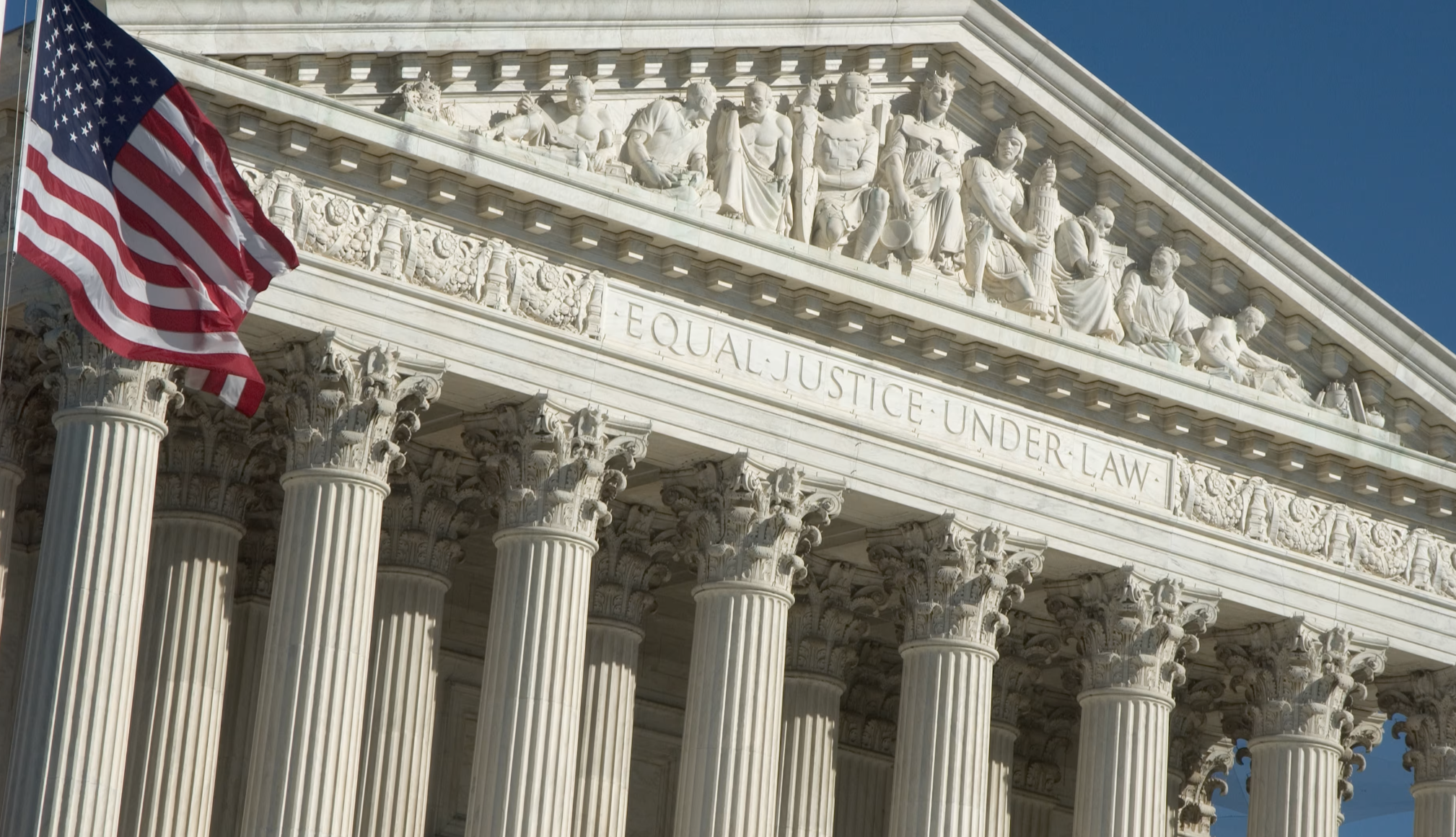
The U.S. bishops will continue to face a lawsuit over millions of dollars in contested papal donations after the U.S. Supreme Court on May 26 refused to weigh in on the case.
The decision represents a blow for the U.S. Conference of Catholic Bishops (USCCB), which was seeking to have the lawsuit dismissed on religious liberty grounds.
The high court did not explain its reason for rejecting the petition from the U.S. bishops, issuing the decision as part of a larger order list.
Rhode Island resident David OʼConnell filed the class action suit against the bishops in January 2020, alleging that the prelates had misled Catholics about the nature of the annual Peterʼs Pence papal collection.
OʼConnell claimed he had been led to believe that the offering — which dates back centuries and which is used to help fund the popeʼs charitable initiatives — was strictly for emergency assistance to victims of war and poverty; OʼConnell said he subsequently found out it was used in part to “defray Vatican administrative expenses.”
The U.S. bishops argued in court that the suit should be dismissed on the grounds of the “church autonomy doctrine,” a long-standing principle in U.S. case law that bars the government from exercising control over internal church decisions. Both a federal district court and an appeals court ruled against the bishops.
The Supreme Courtʼs refusal to consider the case means it will continue to work its way through the lower courts.
In a statement on May 26, Daniel Blomberg — a senior attorney at the Becket Fund for Religious Liberty, which is representing the bishops — said the decision was “disappointing.” But he said the USCCB is “evaluating all of its options moving forward” and “remains committed to protecting the Church from unconstitutional government entanglement.”
Multiple religious advocates have come out in favor of the bishops in the dispute.
A coalition of organizations including the Thomas More Society, the Lutheran Church — Missouri Synod, and several other groups filed an amicus brief at the Supreme Court in January arguing that their respective religious beliefs involve “matters of internal governance that must be protected from government entwinement.”
In their petition to the Supreme Court, meanwhile, the bishops alleged that OʼConnell was "leveraging civil power for religious ends," claiming the plaintiff was “essentially seek[ing] the structural reform of a religious institution."
Such disputes “are beyond the ken of civil courts,” the bishops argued, claiming that the suit includes “demands for lists of papal donors, accounting for the pope’s use of Peter’s Pence, and disclosure of the bishops’ internal communications with the Holy See about Peter’s Pence.”
The suit threatens to “thrust civil courts into church pulpits and pews … pit millions of parishioners against their Church, and second-guess the meaning of an offering given to the head of a foreign religious sovereign for over 1,000 years,” the bishops said.
Supreme Court declines to intervene in federal lawsuit over Peter’s Pence papal collection #Catholic
The U.S. bishops will continue to face a lawsuit over millions of dollars in contested papal donations after the U.S. Supreme Court on May 26 refused to weigh in on the case.
The decision represents a blow for the U.S. Conference of Catholic Bishops (USCCB), which was seeking to have the lawsuit dismissed on religious liberty grounds.
The high court did not explain its reason for rejecting the petition from the U.S. bishops, issuing the decision as part of a larger order list.
Rhode Island resident David OʼConnell filed the class action suit against the bishops in January 2020, alleging that the prelates had misled Catholics about the nature of the annual Peterʼs Pence papal collection.
OʼConnell claimed he had been led to believe that the offering — which dates back centuries and which is used to help fund the popeʼs charitable initiatives — was strictly for emergency assistance to victims of war and poverty; OʼConnell said he subsequently found out it was used in part to “defray Vatican administrative expenses.”
The U.S. bishops argued in court that the suit should be dismissed on the grounds of the “church autonomy doctrine,” a long-standing principle in U.S. case law that bars the government from exercising control over internal church decisions. Both a federal district court and an appeals court ruled against the bishops.
The Supreme Courtʼs refusal to consider the case means it will continue to work its way through the lower courts.
In a statement on May 26, Daniel Blomberg — a senior attorney at the Becket Fund for Religious Liberty, which is representing the bishops — said the decision was “disappointing.” But he said the USCCB is “evaluating all of its options moving forward” and “remains committed to protecting the Church from unconstitutional government entanglement.”
Multiple religious advocates have come out in favor of the bishops in the dispute.
A coalition of organizations including the Thomas More Society, the Lutheran Church — Missouri Synod, and several other groups filed an amicus brief at the Supreme Court in January arguing that their respective religious beliefs involve “matters of internal governance that must be protected from government entwinement.”
In their petition to the Supreme Court, meanwhile, the bishops alleged that OʼConnell was "leveraging civil power for religious ends," claiming the plaintiff was “essentially seek[ing] the structural reform of a religious institution."
Such disputes “are beyond the ken of civil courts,” the bishops argued, claiming that the suit includes “demands for lists of papal donors, accounting for the pope’s use of Peter’s Pence, and disclosure of the bishops’ internal communications with the Holy See about Peter’s Pence.”
The suit threatens to “thrust civil courts into church pulpits and pews … pit millions of parishioners against their Church, and second-guess the meaning of an offering given to the head of a foreign religious sovereign for over 1,000 years,” the bishops said.