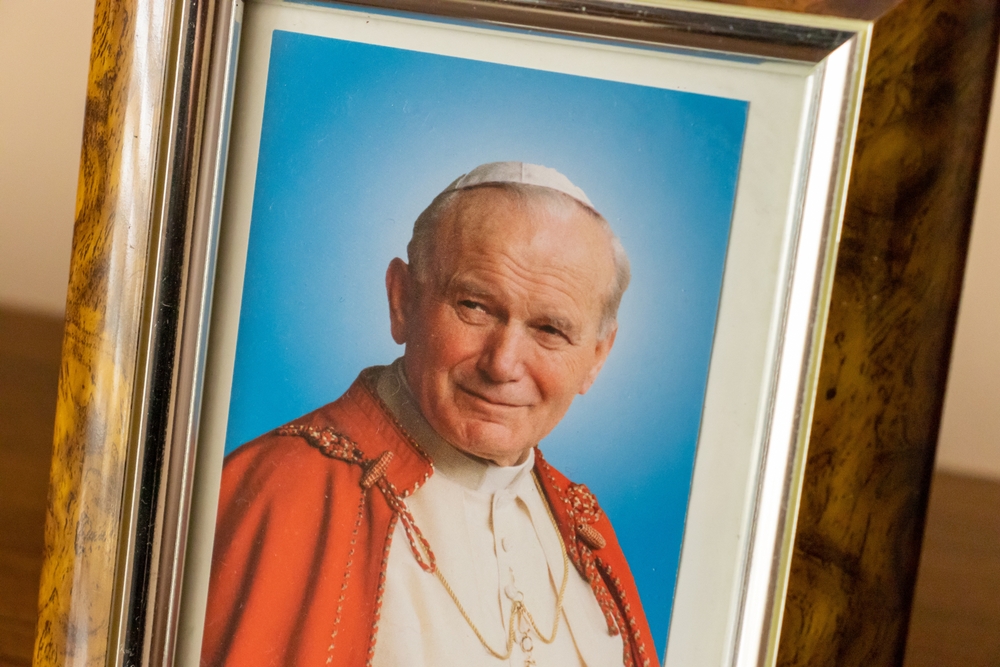

St. John Paul II was the second-longest-serving pope in modern history with 27 years of pontificate and the first non-Italian pontiff to be elected since Pope Adrian VI in 1523.
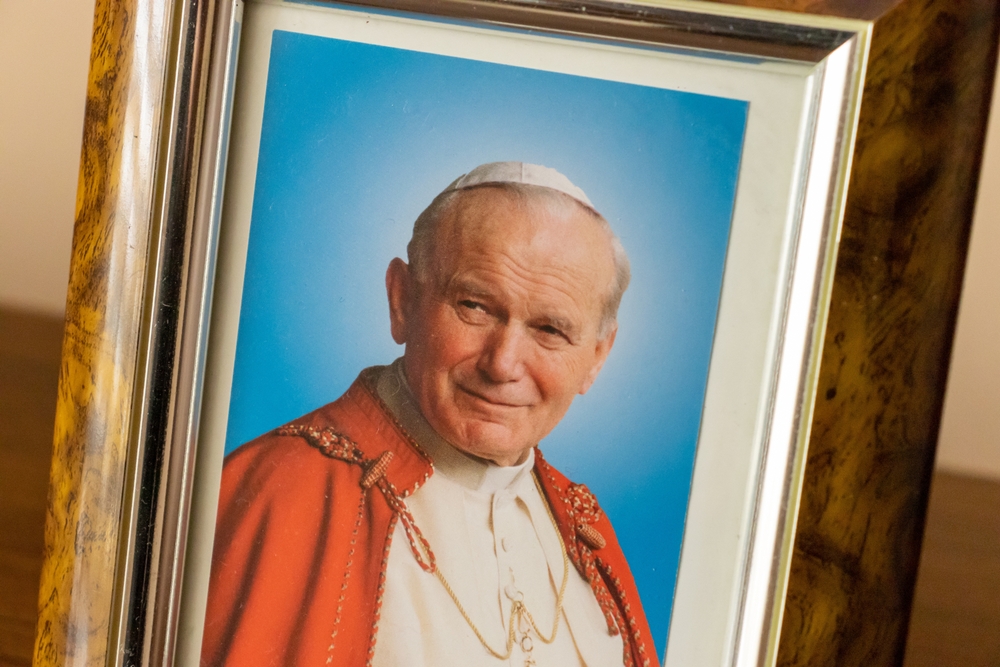
St. John Paul II was the second-longest-serving pope in modern history with 27 years of pontificate and the first non-Italian pontiff to be elected since Pope Adrian VI in 1523.
![Conference encourages Black Catholic men to lead families, parishes, and communities #Catholic Twenty-four years ago three priests from the Society of the Divine Word and founders of the Bowman Francis Ministry had the idea to bring Black Catholic men together for fellowship, workshops, discussions, and prayer — with the hope that the men would then take what they learned back to their communities and ministries. That dream eventually became an annual conference, and its 24th gathering just took place in Birmingham, Alabama, Oct. 15–18.The Fr. Chester P. Smith National Black Catholic Men’s Conference was created by Father Chester P. Smith, Father Charles Smith, and Father Kenneth Hamilton and invites Black Catholic men from across the United States for a weekend of faith, leadership, brotherhood, and cultural reflection.This year’s conference — hosted by the Bowman Francis Ministry, the Society of the Divine Word Missionaries, and the Office of Black Catholic Ministry of the Diocese of Birmingham — had the theme of “The Rock I Stand On,” which aimed to equip participants with the spiritual and life skills needed to take on their roles as protectors and providers.Attendees were able to experience a guided, firsthand look at Birmingham’s role in the Civil Rights movement and engage in meaningful dialogue that connects faith, justice, and social responsibility. The Civil Rights Immersion Tour also included a Harambe Town Hall, which featured notable Birmingham community leaders debating todayʼs social and political climate.Cameron Beatty serves as the conference’s program chair. For him, the conference holds a special place in his heart — Father Chester P. Smith was his godfather.
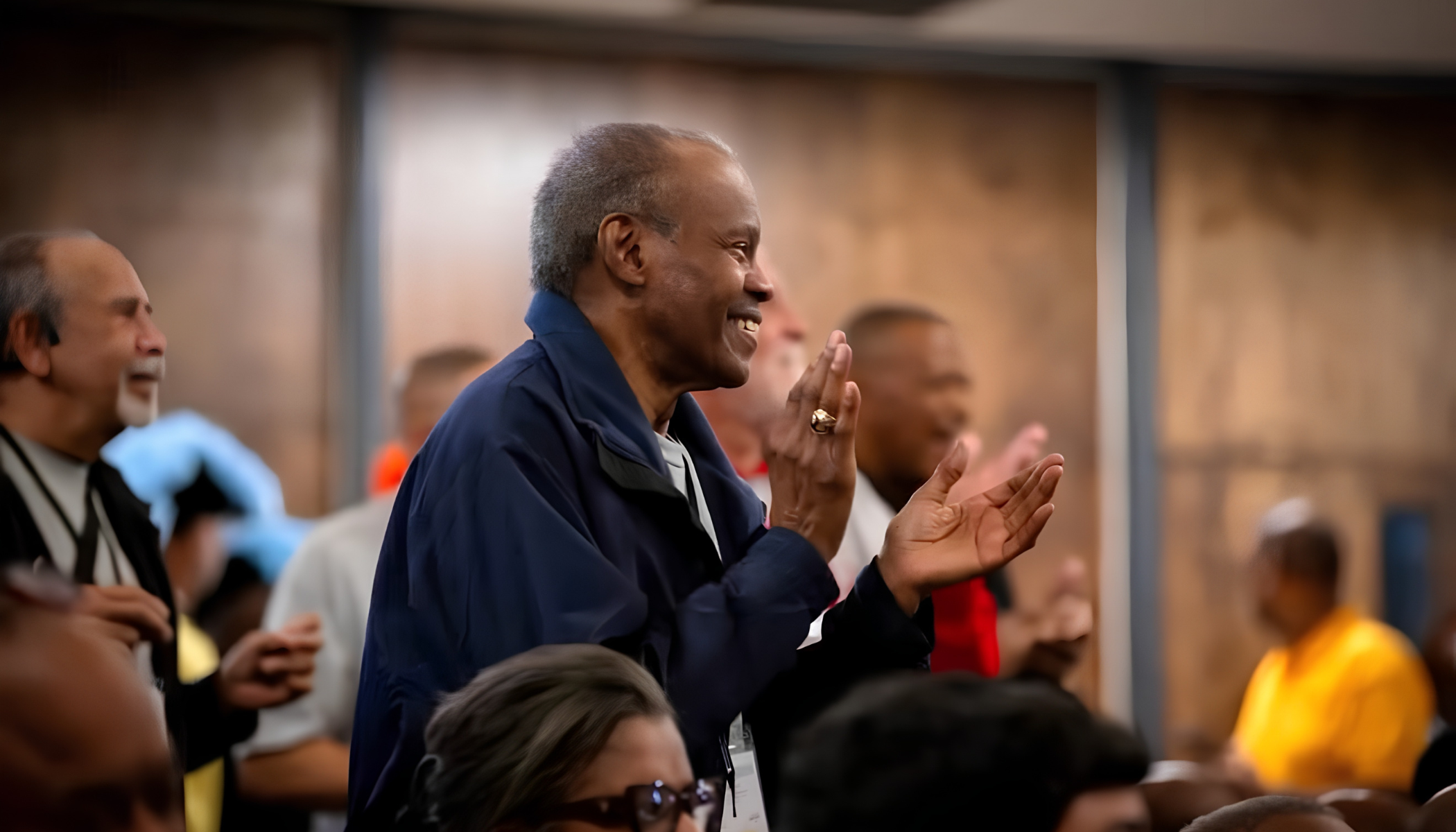
Participants at the Fr. Chester P. Smith National Black Catholic Men’s Conference, which took place Oct. 15–18, 2026, in Birmingham, Alabama. | Credit: Brent Patterson
Beatty told EWTN News in an interview that he has been attending the conferences since they first started 24 years ago.“I was in high school during the first one and I would be like a reader or an altar server … then I would start leading workshops or doing the youth workshops,” Beatty recalled. “Then it kind of evolved once he [Smith] passed away. [It was] like, ‘Hey, we need somebody to step up and take on some more leadership roles,’ because he would do a lot of the planning and the executing and thatʼs how I got involved in more of a leadership role once he passed.”He added: “We want to make sure that his legacy lives on and his commitment to the ministry lives on, and I am very busy but this is something that Iʼm committed to because I believe in it strongly.”Smith grew up in Chicago’s inner city and made history when he and his identical twin — Father Charles Smith — were ordained priests in 1988, becoming the first pair of African American twins to become priests in the United States. As a priest, he rose to become an international leader in African American ministry and youth outreach.He founded Ambassadors of the Word, a peer group ministry program that fosters youth rites of passage and cross-cultural experiences. And he and his brother developed Boyhood to Manhood, a parish-based program to help young Black men realize their value, get in touch with their spirituality, and train future Church leaders. And he was a co-founder of the Bowman Francis Ministry, which is an outreach organization that evangelizes and ministers to Black Catholics.Smith died on April 8, 2020, at the age of 60. Father Charles Smith is still alive.Beatty called his godfather “an amazing, amazing person.”“We would say they’re [the Smith brothers] the Ying and the Yang,” he shared. “Father Chester was the outgoing one, the boisterous one. He was the one that would go out and do revivals in Black Catholic communities, he would go out and do the Lent services. People from all over the country knew him because they would invite him to their parish as a guest priest or a guest homilist … Father Charles, heʼs a little — and Iʼll say this to his face — heʼs a little bit more reserved. He likes to keep to himself. He can still preach, he can still minister. But, them together were just a powerful force.”Beatty explained that Smith’s great contribution to the Black Catholic community was that he remained “unapologetic” about the cultural aspect found in the identity of being a Black Catholic.A couple of years before Smith passed away, Beatty recalled an instance where Smith gave a powerful message at the men’s conference. While Smith typically never chose to include himself in the list of speakers — he preferred remaining as the planner behind the scenes — that year he decided to preach.“He preached that year and I just had never — Iʼve grown up with him, Iʼve known him my entire life — and Iʼve just never seen him preach that way,” Beatty shared. “He talked about the Promised Land, what does it mean to get to the Promised Land, and you canʼt just show up at the Promised Land, you have to work to get there … You hear it all the time, you hear the Scripture, you hear the reading, but I just had never heard it framed that way so passionately that it just resonated with me.”He added: “I could see after he had preached, he was so drained and exhausted because he put everything, his whole body, his whole spirit, into that message. And I just had never felt that or seen that from him as many times as Iʼve seen him preach. And to me that was just transformative for me, and thatʼs why I commit to this and hope to see the conference go on for many, many years.”
Mass is celebrated during the Fr. Chester P. Smith National Black Catholic Men’s Conference, which took place Oct. 15–18, 2026, in Birmingham, Alabama. | Credit: Brent Patterson
Beatty said he believes a conference like the Fr. Chester P. Smith National Black Catholic Men’s Conference is needed “for folks to feel like they have a strong community.”“Sometimes folks might be going to an African-American parish in their respective city or sometimes theyʼre the only Black family in their parish, given on where they live or practice their Catholicism,” he explained. “So, I think a conference like this gives folks an opportunity to come together with like-minded men … and itʼs an opportunity to have conversations that sometimes they canʼt have in their respective parishes.”Beatty said he hopes that those who attended the conference took away “some energy to go back to their respective communities and still evangelize about what it means to be Catholic, about what it means to be Black and Catholic, about what it means to be a man that is Black and Catholic in terms of the leaders of their family, the leaders in their community, the leaders within their parishes, their churches, and take away some tools in order to enact those types of things of ministering to folks that might not have any idea of what it means to be Christian and to be Catholic.”](https://unitedyam.com/wp-content/uploads/2026/10/conference-encourages-black-catholic-men-to-lead-families-parishes-and-communities-catholic-twenty-four-years-ago-three-priests-from-the-society-of-the-divine-word-and-founders-of-the-bowman-franci.png "Conference encourages Black Catholic men to lead families, parishes, and communities #Catholic Twenty-four years ago three priests from the Society of the Divine Word and founders of the Bowman Francis Ministry had the idea to bring Black Catholic men together for fellowship, workshops, discussions, and prayer — with the hope that the men would then take what they learned back to their communities and ministries. That dream eventually became an annual conference, and its 24th gathering just took place in Birmingham, Alabama, Oct. 15–18.The Fr. Chester P. Smith National Black Catholic Men’s Conference was created by Father Chester P. Smith, Father Charles Smith, and Father Kenneth Hamilton and invites Black Catholic men from across the United States for a weekend of faith, leadership, brotherhood, and cultural reflection.This year’s conference — hosted by the Bowman Francis Ministry, the Society of the Divine Word Missionaries, and the Office of Black Catholic Ministry of the Diocese of Birmingham — had the theme of “The Rock I Stand On,” which aimed to equip participants with the spiritual and life skills needed to take on their roles as protectors and providers.Attendees were able to experience a guided, firsthand look at Birmingham’s role in the Civil Rights movement and engage in meaningful dialogue that connects faith, justice, and social responsibility. The Civil Rights Immersion Tour also included a Harambe Town Hall, which featured notable Birmingham community leaders debating todayʼs social and political climate.Cameron Beatty serves as the conference’s program chair. For him, the conference holds a special place in his heart — Father Chester P. Smith was his godfather.
Participants at the Fr. Chester P. Smith National Black Catholic Men’s Conference, which took place Oct. 15–18, 2026, in Birmingham, Alabama. | Credit: Brent Patterson
Beatty told EWTN News in an interview that he has been attending the conferences since they first started 24 years ago.“I was in high school during the first one and I would be like a reader or an altar server … then I would start leading workshops or doing the youth workshops,” Beatty recalled. “Then it kind of evolved once he [Smith] passed away. [It was] like, ‘Hey, we need somebody to step up and take on some more leadership roles,’ because he would do a lot of the planning and the executing and thatʼs how I got involved in more of a leadership role once he passed.”He added: “We want to make sure that his legacy lives on and his commitment to the ministry lives on, and I am very busy but this is something that Iʼm committed to because I believe in it strongly.”Smith grew up in Chicago’s inner city and made history when he and his identical twin — Father Charles Smith — were ordained priests in 1988, becoming the first pair of African American twins to become priests in the United States. As a priest, he rose to become an international leader in African American ministry and youth outreach.He founded Ambassadors of the Word, a peer group ministry program that fosters youth rites of passage and cross-cultural experiences. And he and his brother developed Boyhood to Manhood, a parish-based program to help young Black men realize their value, get in touch with their spirituality, and train future Church leaders. And he was a co-founder of the Bowman Francis Ministry, which is an outreach organization that evangelizes and ministers to Black Catholics.Smith died on April 8, 2020, at the age of 60. Father Charles Smith is still alive.Beatty called his godfather “an amazing, amazing person.”“We would say they’re [the Smith brothers] the Ying and the Yang,” he shared. “Father Chester was the outgoing one, the boisterous one. He was the one that would go out and do revivals in Black Catholic communities, he would go out and do the Lent services. People from all over the country knew him because they would invite him to their parish as a guest priest or a guest homilist … Father Charles, heʼs a little — and Iʼll say this to his face — heʼs a little bit more reserved. He likes to keep to himself. He can still preach, he can still minister. But, them together were just a powerful force.”Beatty explained that Smith’s great contribution to the Black Catholic community was that he remained “unapologetic” about the cultural aspect found in the identity of being a Black Catholic.A couple of years before Smith passed away, Beatty recalled an instance where Smith gave a powerful message at the men’s conference. While Smith typically never chose to include himself in the list of speakers — he preferred remaining as the planner behind the scenes — that year he decided to preach.“He preached that year and I just had never — Iʼve grown up with him, Iʼve known him my entire life — and Iʼve just never seen him preach that way,” Beatty shared. “He talked about the Promised Land, what does it mean to get to the Promised Land, and you canʼt just show up at the Promised Land, you have to work to get there … You hear it all the time, you hear the Scripture, you hear the reading, but I just had never heard it framed that way so passionately that it just resonated with me.”He added: “I could see after he had preached, he was so drained and exhausted because he put everything, his whole body, his whole spirit, into that message. And I just had never felt that or seen that from him as many times as Iʼve seen him preach. And to me that was just transformative for me, and thatʼs why I commit to this and hope to see the conference go on for many, many years.”
Mass is celebrated during the Fr. Chester P. Smith National Black Catholic Men’s Conference, which took place Oct. 15–18, 2026, in Birmingham, Alabama. | Credit: Brent Patterson
Beatty said he believes a conference like the Fr. Chester P. Smith National Black Catholic Men’s Conference is needed “for folks to feel like they have a strong community.”“Sometimes folks might be going to an African-American parish in their respective city or sometimes theyʼre the only Black family in their parish, given on where they live or practice their Catholicism,” he explained. “So, I think a conference like this gives folks an opportunity to come together with like-minded men … and itʼs an opportunity to have conversations that sometimes they canʼt have in their respective parishes.”Beatty said he hopes that those who attended the conference took away “some energy to go back to their respective communities and still evangelize about what it means to be Catholic, about what it means to be Black and Catholic, about what it means to be a man that is Black and Catholic in terms of the leaders of their family, the leaders in their community, the leaders within their parishes, their churches, and take away some tools in order to enact those types of things of ministering to folks that might not have any idea of what it means to be Christian and to be Catholic.”")
The national Black Catholic men’s conference took place in Birmingham, Alabama, Oct. 15–18, carrying on the legacy of Father Chester P. Smith.
![Catholic lung cancer specialists weigh in on Pope Leo XIV’s diagnosis #Catholic Representatives of the American Lung Association and the Catholic Medical Association (CMA) discussed possible underlying causes of Pope Leo XIVʼs lung cancer and potential treatment options.Dr. Jeff McGovern, a pulmonologist, and Dr. Juanita Mora, spokesperson for the American Lung Association, appeared on “EWTN News Nightly” on Oct. 14 to discuss the Holy Father’s health following surgery. The Oct. 13 surgery involved the removal of the lower lobe of his right lung and confirmed a diagnosis of lung adenocarcinoma.“It is the most common cause of lung cancer in smokers and nonsmokers,” said McGovern, a CMA member. He said “treatments can be varying depending on the size,” and can involve chemotherapy, immunotherapy, or radiation in addition to the surgical removal of the lower part of the lung.The type of ongoing treatment the pope receives will depend on the results of a pathology test, which will reveal the stage of the cancer and whether it is contained or has spread to other areas, McGovern said.The pathology test “usually takes a couple of days,” or sometimes even longer, he said, but noted that because the patient is the Holy Father, “I would expect the pathology would be available a lot sooner than usual.”“In the best of all possible worlds, if it is contained, then going forward, as far as treatment, itʼs a CT scan every six months and then after about two or three years, a year thereafter. And that would be the treatment, and that would be the ideal setting for the Holy Father,” he said.Mora, a Catholic who is also from Chicago, Pope Leo’s hometown, said if the Holy Father’s pathology report reveals that the cancer has not spread, the survival rate is 80% to 90%. A spread would determine “whether he will get chemotherapy, radiotherapy or whether he will need actual immunotherapy thatʼs geared exactly to the biomarkers of the tumor that turn positive.” Mora said the Holy Father is “someone who is active,” playing tennis and staying in shape. “He’s a 71-year-old healthy, strong man. This is what Pope Leo has going for him,” she said. “We know that heʼs going to be at higher risk for some viral respiratory infections,” she said. “So, it is important for him to get his Covid-19 vaccine, his flu vaccine, and his RSV vaccine for those that are eligible.”In terms of travel, Mora said his doctors may determine he needs anticoagulation, or blood thinners, “so that heʼs at less risk of developing any clots, especially with the long flight that he has, [as well as] all the respiratory virus infections.”By the numbers: Impact of lung cancer“One person is diagnosed with lung cancer every 2.5 minutes,” Mora said. “In the United States, we lose 238,000 people a year due to lung cancer. And itʼs the No. 1 cause of mortality from cancer in both men and women in the United States.”In addition to smoking, Mora highlighted several other causes of lung cancer, including radon gas, “a colorless, odorless gas that can seep in through cracks in our ground, in our home, or through cracks in walls,” ozone pollution, and particle contamination.](https://unitedyam.com/wp-content/uploads/2026/10/catholic-lung-cancer-specialists-weigh-in-on-pope-leo-xivs-diagnosis-catholic-representatives-of-the-american-lung-association-and-the-catholic-medical-association-cma-discussed-possible-u.png "Catholic lung cancer specialists weigh in on Pope Leo XIV’s diagnosis #Catholic Representatives of the American Lung Association and the Catholic Medical Association (CMA) discussed possible underlying causes of Pope Leo XIVʼs lung cancer and potential treatment options.Dr. Jeff McGovern, a pulmonologist, and Dr. Juanita Mora, spokesperson for the American Lung Association, appeared on “EWTN News Nightly” on Oct. 14 to discuss the Holy Father’s health following surgery. The Oct. 13 surgery involved the removal of the lower lobe of his right lung and confirmed a diagnosis of lung adenocarcinoma.“It is the most common cause of lung cancer in smokers and nonsmokers,” said McGovern, a CMA member. He said “treatments can be varying depending on the size,” and can involve chemotherapy, immunotherapy, or radiation in addition to the surgical removal of the lower part of the lung.The type of ongoing treatment the pope receives will depend on the results of a pathology test, which will reveal the stage of the cancer and whether it is contained or has spread to other areas, McGovern said.The pathology test “usually takes a couple of days,” or sometimes even longer, he said, but noted that because the patient is the Holy Father, “I would expect the pathology would be available a lot sooner than usual.”“In the best of all possible worlds, if it is contained, then going forward, as far as treatment, itʼs a CT scan every six months and then after about two or three years, a year thereafter. And that would be the treatment, and that would be the ideal setting for the Holy Father,” he said.Mora, a Catholic who is also from Chicago, Pope Leo’s hometown, said if the Holy Father’s pathology report reveals that the cancer has not spread, the survival rate is 80% to 90%. A spread would determine “whether he will get chemotherapy, radiotherapy or whether he will need actual immunotherapy thatʼs geared exactly to the biomarkers of the tumor that turn positive.” Mora said the Holy Father is “someone who is active,” playing tennis and staying in shape. “He’s a 71-year-old healthy, strong man. This is what Pope Leo has going for him,” she said. “We know that heʼs going to be at higher risk for some viral respiratory infections,” she said. “So, it is important for him to get his Covid-19 vaccine, his flu vaccine, and his RSV vaccine for those that are eligible.”In terms of travel, Mora said his doctors may determine he needs anticoagulation, or blood thinners, “so that heʼs at less risk of developing any clots, especially with the long flight that he has, [as well as] all the respiratory virus infections.”By the numbers: Impact of lung cancer“One person is diagnosed with lung cancer every 2.5 minutes,” Mora said. “In the United States, we lose 238,000 people a year due to lung cancer. And itʼs the No. 1 cause of mortality from cancer in both men and women in the United States.”In addition to smoking, Mora highlighted several other causes of lung cancer, including radon gas, “a colorless, odorless gas that can seep in through cracks in our ground, in our home, or through cracks in walls,” ozone pollution, and particle contamination.")
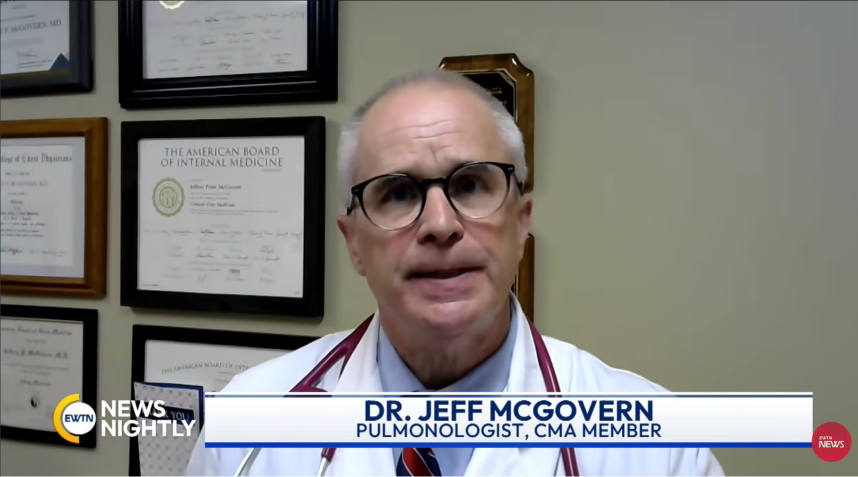
“It is the most common cause of lung cancer in smokers and nonsmokers,” said Jeff McGovern, a pulmonologist, about Pope Leo’s diagnosis.
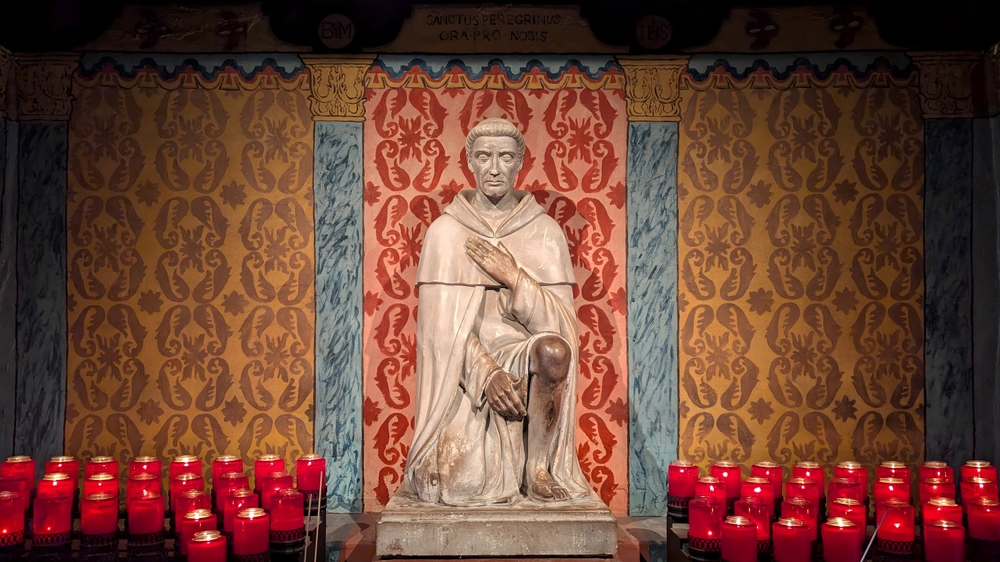
As Pope Leo XIV recovers from lung cancer surgery, meet St. Peregrine Laziosi, the Servite priest healed the night before his amputation and now patron of cancer patients.
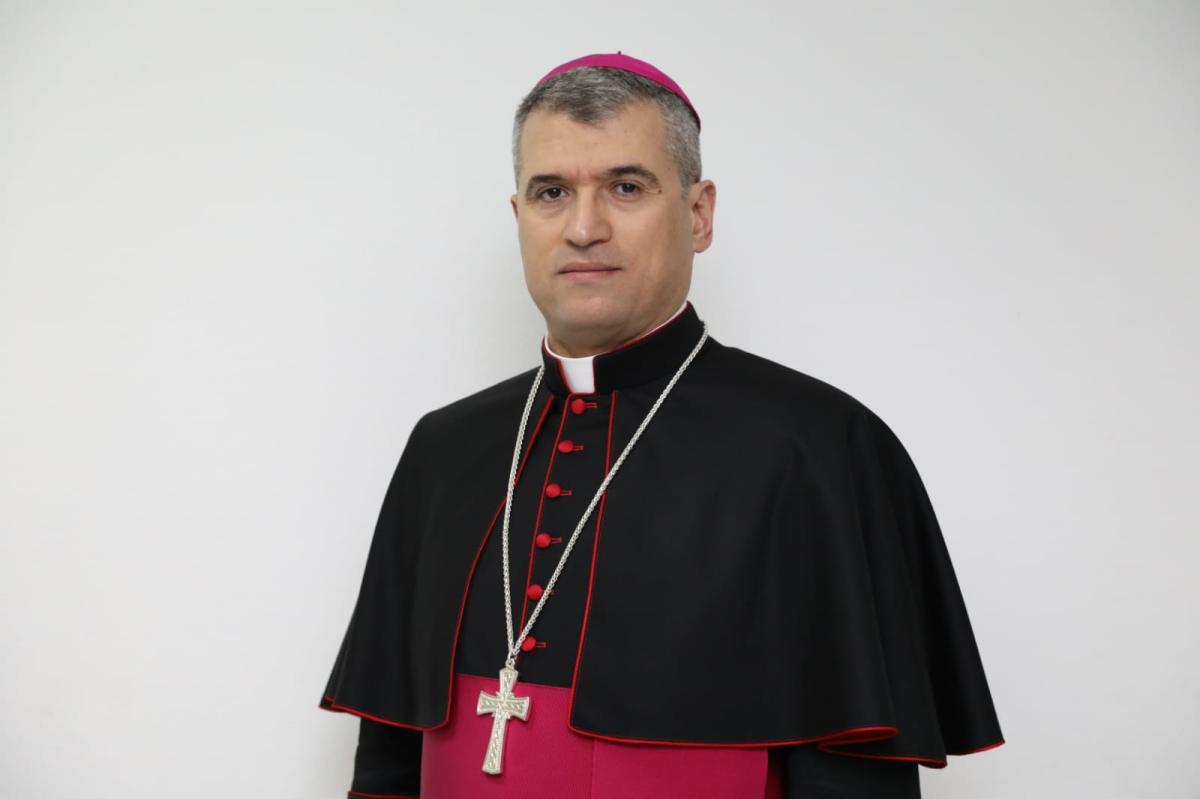
“The death penalty is inadmissible because it is an attack on the inviolability and dignity of the person,” the Holy See’s permanent observer to the U.N. said during the 81st General Assembly.
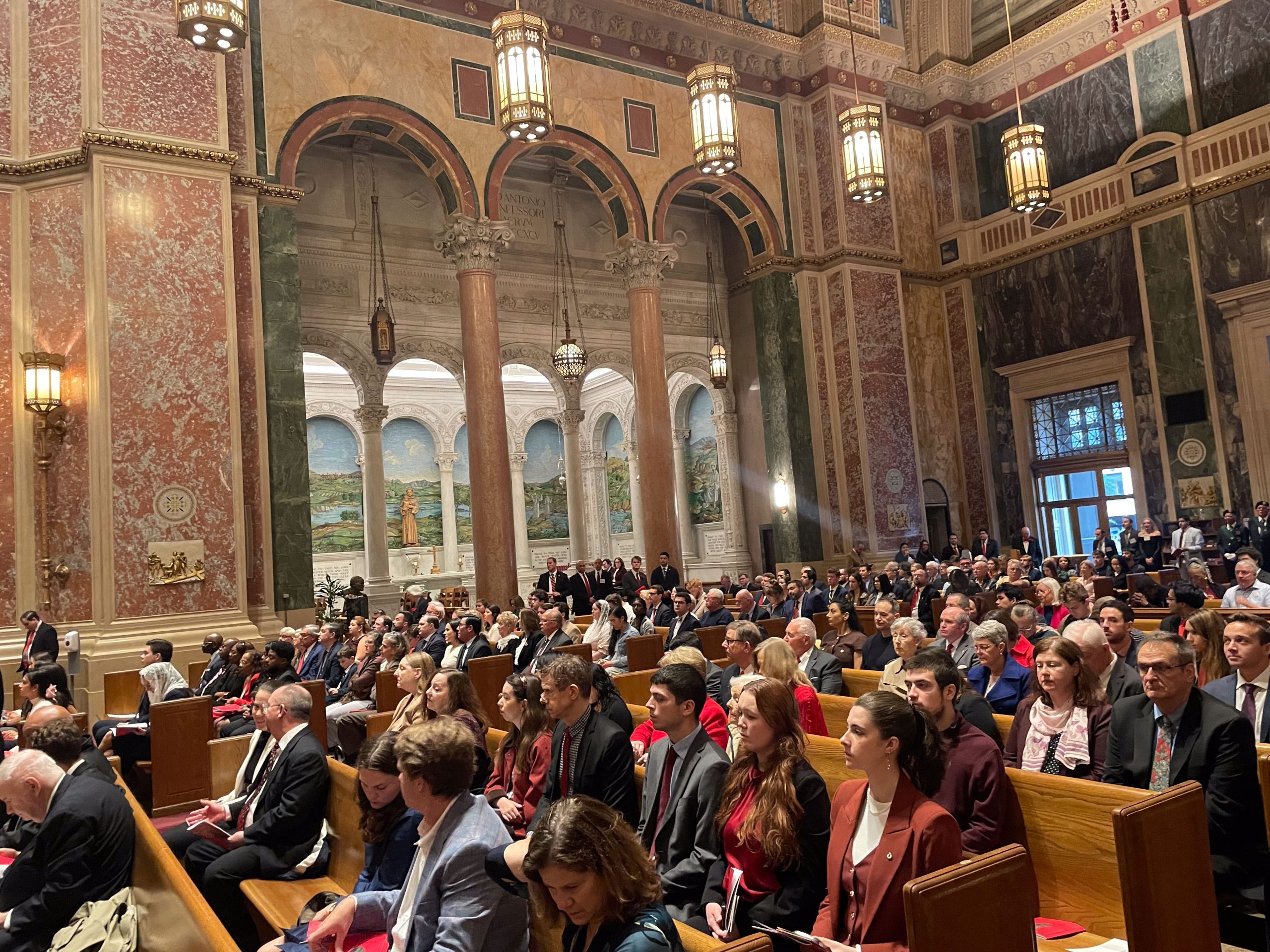
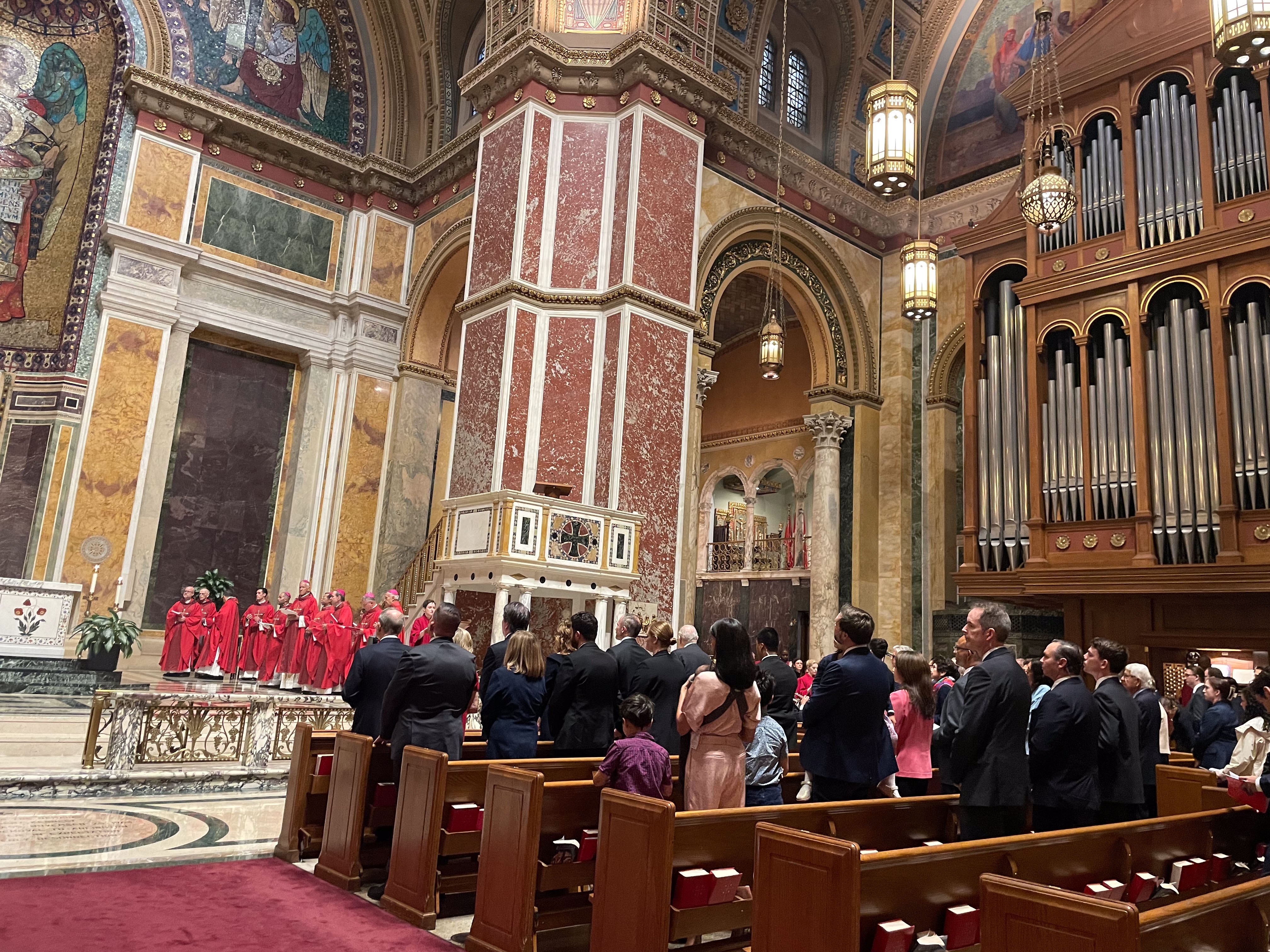
Washington Cardinal Robert McElroy was the principal celebrant of the Mass, and Archbishop Timothy Broglio of the Archdiocese for the Military Services, USA, offered the homily.
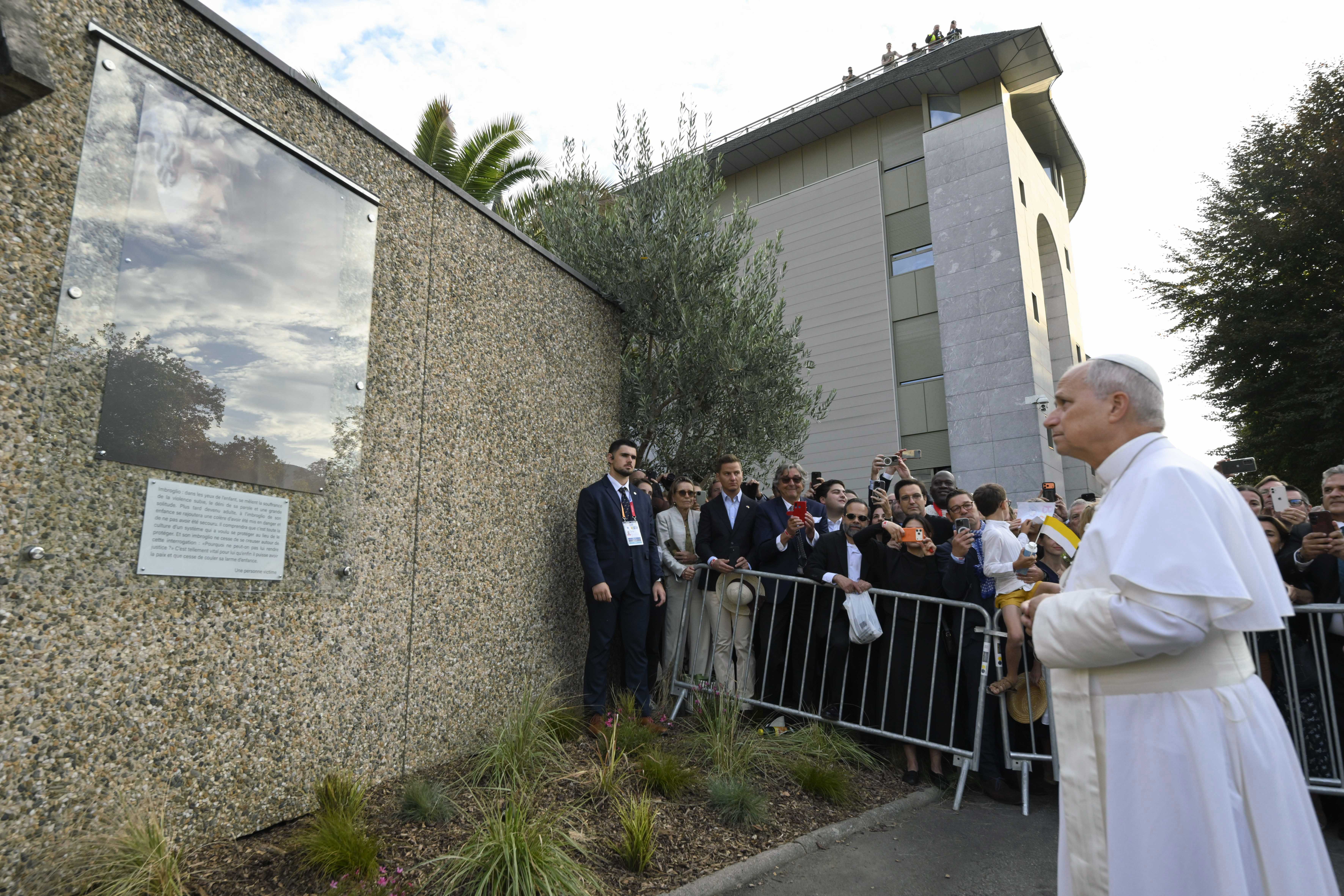
![Pope Leo meets French abuse victims in Lourdes #Catholic LOURDES, France — Pope Leo XIV met seven French victims of clerical sexual abuse on Sunday, making a gesture of solidarity and reconciliation at a shrine world-famous for its healing waters.The nearly two-hour encounter took place at the residence of the local bishop, where Leo is staying for his two nights at the Sanctuary of Our Lady of Lourdes.Speaking to journalists after the meeting, one of the victims, Jérôme Guillement, said, “There was something sincere about [Pope Leo]. With him, every word was carefully chosen; every word had meaning. … There were a lot of emotions.”According to the Holy See Press Office, Leo spent an hour and a half speaking to the four men and three women individually, before addressing them as a group for about 20 minutes and “thanking them for their painful testimony and reaffirming his commitment to ensuring that the harm they experienced is not repeated for others.”He “expressed his solidarity with them and, through them, with all those who have suffered and continue to suffer from the wounds of abuse,” the statement said.Leo also prayed with some of the victims.“I sensed that he was a man of commitment and also a man of resolve,” Olivier Mardi, one of the participants, said after the meeting. “He’s not fooled and knows that these events will continue and that we must remain vigilant… There was an emotional side to it, and at the same time something very powerful when he speaks.”Five of the seven involved in the meeting revealed their identities ahead of the pope’s trip. Among them was Bertrand Virieux, a victim of ex-priest Bernard Preynat, who in 2020 was sentenced to five years in prison for assaults on young scouts in the Archdiocese of Lyon. Preynat died in 2024.The Church in France has been grappling with the repercussions of abuse in the wake of an independent commission’s report that hundreds of thousands of children had been abused by clergy and religious over the past 70 years.The Independent Commission on Sexual Abuse in the Church (CIASE) published a nearly 2,500-page final report in October 2021, estimating that 216,000 children were abused by priests, deacons, monks, or nuns in France from 1950 to 2020.It added that when abuse by lay Church workers was also taken into account, “the estimated number of child victims rises to 330,000 for the whole of the period.”The victims were accompanied by Bishop Gérard Le Stang of Amiens, president of the Council for the Prevention and Combating of Pedophilia within the French bishops’ conference.Guillement said Leo “felt that the Church in France still had a great deal of work to do” to prevent abuse.“We talked about prevention as part of a cultural shift at all levels … There are different opinions, but from his perspective, there’s still a systemic dimension at play,” the man added.According to Mardi, the pontiff “responded well to our very concrete proposals; he knows he has to work with us… He said we need to rekindle hope, and it takes serious commitment to make that happen.”Pope Leo spoke about the clerical sexual abuse of minors in his address to the French bishops on the morning of Sept. 27.“In recent years, you have faced with determination the painful scourge of abuse committed against minors by members of the clergy or in an ecclesial context,” he said.The pontiff praised them for their courageous measures to listen, search for truth, justice, forgiveness, and making amends, as well as “a firm commitment to a culture of prevention and protection against these crimes.”“You must continue along the path you have begun, maintaining the greatest vigilance,” he said.Before addressing the bishops, Leo stopped in front of a memorial for victims of child sexual abuse, featuring the brief reflection of an anonymous victim.“[The victim] will come to understand that it was the entire culture of a system that sought to protect itself rather than protect him,” an inscription on the memorial reads. “And his turmoil continues to deepen around this question: Why can’t justice be done for him? It is so vital to him that he may finally find peace and that the tears of his childhood may cease to flow.”At an open-air Mass later on Sunday morning, the pope seemed to allude to the clerical abuse crisis, saying in his homily that “In order to heal the deep wounds, infidelities and painful errors that have occurred within [the Church], we must humbly place ourselves under the Lord’s purifying gaze. Recognizing our own faults is essential to our spiritual growth.”The pope’s plans for a private conversation with victims ignited controversy among several abuse support groups in France who criticized the format of the meeting and the exclusion of victims’ organizations.Asked about the criticism, Bishop Pierre-Antoine Bozo, the spokesman of the French bishops’ conference, told journalists that “there are many survivor groups … If all of them had been included or brought together, it would have been a very large format, and it would not have had the same impact.”“What helps us most in accompanying victims is listening to them. And to do that, you cannot have 50 people sitting in front of you. That is really what the pope wanted,” Bozo said.The Lourdes shrine was an evocative backdrop for the meeting with abuse victims, since it is among the first shrines to cover artwork by the accused sexual abuser Father Marko Rupnik, currently on trial at the Vatican.Mosaics by Rupnik on the façade of the Basilica of the Rosary were covered ahead of Leo’s visit and will remain indefinitely hidden.“It had come to carry such a symbolic burden for victims that, even though many of the people who come to Lourdes are not abuse victims, for those who are, something had to be done,” Bishop Bozo said.“If it becomes so difficult for people to come to Lourdes, people who should have a privileged place there because they are suffering, then the situation is no longer acceptable,” the spokesman added. “So I think covering the mosaics is a first step. Afterward, something new will have to be proposed, perhaps a new work of art.”](https://unitedyam.com/wp-content/uploads/2026/09/pope-leo-meets-french-abuse-victims-in-lourdes-catholic-lourdes-france-pope-leo-xiv-met-seven-french-victims-of-clerical-sexual-abuse-on-sunday-making-a-gesture-of-solidarity-and-reconcil-scaled.jpg "Pope Leo meets French abuse victims in Lourdes #Catholic LOURDES, France — Pope Leo XIV met seven French victims of clerical sexual abuse on Sunday, making a gesture of solidarity and reconciliation at a shrine world-famous for its healing waters.The nearly two-hour encounter took place at the residence of the local bishop, where Leo is staying for his two nights at the Sanctuary of Our Lady of Lourdes.Speaking to journalists after the meeting, one of the victims, Jérôme Guillement, said, “There was something sincere about [Pope Leo]. With him, every word was carefully chosen; every word had meaning. … There were a lot of emotions.”According to the Holy See Press Office, Leo spent an hour and a half speaking to the four men and three women individually, before addressing them as a group for about 20 minutes and “thanking them for their painful testimony and reaffirming his commitment to ensuring that the harm they experienced is not repeated for others.”He “expressed his solidarity with them and, through them, with all those who have suffered and continue to suffer from the wounds of abuse,” the statement said.Leo also prayed with some of the victims.“I sensed that he was a man of commitment and also a man of resolve,” Olivier Mardi, one of the participants, said after the meeting. “He’s not fooled and knows that these events will continue and that we must remain vigilant… There was an emotional side to it, and at the same time something very powerful when he speaks.”Five of the seven involved in the meeting revealed their identities ahead of the pope’s trip. Among them was Bertrand Virieux, a victim of ex-priest Bernard Preynat, who in 2020 was sentenced to five years in prison for assaults on young scouts in the Archdiocese of Lyon. Preynat died in 2024.The Church in France has been grappling with the repercussions of abuse in the wake of an independent commission’s report that hundreds of thousands of children had been abused by clergy and religious over the past 70 years.The Independent Commission on Sexual Abuse in the Church (CIASE) published a nearly 2,500-page final report in October 2021, estimating that 216,000 children were abused by priests, deacons, monks, or nuns in France from 1950 to 2020.It added that when abuse by lay Church workers was also taken into account, “the estimated number of child victims rises to 330,000 for the whole of the period.”The victims were accompanied by Bishop Gérard Le Stang of Amiens, president of the Council for the Prevention and Combating of Pedophilia within the French bishops’ conference.Guillement said Leo “felt that the Church in France still had a great deal of work to do” to prevent abuse.“We talked about prevention as part of a cultural shift at all levels … There are different opinions, but from his perspective, there’s still a systemic dimension at play,” the man added.According to Mardi, the pontiff “responded well to our very concrete proposals; he knows he has to work with us… He said we need to rekindle hope, and it takes serious commitment to make that happen.”Pope Leo spoke about the clerical sexual abuse of minors in his address to the French bishops on the morning of Sept. 27.“In recent years, you have faced with determination the painful scourge of abuse committed against minors by members of the clergy or in an ecclesial context,” he said.The pontiff praised them for their courageous measures to listen, search for truth, justice, forgiveness, and making amends, as well as “a firm commitment to a culture of prevention and protection against these crimes.”“You must continue along the path you have begun, maintaining the greatest vigilance,” he said.Before addressing the bishops, Leo stopped in front of a memorial for victims of child sexual abuse, featuring the brief reflection of an anonymous victim.“[The victim] will come to understand that it was the entire culture of a system that sought to protect itself rather than protect him,” an inscription on the memorial reads. “And his turmoil continues to deepen around this question: Why can’t justice be done for him? It is so vital to him that he may finally find peace and that the tears of his childhood may cease to flow.”At an open-air Mass later on Sunday morning, the pope seemed to allude to the clerical abuse crisis, saying in his homily that “In order to heal the deep wounds, infidelities and painful errors that have occurred within [the Church], we must humbly place ourselves under the Lord’s purifying gaze. Recognizing our own faults is essential to our spiritual growth.”The pope’s plans for a private conversation with victims ignited controversy among several abuse support groups in France who criticized the format of the meeting and the exclusion of victims’ organizations.Asked about the criticism, Bishop Pierre-Antoine Bozo, the spokesman of the French bishops’ conference, told journalists that “there are many survivor groups … If all of them had been included or brought together, it would have been a very large format, and it would not have had the same impact.”“What helps us most in accompanying victims is listening to them. And to do that, you cannot have 50 people sitting in front of you. That is really what the pope wanted,” Bozo said.The Lourdes shrine was an evocative backdrop for the meeting with abuse victims, since it is among the first shrines to cover artwork by the accused sexual abuser Father Marko Rupnik, currently on trial at the Vatican.Mosaics by Rupnik on the façade of the Basilica of the Rosary were covered ahead of Leo’s visit and will remain indefinitely hidden.“It had come to carry such a symbolic burden for victims that, even though many of the people who come to Lourdes are not abuse victims, for those who are, something had to be done,” Bishop Bozo said.“If it becomes so difficult for people to come to Lourdes, people who should have a privileged place there because they are suffering, then the situation is no longer acceptable,” the spokesman added. “So I think covering the mosaics is a first step. Afterward, something new will have to be proposed, perhaps a new work of art.”")
The pontiff “expressed his solidarity with them and, through them, with all those who have suffered and continue to suffer from the wounds of abuse,” the Vatican said.
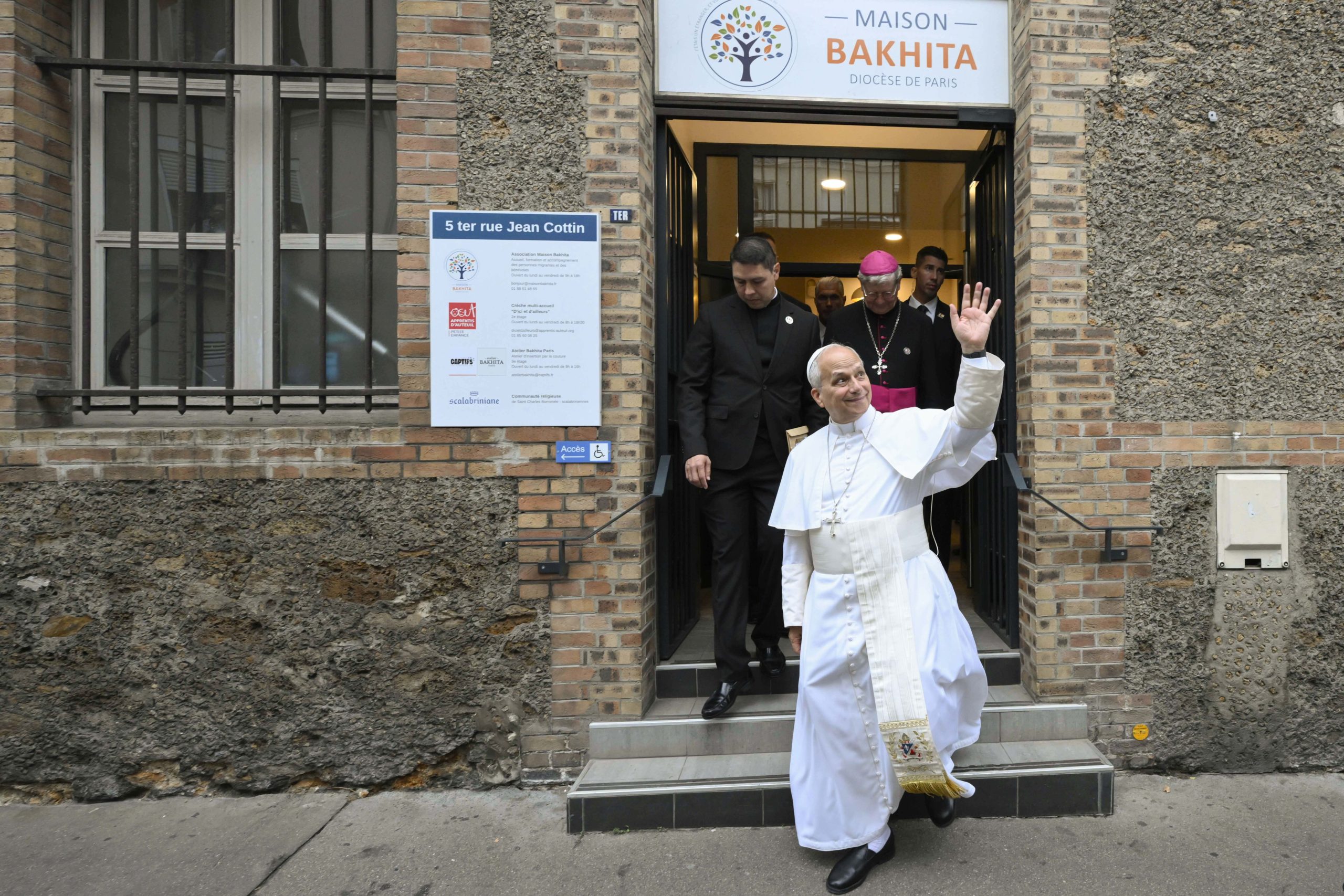
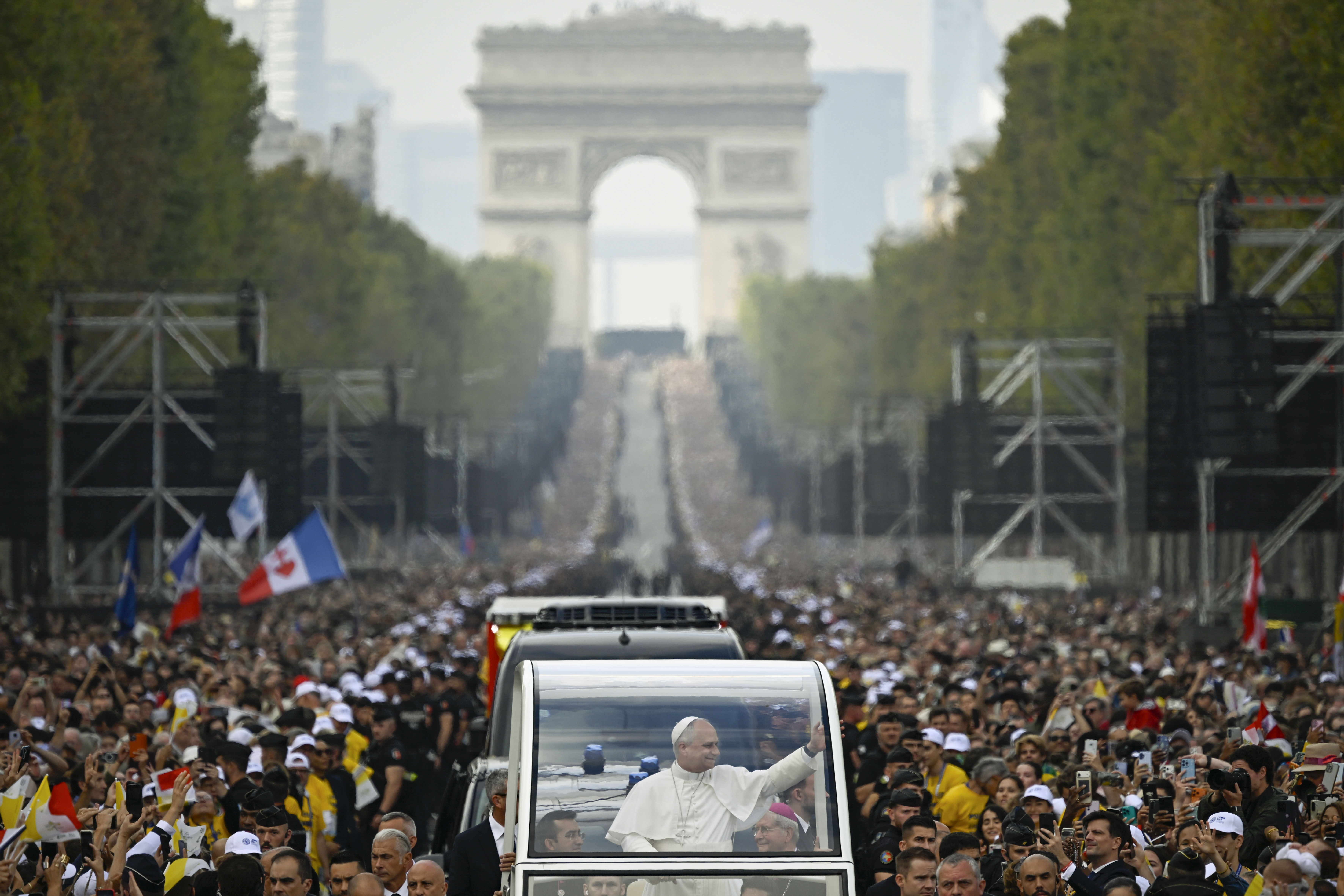
Pope Leo XIV visited the Maison Bakhita Center and celebrated an open-air Mass at Place de la Concorde in Paris before concluding his day at the Shrine of Our Lady of Lourdes.
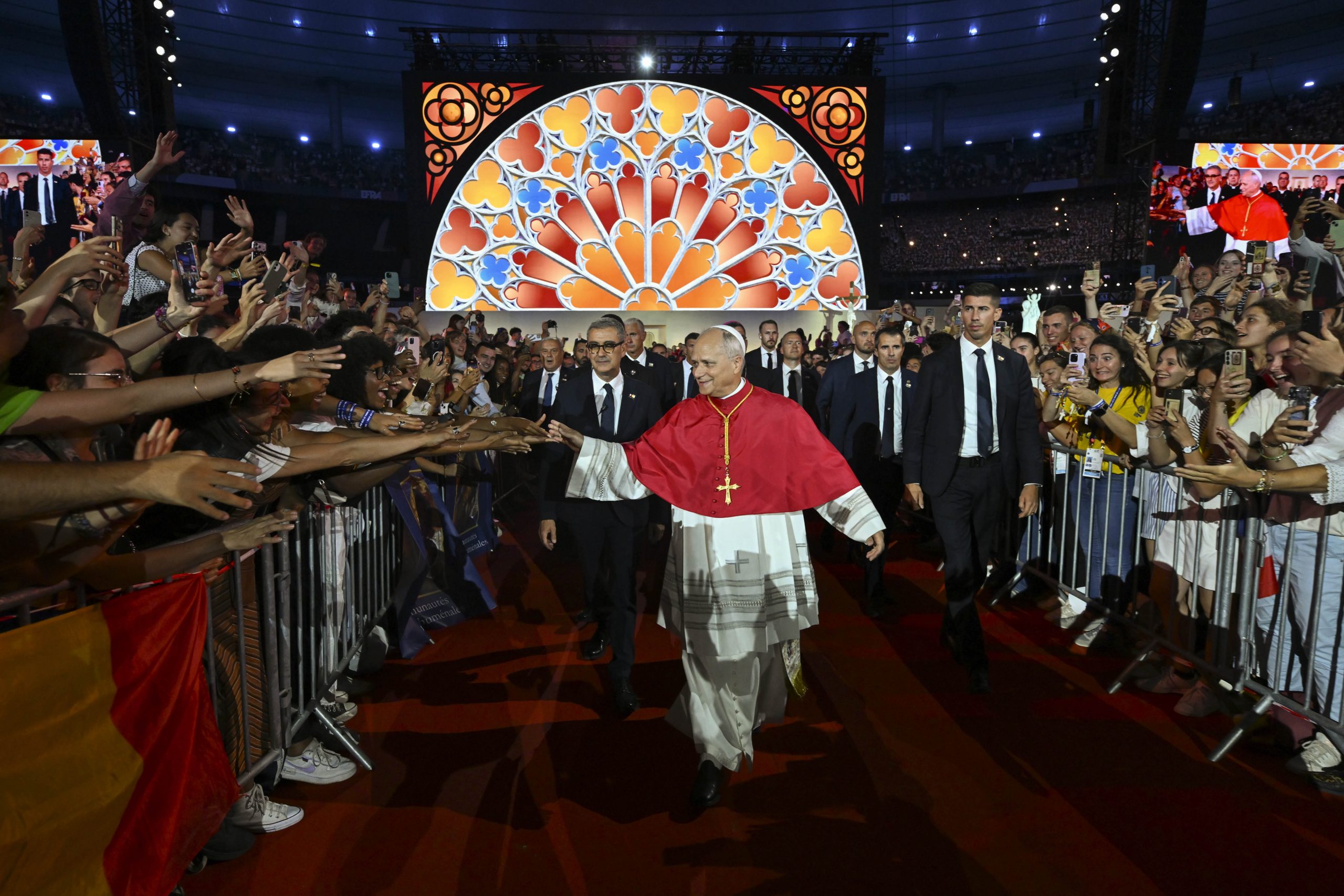
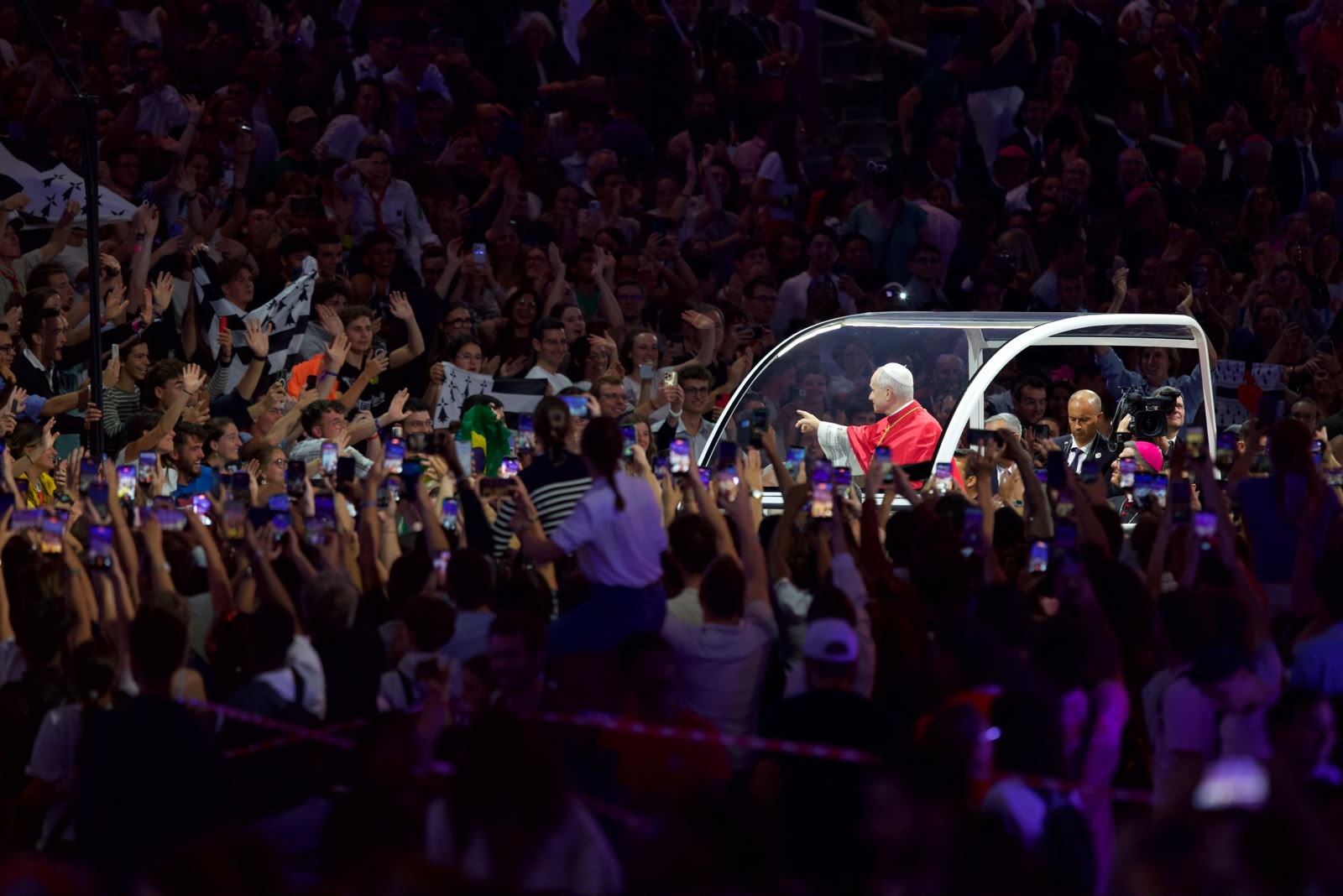
France’s Catholic culture and the energy of the country’s young people stole the show at a prayer vigil at the national stadium in Saint-Denis, France.
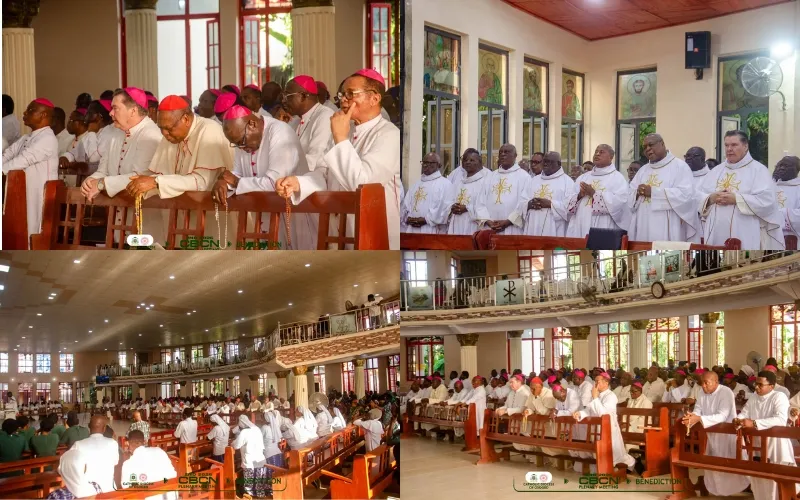
The Bishops’ Conference of Nigeria has called for prayer and fasting on December 8 for the success of the country’s general elections, calling on Nigerians to prepare spiritually for the polls.
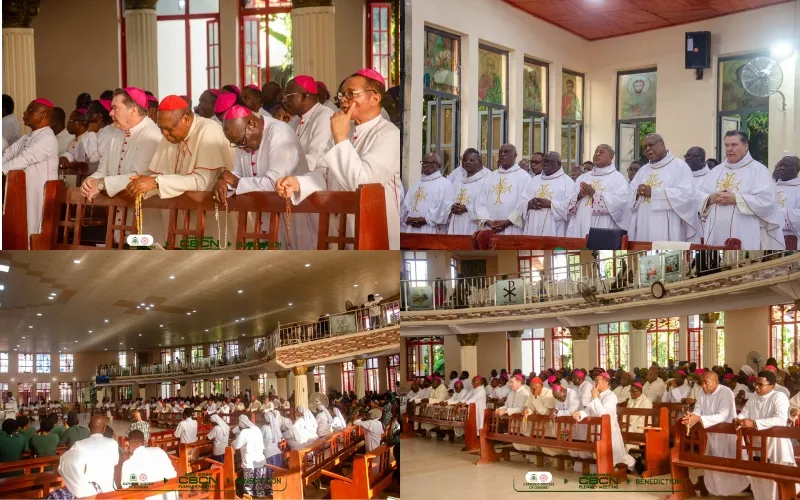
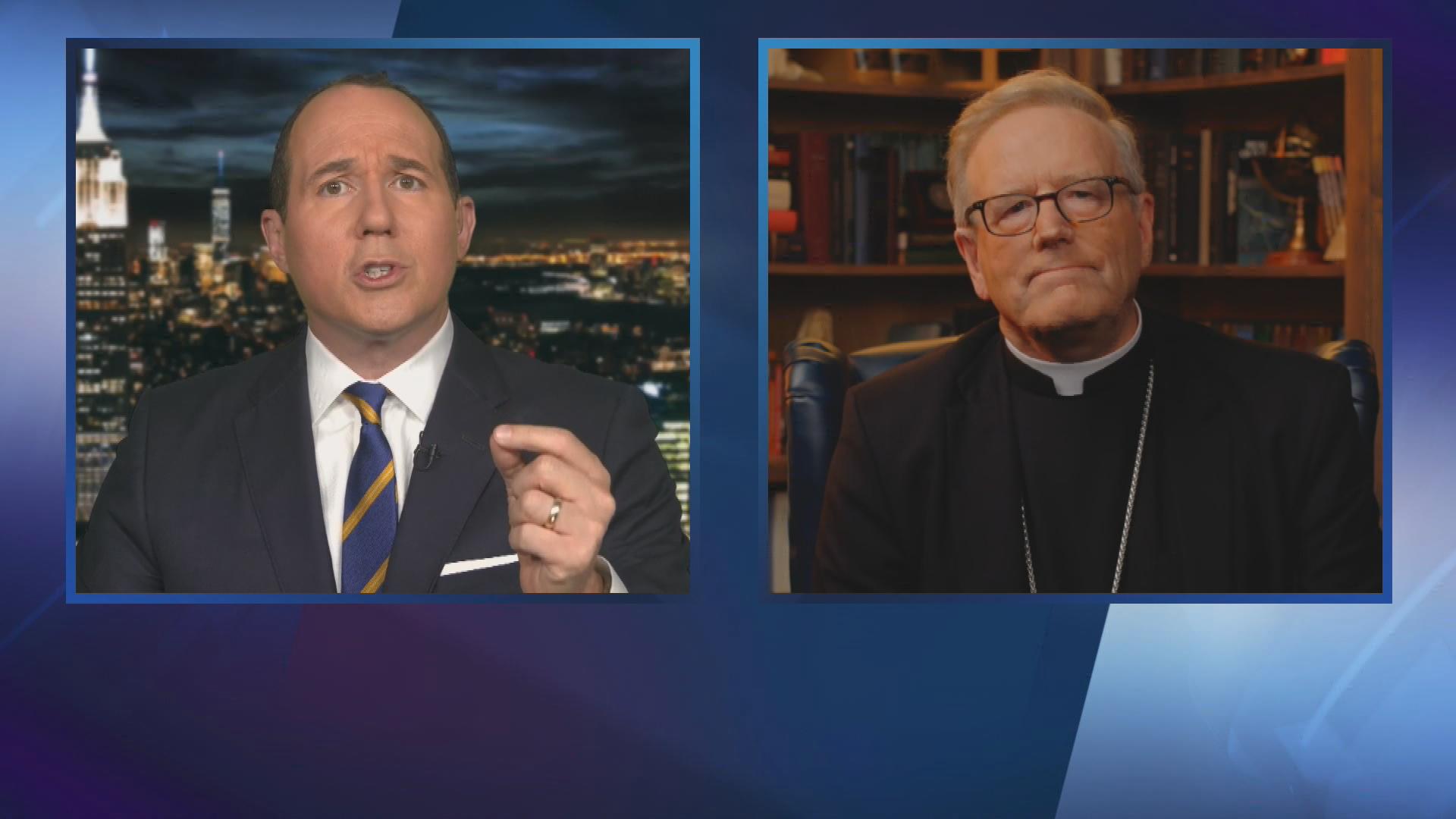
The Word on Fire founder clarifies the call to evangelize, defends his nonpartisan advisory role on religious liberty, and warns of resurgent communism.
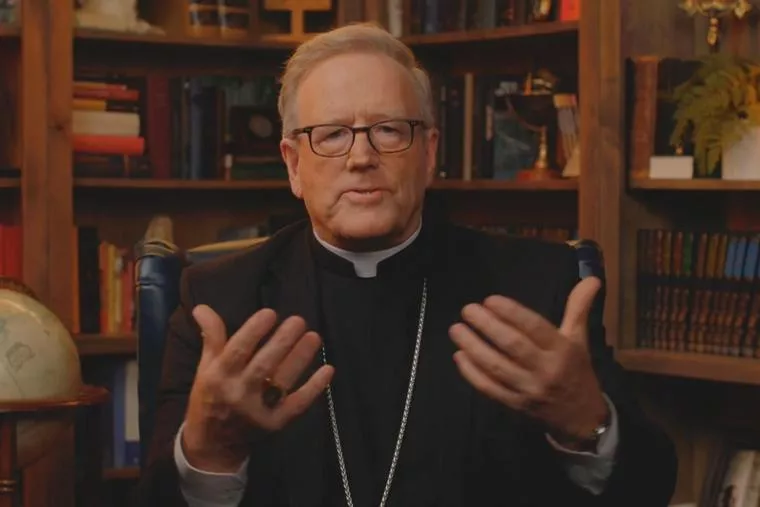
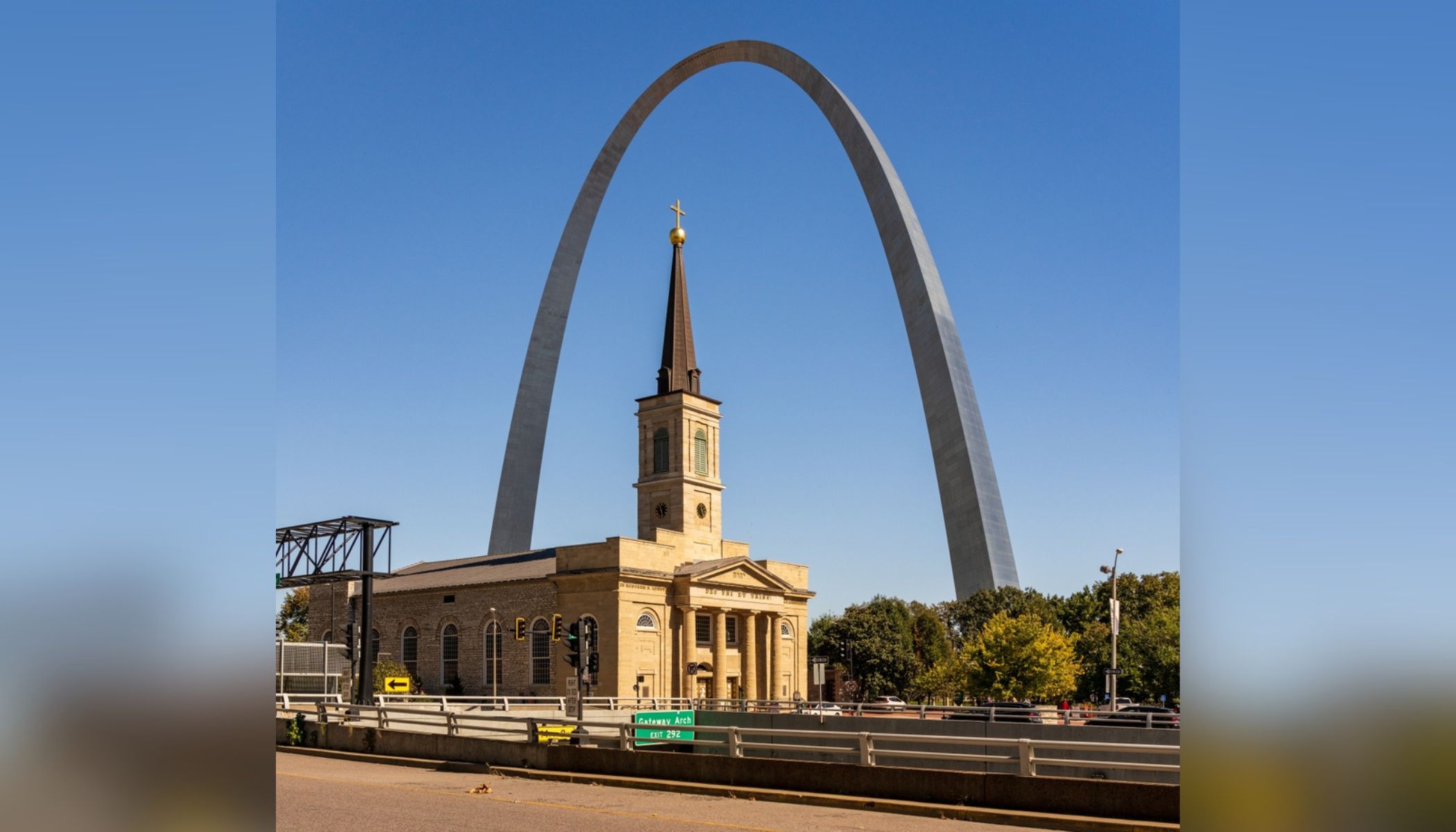
“We pray for an end to the hatred and threats of violence that have become so regrettably prevalent on social media,” an archdiocesan spokesperson said.
![Oregon officials back off ‘gender ideology mandate’ for mom seeking to adopt #Catholic Oregon officials have agreed they will not “categorically disqualify” a Christian woman from adopting or fostering children based on her religious beliefs about gender and human sexuality, which settles a three-and-a-half-year legal battle.The Oregon Department of Human Services (ODHS) agreed to a legal settlement with Jessica Bates, who was represented by Alliance Defending Freedom (ADF). It affirms the department will not consider her religious beliefs when evaluating her application for a certification to adopt children and will not attempt to regulate her speech about gender and sexuality.“Every child deserves a loving home, and children suffer when the government excludes people of faith from foster care because of the state’s own ideological crusade,” ADF Senior Counsel Johannes Widmalm-Delphonse said in a statement following the Sept. 9 settlement.“Oregon officials turned Jessica away just because of her common-sense belief that parents should help children become comfortable with who they are instead of pushing them down a path of confusion and medicalization,” he said. “We believe this settlement is a win-win that protects constitutional rights and puts children’s interests first.”In September 2022, the ODHS denied Bates’ application because she would not comply with a state policy that requires applicants to agree they will “respect, accept and support the … sexual orientation, gender identity [and] gender expression … of a child or young adult” who is placed in the home, which ADF has characterized as a “gender ideology mandate.”Bates sued ODHS in March 2023, arguing that the policy violated her First Amendment rights to free speech and the free exercise of religion. The lawsuit stated she told the certification officer she would love any child as her own but would not facilitate a child’s gender transition through hormone therapy, use pronouns inconsistent with a child’s biological sex, or encourage gender expression inconsistent with the child’s biological sex or same-sex attraction.A federal district court initially ruled in favor of ODHS in December 2023, but an appellate panel of judges ruled in July 2025 that ODHS likely violated her constitutional rights and blocked the department from enforcing the rules against her while the lawsuit continued.Legal settlementPer the legal agreement, ODHS will allow Bates to apply for a certification and will not consider her religious views in any way.It states ODHS will not deny the application “because of her religious beliefs that sexual activity should occur only within the confines of a marriage between one man and one woman, and a person should identify and seek to live consistent with his or her biological sex.”The settlement adds that this extends to her “desire to respectfully speak about, live out, parent, and make day-to-day caregiving decisions consistent with these sincerely held religious beliefs.”Under the agreement, ODHS also cannot require her to “agree to use prescribed words or language, including chosen pronouns, to express views about sexual orientation, gender identity, or gender expression inconsistent with her religious beliefs described above as a condition of certification.”“[The] ODHS may not enforce any per se standard, rule, or policy that precludes Bates from being considered for any particular placement, based in whole or in part based on her religious belief,” the settlement agreement states.It further prohibits ODHS from disqualifying Bates from consideration for any particular child placement based on her religious beliefs.Yet, the settlement does not prevent ODHS from “deciding a child’s placement based on its individualized consideration of the child’s needs and of a foster parent’s concerns or limitations (including where religiously motivated) on their ability or willingness to meet the child’s specific needs, including with regard to their sexual orientation, gender identity, and gender expression.”The Oregon attorney general’s office referred EWTN News to the Oregon Department of Human Services for comment. The department did not respond to a request for comment.](https://unitedyam.com/wp-content/uploads/2026/09/oregon-officials-back-off-gender-ideology-mandate-for-mom-seeking-to-adopt-catholic-oregon-officials-have-agreed-they-will-not-categorically-disqualify-a-christian.jpg "Oregon officials back off ‘gender ideology mandate’ for mom seeking to adopt #Catholic Oregon officials have agreed they will not “categorically disqualify” a Christian woman from adopting or fostering children based on her religious beliefs about gender and human sexuality, which settles a three-and-a-half-year legal battle.The Oregon Department of Human Services (ODHS) agreed to a legal settlement with Jessica Bates, who was represented by Alliance Defending Freedom (ADF). It affirms the department will not consider her religious beliefs when evaluating her application for a certification to adopt children and will not attempt to regulate her speech about gender and sexuality.“Every child deserves a loving home, and children suffer when the government excludes people of faith from foster care because of the state’s own ideological crusade,” ADF Senior Counsel Johannes Widmalm-Delphonse said in a statement following the Sept. 9 settlement.“Oregon officials turned Jessica away just because of her common-sense belief that parents should help children become comfortable with who they are instead of pushing them down a path of confusion and medicalization,” he said. “We believe this settlement is a win-win that protects constitutional rights and puts children’s interests first.”In September 2022, the ODHS denied Bates’ application because she would not comply with a state policy that requires applicants to agree they will “respect, accept and support the … sexual orientation, gender identity [and] gender expression … of a child or young adult” who is placed in the home, which ADF has characterized as a “gender ideology mandate.”Bates sued ODHS in March 2023, arguing that the policy violated her First Amendment rights to free speech and the free exercise of religion. The lawsuit stated she told the certification officer she would love any child as her own but would not facilitate a child’s gender transition through hormone therapy, use pronouns inconsistent with a child’s biological sex, or encourage gender expression inconsistent with the child’s biological sex or same-sex attraction.A federal district court initially ruled in favor of ODHS in December 2023, but an appellate panel of judges ruled in July 2025 that ODHS likely violated her constitutional rights and blocked the department from enforcing the rules against her while the lawsuit continued.Legal settlementPer the legal agreement, ODHS will allow Bates to apply for a certification and will not consider her religious views in any way.It states ODHS will not deny the application “because of her religious beliefs that sexual activity should occur only within the confines of a marriage between one man and one woman, and a person should identify and seek to live consistent with his or her biological sex.”The settlement adds that this extends to her “desire to respectfully speak about, live out, parent, and make day-to-day caregiving decisions consistent with these sincerely held religious beliefs.”Under the agreement, ODHS also cannot require her to “agree to use prescribed words or language, including chosen pronouns, to express views about sexual orientation, gender identity, or gender expression inconsistent with her religious beliefs described above as a condition of certification.”“[The] ODHS may not enforce any per se standard, rule, or policy that precludes Bates from being considered for any particular placement, based in whole or in part based on her religious belief,” the settlement agreement states.It further prohibits ODHS from disqualifying Bates from consideration for any particular child placement based on her religious beliefs.Yet, the settlement does not prevent ODHS from “deciding a child’s placement based on its individualized consideration of the child’s needs and of a foster parent’s concerns or limitations (including where religiously motivated) on their ability or willingness to meet the child’s specific needs, including with regard to their sexual orientation, gender identity, and gender expression.”The Oregon attorney general’s office referred EWTN News to the Oregon Department of Human Services for comment. The department did not respond to a request for comment.")
The legal settlement ensures that Jessica Bates’ religious views will not be a factor in determining whether she can adopt children.
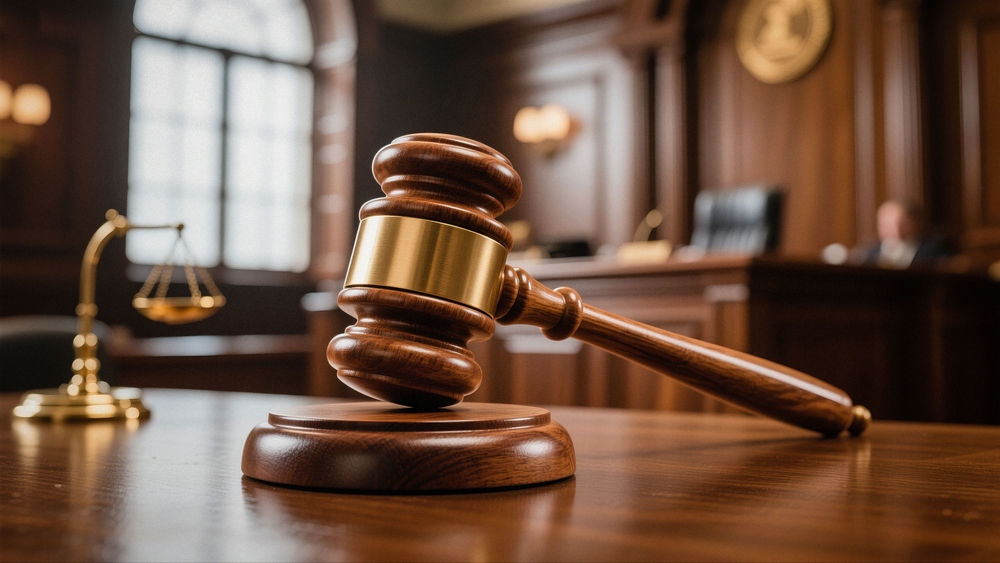
![Jimmy Lai’s family, advocates press for his release before Xi-Trump meeting #Catholic Family members and advocates of imprisoned Catholic pro-democracy activist Jimmy Lai offered urgent pleas for his release ahead of President Xi Jinping’s planned trip to the U.S. to meet with President Donald Trump.In anticipation of Xiʼs visit to Washington on Sept. 24, Sebastien Lai, Jimmy Lai’s son, met with leaders to advocate for his father. He joined a Sept. 16 congressional hearing led by Rep. Chris Smith, R-New Jersey.“Jimmy Lai is not being imprisoned because he committed any act of violence whatsoever,” Smith, co-chair of the Congressional-Executive Commission on China, said. “His son has emphasized that his father has never, never advocated violence. Rather, Jimmy Lai used his voice, his newspaper, and his public platform to support freedom and democracy,” he said. Smith said he introduced legislation Sept. 16 that would require the State Department to quickly assess any death in custody of a Hong Kong political prisoner and impose sanctions on officials found responsible. He titled the bill the “Jimmy Lai Hong Kong Political Prisoner Accountability Act of 2026.”At the hearing, Sebastien Lai offered testimony along with Steve Yates, a research fellow on China and national security policy, and Mark Clifford, president of the Committee for Freedom in Hong Kong Foundation.“I want to thank America, President Trump, who has been a true champion of my fatherʼs, his administration, and the senators and members of both parties whose support has never wavered and only gotten stronger. That is moral courage, and my family does not take it for granted,” Sebastien Lai said.“By the end of this year my father will have spent six years in a maximum-security prison in solitary. At 78, he is the oldest political prisoner in Hong Kong. With a 20-year sentence looming over him, if he’s not freed soon, he will most likely die in prison,” he said. “My sister Claire was to testify beside me today. A few weeks ago, she was diagnosed with cancer,” he said. “I was with her in London last week as she began chemotherapy. My father learned of his own daughterʼs diagnosis from a maximum-security prison. He cannot hold her hand. She wants nothing more than to have him with her for this fight,“ he said.
Claire Lai, daughter of imprisoned pro-democracy activist Jimmy Lai, discusses her father’s sentencing on “EWTN News Nightly” on Feb. 9, 2026. | Credit: “EWTN News Nightly”/Screenshot
“We hope the Chinese authorities will consider what compassionate release would mean for her, and for a 78-year-old man who has already suffered enough,” he said.“America understands, in its bones, that freedom dies with the last man willing to defend it and that the cost of not standing up for liberty is not felt until it is too late,“ he said.The appeal to Xi “is simple," Sebastien Lai said. “My father poses no threat. His imprisonment makes him a symbol of injustice; his death in prison would be a disgrace. Let Jimmy Lai come home to his family and let him sit beside his daughter in her hardest moment.”
America understands, in its bones, that freedom dies with the last man willing to defend it and that the cost of not standing up for liberty is not felt until it is too late.”
Sebastien LaiSon of imprisoned Hong Kong media publisher and democracy advocate Jimmy Lai
Clifford, of the Washington‑based advocacy group promoting human rights in Hong Kong, spoke on behalf of his friend Jimmy Lai and to remind “people that Jimmy is just one of hundreds of political prisoners being held in often appalling conditions.”“Iʼd like to emphasize the release of Jimmy Lai would be something President Trump, Republicans and Democrats, indeed, freedom-loving people around the world would applaud,” Clifford said. “It would be a unifying event at the time when the world really needs it.”Yates said Jimmy Lai’s case is “a test of character, of Xi Jinping’s leadership, of the president’s relationship with his counterpart, and of whether there remains any credible basis for the assumptions on which American policy toward Hong Kong was long constructed.”The case is “a litmus test of whether there remains any reason to believe there is a future in Xi Jinping’s China for the kind of man Jimmy Lai is: a child of God, a lover of the real China, and, it may fairly be said, one of China’s greatest entrepreneurs,” Yates said. Lai’s health ‘is going to get worse’At a subsequent event, Sebastien Lai spoke at a press conference at Georgetown University about his father.Trump has previously met with Xi about Jimmy Lai’s case, which did not end with his release, but Sebastian Lai said he does not believe “it is a lost cause.” He said he hopes Trump raises his father’s case “again and again.”Sebastian Lai detailed his father’s health, which “hasnʼt gotten any better” while in solitary confinement.“He now has heart issues. His nails fall off. His teeth are rotting. During the summer, he bleeds all over his body because [of] his rashes,” he said.His health was especially worrisome recently because “Hong Kong just had a record summer,” Sebastien Lai said. “The heat traps in there and essentially bakes in itself. So weʼre very, very worried.”Caoilfhionn Gallagher, human rights lawyer and leader of the international legal team representing Jimmy Lai, further laid out the urgency of the case.“It’s very clear that if someone is detained in solitary confinement for an extended period of time, there is a direct ramification for their mortality,” she said.“The risk to prisoners detained in solitary confinement is particularly heightened if they’re elderly or diabetic, and Jimmy Lai is both. So this couldn’t be a more urgent and timely discussion,” she said. Gallagher also noted the broader human rights issues and lack of democracy in Hong Kong.Hong Kong “has become a place where you can be thrown in prison for singing the wrong song, or not singing the right song, or wearing the wrong T-shirt, printing the wrong newspaper. And I think Jimmy Laiʼs case is hugely important in itself because of who he is,” Gallagher said.“Heʼs probably the worldʼs most famous political prisoner at the moment. His case is hugely important, but we think part of why theyʼve gone for Jimmy Lai is because by getting the biggest fish of all, it sends the message to the small fry across Hong Kong,” Gallagher said. "It makes very clear that their message is keep silent or youʼll be next,” Gallagher said. Xi’s visit to the U.S. offers “a particular opportunity to shine a light on this issue,” she said.](https://unitedyam.com/wp-content/uploads/2026/09/jimmy-lais-family-advocates-press-for-his-release-before-xi-trump-meeting-catholic-family-members-and-advocates-of-imprisoned-catholic-pro-democracy-activist-jimmy-lai-offered-urgent-pleas.jpg "Jimmy Lai’s family, advocates press for his release before Xi-Trump meeting #Catholic Family members and advocates of imprisoned Catholic pro-democracy activist Jimmy Lai offered urgent pleas for his release ahead of President Xi Jinping’s planned trip to the U.S. to meet with President Donald Trump.In anticipation of Xiʼs visit to Washington on Sept. 24, Sebastien Lai, Jimmy Lai’s son, met with leaders to advocate for his father. He joined a Sept. 16 congressional hearing led by Rep. Chris Smith, R-New Jersey.“Jimmy Lai is not being imprisoned because he committed any act of violence whatsoever,” Smith, co-chair of the Congressional-Executive Commission on China, said. “His son has emphasized that his father has never, never advocated violence. Rather, Jimmy Lai used his voice, his newspaper, and his public platform to support freedom and democracy,” he said. Smith said he introduced legislation Sept. 16 that would require the State Department to quickly assess any death in custody of a Hong Kong political prisoner and impose sanctions on officials found responsible. He titled the bill the “Jimmy Lai Hong Kong Political Prisoner Accountability Act of 2026.”At the hearing, Sebastien Lai offered testimony along with Steve Yates, a research fellow on China and national security policy, and Mark Clifford, president of the Committee for Freedom in Hong Kong Foundation.“I want to thank America, President Trump, who has been a true champion of my fatherʼs, his administration, and the senators and members of both parties whose support has never wavered and only gotten stronger. That is moral courage, and my family does not take it for granted,” Sebastien Lai said.“By the end of this year my father will have spent six years in a maximum-security prison in solitary. At 78, he is the oldest political prisoner in Hong Kong. With a 20-year sentence looming over him, if he’s not freed soon, he will most likely die in prison,” he said. “My sister Claire was to testify beside me today. A few weeks ago, she was diagnosed with cancer,” he said. “I was with her in London last week as she began chemotherapy. My father learned of his own daughterʼs diagnosis from a maximum-security prison. He cannot hold her hand. She wants nothing more than to have him with her for this fight,“ he said.
Claire Lai, daughter of imprisoned pro-democracy activist Jimmy Lai, discusses her father’s sentencing on “EWTN News Nightly” on Feb. 9, 2026. | Credit: “EWTN News Nightly”/Screenshot
“We hope the Chinese authorities will consider what compassionate release would mean for her, and for a 78-year-old man who has already suffered enough,” he said.“America understands, in its bones, that freedom dies with the last man willing to defend it and that the cost of not standing up for liberty is not felt until it is too late,“ he said.The appeal to Xi “is simple,\" Sebastien Lai said. “My father poses no threat. His imprisonment makes him a symbol of injustice; his death in prison would be a disgrace. Let Jimmy Lai come home to his family and let him sit beside his daughter in her hardest moment.”
America understands, in its bones, that freedom dies with the last man willing to defend it and that the cost of not standing up for liberty is not felt until it is too late.”
Sebastien LaiSon of imprisoned Hong Kong media publisher and democracy advocate Jimmy Lai
Clifford, of the Washington‑based advocacy group promoting human rights in Hong Kong, spoke on behalf of his friend Jimmy Lai and to remind “people that Jimmy is just one of hundreds of political prisoners being held in often appalling conditions.”“Iʼd like to emphasize the release of Jimmy Lai would be something President Trump, Republicans and Democrats, indeed, freedom-loving people around the world would applaud,” Clifford said. “It would be a unifying event at the time when the world really needs it.”Yates said Jimmy Lai’s case is “a test of character, of Xi Jinping’s leadership, of the president’s relationship with his counterpart, and of whether there remains any credible basis for the assumptions on which American policy toward Hong Kong was long constructed.”The case is “a litmus test of whether there remains any reason to believe there is a future in Xi Jinping’s China for the kind of man Jimmy Lai is: a child of God, a lover of the real China, and, it may fairly be said, one of China’s greatest entrepreneurs,” Yates said. Lai’s health ‘is going to get worse’At a subsequent event, Sebastien Lai spoke at a press conference at Georgetown University about his father.Trump has previously met with Xi about Jimmy Lai’s case, which did not end with his release, but Sebastian Lai said he does not believe “it is a lost cause.” He said he hopes Trump raises his father’s case “again and again.”Sebastian Lai detailed his father’s health, which “hasnʼt gotten any better” while in solitary confinement.“He now has heart issues. His nails fall off. His teeth are rotting. During the summer, he bleeds all over his body because [of] his rashes,” he said.His health was especially worrisome recently because “Hong Kong just had a record summer,” Sebastien Lai said. “The heat traps in there and essentially bakes in itself. So weʼre very, very worried.”Caoilfhionn Gallagher, human rights lawyer and leader of the international legal team representing Jimmy Lai, further laid out the urgency of the case.“It’s very clear that if someone is detained in solitary confinement for an extended period of time, there is a direct ramification for their mortality,” she said.“The risk to prisoners detained in solitary confinement is particularly heightened if they’re elderly or diabetic, and Jimmy Lai is both. So this couldn’t be a more urgent and timely discussion,” she said. Gallagher also noted the broader human rights issues and lack of democracy in Hong Kong.Hong Kong “has become a place where you can be thrown in prison for singing the wrong song, or not singing the right song, or wearing the wrong T-shirt, printing the wrong newspaper. And I think Jimmy Laiʼs case is hugely important in itself because of who he is,” Gallagher said.“Heʼs probably the worldʼs most famous political prisoner at the moment. His case is hugely important, but we think part of why theyʼve gone for Jimmy Lai is because by getting the biggest fish of all, it sends the message to the small fry across Hong Kong,” Gallagher said. \"It makes very clear that their message is keep silent or youʼll be next,” Gallagher said. Xi’s visit to the U.S. offers “a particular opportunity to shine a light on this issue,” she said.")
“America understands, in its bones, that freedom dies with the last man willing to defend it and that the cost of not standing up for liberty is not felt until it is too late,” Sebastien Lai said.
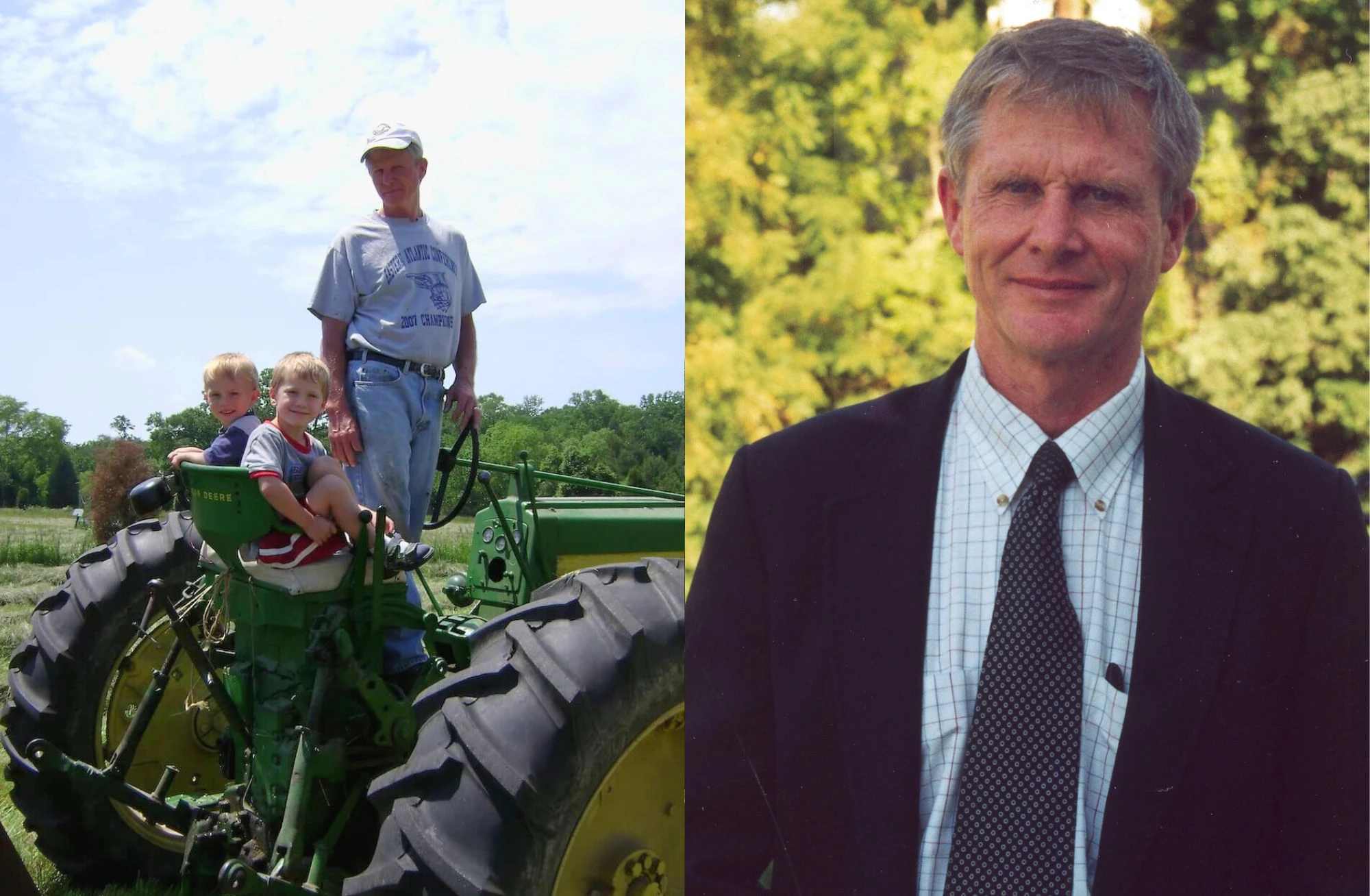
The sainthood cause for Tom Vander Woude, a Catholic father of seven who died saving his youngest son, moves to the information gathering stage.
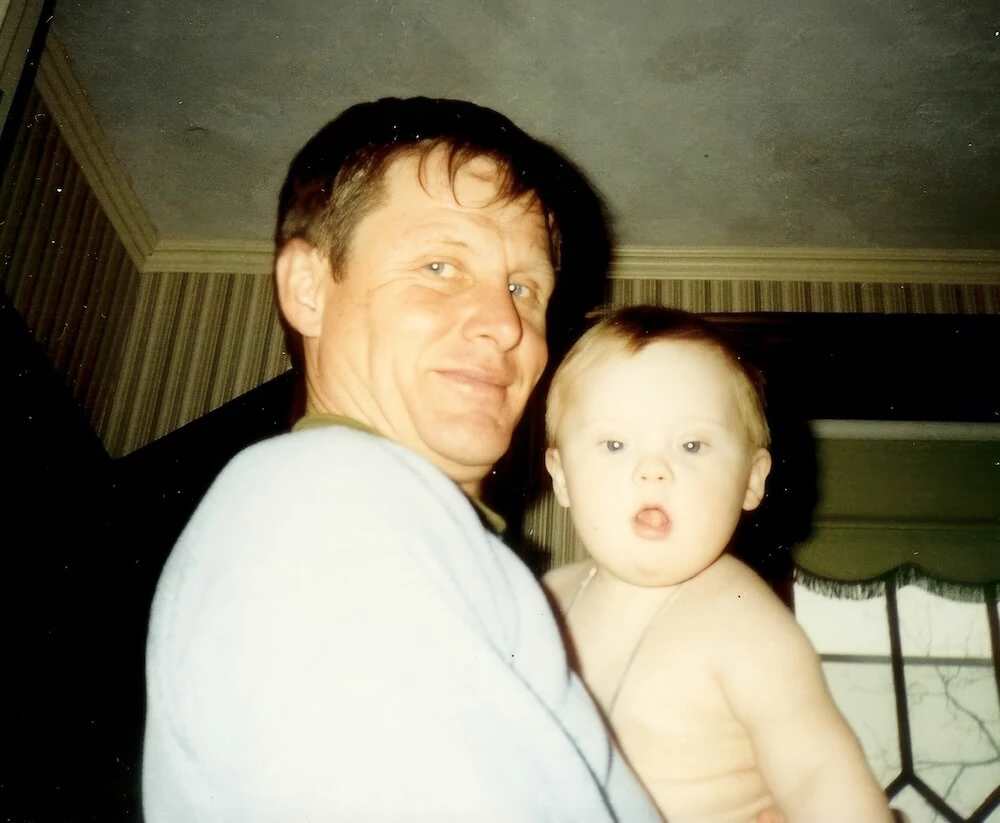
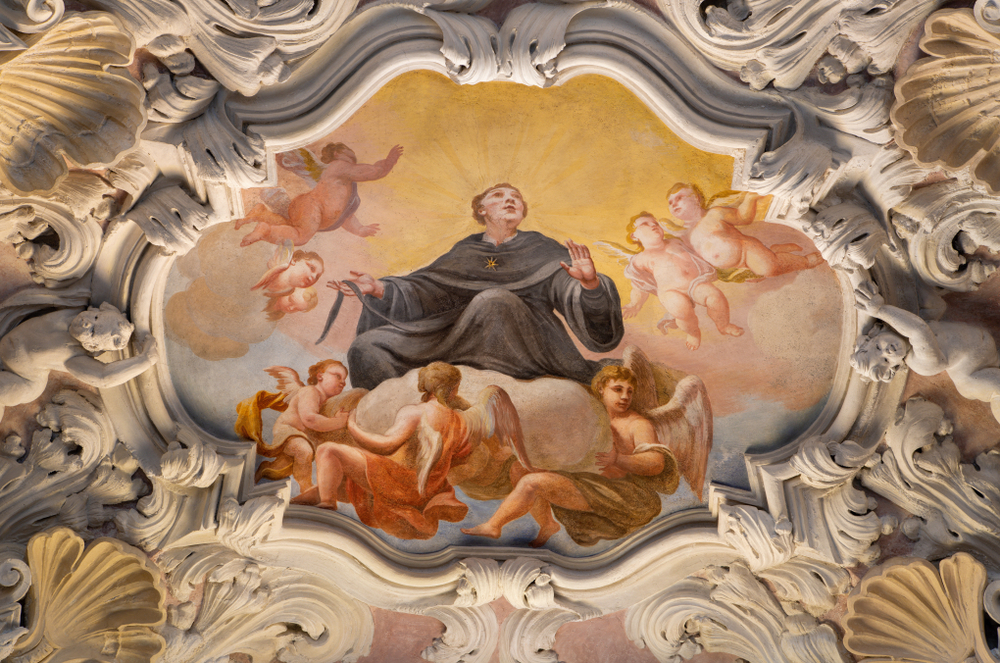
For St. Nicholas of Tolentino, the Catholic imperative to pray for the dead was made very real to him when a deceased friend appeared to him asking for prayers.
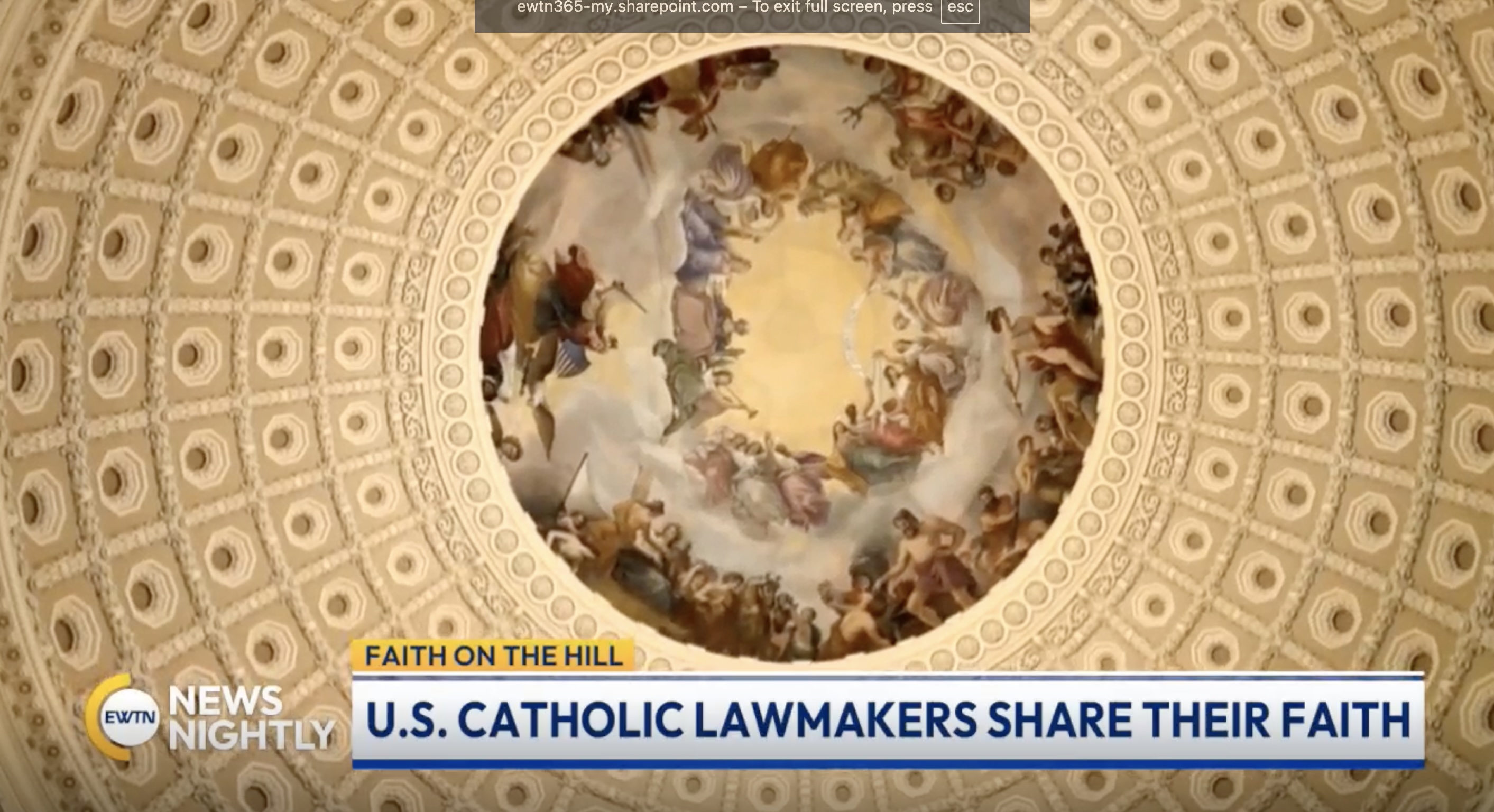
![Faith on the Hill: Catholic members of Congress share how faith shapes their lives and work #Catholic For many of the 150 Catholics serving in the 119th Congress, faith plays an important role in their lives and work.The current number of Catholic lawmakers on Capitol Hill is slightly higher than the previous Congress, with Catholics accounting for more than 28% of the members of the United States House of Representatives and Senate. Of the Catholic members, 126 serve in the House and 24 in the Senate, according to a report from the Pew Research Center.In this special report, EWTN News Capitol Hill correspondent Erik Rosales spoke with various Catholic members of Congress about their faith and how they live it in their work.Sen. Eric SchmittSen. Eric Schmitt, R-Missouri, grew up a cradle Catholic and said his parents instilled in him the importance of having a personal relationship with Christ at a young age.“I grew up in St. Louis, which is a very Catholic town and has been referred to as the Rome of the West because per capita, very Catholic,” Schmitt told Rosales.A “conversation back home, it might very easily start … ‘What parish are you at? or ‘What parish did you grow up in?’” Schmitt said.At 17, Schmitt went to a Jesuit retreat house that had a profound impact on him. Later, when his son was born with a rare genetic condition, Schmitt would often return to the Jesuits for prayer.It “was a seed that was planted … when I was confronted with this really kind of difficult situation. I went back there, and it was a profound experience,” he said. “I go back every year. Itʼs a … weekend silent retreat. And that keeps me very rooted.”When working busy days on the Hill, Schmitt said he looks to prayer.“Iʼll listen to a podcast by Bishop [Robert] Barron or Father Michael Schmitz,” he said. “I think technology now too has allowed a different avenue for people to … maintain their faith and grow their faith.”Even “if itʼs five or 10 minutes, it really does help me kind of start the day right,” Schmitt said.Rep. John RutherfordRep. John Rutherford, R-Florida, also spoke about leaning on his faith when working in a hectic position, often by attending Mass and saying the rosary.“In Ephesians 2:10, it says, ‘for we are all Godʼs workmanship, created in the image of Christ Jesus to do good work,’ which he prepared … in advance for us to do,’” Rutherford said. “So heʼs got work out there that heʼs prepared for me to do,” he continued.While Rutherford’s Catholic faith is incorporated into his day-to-day life, he shared that was not always the case. He grew up in the United Methodist Church, but at about 14 years old, “fell away from the church,” he said.After becoming a police officer in Jacksonville, Florida, Rutherford’s perspective on faith changed. Witnessing crimes made him question his own mortality.“So I went back to the Bible, and I read the Bible literally cover to cover, not once but twice,” he said.Rutherford returned to the Methodist Church, while his wife and kids attended Catholic Mass. After reading about the Methodist Churchʼs seven principles, he realized he didnʼt agree with them.“It was a long process, but I finally read a book by Pope John Paul II, ‘Crossing the Threshold of Hope,’ and that explained where the authority of the Church is,” Rutherford said. “And how itʼs passed down through the papacy.”After his research, and inspired by the true Church and presence of Jesus in the Eucharist, Rutherford entered the Catholic Church.Rep. Mark MessmerRep. Mark Messmer, R-Indiana, said he has spent his life putting God, family, and community first.It was during his time as a state legislator that a colleague invited Messmer and his wife to attend a Cursillo, a retreat focused on showing Christian laity how to become effective leaders and how to use the Gospel in daily life.“It ignited a passion and a love for Christ, and a love for the Eucharist that I always said I wanted. And then it gives you the tools [for] your prayer life, study life, and evangelization, how to live that out on a daily basis,” he said.Messmer said he stays grounded with daily Mass and his Friday morning prayer group. He and his family also all join together for a weekly group call to catch up and join for “spiritual reinforcement.”Rep. Stephanie BiceRep. Stephanie Bice, R-Oklahoma, converted to Catholicism in college after she started going to Mass with her now husband.Bice served six years in the Oklahoma Senate and later ran for U.S. Congress. She joined a number of women who have been elected over the past two cycles.“Not every woman believes that … you should be able to terminate pregnancies up to birth,” Bice said. “So you had a groundswell of women consider running for congressional seats and Senate seats,” she said.While serving on Capitol Hill, Bice said she turns to prayer and the comfort of the Blessed Mother.“I stumbled across a group of staffers that actually pray the rosary on fly-in days in the morning,” she explained. “I said, ‘Hey, can a member come?’ And they were delighted that I would even ask.”One highlight of her congressional career was meeting Pope Francis at the Vatican. The invitation came from Rep. James Langevin, a fellow Catholic and Democrat from Rhode Island.Pope Francis “looked at my husband and I after blessing us both, and he said: ‘Will you pray for me?’ And that was pretty profound,” Bice said.Rep. Robert Onder“Really, my Catholic faith has motivated me my whole life, my whole career, and really motivated in many ways the direction my life has taken,” Rep. Robert Onder, R-Missouri, said.Onder said his faith was present in his work trying to pass a religious liberty bill in the Missouri Senate and through his fight to protect the conscience rights of physicians who are forced to perform abortions.As a medical doctor, Onder detailed the present problem in some states and hospitals, which “want to force physicians to participate in abortions, participate in vitro fertilization or artificial contraception, and, of course, more recently, participate in euthanasia.”Onder said his political service has been motivated by love of God, family, and country. He said he stays rooted in faith by attending daily Mass. He said he also enjoys talking with other lawmakers about their love for Christ.“Speaker [Mike] Johnson is absolutely a brother in the Christian faith and a very, very strong believer,” Onder said. “It does give me a lot hope and a lot of encouragement to serve with other people who really take their faith seriously.”Rep. Riley MooreRep. Riley Moore, R-West Virginia, said his Catholic faith is “is the most important thing” in his life.“It forms me — every decision I make, everything that I do here on the Hill, it is central to my life. Iʼm always praying to be able to deepen my faith, be a strong family man, and then also my service.”“So itʼs my faith, my family, my service to my state, my country. But faith comes first.”“Canʼt always be easy to discern Godʼs will, particularly in a place that is more about individual will and not Godʼs will,” Moore said. “Iʼm trying to re-center myself towards that. Thatʼs that gravitational pull for me that Iʼm always trying to get back to.”Moore started as a Hill staffer on the House Foreign Affairs Committee, working under the late Rep. Henry Hyde, R-Illinois. One of his priorities is drawing attention to the persecution of Christians around the world, especially in Nigeria.While in Nigeria, “I met a woman who had had all five of her children murdered, murdered by Islamic terrorists,” Moore said. “I met another woman who had her two daughters and husband killed right in front of her, and then they killed her unborn child.”“As we know and weʼve heard many times, and itʼs so true that there is salvation through suffering. I think that … their suffering offers us salvation as well by doing something here,” he said.House Majority Whip Tom EmmerMajority Whip of the U.S. House of Representatives Tom Emmer discussed how his faith was largely inspired by his family, including his father, who attended daily Mass.“The example that they set is, I believe, why I am who I am,” said Emmer, R-Minnesota.Emmer also detailed the trials of his faith, including the loss of his sister Bridget, who died of breast cancer at 38 years old.Emmer said he was angry at the Lord and had doubts about Godʼs will because of his sisterʼs suffering. A conversation with Bridget during her chemotherapy treatment was a pivotal moment for him and his faith.“She looked at me and she said, ‘Tom, would I love to live forever? Absolutely. But Iʼm not going to,’” he explained. His sister added: “I have lived a good life. If God comes and calls me today, so be it.”Emmer said her words brought him away from his own anger with the Lord. Now his message to others is to put God first while living each moment to the fullest.](https://unitedyam.com/wp-content/uploads/2026/09/faith-on-the-hill-catholic-members-of-congress-share-how-faith-shapes-their-lives-and-work-catholic-for-many-of-the-150-catholics-serving-in-the-119th-congress-faith-plays-an-important-role-in-thei-scaled.jpg "Faith on the Hill: Catholic members of Congress share how faith shapes their lives and work #Catholic For many of the 150 Catholics serving in the 119th Congress, faith plays an important role in their lives and work.The current number of Catholic lawmakers on Capitol Hill is slightly higher than the previous Congress, with Catholics accounting for more than 28% of the members of the United States House of Representatives and Senate. Of the Catholic members, 126 serve in the House and 24 in the Senate, according to a report from the Pew Research Center.In this special report, EWTN News Capitol Hill correspondent Erik Rosales spoke with various Catholic members of Congress about their faith and how they live it in their work.Sen. Eric SchmittSen. Eric Schmitt, R-Missouri, grew up a cradle Catholic and said his parents instilled in him the importance of having a personal relationship with Christ at a young age.“I grew up in St. Louis, which is a very Catholic town and has been referred to as the Rome of the West because per capita, very Catholic,” Schmitt told Rosales.A “conversation back home, it might very easily start … ‘What parish are you at? or ‘What parish did you grow up in?’” Schmitt said.At 17, Schmitt went to a Jesuit retreat house that had a profound impact on him. Later, when his son was born with a rare genetic condition, Schmitt would often return to the Jesuits for prayer.It “was a seed that was planted … when I was confronted with this really kind of difficult situation. I went back there, and it was a profound experience,” he said. “I go back every year. Itʼs a … weekend silent retreat. And that keeps me very rooted.”When working busy days on the Hill, Schmitt said he looks to prayer.“Iʼll listen to a podcast by Bishop [Robert] Barron or Father Michael Schmitz,” he said. “I think technology now too has allowed a different avenue for people to … maintain their faith and grow their faith.”Even “if itʼs five or 10 minutes, it really does help me kind of start the day right,” Schmitt said.Rep. John RutherfordRep. John Rutherford, R-Florida, also spoke about leaning on his faith when working in a hectic position, often by attending Mass and saying the rosary.“In Ephesians 2:10, it says, ‘for we are all Godʼs workmanship, created in the image of Christ Jesus to do good work,’ which he prepared … in advance for us to do,’” Rutherford said. “So heʼs got work out there that heʼs prepared for me to do,” he continued.While Rutherford’s Catholic faith is incorporated into his day-to-day life, he shared that was not always the case. He grew up in the United Methodist Church, but at about 14 years old, “fell away from the church,” he said.After becoming a police officer in Jacksonville, Florida, Rutherford’s perspective on faith changed. Witnessing crimes made him question his own mortality.“So I went back to the Bible, and I read the Bible literally cover to cover, not once but twice,” he said.Rutherford returned to the Methodist Church, while his wife and kids attended Catholic Mass. After reading about the Methodist Churchʼs seven principles, he realized he didnʼt agree with them.“It was a long process, but I finally read a book by Pope John Paul II, ‘Crossing the Threshold of Hope,’ and that explained where the authority of the Church is,” Rutherford said. “And how itʼs passed down through the papacy.”After his research, and inspired by the true Church and presence of Jesus in the Eucharist, Rutherford entered the Catholic Church.Rep. Mark MessmerRep. Mark Messmer, R-Indiana, said he has spent his life putting God, family, and community first.It was during his time as a state legislator that a colleague invited Messmer and his wife to attend a Cursillo, a retreat focused on showing Christian laity how to become effective leaders and how to use the Gospel in daily life.“It ignited a passion and a love for Christ, and a love for the Eucharist that I always said I wanted. And then it gives you the tools [for] your prayer life, study life, and evangelization, how to live that out on a daily basis,” he said.Messmer said he stays grounded with daily Mass and his Friday morning prayer group. He and his family also all join together for a weekly group call to catch up and join for “spiritual reinforcement.”Rep. Stephanie BiceRep. Stephanie Bice, R-Oklahoma, converted to Catholicism in college after she started going to Mass with her now husband.Bice served six years in the Oklahoma Senate and later ran for U.S. Congress. She joined a number of women who have been elected over the past two cycles.“Not every woman believes that … you should be able to terminate pregnancies up to birth,” Bice said. “So you had a groundswell of women consider running for congressional seats and Senate seats,” she said.While serving on Capitol Hill, Bice said she turns to prayer and the comfort of the Blessed Mother.“I stumbled across a group of staffers that actually pray the rosary on fly-in days in the morning,” she explained. “I said, ‘Hey, can a member come?’ And they were delighted that I would even ask.”One highlight of her congressional career was meeting Pope Francis at the Vatican. The invitation came from Rep. James Langevin, a fellow Catholic and Democrat from Rhode Island.Pope Francis “looked at my husband and I after blessing us both, and he said: ‘Will you pray for me?’ And that was pretty profound,” Bice said.Rep. Robert Onder“Really, my Catholic faith has motivated me my whole life, my whole career, and really motivated in many ways the direction my life has taken,” Rep. Robert Onder, R-Missouri, said.Onder said his faith was present in his work trying to pass a religious liberty bill in the Missouri Senate and through his fight to protect the conscience rights of physicians who are forced to perform abortions.As a medical doctor, Onder detailed the present problem in some states and hospitals, which “want to force physicians to participate in abortions, participate in vitro fertilization or artificial contraception, and, of course, more recently, participate in euthanasia.”Onder said his political service has been motivated by love of God, family, and country. He said he stays rooted in faith by attending daily Mass. He said he also enjoys talking with other lawmakers about their love for Christ.“Speaker [Mike] Johnson is absolutely a brother in the Christian faith and a very, very strong believer,” Onder said. “It does give me a lot hope and a lot of encouragement to serve with other people who really take their faith seriously.”Rep. Riley MooreRep. Riley Moore, R-West Virginia, said his Catholic faith is “is the most important thing” in his life.“It forms me — every decision I make, everything that I do here on the Hill, it is central to my life. Iʼm always praying to be able to deepen my faith, be a strong family man, and then also my service.”“So itʼs my faith, my family, my service to my state, my country. But faith comes first.”“Canʼt always be easy to discern Godʼs will, particularly in a place that is more about individual will and not Godʼs will,” Moore said. “Iʼm trying to re-center myself towards that. Thatʼs that gravitational pull for me that Iʼm always trying to get back to.”Moore started as a Hill staffer on the House Foreign Affairs Committee, working under the late Rep. Henry Hyde, R-Illinois. One of his priorities is drawing attention to the persecution of Christians around the world, especially in Nigeria.While in Nigeria, “I met a woman who had had all five of her children murdered, murdered by Islamic terrorists,” Moore said. “I met another woman who had her two daughters and husband killed right in front of her, and then they killed her unborn child.”“As we know and weʼve heard many times, and itʼs so true that there is salvation through suffering. I think that … their suffering offers us salvation as well by doing something here,” he said.House Majority Whip Tom EmmerMajority Whip of the U.S. House of Representatives Tom Emmer discussed how his faith was largely inspired by his family, including his father, who attended daily Mass.“The example that they set is, I believe, why I am who I am,” said Emmer, R-Minnesota.Emmer also detailed the trials of his faith, including the loss of his sister Bridget, who died of breast cancer at 38 years old.Emmer said he was angry at the Lord and had doubts about Godʼs will because of his sisterʼs suffering. A conversation with Bridget during her chemotherapy treatment was a pivotal moment for him and his faith.“She looked at me and she said, ‘Tom, would I love to live forever? Absolutely. But Iʼm not going to,’” he explained. His sister added: “I have lived a good life. If God comes and calls me today, so be it.”Emmer said her words brought him away from his own anger with the Lord. Now his message to others is to put God first while living each moment to the fullest.")
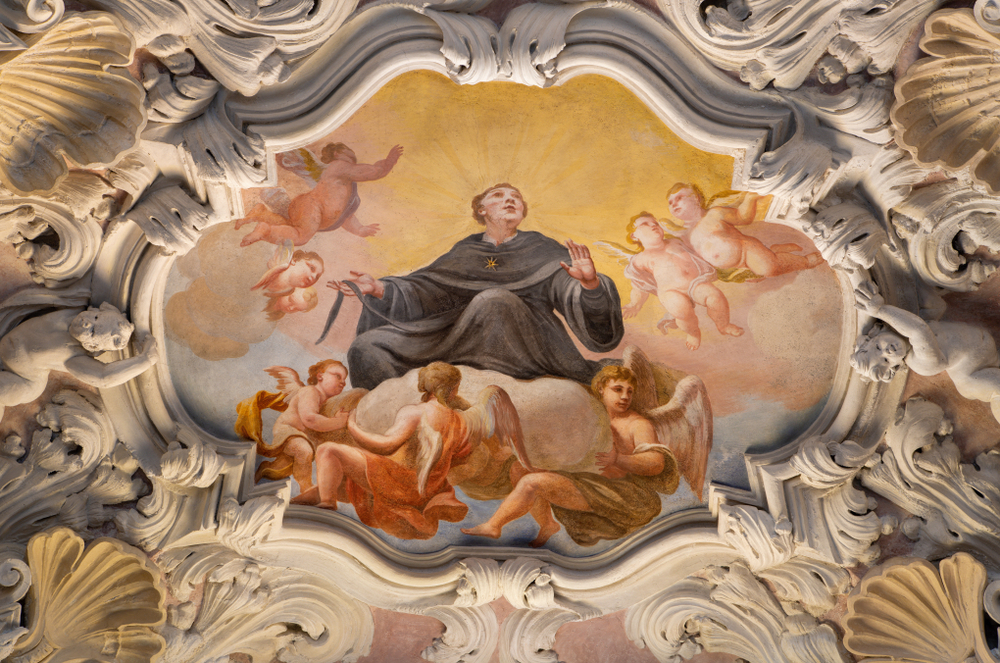
EWTN News Capitol Hill correspondent Erik Rosales spoke with various Catholic lawmakers about how their faith intersects with their public service.