



An engineering model of NASA’s DAVINCI (Deep Atmosphere Venus Investigation of Noble gases, Chemistry, and Imaging) descent probe passed a key test that ran from Aug. 28 to Sept. 10, showing it can survive the extreme temperatures of Venus.
Read More
| Picture of the day |
|---|
_female.jpg)
|
|
Female violet-backed starling (Cinnyricinclus leucogaster verreauxi), Damaraland, Namibia.
|


A SpaceX Falcon 9 rocket carrying the company’s Dragon spacecraft is launched on NASA’s SpaceX Crew-13 mission to the International Space Station with NASA astronauts Jessica Watkins and Luke Delaney, CSA (Canadian Space Agency) astronaut Joshua Kutryk, and Roscosmos cosmonaut Sergey Teteryatnikov aboard, Thursday, Oct. 1, 2026, from Cape Canaveral Space Force Station in Florida.
Read More

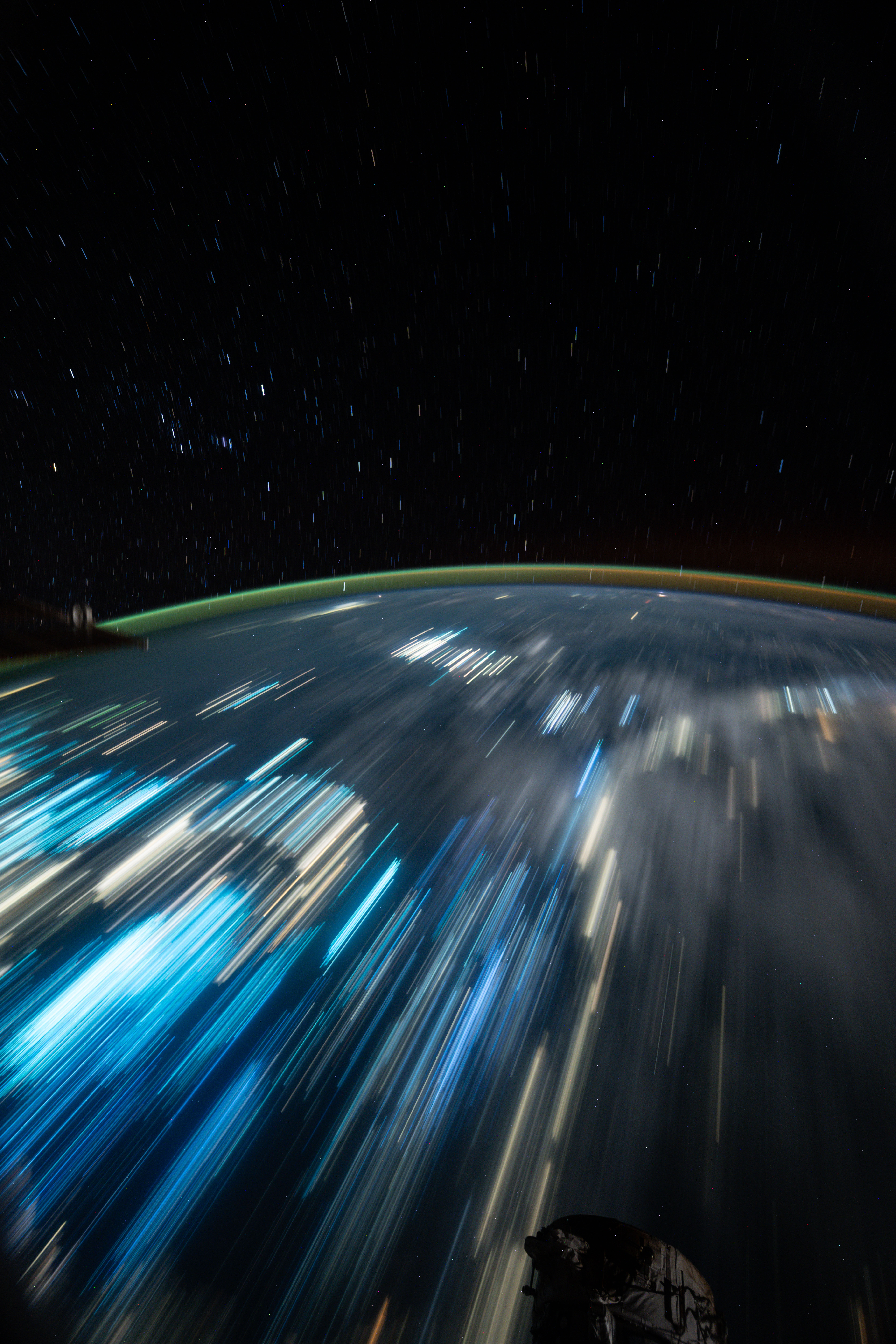
This long-duration image shows star trails above Earth and the blue lights of fishing boats and the yellow lights of Indonesian cities stretching below the International Space Station as it orbited 258 miles above the Banda Sea.
Read More
| Picture of the day |
|---|

|
|
Chief Joseph of the Wallowa band of Nez Perce, an American Native American tribe in the Pacific Northwest. This photo was taken by Edward Sheriff Curtis. Chief Joseph died on this day in 1904.
|

Ahead of launch of NASA’s SpaceX Crew-13 mission, a SpaceX Falcon 9 rocket, with the Dragon spacecraft atop, is vertical at the launch pad of Space Launch Complex 40 at Cape Canaveral Space Force Station in Florida on Sunday, Sept. 27, 2026.
Read More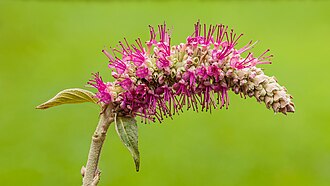
| Picture of the day |
|---|
.jpg)
|
|
Inflorescence of a Rostrinucula dependens. This subshrub is native to China and blooms from August to October. Focus stack of 54 photos.
|
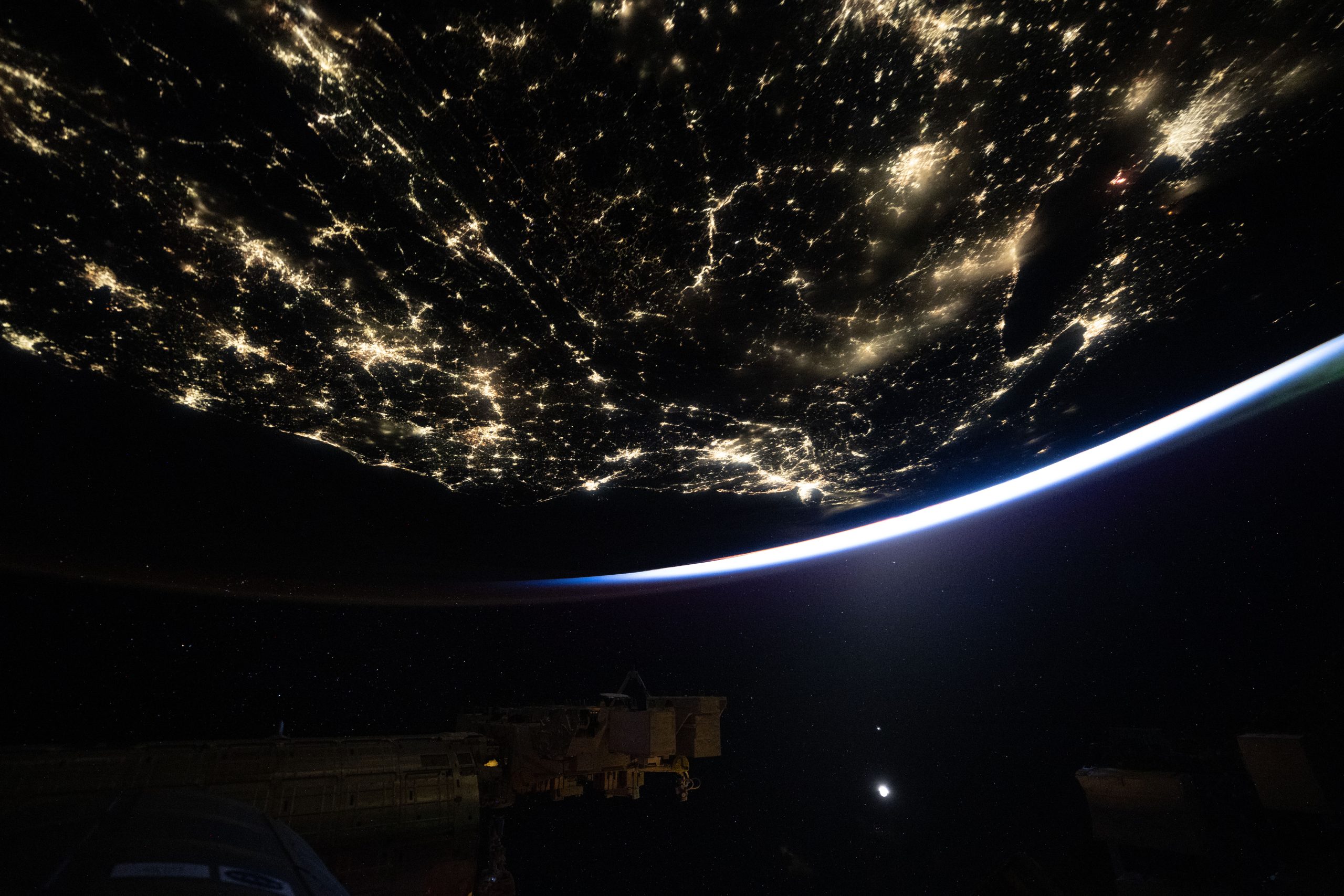
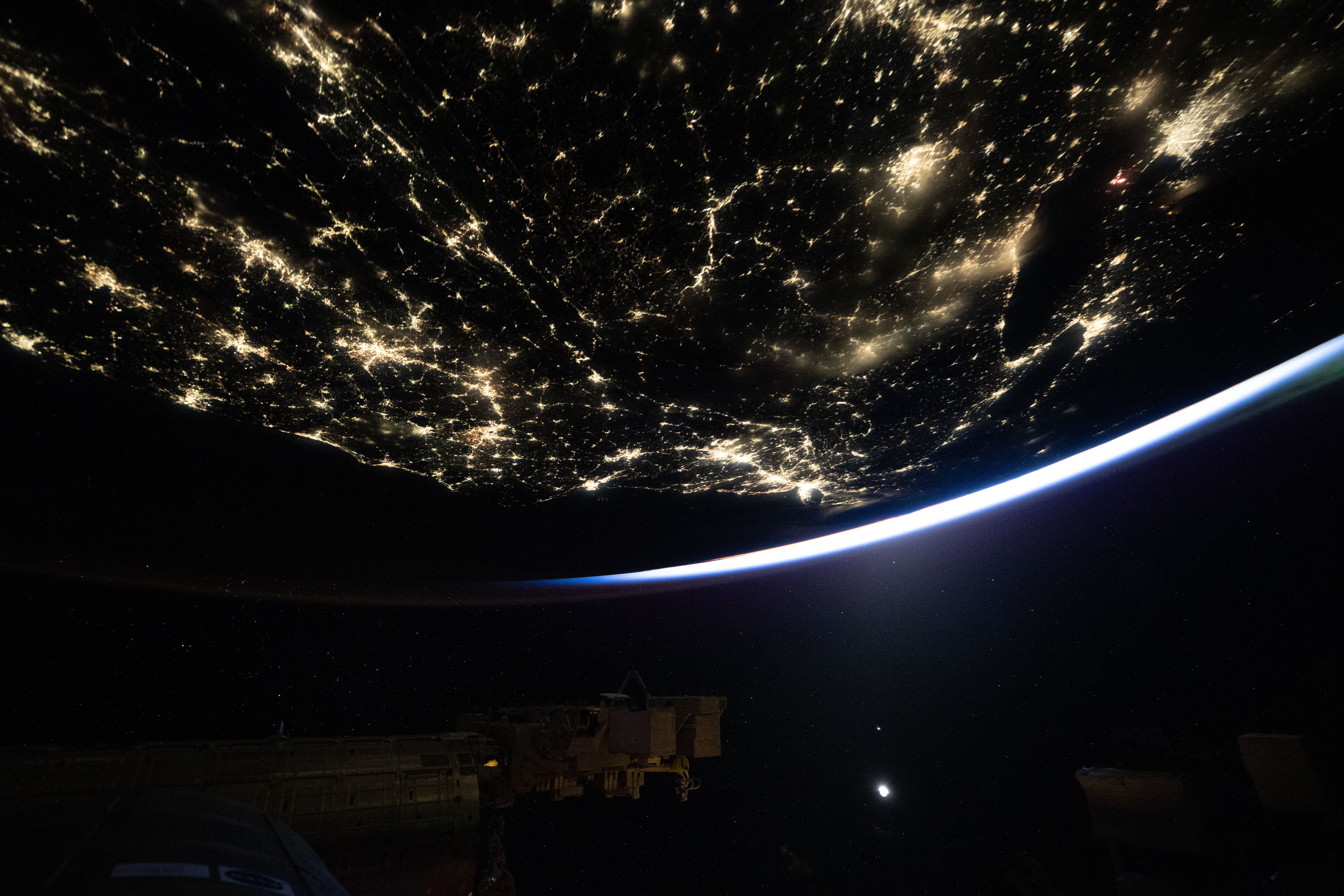
This nighttime view of the United States, dotted with city lights looking toward New York City (center), was taken at approximately 3:40 a.m. local time from the International Space Station as it orbited 259 miles above Earth.
Read More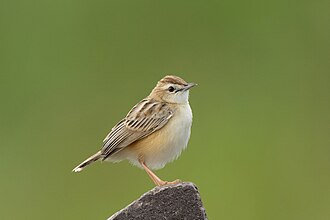
| Picture of the day |
|---|

|
|
A fan-tailed warbler (Zitting cisticola) in Bhigwan, Maharashtra, India.
|
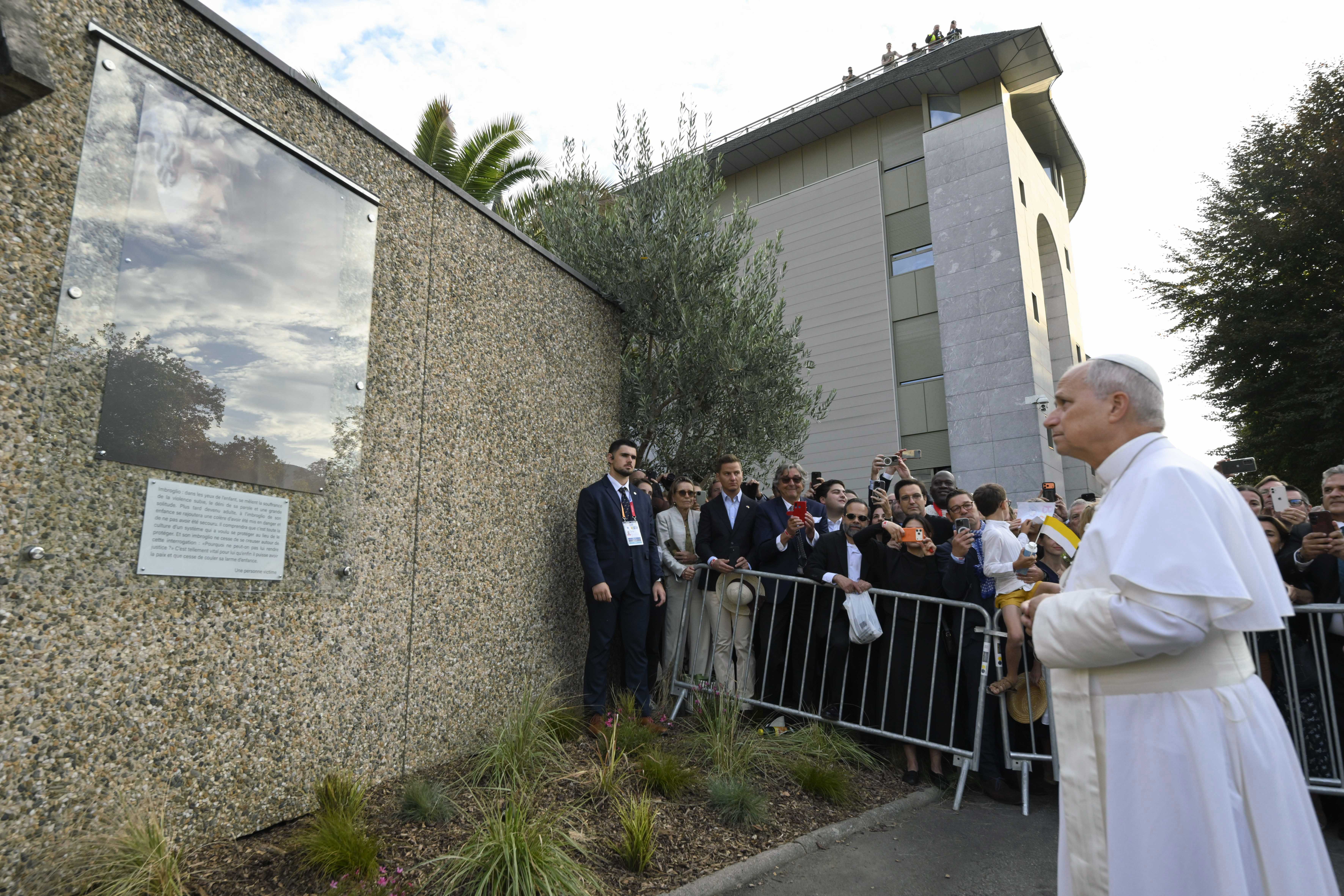
![Pope Leo meets French abuse victims in Lourdes #Catholic LOURDES, France — Pope Leo XIV met seven French victims of clerical sexual abuse on Sunday, making a gesture of solidarity and reconciliation at a shrine world-famous for its healing waters.The nearly two-hour encounter took place at the residence of the local bishop, where Leo is staying for his two nights at the Sanctuary of Our Lady of Lourdes.Speaking to journalists after the meeting, one of the victims, Jérôme Guillement, said, “There was something sincere about [Pope Leo]. With him, every word was carefully chosen; every word had meaning. … There were a lot of emotions.”According to the Holy See Press Office, Leo spent an hour and a half speaking to the four men and three women individually, before addressing them as a group for about 20 minutes and “thanking them for their painful testimony and reaffirming his commitment to ensuring that the harm they experienced is not repeated for others.”He “expressed his solidarity with them and, through them, with all those who have suffered and continue to suffer from the wounds of abuse,” the statement said.Leo also prayed with some of the victims.“I sensed that he was a man of commitment and also a man of resolve,” Olivier Mardi, one of the participants, said after the meeting. “He’s not fooled and knows that these events will continue and that we must remain vigilant… There was an emotional side to it, and at the same time something very powerful when he speaks.”Five of the seven involved in the meeting revealed their identities ahead of the pope’s trip. Among them was Bertrand Virieux, a victim of ex-priest Bernard Preynat, who in 2020 was sentenced to five years in prison for assaults on young scouts in the Archdiocese of Lyon. Preynat died in 2024.The Church in France has been grappling with the repercussions of abuse in the wake of an independent commission’s report that hundreds of thousands of children had been abused by clergy and religious over the past 70 years.The Independent Commission on Sexual Abuse in the Church (CIASE) published a nearly 2,500-page final report in October 2021, estimating that 216,000 children were abused by priests, deacons, monks, or nuns in France from 1950 to 2020.It added that when abuse by lay Church workers was also taken into account, “the estimated number of child victims rises to 330,000 for the whole of the period.”The victims were accompanied by Bishop Gérard Le Stang of Amiens, president of the Council for the Prevention and Combating of Pedophilia within the French bishops’ conference.Guillement said Leo “felt that the Church in France still had a great deal of work to do” to prevent abuse.“We talked about prevention as part of a cultural shift at all levels … There are different opinions, but from his perspective, there’s still a systemic dimension at play,” the man added.According to Mardi, the pontiff “responded well to our very concrete proposals; he knows he has to work with us… He said we need to rekindle hope, and it takes serious commitment to make that happen.”Pope Leo spoke about the clerical sexual abuse of minors in his address to the French bishops on the morning of Sept. 27.“In recent years, you have faced with determination the painful scourge of abuse committed against minors by members of the clergy or in an ecclesial context,” he said.The pontiff praised them for their courageous measures to listen, search for truth, justice, forgiveness, and making amends, as well as “a firm commitment to a culture of prevention and protection against these crimes.”“You must continue along the path you have begun, maintaining the greatest vigilance,” he said.Before addressing the bishops, Leo stopped in front of a memorial for victims of child sexual abuse, featuring the brief reflection of an anonymous victim.“[The victim] will come to understand that it was the entire culture of a system that sought to protect itself rather than protect him,” an inscription on the memorial reads. “And his turmoil continues to deepen around this question: Why can’t justice be done for him? It is so vital to him that he may finally find peace and that the tears of his childhood may cease to flow.”At an open-air Mass later on Sunday morning, the pope seemed to allude to the clerical abuse crisis, saying in his homily that “In order to heal the deep wounds, infidelities and painful errors that have occurred within [the Church], we must humbly place ourselves under the Lord’s purifying gaze. Recognizing our own faults is essential to our spiritual growth.”The pope’s plans for a private conversation with victims ignited controversy among several abuse support groups in France who criticized the format of the meeting and the exclusion of victims’ organizations.Asked about the criticism, Bishop Pierre-Antoine Bozo, the spokesman of the French bishops’ conference, told journalists that “there are many survivor groups … If all of them had been included or brought together, it would have been a very large format, and it would not have had the same impact.”“What helps us most in accompanying victims is listening to them. And to do that, you cannot have 50 people sitting in front of you. That is really what the pope wanted,” Bozo said.The Lourdes shrine was an evocative backdrop for the meeting with abuse victims, since it is among the first shrines to cover artwork by the accused sexual abuser Father Marko Rupnik, currently on trial at the Vatican.Mosaics by Rupnik on the façade of the Basilica of the Rosary were covered ahead of Leo’s visit and will remain indefinitely hidden.“It had come to carry such a symbolic burden for victims that, even though many of the people who come to Lourdes are not abuse victims, for those who are, something had to be done,” Bishop Bozo said.“If it becomes so difficult for people to come to Lourdes, people who should have a privileged place there because they are suffering, then the situation is no longer acceptable,” the spokesman added. “So I think covering the mosaics is a first step. Afterward, something new will have to be proposed, perhaps a new work of art.”](https://unitedyam.com/wp-content/uploads/2026/09/pope-leo-meets-french-abuse-victims-in-lourdes-catholic-lourdes-france-pope-leo-xiv-met-seven-french-victims-of-clerical-sexual-abuse-on-sunday-making-a-gesture-of-solidarity-and-reconcil-scaled.jpg "Pope Leo meets French abuse victims in Lourdes #Catholic LOURDES, France — Pope Leo XIV met seven French victims of clerical sexual abuse on Sunday, making a gesture of solidarity and reconciliation at a shrine world-famous for its healing waters.The nearly two-hour encounter took place at the residence of the local bishop, where Leo is staying for his two nights at the Sanctuary of Our Lady of Lourdes.Speaking to journalists after the meeting, one of the victims, Jérôme Guillement, said, “There was something sincere about [Pope Leo]. With him, every word was carefully chosen; every word had meaning. … There were a lot of emotions.”According to the Holy See Press Office, Leo spent an hour and a half speaking to the four men and three women individually, before addressing them as a group for about 20 minutes and “thanking them for their painful testimony and reaffirming his commitment to ensuring that the harm they experienced is not repeated for others.”He “expressed his solidarity with them and, through them, with all those who have suffered and continue to suffer from the wounds of abuse,” the statement said.Leo also prayed with some of the victims.“I sensed that he was a man of commitment and also a man of resolve,” Olivier Mardi, one of the participants, said after the meeting. “He’s not fooled and knows that these events will continue and that we must remain vigilant… There was an emotional side to it, and at the same time something very powerful when he speaks.”Five of the seven involved in the meeting revealed their identities ahead of the pope’s trip. Among them was Bertrand Virieux, a victim of ex-priest Bernard Preynat, who in 2020 was sentenced to five years in prison for assaults on young scouts in the Archdiocese of Lyon. Preynat died in 2024.The Church in France has been grappling with the repercussions of abuse in the wake of an independent commission’s report that hundreds of thousands of children had been abused by clergy and religious over the past 70 years.The Independent Commission on Sexual Abuse in the Church (CIASE) published a nearly 2,500-page final report in October 2021, estimating that 216,000 children were abused by priests, deacons, monks, or nuns in France from 1950 to 2020.It added that when abuse by lay Church workers was also taken into account, “the estimated number of child victims rises to 330,000 for the whole of the period.”The victims were accompanied by Bishop Gérard Le Stang of Amiens, president of the Council for the Prevention and Combating of Pedophilia within the French bishops’ conference.Guillement said Leo “felt that the Church in France still had a great deal of work to do” to prevent abuse.“We talked about prevention as part of a cultural shift at all levels … There are different opinions, but from his perspective, there’s still a systemic dimension at play,” the man added.According to Mardi, the pontiff “responded well to our very concrete proposals; he knows he has to work with us… He said we need to rekindle hope, and it takes serious commitment to make that happen.”Pope Leo spoke about the clerical sexual abuse of minors in his address to the French bishops on the morning of Sept. 27.“In recent years, you have faced with determination the painful scourge of abuse committed against minors by members of the clergy or in an ecclesial context,” he said.The pontiff praised them for their courageous measures to listen, search for truth, justice, forgiveness, and making amends, as well as “a firm commitment to a culture of prevention and protection against these crimes.”“You must continue along the path you have begun, maintaining the greatest vigilance,” he said.Before addressing the bishops, Leo stopped in front of a memorial for victims of child sexual abuse, featuring the brief reflection of an anonymous victim.“[The victim] will come to understand that it was the entire culture of a system that sought to protect itself rather than protect him,” an inscription on the memorial reads. “And his turmoil continues to deepen around this question: Why can’t justice be done for him? It is so vital to him that he may finally find peace and that the tears of his childhood may cease to flow.”At an open-air Mass later on Sunday morning, the pope seemed to allude to the clerical abuse crisis, saying in his homily that “In order to heal the deep wounds, infidelities and painful errors that have occurred within [the Church], we must humbly place ourselves under the Lord’s purifying gaze. Recognizing our own faults is essential to our spiritual growth.”The pope’s plans for a private conversation with victims ignited controversy among several abuse support groups in France who criticized the format of the meeting and the exclusion of victims’ organizations.Asked about the criticism, Bishop Pierre-Antoine Bozo, the spokesman of the French bishops’ conference, told journalists that “there are many survivor groups … If all of them had been included or brought together, it would have been a very large format, and it would not have had the same impact.”“What helps us most in accompanying victims is listening to them. And to do that, you cannot have 50 people sitting in front of you. That is really what the pope wanted,” Bozo said.The Lourdes shrine was an evocative backdrop for the meeting with abuse victims, since it is among the first shrines to cover artwork by the accused sexual abuser Father Marko Rupnik, currently on trial at the Vatican.Mosaics by Rupnik on the façade of the Basilica of the Rosary were covered ahead of Leo’s visit and will remain indefinitely hidden.“It had come to carry such a symbolic burden for victims that, even though many of the people who come to Lourdes are not abuse victims, for those who are, something had to be done,” Bishop Bozo said.“If it becomes so difficult for people to come to Lourdes, people who should have a privileged place there because they are suffering, then the situation is no longer acceptable,” the spokesman added. “So I think covering the mosaics is a first step. Afterward, something new will have to be proposed, perhaps a new work of art.”")
The pontiff “expressed his solidarity with them and, through them, with all those who have suffered and continue to suffer from the wounds of abuse,” the Vatican said.



NASA astronaut and commander of the agency’s Artemis II mission, Reid Wiseman, a Baltimore native, takes a selfie with fans at an NFL game between the New Orleans Saints and the Baltimore Ravens at M&T Bank Stadium, Sunday, Sept. 20, 2026, in Baltimore.
Read More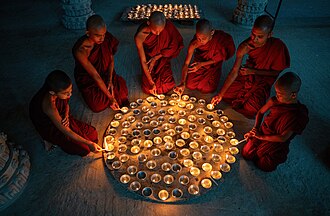
| Picture of the day |
|---|
.jpg)
|
|
A group of newly ordained Buddhist śramaṇas performing the traditional lamp-lighting ritual on Prabarana Purnima, Bangladesh.
|

Though the spiral galaxy in this ESA/Hubble Picture of the Month seems serene, it hides a chaotic secret.
Read More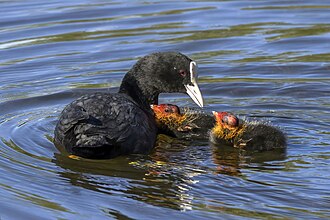
| Picture of the day |
|---|
_with_chicks.jpg)
|
|
Eurasian coot (Fulica atra) with chicks, Estanque de San Lázaro, Trujillo, Spain.
|

An Alta-X drone flies an advanced guidance and navigation system known as the Safe and Precise Landing – Integrated Capabilities Evolution (SPLICE) experiment near NASA’s Armstrong Flight Research Center in Edwards, California, on Thursday, Aug. 27, 2026.
Read More| Picture of the day |
|---|

|
|
Church of the Jesuit College, Ponta Delgada, São Miguel Island, Azores, Portugal
|

An image from NASA’s Hubble Space Telescope of galaxy cluster MACS J0417 is part of repeated observations to monitor for the reappearance of supernova Athena, which can help astronomers measure the expansion rate of the universe.
Read More| Picture of the day |
|---|

|
|
A historical reenactment of a pioneer traveling the Oregon Trail in Wyoming.
|
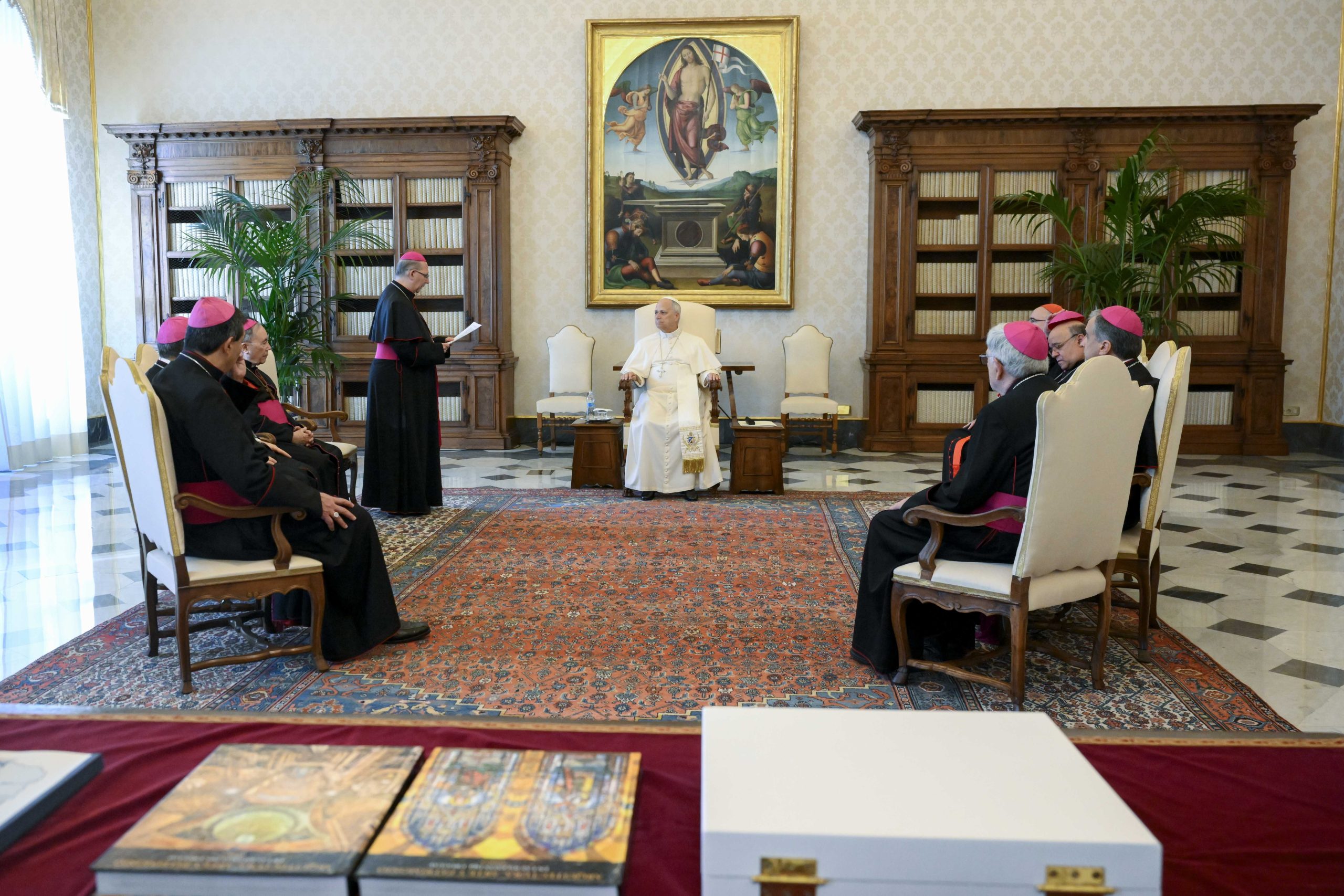
Although church attendance is low and the society is quite s quite secularized, the president of Uruguay’s bishops’ conference believes Pope Leo’s visit will give a boost to the country’s spiritual renewal.

Using NASA’s Chandra X-ray Observatory, scientists have discovered a new class of objects behaving unlike any they have seen before.
Read More

| Picture of the day |
|---|

|
|
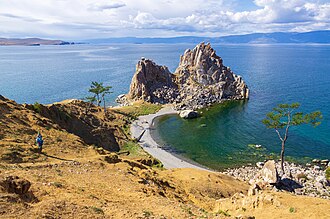
Cape Burhan with Shamanka Rock. The rock formation is made of white marble, dolomite, limestone, with inclusions of garnet, quartz and graphite. Olkhon Island, Lake Baikal, Russia.
|

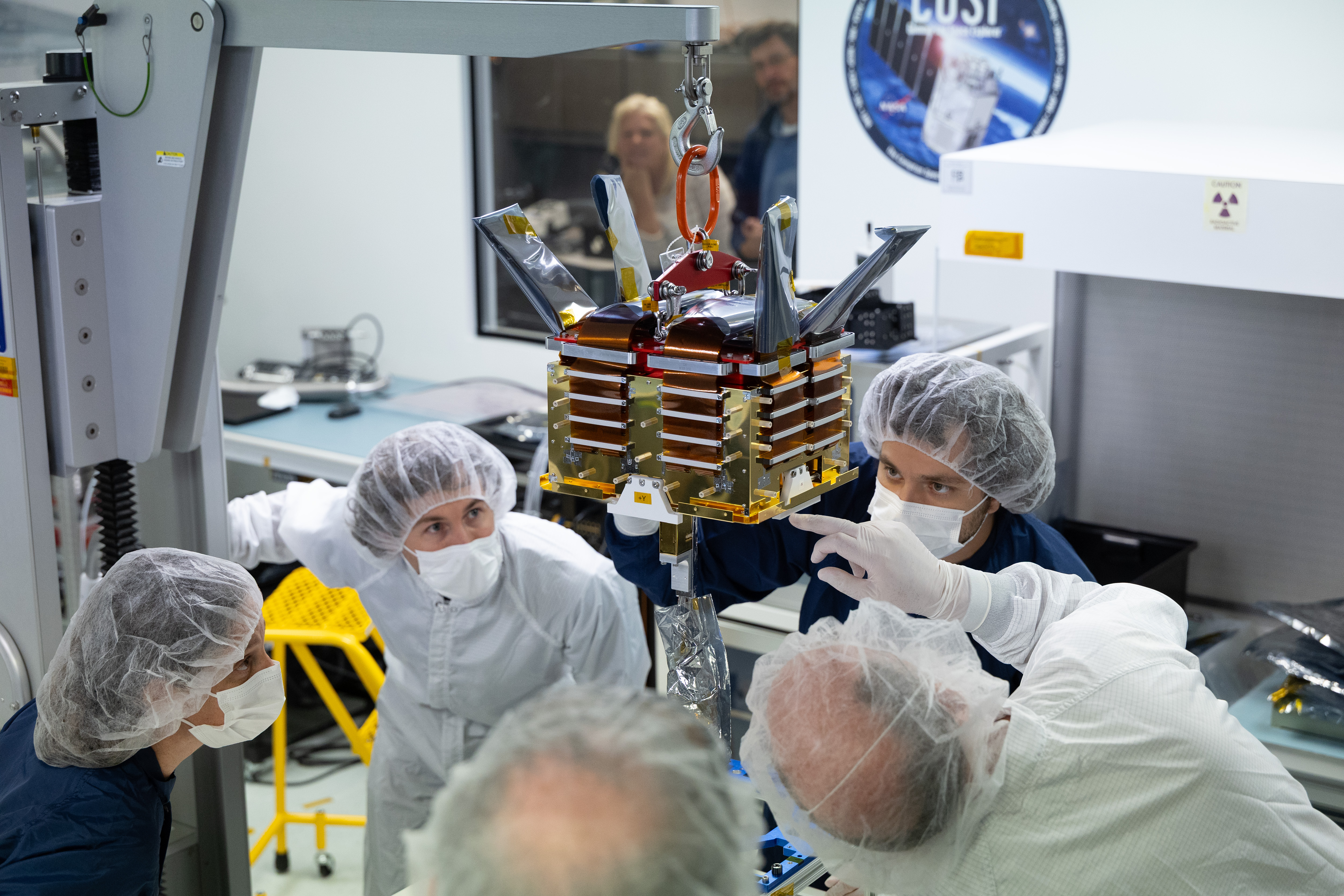
UC Berkeley engineers and managers watch as the COSI (Compton Spectrometer and Imager) detector assembly is slowly raised from a table in this July 8, 2026, image.
Read More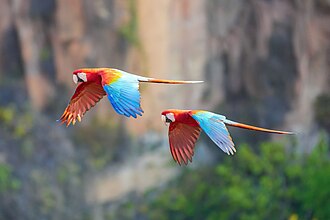
| Picture of the day |
|---|

|
|
Red-and-green macaw (Ara chloropterus) couple in flight in Mato Grosso, Brazil
|


The rollout ceremony for NASA’s first space shuttle, OV-101, coincided with Constitution Day of the nation’s bicentennial on Sept.17, 1976. Although the orbiter was originally planned to be named Constitution, Star Trek fans successfully convinced President Gerald Ford to name it Enterprise after the series’ fictional starship.
Read More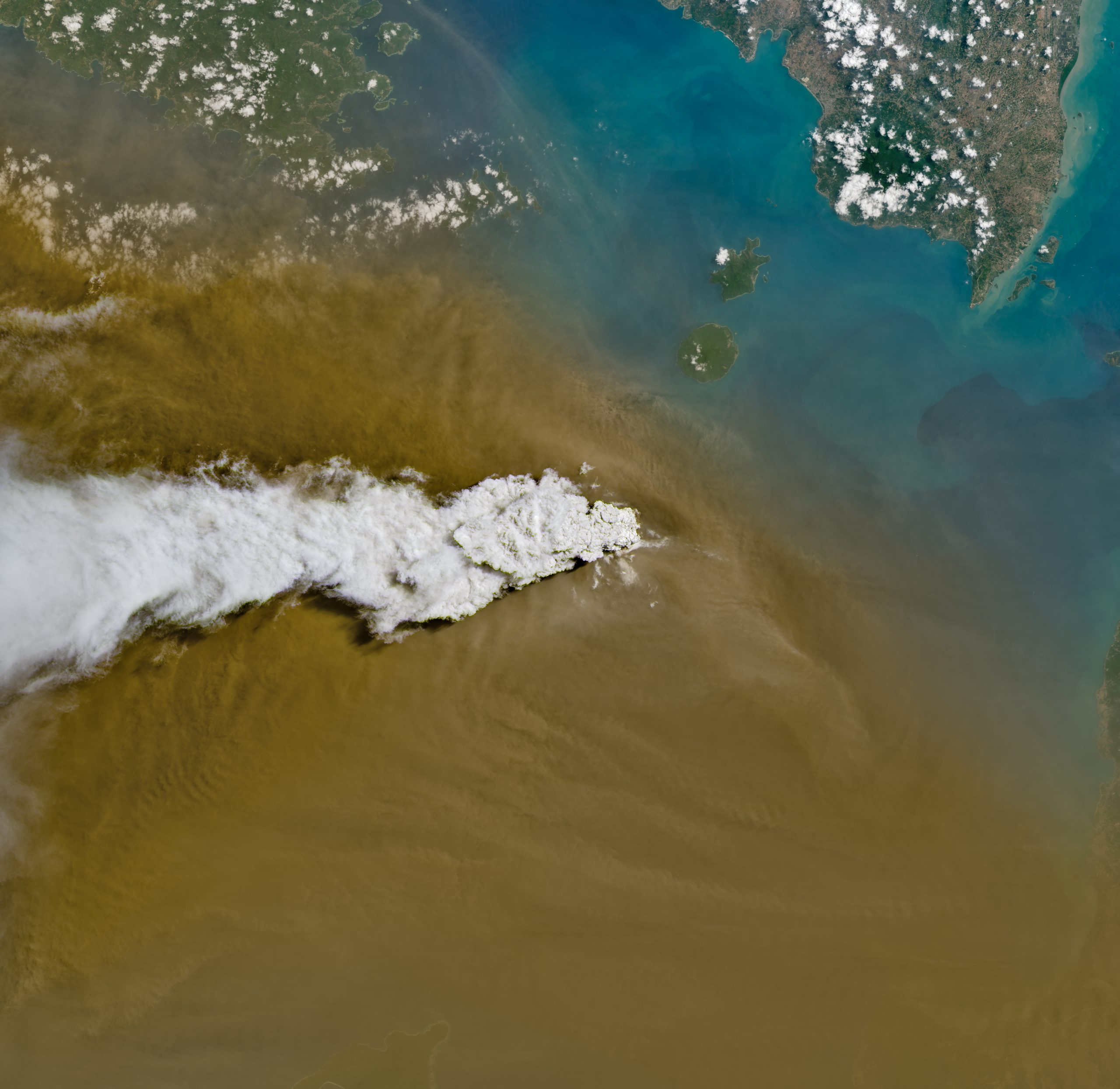
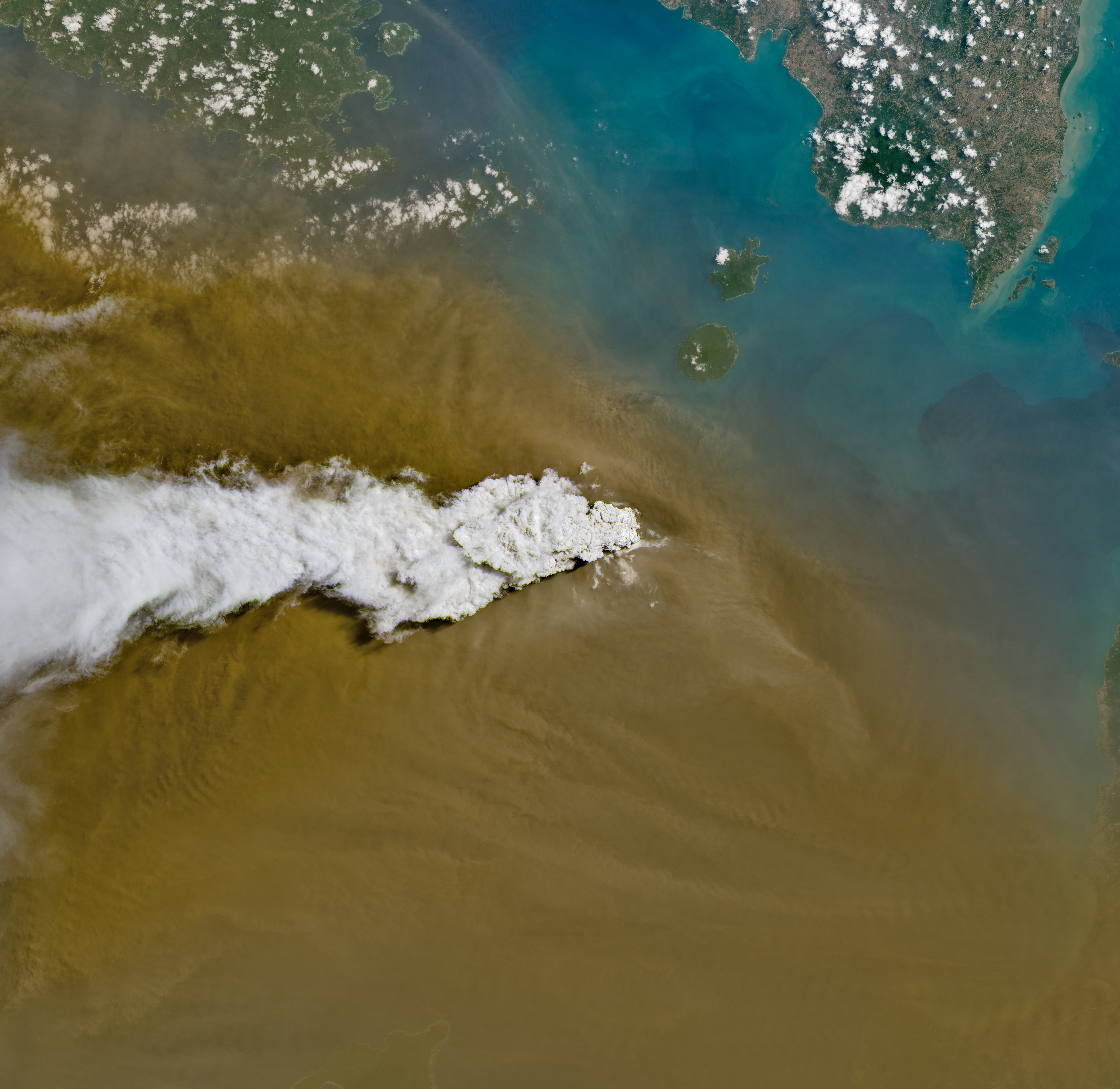
Anak Krakatau erupts ash and volcanic gases in this image acquired with the OLI (Operational Land Imager) on Landsat 8 on Sept. 5, 2026.
Read More| Picture of the day |
|---|

|
|
Sunset over Trommekilen, a part of Brofjorden, as seen from Norrkila, Lysekil Municipality, Sweden
|

NASA astronaut Randy Bresnik (left) and ESA (European Space Agency) astronaut Luca Parmitano view progress on the solid rocket booster integration in High Bay 3 inside the Vehicle Assembly Building at NASA’s Kennedy Space Center in Florida on Wednesday, Sept. 2, 2026.
Read More
| Picture of the day |
|---|

|
|
Peggy Bridgeman at the left demonstrates to Ruth Harris the correct technique of welding. Today is Labor Day in the United States.
|


Fans pose for a photo with an astronaut in the NASA Experience Zone at an NFL game between the Pittsburgh Steelers and the Atlanta Falcons at Acrisure Stadium, Sunday, Sept. 13, 2026, in Pittsburgh, Pennsylvania.
Read More| Picture of the day |
|---|
_1.jpg)
|
|
Indian rhinoceros (Rhinoceros unicornis) near Narayani River, Chitwan Community Forest buffer zone, Nepal
|

| Picture of the day |
|---|

|
|
Anna, with Max supporting his mother, decorates a sign for the Almabtrieb. Freiburger Alpe, Bavaria, Germany, September 2024.
|


Galaxies are like cosmic gems, each with characteristics including size and shape that make them distinct. A gallery from NASA’s Chandra X-ray Observatory and other telescopes displays a collection of galactic images that showcase this variety.
Read More| Picture of the day |
|---|
,_mar_Rojo,_Egipto,_2023-04-15,_DD_36.jpg)
|
|
Red Sea bannerfish (Heniochus intermedius), Red Sea, Egypt. The Red Sea bannerfish attains as maximum total length of 18 centimetres (7.1 in) and is native to the western Indian Ocean where it is found in the Red Sea and the Gulf of Aden. It’s associated with coral reefs where it is most frequently recorded as a solitary fish or in pairs, although large schools have been recorded. The juveniles form large schools, particularly in areas of deep reef where there is a low density of corals. They feed on both zooplankton and benthic invertebrates but the extent to which they feed on live coral has still to be determined. It is an oviparous species which forms monogamous pairs for spawning. It’s collected for the aquarium trade but its collection is of a limited scale and is not believed to be a threat to the species population.
|


Using the James Webb Space Telescope, an international team of astronomers have discovered that dust and water can form and survive surprisingly close to the supermassive black hole at the center of our Milky Way galaxy.
Read More
| Picture of the day |
|---|

|
|
The shipwreck of Cabo de Santa Maria in Boa Vista, Cape Verde as it appeared in December 2010. The Spanish cargo ship ran aground at Praia de Atalanta beach on this date in 1968.
|

The crew of NASA’s Artemis II mission visited NASA’s Marshall Space Flight Center in Huntsville, Alabama on Sept. 1, 2026.
Read More
| Picture of the day |
|---|
,_Windsor,_Ontario,_2025-08-31_01.jpg)
|
|
Devonshire Lodge (Low-Martin House), Windsor, Ontario, Canada. Commissioned by the rum-runner Harry Low in 1927, the building was designed in the style of a Cotswold cottage and completed in 1928. It served as the home of Member of Parliament Paul Martin Sr. for almost three decades. It was designated under the Ontario Heritage Act in 2008.
|
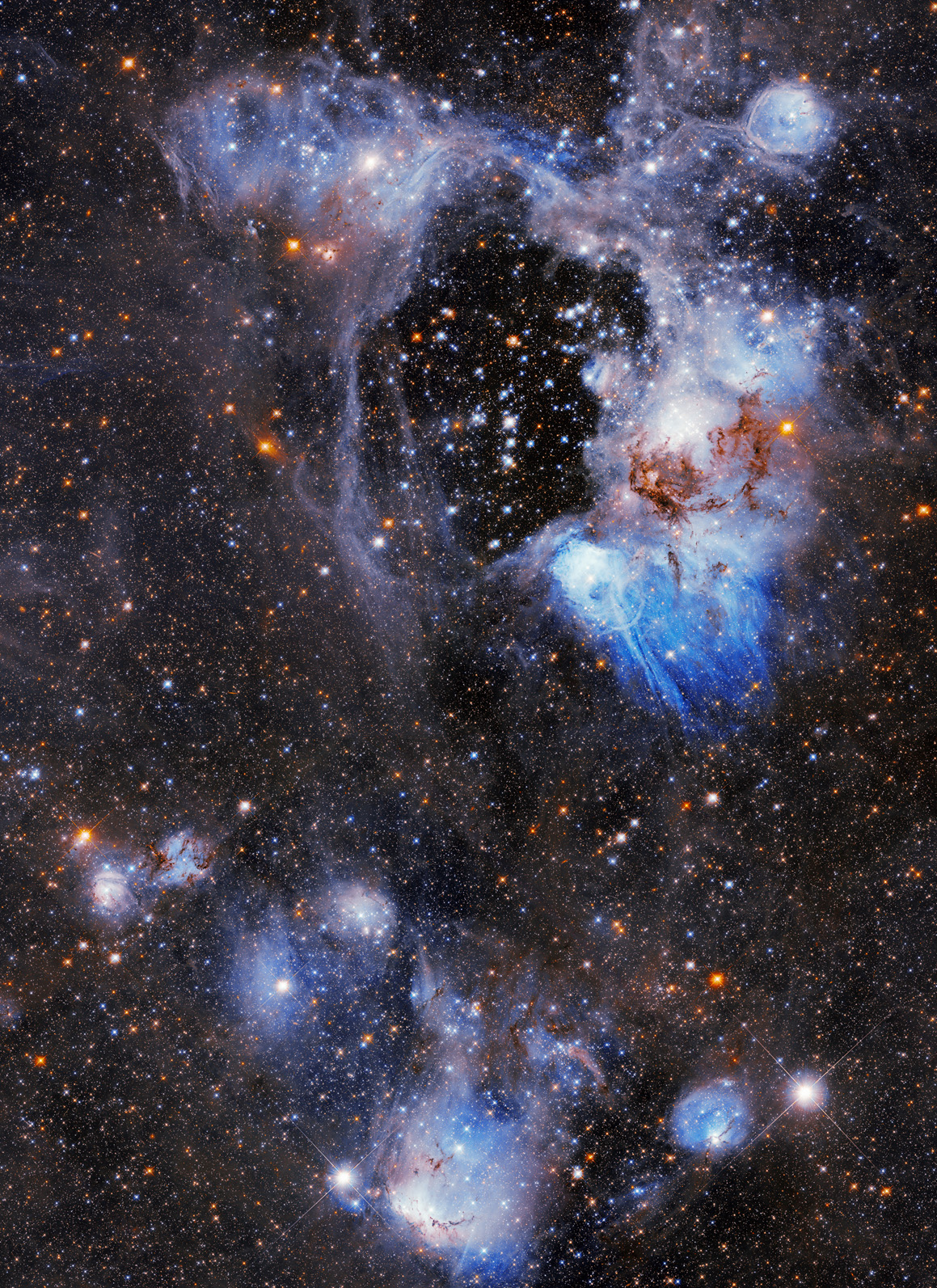
N44 is a complex nebula filled with glowing hydrogen gas, dark lanes of dust, massive stars, and many populations of stars of different ages. One of its most distinctive features, however, is the dark, starry gap called a “superbubble,” visible in this Hubble Space Telescope image in the upper central region.
Read More
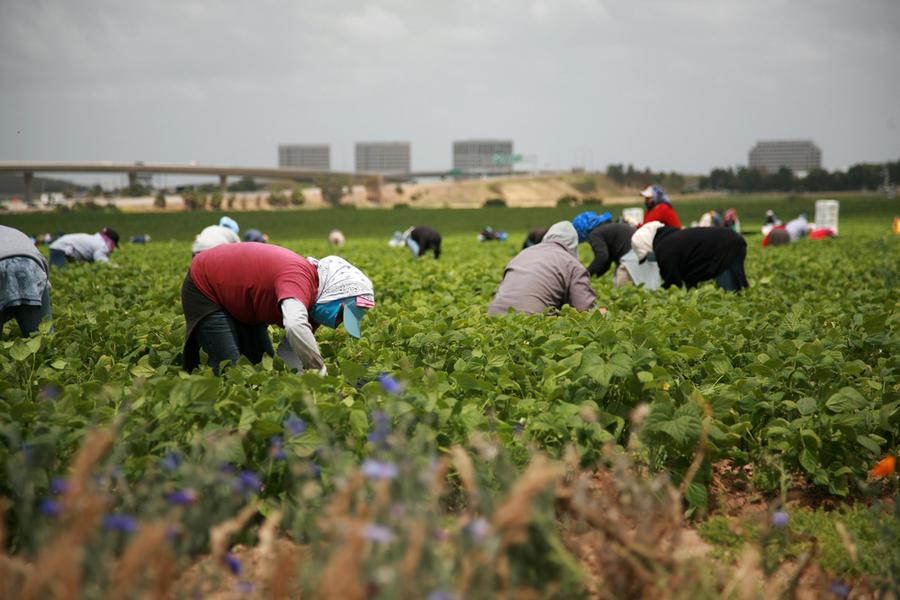
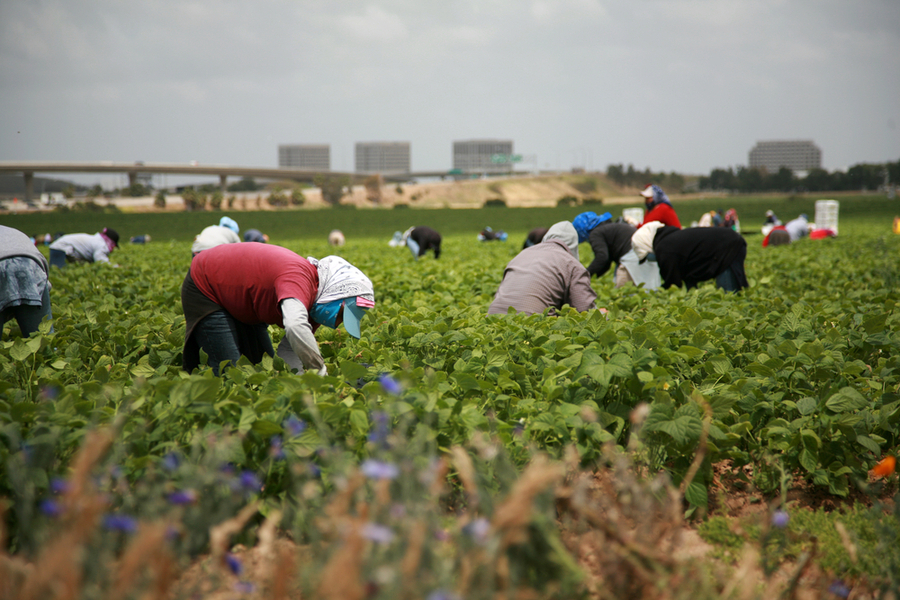
“All work, no matter what the work is, is essential,” said Father Sinclair Oubre, spiritual moderator of the Catholic Labor Network.

| Picture of the day |
|---|
._29-08-2023._(d.j.b).jpg)
|
|
Flower bud of a Succisa pratensis. Focus stack of 36 photos. The main flower is about 11 mm in diameter.
|
| Picture of the day |
|---|

|
|
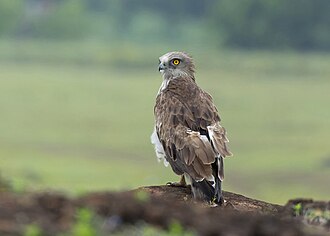
Circaetus gallicus (Short-toed snake eagle) in Bhigwan, Maharashtra, India
|
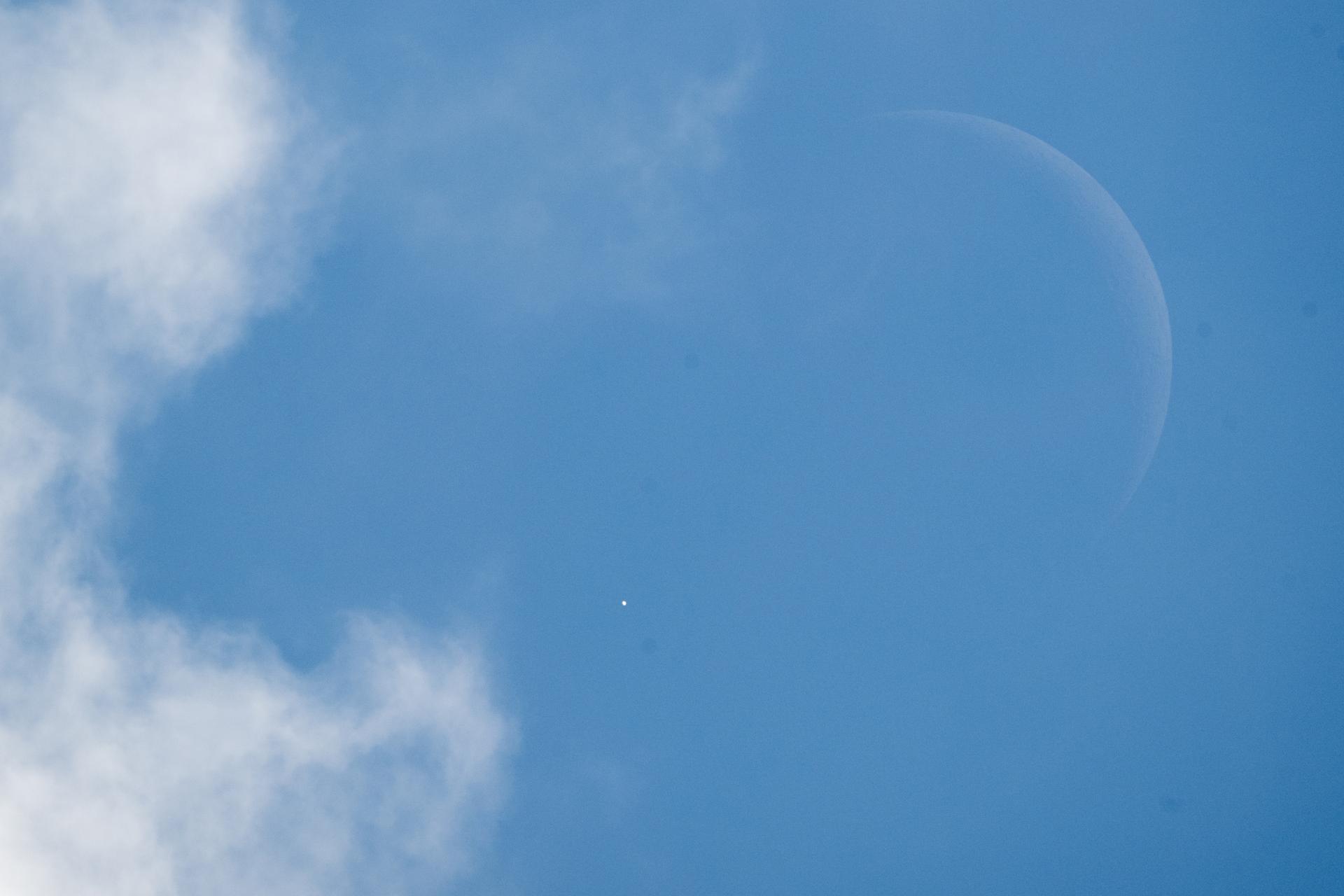
On Wednesday, June 17, skywatchers across the United States—and parts of Canada—enjoyed a rare event: a daytime lunar occultation of Venus. A lunar occultation occurs when the Moon moves directly in front of another celestial object from our viewpoint on Earth, briefly hiding it from sight.
Read More| Picture of the day |
|---|

|
|
Lake Coldai, an alpine lake beneath the Dolomites near village Alleghe, Italy. Today is World Lake Day, designated by the United Nations to raise awareness about the importance of lakes and to promote their sustainable management.
|