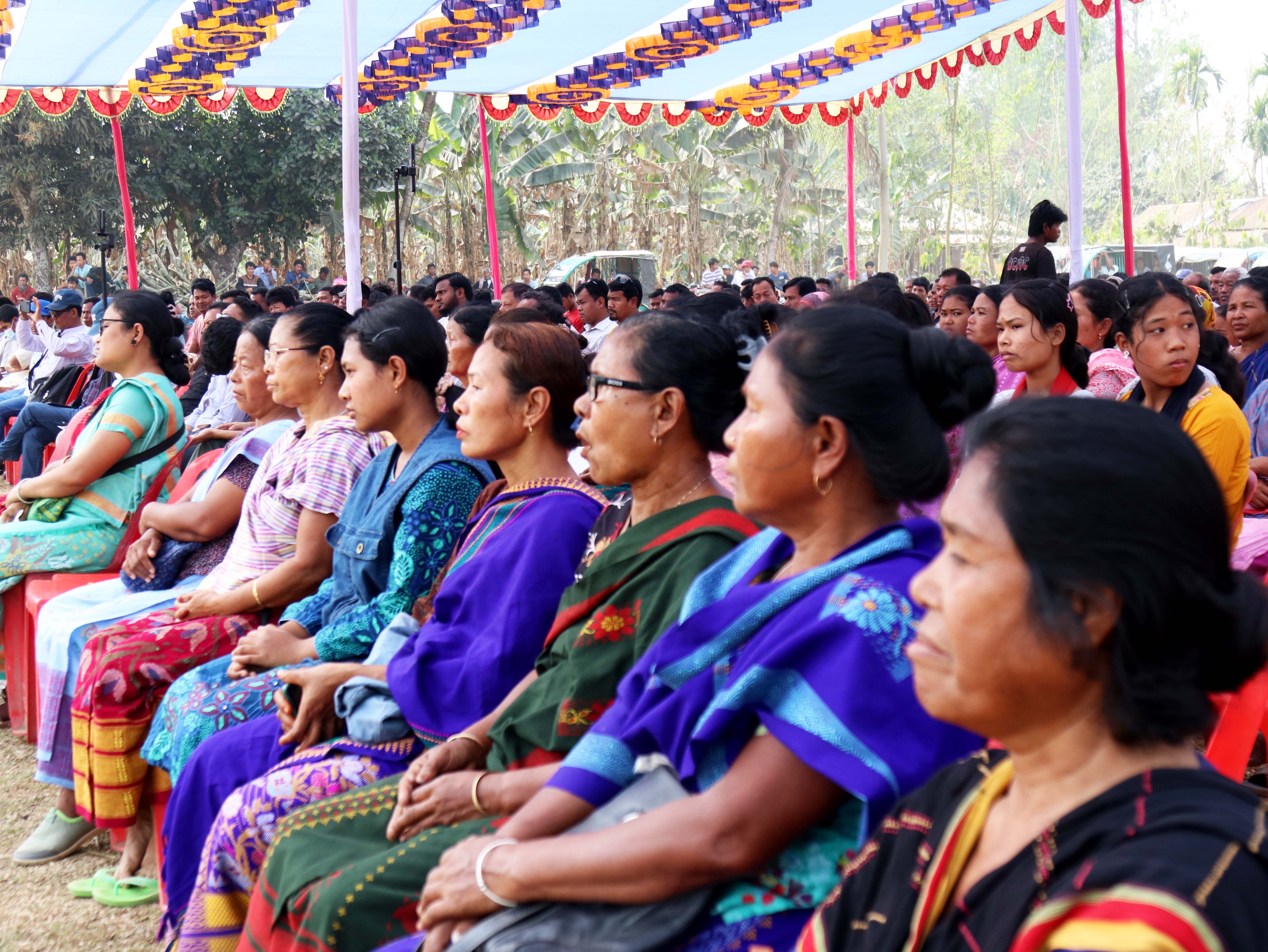
MADHUPUR, Bangladesh — Indigenous Catholic and tribal leaders in central Bangladesh are warning the government that a stronger protest movement will follow if it does not withdraw a contested forest development project before the end of the Muslim fasting month of Ramadan this week.
The Garo and Koch Indigenous peoples say a government plan to dig an artificial lake and build an eco-park in the Madhupur forest — about 94 miles north of the capital, Dhaka — is a pretext for evicting them from ancestral lands they have occupied for generations.
“What the government is doing in the name of development is not development. It is a clear plan to evict the Garo and Koch Indigenous from this forest area,” said Toni Chiran, a Catholic from Corpus Christi Church in Jalchatra and president of the Bangladesh Indigenous Youth Forum.
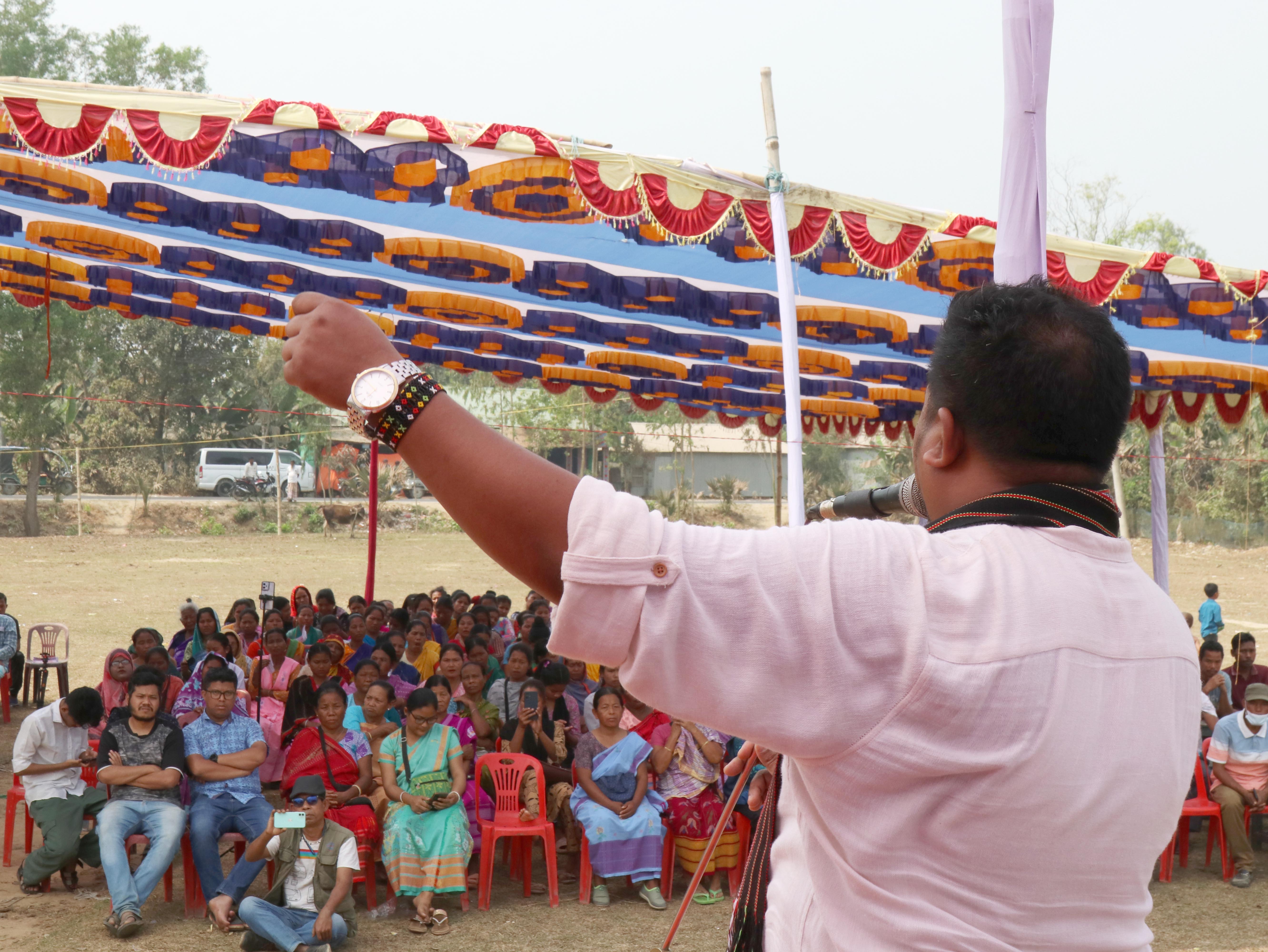
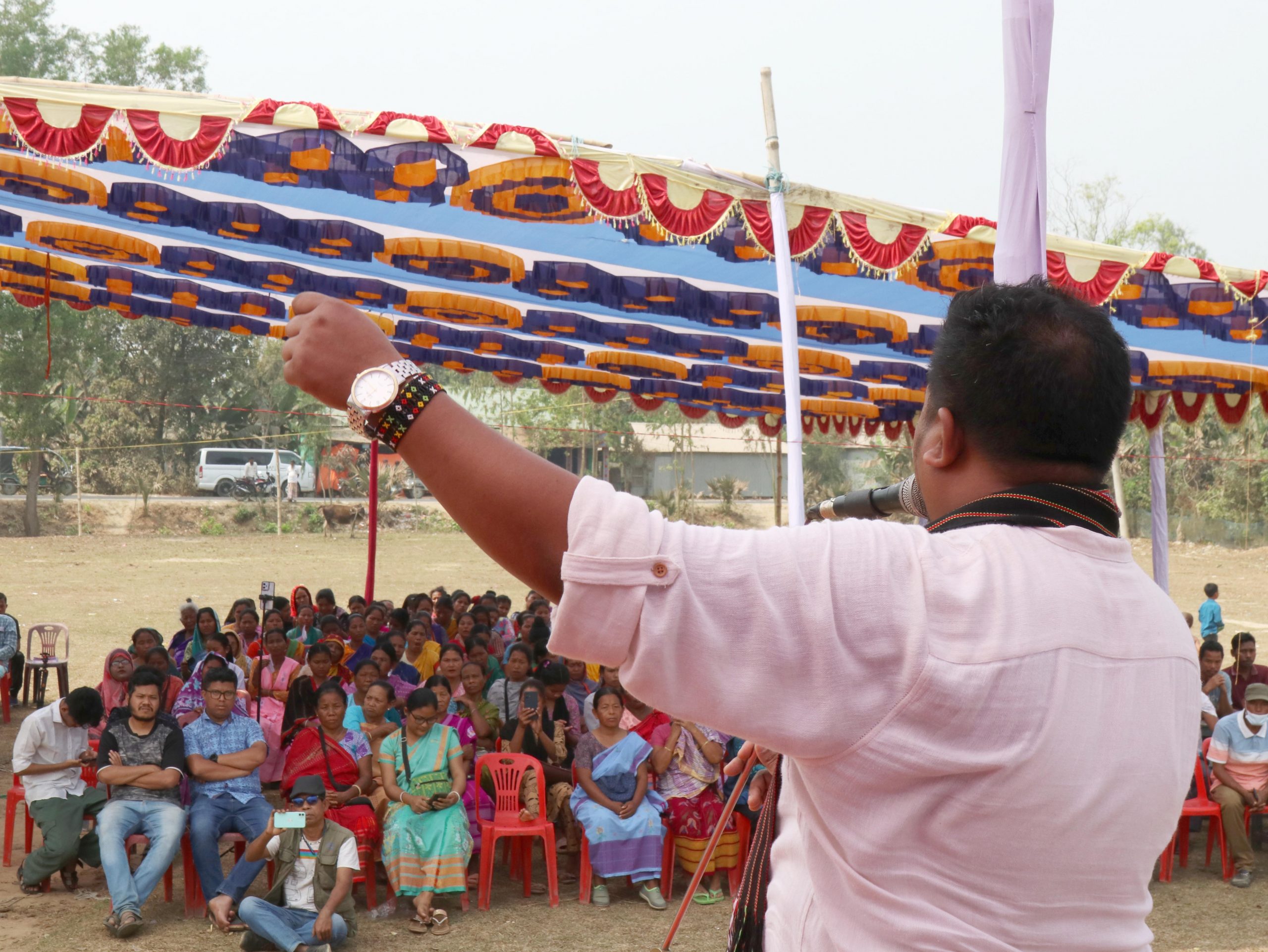
Chiran spoke at a protest rally on March 6 in Madhupur’s Tangail district, where hundreds of Indigenous students and community members gathered to oppose the project. He said that if the artificial lake and eco-park are built, Indigenous people will lose their agricultural land and the natural forest will be destroyed, leaving the Garo and other Indigenous peoples with no means to sustain their way of life.
Bangladesh is home to approximately 400,000 Catholics in a population of nearly 178 million, and more than half of the country’s Catholics come from Indigenous communities.
Church voices support
Father Simon Hacha, the vicar general of the Diocese of Mymensingh, which covers the area, said the Church cannot support the government’s plans.
“If this project is implemented, the Indigenous people’s cropland will be destroyed and they will face eviction. We think that is what the government wants,” Hacha told EWTN News.
“We want to tell the government to back off from such shameful steps. The Catholic Church has always been for justice and has been giving moral support to the Indigenous movement,” he added.
Decades-long dispute
The Bangladesh government first proposed an artificial lake and eco-park in the Madhupur forest in 2000. In 2004, at least one Garo man was killed by police gunfire during a protest, and many others were injured. The government subsequently halted the project.
In 2026, authorities revived the plan and have already begun excavating the designated area. Indigenous leaders say the project amounts to a long-term strategy to force tribal communities from the region.
Janoki Chisim, secretary of the Garo Indigenous Student Union, told EWTN News that the project would be an injustice not only to the forest but also to the people who depend on it.
“Let the forest survive in its original form and glory. The Garo and Koch Indigenous people have lived in this forest since time immemorial,” Chisim said.
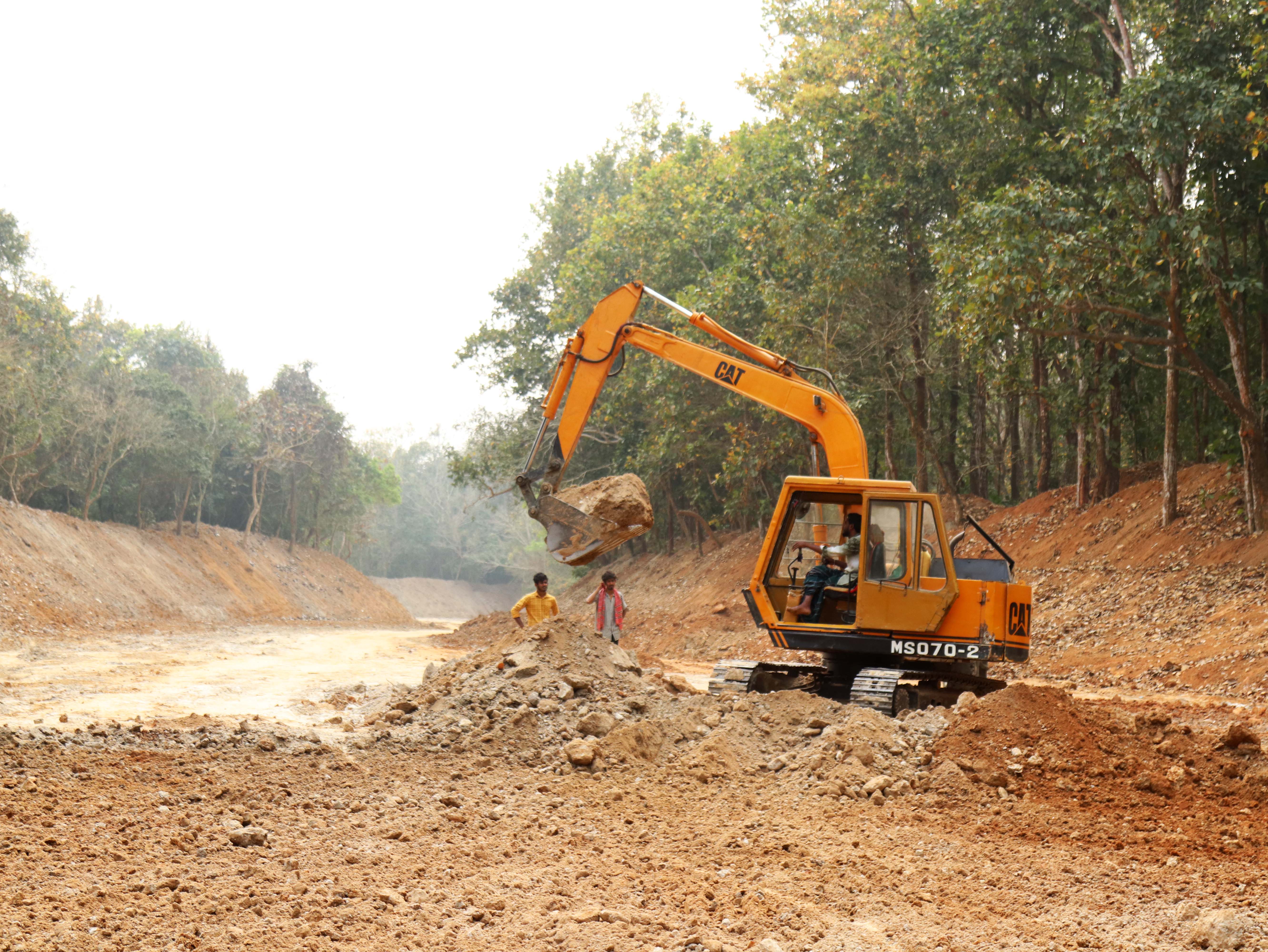
According to tribal elders, tigers, bears, deer, wild boars, and wild cats once roamed freely in the forest, and hundreds of bird species thrived alongside them. Forest dwellers traditionally collected wild potatoes and medicinal plants from the forest vines. That way of life, residents say, is slowly disappearing.
After the Tenancy Act of 1950, the Forest Department encroached on tribal forestland. Successive government projects have steadily eroded the forest’s biodiversity. Remaining forest is being cleared for lakes, entertainment centers, hotels, and resorts, and the local Garo and Koch Indigenous people are being displaced, community leaders say.
“If the customary land rights of the tribals are not ensured, a strong movement will be launched in the coming days,” Chisim told EWTN News.
Forest officials respond
Forest officials say the lake is being expanded to 1,165 feet. An existing 665-foot-long lake, dug five decades ago, has silted up, causing a severe water shortage in the forest during the dry season.
When rivers and canals dry up, monkeys, hanuman langurs, deer, and other wildlife venture into populated areas in search of water and are sometimes attacked, officials said.
“Deer, peacocks, and tortoises in the breeding center also face water shortage. The expansion of this lake is necessary to protect the life of wildlife,” Mosharraf Hossain, a forest official, told EWTN News.
Hossain added that no one has customary land rights in the reserved forest and that lakes are not being dug on Garo land. Forest department officials say some youths are spreading unnecessary confusion at the behest of a vested interest group.
‘They want to evict us’: Why Indigenous Catholics fight forest project in Bangladesh #Catholic
MADHUPUR, Bangladesh — Indigenous Catholic and tribal leaders in central Bangladesh are warning the government that a stronger protest movement will follow if it does not withdraw a contested forest development project before the end of the Muslim fasting month of Ramadan this week.
The Garo and Koch Indigenous peoples say a government plan to dig an artificial lake and build an eco-park in the Madhupur forest — about 94 miles north of the capital, Dhaka — is a pretext for evicting them from ancestral lands they have occupied for generations.
“What the government is doing in the name of development is not development. It is a clear plan to evict the Garo and Koch Indigenous from this forest area,” said Toni Chiran, a Catholic from Corpus Christi Church in Jalchatra and president of the Bangladesh Indigenous Youth Forum.
Chiran spoke at a protest rally on March 6 in Madhupur’s Tangail district, where hundreds of Indigenous students and community members gathered to oppose the project. He said that if the artificial lake and eco-park are built, Indigenous people will lose their agricultural land and the natural forest will be destroyed, leaving the Garo and other Indigenous peoples with no means to sustain their way of life.
Bangladesh is home to approximately 400,000 Catholics in a population of nearly 178 million, and more than half of the country’s Catholics come from Indigenous communities.
Church voices support
Father Simon Hacha, the vicar general of the Diocese of Mymensingh, which covers the area, said the Church cannot support the government’s plans.
“If this project is implemented, the Indigenous people’s cropland will be destroyed and they will face eviction. We think that is what the government wants,” Hacha told EWTN News.
“We want to tell the government to back off from such shameful steps. The Catholic Church has always been for justice and has been giving moral support to the Indigenous movement,” he added.
Decades-long dispute
The Bangladesh government first proposed an artificial lake and eco-park in the Madhupur forest in 2000. In 2004, at least one Garo man was killed by police gunfire during a protest, and many others were injured. The government subsequently halted the project.
In 2026, authorities revived the plan and have already begun excavating the designated area. Indigenous leaders say the project amounts to a long-term strategy to force tribal communities from the region.
Janoki Chisim, secretary of the Garo Indigenous Student Union, told EWTN News that the project would be an injustice not only to the forest but also to the people who depend on it.
“Let the forest survive in its original form and glory. The Garo and Koch Indigenous people have lived in this forest since time immemorial,” Chisim said.
According to tribal elders, tigers, bears, deer, wild boars, and wild cats once roamed freely in the forest, and hundreds of bird species thrived alongside them. Forest dwellers traditionally collected wild potatoes and medicinal plants from the forest vines. That way of life, residents say, is slowly disappearing.
After the Tenancy Act of 1950, the Forest Department encroached on tribal forestland. Successive government projects have steadily eroded the forest’s biodiversity. Remaining forest is being cleared for lakes, entertainment centers, hotels, and resorts, and the local Garo and Koch Indigenous people are being displaced, community leaders say.
“If the customary land rights of the tribals are not ensured, a strong movement will be launched in the coming days,” Chisim told EWTN News.
Forest officials respond
Forest officials say the lake is being expanded to 1,165 feet. An existing 665-foot-long lake, dug five decades ago, has silted up, causing a severe water shortage in the forest during the dry season.
When rivers and canals dry up, monkeys, hanuman langurs, deer, and other wildlife venture into populated areas in search of water and are sometimes attacked, officials said.
“Deer, peacocks, and tortoises in the breeding center also face water shortage. The expansion of this lake is necessary to protect the life of wildlife,” Mosharraf Hossain, a forest official, told EWTN News.
Hossain added that no one has customary land rights in the reserved forest and that lakes are not being dug on Garo land. Forest department officials say some youths are spreading unnecessary confusion at the behest of a vested interest group.